Knives
Gerber Pocket Cleavers Compared: Flat Iron vs Asada
Two budget folding cleaver-style knives from Gerber, with real differences in grind, finish, and handling worth knowing before you pick one.
Introduction
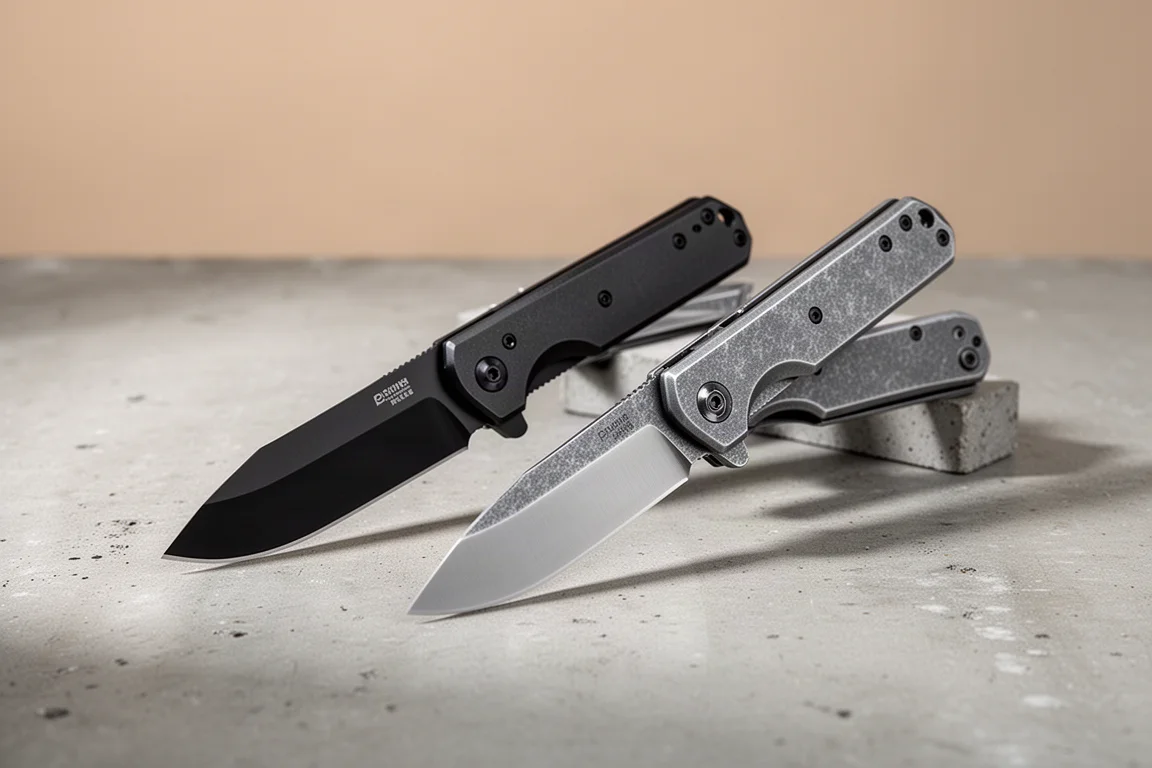
Gerber now offers several folding knives with cleaver-style blades, and two of the most accessible are the Flat Iron and the Asada. Both take a shape that a few years ago lived mostly in high-end custom knives and bring it down to hardware-store prices. The Flat Iron turned up on clearance for about $24, and the Asada ran roughly $30. They look like novelty blades, but the cleaver profile has genuine advantages for shop and utility work.
Why the Cleaver Shape Works in a Pocket Knife
Blade shape is the profile of the knife from spine to edge and from tip to handle, distinct from the grind, edge, or handle design. Traditional shapes make trade-offs. A drop point keeps the spine smooth and rolls it down to meet the tip in line with the handle, which adds strength and control and reduces the chance of catching the tip accidentally. A clip point, the classic Bowie style, removes metal near the tip and creates a very sharp point but a weaker one. Hunting shapes give long sweeping cutting edges but put the point above the handle line, sacrificing control.
The cleaver shape is a different avenue entirely: a broad blade with a lot of girth behind the edge, a sharp usable tip, and enough surface to choke up on for precision cuts. What it is not is a chopper. With a folding cleaver, your hand sits below the blade and the balance point sits well back in the handle, the opposite of a true cleaver’s heavy blade and light handle. Chopping with any folding knife is asking for trouble anyway, since the mechanism is the weak point.
Flat Iron: Hollow Grind and Big Blade
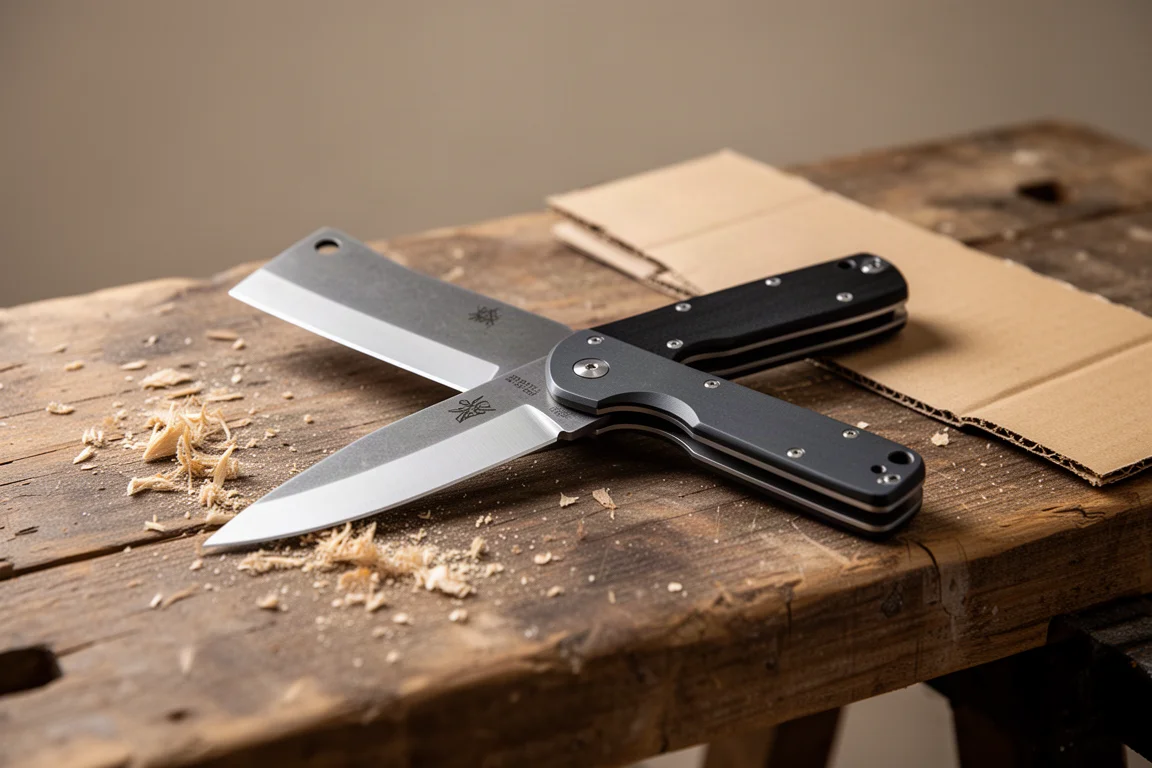
The Flat Iron is the larger of the two and the more conventional in its mechanism, opening primarily with a thumb hole. It uses a hollow grind, which means the blade is ground inward and leaves a gap under the flat edge. That allows a very sharp, very narrow edge, but a hollow grind is also weak and brittle if you get rough with the knife, and it is difficult to regrind without a machine. This is a second-generation version, so it includes the small over-travel guide near the pivot that keeps users from pressing against the lock bar and resisting the opening action.
Fit and finish are good for the money: stainless steel spacers, visible tool marks where the lock was custom fitted, and a lockup that goes over halfway into the blade tang, which is rock solid right now. The tip is genuinely sharp, at less than a 90-degree angle, and the blade has real thickness behind the edge compared to a utility knife. At around $24 for a heavy knife, it is an easy one to justify as a play-around utility blade.
Asada: Flat Grind and Stonewash Finish
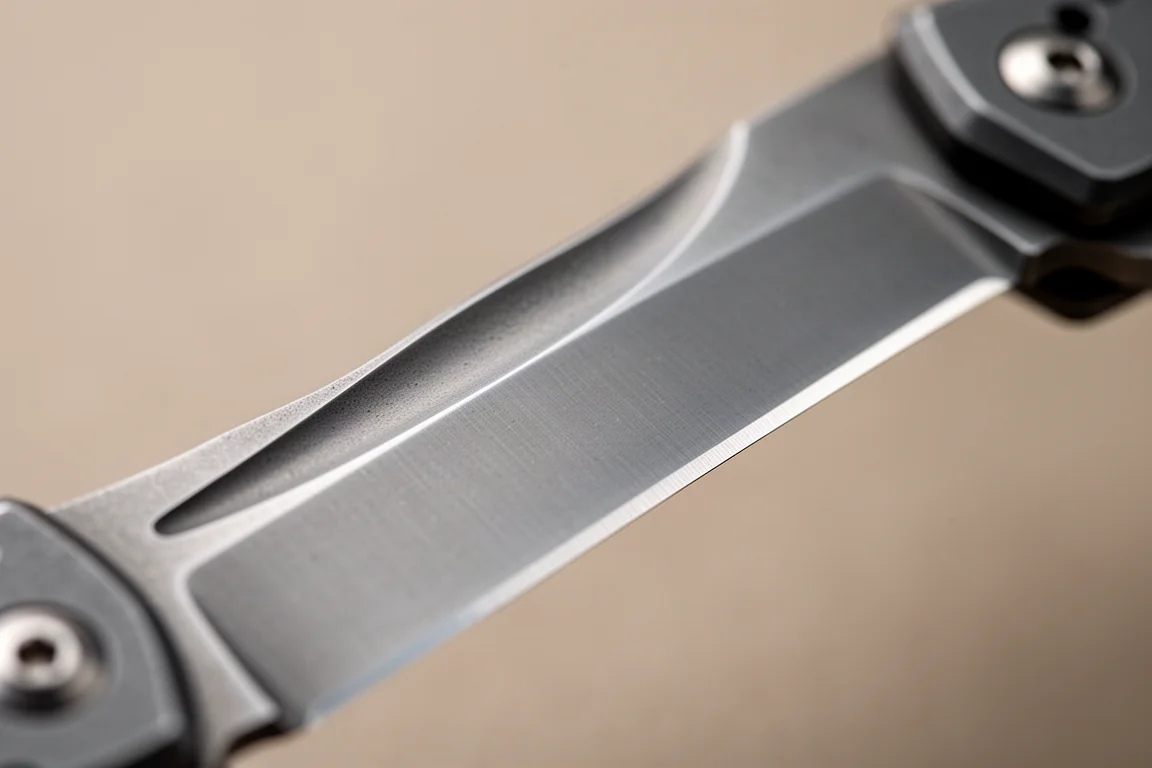
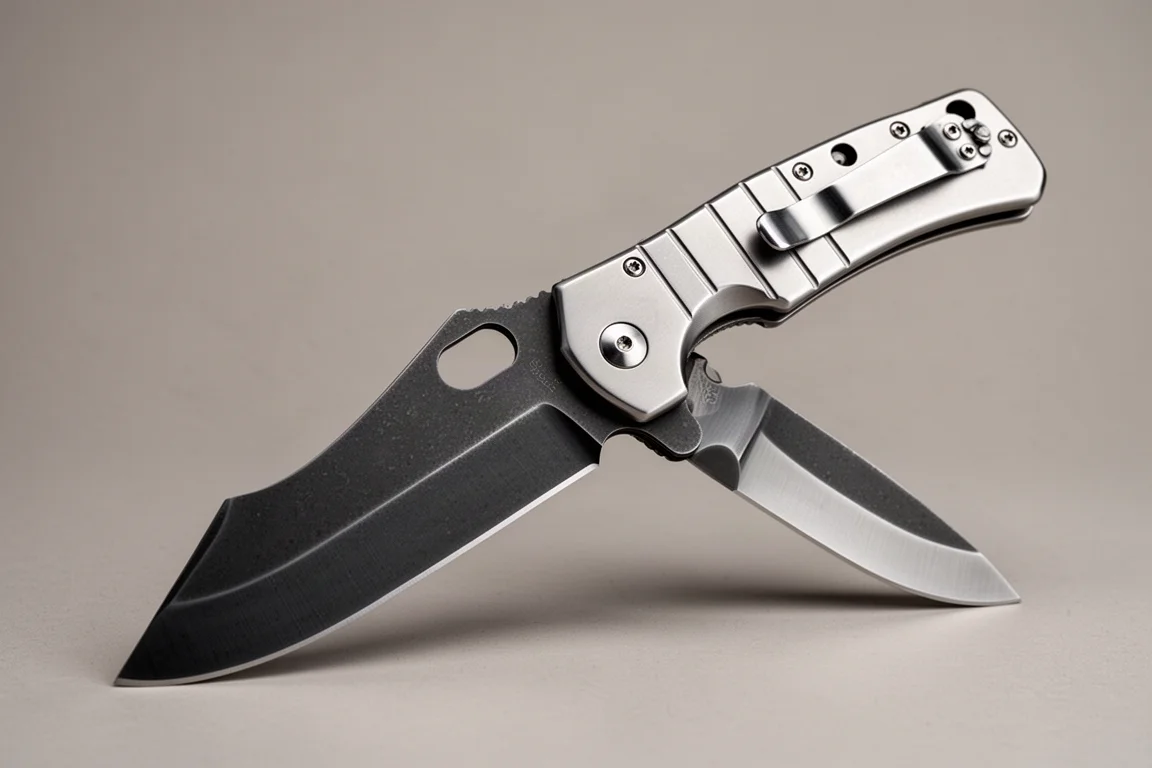
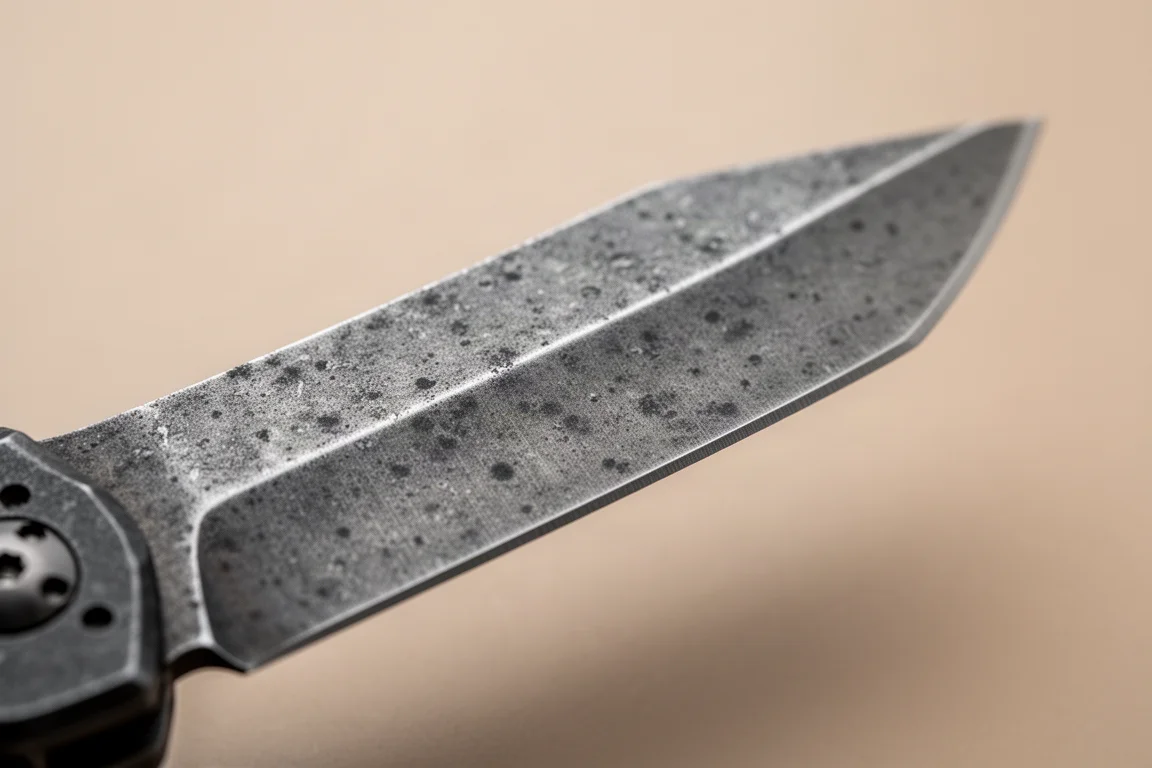
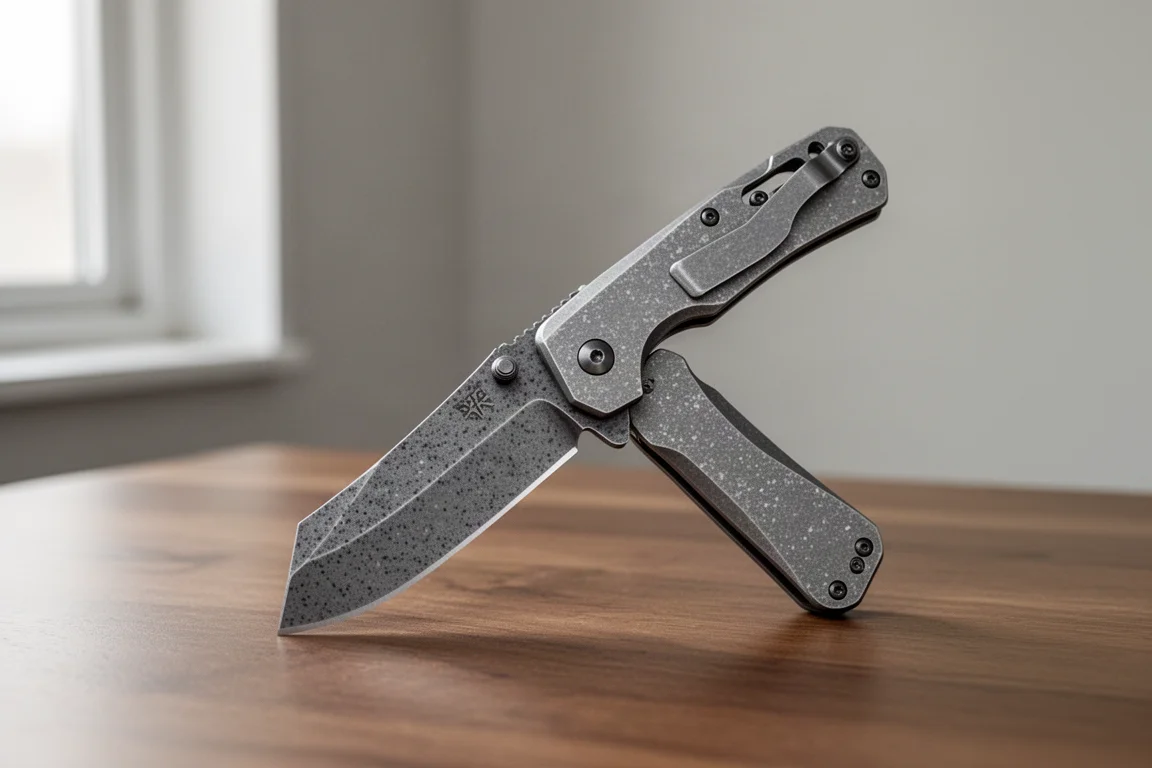
The Asada is the smaller, slightly refined follow-up. It opens with a conventional flipper tab rather than a thumb hole, and the slippery anodized aluminum handle means it needs a small wrist flick to open consistently out of the pocket. The blade switches to a flat grind with no hollow gap in the center, which is a more durable and easier-to-maintain choice, and the finish is stonewash rather than the earlier treatment.
The pivot runs on ball bearings and the movement is genuinely smooth, though there are faint detent-like binding points through the stroke. Both knives use a frame lock, where the locking bar is part of the outside scale rather than an internal liner. One thing to know before buying: the steel is 7Cr17MoV, an inexpensive Chinese stainless steel found in a wide range of budget tools. It runs on the harder, more brittle side, which is worth considering given how the blade looks. And no, it still will not chop, no matter what the shape suggests.
Buying Advice: Which One Fits You
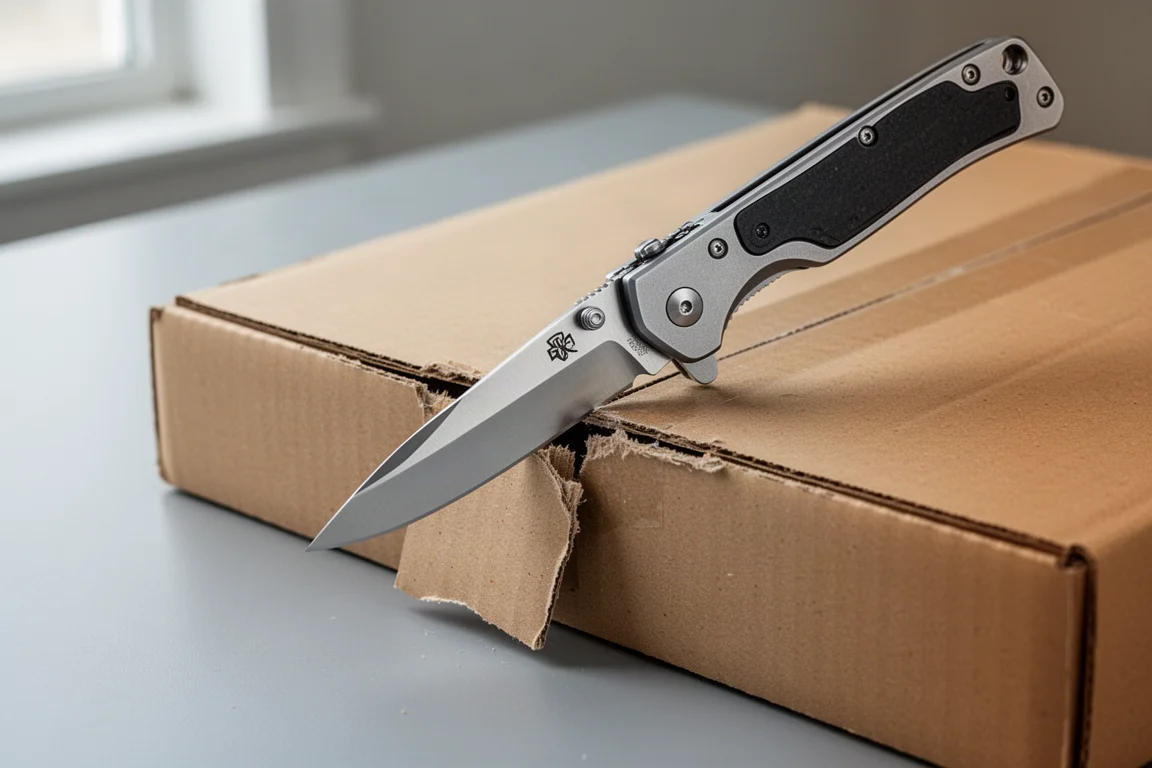
If you want a big, solid utility blade for the lowest cost and do not mind the maintenance drawbacks of a hollow grind, the Flat Iron makes the easier case. If you would rather have the more durable flat grind, a stonewash finish, and ball-bearing pivot action, the Asada is the step up for a few dollars more. Both are best for repetitive cutting tasks with a uniform shape, opening boxes, and general shop work.
A note on expectations: a pocket cleaver will not replace a good survival, bushcraft, or hunting knife. The edge here is not sharp enough at the spine to strike a fire steel, and the design is simply a different approach. As a low-cost, easy-to-carry utility folder, though, both are surprisingly likable and easy to reach for on a daily basis.
Conclusion
The Gerber Flat Iron and Asada prove the pocket cleaver is more than a fad. The Flat Iron wins on size and price, the Asada on grind durability and smooth action, and both deliver solid lockup and sharp tips at budget prices.
Further reading
Related Reviews

Knives
Benchmade Mini Narrows Review: A Pocket Knife That Disappears in Your Pocket
The Benchmade Mini Narrows is a remarkably thin and light pocket knife with impressive engineering, but a high price and dull factory edge make it a tough recommendation for most buyers.
Knives
Best Knives Under $1,000: Premium Folders Worth the Investment
A look at premium folding knives around the $1,000 mark, from upgraded classics to purpose-built masterpieces, and what actually justifies the price.
Knives
Best Outdoor and EDC Knives: 8 Blades Worth Carrying
A practical lineup of eight fixed-blade and folding knives for hiking, backpacking, and everyday carry, with honest notes on what each one does best.