Multi-Tools
Gerber Multi-Tool Roundup: Six Pocket Tools Worth a Look
From the Dual Force to the Pryd, a practical look at six Gerber multi-tools, what each one does well, and where the trade-offs sit.
Introduction
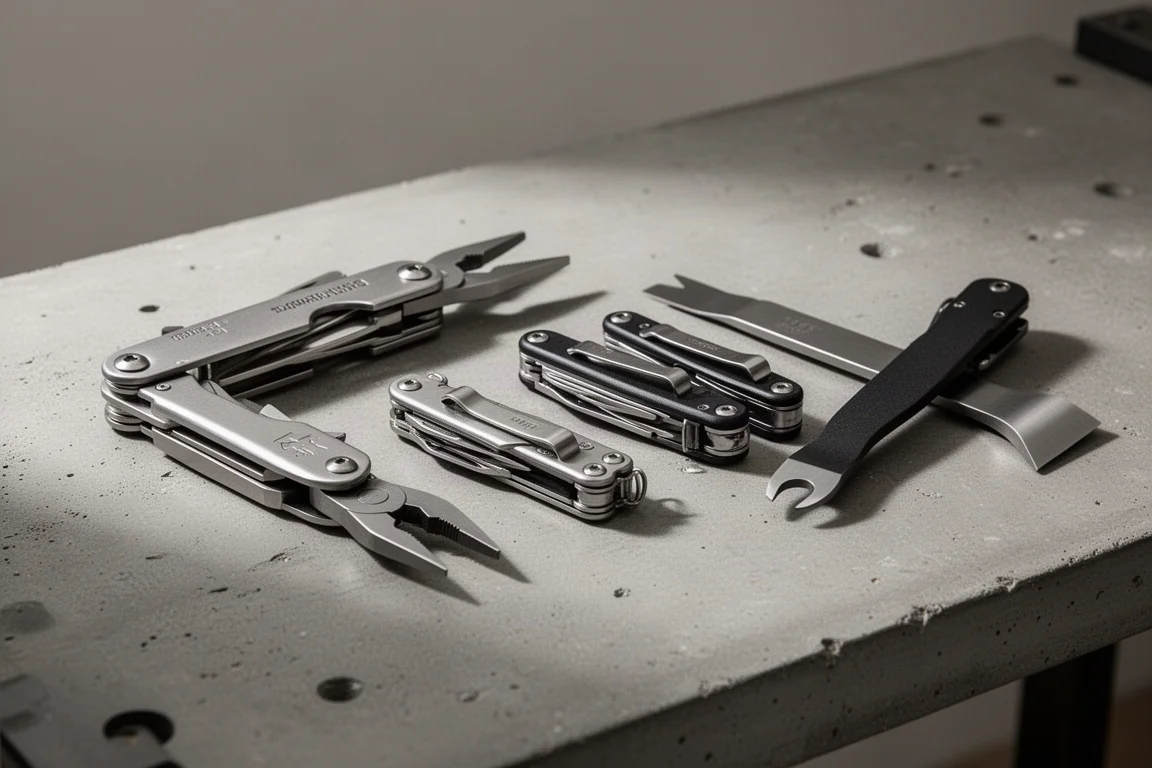
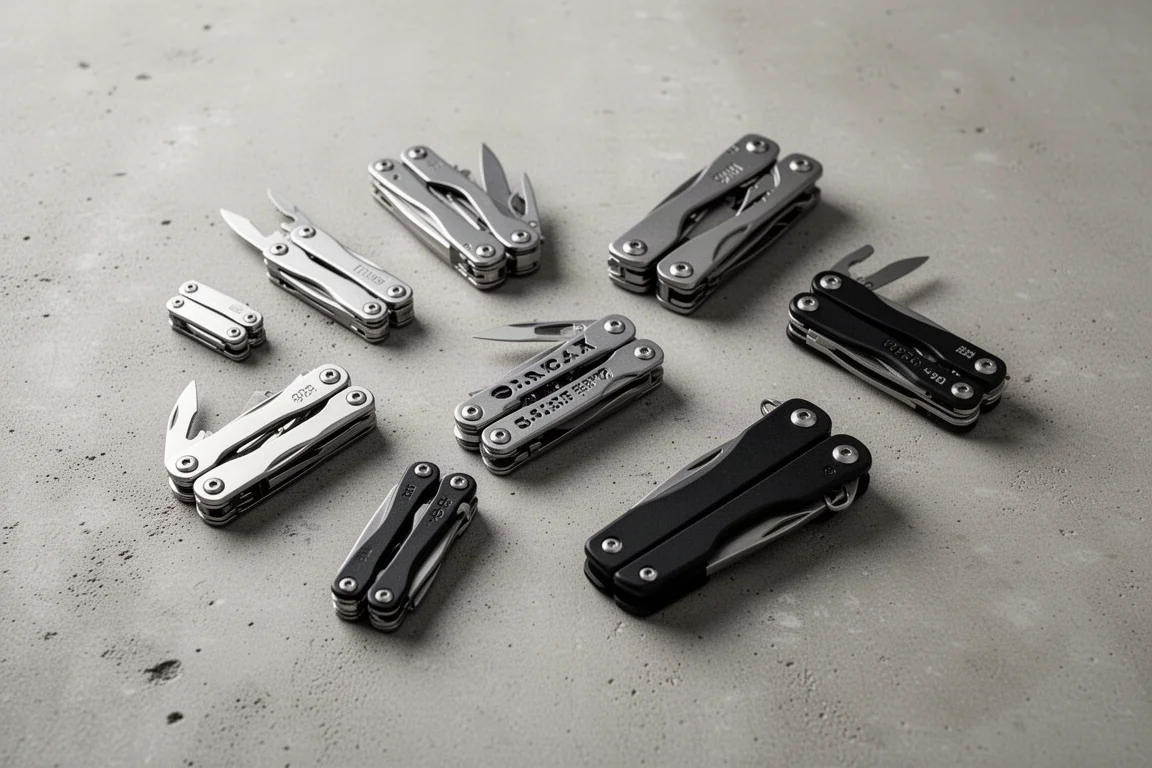
Gerber’s sales are a good excuse to look at a lineup that covers a lot of ground: a pliers-first workhorse, three slim Armbar variants, a dedicated pry tool, and the Center Drive that many people already carry. Priced aggressively during promotions, these tools are less about perfection and more about getting a genuinely useful tool set for very little money. Here is how each one stacks up.
Gerber Dual Force
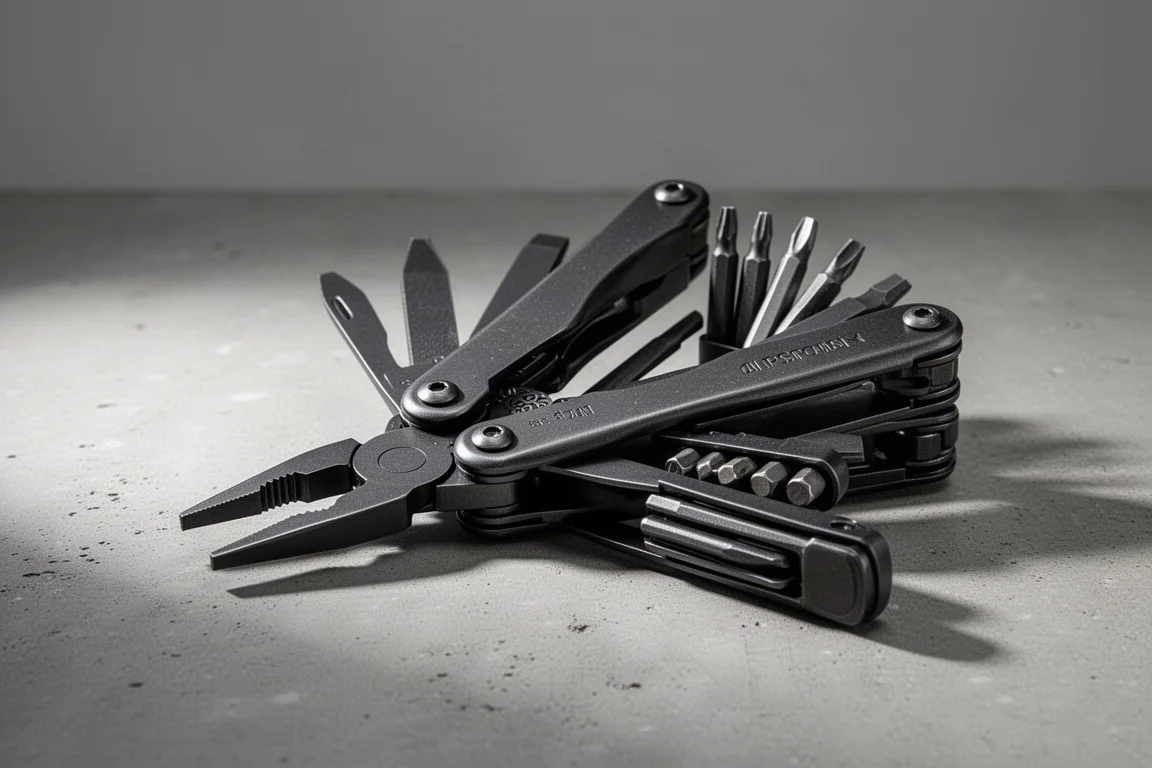
The Dual Force stands out primarily because of its tool set, which is among the most compelling layouts on any multi-tool. Fit and finish are not flawless: the blade grinds are uneven out of the box, though they remain sharp and can be resharpened. The pliers have essentially no up-and-down play, and the black version tested here opened one-handed even more easily than the original. The plier head uses plates of steel rather than a cast construction, which suggests it is likely stronger than people realise.
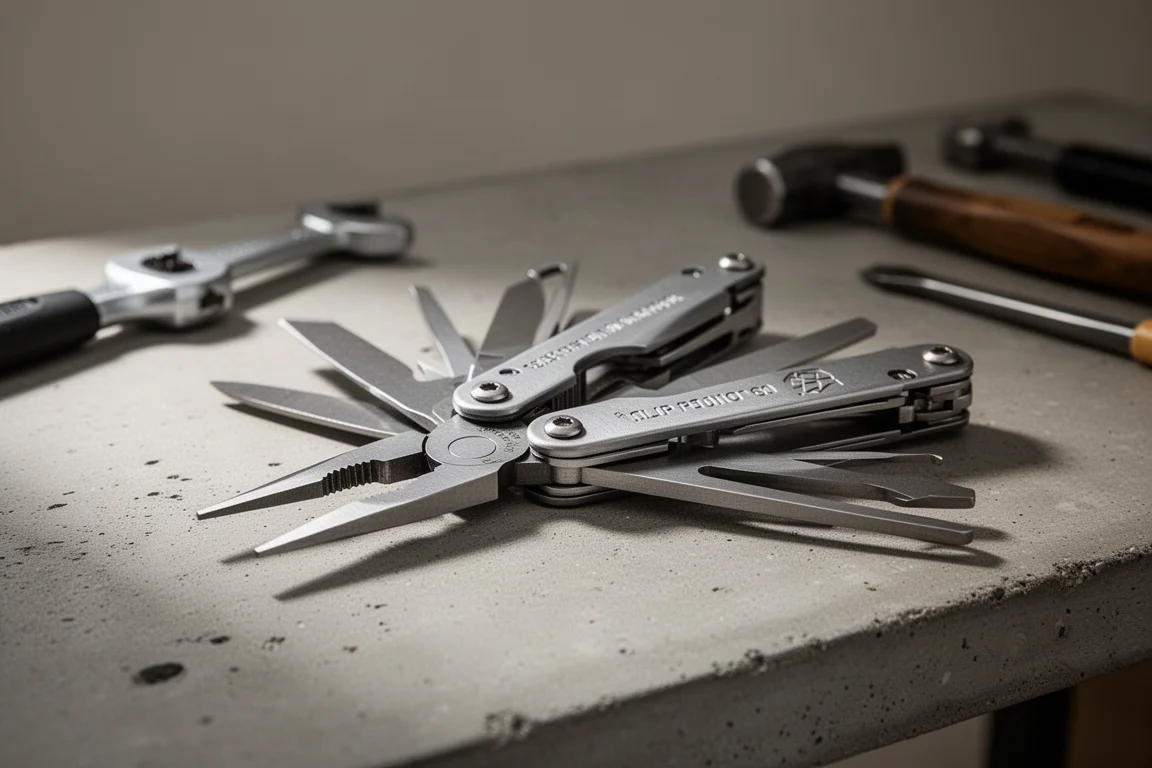
Two things are worth knowing before buying. First, the file is inconsistent: one side is barely textured while the other is far more aggressive, a common QC issue with files across brands. Second, the knife blade may be redundant. This is a large tool that rides in a holster, so many users would rather access a dedicated knife and skip the blade entirely; the slot could arguably serve a t-shank exchange or diamond file instead. Inside, there are just two bit holders with Phillips and flathead bits plus a third bit, paired with slip joint pliers. At the $55 sale price, it is hard to be upset.
Gerber Armbar Scout
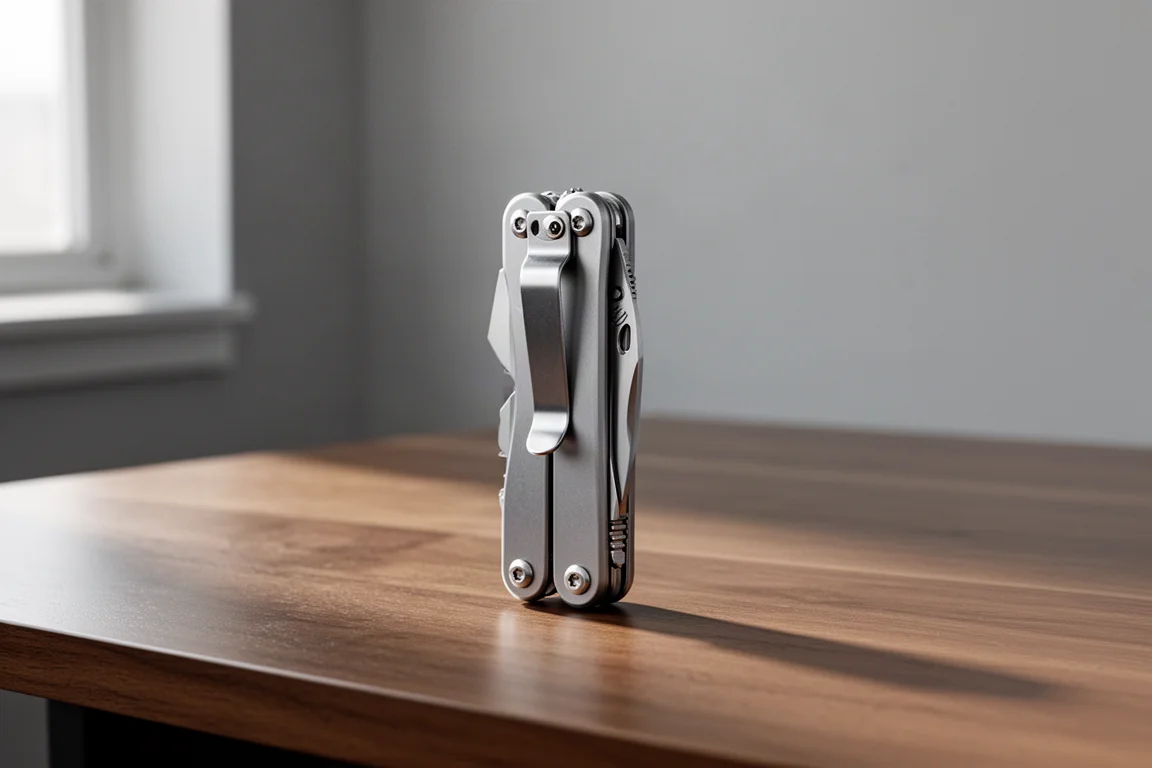
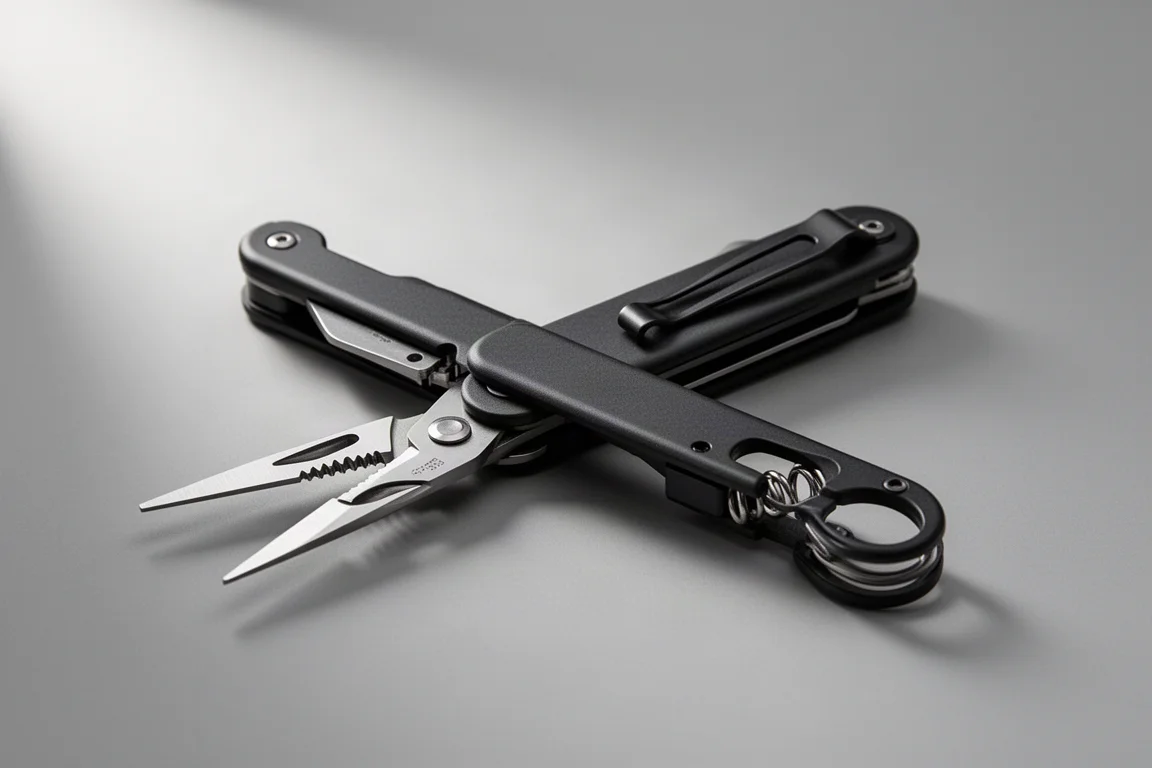
The Armbar Scout adds a pocket clip, though it sits tip-down, which is a bit annoying. One consistent caveat across all three Armbar variants: detent and spring tension varied noticeably between individual units, so handling can differ from one tool to the next. Inside are three inner implements: scissors, a saw, and a can opener and bottle opener combo.
The saw is properly tapered, thinner at the back than at the teeth so it will not bind, but the teeth are very large and there is no blade lock. That combination raises a real concern about the saw snagging in material and the blade folding closed toward your fingers. It is best treated as a notching tool. The scissors are the weaker point: the geometry is off, with flex near the pivot, very long press travel, poor leverage at the tips, and cutting that works best in the middle of the blade. It is passable for light tasks but not a precision cutter. At roughly $25 on sale, the overall package still makes sense.
Gerber Armbar Slim Drive
The Slim Drive was the least impressive of the group previously, and the core issue remains: spring tension is very low, nearly nonexistent. With a reamer-style implement where you put real pressure on the tool, a slip could let the blade close on your fingers, which is a genuine risk worth taking seriously.
Gerber Armbar Trades
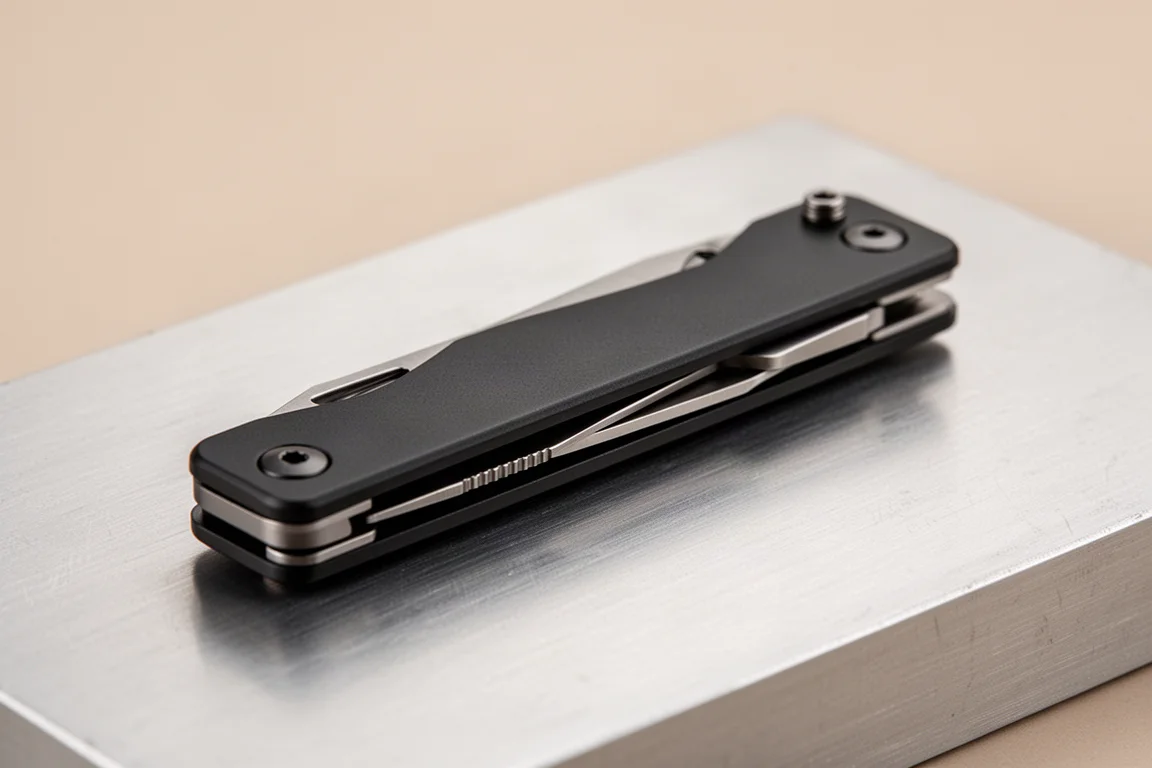
The Trades swaps the saw for a bit driver, and that change works in its favor. The driver has some, if not a lot, of tension, a clear improvement over the Slim Drive, and it accepts double-sided flathead and Phillips bits as well as Wera double-sided bits. The tool set makes a lot of practical sense.
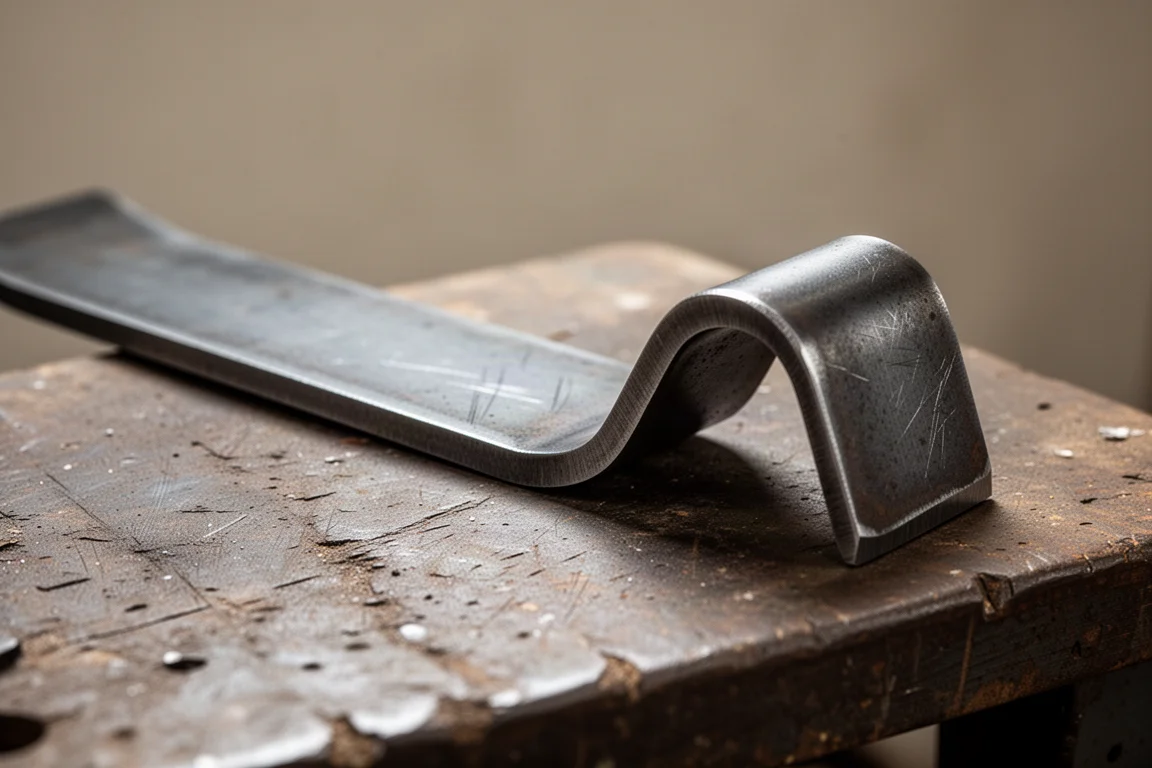
One detail shared across all three Armbars deserves praise: the small implement at the very end of the handle. It works as a mild persuader for knocking something into place, doubles as a prying tool that can genuinely pop something open, and includes a bottle opener. It is a thoughtfully executed touch. At sale prices between roughly $22 and $26, these are easy to recommend as secondary tools.
Gerber Pryd
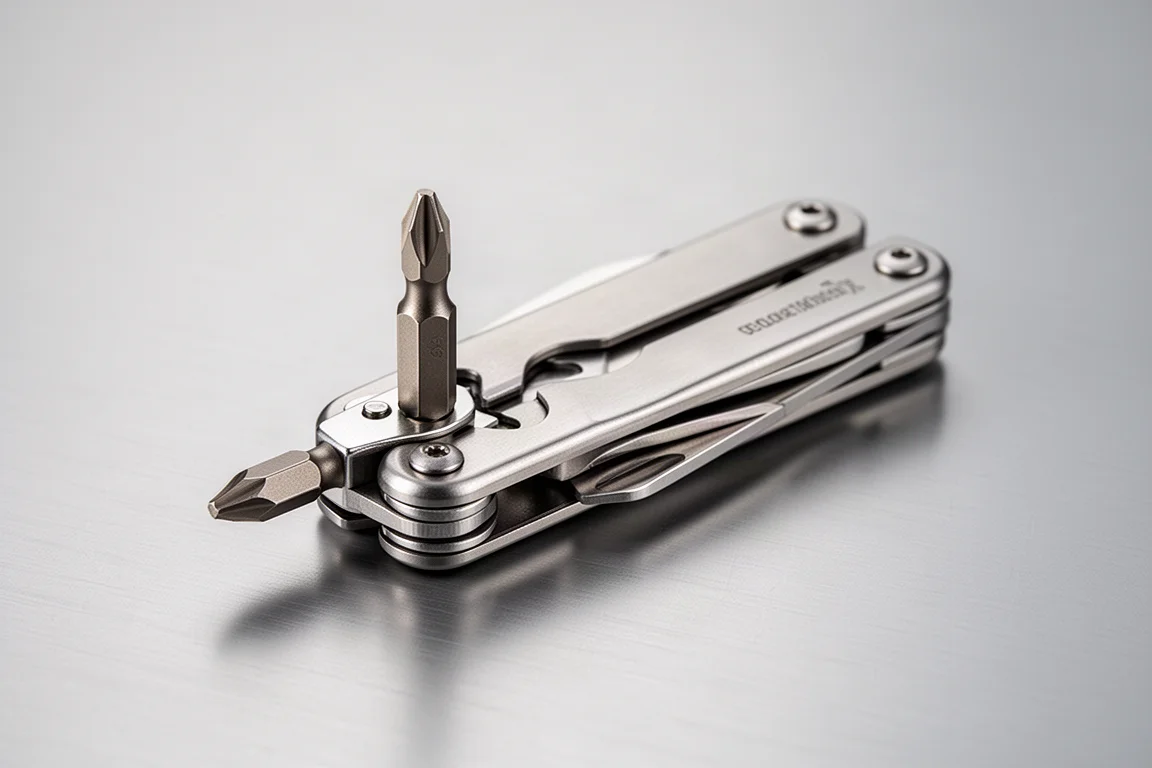
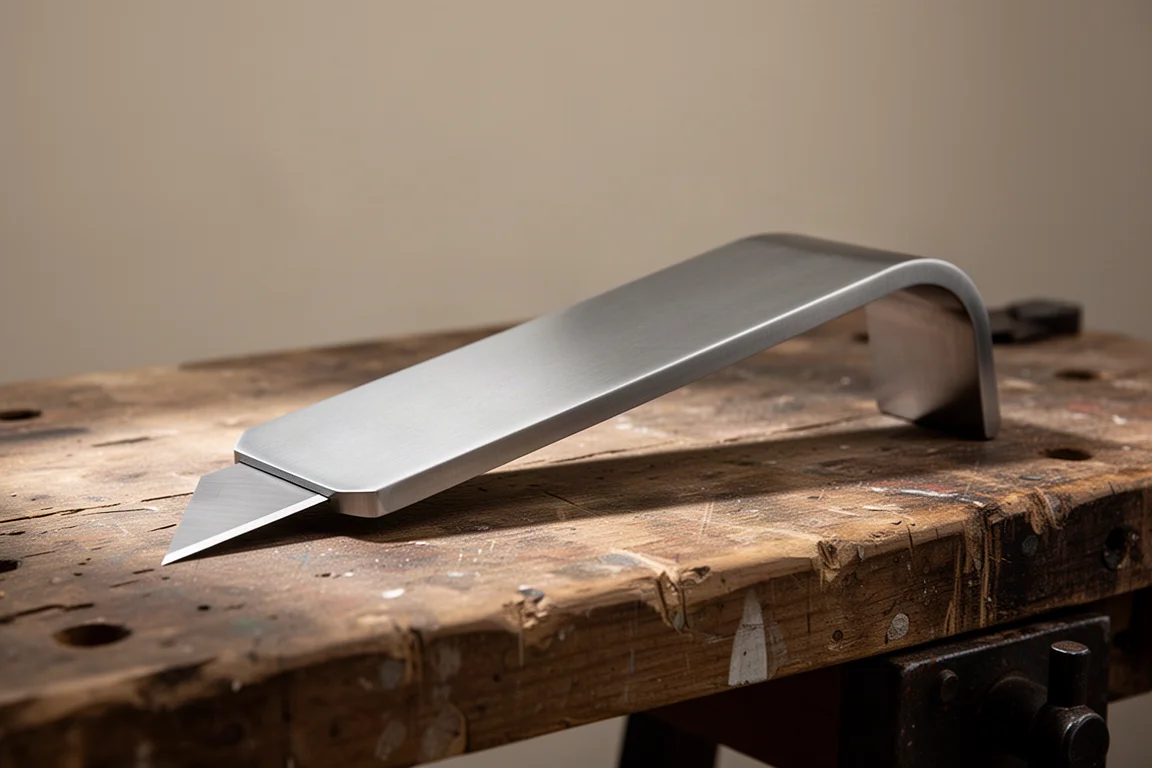
The Pryd is not a small utility knife by any stretch. It is a big, wide tool that gives you a lot of purchase, works well with gloves, and is easy to manipulate by pressing down and sliding. For the kind of light prying that saves time, it is genuinely functional, and many users speak highly of it for good reason: it combines two roles well. The pry tool itself is thicker than expected and features a curved end, which turns out to be bent rather than machined steel. At $18, it is a steel bargain.
Gerber Center Drive
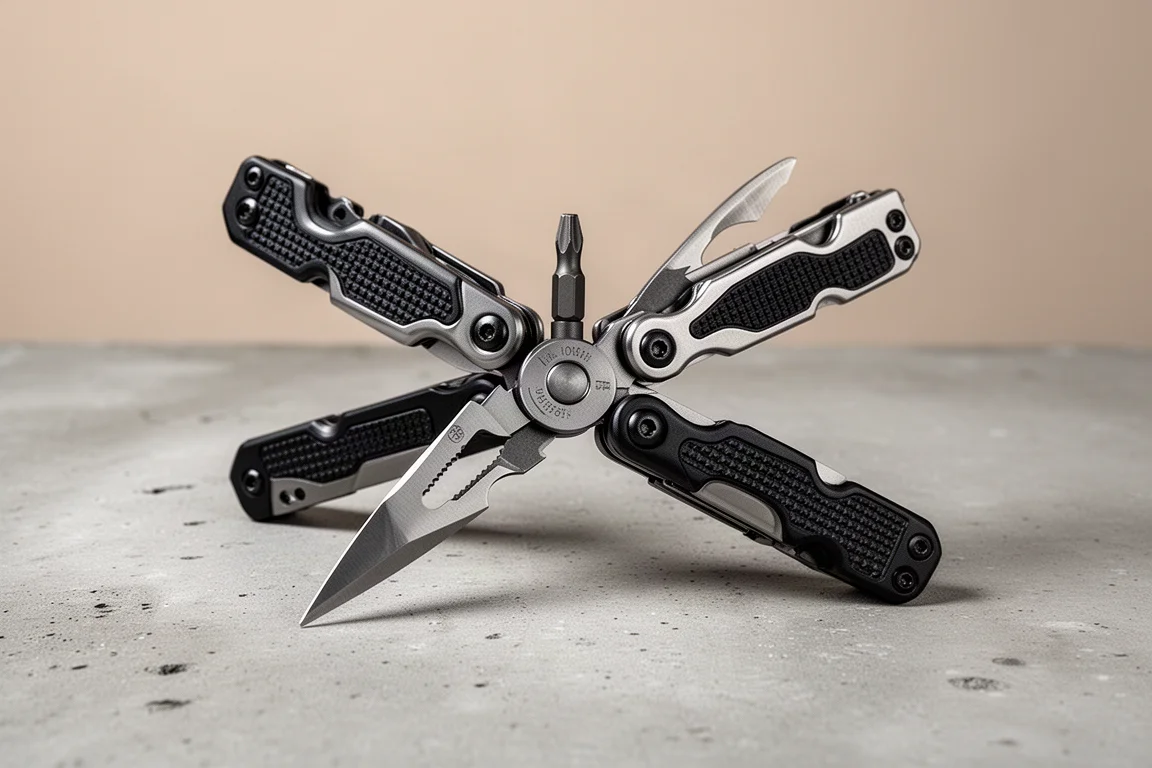
The Center Drive is the one many people already carry, and its scissors illustrate Gerber’s hit-or-miss record with that implement. Compared with the Armbar scissors, the Center Drive version cuts cleaner along the blade. The trade-off is leverage: there is not much surface area to press on, so it is better suited to lighter, less strenuous cutting where it performs incredibly cleanly rather than heavy-duty work.
Buying Advice
A few patterns emerge across this lineup. Gerber’s strength here is tool set design and value pricing rather than obsessive quality control, so expect to check detent tension and file texture on the individual unit you receive. The Dual Force is the pick if you want pliers and primary implements and do not care about the knife. The Armbar Trades is the most sensible slim carry of the three variants thanks to its bit driver. The Pryd fills a niche as a dedicated pry and utility tool. And if you want a proven all-rounder, the Center Drive remains a solid everyday choice with cleaner scissors than the slim Armbars.
Conclusion
At sale pricing, each of these tools earns its place for a specific role: the Dual Force for heavy grip work, the Armbar Trades for slim everyday carry, the Pryd for prying tasks, and the Center Drive as a well-rounded daily driver. Match the tool to the job and the value is easy to see.
Further reading
Related Reviews
Multi-Tools
Leatherman Wave Plus Review: A Pliers-First Multitool for Bike Trips
Why a pliers-first multitool earns permanent space in a touring kit, and what to weigh before paying for the Leatherman Wave Plus.
Multi-Tools
Best Budget Multi-Tools Under $50: Four Picks Worth Considering
A compact SOG original and three value-focused clones, with honest notes on which ones deliver real value and where to draw the price line.
Multi-Tools
Best Multitools for Hard Wire Cutting: Which Pliers Actually Survive the Test
We put a lineup of classic and modern multitools up against a simple challenge: cutting coat hanger wire cleanly without damaging the cutters.