Multi-Tools
Gerber Dual Force vs Leatherman Surge: A New Heavy-Duty Multi-Tool Challenger
The Gerber Dual Force brings a slip-joint, heavy-duty plier design to a category long ruled by the Leatherman Surge. Here is a first look at how it stacks up.
Introduction
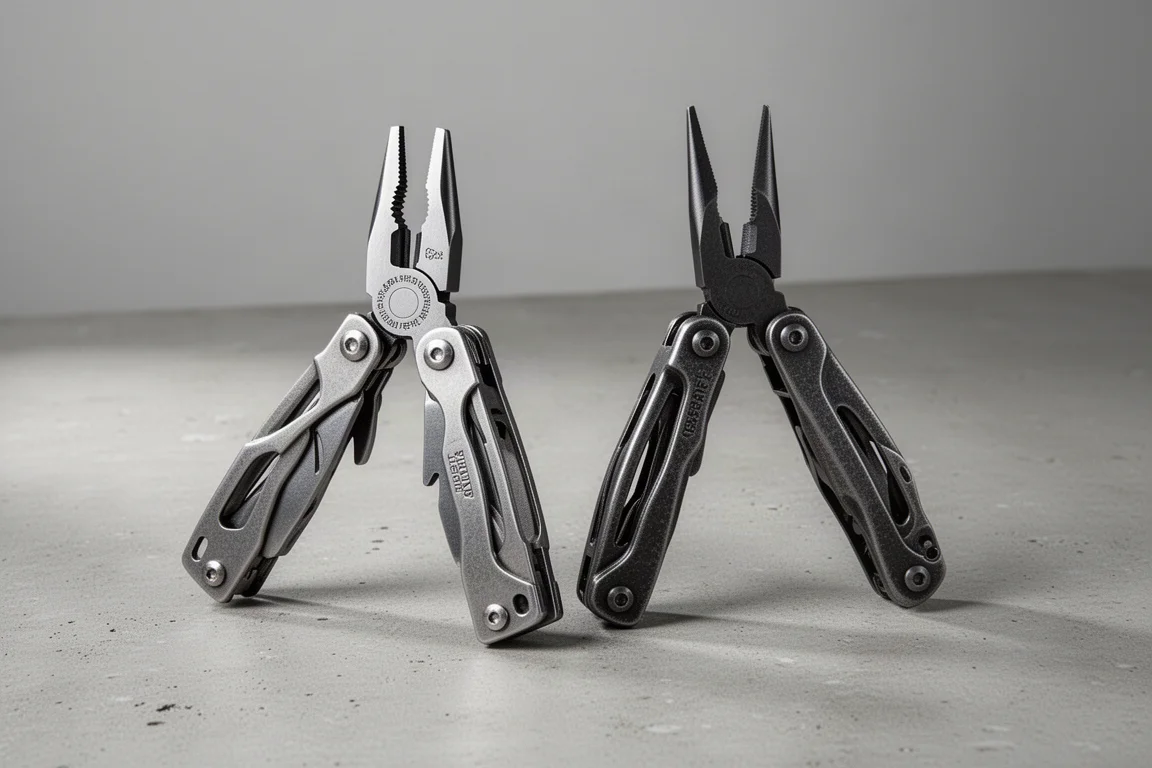
The heavy-duty multi-tool category has been dominated by a familiar set of names for years, so the arrival of the Gerber Dual Force is genuinely interesting. It is a slip-joint plier-based design aimed at the same rough-duty audience as the Leatherman Surge, but with a noticeably different tool set and a much friendlier price. This first look covers what stands out on handling, where it sits next to the Surge, and who each tool makes sense for.
First Impressions: Size, Build and Fit
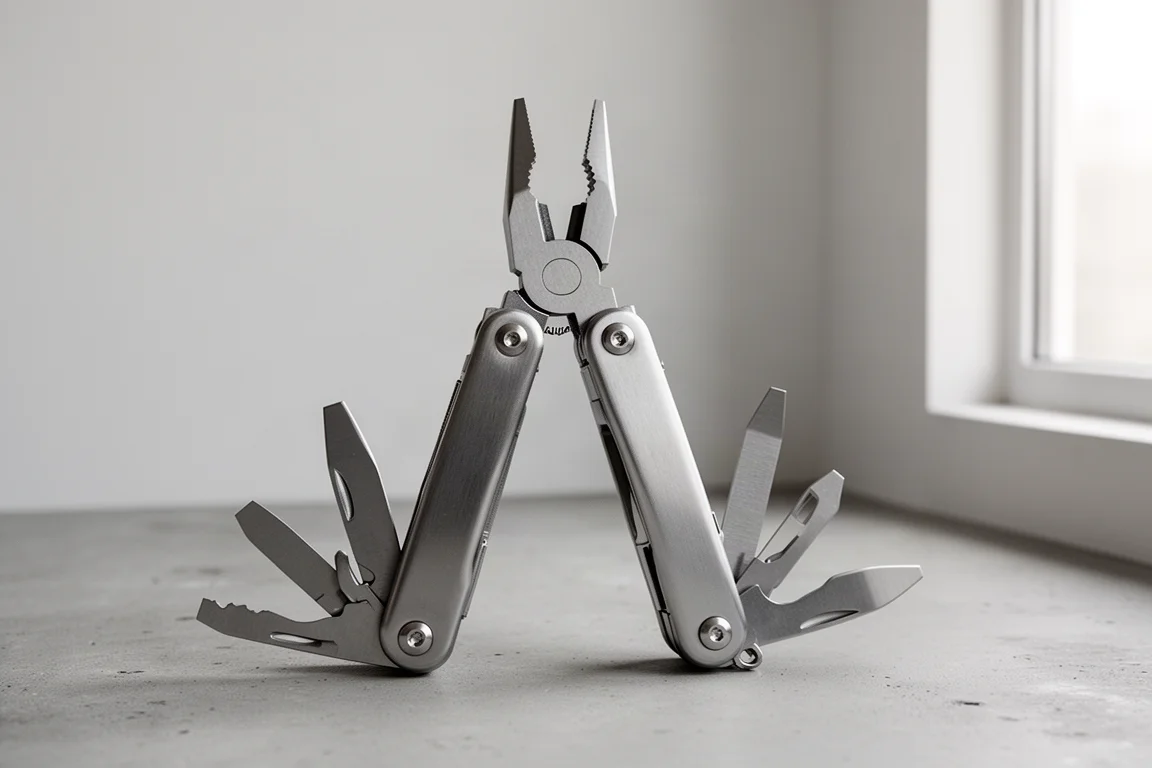
The Dual Force is bigger than expected right out of the sheath. It is not a small tool, and the forged plates give it real heft. One early note: it is marked as made in China rather than the more commonly assumed Taiwan, so buyers expecting otherwise should know upfront. Fit and finish on the tool itself looks good, with rounded edges that make it comfortable in the hand. The included sheath is a two-directional design that could use a touch more refinement, but it is included, which counts for something.
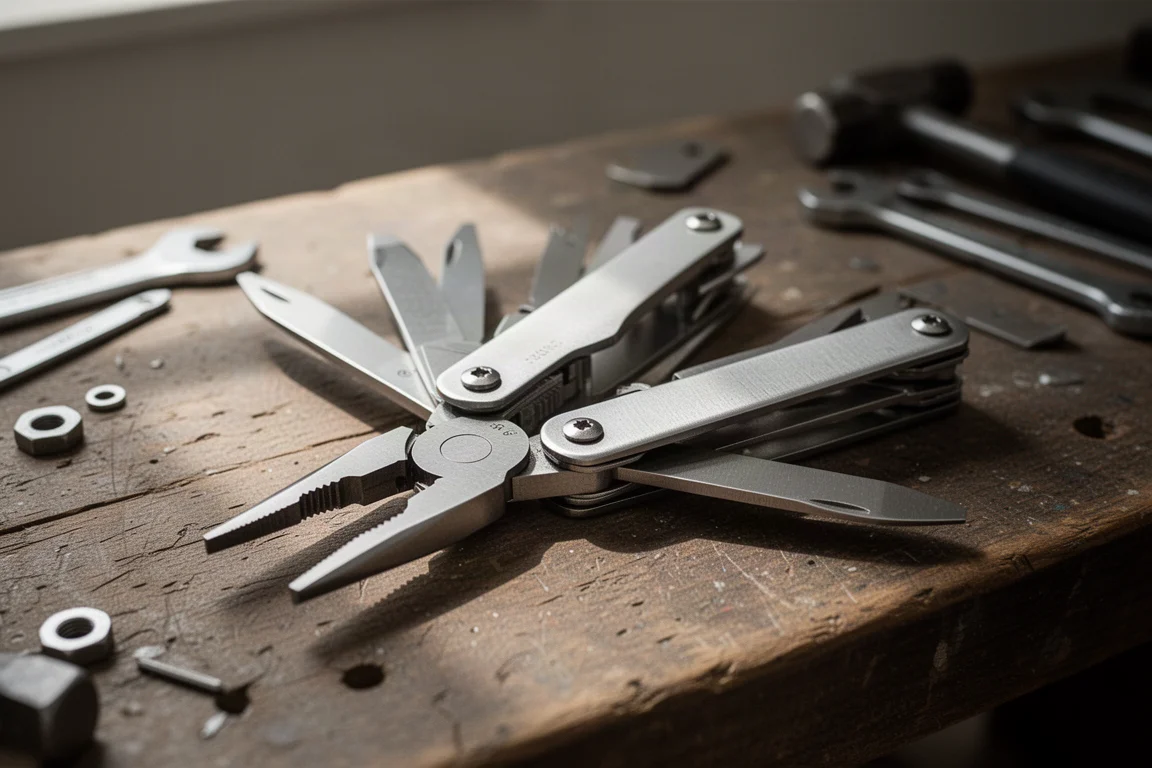
As a slip joint, some play is expected, but the plier movement feels surprisingly tight. The joint plates are nearly flush on both sides rather than nut-and-riveted, which should help it slide into tighter spaces than many wide slip-joint pliers allow.
Pliers, Cutters and the Slip-Joint Design
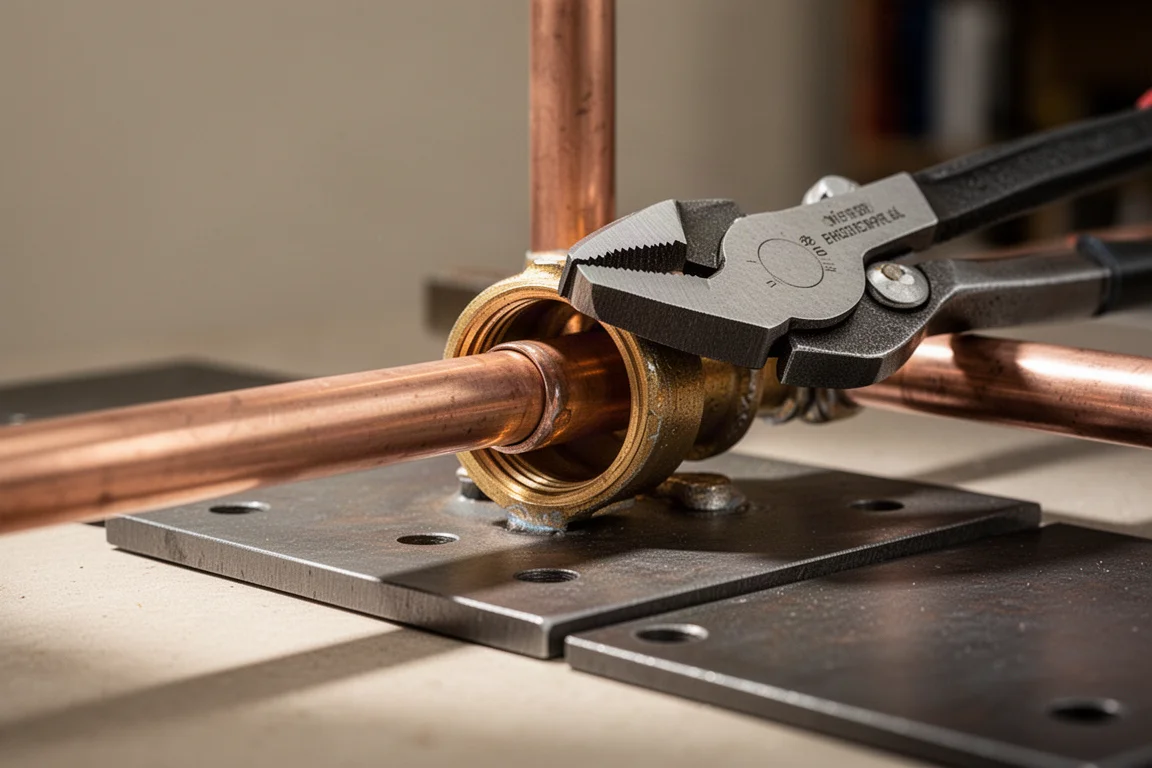
The pliers are the centerpiece. The blunt-nose jaws are thick and well formed rather than needle-sharp, but they open wide, roughly an inch and a quarter or more, which means they can grab larger objects such as a pipe inside a fitting and still squeeze hard enough to turn it. With an extra inch of handle length past the pivot compared with similar tools, there is noticeably more leverage, and the width makes the tool comfortable to use with gloves on.
At the rear of the plier assembly sits a cutter that is larger than expected, just over a quarter inch of cutting space, plus a separate hard wire cutter, adding up to nearly half an inch of cutting capability in total. The cutters arrive sharp and angled, though long-term durability will need real testing.
The Tool Set: Chisel, Saw, File and Bit Driver
The chisel end is surprisingly sharp and genuinely useful as a scraper, and it doubles as a reason the file does not run the full length, a minor annoyance offset by having a chisel no other tool in this class offers. The saw teeth are more aggressive than expected, with a proper thickness taper at the cutting edge. The file’s cross cut feels solid and the straight cut is acceptable, typical for a multi-tool file.
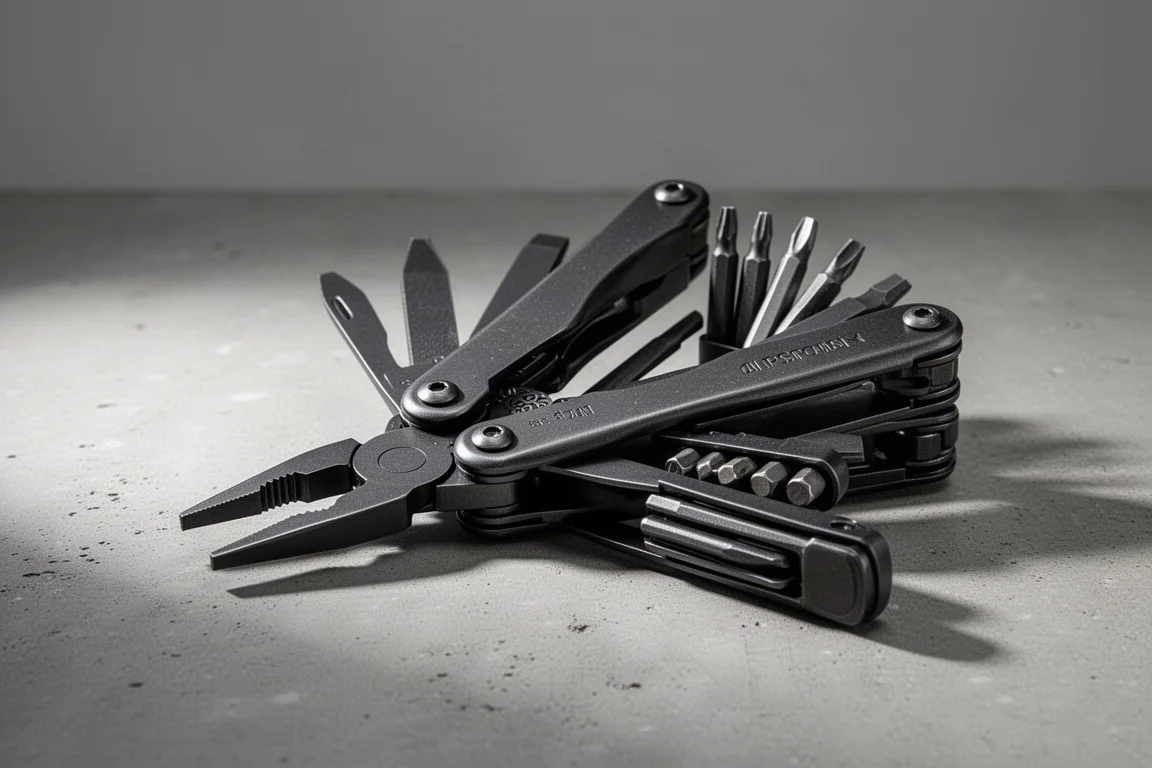
The full-size hex bit driver is in-line, one-hand accessible, and takes standard bits rather than proprietary ones, with a magnetic holder and quick access to two additional bits that flick out without launching them. The one-handed opening blade is a little tight out of the box, which is normal, and the edges on the spine are not the most comfortable but are tolerable.
How It Compares to the Leatherman Surge
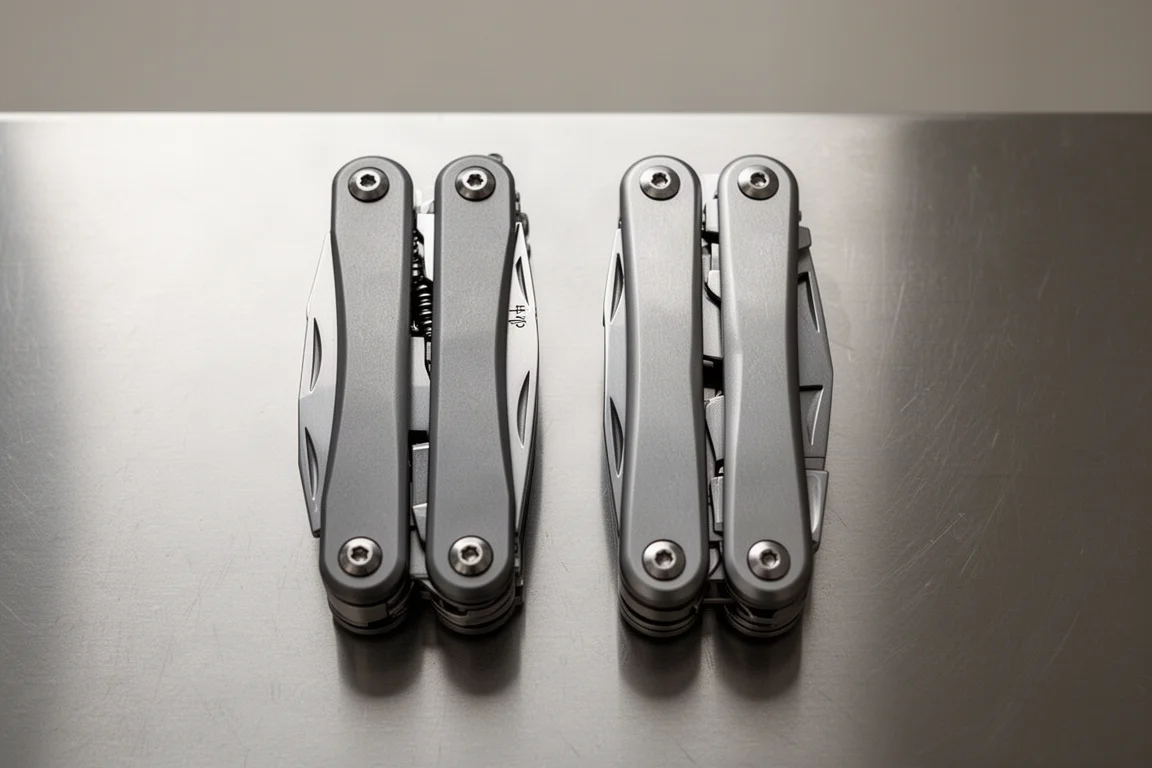
Against the Leatherman Surge, the Dual Force is almost exactly the same length and practically identical in width despite the forged plate construction, though it is somewhat thicker thanks to the in-line bit driver. The big omissions versus the Surge are the scissors, which for many users may be better replaced by a dedicated scissor or diagonal cutter anyway.
The Dual Force counters with a genuinely well-executed bit system, quick-access extra bits, and the ability to cut at the tip like diagonal cutters, something a pairing of the Surge with separate pliers does not replicate. At roughly $80 for the Dual Force versus about $140 for the Surge, you could buy two of the Gerber for one Leatherman. The Surge has years of proven track record as one of the best heavy-duty tools available; the Dual Force will need a year of real tradesperson use to confirm it belongs in that conversation.
Carry Options and the Included Sheath
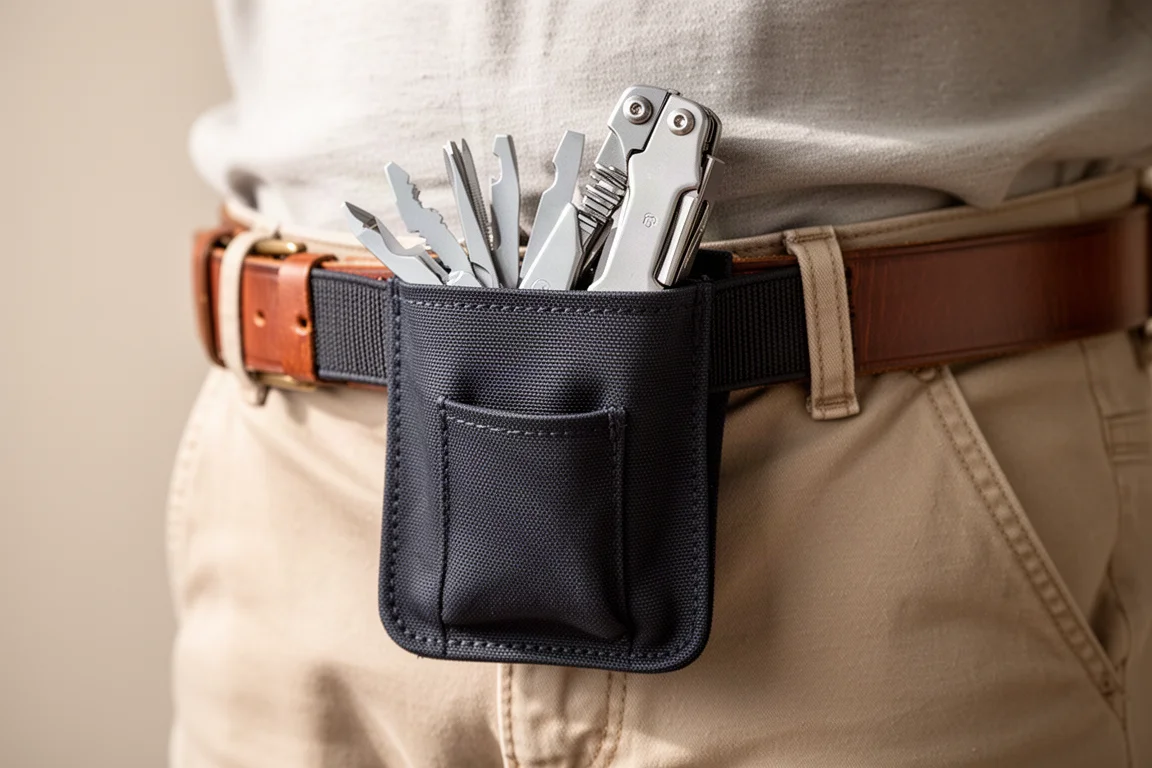
This is sheath carry only. There are no pocket clip options, and the tool is wide enough that horizontal carry starts to look appealing, especially with bits loaded. The included sheath is classically mediocre, with elastic retention but a useful front pocket for bits. Owners of aftermarket sheaths designed for the Surge may find they technically work, but a custom sheath is likely the better route for a proper fit.
The Verdict So Far
Based on initial handling, the Dual Force delivers on what it promised: a very well thought-out combination of tools in a heavy-duty format. It feels solid, with no unusual tightness or fit issues, and it looks far more compelling than comparable options at its price. At around $78 from major retailers, it is easy to recommend, particularly as a complement to a true needle-nose plier tool or alongside a dedicated diagonal cutter. The Victorinox Swiss Tool and the Super Tool 300 remain worth considering in this class, and the Dual Force’s chisel, being external and full length, may actually offer a better working angle than the Victorinox’s smaller, less accessible version.
For 2026, this is a tool worth feeling good about recommending. Gerber’s warranty covers manufacturer defects, the tool selection fits the heavy-duty brief, and the only open question is long-term durability. Early verdict: definitely worth it, with real-world testing still to come.
Conclusion
The Gerber Dual Force is a credible, well-built entry into the heavy-duty multi-tool space with a sharp price advantage over the Leatherman Surge. The Surge remains the proven, undisputed heavyweight with a longer feature list, while the Dual Force offers a clever tool set, wide-jaw slip-joint pliers, and a standard-bit driver at nearly half the cost. Buyers who want a proven veteran should stick with the Surge; buyers open to a promising newcomer with strong value should look hard at the Dual Force. Time and hard use will settle the rest.
Further reading
Related Reviews
Multi-Tools
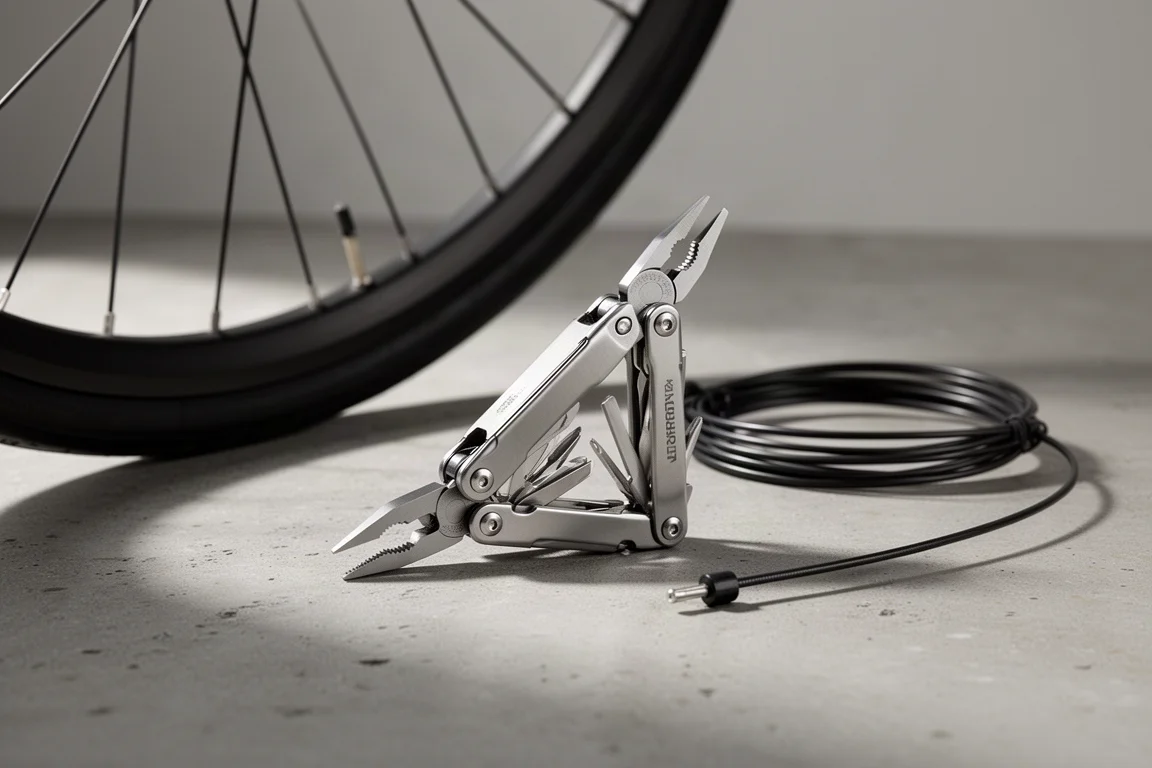
Leatherman Wave Plus Review: A Pliers-First Multitool for Bike Trips
Why a pliers-first multitool earns permanent space in a touring kit, and what to weigh before paying for the Leatherman Wave Plus.
Multi-Tools
Best Budget Multi-Tools Under $50: Four Picks Worth Considering
A compact SOG original and three value-focused clones, with honest notes on which ones deliver real value and where to draw the price line.
Multi-Tools
Best Multitools for Hard Wire Cutting: Which Pliers Actually Survive the Test
We put a lineup of classic and modern multitools up against a simple challenge: cutting coat hanger wire cleanly without damaging the cutters.