Multi-Tools
Gerber Center Drive Review: Great Pliers, Frustrating Details
The Center Drive nails one-handed access with a strong outboard plier head, long 420HC blade, and excellent bit holder, but the stock cutters and rear implements leave room for improvement.
Introduction
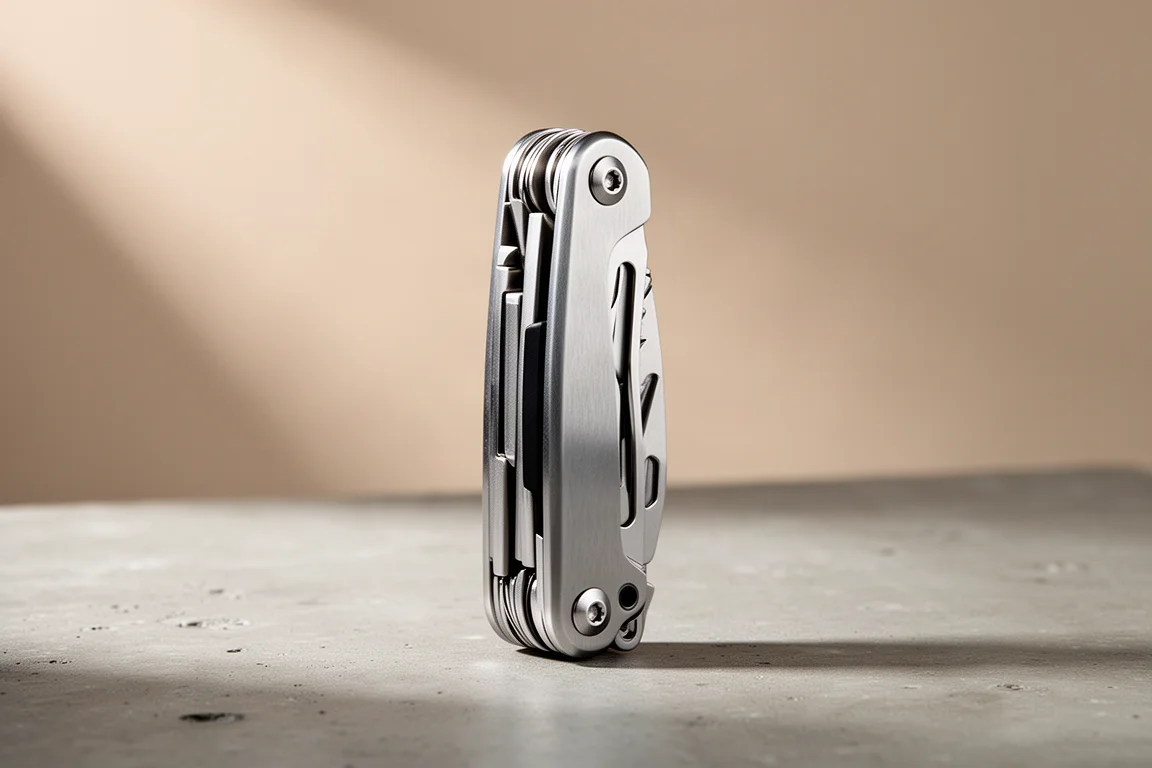
The Gerber Center Drive has earned its reputation largely on one clever idea: a center-axis bit driver and an out-the-front plier head that make the tool feel more like a proper driver than a folded compromise. After extended use, the core promise holds up. But the tool is not without real flaws, and some of them are worth knowing about before you spend full price.
This review covers what works, what does not, and a practical modification path that turns the Center Drive into a more capable tradesman-style tool.
What the Center Drive Gets Right
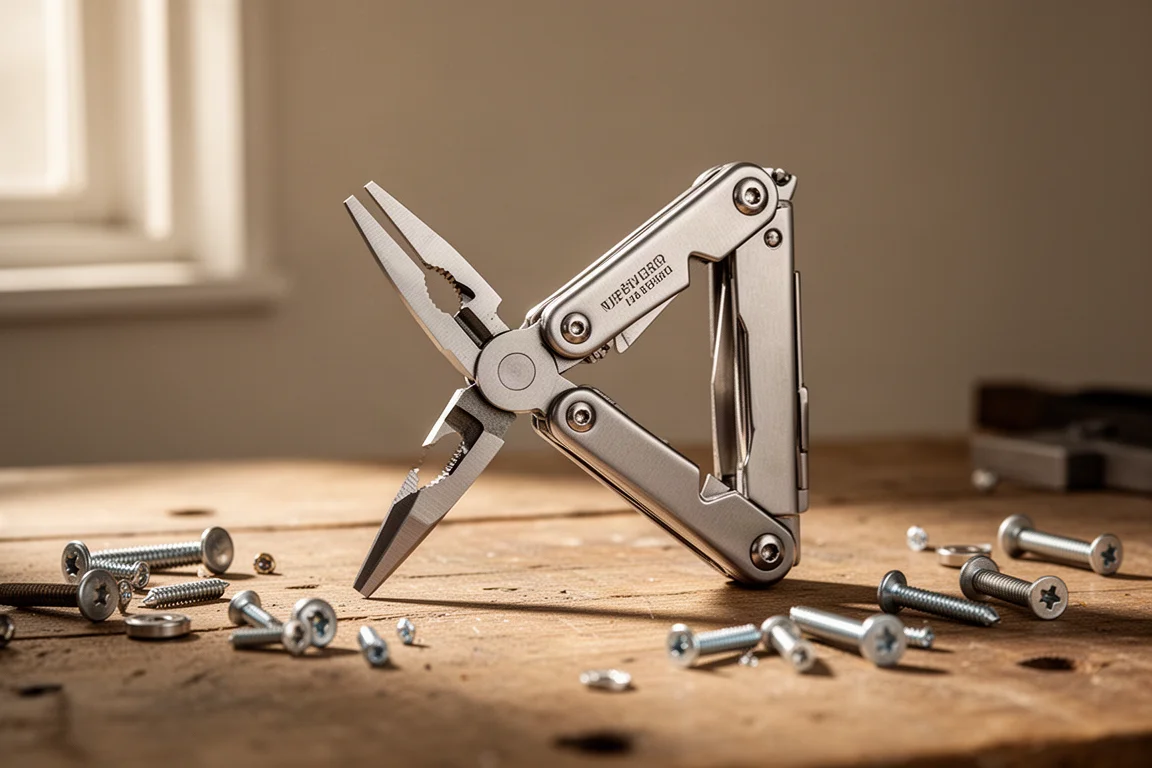
The headline feature is the out-the-front design. The plier head is strong, ergonomic, and fully one-handed accessible, which is genuinely rare in this class. Alongside the pliers, two other implements are easy to open with one hand.
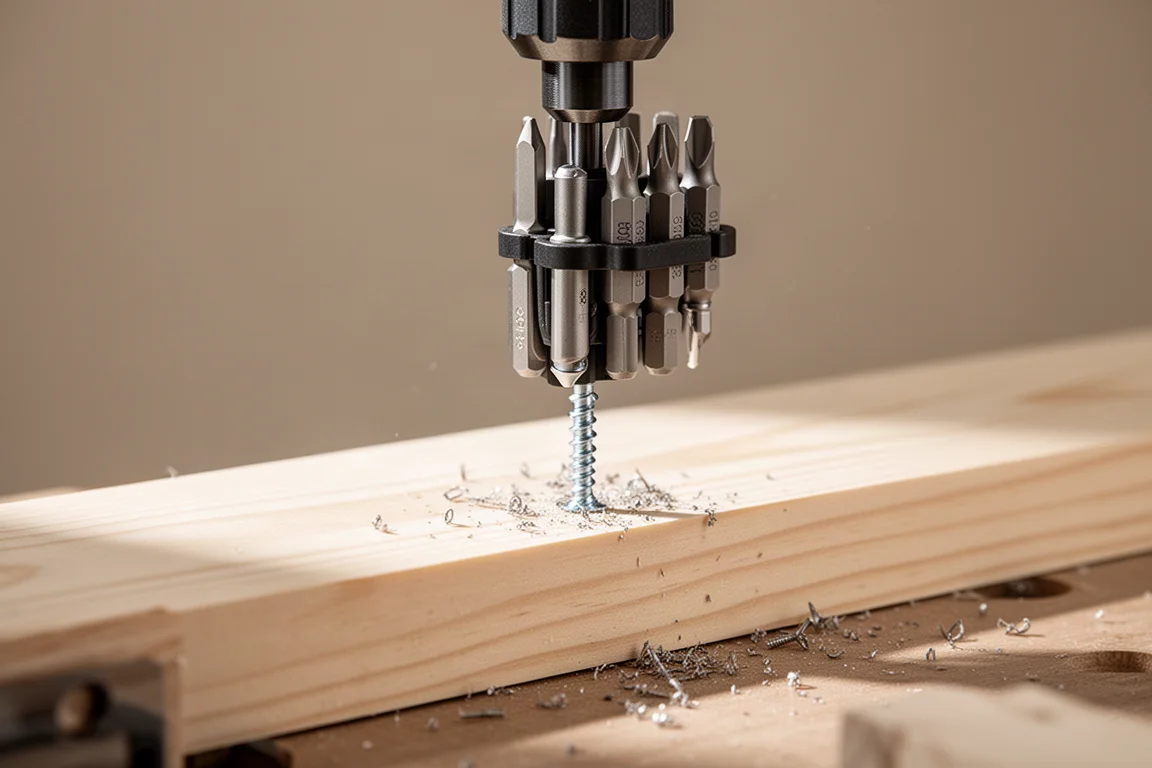
The first is a very long 420HC blade. Despite what you may have heard about multi-tool blade steel, in practice this blade performs well compared with other multi-tool blades we have used. The second is the Center Drive’s center-axis bit holder, and it is excellent: it is tough, surprisingly useful, and the driving experience feels close to using a dedicated screwdriver.
The Center-Access Bit Holder
The bit holder deserves its own mention. Because it sits on the center axis of the tool, driving feels balanced and natural, and the holder itself has proven durable over repeated use. Gerber also includes a spare flat bit stored in the rear of the tool, which sounds convenient but introduces one of the tool’s more subtle problems, covered below.
The Stock Cutters Are the Biggest Miss
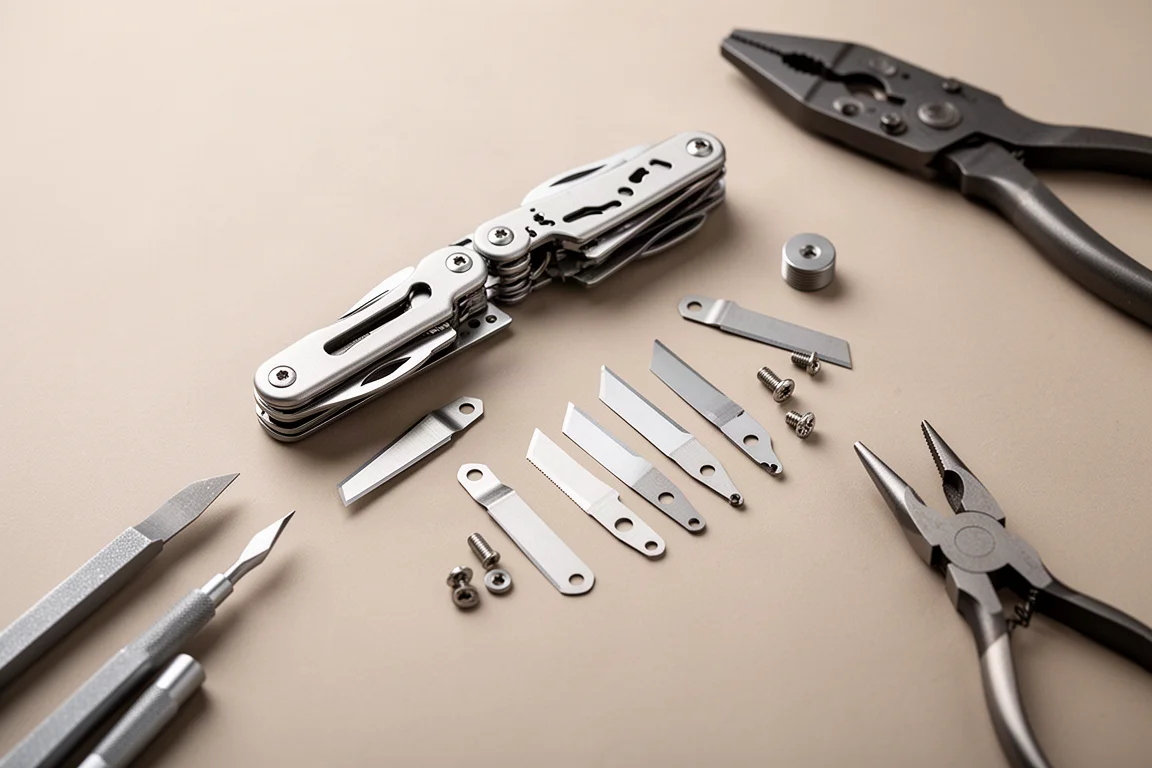
The replaceable cutters shipped with the Center Drive are carbide with a hard wire cutter notch. In practice they are fragile: the first time you cut anything reasonably difficult, they tend to crack. Replacements are not cheap to source and the manufacturer has been slow to address complaints about them.
The practical fix is straightforward. High-speed steel replacement cutters, made in the United States, are available at roughly the same price as the stock carbide pair, fit perfectly, retract correctly, and are dramatically tougher. They cut through nails without showing visible damage, and because they are rotated rather than replaced when an edge dulls, they are far more forgiving. Swapping to HSS cutters is the first upgrade any Center Drive owner should make.
Keep the price context in mind, though: the tool commonly lists around $120, and needing to spend another $20 or so immediately to fix the cutters is a real annoyance.
Where the Rear Implement Selection Falls Short
Open the back of the tool and the problems begin. First, the spare bit holder block: because it occupies space between the handles, closing the pliers fully leaves too little travel to pinch thin objects firmly. Folding the spare bit out of the way restores roughly an eighth of an inch of extra squeeze, which is the difference between gripping a sliver of metal and dropping it. It works, but having to remember that trick is poor design.
The file on our unit was well formed, though reports of badly finished files on other units are common enough to mention. The reamer is solid and well suited to starting holes for the bit driver, even without a sewing eyelet.
The nail-pulling pry tool is the most questionable implement. It is cast steel, and while ours has not broken, there are plenty of reports of cracked pry tools. Even if it were strong enough, hard nail-pulling risks stressing the pivot itself. It is a neat idea that does not belong in a multi-tool in this form.
Finally, the serrated blade is a near miss. Ours arrived reasonably sharp, but reports of dull-out-of-box examples exist, and sharpening serrations is never convenient. More importantly, everything inside the tool takes five steps to access. A serrated blade is exactly the kind of implement you need quickly, and stopping to deploy it two-handed defeats the purpose. The spare bit slot would have been far better used for additional flatheads, leaving room for a Torx, Phillips, or other driver in the spare position.
A Smarter Implement Setup
Because the Center Drive shares the same pivot design and implement dimensions as the Gerber MP600 platform, implements can be mixed and matched between the two tools with little effort. That opens up a practical upgrade path: replacing the serrated blade slot with a saw exchanger carrying replaceable wood or metal blades, and adding small narrow flatheads where the serrated blade used to live.
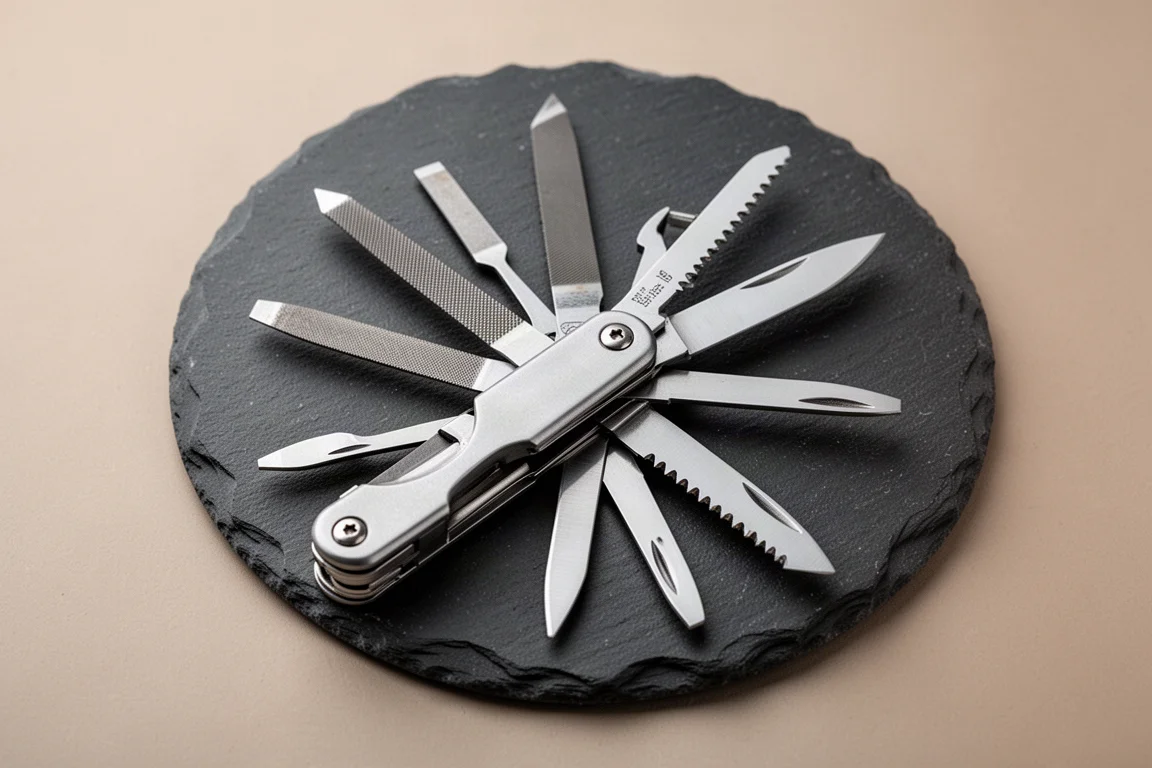
The ideal rear layout for tradesman use combines a saw exchanger with a large flathead, a fine flathead, the reamer, and a file with a diamond face on one side and crosscut on the other. That setup complements the three core strengths of the tool, the blade, the bit driver, and the pliers, instead of duplicating capability you will rarely use. A scissors in this class, as seen on the Center Drive Plus variant, offers too little lever arm to cut effectively, so it is better left out.
One reassuring detail discovered during disassembly: the pivot screws do not require thread locker to stay secure, because the opposite side of the frame cleverly captures them. The tool holds together well regardless of how you use it.
Buying Advice
The Center Drive is a good tool with an excellent front half and a compromised back half. If you find it discounted, it is an easy recommendation: swap in HSS cutters, reconfigure the rear implements if you are comfortable doing so, and you end up with a genuinely capable tradesman tool. At the full $120 price with an immediate cutter replacement on top, the value proposition weakens considerably, especially since newer variants appear to carry forward the same unresolved issues.
Conclusion
The Center Drive’s out-the-front pliers, long blade, and center-axis bit holder make it one of the more pleasant multi-tools to actually use. The carbide cutters, cramped rear grip, cast pry tool, and slow-to-access rear implements hold it back. With a modest cutter upgrade and a smarter implement layout, it becomes the tool it should have been from the start.
Product link
View more details for Gerber Center Drive
This product is mentioned in the review. Check the specifications, options, and compatibility before buying.
View more details for Gerber Center DriveFurther reading
Related Reviews
Multi-Tools
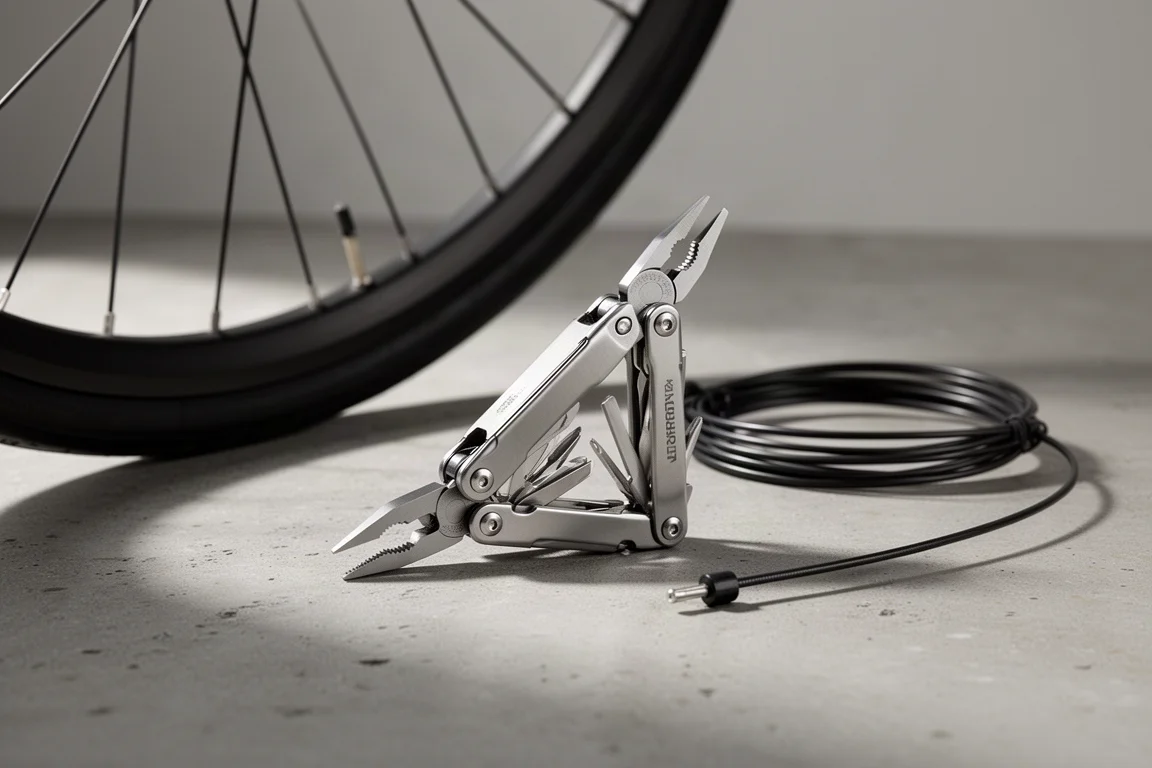
Leatherman Wave Plus Review: A Pliers-First Multitool for Bike Trips
Why a pliers-first multitool earns permanent space in a touring kit, and what to weigh before paying for the Leatherman Wave Plus.
Multi-Tools
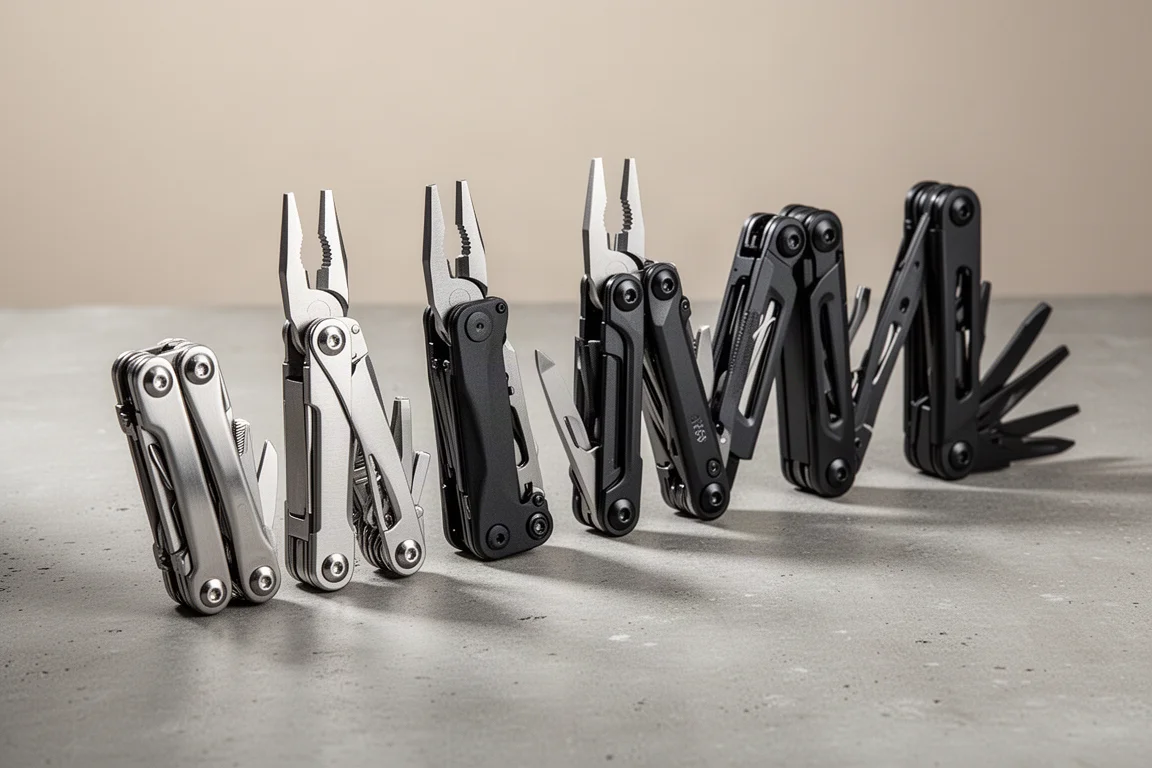
Best Budget Multi-Tools Under $50: Four Picks Worth Considering
A compact SOG original and three value-focused clones, with honest notes on which ones deliver real value and where to draw the price line.
Multi-Tools
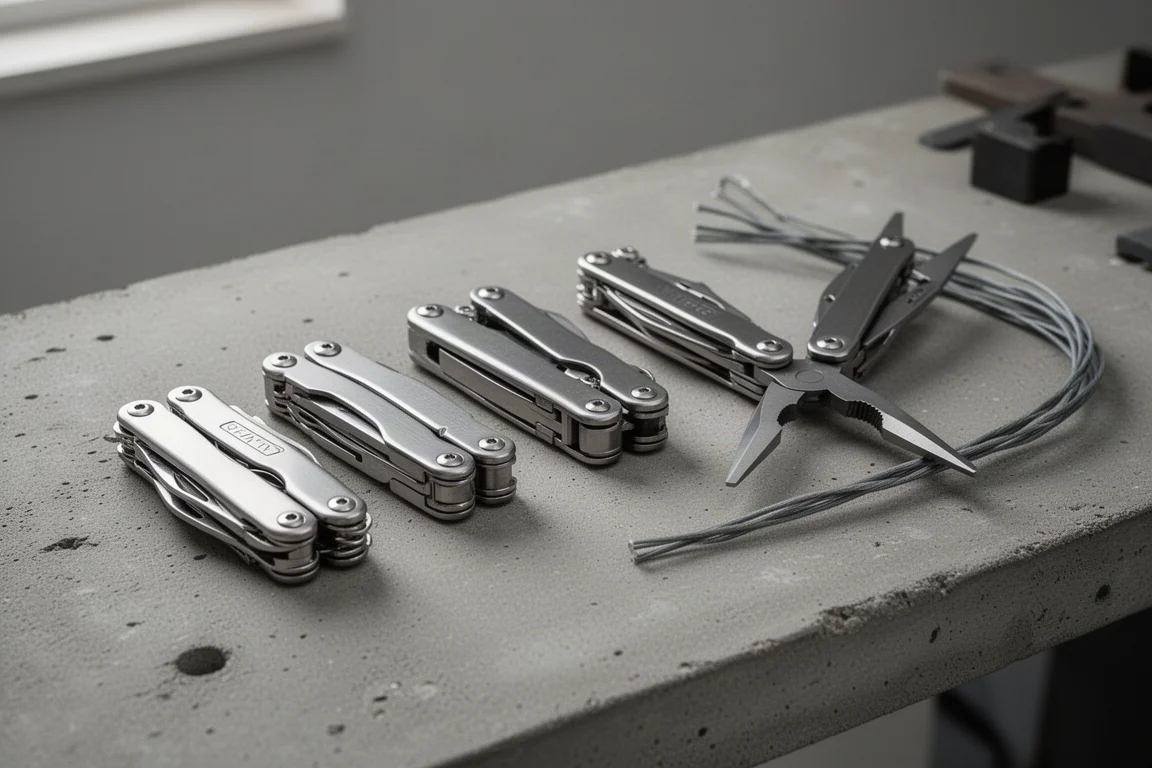
Best Multitools for Hard Wire Cutting: Which Pliers Actually Survive the Test
We put a lineup of classic and modern multitools up against a simple challenge: cutting coat hanger wire cleanly without damaging the cutters.