GPS Watches
Garmin Vivoactive 5 First Run Review: A Bright AMOLED Upgrade at a Sensible Price
The Vivoactive 5 brings an AMOLED display, an upgraded heart rate sensor and improved GPS to Garmin's wellness-focused line. Here is how it performed on early runs.
Introduction
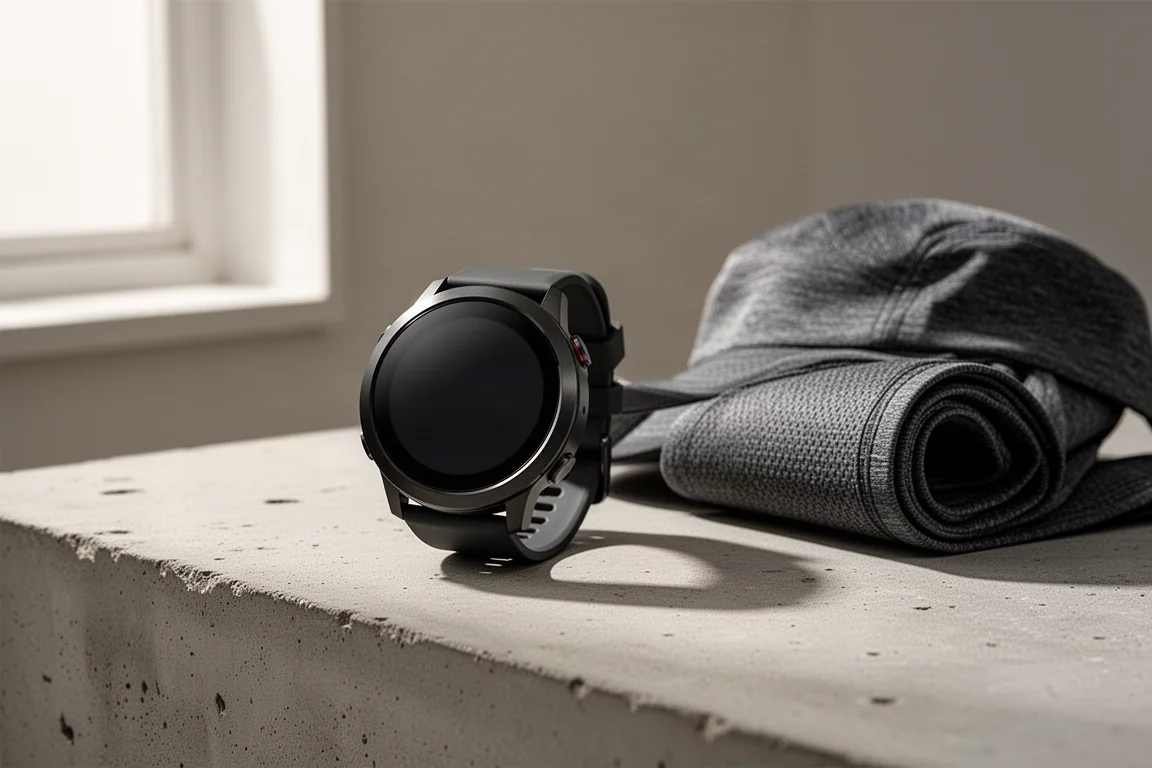
The Garmin Vivoactive 5 arrives more than five years after its predecessor, and it makes a better first impression than many expected. The headline change is a bright AMOLED display, paired with an aluminium bezel, an upgraded heart rate sensor and an improved multi-GNSS chipset. It remains a general health and wellness watch that also tracks your runs well, rather than a dedicated running watch, and that positioning shapes almost everything about it.
Who This Product Is For
The Vivoactive 5 suits runners who want solid sports tracking in a smartwatch-style package without paying flagship prices. It works with both Android and iOS, unlike the Apple Watch SE, and adds features such as displaying photos and messages when paired with an Android phone. It is a sensible pick if you want Garmin-style activity tracking, a vibrant screen and reasonable battery life, and you do not need route uploads, breadcrumb navigation or multiband GPS.
What Has Changed From the Vivoactive 4
The most visible updates are the move to a single case size that sits between the two sizes of the Vivoactive 4, an aluminium bezel replacing the stainless steel one, and the switch from a transflective display to AMOLED. You still get two physical buttons plus a touchscreen, removable straps, the same charging cable and the same level of waterproofing, along with 4GB of memory and music functionality.
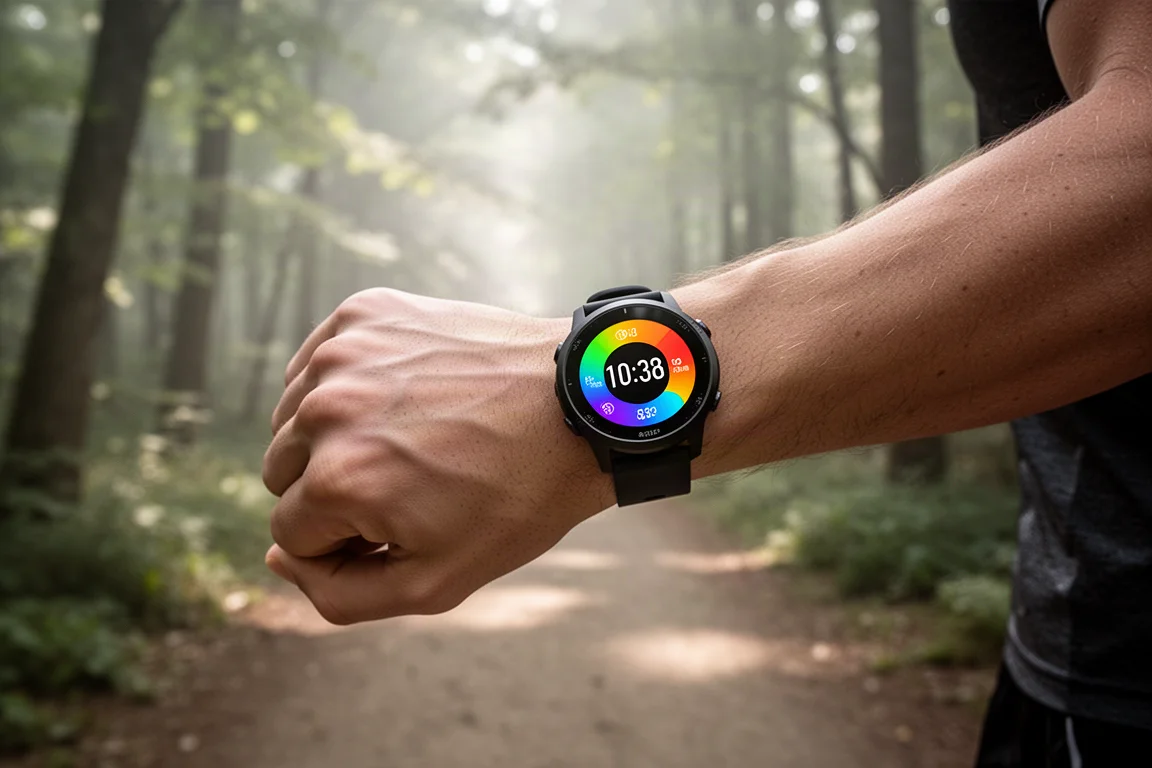
On the feature side, the changes are modest. You get HRV status, the Morning Report, and a new walk, stand and run detection mode that was not on the Vivoactive 4. There is no multiband GPS mode, no ability to upload routes, no training readiness feature, and the training analysis stays fairly light. Garmin has clearly pushed the watch further toward general health and wellness rather than deep run analytics.
How It Performed on the Run
Early GPS results are strong. On a tree-covered run, the Vivoactive 5 running with all systems on matched the distance and lap timing of a multiband watch paired with a chest strap almost exactly, and plotted routes that looked smooth, if not quite as polished as the best multiband devices. For a watch without multiband mode, that is a very good start.
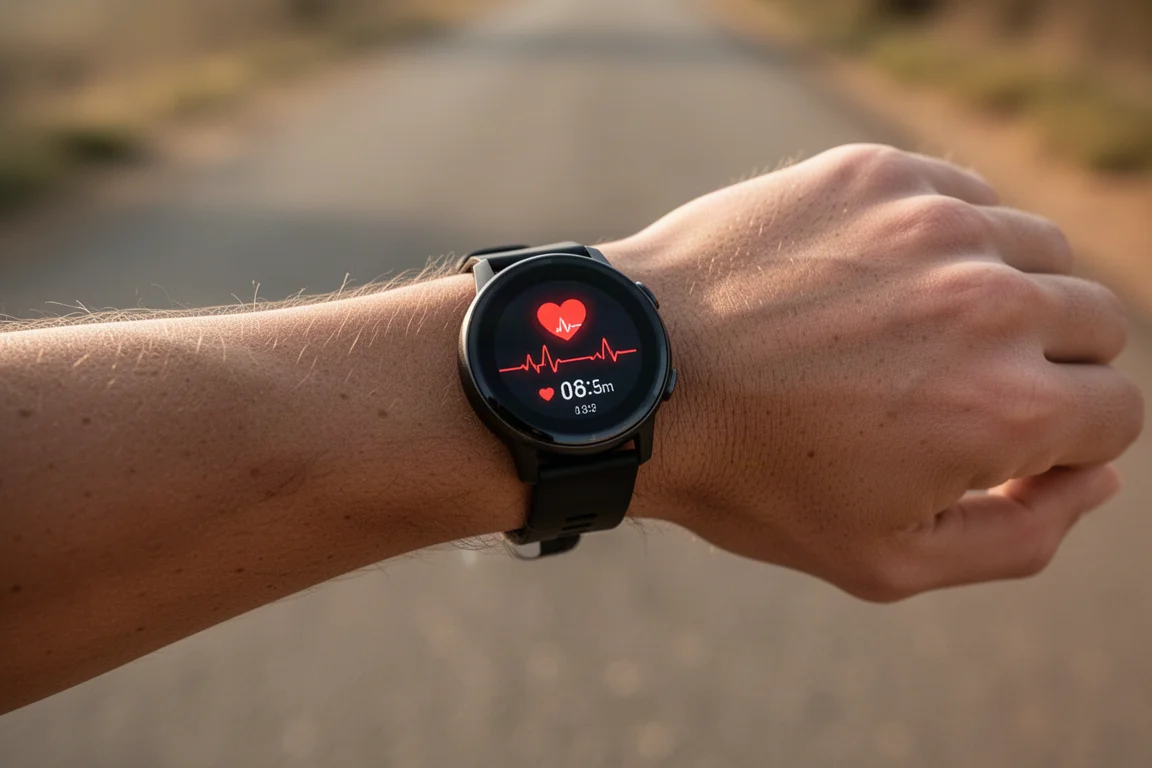
Heart rate tracking was similarly encouraging on steady efforts. On an outdoor run the averages lined up with a chest strap, though the optical sensor did throw out some odd spikes at one point, reading around 193 BPM briefly. On a steadier treadmill run, both average and max heart rate matched the strap closely. The sensor here is a newer version than the Vivoactive 4’s, though not Garmin’s most recent Elevate unit, which sits in the flagship watches.
Battery Life
Garmin claims up to 11 days without the always-on AMOLED mode, dropping to around 5 days with it enabled, alongside improved GPS battery life and slightly longer music streaming than the previous model. Early real-world use backs the claims up: after two days including one run, the watch sat at 74 percent, with a daily drop of roughly 5 to 10 percent depending on GPS use. Raise-to-wake keeps drain low, while the always-on screen will cost you more.
Where It Still Falls Short
Sleep tracking is the weak spot so far. During a night with several clearly remembered wake-ups, the watch logged nearly nine hours of great sleep and missed all of them, and the sleep coach then suggested reducing sleep needs, which is hard to trust from a watch with that blind spot. Garmin’s sleep tracking has never been class-leading, and the coaching built on top of it feels tenuous as a result.
The touchscreen also is not the fastest around, and gestures and taps are slightly slower than an Apple Watch, though not annoyingly so. The training effect summaries after runs feel like something you might glance at a few times and then mostly ignore.
How It Compares to the Competition
Against the Polar Ignite 3, Garmin looks stronger on software performance and battery life, while Polar arguably offers more training analysis and dual-band GPS that has not been especially impressive in practice. Against the Apple Watch SE, Garmin wins on battery life and native running features, while Apple still offers more in the smartwatch experience, but only for iPhone users.

Within Garmin’s own range, the Vivoactive 5 sits below the Venu 3, which costs more and adds a stainless steel bezel, a speaker and microphone, voice features, an altimeter and richer workout tools. Unless you want those extras, the core sports tracking experience feels very similar for less money, and rivals like the Forerunner 255 offer better battery life and more accurate multiband GPS at a similar price if you are willing to give up the AMOLED screen.
Conclusion
The Vivoactive 5 is not a dramatic leap over its predecessor for runners, but it is a nicely packaged update: a genuinely bright AMOLED screen, an improved heart rate sensor, better GPS and battery life, all at a fair price with Garmin’s usual dependable tracking. If you want a wellness-focused smartwatch that runs well and works with Android and iOS, it is an easy watch to recommend, provided you can live with mediocre sleep tracking and light training analysis.
Product link
View more details for Garmin Vivoactive 5
This product is mentioned in the review. Check the specifications, options, and compatibility before buying.
View more details for Garmin Vivoactive 5Further reading
Related Reviews
GPS Watches
Garmin Fenix 6S Pro Review: A Compact Multi-Sport GPS Watch
A long-term look at the 42mm Garmin Fenix 6S Pro, covering mapping, training metrics, battery life, and what to weigh before buying.
GPS Watches
Garmin Instinct 2 Solar Review: Weeks of Battery for Runners, Riders, and Hikers
A practical look at the Garmin Instinct 2 Solar, covering solar charging, multi-week battery life, training metrics, and GPS performance across running, cycling, and hiking.
GPS Watches
Suunto 9 Peak Pro Review: A Light, Long-Lasting GPS Watch After 12 Months
A compact multisport GPS watch with exceptional battery life, accurate breadcrumb navigation, and a deliberately simple interface. Here is where it shines and where it falls short.