GPS Watches
Garmin Instinct Crossover vs Instinct 2: Which Rugged Hybrid Watch Makes More Sense?
The Instinct Crossover combines the Instinct 2 with real analog watch hands, a new GPS chipset, and longer battery saver modes. Here is how the two compare.
Introduction
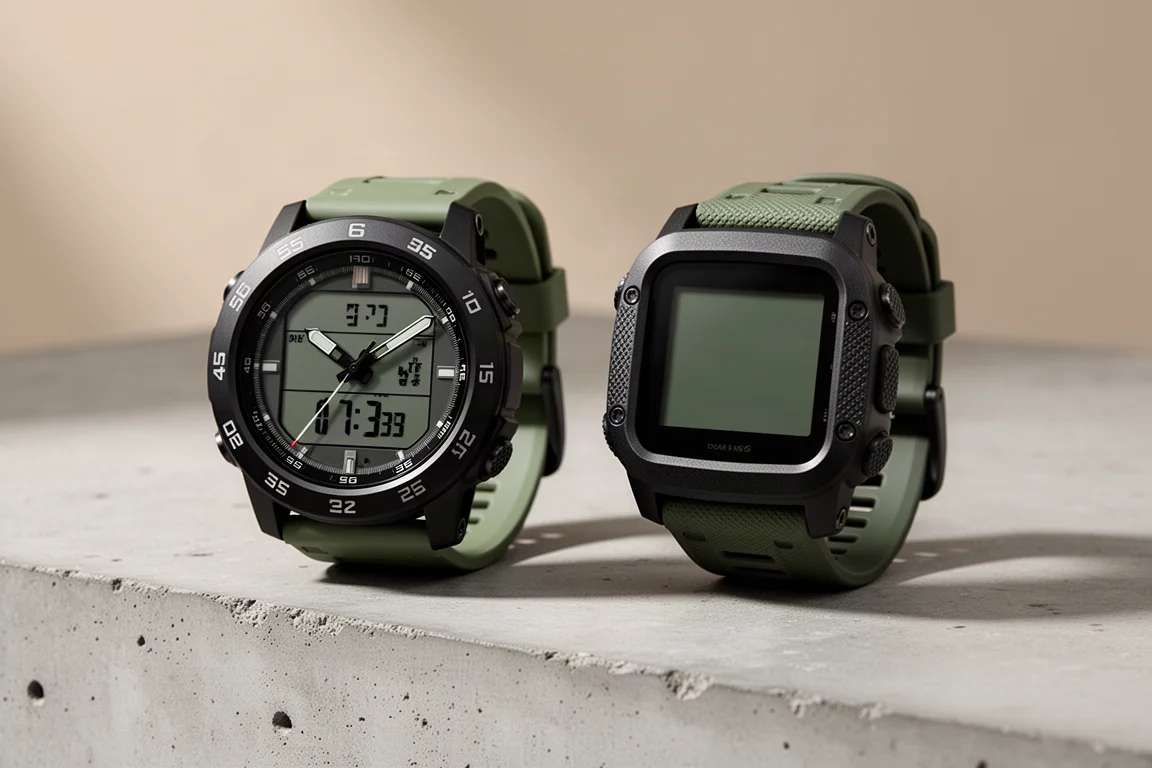
The Instinct line has been one of Garmin’s most surprising success stories. The original rugged, retro-styled design won over a huge number of wearers, and the lineup has kept expanding ever since. The newest addition, the Instinct Crossover, takes that formula in an unexpected direction: it keeps the Instinct 2 as its foundation but adds real, moving analog watch hands on top of the digital display.
That hybrid approach raises an obvious question. If you are choosing between the Instinct Crossover and the Instinct 2, what exactly do you gain with the newer model, and where does the older one still hold its own?
What Makes the Instinct Crossover Different
The Crossover is essentially an Instinct 2 merged with elements of Garmin’s Vivomove Sport hybrid concept. That watch looks like a traditional timepiece with real moving hands but hides a digital display underneath, and the Crossover applies the same idea to the rugged Instinct body. The analog hands sit above the screen and move out of the way when you interact with the device. The rest of the time, they behave like a conventional watch.
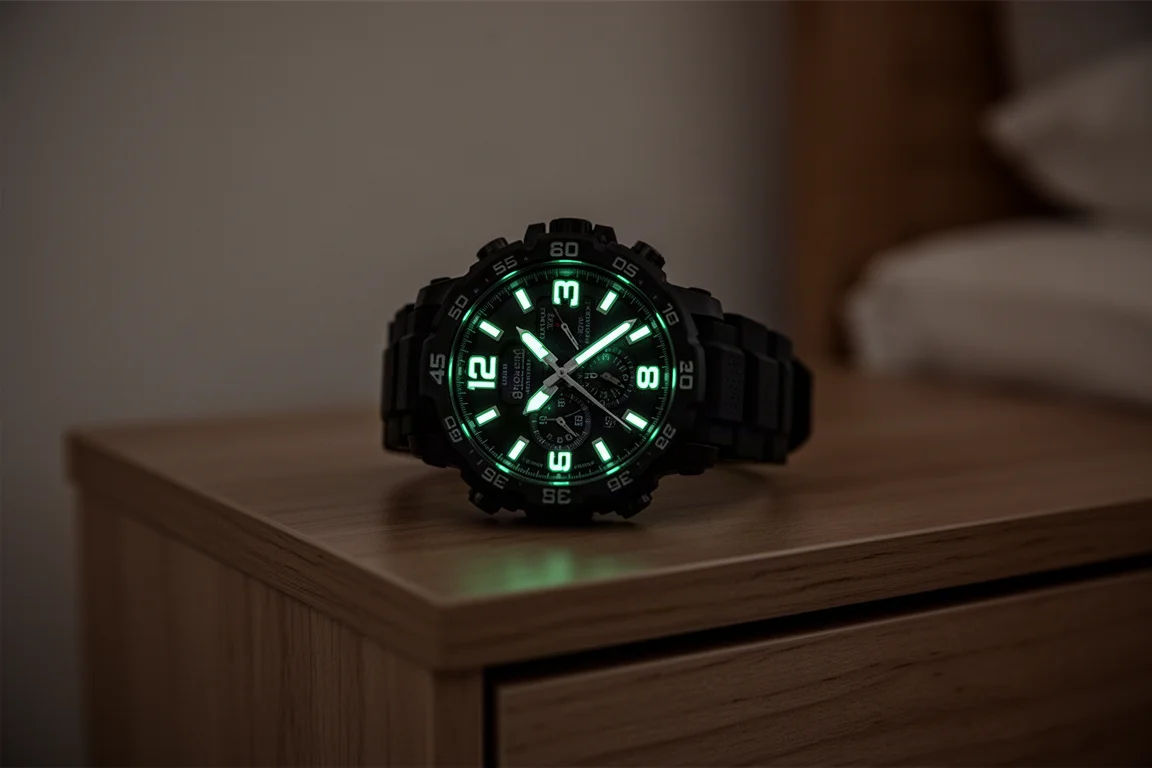
Notably, adding the hands meant Garmin dropped the cutout window seen on previous hybrid designs. The hands themselves are generously sized and luminescent, so they remain readable in the dark.
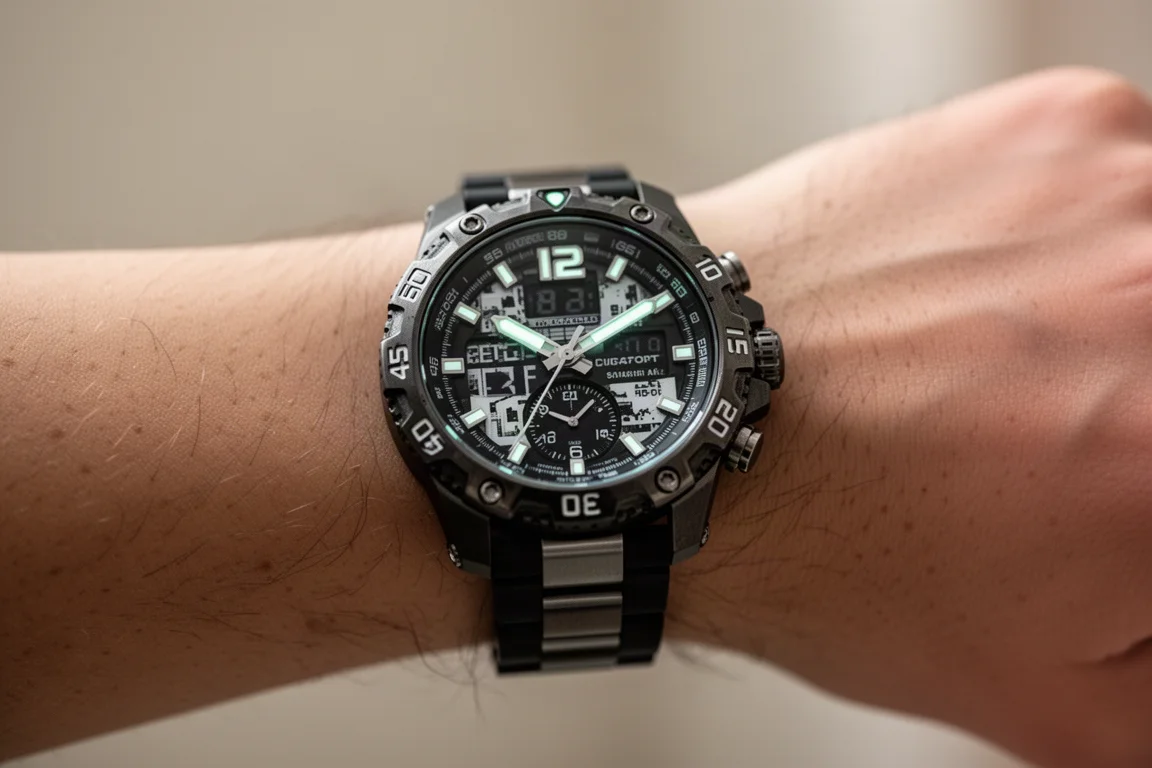
There is also a new dual-layer bezel, effectively a bezel within a bezel, with numerals on the outer ring. Those numerates are luminescent too, and the layered look adds a dimensional quality reminiscent of traditional timepieces.
Revo Drive Technology and Durability
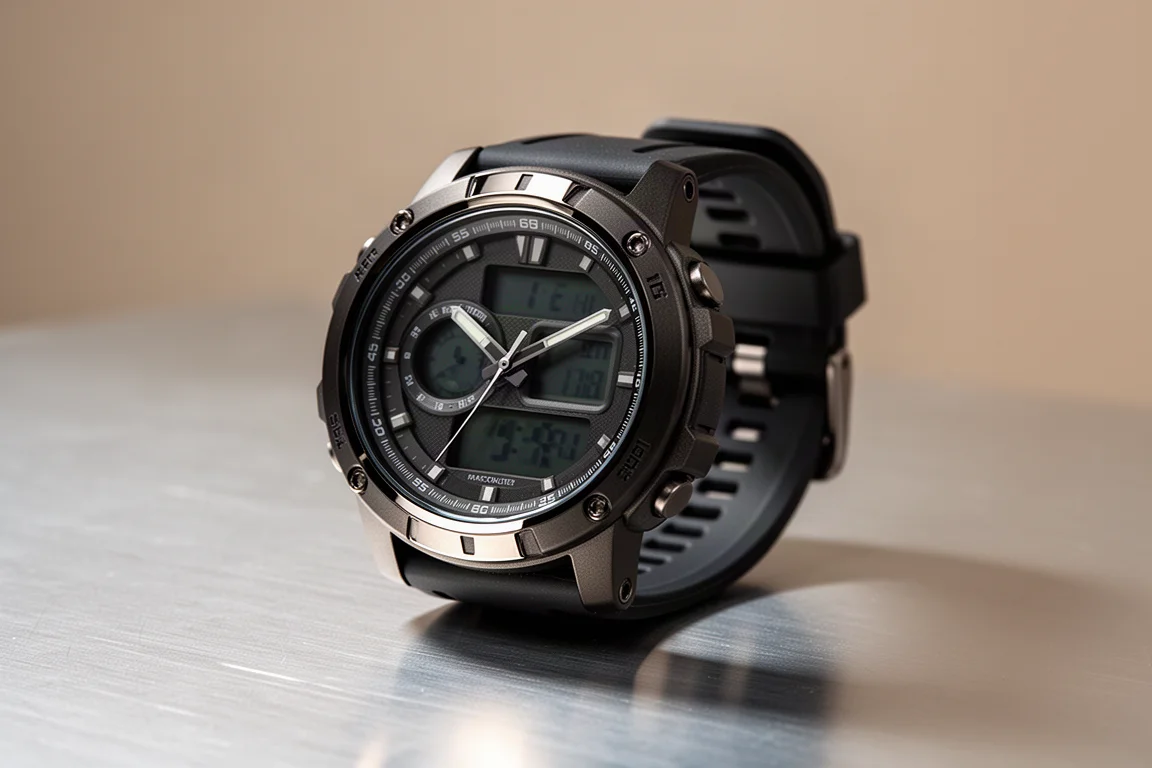
Keeping analog hands accurate on a rugged sports watch is a real engineering challenge, and Garmin addresses it with what it calls Revo Drive technology. The claim is accurate timekeeping even in the harshest environments, and the system automatically recalibrates the hands whenever it senses a significant impact, the kind of knock that can throw off the time on a traditional watch.

The Crossover otherwise stays true to the Instinct formula: the same bold, rugged aesthetic and military-grade durability rating carried over from the Instinct 2. It is offered in three editions: a standard version in Blue Granite or Black, a Solar edition in Tidal Blue or Graphite, and a Tactical edition in Black.
Accuracy and GPS Upgrades
One of the most meaningful technical changes is under the hood. The Crossover uses an updated multi-GNSS GPS chipset, the same one found in the Forerunner 255 and Venu 2 Sq. That should translate into better positioning accuracy than the Instinct 2, which does not support multi-GNSS.
For anyone who records outdoor activities in dense tree cover, canyon terrain, or urban environments, this chipset upgrade alone is a substantive reason to consider the newer model.
Battery Life Compared
Day to day, the two watches are closer than you might expect. In normal smartwatch use, the Crossover lasts up to 28 days without solar charging, the same figure as the Instinct 2. Garmin has also raised the battery saver watch mode on the Crossover to up to 65 days, and the analog hands continue working even in that mode.
Recording activities is where the differences show. Because of its updated chipset, the Crossover’s highest-fidelity multi-GNSS mode is rated for up to 25 hours, slightly less than the Instinct 2’s 30 hours in its highest-fidelity setting, since tracking every satellite system draws more power.
Where the Crossover pulls clearly ahead is in extended modes. Its max battery GPS setting reaches up to 111 hours versus 70 hours on the Instinct 2, and Expedition mode stretches to 40 days compared with 32 days on the Instinct 2. And as with the Instinct 2 Solar, the Solar edition of the Crossover can, with enough sun exposure, potentially deliver effectively unlimited battery life.
Pricing and Editions
The standard Crossover comes in Blue Granite or Black, the Solar edition in Tidal Blue or Graphite, and the Tactical edition in Black. The Solar edition carries the practical advantage of solar charging, while the Tactical edition adds the tactical styling package that some wearers prefer. If you want the hybrid hands experience without paying for solar or tactical extras, the standard edition is the entry point.
Which One Should You Buy?
If the idea of a rugged watch that reads like a traditional timepiece appeals to you, the Crossover is the obvious choice. You give up a few hours of battery life in the highest-fidelity GPS mode, but you gain the analog hands, the dual-layer luminescent bezel, the improved multi-GNSS chipset, and notably longer battery saver and Expedition modes.
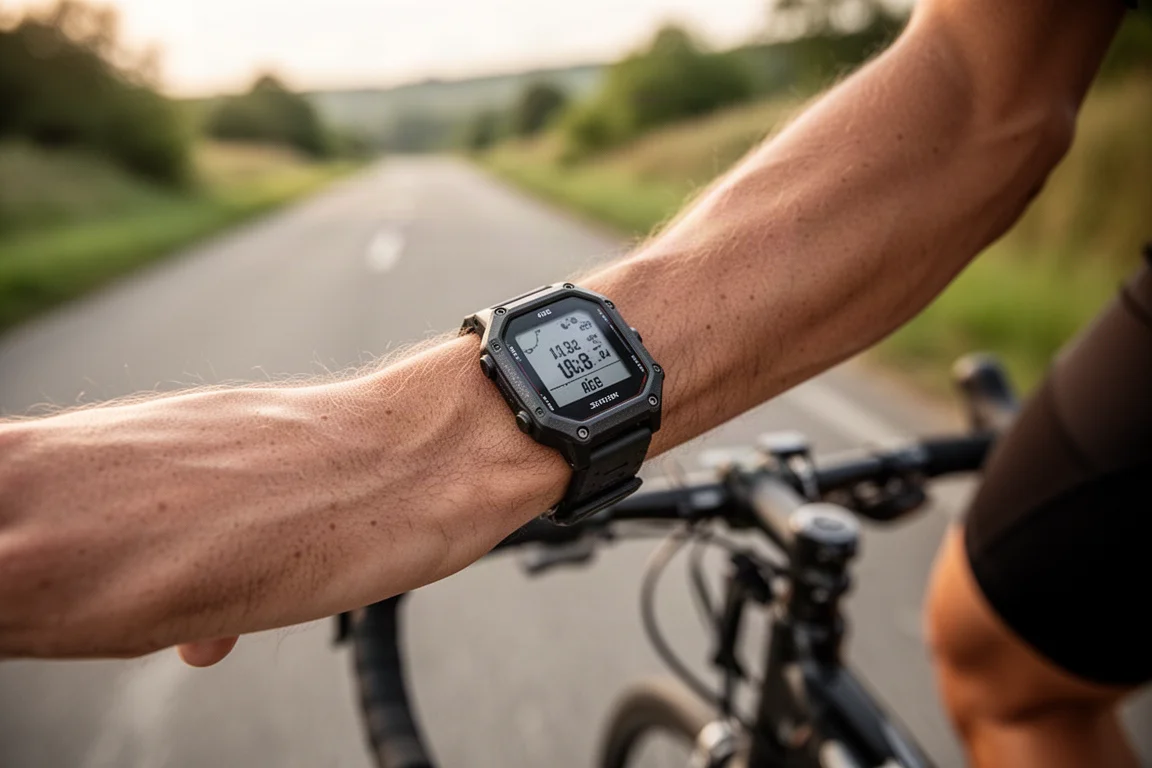
If you prefer a pure digital watch and want the established, well-understood Instinct 2 experience, it remains a capable option with the same 28-day smartwatch battery life. The decision mostly comes down to whether moving hands are a feature you would genuinely enjoy every day, because that is what the Crossover premium is really buying.
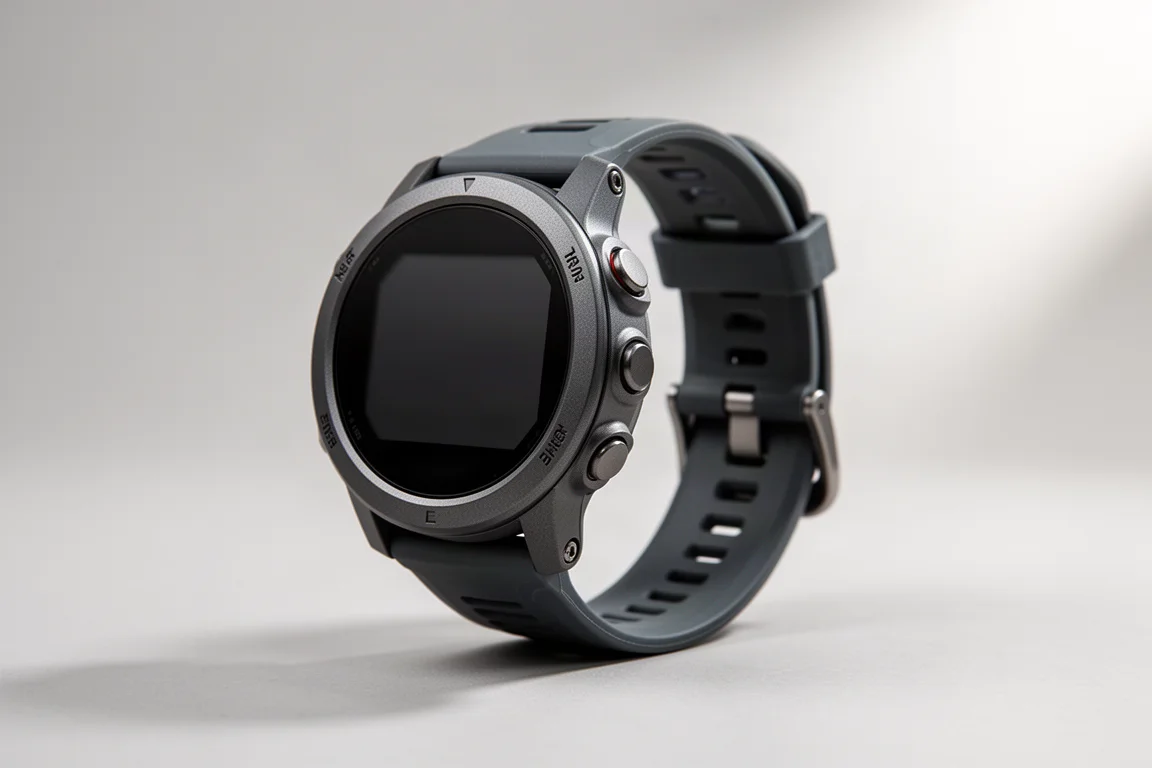
Conclusion
The Instinct Crossover is an unusually interesting step for the Instinct lineup. It blends hybrid watch aesthetics with rugged durability, a newer GPS chipset, and extended battery saver modes, while the Instinct 2 continues to serve wearers who want the classic all-digital rugged watch. Both are strong choices; the right one depends on how much you value real watch hands and the extra battery headroom.
Further reading
Related Reviews
GPS Watches
Garmin Fenix 6S Pro Review: A Compact Multi-Sport GPS Watch
A long-term look at the 42mm Garmin Fenix 6S Pro, covering mapping, training metrics, battery life, and what to weigh before buying.
GPS Watches
Garmin Instinct 2 Solar Review: Weeks of Battery for Runners, Riders, and Hikers
A practical look at the Garmin Instinct 2 Solar, covering solar charging, multi-week battery life, training metrics, and GPS performance across running, cycling, and hiking.
GPS Watches
Suunto 9 Peak Pro Review: A Light, Long-Lasting GPS Watch After 12 Months
A compact multisport GPS watch with exceptional battery life, accurate breadcrumb navigation, and a deliberately simple interface. Here is where it shines and where it falls short.