Sports Watches
Garmin Instinct Crossover Review: Analog Hands Meet Rugged GPS Smartwatch
The Garmin Instinct Crossover blends analog watch hands with the Instinct 2's sports platform, a new GPS chipset, and a Solar edition that can essentially run forever.
Introduction
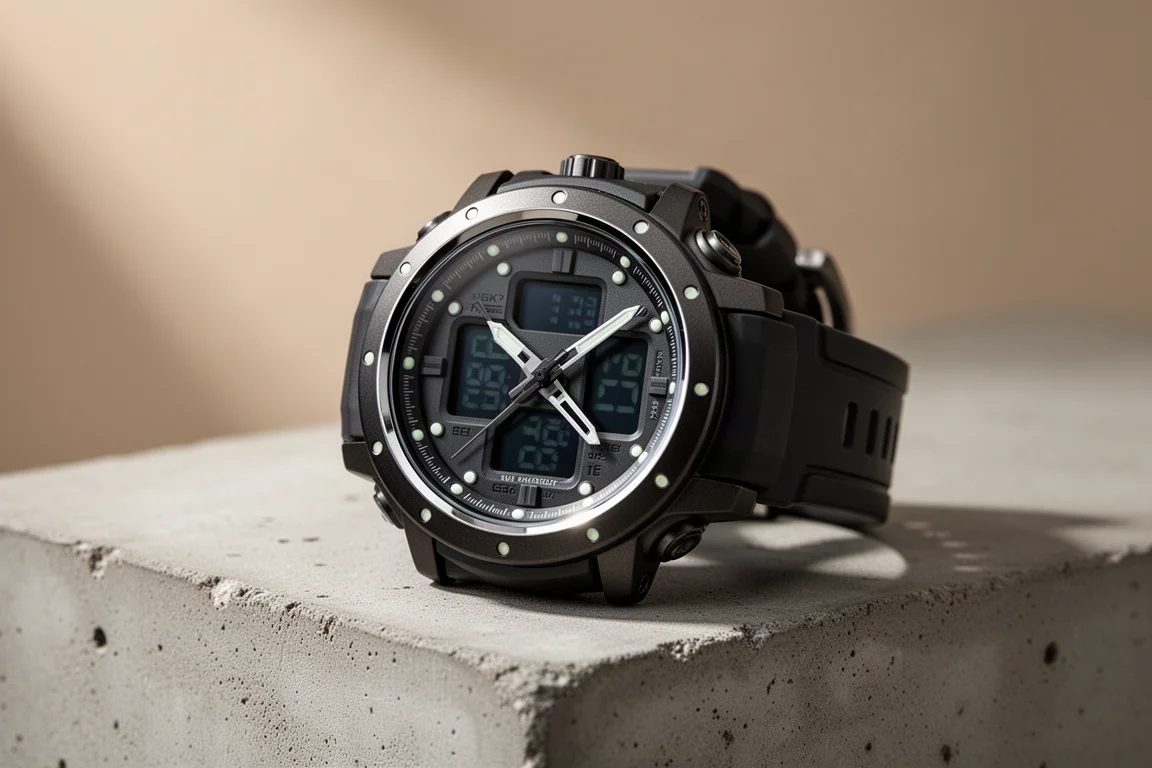
The Garmin Instinct Crossover takes the Instinct 2 platform and adds something unusual: real, moving analog hands. But the hands are only the headline. Inside, this watch quietly picks up a new GPS chipset, Garmin Pay support, revised battery specs, and a cleaner, more premium design. Prices start at $499 for the base edition, $549 for the Solar edition, and $599 for the Tactical edition.
This review covers what is genuinely new, how the hands behave in everyday use, and how GPS and heart rate accuracy hold up in demanding conditions.
What Makes the Crossover Different
The defining feature is the analog hands. They show the current time like a traditional watch, but they also move out of the way when you open a data screen, sweep to vertical or horizontal positions depending on the widget you are viewing, and even act as a gauge. On a steps widget, the hands become a progress indicator around the screen. In a workout, they double as a near-instant heart rate gauge.
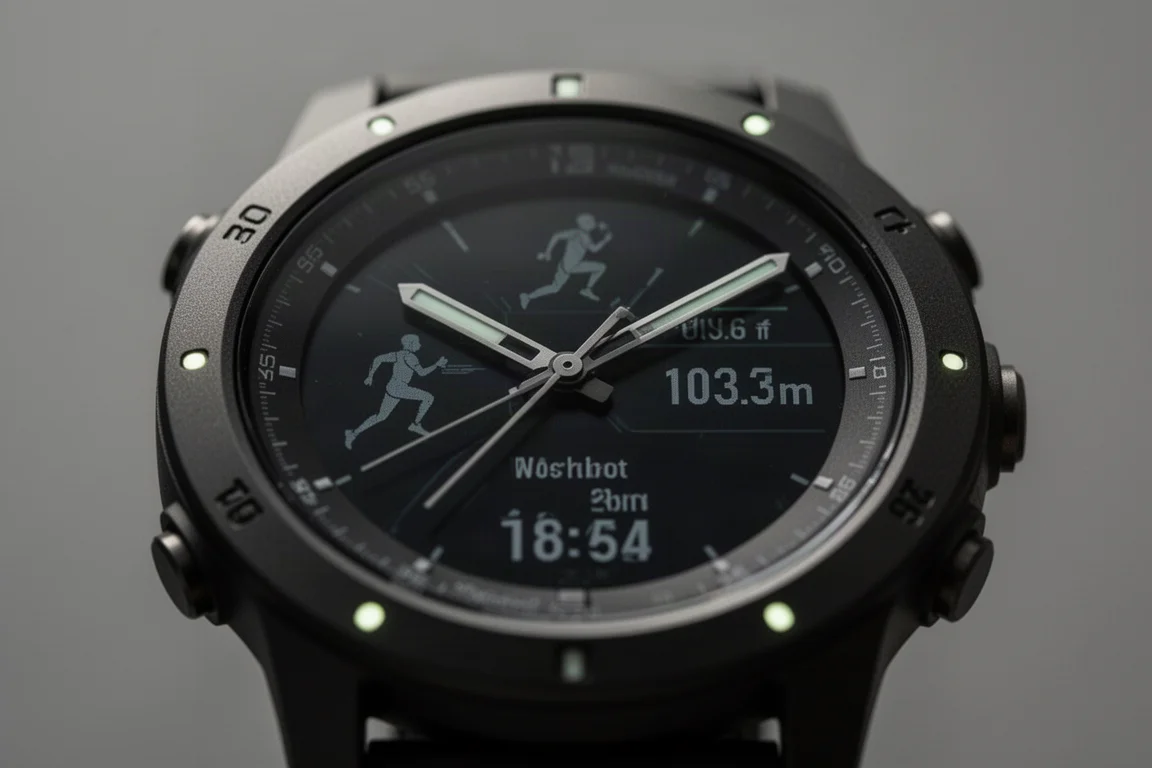
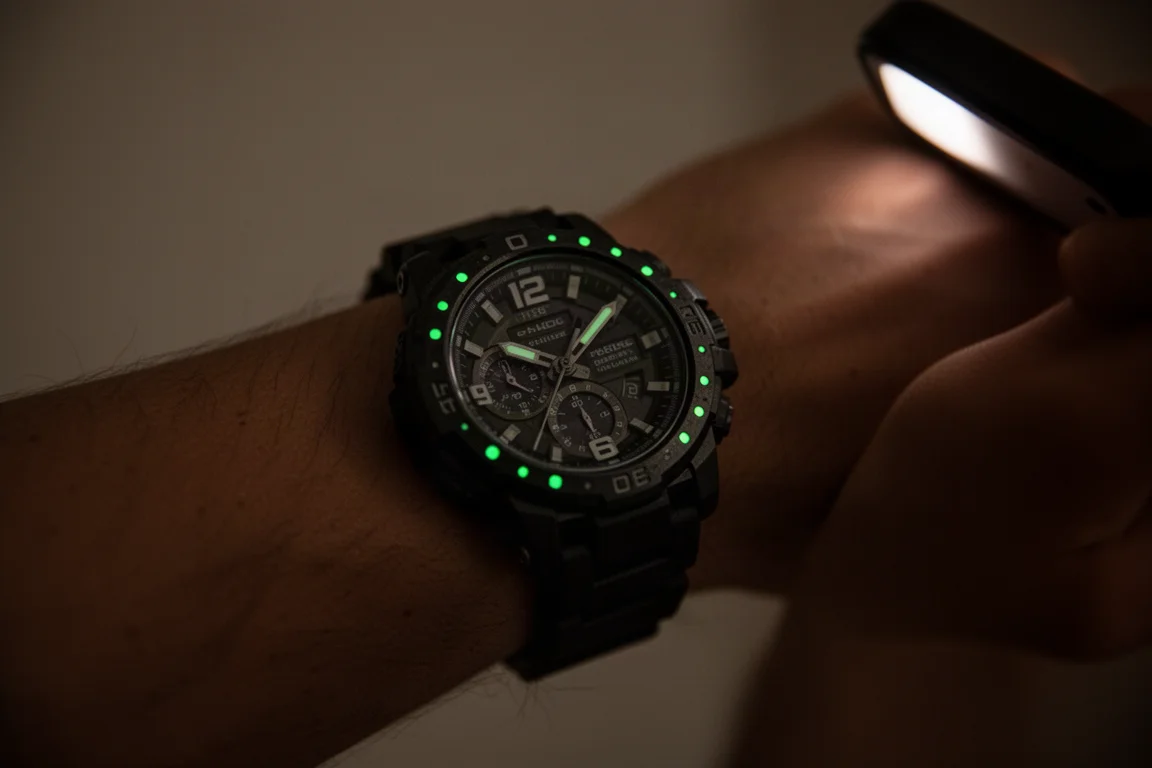
There is also a Super-LumiNova glow coating on dots around the bezel. Charge it with light, such as a phone flashlight or sunlight, and it glows for what seems like a couple of hours with decaying intensity. The backlight itself remains fully functional and unaffected.
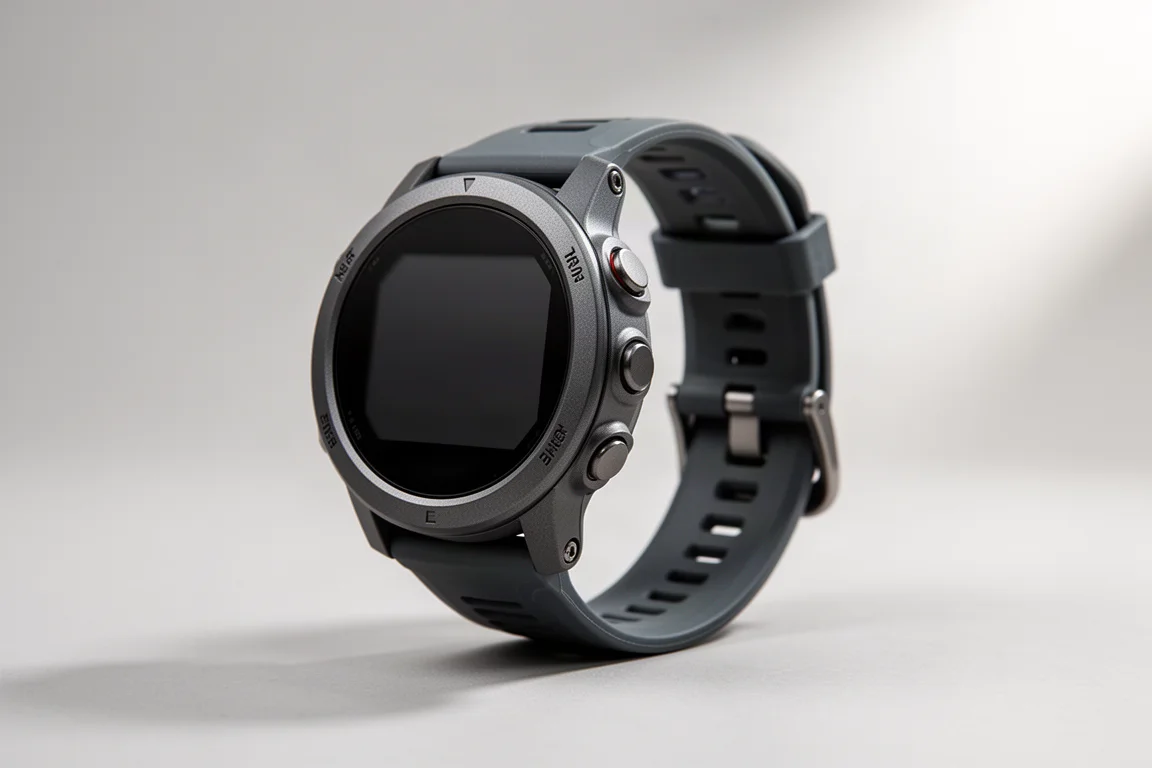
Other physical changes are subtle but welcome. The glass sits slightly higher in the bezel than on the Instinct 2, the fabric-grabbing material of the older design is gone, and the little circular data field on the classic Instinct display is removed, leaving a square screen with more usable real estate. The overall look is cleaner, with a polished inset around the bezel that gives it a more premium feel.
Hands, Calibration, and Everyday Use
The hands behave quickly and smoothly, repositioning in about a second when you switch screens. One caveat: the hands can block part of the digital data on the left side of the display, though the same information is available in the widget glances.
If the hands ever drift out of alignment, Garmin has a fix. A settings menu offers manual alignment plus an automatic self-calibration feature marketed as Revo Drive, which performs a quick swirly recalibration after a hard impact. In practical testing with repeated hard impacts from kitchen tools, the automatic calibration never triggered, suggesting it only fires on genuinely significant impacts. Either way, manual calibration takes seconds.
Beyond the hands, this is the Instinct 2 software experience. You get widget glances, full HRV status (which requires about 19 nights of sleep before trends appear, though individual night data shows immediately), training status 2.0 with exercise load categories, VO2 max, and recovery time. Newer sport modes added since the Instinct 2 launch are all present, including windsurfing, surfing, ski and snowboard downhill metrics, and golf.
Workout screens support up to four customizable data pages in quadrants, and navigation offers a breadcrumb trail with genuine turn-by-turn directions, off-course alerts, and course loading. There are no full maps underneath, which is worth knowing, but turn-by-turn support puts it ahead of some other recent watches in this class.
The Three Editions: Crossover, Crossover Solar, and Instinct 2
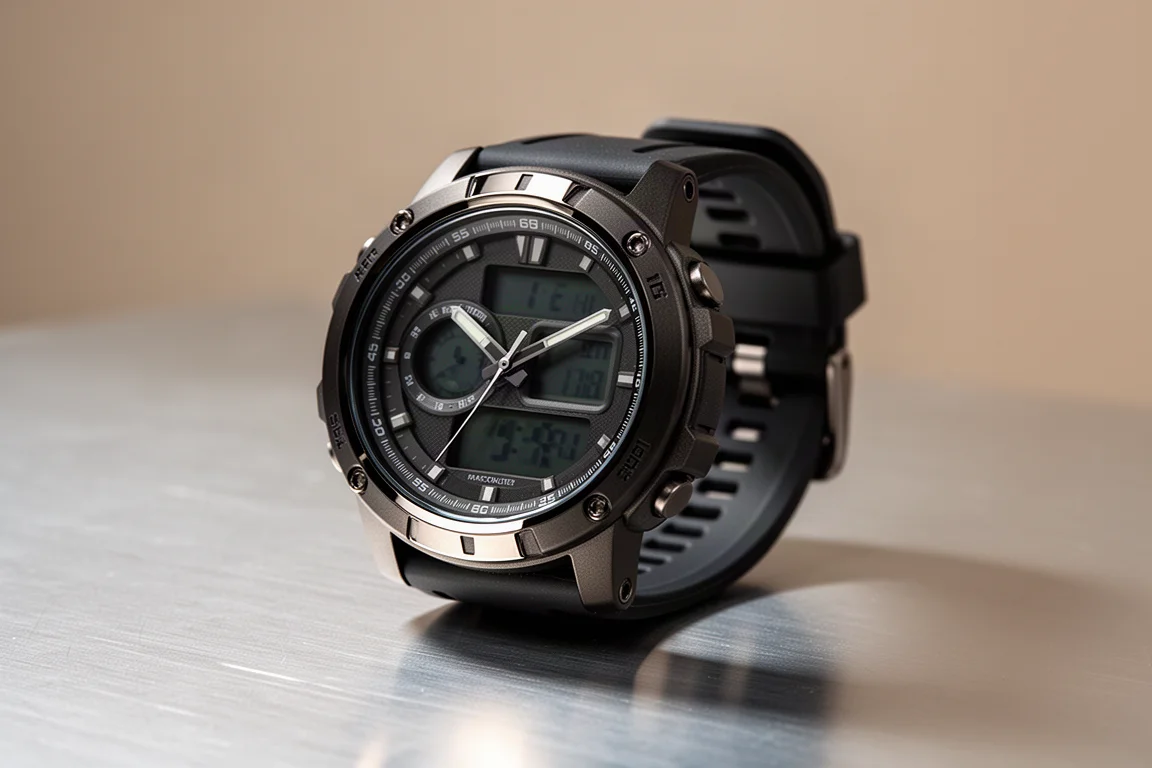
The base Garmin Instinct Crossover at $499 is the straightforward choice if you want the hands, the new GPS chipset, and Garmin Pay without extras. It carries the same core platform as the Instinct 2 series with all the newer features layered on top.
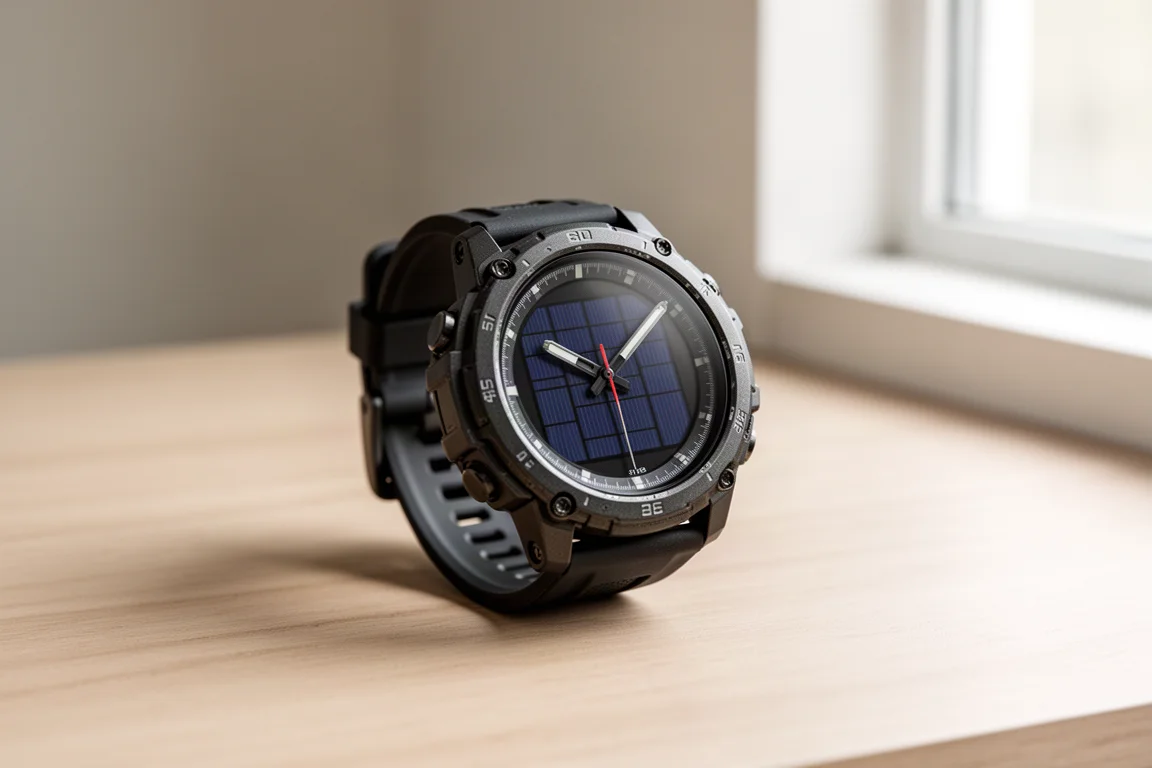
The Instinct Crossover Solar at $549 adds solar panels for theoretically indefinite battery run time in suitable conditions. If you spend long stretches outdoors and want to minimize charging, this is the edition built for that.
The Garmin Instinct 2 remains the value pick. It lacks the hands, the raised glass, the newer chipset, and Garmin Pay, but its underlying software features are largely the same and it costs less. Battery specs differ between the two series because the Crossover’s GPS modes are defined as all-systems rather than GPS plus GLONASS, which changes how the numbers compare.
GPS Accuracy: A Real Step Up
The Crossover inherits the same GPS chipset used in the Fenix 7 series and the Epix. It is not multi-band, which is a notable omission given that Garmin put multi-band on the cheaper Forerunner 255. Still, in a difficult downtown test among 30-story buildings, the Crossover produced visibly cleaner and straighter tracks than the Instinct 2 Solar and held its own against multi-band competitors. On one pass it was the most accurate watch of the group, and it tracked a crosswalk almost perfectly where other watches drifted.
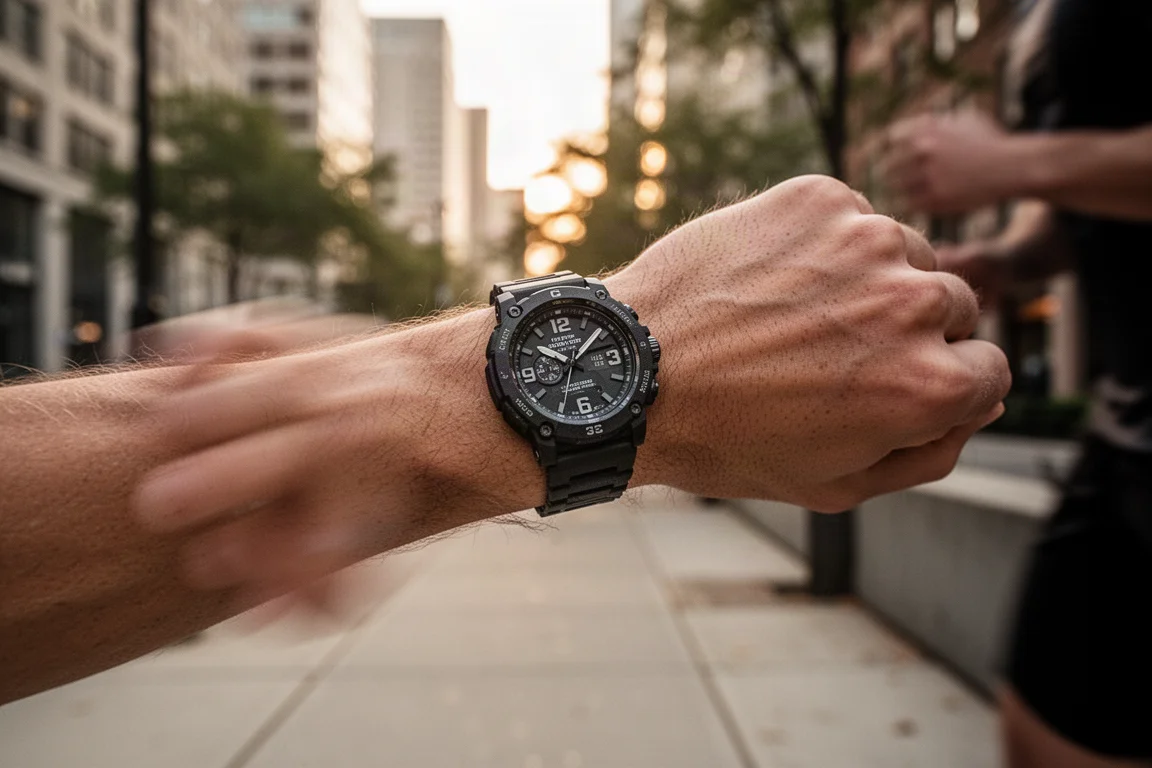
In an open water swim in cold water, with a GPS buoy as reference, the Crossover’s track was virtually identical to the reference path. Bike commuting around the city showed the watch tracking along bike paths with only occasional one to two meter deviations.

Heart rate accuracy is equally solid. Using the same optical sensor Garmin has shipped for the past year and a half or so, interval after interval produced spot-on charts, helped by the watch’s lighter build on the wrist.
Buying Advice
If you like the rugged Instinct aesthetic, the Crossover is arguably the best-looking Instinct to date, and the hands add a touch of class rather than getting in the way. It took about an evening to adjust to the hands stylistically, and they became genuinely fun to watch afterward.
The main criticism is the lack of multi-band GPS at this price when a watch $200 cheaper carries it. That said, real-world accuracy here clearly beats the Instinct 2 Solar and matches or exceeds competitors’ multi-band options, so the result matters more than the method. Choose the base edition for the core experience, Solar if battery autonomy is your priority, and the Instinct 2 if you want most of the same software for less money.
Conclusion
The Garmin Instinct Crossover is a genuinely interesting watch: analog hands that move out of the way and even work as gauges, a better GPS chipset, Garmin Pay, and a cleaner, more premium design. The hands are geeky-cool, the accuracy is a real upgrade over the Instinct 2 series, and the Solar edition extends run time dramatically. If the style appeals to you, it is an easy watch to live with.
Further reading
Related Reviews
Sports Watches
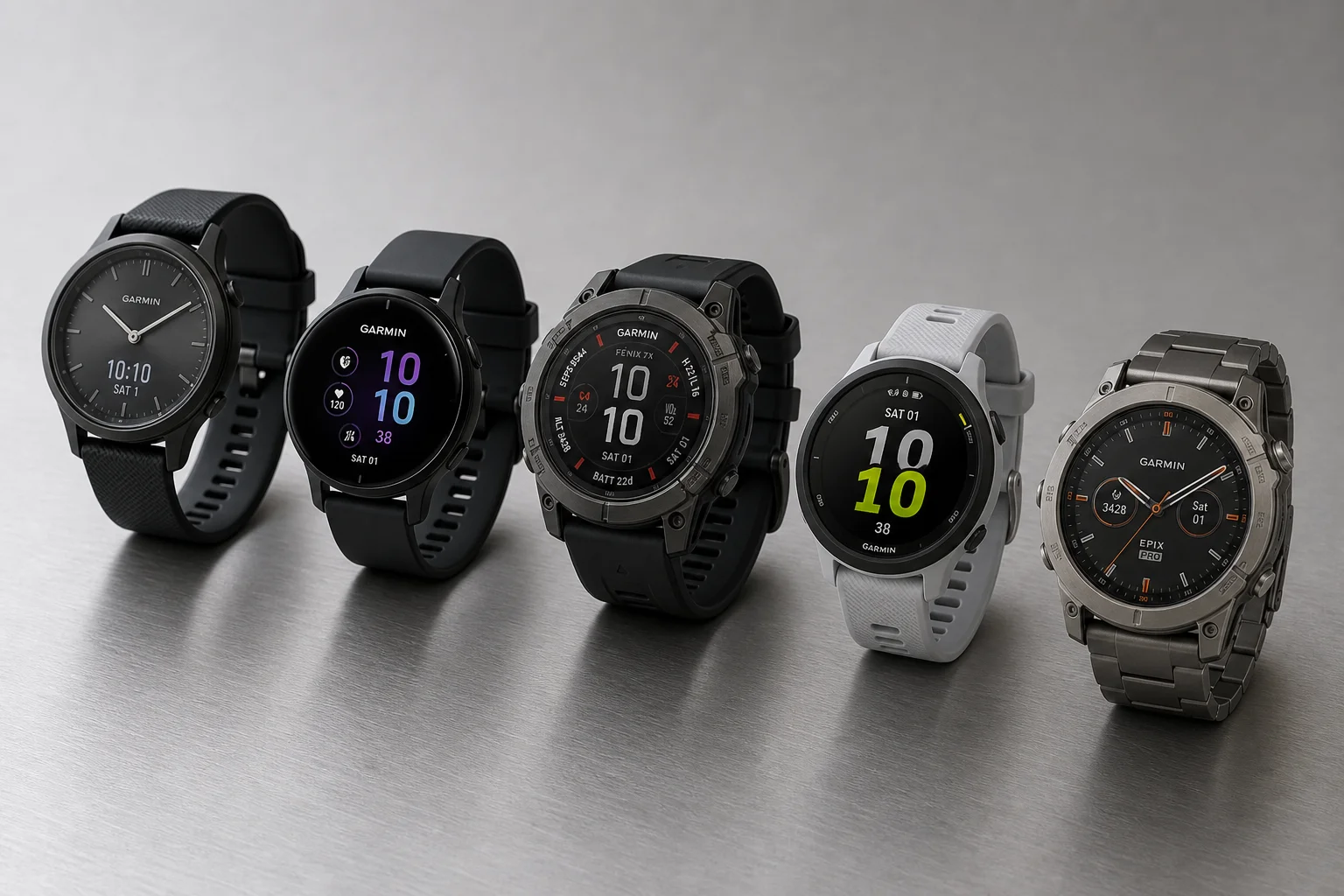
Garmin Sports Watch Guide: Finding the Right Model for Your Fitness Level
A comprehensive overview of Garmin's sports watch lineup, from casual fitness trackers to advanced multisport devices, helping you choose the right model for your needs and budget.
Sports Watches
Coros Pace Pro Review: A Complete Overhaul That Finally Feels Premium
Coros rebuilt the Pace Pro from the ground up with an AMOLED display, onboard maps, and a new heart rate sensor. Here is how it all holds up in real use.
Sports Watches
Polar Vantage M3 Review: The Sweet Spot in Polar's New Watch Lineup
A closer look at the Polar Vantage M3, which brings an AMOLED display, dual-frequency GPS, offline maps and the same software platform as Polar's flagship watches at a friendlier price.