GPS Watches
Garmin Instinct 3 Lineup: Solar, AMOLED, and Instinct E Explained
Garmin expands the Instinct family into three levels, including a surprise AMOLED version. Here is what each model offers and who each one suits.
Introduction
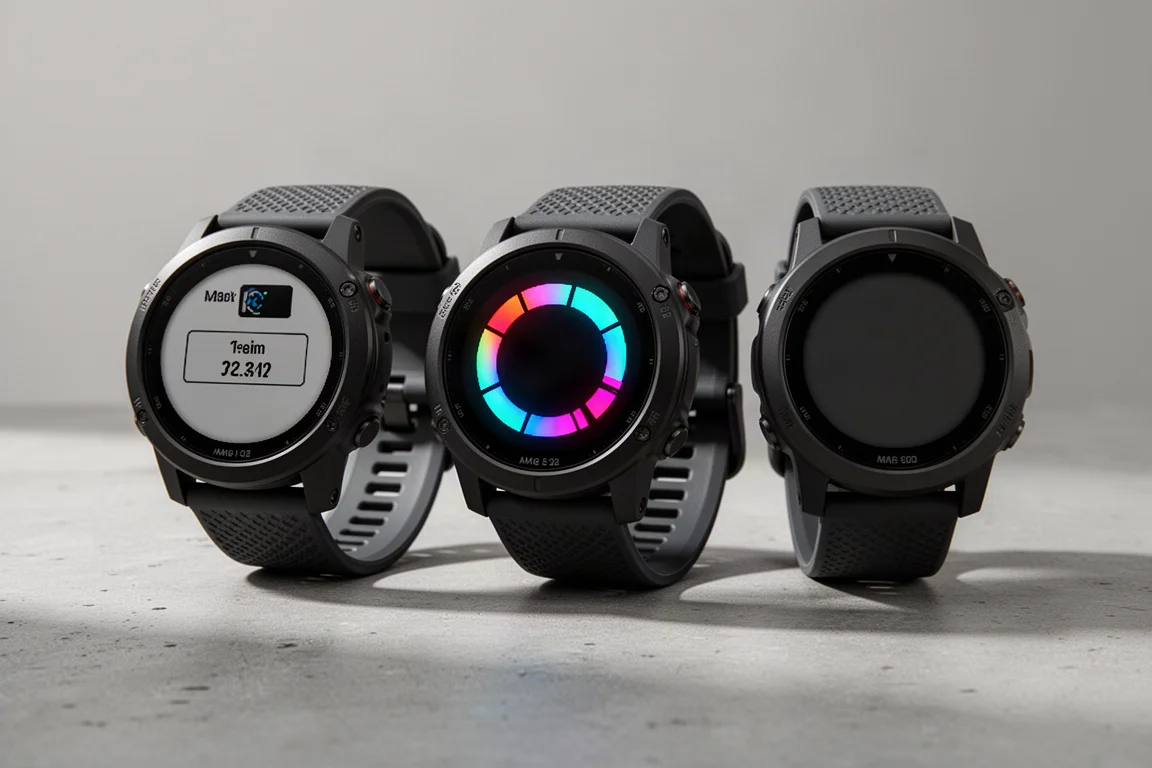
Garmin has gone all in on the Instinct line this time. The brand new Instinct 3 lineup arrives in three levels: the Instinct E, the Instinct 3 Solar, and the Instinct 3 AMOLED. That last one is the real surprise, because Garmin has put an AMOLED display into an Instinct body, blending the line’s signature retro, rugged design with the big bright screens found on its other modern watches.
The Instinct family has been a quiet breakout success: durable, comfortable, long-lasting on battery, and instantly recognizable thanks to its wraparound straps and distinct display layout. With three tiers to choose from, the lineup now covers a wider range of needs and budgets. Here is how the three models break down.
Instinct E: The Essential Model
The E stands for essential, and you can think of this as the original Instinct formula with meaningful upgrades. It comes in two sizes, 40mm and 45mm, both priced at $299. The design stays true to the classic look, with the wraparound strap and a display featuring the signature cutout window for data fields.
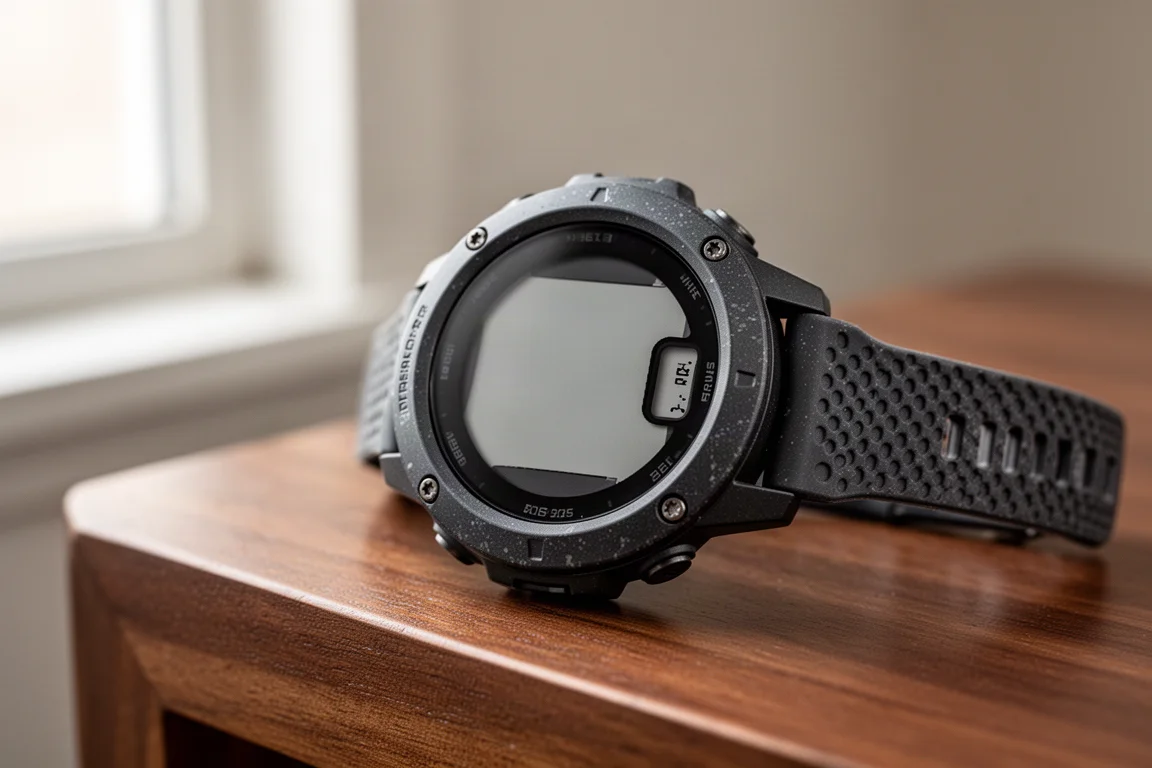
The upgrades over the previous generation focus on readability and speed. The display is said to have more contrast than the Instinct 2, which was already quite readable outdoors, and upgraded internals including a new processor make the menus feel faster and should extend how long the watch keeps receiving new features. On the positioning side, the Instinct E has an all-systems GNSS chipset supporting systems like GPS and Galileo, though it is single-band rather than multi-band.
New software features compared with the original Instinct include HRV Status, V02 Max, Training Effect, wrist-based Running Dynamics, more sport profiles, Garmin Share, more advanced sleep tracking, Women’s Health tracking, and a Morning Report. Heart rate monitoring, steps, and the full sport profile library carry over as before.
Instinct 3 Solar: Battery Life Is the Headline
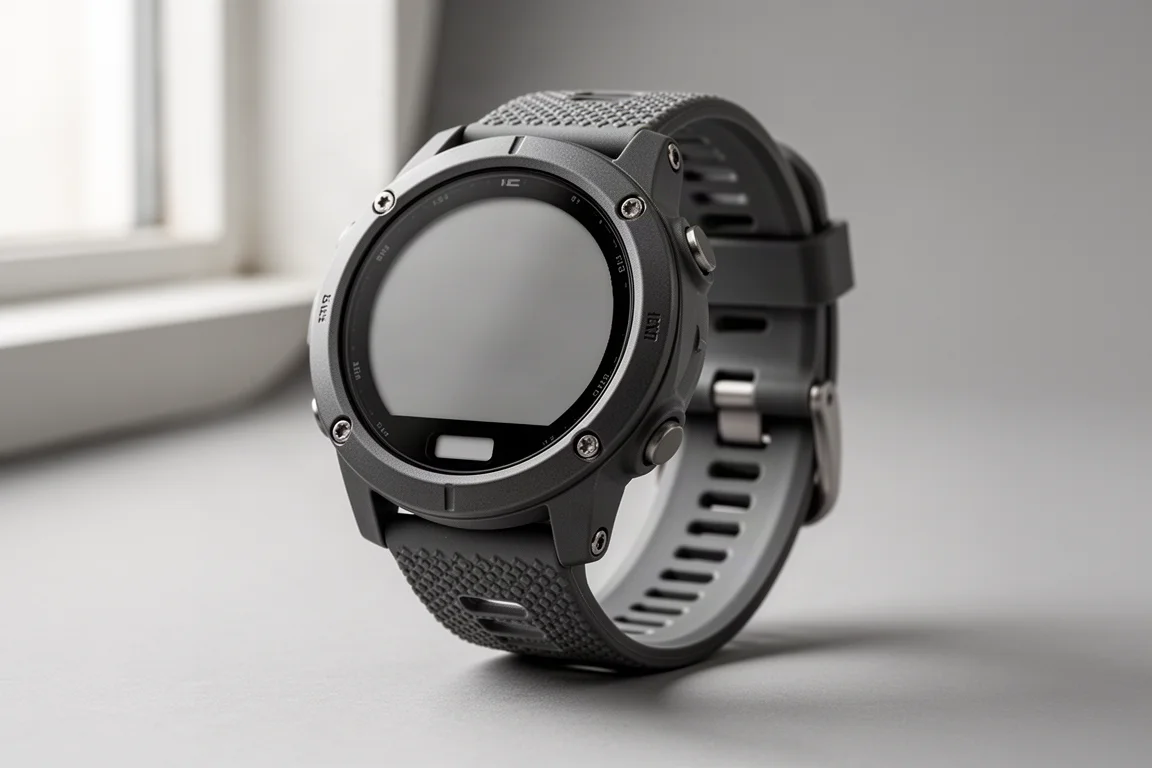
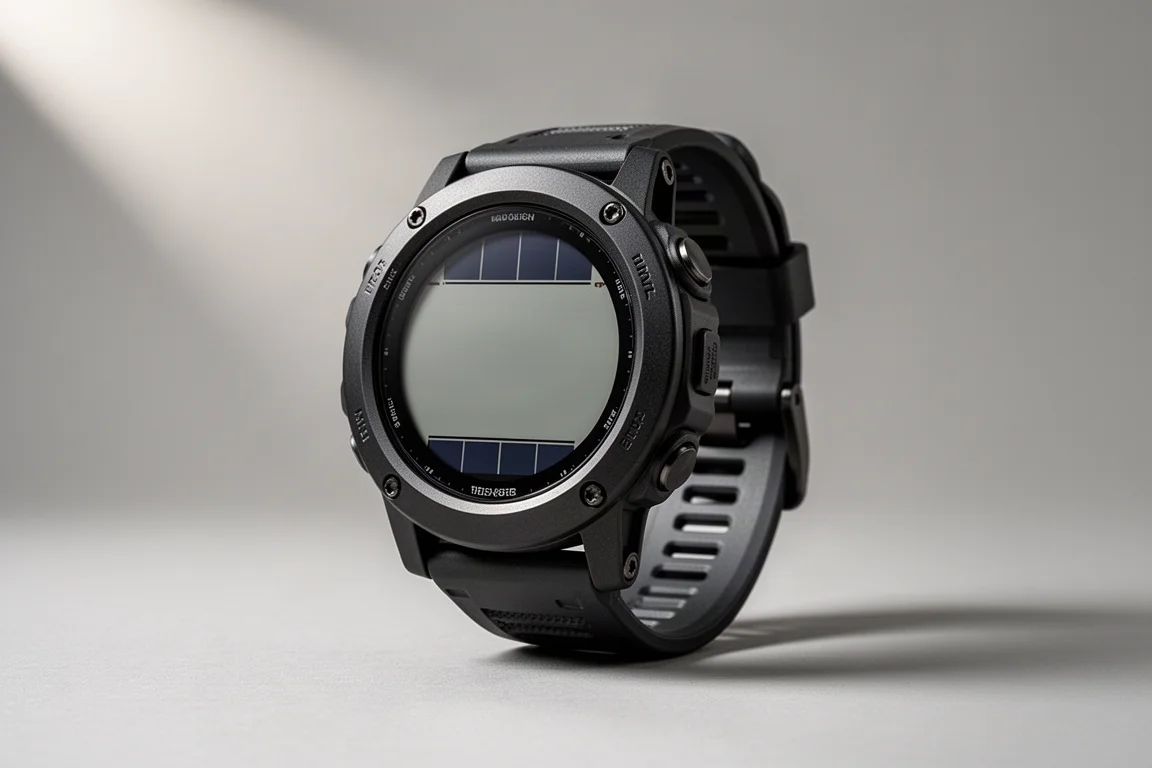
The Instinct 3 Solar comes in 45mm and 50mm sizes, starting at $399 and $449 respectively. Both are offered in standard editions, which are black with colored accents, plus new limited edition Tropical Pulse colorways for anyone who wants something more playful.
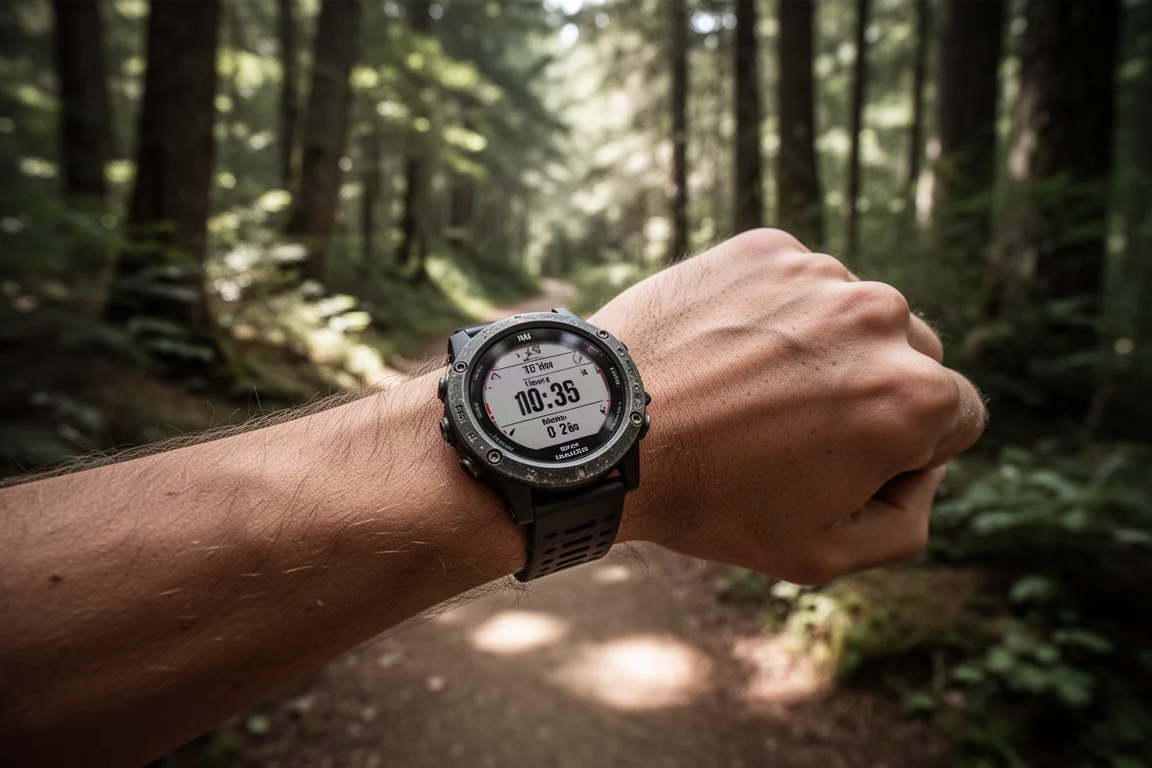
The display keeps the familiar monochrome memory-in-pixel panel with the cutout window, again with improved contrast. Solar charging is more efficient this time thanks to a larger solar panel, and the 50mm model can reportedly reach up to five times battery life in standard GPS mode with sufficient exposure. Like the Instinct 2 before it, unlimited battery life is possible in some configurations with enough sunlight. The built-in LED flashlight also returns, with four brightness levels and a red mode, a feature that proves genuinely useful in daily use.
On the software side, this is a full multi-sport outdoor watch with a huge list of sport profiles, including Triathlon and Open Water Swimming alongside the usual running, cycling, gym, skiing, and team sport options. Training tools include Training Load, Training Load Focus, Training Status, HRV Status, and Training Readiness. GPS is a step up from the Instinct E with a multi-band satellite chipset, aimed at better accuracy in challenging environments such as downtown high-rise areas and heavy tree cover. There are no full maps like the Fenix, but the map page does show city names during outdoor activities for broader context. All Solar models also include Garmin Pay contactless payments.
Instinct 3 AMOLED: A Bright Screen in a Rugged Body
The Instinct 3 AMOLED mirrors the Solar’s sizing and pricing structure: a 45mm version starting at $449 and a 50mm version starting at $499, again in standard and Tropical Pulse colorways. Feature-wise it is nearly identical to the Solar, with the obvious difference being the display.
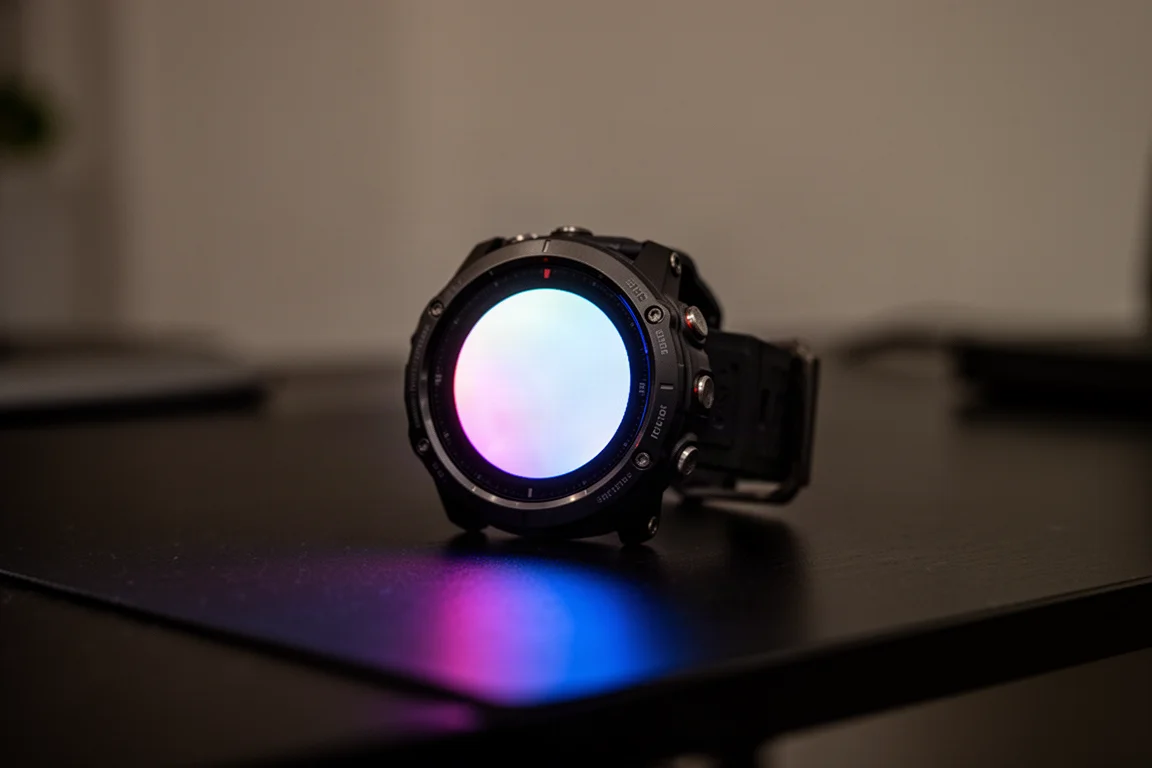
The 45mm version has a 1.2-inch 390x390 panel and the 50mm version a 1.3-inch 416x416 panel. Instead of a physical cutout window, Garmin mirrored the design with a digital cutout to keep the Instinct theme. The interface differs from the Solar to take advantage of the extra pixels, though it does not use the newer interface introduced on the Enduro 3 and Fenix 8. Notably, these are not touchscreens: the watch uses a five-button layout, consistent with the Instinct’s rugged identity.
Battery life is the trade-off for the brighter display. The 45mm model is rated for up to 18 days in smartwatch mode without the always-on display, up to 7 days with it, and up to 23 hours in the most accurate multi-band GPS mode. The 50mm model bumps those figures to 24 days, 9 days, and around 30 hours respectively. That is a long way from the Solar’s potentially unlimited runtime, but it is still respectable for an AMOLED watch.
What the Instinct 3 Lineup Leaves Out
All three Instinct 3 models use Garmin’s fourth-generation Elevate heart rate sensor rather than the newer, more accurate fifth-generation sensor. The fourth-generation sensor is still decent, but the fifth generation offers improved accuracy and enables ECG, a feature you will not find on any Instinct 3 model.

That is the main compromise to weigh against the lower prices across the range. Beyond that, choosing between the three is mostly about priorities: essentials and value, solar battery life and multi-band GPS, or a vivid display in a rugged shell.
Conclusion
The Instinct 3 lineup gives buyers three clear levels. The Instinct E keeps things affordable at $299 while adding HRV Status, V02 Max, and faster internals. The Instinct 3 Solar adds multi-band GPS, solar charging, the built-in flashlight, and Garmin Pay, with potentially unlimited battery in the right conditions. The Instinct 3 AMOLED brings a big bright screen into the retro rugged body at the cost of some battery life. Pick based on which of those matters most to you, and keep the fourth-generation heart rate sensor in mind if ECG is on your wishlist.
Further reading
Related Reviews
GPS Watches
Garmin Fenix 6S Pro Review: A Compact Multi-Sport GPS Watch
A long-term look at the 42mm Garmin Fenix 6S Pro, covering mapping, training metrics, battery life, and what to weigh before buying.
GPS Watches
Garmin Instinct 2 Solar Review: Weeks of Battery for Runners, Riders, and Hikers
A practical look at the Garmin Instinct 2 Solar, covering solar charging, multi-week battery life, training metrics, and GPS performance across running, cycling, and hiking.
GPS Watches
Suunto 9 Peak Pro Review: A Light, Long-Lasting GPS Watch After 12 Months
A compact multisport GPS watch with exceptional battery life, accurate breadcrumb navigation, and a deliberately simple interface. Here is where it shines and where it falls short.