GPS Watches
Garmin Instinct 3 First Look: AMOLED, Solar, and Flashlight Across the Line
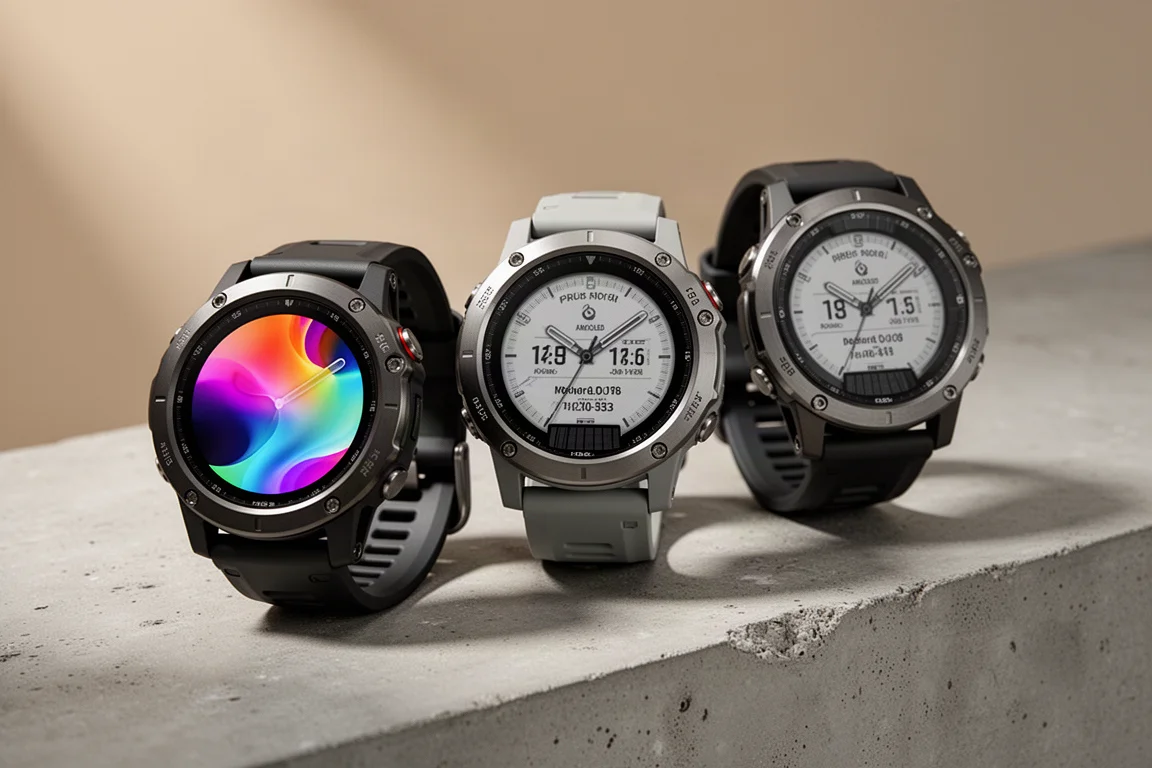
The Instinct 3 family brings AMOLED displays, solar on every MIP model, a built-in LED flashlight, and a long list of features trickled down from Garmin's higher-tier watches.
Introduction
The Garmin Instinct 3 is not one watch. It is a whole lineup: different sizes, different display types, and a cheaper Instinct E entry point that sits below the main family. This first look focuses on what is new in the Instinct 3 compared to the Instinct 2 and the Instinct 2X, and what those changes mean if you are deciding between generations.
This is not an in-depth review. The big battery and solar claims still need to be tested over weeks of real use, and rugged durability claims deserve the same treatment. What follows is a practical overview of what changed and who each model makes sense for.
Two Display Types: AMOLED and Solar MIP
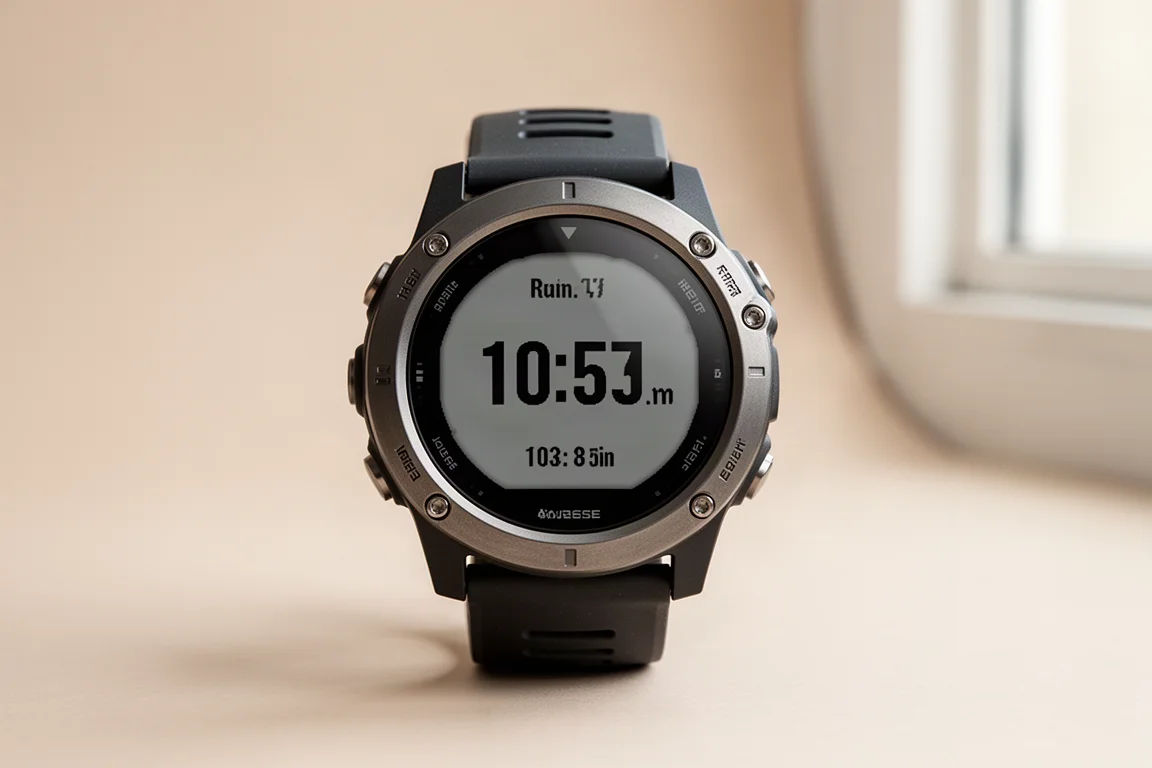
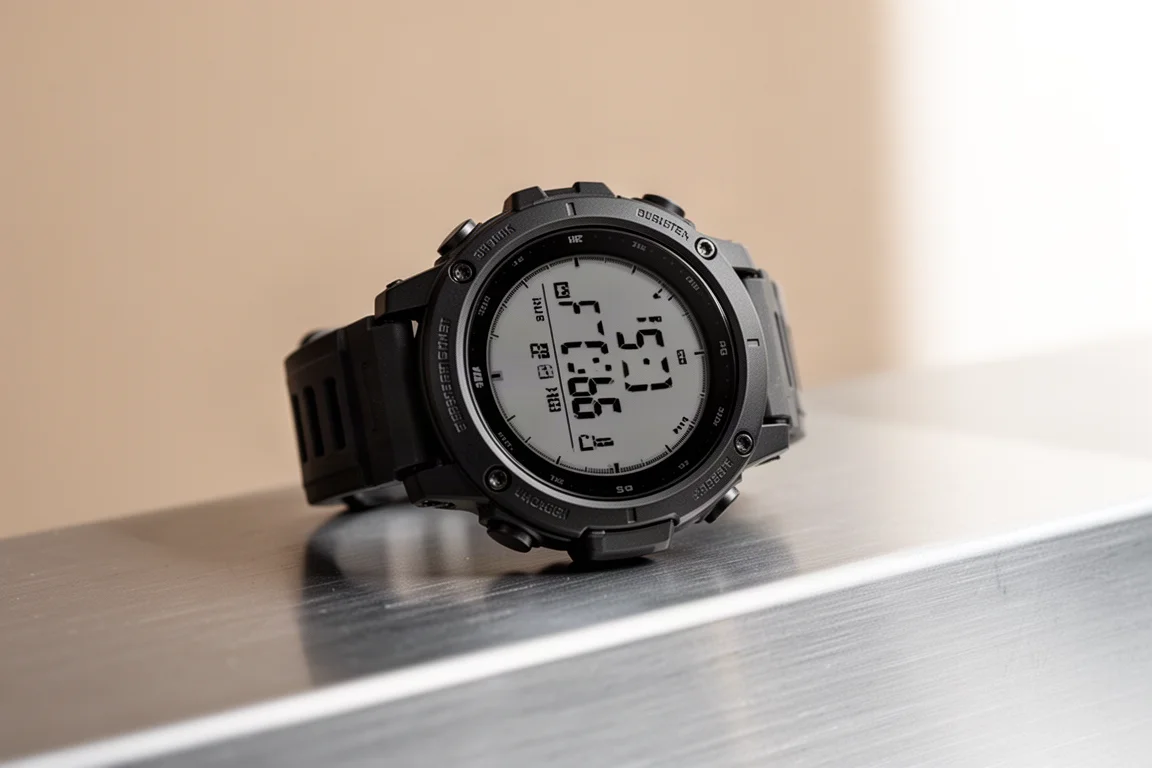
The headline change is that the Instinct 3 family now comes in two display flavors. The MIP-based models keep the classic monochrome display, but there is a key difference from before: every MIP model now includes solar. Previously you had to choose between solar and non-solar variants; that split is gone. Solar also gets a visual refresh, with the reddish solar panel ring of the Instinct 2X replaced by a cleaner black treatment that reportedly captures significantly more solar energy.
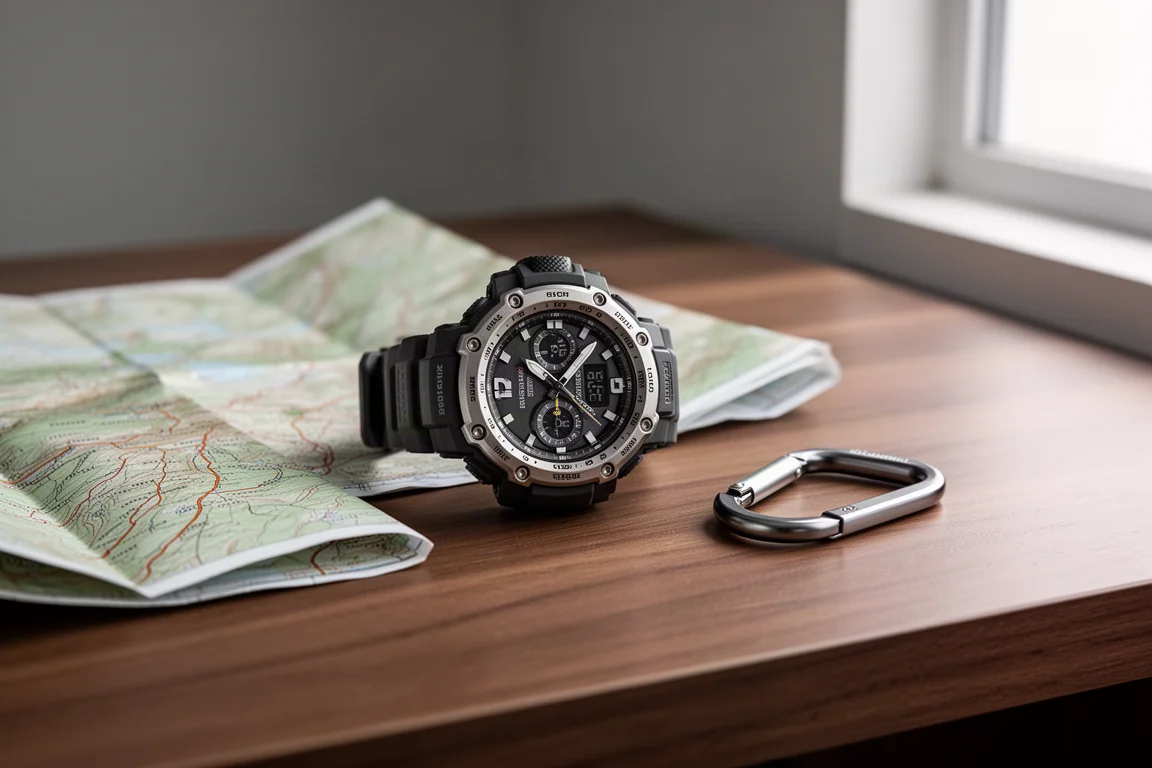
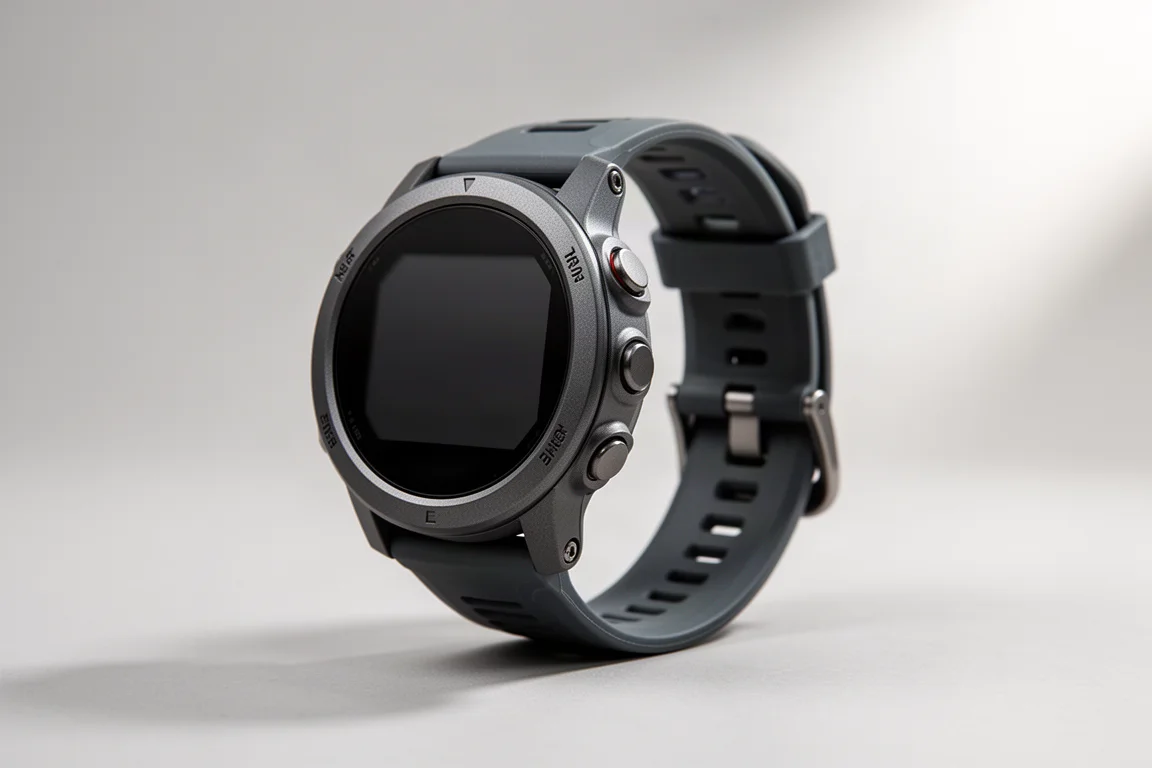
The AMOLED Edition uses the same ruggedized case design but swaps in a bright, colorful AMOLED display, in the 1.2-inch and 1.3-inch sizes versus 0.9-inch and 1.1-inch on the MIP models. The AMOLED models also drop the small circular secondary display seen on the solar editions, though that little circle lives on in the menu animations.
In practical terms, MIP displays deliver much longer battery life and handle direct sunlight well, but can be harder to read in the dark without the backlight. AMOLED burns more battery but offers vivid color and full-size workout data pages.
Big Battery Claims
Garmin claims up to five times the battery performance of the Instinct 2 series, which pushes several battery categories into effectively unlimited territory, especially for solar models. That is a bold claim on paper. Real-world long-term testing, with the watches worn for extended adventures on both wrists, is the only honest way to verify it, and that verification is still pending.
Flashlight for Everyone
The Instinct 2X had a built-in flashlight on the front of the case, but the smaller Instinct models did not. Now every Instinct 3 unit, small and large, has one. Double-tap the upper left button and a genuine LED flashlight turns on, with white and red modes, four white brightness levels, and one red level.
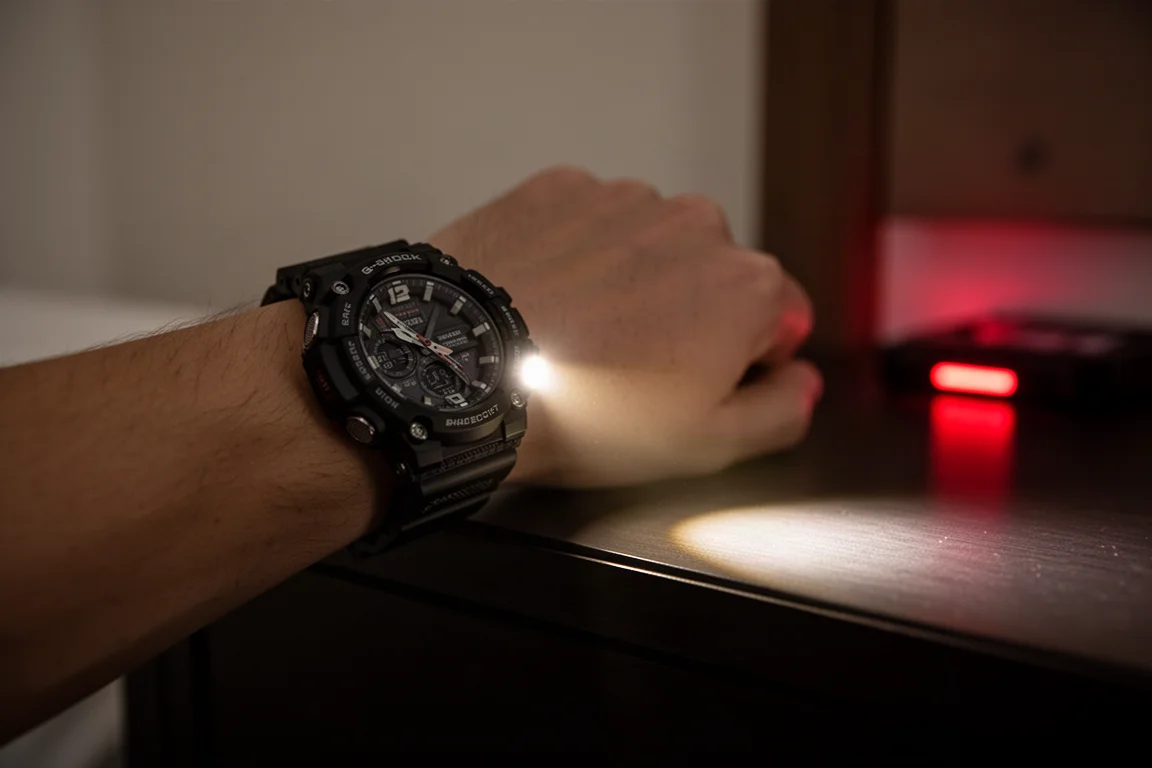
It sounds like a gimmick until you actually use it. Navigating a hotel room at night, checking on kids, or finding your way around a tent are all exactly the situations where a wrist-based real LED beats a screen-based light, and it is now standard across the lineup.
Multiband GPS and SatIQ
Multiband or dual-frequency GPS first appeared in the Instinct 2X, but it was never in the base Instinct 2. The Instinct 3 brings it to the whole family and adds SatIQ, also called Auto Select. SatIQ dynamically adjusts GPS power second by second based on your surroundings: dialing it down in open fields to save battery, and scaling it up in mountains or tree cover where signal quality suffers.

It is one of the more quietly impressive technologies in Garmin’s lineup, because the battery savings in easy terrain are real while accuracy in hard terrain stays protected.
Features Trickled Down from Above
Nearly every new feature here comes straight from Garmin’s higher-tier series, rolled down to a watch that costs roughly half as much. The list includes:
- Hill Score and Endurance Score
- Training Load Focus and Training Load Ratio
- Multisport auto transition, so triathlon mode switches from swim to bike to run without pressing a button
- Nap detection and Sleep Coach
- Muscle map and strength workout animations (AMOLED models only)
- Garmin Share, for sharing courses directly between watches with no phone involved
- The Garmin Messenger app for sending messages from the watch, provided your phone is nearby
- A large font mode for easier reading
- Garmin Pay as standard on every model, where previously only solar units had it
Hardware Notes: Heart Rate and Bezel
The case gets a metal bezel reinforcement ring on the inside edge, adding a touch of polish to an already rugged design. On the sensor side, the Instinct 3 uses the older Garmin Elevate Gen 4 optical heart rate sensor rather than the newer Gen 5. That matters because Gen 5 brings ECG and wrist-based skin temperature, and neither is possible on this watch. That is a notable trade-off at this price.
What’s Missing
The biggest disappointment is the lack of maps. At a five-hundred-dollar price point, an outdoors-focused watch without mapping is a hard pill to swallow. Competitors offer maps for considerably less, and even some of Garmin’s own higher-tier watches with full mapping and AMOLED displays sit in the same price range. Storage is also limited, though small regional map areas would technically be feasible.
The Gen 4 heart rate sensor is the second significant omission, given the health features it locks out.
Which Model Makes Sense for You
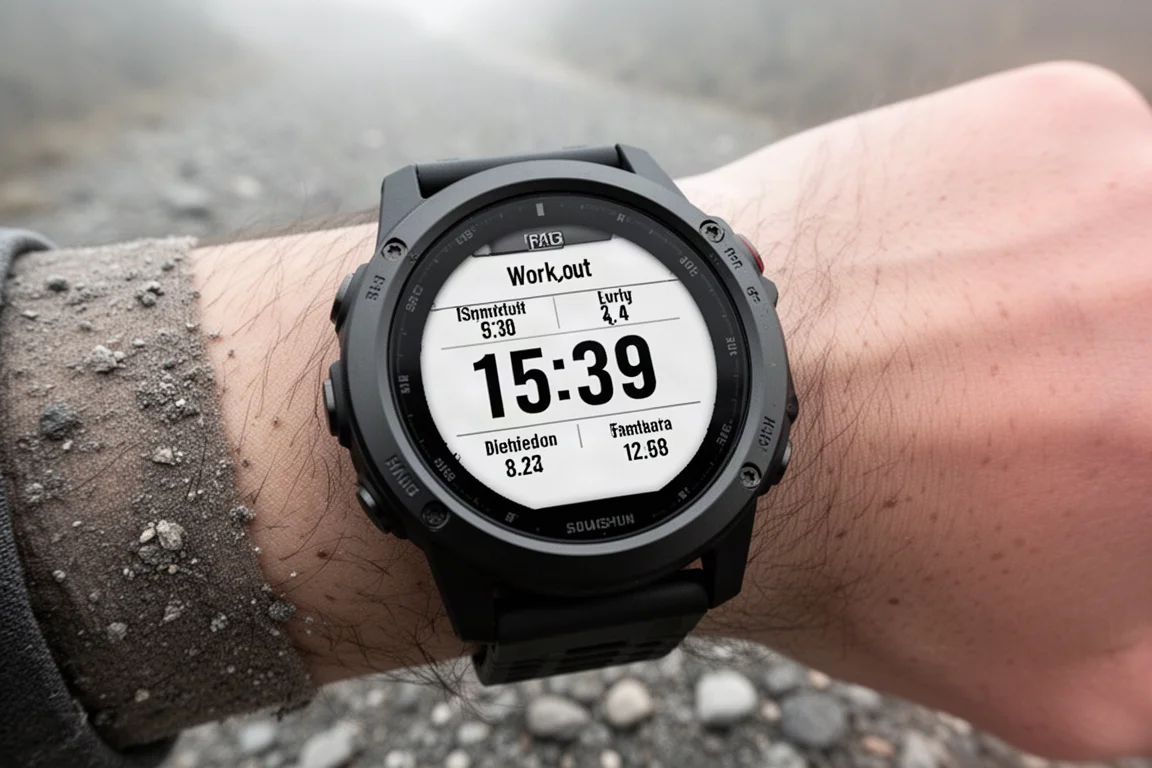
The Instinct 3 AMOLED is the pick if you want the brightest display, the larger screen sizes, and the AMOLED-only training visuals. The solar MIP models are the choice if battery life is your priority, especially with solar now standard on every MIP unit. The Instinct 2X remains relevant if you find it at a discount, since it already offered the flashlight and multiband GPS. The base Instinct 2 is now clearly the previous generation, missing multiband GPS, SatIQ, the flashlight, and most of the trickle-down feature set.
Conclusion
The Instinct 3 lineup is a predictable but meaningful update: Garmin rolled nearly everything down from its higher-tier watches, added AMOLED and always-solar MIP options, and made the flashlight standard. The two real trade-offs are the older heart rate sensor and the absence of maps at this price. Once long-term battery and solar testing is done, the final verdict on those headline claims will be much clearer.
Further reading
Related Reviews
GPS Watches
Garmin Fenix 6S Pro Review: A Compact Multi-Sport GPS Watch
A long-term look at the 42mm Garmin Fenix 6S Pro, covering mapping, training metrics, battery life, and what to weigh before buying.
GPS Watches
Garmin Instinct 2 Solar Review: Weeks of Battery for Runners, Riders, and Hikers
A practical look at the Garmin Instinct 2 Solar, covering solar charging, multi-week battery life, training metrics, and GPS performance across running, cycling, and hiking.
GPS Watches
Suunto 9 Peak Pro Review: A Light, Long-Lasting GPS Watch After 12 Months
A compact multisport GPS watch with exceptional battery life, accurate breadcrumb navigation, and a deliberately simple interface. Here is where it shines and where it falls short.