GPS Watches
Garmin Instinct 2 Series: What Two Months of Testing Reveals
After nearly two months of testing the Garmin Instinct 2, Instinct 2 Solar and Instinct 2S Solar across jungles, volcanoes and oceanside cliffs, here is what stands out, what to buy, and what to watch out for.
Introduction
Garmin has rarely added this many new features between one generation and the next as it has with the Instinct 2 series. After nearly two months of testing across jungles, volcanoes, oceanside cliffs and everything in between, the headline is clear: this is one of the most feature-dense GPS watches available at its price, with a few software rough edges still being smoothed out.
It is worth keeping in mind that not a single feature on the Instinct 2 series is actually new to Garmin. Everything here has trickled down from the Fenix 6, Fenix 7, Venu 2 or similar, packed into a rugged case and repackaged. That strategy works, and the result is an unusually strong feature-to-price ratio.
Three Versions, One Family
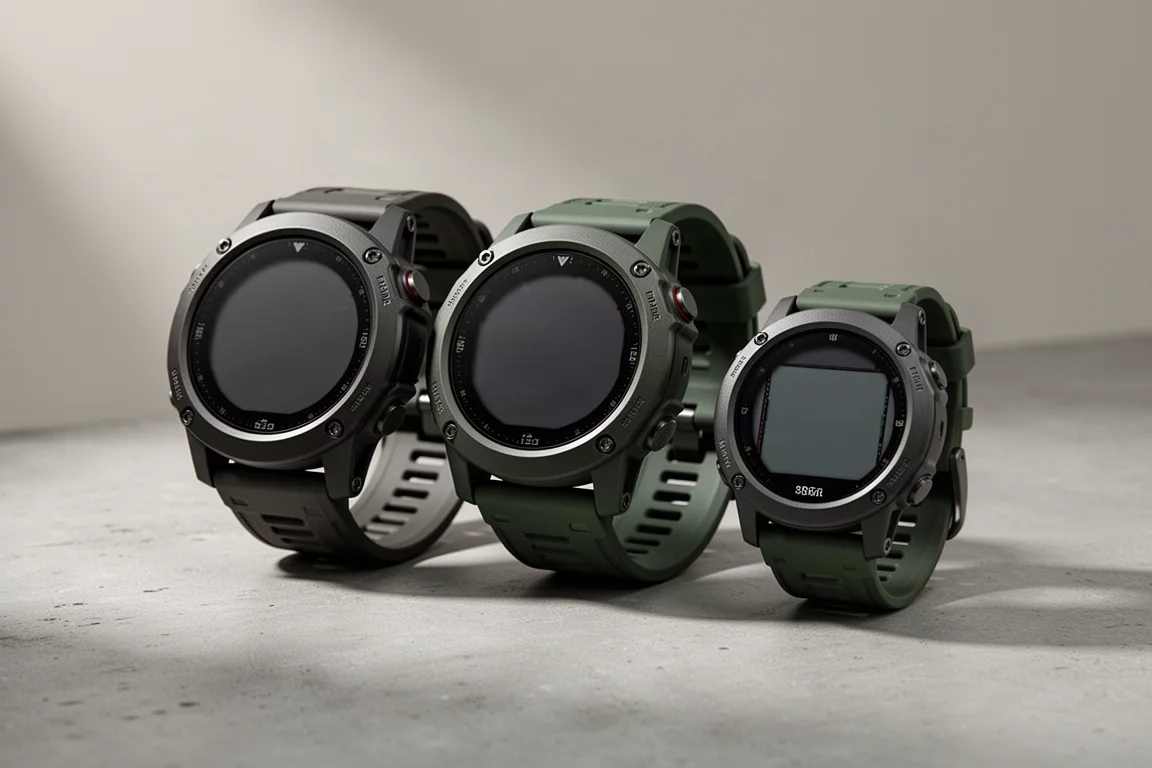
The series splits into two sizes and two power options. The standard Instinct 2 measures 45mm, while the smaller Instinct 2S comes in at 40mm. Both are available in Solar editions, and beyond that there are more than twenty editions across the family, including surf and tactical variants.
Pricing starts at $349 for the base editions, rising to $449 for the Solar variants. Surf and tactical editions run $399 and $499 respectively. The only software difference between base and Solar editions, aside from solar charging itself, is Garmin Pay contactless payments, which is exclusive to the Solar models.
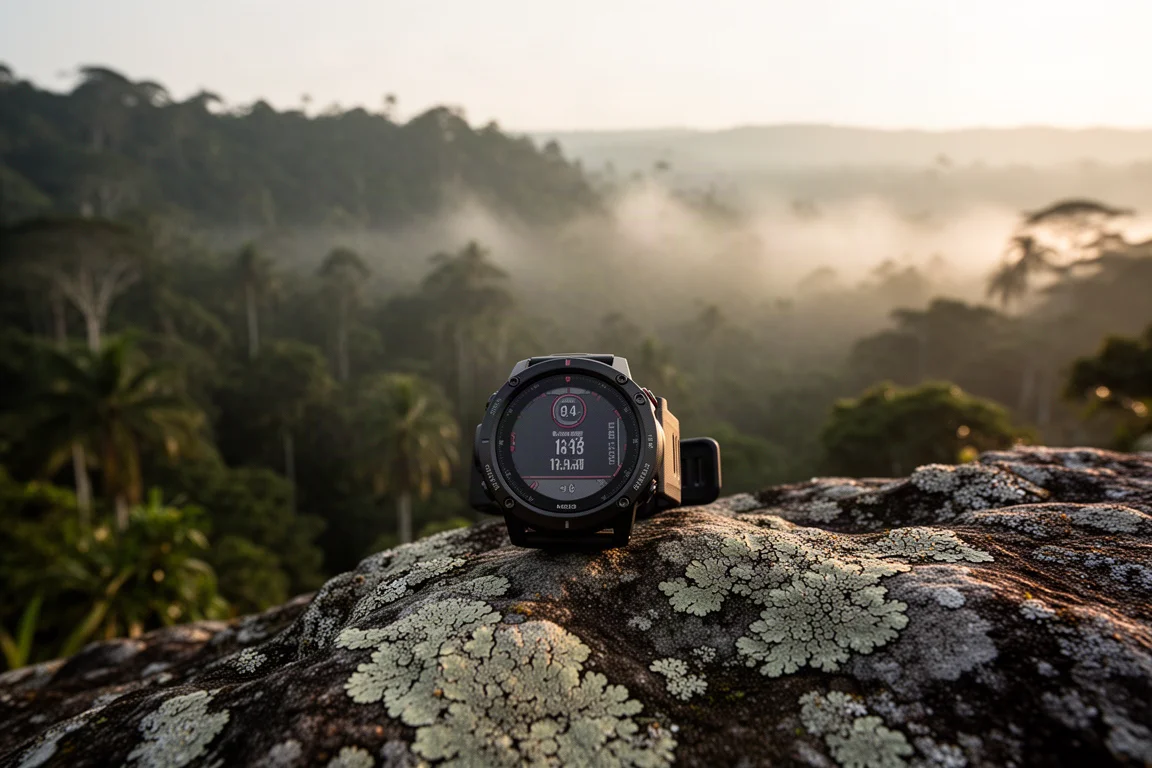
Design-wise, the Instinct look is divisive. It leans heavily into a ruggedized, Casio-flavoured exterior while carrying the same smart features as any other modern Garmin watch. If you like the aesthetic, there is nothing else quite like it.
Sport Profiles and Connect IQ
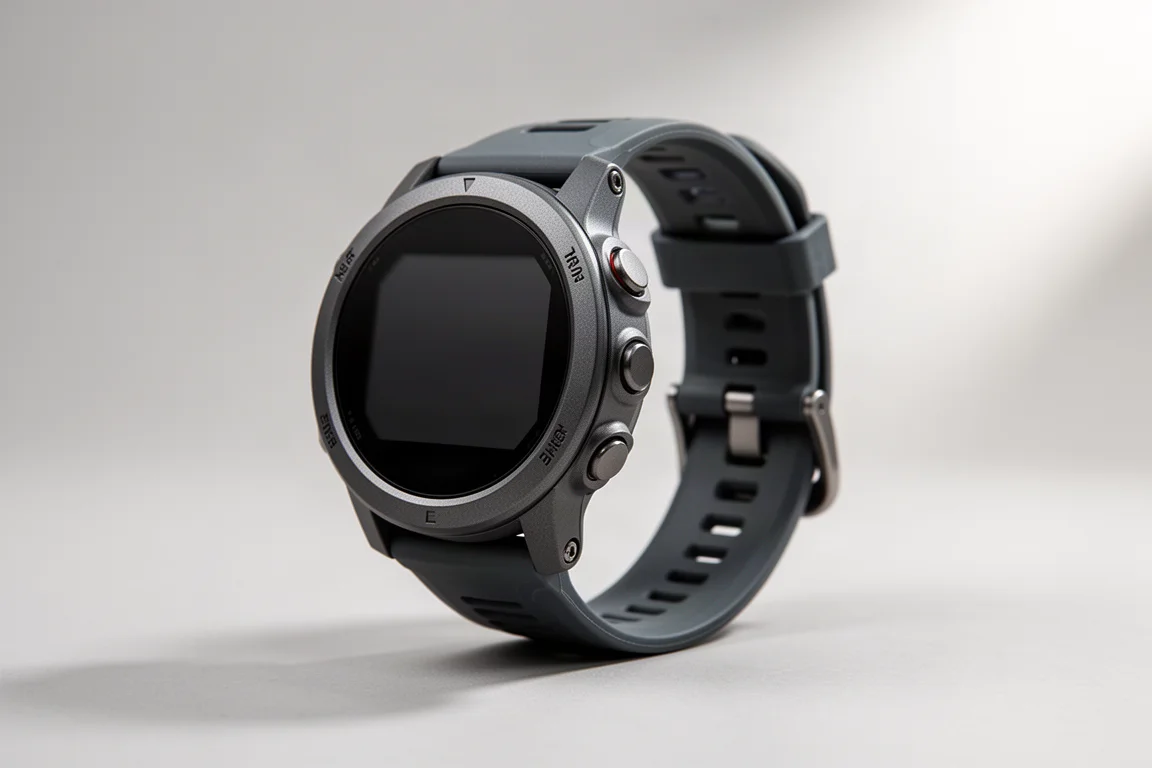
The Instinct 2 series gains a full triathlon and multi-sport mode, something the original never had. New cycling profiles cover gravel bikes and mountain bikes, and the watch now supports the entire sport of golf, including golf course downloads. The sport profile list is nearly identical to the Fenix 7’s.
Arguably more important is the addition of Connect IQ support. That brings third-party watch faces, data fields, widgets and app integrations, plus health tracking apps such as menstrual cycle and pregnancy tracking. This was possible thanks to an increased screen resolution, up from 126x126 to 176x176 pixels. Most built-in screens will look the same, but Connect IQ apps benefit noticeably.
Battery and Solar Charging
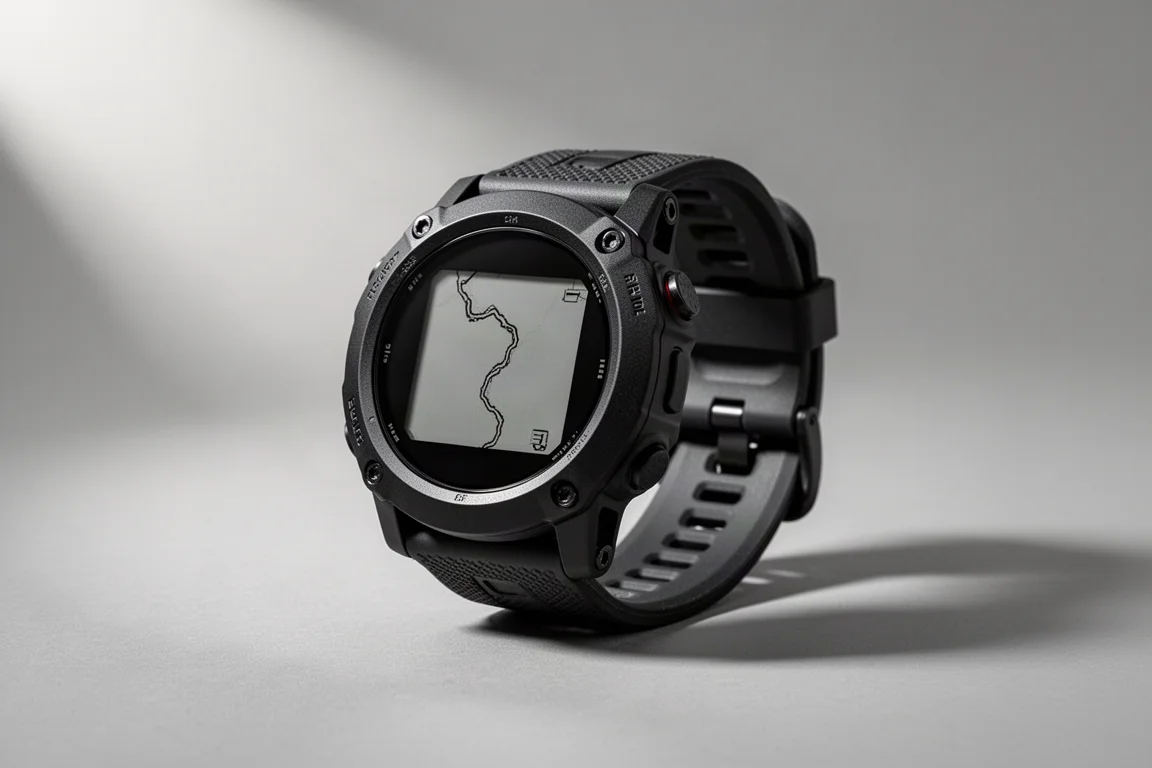
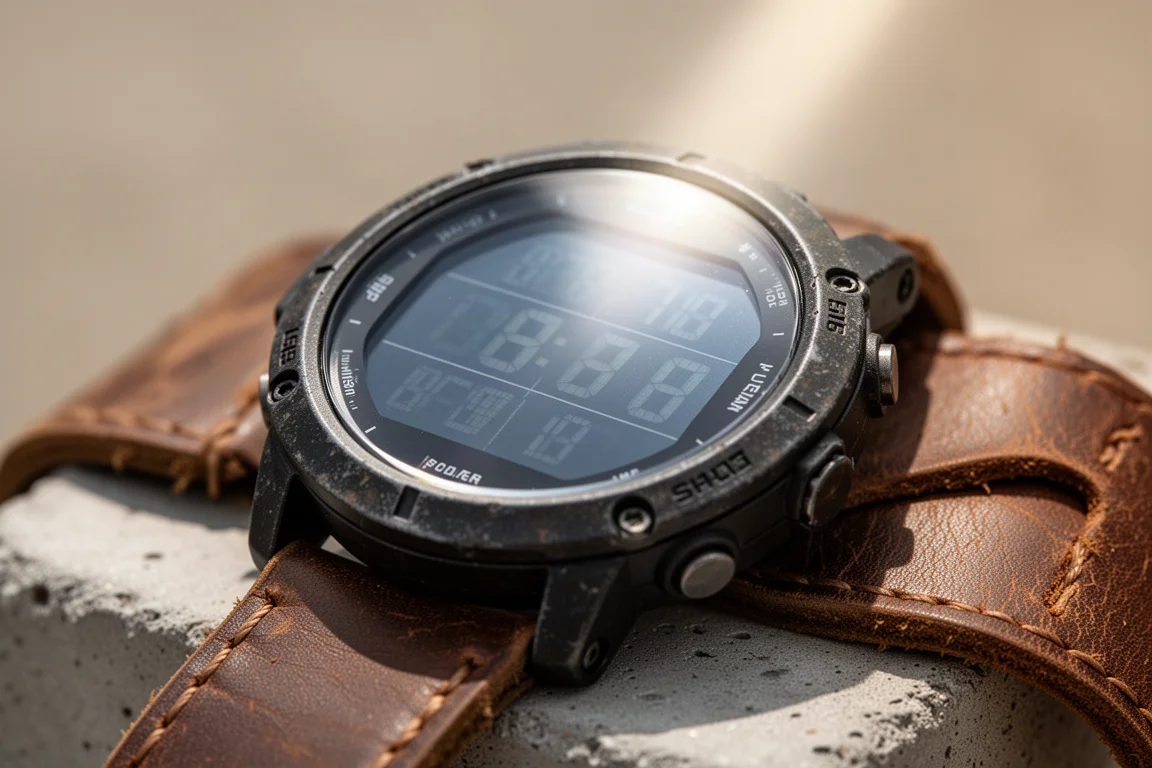
The Solar editions carry solar panels on both the outer bezel and across the entire display itself. The bezel section captures sunlight at full capacity, while the invisible panel over the screen converts energy at a lower rate. A solar widget shows you in real time how much energy the watch is gathering, whether under tree cover or in bright sun.
Garmin’s battery estimates for Solar editions assume 50,000 lux for three hours per day, which buys you roughly one day of battery life or one hour of GPS time. That is a fairly conservative baseline: a full beach day in summer can easily clear 100,000 to 120,000 lux. If you spend more than three hours a day in decent sun and are not running GPS all day long, the Solar editions can approach never needing a charge, at least through the sunnier months.
Winter is another story. Once the long days end, you are back to plugging the watch in like any other model.
Training Features Arrive in Full
The full training suite lands here: training status, training load, recovery time, VO2 max estimates and training effect. After a workout you get load figures based on heart rate and, if paired, cycling power meter data, plus plain-language guidance on whether that session helped or hurt your fitness.
Combined with sleep data, the watch generates daily suggested workouts for running and cycling, with a new session each day designed to build fitness progressively. If you are overtraining, fatigued or sleeping badly, it will sometimes simply tell you to rest. That honesty is genuinely useful.
Sensors and Health Features
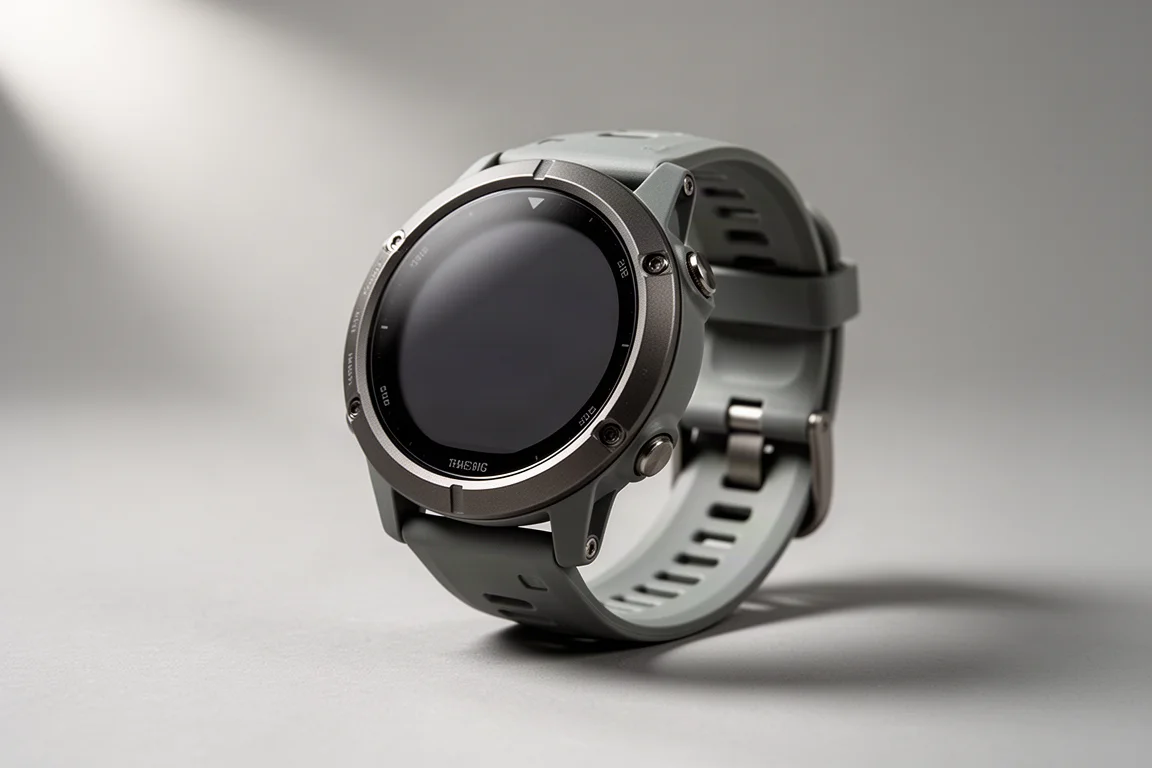
Sensor support has expanded dramatically. The watch now pairs with power meters, smart trainers, the RD Pod for running dynamics, and Bluetooth smart sensors, which the original Instinct never supported. Running dynamics work with the HRM-Tri, HRM-Pro and HRM-Run straps, and cycling dynamics work with Garmin Vector and Rally power meters. Swim offload from HRM-Tri, HRM-Pro and HRM-Swim straps is supported, and the watch can broadcast heart rate over both ANT+ and Bluetooth, feeding apps like Zwift and Peloton, including Zwift’s virtual running profile with pace and cadence.
The new generation Garmin Elevate optical heart rate sensor unlocks the Health Snapshot feature: a two-minute resting test capturing HRV, stress, resting heart rate, pulse ox and breathing rate, exportable as a PDF. Wrist-based swimming heart rate is also available, though accuracy is hit or miss. Sleep data now appears in the widget roll, showing sleep score and guidance the moment you wake up.
Heat and altitude acclimation round out the health additions. Note that altitude acclimation is based on sleeping at altitude, so a day trip to the ski area will not move the needle.
Everyday Usability
Phone-based configuration, borrowed from the Fenix 7 and Epic series, lets you set up sport profiles and data pages from your phone instead of clicking through menus on the watch. One caveat: unlike Garmin’s cycling computers, settings cannot yet be migrated from an older watch, so it is a from-scratch setup.
Widget glances condense the old one-per-page widget list into three per screen, with tap-through detail pages. It is a cleaner, faster menu structure.
One feature deserves a note of caution: the tactical edition’s kill switch, which wipes all courses, activities, routes and messages with a single button press. In practice, it behaves like a standard factory reset, meaning data could potentially be recovered with the right tools. For military or aid workers in hostile environments who genuinely need data unrecoverable, that is worth understanding before relying on it.
Accuracy: Mostly Solid Where It Counts
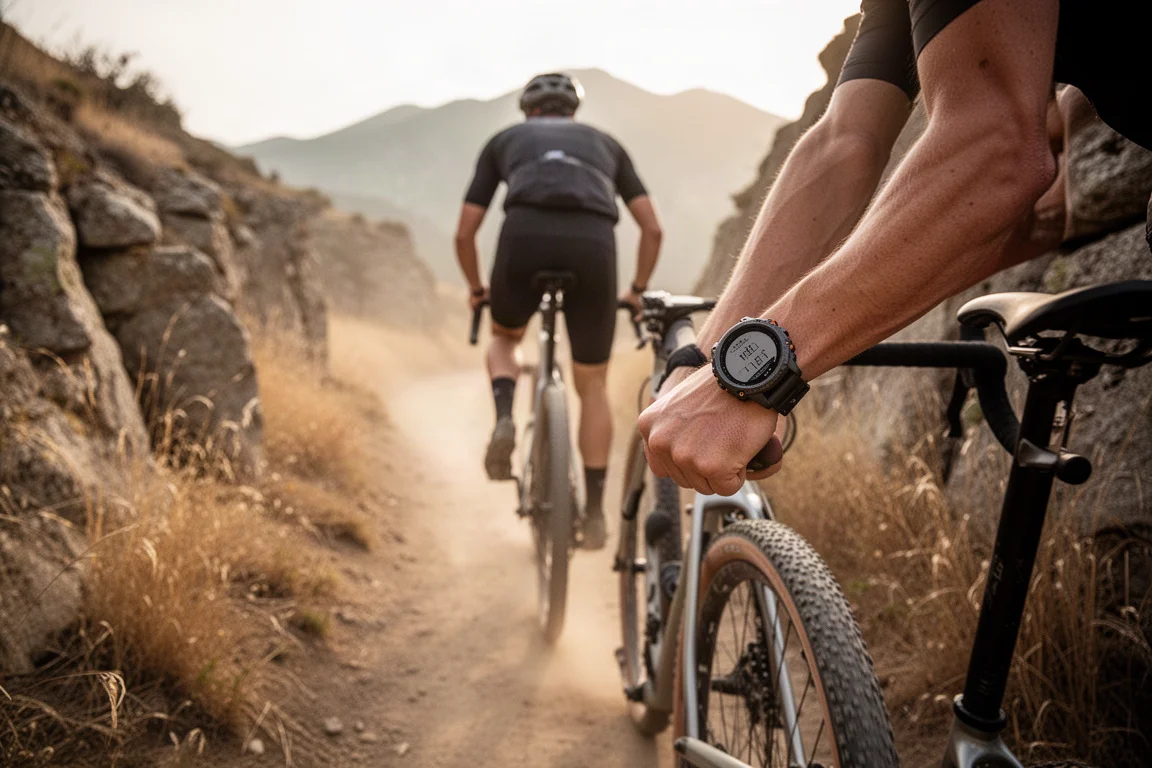
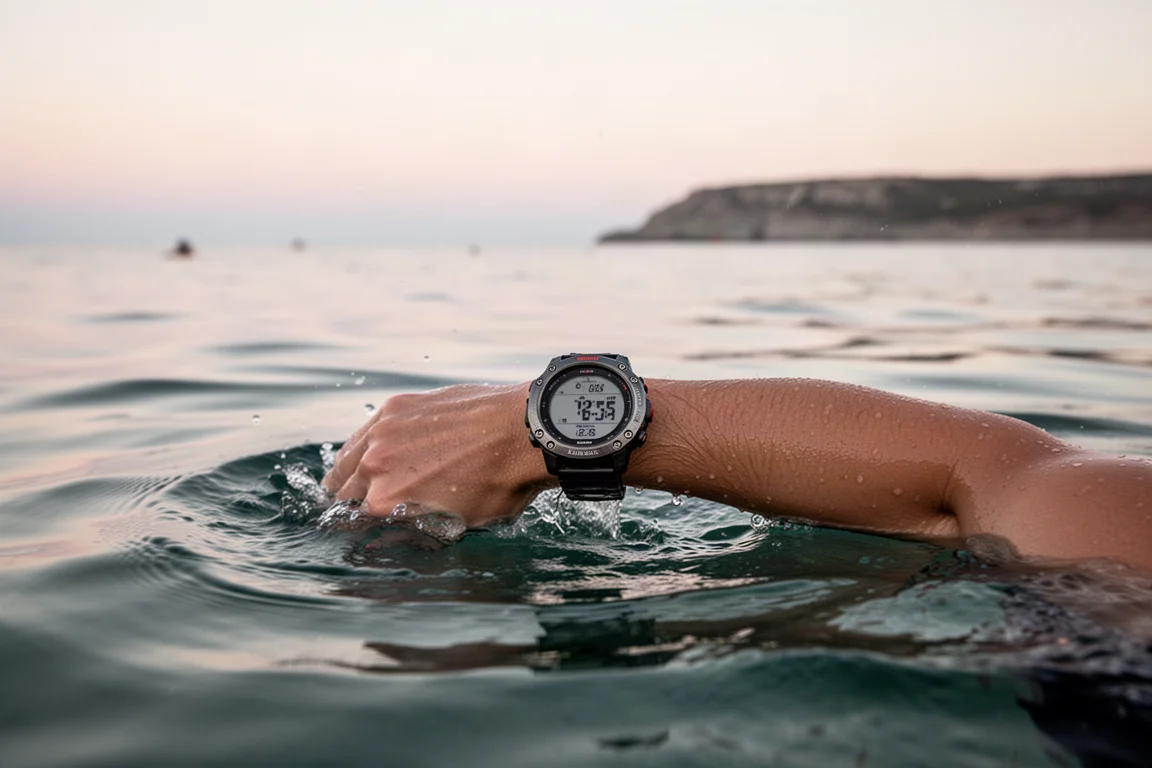
GPS testing across forest runs, city buildings, mountain gravel rides, jungle hikes and ocean swims produced largely reassuring results. Forest runs matched reference tracks closely, mountain bike and gravel rides were spot-on against bike computers, elevation plots looked clean, and open water swimming matched the reference track exactly. In dense urban areas with semi-tall buildings, multi-band units like the Fenix 2 and Epic held a slight edge, but the Instinct was never far behind.
Optical heart rate accuracy followed the usual pattern: spot-on for easy runs, bike intervals and gravel climbs, unreliable on fast descents, and slightly delayed during strength training. That is normal for wrist-based sensors.
Stability: The Current Weak Spot
The rough edge is software stability. Crashes do occur, but they behave like a brief restart with no data lost. More bothersome are bugs such as courses failing to load, power meter connections dropping mid-ride while broadcasting fine to another watch, and a completely bogus FTP calculation at the end of one ride.
The good news is that Garmin has been fixing these issues one after another as they surface. Expect a few more weeks before everything settles. Assuming it does, the value equation is hard to argue with: no other watch at this price offers this many features.
Buying Advice
If you want the full package, including Garmin Pay and the possibility of never plugging in during sunny months, the Solar editions are the ones to pick. If you mostly want the rugged feature set at the lowest price, the base Instinct 2 at $349 covers it. Smaller wrists should shortlist the 40mm Instinct 2S Solar, which offers the same feature set in a more compact case.
Conclusion
The Instinct 2 series is an impressive feature transfer job rather than a revolution, and that is precisely its strength. Nearly two months of testing showed accuracy on par with more expensive watches, a genuinely complete training and sensor suite, and software bugs that are actively being fixed. For the price, very little else comes close.
Further reading
Related Reviews
GPS Watches
Garmin Fenix 6S Pro Review: A Compact Multi-Sport GPS Watch
A long-term look at the 42mm Garmin Fenix 6S Pro, covering mapping, training metrics, battery life, and what to weigh before buying.
GPS Watches
Garmin Instinct 2 Solar Review: Weeks of Battery for Runners, Riders, and Hikers
A practical look at the Garmin Instinct 2 Solar, covering solar charging, multi-week battery life, training metrics, and GPS performance across running, cycling, and hiking.
GPS Watches
Suunto 9 Peak Pro Review: A Light, Long-Lasting GPS Watch After 12 Months
A compact multisport GPS watch with exceptional battery life, accurate breadcrumb navigation, and a deliberately simple interface. Here is where it shines and where it falls short.