Sleep Tracking
Garmin Index Sleep Monitor Review: A Screenless Sleep Band Built for the Garmin Ecosystem
A sleep-only band with the Garmin Gen 5 heart rate sensor, smart alarms, and no subscription. Here is how it performs night after night.
Introduction
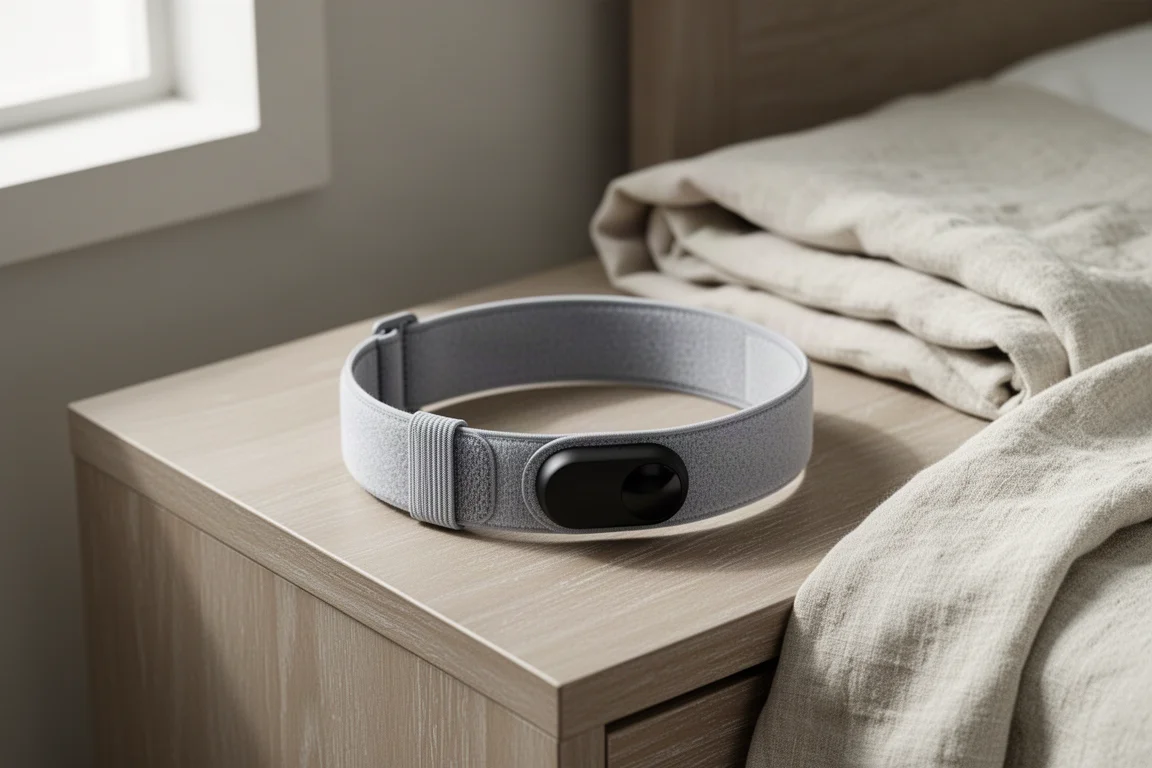
The Garmin Index Sleep Monitor does exactly one thing: it tracks your sleep. It is designed for people who already wear a Garmin watch during the day but do not want to wear that watch to bed. Instead of strapping a screen to your wrist overnight, you slide a lightweight fabric band onto your arm and let it handle all of your nighttime metrics. In testing, it turned out to be far more comfortable and capable than its bulky appearance suggests, and the data lines up closely with other wearables on the market.
What Is in the Box
The package includes the band strap itself, which conceals the sensor pod inside it. That pod houses the Garmin Gen 5 optical heart rate sensor. It lacks ECG capabilities, but otherwise it is the full sensor in a slightly larger pod design. You also get a standard Garmin charging connector and cable, which is a nice bit of consistency if you already own other Garmin devices, plus the usual paperwork.
The band comes in two sizes: a small through medium option and a large through XL option. You can buy the alternate size as a separate accessory. In testing, the small through medium band worked better, and the larger option left a lot of extra strap floating around.
Design and Comfort
Initial impressions suggested this band would be thick, heavy, and awkwardly wide. In practice, it is extremely lightweight, roughly the same weight as a comparable screenless fitness strap. The material is 70% nylon and 30% spandex, and the honest comparison is that it feels like soft underwear fabric: smooth, stretchy, and unobtrusive.
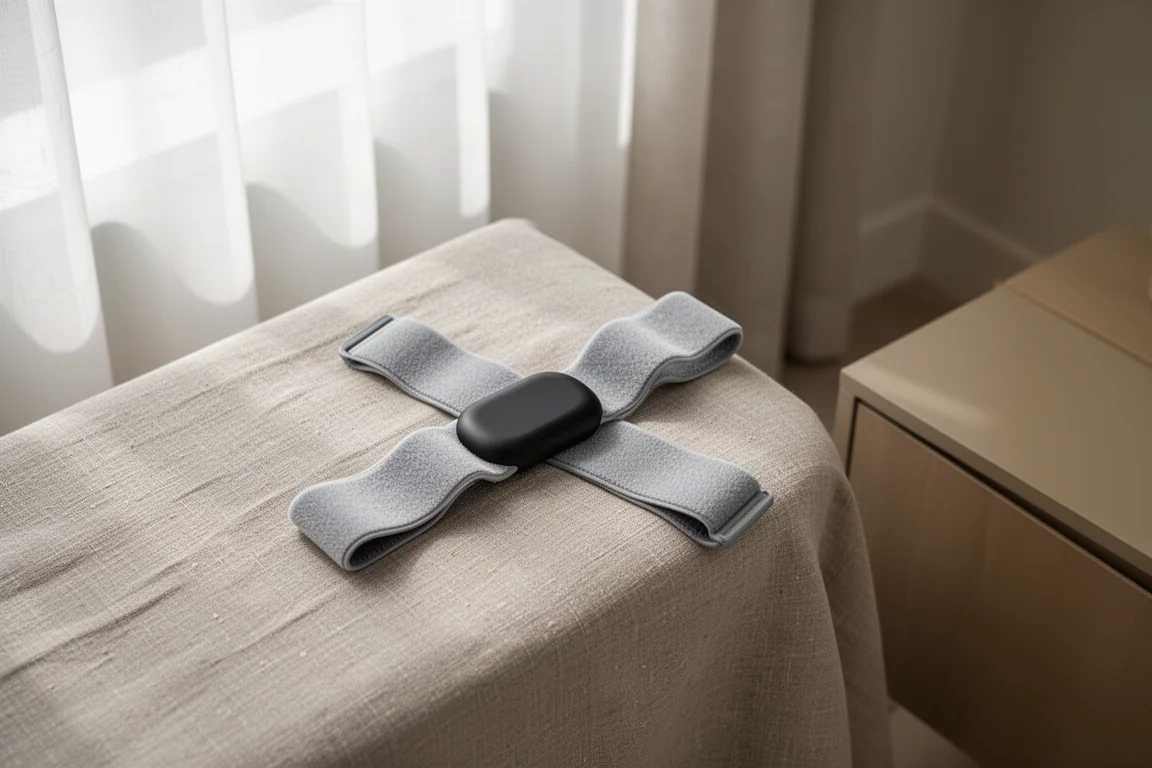
That width, which initially looked like a flaw, turns out to be a genuine advantage. Because the band is wide, it distributes pressure across a larger portion of your arm. Where a narrower bicep band is noticeable every night, this one effectively disappears once it is on. Adjustability comes from a velcro closure with fine ribs, plus small fabric tubes with elastic cord inside. It looks unusual, but both wearers in this test agreed it is remarkably comfortable. The sensor can be rotated to whichever orientation feels best, with the sensor facing outward being the most comfortable position.
Metrics and Garmin Ecosystem Integration
The whole point of this band is to replace your watch at night. It tracks sleep time, blood oxygenation (SPO2), heart rate variability, skin temperature, body battery, sleep phases and stages (deep, REM, light, awake), a nightly sleep score, breathing disturbances, and resting heart rate during sleep.

From there, that core data feeds the rest of the Garmin ecosystem. It updates training readiness, training status, recovery time, HRV status, and historical sleep trends. For women, skin temperature data populates ovulation cycle prediction features. It also updates the morning report and daily suggested workouts, so a poor night of sleep adjusts your workout recommendations accordingly. You can use it standalone with no other Garmin device and still get all the core sleep metrics, but it shines brightest for people already inside the Garmin ecosystem.
Alarms, Syncing, and Battery Life
You can set repeating, one-off, and smart alarms through the Garmin Connect app. Smart alarms use your sleep phase and stage data to wake you up to 30 minutes before your deadline at an optimal moment. Vibration strength is adjustable, and even after under four hours of sleep before an early flight, the high setting woke the tester before a phone backup alarm did. Double tapping snoozes for 10 minutes, though one quirk emerged: snoozing occasionally ended the sleep session entirely, which Garmin is investigating.
Waking up triggers an automatic sync to your phone and then to your watch, and taking the band off initiates the same process instantly. One caution: if you rush out the door without giving it time to sync, the sleep data may not reach your phone, so open Garmin Connect to force a quick sync.

Battery life is claimed at 7 days, and real-world use came in better, around 8 to 9 days with roughly 6 to 8 hours of sleep per night. The claims hold up comfortably.
Accuracy and Comparisons
In side-by-side testing against a Garmin watch, an Apple Watch Ultra 2, a Whoop band, and an Oura ring, the sleep durations from all devices clustered extremely closely, with almost no differences. Compared directly against a Garmin watch, the data was virtually identical, with only a slight difference in recorded wake time and one anomalous night where the resting heart rate read low (35 bpm instead of the mid-40s reported by every other device on every other night).
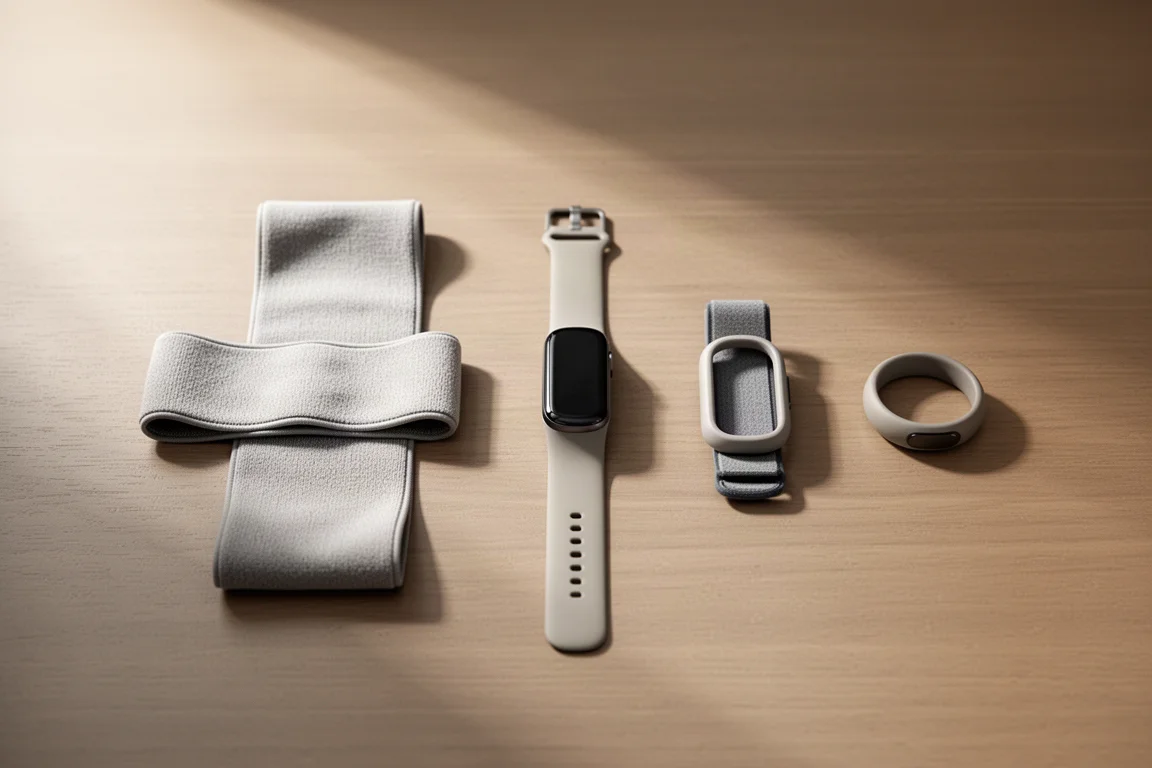
On sleep phase and stage accuracy, it is worth being realistic: even gold-standard systems only top out around the mid-80s in accuracy, so no consumer device should be judged too harshly there. What matters most is whether the band gets sleep onset, wake time, and significant middle-of-the-night awakenings correct. This one does.
Buying Advice
The Garmin Index Sleep Monitor costs $169 and requires no subscription of any kind, no Garmin Connect Plus and nothing else. It is not cheap, and it is sleep-only rather than a 24/7 tracking band. But if you already own a Garmin wearable and simply refuse to sleep with a watch on, this fills that gap cleanly. The hardware is excellent, the comfort is genuinely surprising, and there are no meaningful complaints about how it works. It also feels like a preview of Garmin’s broader ambitions in screenless wearables, which makes it an interesting purchase even beyond its immediate purpose.
Conclusion
The Garmin Index Sleep Monitor does its single job very well: comfortable hardware, accurate core sleep metrics, smart alarms, seamless Garmin ecosystem integration, and no subscription. If a watch-free night is what you want and $169 fits the budget, this is an easy recommendation.
Product link
View more details for Garmin Index Sleep Monitor
This product is mentioned in the review. Check the specifications, options, and compatibility before buying.
View more details for Garmin Index Sleep MonitorFurther reading
Related Reviews
Wearables
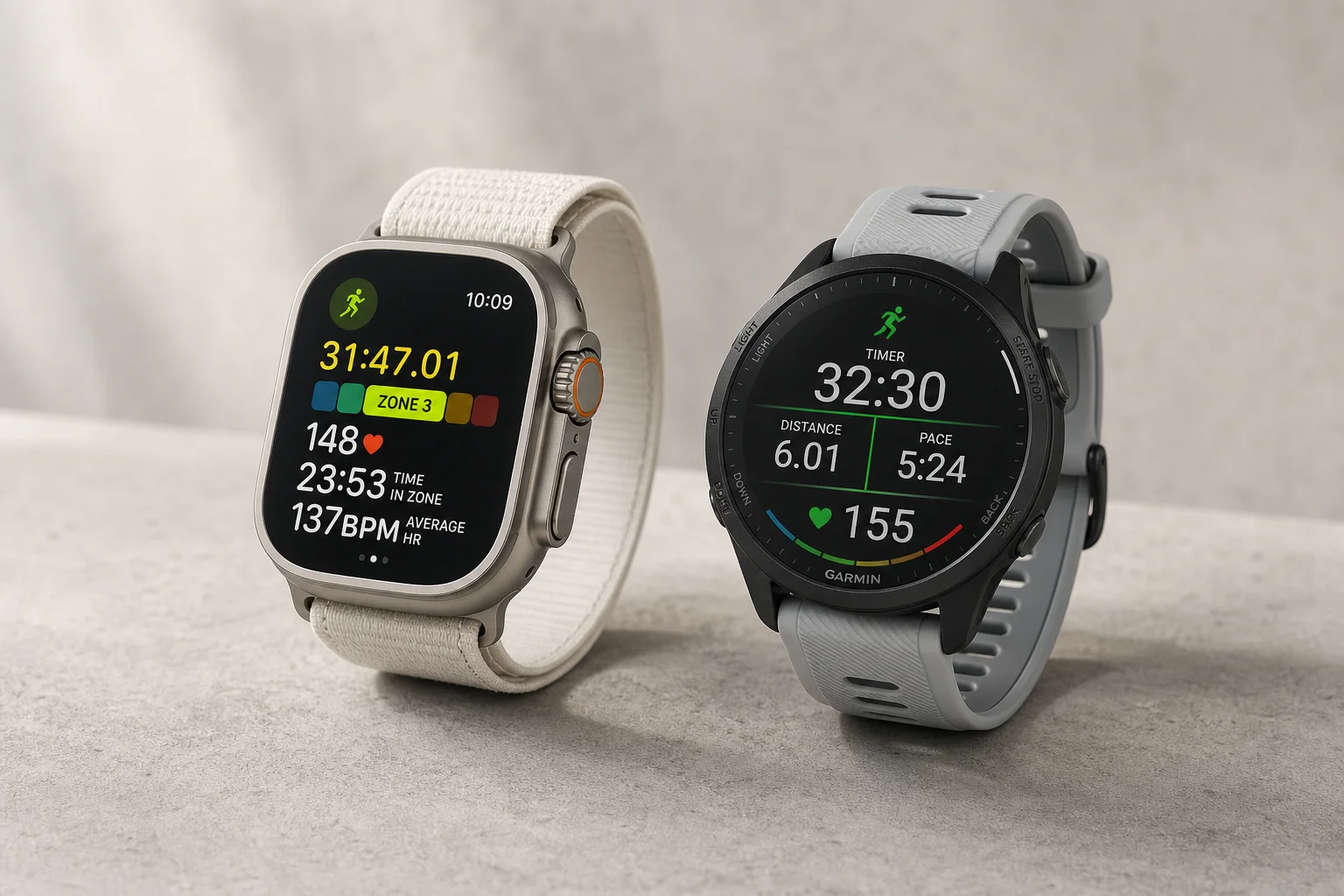
Apple Watch vs Garmin for Running: A Year of Training Compared
After a year training for marathons with both devices, here's what actually matters when choosing a running watch.
Bike Computers
Best Bike Computers 2026: Wahoo ELEMNT ACE, Garmin Edge 1050 and Two Value Alternatives
A practical comparison of the Wahoo ELEMNT ACE and Garmin Edge 1050, plus two cheaper computers that cover the essentials for far less.
Smartwatches
Best Budget Smartwatches 2026: Five Affordable Options That Actually Work
Five budget smartwatches tested for real daily use. From entry-level options to premium features at fraction of the cost, here's what actually delivers.