GPS Watches
Garmin Forerunner 970 vs Fenix 8: Which Garmin Multi-Sport Watch Makes More Sense?
Two very capable Garmin watches with overlapping feature sets and a few decisive differences in durability, size options, and battery life.
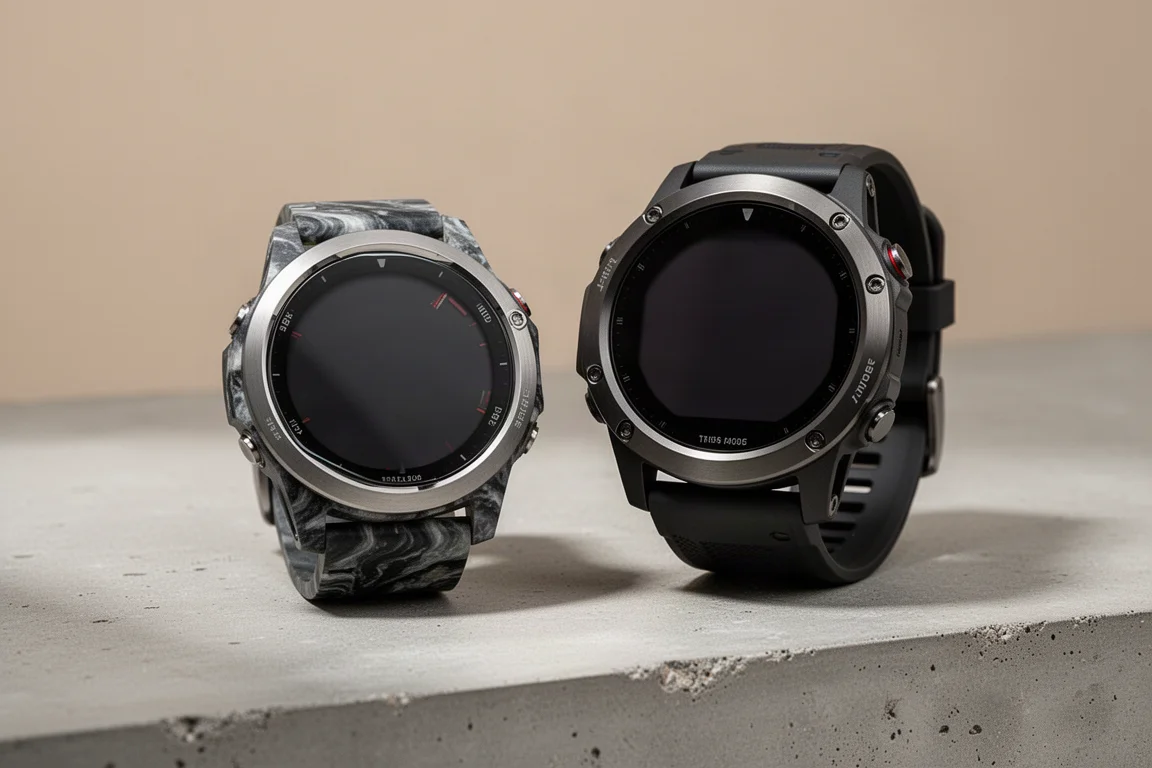
Introduction
Garmin’s Forerunner 970 has closed a lot of the gap to the Fenix 8. It now ships with offline topo maps and navigation, a full suite of health features including the same heart rate sensor with ECG, extensive training feedback, a sapphire lens, a speaker and microphone, and a built-in flashlight. At this point, the 970 is a bit like a smaller sibling of the Fenix 8.
So what still separates them? Size options, durability, battery life, and price all play a role. And with recent discounts on the Fenix 8 of around $200 depending on the model, the price gap has narrowed enough that the choice is genuinely interesting.
Pricing and Value
The Forerunner 970 runs $750, while the Fenix 8 usually runs anywhere from $1,000 to $1,200. With recent sales of roughly $200 off depending on the model, the Fenix 8 can cost as little as $50 more than the 970. At full asking price the gap is significant; at sale prices, the Fenix 8 becomes compelling given its extra capabilities. That said, there are real reasons why the 970 may suit you better, which is exactly what the rest of this comparison covers.
Garmin Forerunner 970
The Forerunner 970 comes in a single 47mm case with a resin body and titanium bezel. It is about a millimetre thinner than the equivalent-size Fenix 8 and weighs less, which makes a noticeable difference in daily wear, especially during sleep. Garmin also includes an extra band loop holder in the box for smaller wrists, though a genuinely smaller case option would have been welcome.
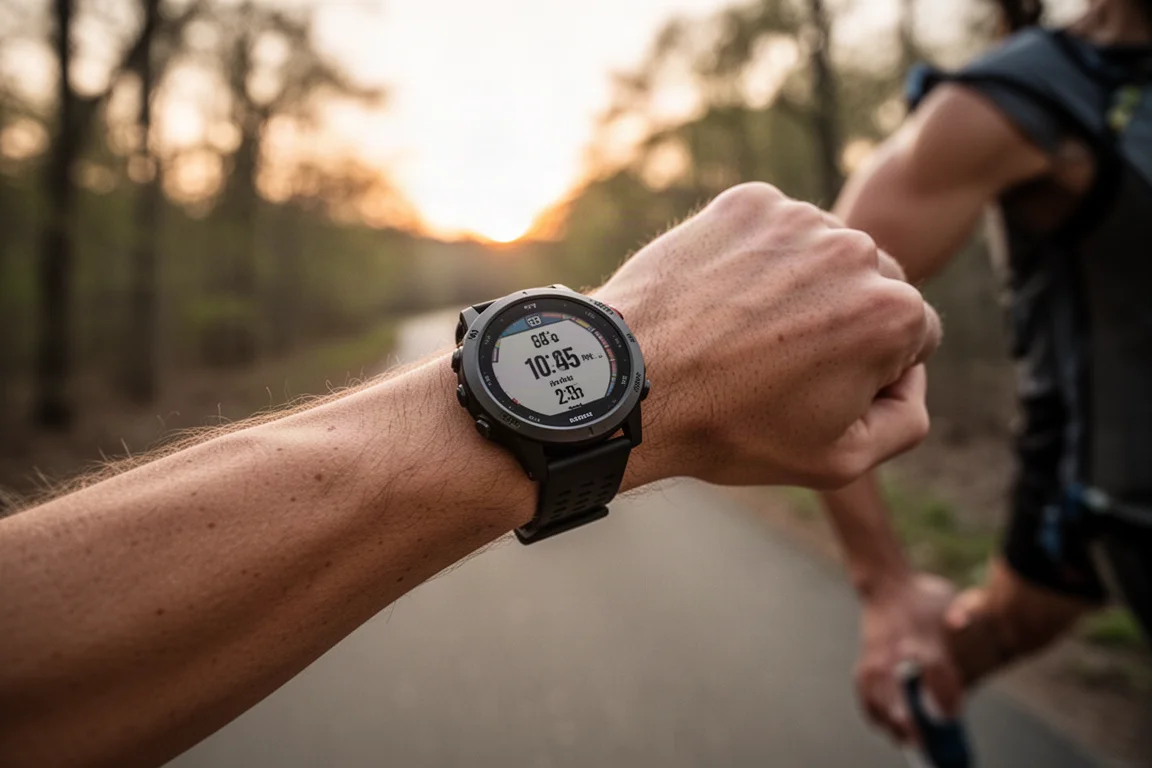
The 970’s headline upgrades include a sapphire lens, which was missing on the previous 965 and adds meaningful scratch resistance, plus the built-in LED flashlight, speaker, and microphone. The flashlight is the kind of feature that is hard to appreciate until you have it, useful for everything from middle-of-the-night navigation to visibility during evening activities. The microphone supports taking calls when your phone is in Bluetooth range, voice assistant access, and voice commands for timers, alarms, and starting activities.
For training, the 970 offers training status, training readiness with HRV status, VO2 max tracking for running and cycling with a power meter, and new running-specific features such as running economy metrics and step speed loss, which require Garmin’s HRM 600 heart rate strap. It also adds new triathlon coaching plans, multisport structured workouts, and an evening report feature that summarizes your day.
Garmin Fenix 8
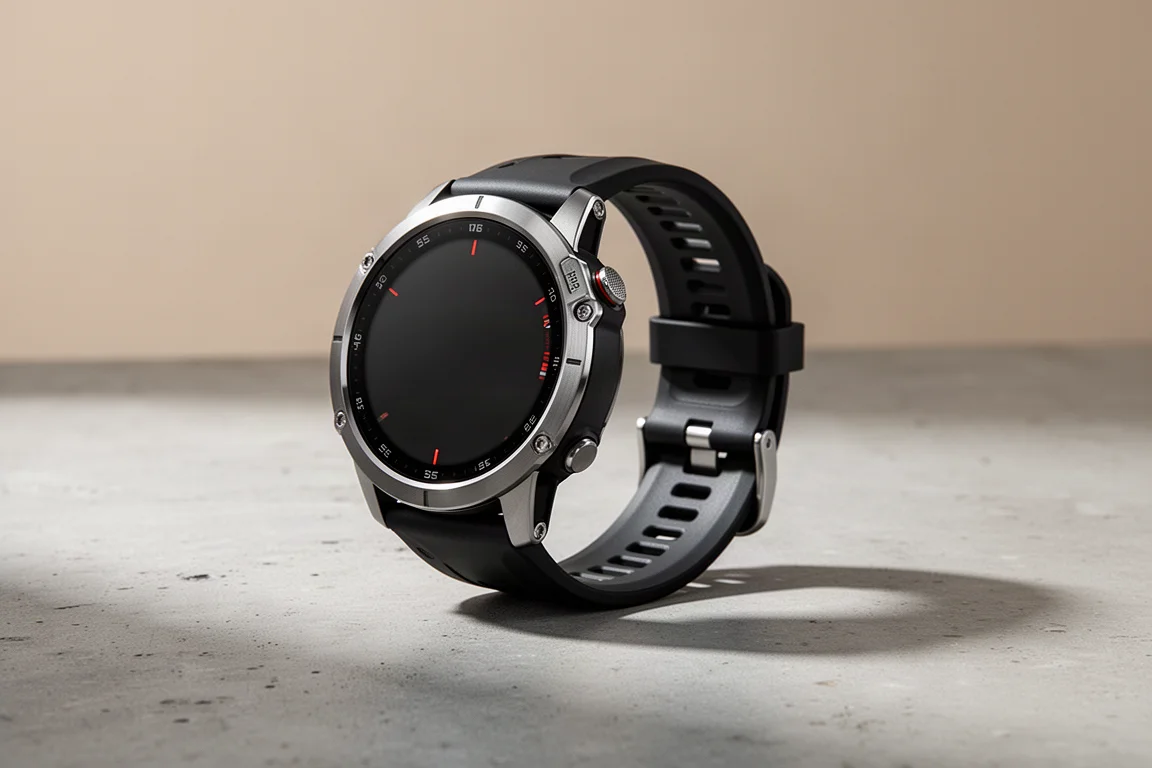
The Fenix 8 is the more capable and more durable watch of the two. It comes in three sizes (43mm, 47mm, and 51mm), offers both titanium and stainless steel builds, and uses more metal overall with a metal back plate and a thicker bezel that extends over the lugs for protection. That durability comes with extra weight and size.
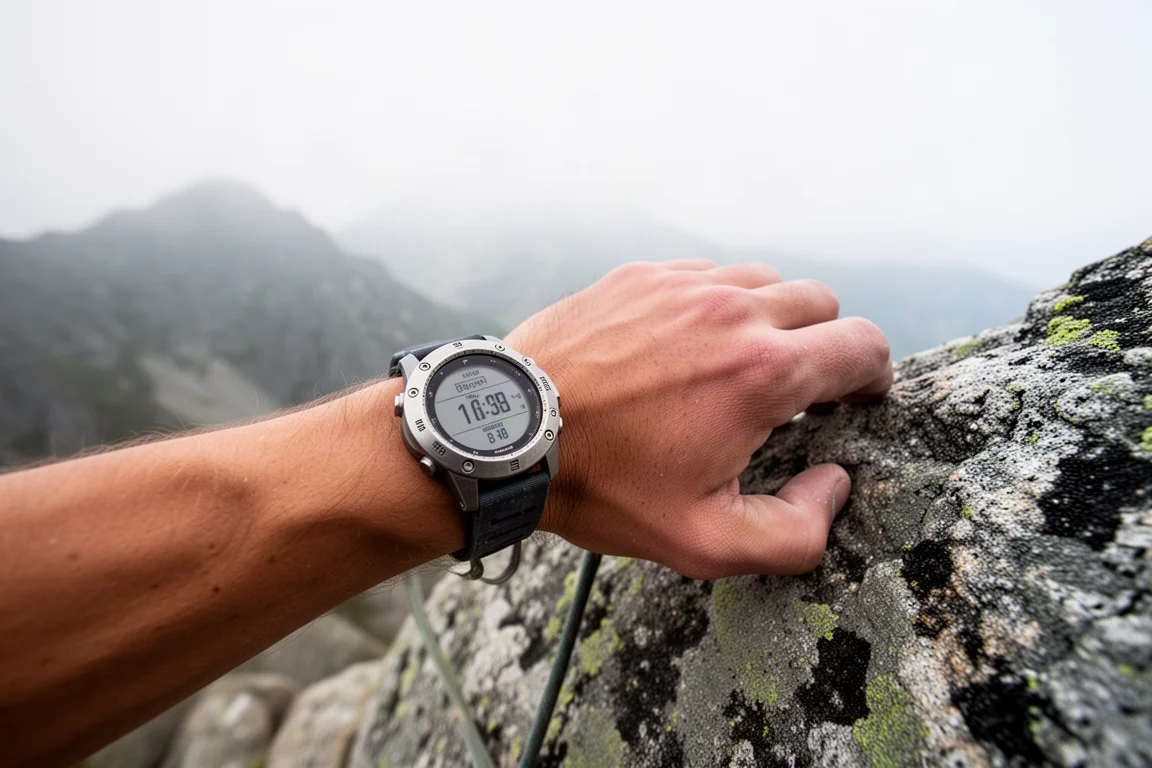
Where the Fenix 8 really pulls ahead is water and diving: it carries a 10 ATM rating with leak-proof buttons that fully seal the case, and it is rated for recreational scuba diving down to 40 metres. It also adds sport profiles the 970 lacks, including scuba and freediving, water skiing, wakeboarding, tubing, and a jumpmaster profile, plus a tides widget and an expanded list of golf features. Compared to the 970, it also supports two additional external sensor types: rangefinder sensors for hunting and trolling motor sensors for boating.
The Fenix 8 is available with either an AMOLED display or a memory pixel solar display. The memory pixel solar version is the battery life champion, capable of weeks of use between charges, though its display is less bright, less vibrant, and less crisp than AMOLED, and it is only offered in the 47mm and 51mm sizes.
View more details for Garmin Fenix 8
Size, Weight, and Comfort
Case size is one of the clearest decision points. The 970 offers only the 47mm case, while the Fenix 8 adds 43mm and 51mm options. On a 185mm wrist, the 47mm Fenix 8 and the 970 are both comfortable, while the 51mm model is more noticeable during sleep. If the 47mm size does not fit you, the 43mm Fenix 8 is the smaller alternative.
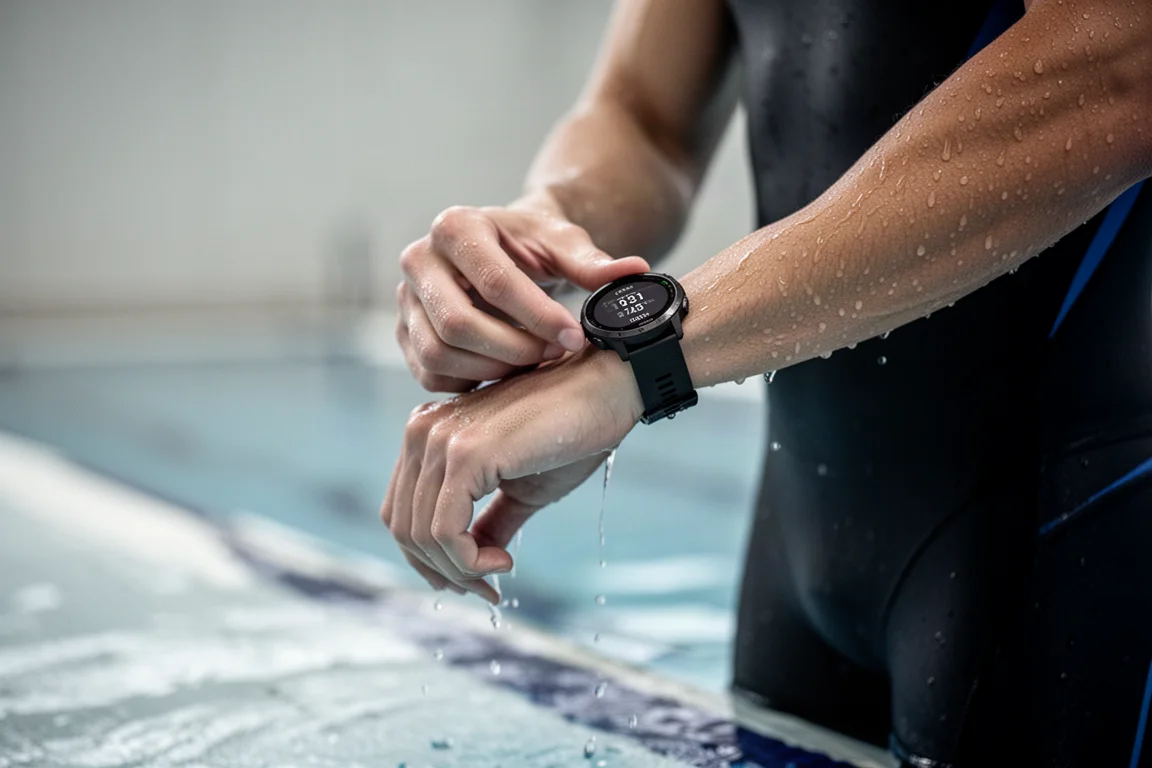
Both watches ship with silicone bands, and both are QuickFit compatible. The Fenix 8 includes QuickFit bands out of the box; on the 970 you remove the stock band pin (with the included tool or a small screwdriver) and reinsert it into the case to unlock QuickFit compatibility. Swapping to a nylon band such as Garmin’s UltraFit band reduces weight further and tends to feel softer on the skin, with the minor downside of staying damp for 10 to 15 minutes after a shower.
Displays and Battery Life
The 970 and the AMOLED Fenix 8 models share the same 1.4-inch display size, Garmin’s largest, while the 43mm Fenix 8 uses a 1.3-inch panel. The 970 has an updated display panel that is brighter than the Fenix 8’s, which is noticeable outdoors, though the Fenix 8’s screen remains fully readable outside.
Battery life favours the Fenix 8. In comparable testing conditions without an always-on display, the 970 trended toward four to five days including outdoor activity tracking, versus five to six days on the Fenix 8. Daily smartwatch battery life is actually fairly similar between the 47mm Fenix 8 and the 970. The 970’s drop versus the previous 965 comes from the added microphone, speaker, and flashlight taking up space that would otherwise hold battery. For the longest runtime possible, the memory pixel solar Fenix 8 is the pick, delivering weeks of battery life at the cost of display quality.
Maps, Storage, and Sport Profiles
Both watches have multiband satellite chipsets for accurate outdoor tracking, full offline routable topo maps with street names, trail names, bodies of water, landmarks, and even points of interest like grocery stores, plus 32GB of storage for maps and music. Music can sync from services like Spotify, Amazon Music, and YouTube Music and play through Bluetooth headphones or the built-in speaker.
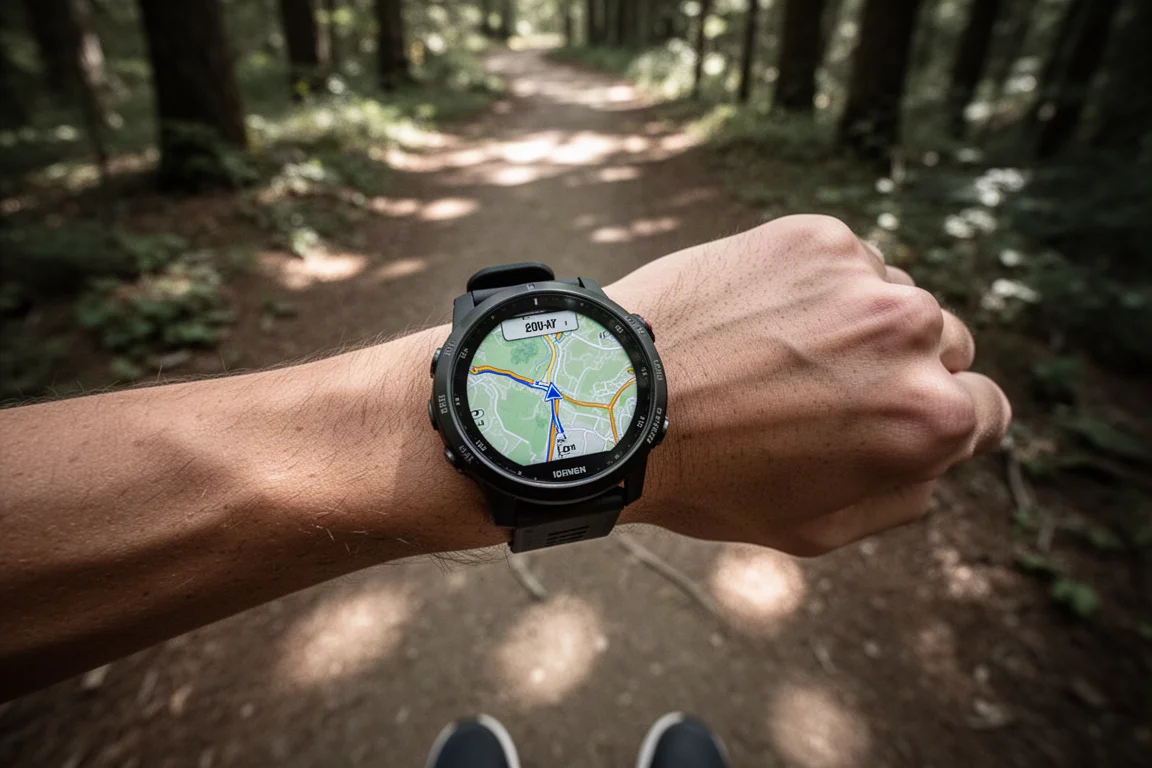
One map-related caveat: on the memory pixel solar Fenix 8, the lower-resolution display means maps show less detail than on the AMOLED models. Both watches track nearly every sport, with data pages and up to eight data fields per page, but the Fenix 8 currently carries the additional water, diving, jumpmaster, and golf features noted above.
Which One Should You Buy?
The Fenix 8 is the more capable and more durable watch, and at current sale prices it is hard to argue against. The 970, however, is thinner and lighter, which translates directly into everyday comfort, particularly during sleep and for activities where a lighter watch can also mean more accurate heart rate readings from the wrist. If you want the smallest, lightest premium Garmin with a brighter AMOLED display, the 970 is the stronger pick. If you want maximum durability, diving capability, more size options, and the longest battery life, the Fenix 8 earns its premium.
Conclusion
These are both extremely capable watches with far more similarities than differences. Your decision comes down to comfort and price versus durability, size options, and specialty sport features, and right now, sale pricing makes the Fenix 8 a particularly strong value.
Further reading
Related Reviews
GPS Watches
Garmin Fenix 6S Pro Review: A Compact Multi-Sport GPS Watch
A long-term look at the 42mm Garmin Fenix 6S Pro, covering mapping, training metrics, battery life, and what to weigh before buying.
GPS Watches
Garmin Instinct 2 Solar Review: Weeks of Battery for Runners, Riders, and Hikers
A practical look at the Garmin Instinct 2 Solar, covering solar charging, multi-week battery life, training metrics, and GPS performance across running, cycling, and hiking.
GPS Watches
Suunto 9 Peak Pro Review: A Light, Long-Lasting GPS Watch After 12 Months
A compact multisport GPS watch with exceptional battery life, accurate breadcrumb navigation, and a deliberately simple interface. Here is where it shines and where it falls short.