Running Watches
Garmin Forerunner 970 vs 570: Which Premium Running Watch Should You Buy?
Both watches share AMOLED displays, dual-frequency GPS and Garmin's latest sensor suite. We break down where they differ and which one earns your money.
Introduction
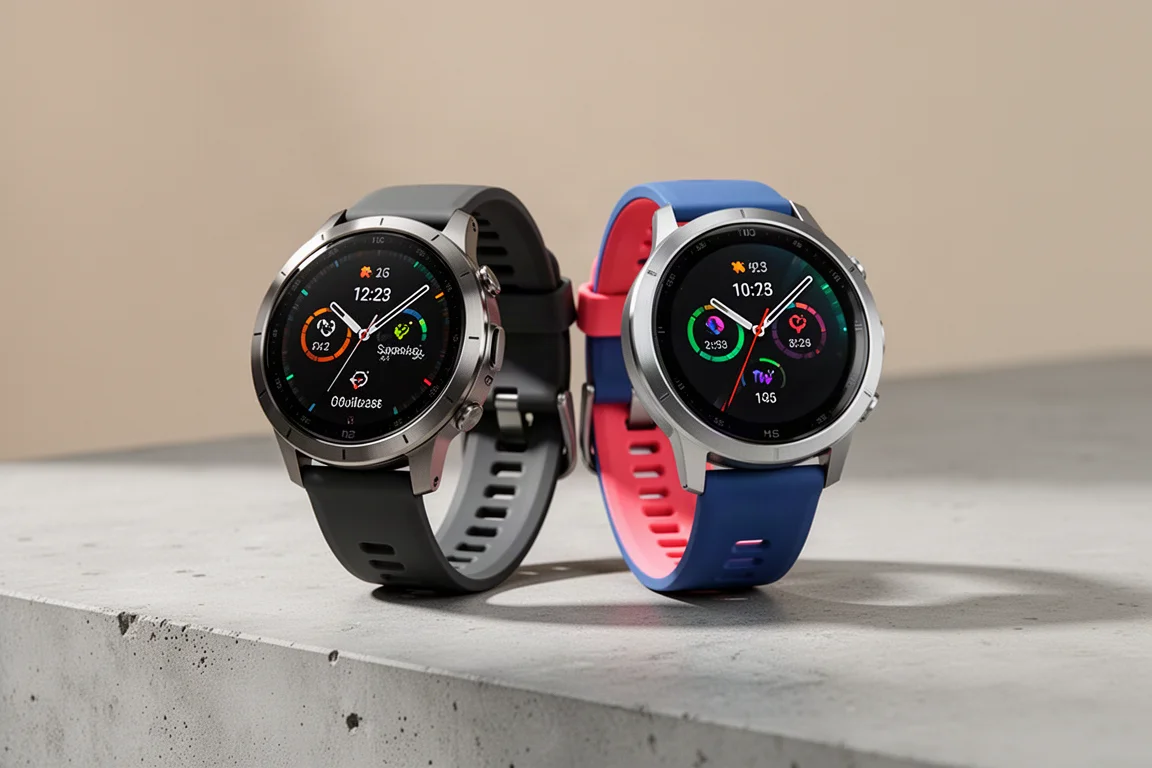
Garmin’s latest Forerunner duo is an interesting pair. The Forerunner 970 succeeds the 965, while the Forerunner 570 replaces the 265 and, in doing so, signals the end of the 2 series. Both pack big, crisp, bright AMOLED screens, dual-frequency GPS, the latest optical heart rate sensors, plus microphones and speakers for voice tools, and a very similar suite of training, racing and recovery features.
After wearing both on and off for around three months, including races like the Comrades Marathon and a Central London 10K, the split comes down to a handful of premium extras. Here’s how they compare.
Specs and Design: Close, But Not Identical
The core hardware is closely matched. Both carry Garmin’s latest dual-band GPS for improved accuracy and the newest Gen 5 optical heart rate sensor, though the 970 adds ECG functionality that the 570 lacks. The 570 comes in 42mm and 47mm sizes with 1.2-inch and 1.4-inch touchscreens respectively, while the 970 is a 47mm model only, with a 1.4-inch screen. The 42mm 570 has a lower-resolution 390x390 display; the 47mm matches the 970’s 454x454 pixels.
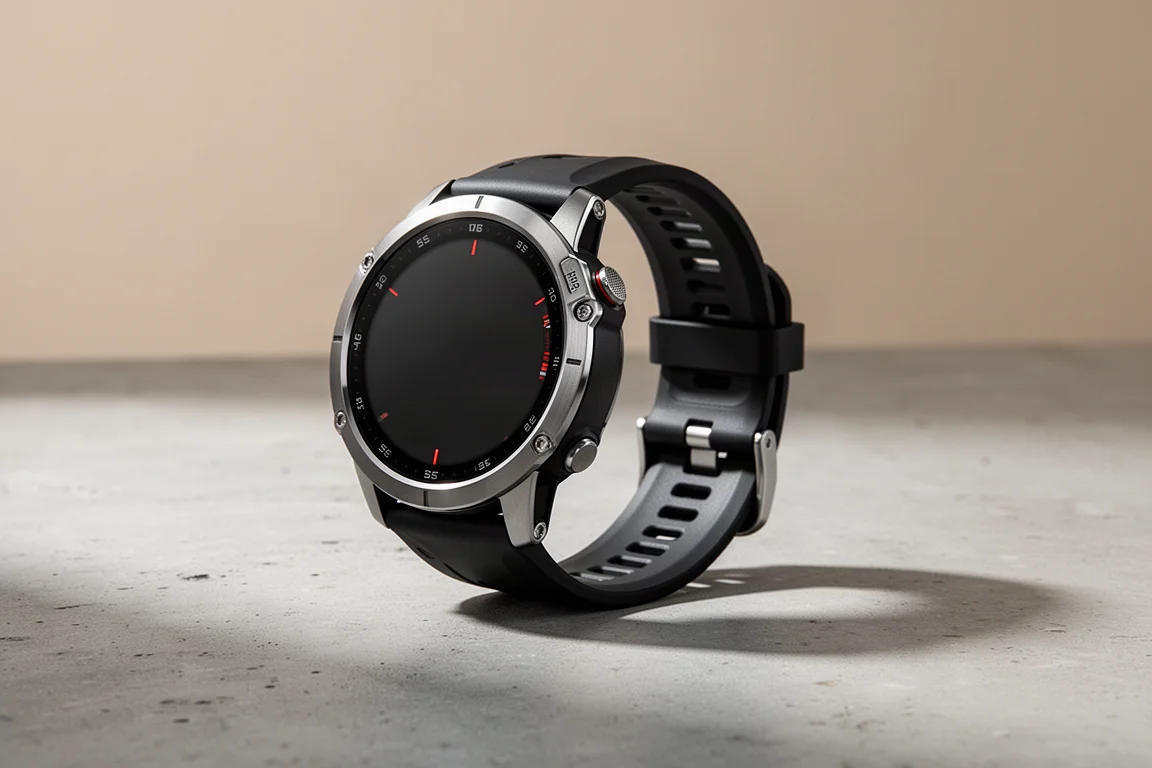
Materials are a real differentiator. The 970 uses a sapphire display and titanium bezel to stay lighter yet tougher, while the 570 sticks with Gorilla Glass 3 and an aluminium bezel. Both are 50m water rated, so they’re swim-proof and shower-proof.
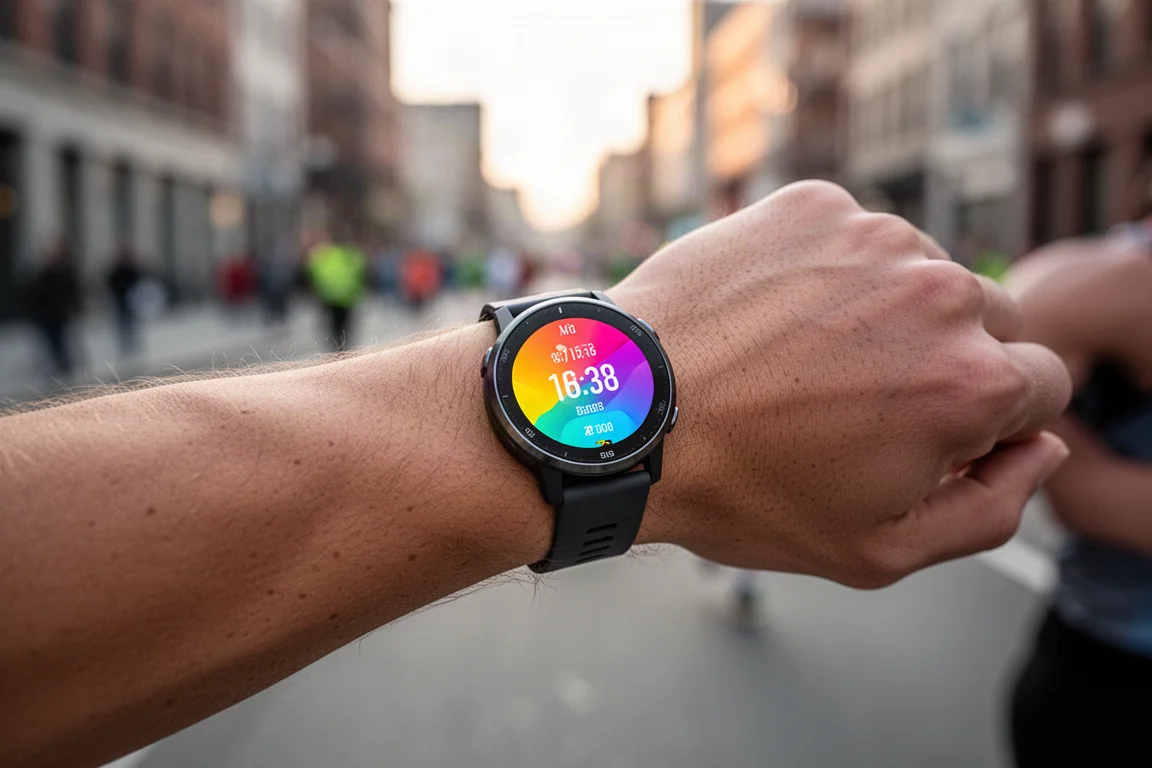
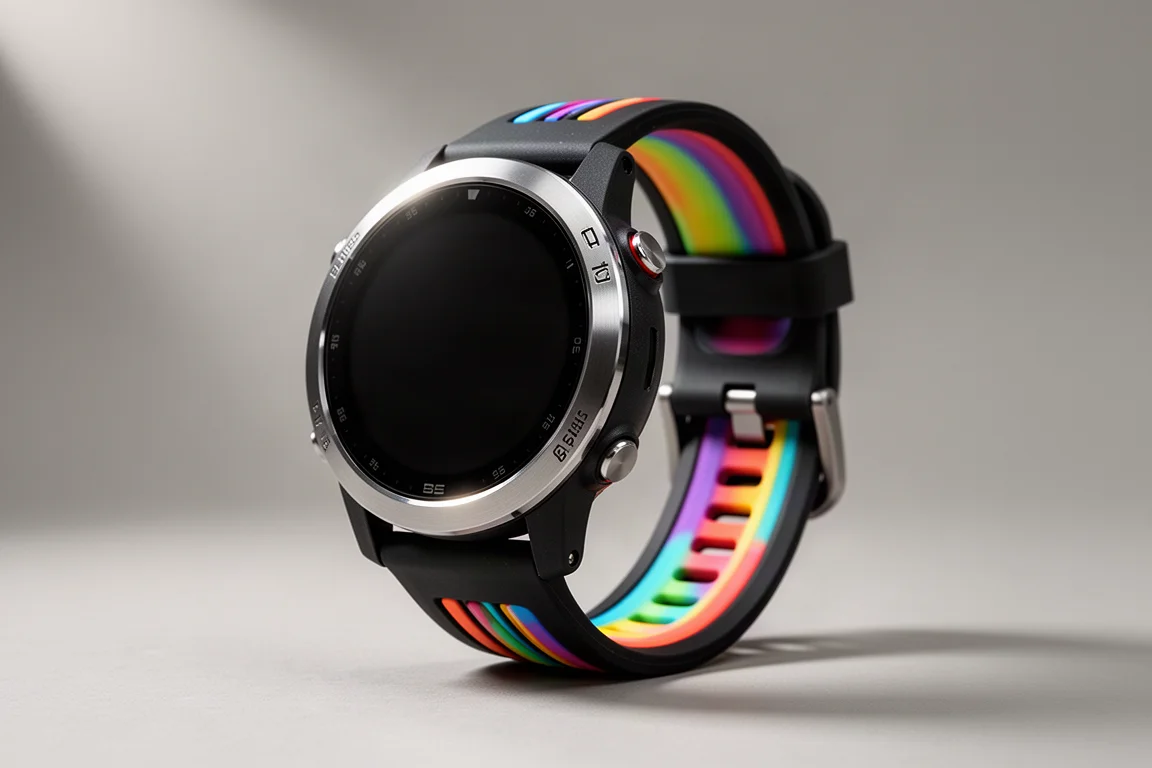
Day to day, there’s little to separate them. Touchscreens are snappy and responsive, the new Garmin UI is a big step up on both, and the AMOLED panels are noticeably brighter and punchier. Design-wise, the 570 is colourful and sporty with a slightly cheaper feel, while the 970 is more subtle and better built.
GPS and Heart Rate Accuracy in Testing
Accuracy was excellent on both. On a twisty London 10K in maximum-accuracy mode, the 570 logged 10.14km, the 970 10.28km, and a Fenix 8 comparison watch 10.25km, all well within expected variance. Over the Comrades Marathon, on a course officially measured at 89.98km, the watches were within 80 metres of each other, reading between 90.71 and 90.79km.
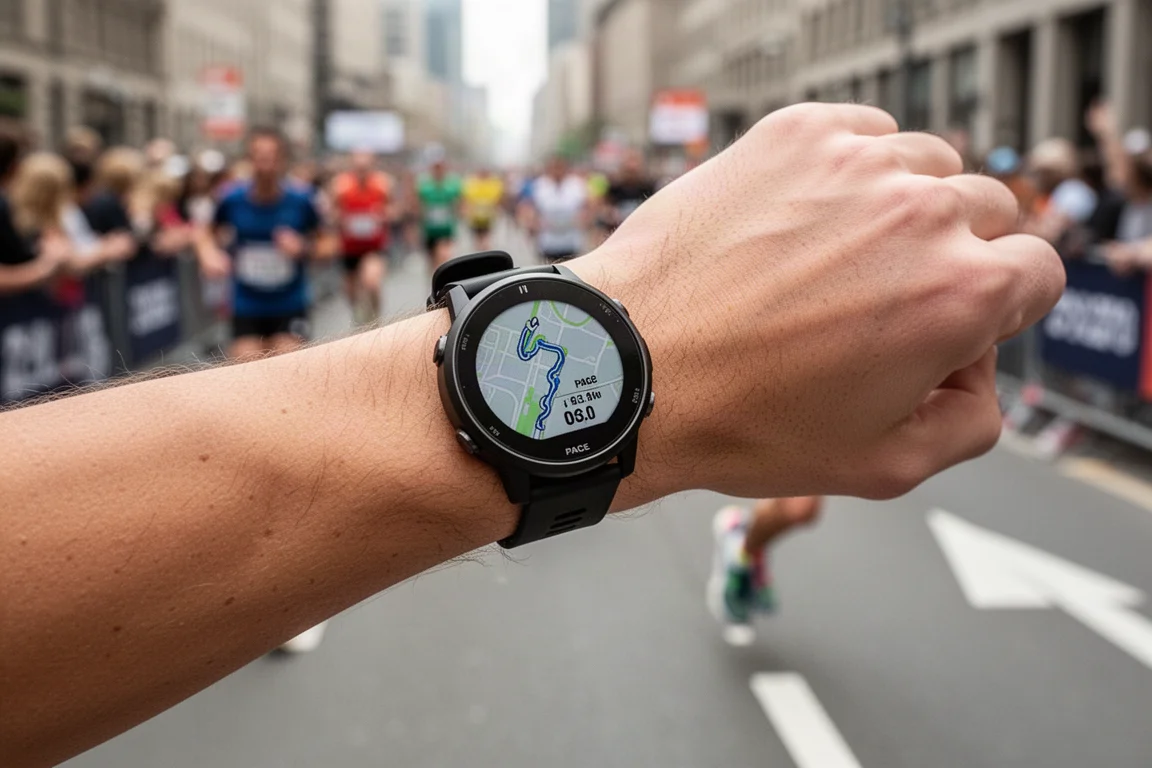
Heart rate performance was similarly solid. Both watches occasionally showed small erroneous spikes or drops, but on the whole they matched an HRM 600 chest strap very closely. The optical sensing was about as good as we’ve experienced, with little to choose between the two.
Running Features and Smartwatch Smarts
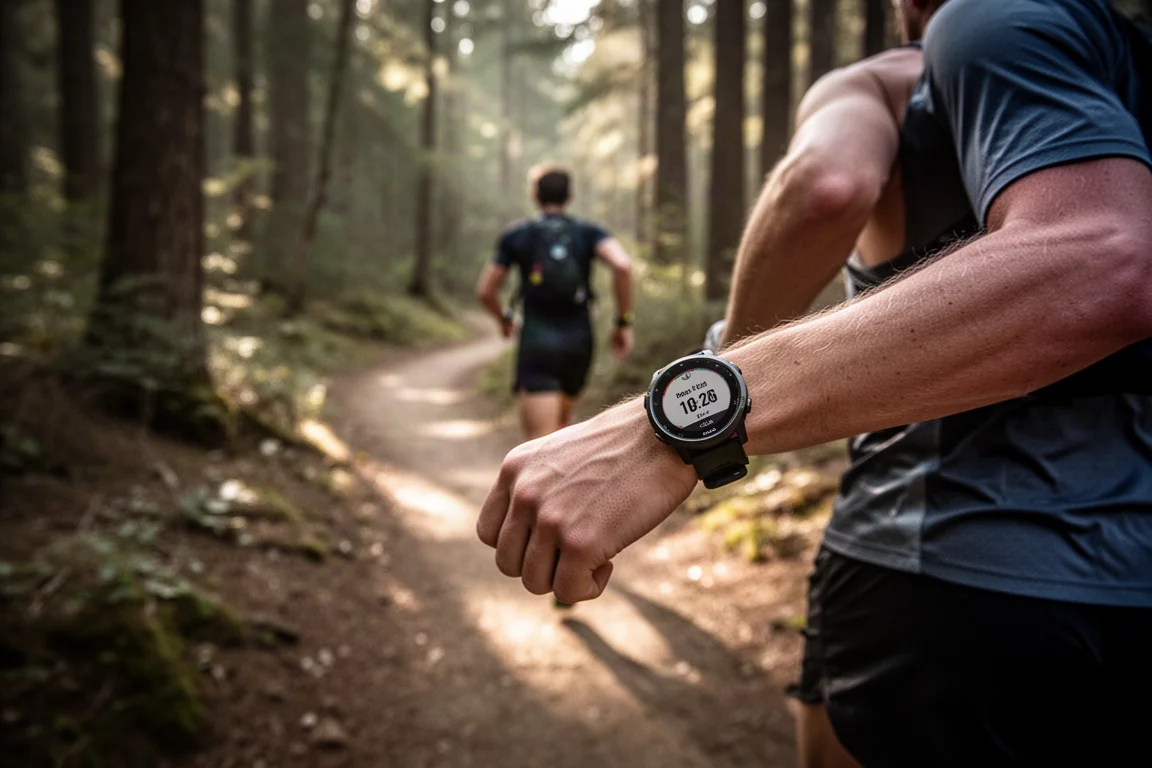
The core running experience is closely matched, with a comprehensive suite of training, coaching, racing and recovery tools. Both are among the most capable running and general fitness watches you can buy, highly customisable through Garmin’s slicker new interface.
The 970 adds advanced running metrics: running economy and step speed loss, both of which require an HRM 600 chest strap to unlock, plus running tolerance, which works off the watch alone.
Smartwatch features are near identical across both: smartphone notifications, weather, calendar alerts, offline music with Spotify support, contactless payments, and new microphones and speakers for voice commands and taking calls with a paired phone. The big navigation difference is that the 970 has full-colour offline topographic maps, while the 570 relies on breadcrumb navigation. The 970 also has a popular front-facing flashlight; the 570 doesn’t.
Battery Life and Charging
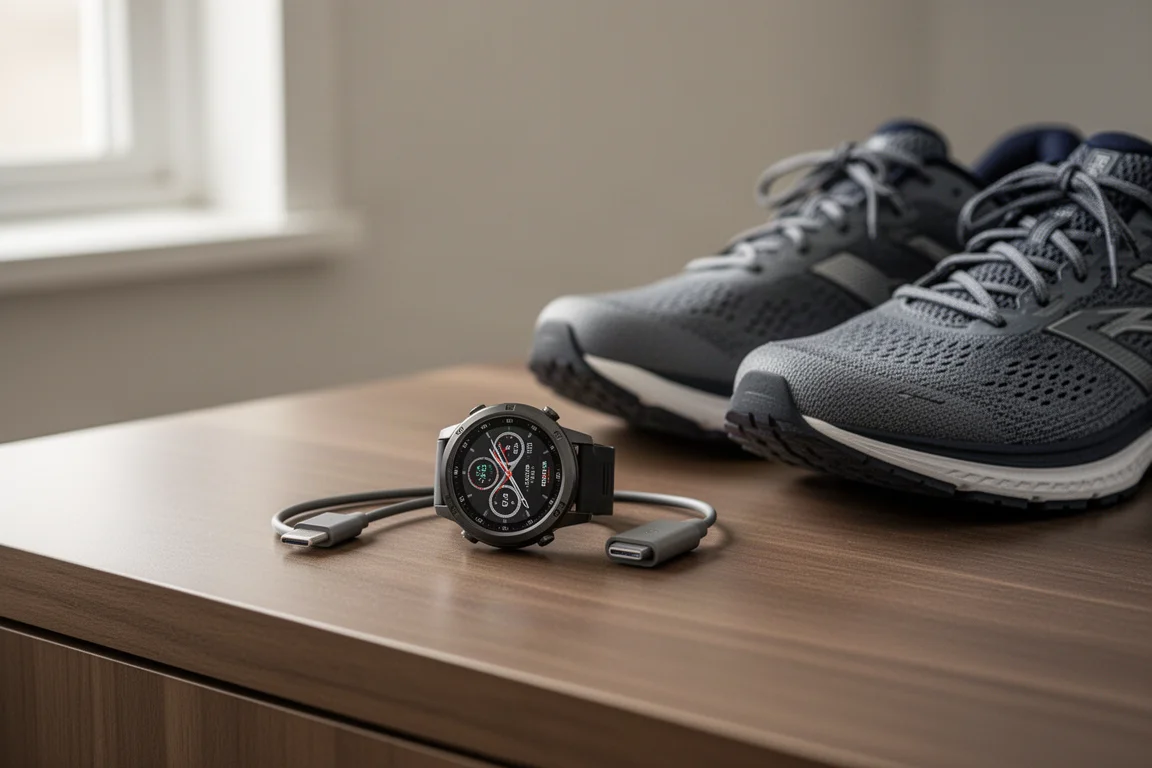
This is where you pay for those bright AMOLED displays. On paper, the 570 offers up to 10 days in smartwatch mode, the 970 up to 15. In max GPS mode, the 570 reaches 14 hours, the 970 21 hours, with figures rising in standard GPS and falling with offline music.
Over the roughly 9-hour Comrades Marathon with both watches in max-accuracy GPS, always-on display and maximum brightness, the 570 burned 55% of its battery while the 970 used 39%. That works out to roughly 6% per hour for the 570 and 4% for the 970 at the highest settings. In practice, expect to put either watch on charge after around four or five days of training, though you can stretch that by lowering brightness and switching off power-hungry features.
Price Comparison
The 970 costs $749.99 in the US and £629.99 in the UK. The 570 lands at $549.99 or £459.99. The 570’s price bump raised eyebrows: it’s stretching things to call it mid-range when rivals like the Suunto Race 2, Coros Pace Pro and Polar Vantage 3 sell for under $400. That said, the price reflects a feature set and AMOLED display that now push into premium territory, if not the materials.
Buying Advice: Which One Should You Buy?
Both watches have all the firepower most runners need for training and racing, and the 970 packs close to the tracking capability of a Fenix in a more wearable package. The decision boils down to whether the 970’s extras matter to you: offline mapping, ECG, longer battery life, a tougher sapphire display, the built-in flashlight, and the advanced running metrics.
One caution on those metrics: running tolerance proved genuinely useful in testing, but running economy and step speed loss weren’t insightful enough on their own, especially when they require the 970 plus a further HRM 600 chest strap purchase. If those extras don’t move you, the 570 delivers very similar day-to-day tracking performance and usability for a chunk less. If they do, the 970 is the more rounded watch with better durability and tracking firepower.
Conclusion
The Forerunner 970 and 570 are both among the most capable running watches you can buy right now, with leading GPS accuracy and near-identical daily usability. The 970 earns its premium with tougher materials, longer battery life, offline maps and extra sensors. The 570 matches its tracking where it matters most and saves you a meaningful amount of money. Choose based on which of those premium extras you’ll actually use.
Further reading
Related Reviews
Running Watches
Coros Pace 3 Running Watch Review: Why Software Matters More Than Specs
The Coros Pace 3 prioritizes runner-focused design and intelligent software over expensive hardware. Here's why it outperforms watches that cost twice as much.
Running Watches
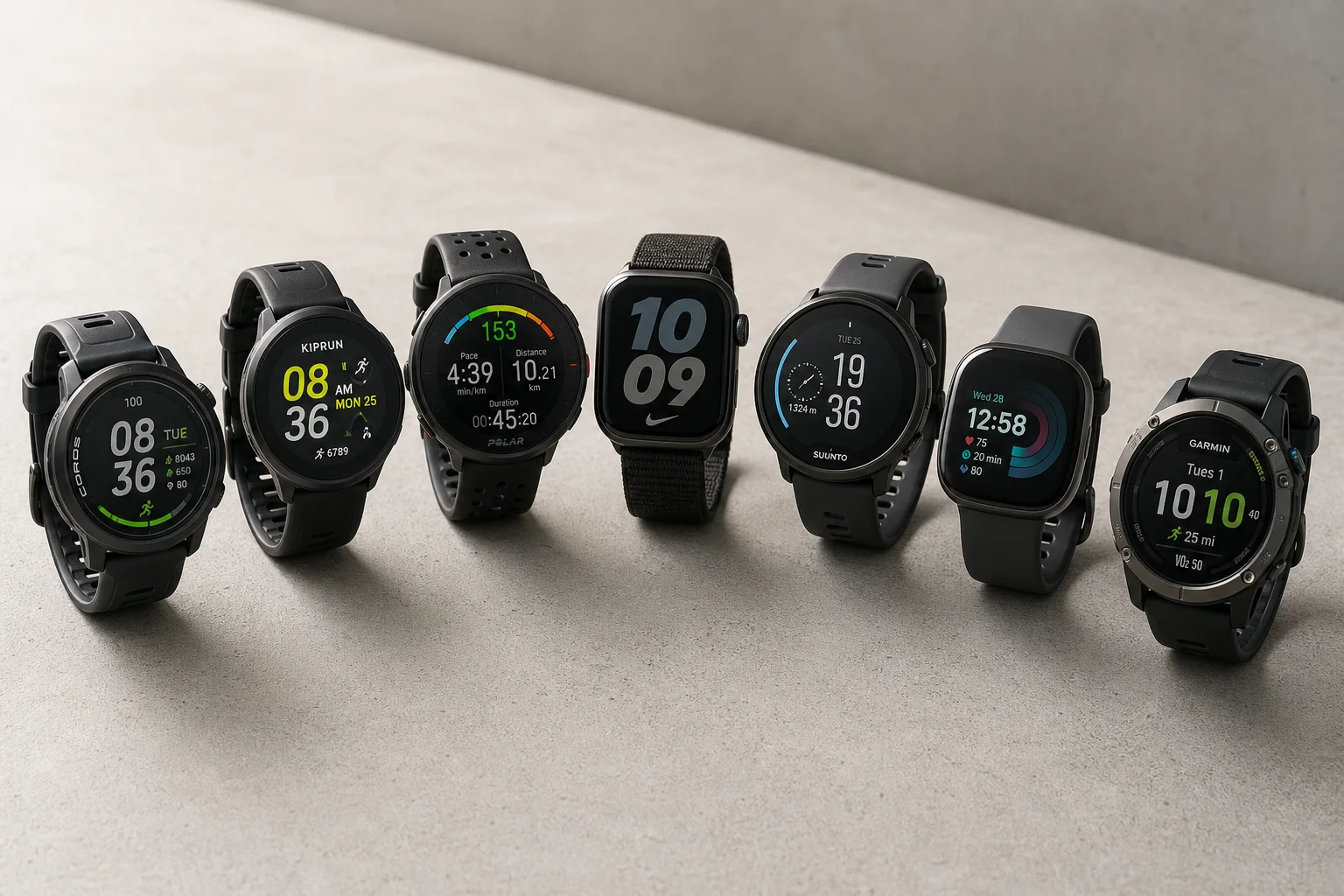
GPS Running Watch Accuracy Test: Seven Watches Compared Across Urban, Trail, and Race Conditions
We tested seven popular running watches from major brands in three different environments to find out which delivers the most accurate GPS tracking for distance and pace.
Running Watches
Garmin Forerunner 70 Review: Garmin's Cheapest Forerunner Is More Capable Than You'd Expect
The new entry-level Forerunner 70 brings an AMOLED screen, a fresh interface, and real training analysis for £219/$249, with a few trade-offs to weigh before buying.