GPS Watches
Garmin Forerunner 970 Review: The Biggest Forerunner Upgrade in Years
Sapphire glass, ECG readings, a built-in flashlight, and a wave of new running features. What the Forerunner 970 adds, and what to weigh up before buying.
Introduction
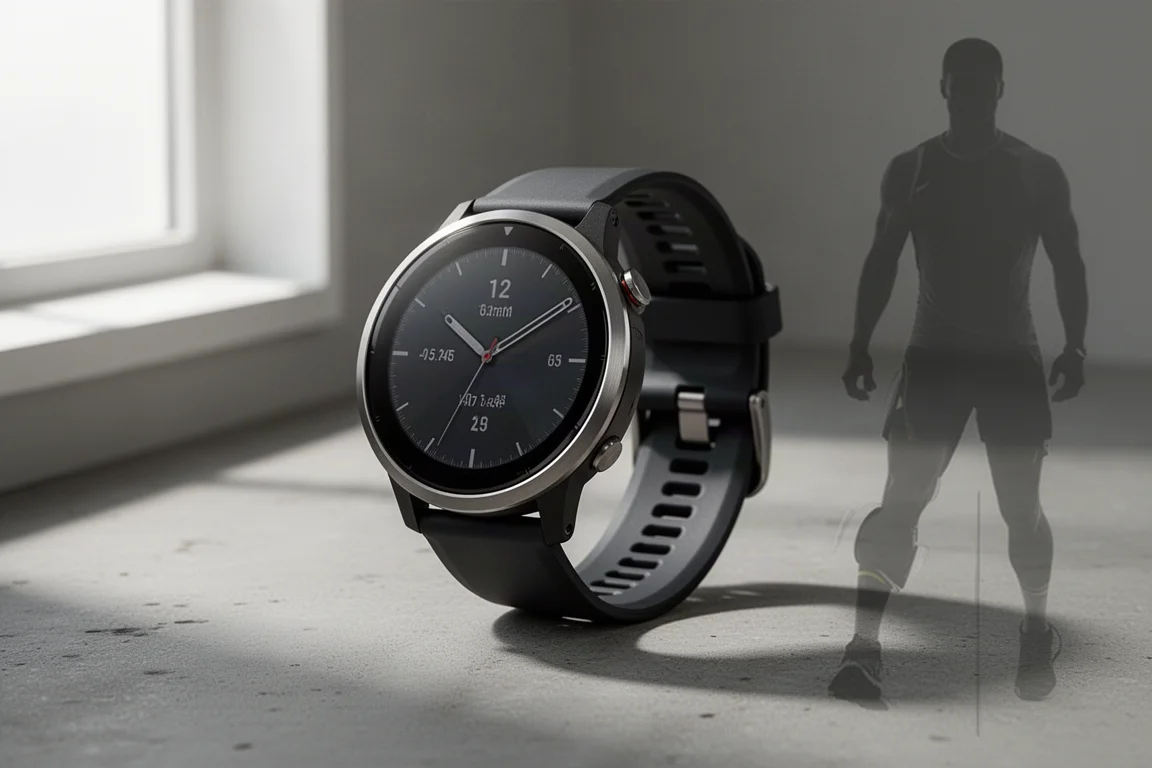
After a two-year wait, the Garmin Forerunner 970 has arrived as the successor to the Forerunner 965, and it is one of the most substantial generational upgrades the line has seen. Garmin also announced the Forerunner 570, replacing the 265, plus a new heart rate strap called the HRM 600, but this review focuses on the flagship 970.
The headline story: a built-in flashlight, medical-grade ECG readings, a new heart rate sensor, a speaker and microphone, sapphire crystal glass, and a long list of new running and triathlon features. There is also a significant price increase to consider. Here is what actually matters.
Design and Hardware Changes
The Forerunner 970 keeps the familiar 47 mm case size and the 1.4-inch AMOLED display of its predecessor, but Garmin has upgraded the lens to sapphire crystal, a welcome durability step over the glass used on the 965. The watch is also slightly thinner, by 0.3 mm, and a couple of grams heavier, neither of which is likely to be noticeable in daily use.
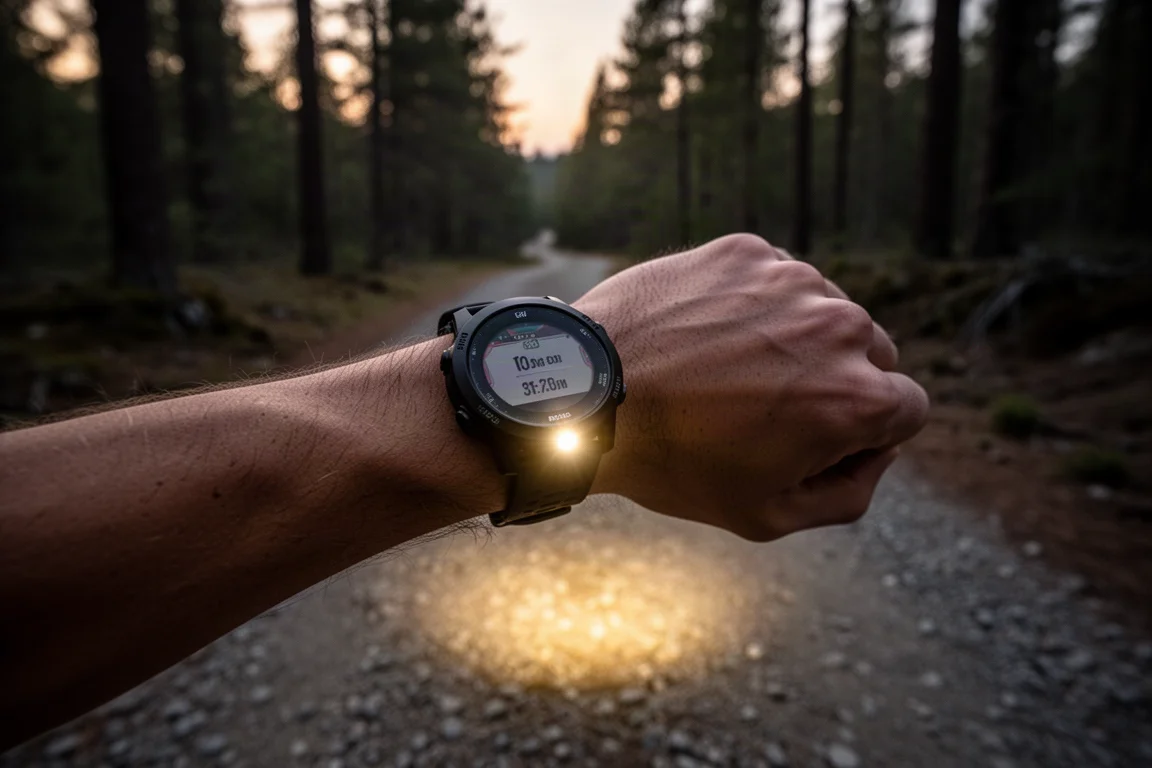
Two hardware additions stand out. On the left side, there is now a built-in flashlight with four levels of white brightness and one level of red light, activated by double-tapping the upper left button. It is the same concept Garmin popularised on the Fenix and Instinct series, and for anyone who runs or hikes in low light, it is genuinely useful rather than a gimmick.
On the right, a speaker and microphone replace the old beeper. That enables voice commands and voice assistant use, spoken workout prompts, and more pleasant alert tones. It mirrors what Garmin offers on the Venu 3 and Fenix 8 series, though the Fenix 8 has additional microphone features, such as notes, that are not present here.
The new Elevate Gen 5 optical heart rate sensor improves accuracy during activities, particularly intervals and higher-intensity sessions, over the previous Gen 4 sensor. More importantly, it enables medical-grade ECG functionality in approved countries, including the US and EU. After a short onboarding process clarifying that it does not detect heart attacks, you can take readings from your wrist, check for atrial fibrillation, and send the ECG report to your doctor. Nightly skin temperature readings have been added as well.
New Sport Profiles and Triathlon Support
The Forerunner 970 gains 15 new sport profiles compared to the 965, profiles that have already appeared on watches like the Fenix series. The bigger news for multisport athletes is support for pushing structured multisport workouts to the watch from Garmin Connect, complete with specific targets for each leg.
The Garmin Triathlon Coach is now available on this watch too. You can target a specific race and goal time, and the watch dynamically builds your training calendar, adjusting on the fly. Previously that coaching feature was limited to running and cycling events; it now fully supports triathlon.
New Running Features
Garmin has packed in several running-focused metrics. Running tolerance estimates how much weekly running distance your body can absorb, showing your last 7 days of mileage against what it thinks you can handle over the coming 7 days. It draws on much longer history than just the past week, and it is aimed squarely at the classic mistake of ramping up mileage too quickly.
Impact load factor compares your run to an equivalent flat run, quantifying the extra strain of long or steep descents. If you train on hilly terrain, this is arguably the most useful of the new metrics for injury prevention.
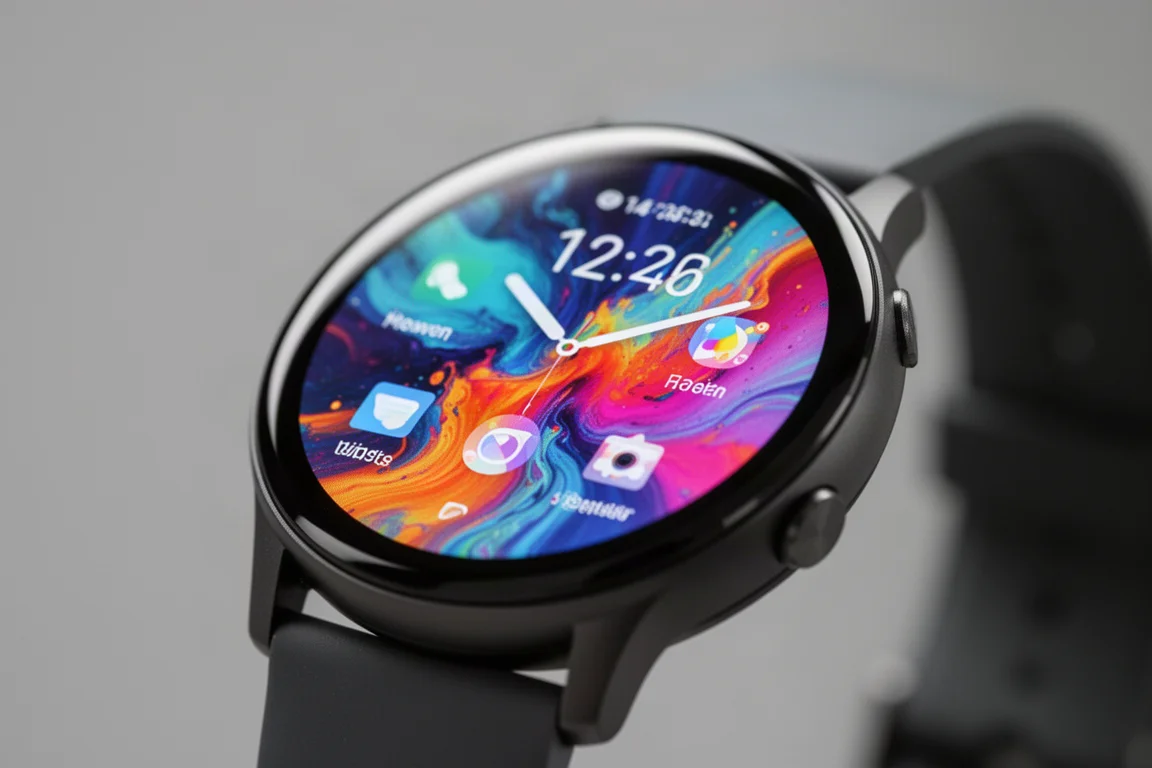
Two new metrics, running economy and step speed loss, require the new HRM 600 heart rate strap, which costs $169. Running economy measures your overall running efficiency and needs numerous runs, ideally on flat terrain, before it starts producing numbers. Step speed loss looks at pace lost at each footstrike, fluctuating across flats, climbs, and descents. Both are classic running-dynamics metrics in the sense that most people will glance at them a few times and then rarely return. Unless you specifically want them, the strap is an optional extra, not a necessity.
Autolap by timing gates, by contrast, is completely free and works out of the box. Create a course for your route in Garmin Connect, push it to the watch, and your lap splits will be accurate to the official course distance rather than the slightly longer distance you actually ran weaving through crowds. Anyone who has raced a big city event and watched their watch distance creep past the official markers will appreciate this.
Everyday and Software Additions
The 970 inherits a lot of Fenix 8-era software. Map clarity has been improved to roughly match the Fenix 8, along with many of that watch’s mapping features, and the user interface is very similar, with its own Forerunner flavour on top.

Smaller but practical additions include:
- Watch migration on first setup, making it easy to move data from a previous Garmin watch.
- A large font mode for easier readability.
- Focus modes, similar in concept to those on your phone, though still not fully fleshed out.
- Multiple customisable battery profiles, a big step up from the single tweakable profile on the 965.
- An evening report summarising tomorrow’s outlook alongside your overnight sleep and HRV stats.
- Past ovulation estimates as part of the expanded women’s health tracking feature set.
Notably, nothing covered here requires Garmin Connect Plus, Garmin’s paid subscription. Everything the watch does works on the free tier.
Battery Life and Price
Battery life has increased in most GPS categories, but it has been reduced in smartwatch mode compared to the 965. For most buyers that is a fair trade, since GPS endurance is where a watch like this earns its keep, and daily smartwatch figures tend to matter less in practice.
The bigger sticking point is price. The Forerunner 970 launches at $799, up substantially from the 965’s $599. That is a serious jump, and it is the main reason to think carefully about whether the new features matter to you.

If the flashlight, ECG, speaker, sapphire glass, and new running features align with how you actually train, the upgrade is easy to justify. If you own a 965 and none of those appeal, holding onto your current watch remains a very reasonable choice.
Conclusion
The Garmin Forerunner 970 is the most feature-complete Forerunner yet, with meaningful hardware upgrades and a deep set of new training tools, all available without a subscription. The trade-off is a much higher price than its predecessor. Runners and triathletes who want the best Garmin has to offer will be well served; everyone else should weigh the new features against the $200 price increase before upgrading.
Product link
View more details for Garmin Forerunner 970
This product is mentioned in the review. Check the specifications, options, and compatibility before buying.
View more details for Garmin Forerunner 970Further reading
Related Reviews
GPS Watches
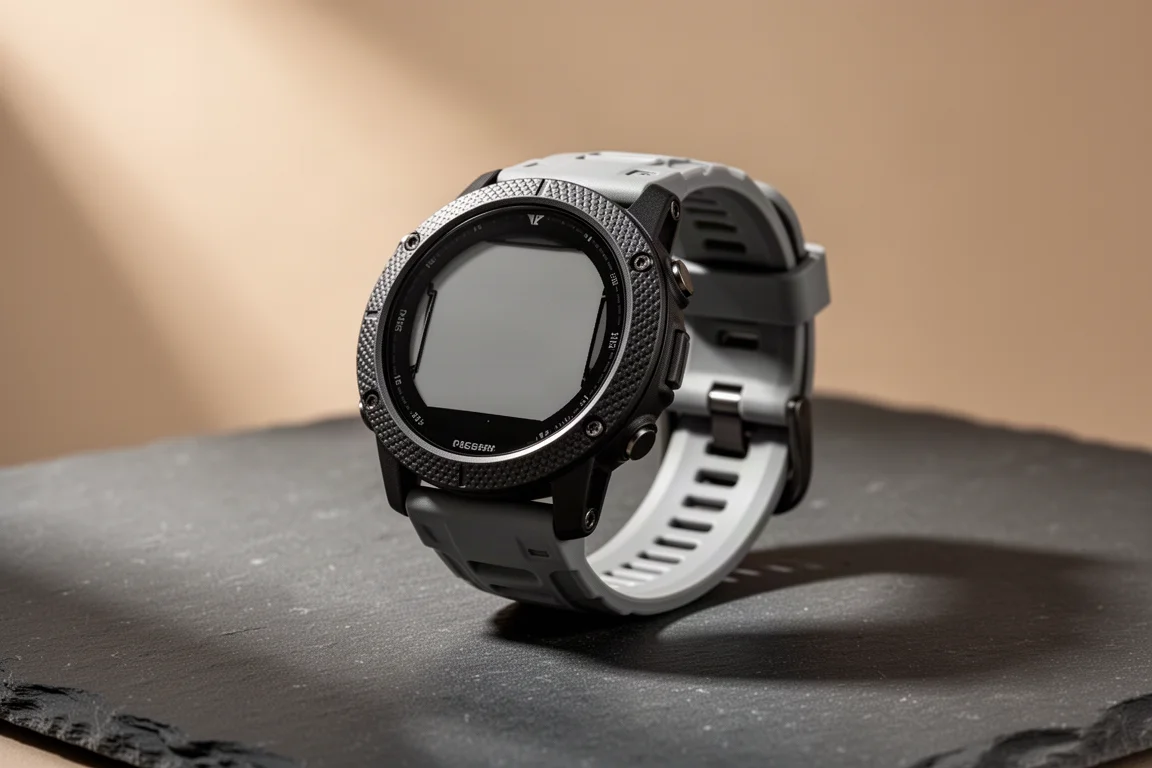
Garmin Fenix 6S Pro Review: A Compact Multi-Sport GPS Watch
A long-term look at the 42mm Garmin Fenix 6S Pro, covering mapping, training metrics, battery life, and what to weigh before buying.
GPS Watches
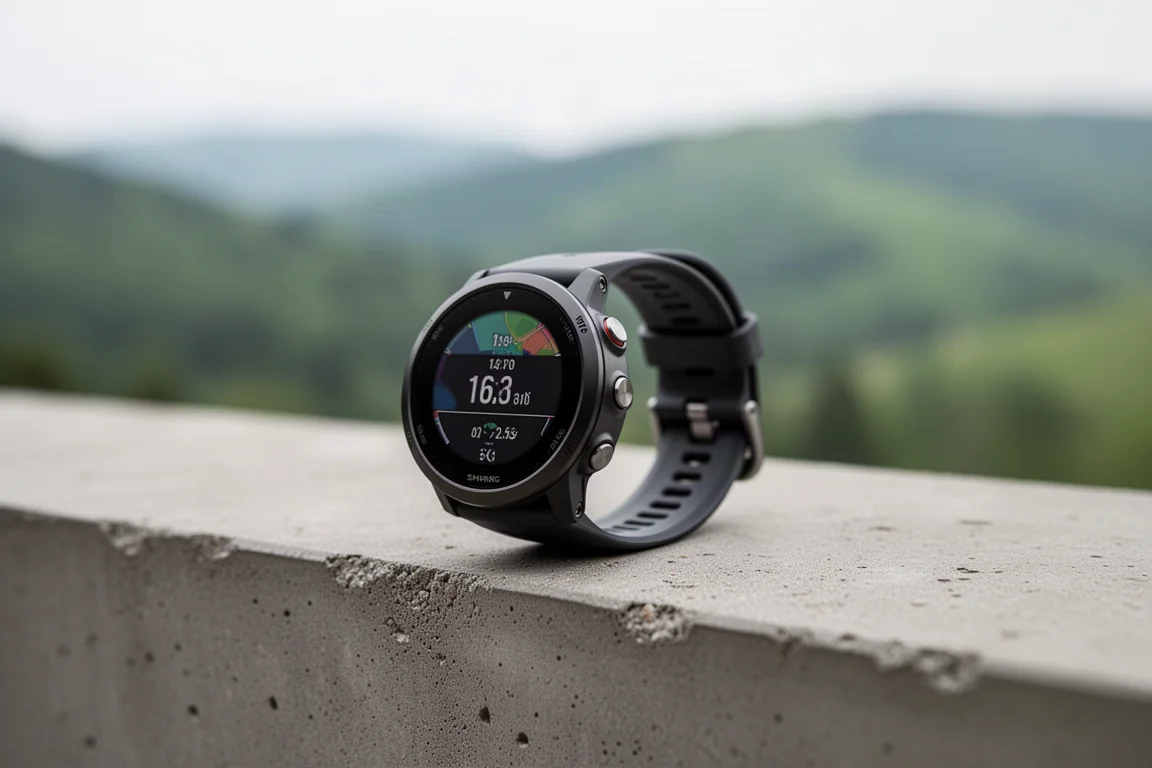
Garmin Instinct 2 Solar Review: Weeks of Battery for Runners, Riders, and Hikers
A practical look at the Garmin Instinct 2 Solar, covering solar charging, multi-week battery life, training metrics, and GPS performance across running, cycling, and hiking.
GPS Watches
Suunto 9 Peak Pro Review: A Light, Long-Lasting GPS Watch After 12 Months
A compact multisport GPS watch with exceptional battery life, accurate breadcrumb navigation, and a deliberately simple interface. Here is where it shines and where it falls short.