Running Watches
Garmin Forerunner 970 Long-Term Review: Six Months On the Wrist
After six months of daily running, racing, and testing against rival watches, here is how the Garmin Forerunner 970 holds up as a premium training companion.
Introduction
The Garmin Forerunner 970 sits at the top of Garmin’s Forerunner lineup, and after six months of continuous wear it is easy to see why it keeps earning that position. It is a watch we rated as a running watch of the year when it launched, and long-term use has only strengthened that view. It has handled hundreds of runs, thousands of miles, marathon training blocks, and ultra-distance races without losing its place as the default watch on the wrist.
This review covers what it is like to live with the Forerunner 970 day after day, not just what it promises on a spec sheet. It is a premium watch, priced at $750 in the US and $630 in the UK, so the question is not just whether it is good, but whether it justifies the spend.
Who This Product Is For
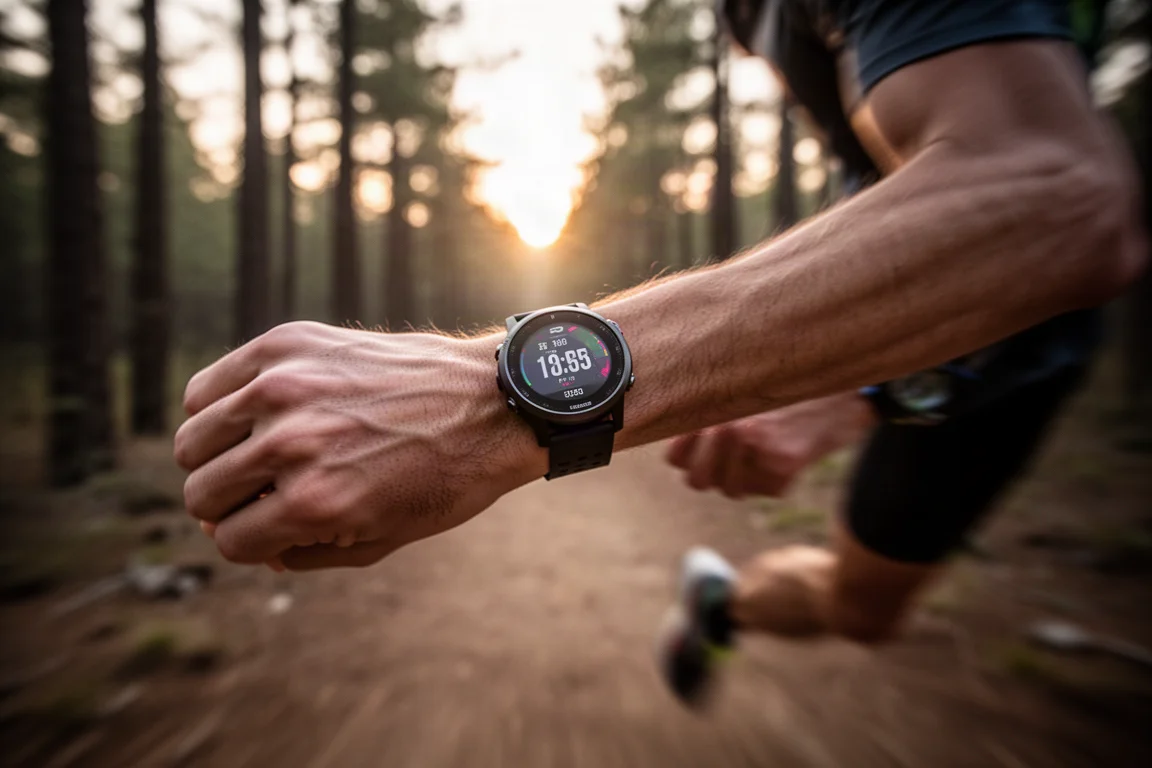
The Forerunner 970 is aimed at serious runners who want accurate tracking, deep training analysis, and reliable navigation in a package that is still comfortable to wear all day. If you train for marathons or ultras, care about the quality of your GPS and heart rate data, and want guidance on how your body is responding to a training block, this watch is built for you.
It is less relevant if you simply want basic run tracking on a budget, or if you need a smaller watch, because there is only one case size available.
Key Specs and Design
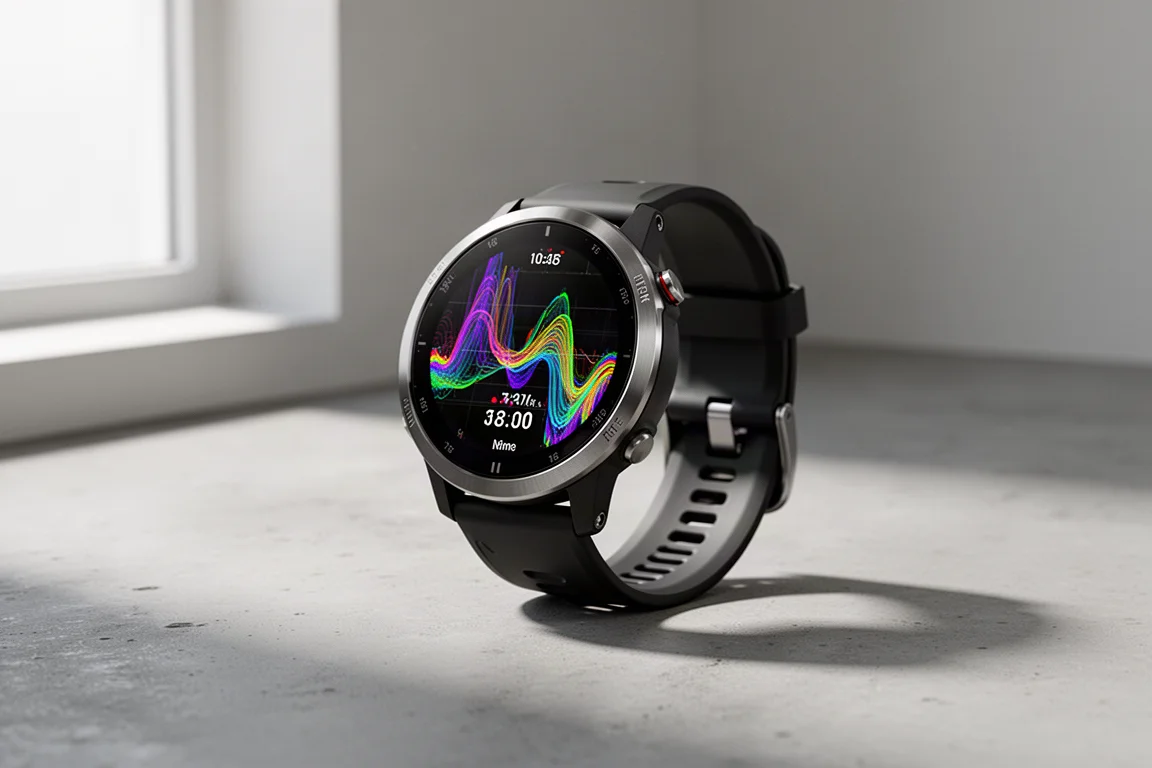
The Forerunner 970 comes in three colors: classic black, white, and a gray-purplish option, in a single 47mm case size. The case is polymer with a titanium bezel rather than the more metallic construction of the Fenix range. A major upgrade over the previous Forerunner 965 is the sapphire crystal display, paired with a bright 1.4-inch AMOLED screen that is noticeably easier to read in all conditions.
The watch is just 12.9mm thick and weighs 56g, with a 5 ATM waterproof rating. On top of the case sits a built-in LED flashlight, and the watch also carries a speaker and microphone. Sensors include a barometric altimeter, pulse oximeter, Garmin’s Elevate Gen 5 optical heart rate sensor, and a multiband GPS chipset.
Battery life is rated at up to 8 days with the always-on display, 15 days with raise-to-wake, and up to 21 hours of multiband GPS tracking.
Everyday Wearability and Design
The design is one of the strongest reasons to pick the Forerunner 970 over a Fenix 8 or Fenix 8 Pro. It is lightweight, thin, and genuinely comfortable to wear around the clock, which matters when a watch stays on your wrist for months. The lighter build suits slimmer wrists better than the chunkier metal Fenix watches, while still feeling durable.
The sapphire crystal display has proven itself in daily use. After six months of near-constant wear, the screen shows no marks at all, which is a meaningful improvement given how easily the glass screen on the Forerunner 965 picked up scratches. The only visible wear after all this time is some very minor scuffing on the bezel that does not detract from the overall look.
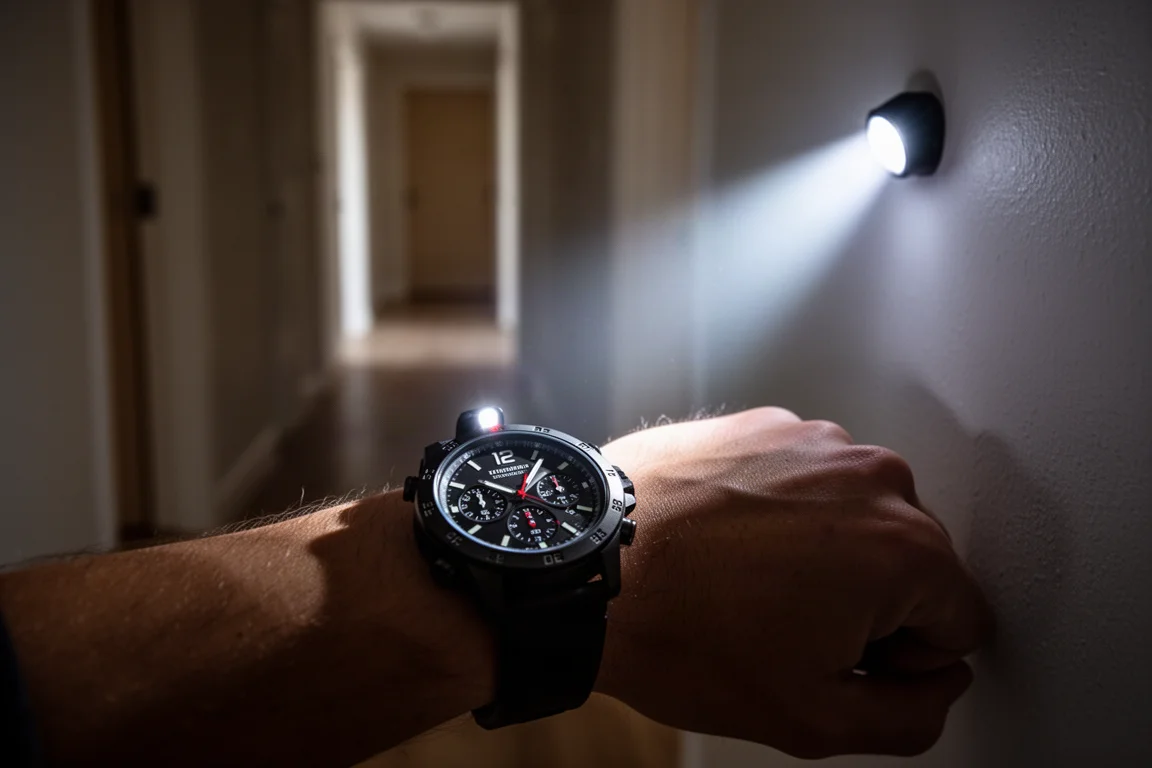
The built-in flashlight is another feature that sounded like a gimmick but turned out genuinely useful. It is one of the brightest LED flashlights on any watch, handy for early gym trips, dark runs, and even everyday tasks around the house.
A quick note on straps: an inexpensive nylon band suits the watch well, and good options are widely available online at low cost.
GPS and Heart Rate Accuracy
Accuracy is the reason this watch stays on the wrist. Over roughly 1,600 miles of running, including many races, there was not a single occasion where the GPS track looked clearly wrong. Checked both on its own and against other watches, the multiband GPS tracking is consistently among the best available.
A concrete example: an official race distance of 55.9 miles was logged at 56.41 miles despite plenty of weaving through the course, and within 0.05 miles of a Fenix 8 worn at the same time.
Heart rate tracking from the Elevate Gen 5 optical sensor is also solid. It does not always match a chest strap exactly, but it is reliable enough to power Garmin’s training insights, and pairing the HRM 600 chest strap adds even more precision when you want it. For most runs, the optical data alone is good enough.

Training Analysis and Insights
Garmin’s suite of training, recovery, and fitness insights remains ahead of the competition in both breadth and presentation. There is an enormous amount of data on this watch, and at first it can feel overwhelming, but the real strength is how Garmin packages raw data into readable guidance.
The standout is the running tolerance stat, which estimates how much distance and intensity your body can theoretically handle. It has been genuinely useful for managing weekly mileage and knowing when to ease off, especially when trying to catch up after a light week. The endurance score and VO2 Max are useful for watching your body respond to a training block over time, and hill score is a nice bonus when trips involve lots of elevation.
Not every metric earns its place. Running economy barely moved over six months despite setting personal bests across most distances, and step speed loss showed little meaningful variation either. Both of these also require an external chest strap, and neither is worth buying extra hardware for.
Software updates since launch have added value too. The new battery widget shows exactly what is draining power, which revealed that the phone connection was using more battery than expected. A sports scores widget for following favorite teams is a pleasant extra. As a current flagship, the watch is receiving useful updates regularly.
Battery Life and Performance
Battery life is the biggest compromise. With heavy daily training and smartwatch features in use, expect to charge roughly every four to five days, and faster with lots of GPS. Dulling the display and using raise-to-wake and battery saver settings helps stretch it further. It is still a step down from the Forerunner 965 and well behind the Fenix or Enduro lines, partly because of the brighter AMOLED display and the extra features packed in.
There is one surprising caveat in the watch’s favor: during a roughly 22-hour 100-mile race, it used only about 60% of the battery. That is double what a Fenix 8 consumed, but it means the 970 can now cover some ultras, potentially up to around a 30-hour 100-miler, even if events like a 48-hour UTMB are out of reach.
Performance is generally smooth, though there is noticeable lag in places. Saving a long run can take 15 to 30 seconds before stats appear, and map panning loads slower than on some rivals. An occasional bug also appeared in later months where the real-time metrics screen would vanish mid-run after using navigation or music features and randomly reappear several minutes later. The merged single-screen interface for tracking and smartwatch features also divides opinion and may not suit everyone.
Buying Advice
Compared with the Fenix 8 and Fenix 8 Pro, the Forerunner 970 is lighter, slimmer, significantly cheaper, and, with the sapphire display and built-in flashlight, no longer gives up much in durability or practicality. The only real reason to step up to a Fenix 8 Pro is if you need its LTE and satellite connectivity.
Against the Forerunner 965, the 970 brings meaningful upgrades in durability, the flashlight, and newer training analysis like running tolerance, which makes it a worthwhile premium step up if those features matter to you. On pure value, though, the 965 remains the smarter buy if you can find a deal.
The Forerunner 570 covers core sports tracking at a lower price but drops maps, deeper training analysis, and the tougher display. The Venu X1 is attractively thin and light, but lacks multiband GPS and battery life. Against the Apple Watch Ultra 3, the 970 is the more reliable and lighter running watch, with stronger training analysis and native navigation, even if Apple offers more smart features.
Conclusion
After six months, the Forerunner 970 remains the best running watch on the market for those prepared to spend premium money. It combines a rich feature set, excellent bright display, best-in-class GPS tracking, and dependable heart rate accuracy in a lightweight design that is more wearable than any Fenix, all backed by the strongest training analysis suite in the category.
The battery life trade-off and the occasional lag are real but manageable. The biggest compliment is simple: even while testing many rival watches, this one keeps going back on the wrist. For runners who want the best of everything without the bulk, it is the one to buy.
Product link
View more details for Garmin Forerunner 970
This product is mentioned in the review. Check the specifications, options, and compatibility before buying.
View more details for Garmin Forerunner 970Further reading
Related Reviews
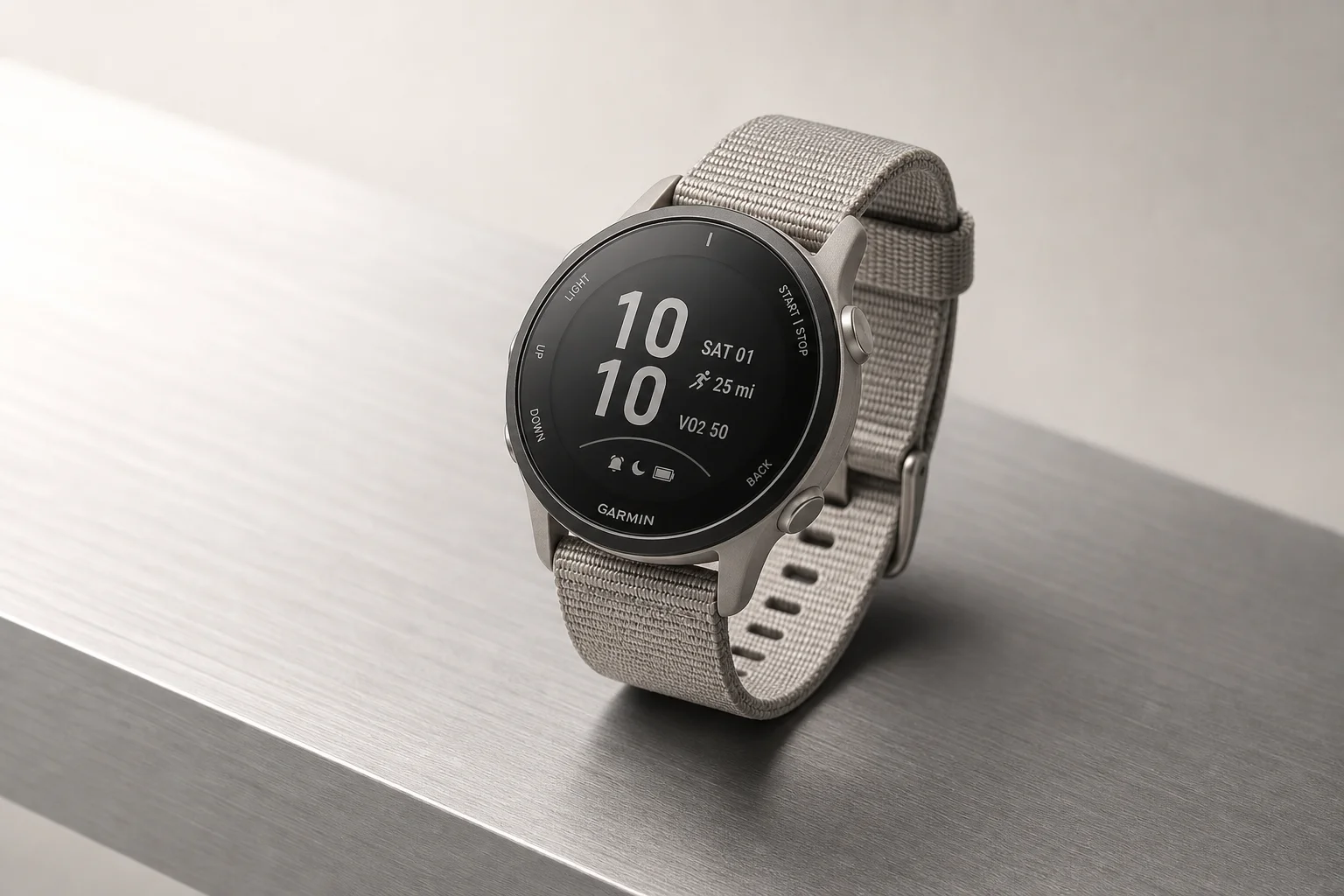
Running Watches
Coros Pace 3 Running Watch Review: Why Software Matters More Than Specs
The Coros Pace 3 prioritizes runner-focused design and intelligent software over expensive hardware. Here's why it outperforms watches that cost twice as much.
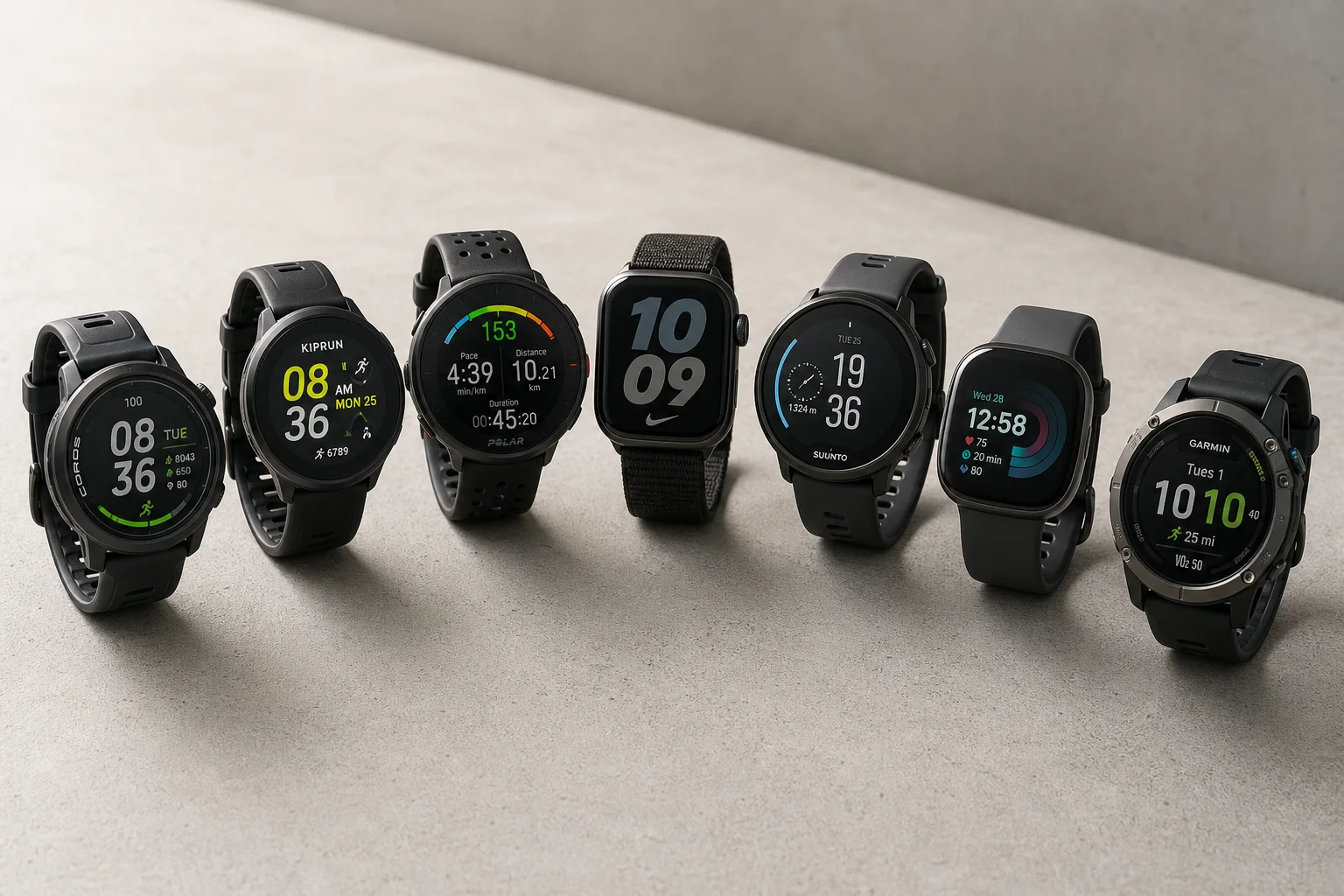
Running Watches
GPS Running Watch Accuracy Test: Seven Watches Compared Across Urban, Trail, and Race Conditions
We tested seven popular running watches from major brands in three different environments to find out which delivers the most accurate GPS tracking for distance and pace.
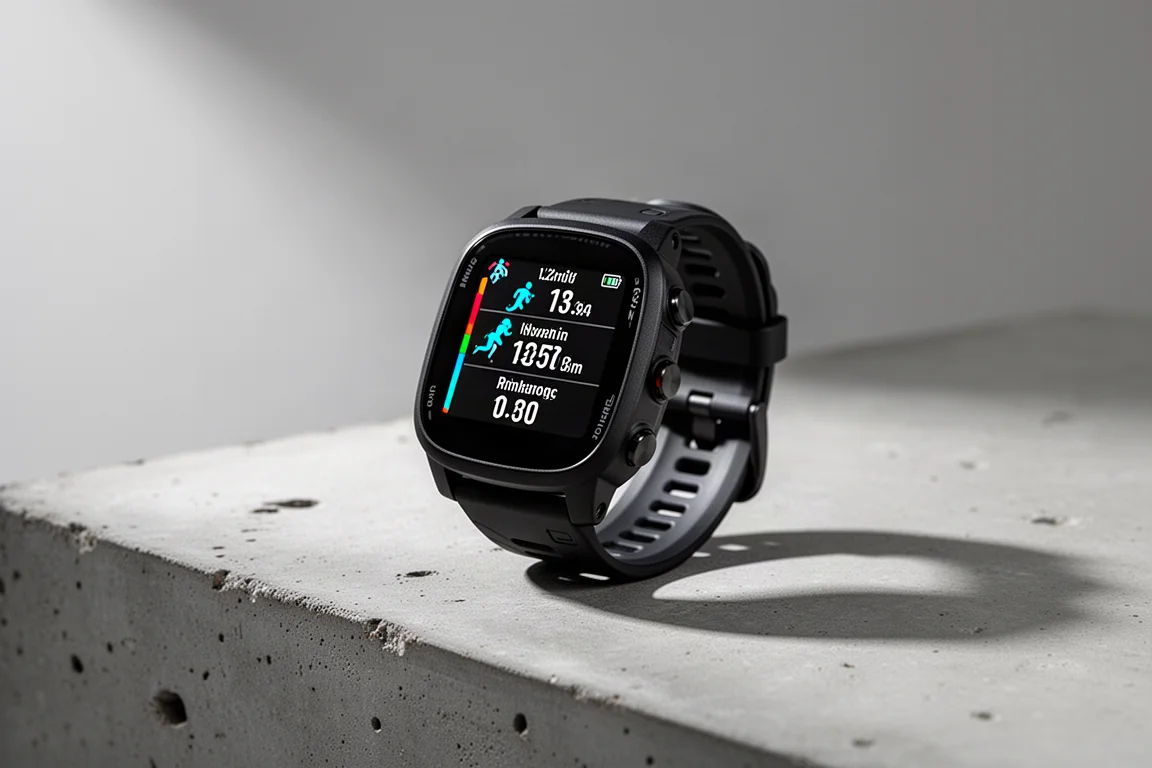
Running Watches
Garmin Forerunner 70 Review: Garmin's Cheapest Forerunner Is More Capable Than You'd Expect
The new entry-level Forerunner 70 brings an AMOLED screen, a fresh interface, and real training analysis for £219/$249, with a few trade-offs to weigh before buying.