Running Watches
Garmin Forerunner 970, 570, and HRM 600: What's New and Who Each One Is For
Garmin's new flagship Forerunner 970, the mid-range Forerunner 570, and the rechargeable HRM 600 heart rate strap compared at a glance.
Introduction
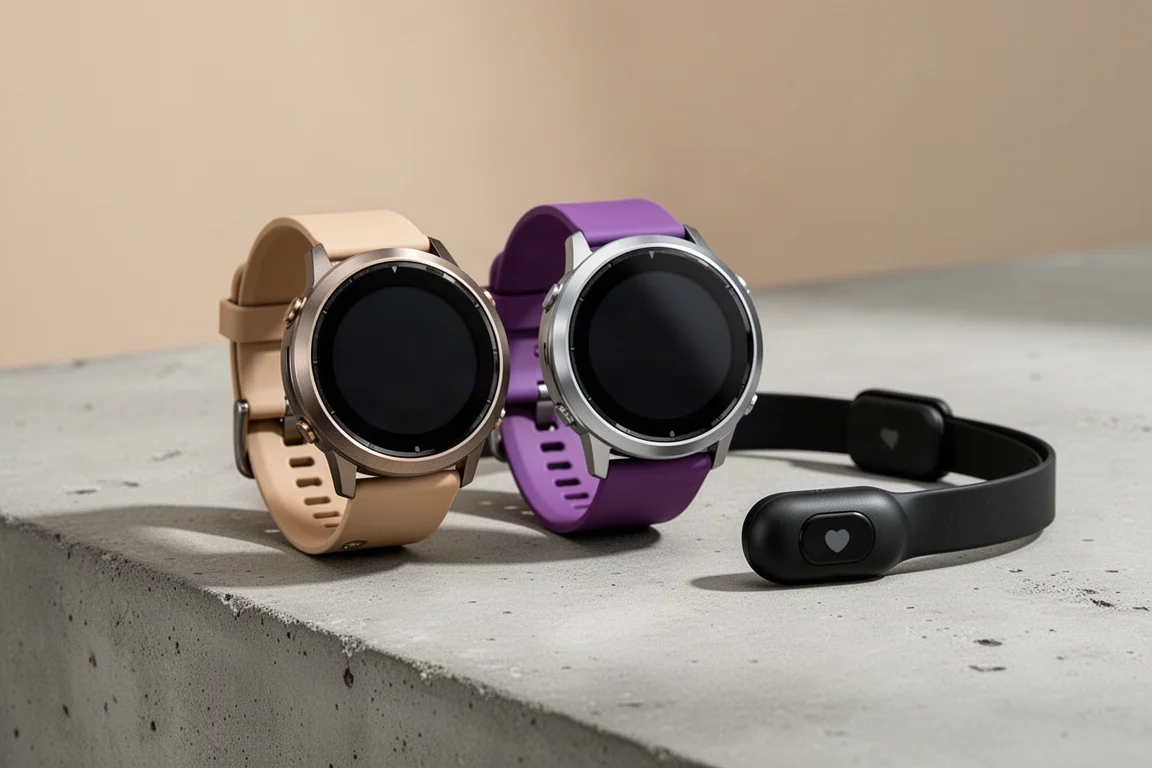
Garmin’s latest Forerunner launch covers three products at once: the new flagship Forerunner 970, the long-awaited Forerunner 570 as the successor to the 265, and a new high-end heart rate strap, the HRM 600. Together they form a coherent update across the lineup, from a watch that now sits very close to the Fenix 8, to a mid-range model with a bigger, brighter display, to a strap that finally ditches coin batteries. Here is what each one adds, where each falls short, and who each makes sense for.
Garmin Forerunner 970: The New Flagship
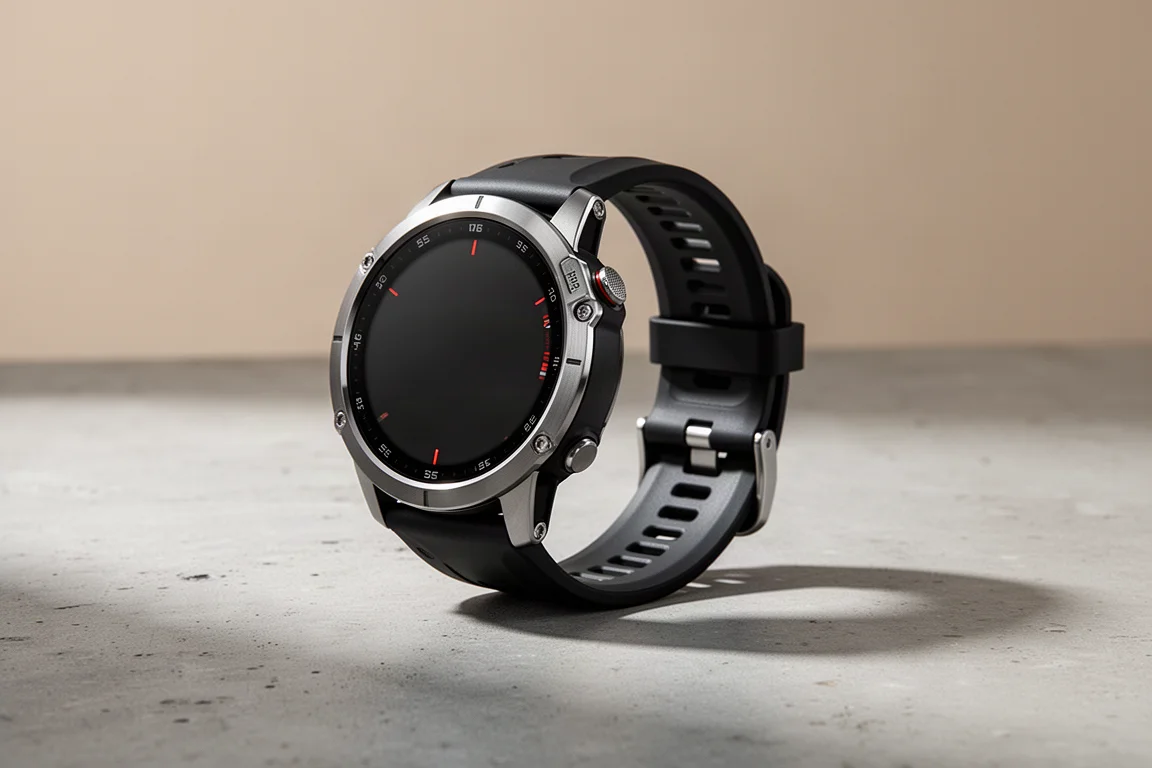
The Forerunner 970 replaces the popular 965 at the top of the lineup, and it borrows heavily from the Fenix family. You get a titanium bezel, the sensor guard accent introduced with the Fenix 8, and three colorways: black, white, and a soft gold titanium version. The case stays around 47mm like the 965, but it is actually thinner at 12.9mm, which is surprising given everything packed in.
The display is the same large 1.4-inch AMOLED touchscreen as the 965, still Garmin’s largest, but the cover glass is the big change. The 965 paired its titanium bezel with Gorilla Glass, an odd mismatch; the 970 finally adds a sapphire lens, which is far more scratch resistant. Inside, the watch also gains Garmin’s fifth-generation heart rate sensor with ECG capability in certain regions. Beyond the medically certified ECG, the Gen 5 sensor promises better accuracy than the Gen 4 sensor in the 965, especially for hard-to-track activities like weight training, HIIT, and activities with quick heart rate changes, and it adds skin temperature tracking during sleep.
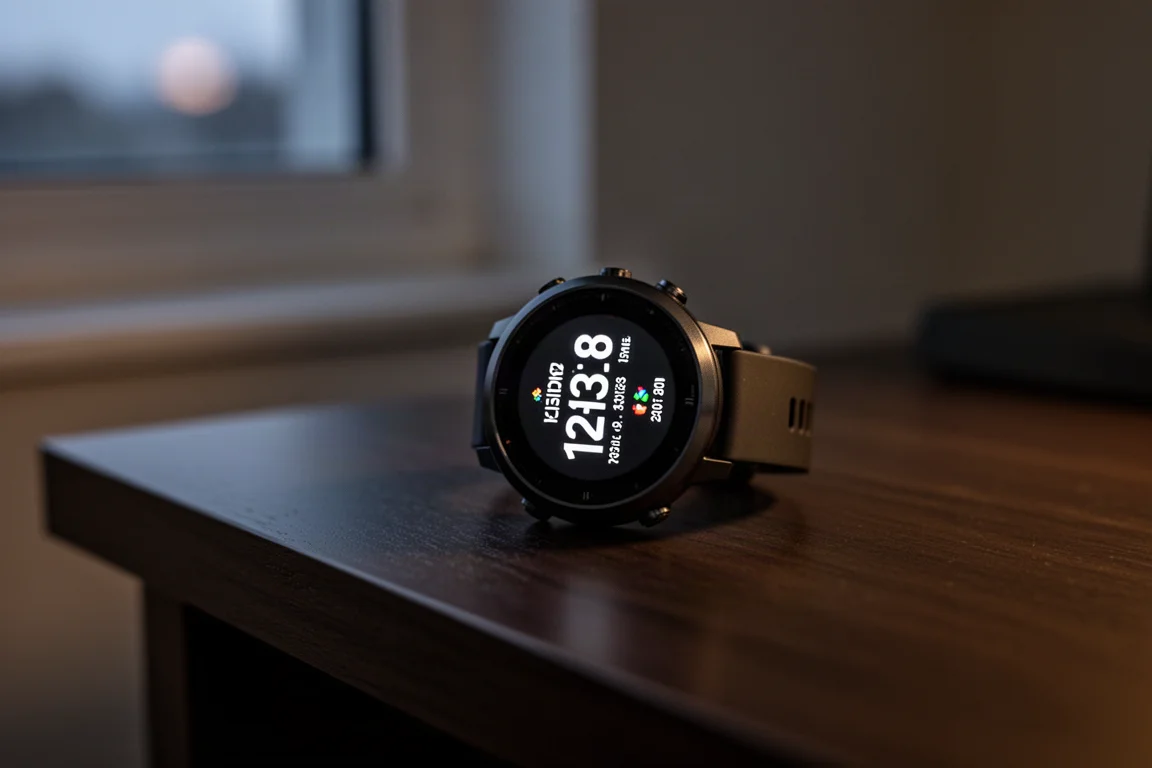
Two features round out the flagship feel. First, the 970 gets a dedicated LED flashlight, carried over from the Fenix, Enduro, and Instinct lines. It is one of those features that is hard to appreciate until you have it: night runs, bike safety, walking the dog, getting up in the middle of the night. Second, there is a speaker and microphone like the Fenix 8, enabling nicer interface tones, taking calls on the watch when your phone is in Bluetooth range, playing preloaded music through the speaker, calling your preferred voice assistant, and voice commands for timers and alarms. Note that there is no built-in cellular, so calls still require your phone nearby.
Battery life takes a slight hit: up to 15 days in smartwatch mode without the always-on display, down from over 20 days on the 965. Always-on display use typically cuts that down substantially, likely to somewhere around five to seven days, though exact figures have not been confirmed. Interestingly, outdoor activity battery in the highest-accuracy multiband GPS mode is slightly better than before, so the trade-off is mostly on the daily-use side. The weight is also slightly higher than the 965, likely due to the sapphire lens and flashlight, but those extra grams buy real durability and utility.
For training, the 970 supports offline music from services like Spotify and Amazon Music with Bluetooth headphones or through its own speaker, plus a new Evening Report that suggests how much sleep you may need based on your health metrics and workouts, with reminders for the next day’s sessions. Paired with the new HRM 600, it collects new advanced running dynamics: Running Tolerance, which assesses how each run impacts your body and recommends a maximum weekly mileage; Running Economy, which measures energy efficiency; and Step Speed Loss, which estimates how much you slow down each time your foot strikes the ground. There are also new Garmin Coach triathlon training plans and custom multisport workouts in Garmin Connect.
The verdict on positioning is simple: this is essentially a baby Fenix. You get the Gen 5 heart rate sensor with ECG, offline maps, a titanium bezel, and a flashlight, in a smaller and lighter package than a Fenix, without the full metal construction. If you want a great-looking multisport watch with those two standout utility features rather than maximum ruggedness, the 970 hits a sweet spot.
Garmin Forerunner 570: The Mid-Range Update
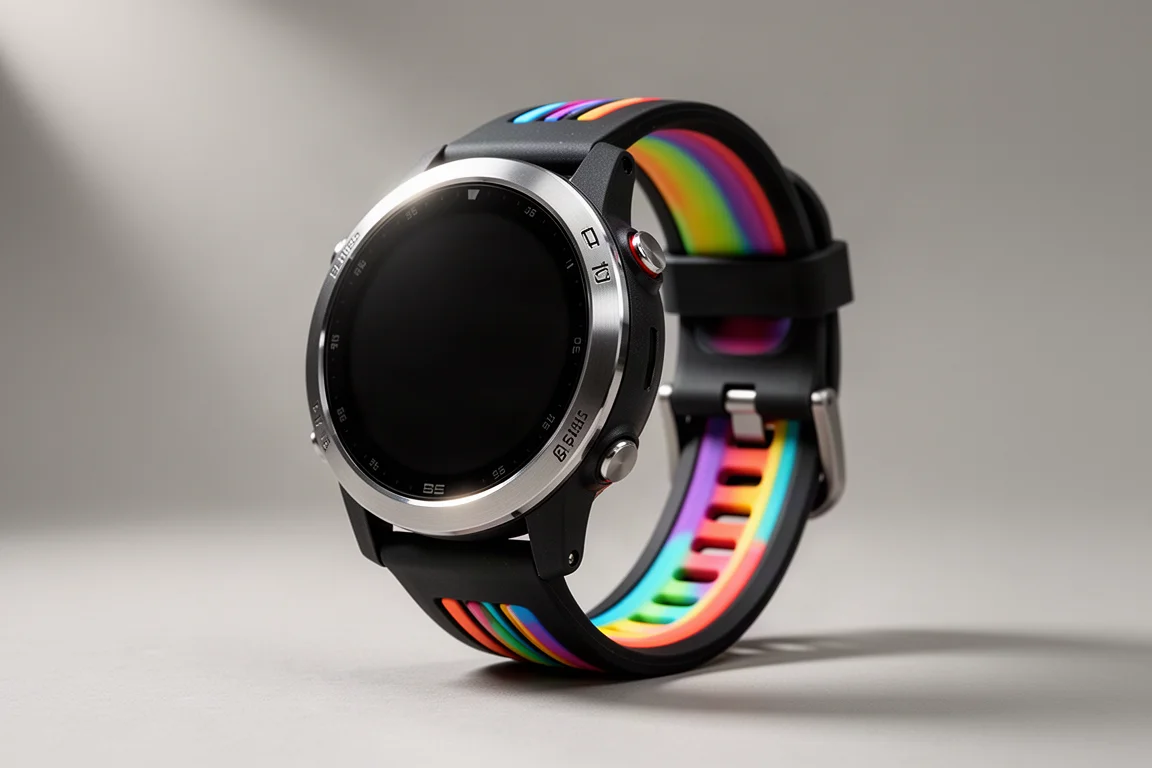
The Forerunner 570 is the successor to the 265, and it is a substantial update rather than a placeholder. It runs $549, comes in a wide range of colors including a very appealing purple, and is offered in two sizes: 42mm and 47mm, both slightly larger cases than the 265 and 265S.
Displays get a real bump. The 47mm model moves to a 1.4-inch touchscreen, the same size as the 970 and up from 1.3 inches, while the 42mm model goes from 1.1 inches to 1.2 inches. Both are noticeably brighter than the previous generation, even though Garmin does not publish exact brightness figures. Materials improve too, with an aluminum bezel replacing the 265’s plastic one.

The 570 also inherits the speaker and microphone from the 970, with the same functions: calls when your phone is in Bluetooth range, voice commands, and music playback. There is no cellular here either. Offline music support covers the same streaming services, and the watch has 8 GB of storage for songs and podcasts, though that storage is not used for maps because the 570 does not have map capability. That is the clearest line in the sand between it and the 970, though at $549 some buyers may expect maps, especially since older devices offered them at lower prices.
Heart rate tracking gets the fifth-generation sensor, including the improved accuracy and skin temperature tracking during sleep, but not ECG. ECG is one of those features where if you need it, you really need it; if you do not, you will likely never use it. The 570 also includes the new Evening Report, works with the new Garmin Coach triathlon plans, and supports custom multisport workouts. Notably absent across the new Forerunners is any MIP or transflective display option like the 955 had, which appears to be a thing of the past for this series.
Garmin HRM 600: The New High-End Heart Rate Strap
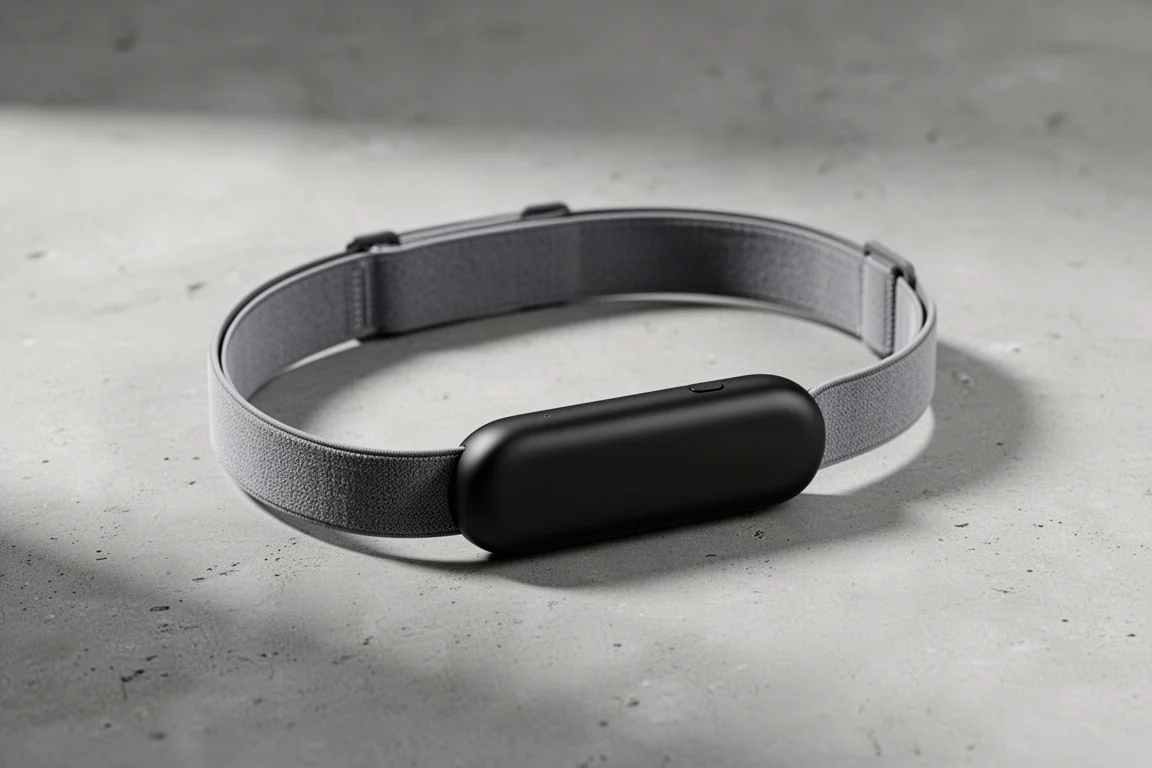
The HRM 600 is the new version of the HRM Pro Plus, and its headline change is a rechargeable battery using the same Garmin charging port as most of their watches. Garmin claims up to two months of use per charge at about an hour per day. It also adopts the secure strap connection type introduced with the HRM 200, gains a detachable pod where the Pro Plus had an attached one, and adds LED lights that indicate whether it is awake, transmitting, and roughly how much battery remains.
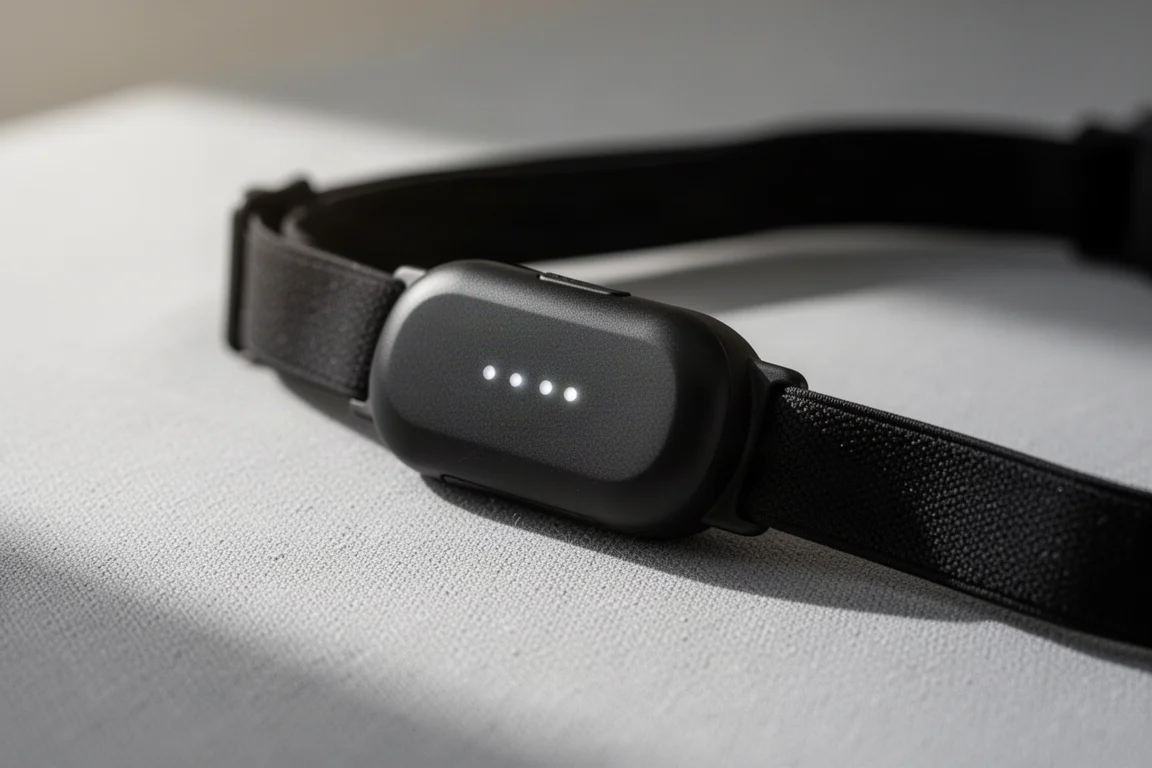
Beyond heart rate, the strap unlocks advanced features on compatible Garmin watches. It collects additional running dynamics beyond what the watches can measure on their own, provides more accurate speed and distance for indoor running, and can store heart rate data on the strap itself for sports like swimming, or sports where you cannot wear a watch at all, such as mixed martial arts.
The catch is price: $169, a notable bump over the roughly $129 HRM Pro Plus, which was already a very capable strap. The rechargeable battery, new attachment system, and extra running dynamics are what you are paying for. If those specific upgrades matter to your training, the premium is easier to justify; if not, the older strap remains a strong option.
Which One Should You Buy?
If you want the closest thing to a Fenix in a lighter, better-looking package, the Forerunner 970 is the clear pick: sapphire lens, ECG-capable Gen 5 sensor, flashlight, speaker and microphone, offline maps, and the new running dynamics when paired with the HRM 600. Accept the drop to about 15 days of smartwatch battery as the cost of those additions.
If you are upgrading from a 265 or want most of the modern experience for less, the Forerunner 570 at $549 delivers a bigger, brighter display, an aluminum bezel, the Gen 5 sensor without ECG, offline music, and the new coaching features. Just decide upfront whether maps matter to you, because that is what you give up.
The HRM 600 makes sense for runners who want the new advanced running metrics, more accurate indoor pace, or strap-based heart rate storage for swimming, and who value a rechargeable battery enough to pay the premium over the HRM Pro Plus.

Conclusion
This launch rounds out the Forerunner family nicely: a flagship that finally closes the gap to the Fenix line, a mid-range watch with meaningful hardware upgrades, and a heart rate strap that modernizes a long-standing favorite. Whether the battery trade-off on the 970 or the missing maps on the 570 bother you will come down to how you actually train, but each product now has a clearly defined role in the lineup.
Further reading
Related Reviews
Running Watches
Coros Pace 3 Running Watch Review: Why Software Matters More Than Specs
The Coros Pace 3 prioritizes runner-focused design and intelligent software over expensive hardware. Here's why it outperforms watches that cost twice as much.
Running Watches
GPS Running Watch Accuracy Test: Seven Watches Compared Across Urban, Trail, and Race Conditions
We tested seven popular running watches from major brands in three different environments to find out which delivers the most accurate GPS tracking for distance and pace.
Running Watches
Garmin Forerunner 70 Review: Garmin's Cheapest Forerunner Is More Capable Than You'd Expect
The new entry-level Forerunner 70 brings an AMOLED screen, a fresh interface, and real training analysis for £219/$249, with a few trade-offs to weigh before buying.