Running Watches
Garmin Forerunner 965 vs Apple Watch Ultra: Which One Should Runners Buy?
Two of the best GPS running watches compared for design, tracking accuracy, training analysis, maps, battery life, and everyday smartwatch use.
Introduction
The Garmin Forerunner 965 and the Apple Watch Ultra are two flagship watches that runners keep comparing, and for good reason. Both offer dual-band GPS, bright color touchscreens, titanium design elements, and genuinely strong run tracking. But they come at the problem from different directions: Garmin builds from sports tracking outward, while Apple builds from the smartwatch experience outward. After living with both, the differences are clear enough to make a confident choice depending on what you value most.
Design and Display
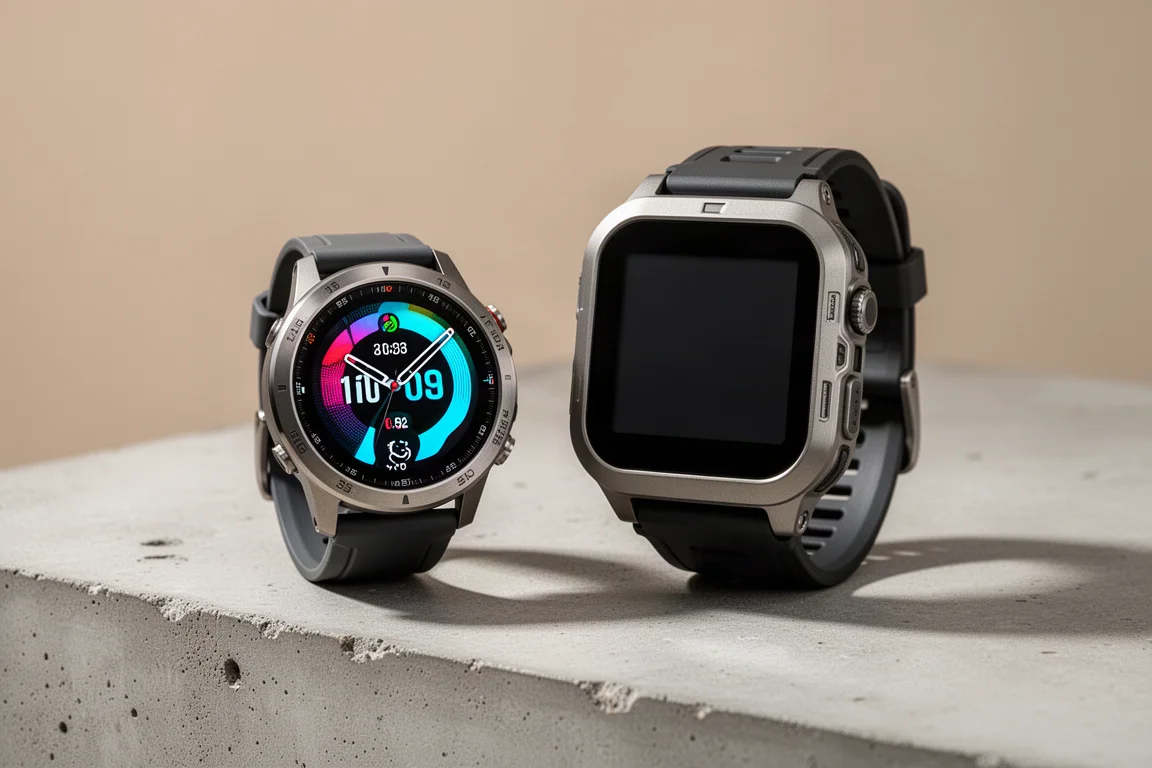
The most obvious difference is shape: the Forerunner 965 has a round case, while the Apple Watch Ultra is square with softer corners. The Ultra is both thicker and heavier than the 965, and both watches offer removable straps and official strap options. The Garmin sticks to a familiar layout of physical buttons, while the Ultra adds an extra action button over previous Apple Watches, though it can be easy to press accidentally if left enabled. Titanium appears in both designs to give them a more premium feel.
Both screens are color touchscreens. The 965 uses an AMOLED panel with an always-on option and a reliable raise-to-wake gesture. The Ultra uses Apple’s large LTPO retina display, which can also stay on and is more power efficient than earlier Apple Watch screens. Both offer similar levels of waterproofing, so wearing them in the shower or for swimming is not an issue.
Overall, the 965 is the sleeker, lighter watch that sits comfortably on the wrist with an almost barely-there feel, while the Ultra leans into a rugged, outdoor-focused look.
Running and GPS Tracking
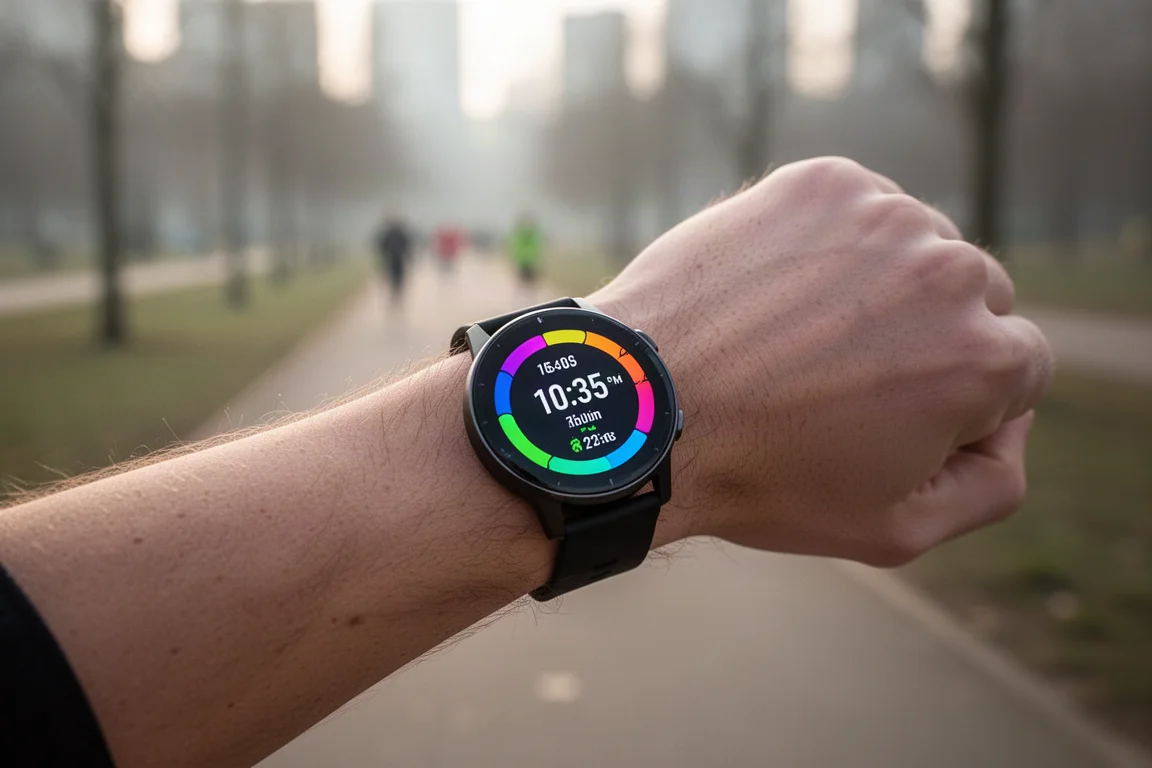
Both watches carry a version of dual-band GPS. Garmin calls it multi-band or multi-frequency positioning, and Apple calls it Precision Start. The goal is the same: better positioning accuracy near tall buildings and in deep forested areas. In practice, both deliver top-tier GPS accuracy thanks to these modes.
Both also support interval and general workout creation, wrist-based advanced running dynamics, and optical heart rate sensors. Garmin uses its Elevate heart rate technology, while Apple brings its latest generation of optical heart rate monitoring. Both watches can pair with external chest straps, and that is worth doing if you want the most accurate heart rate data. Optical tracking is good on both, but there are enough occasional errors that a chest strap is the safer choice for feeding accurate data into training analysis.
One nuance: Apple also blends pedometer data into distance, which helps in cities or tunnels but can reduce accuracy in some open conditions. Turning that off and using GPS-focused third-party apps can improve results. As a pure GPS accuracy comparison, it is close to a wash.

Where they separate is depth. Garmin’s native sports tracking is far more detailed, with extensive stats and customization built in. The Apple Watch Ultra has improved a lot with recent watchOS updates and a very good structured workout builder, and third-party apps like WorkOutdoors can bring it close to Garmin-level detail. Still, Garmin edges the native experience.
Training Analysis
This is the clearest advantage for the Forerunner 965. Garmin offers training readiness, training status, Garmin Coach, race predictors and widgets, morning reports, and detailed post-run insights that genuinely help shape your training. The training readiness stat in particular is an easy, color-coded read on how ready you are to train, combining sleep and heart rate variability.
The Apple Watch Ultra gives you cardio fitness estimates, essentially VO2 max, out of the box, but richer analysis requires third-party apps that do not reach Garmin’s depth. If structured guidance matters to you, the 965 is the clear winner here.
Maps and Navigation
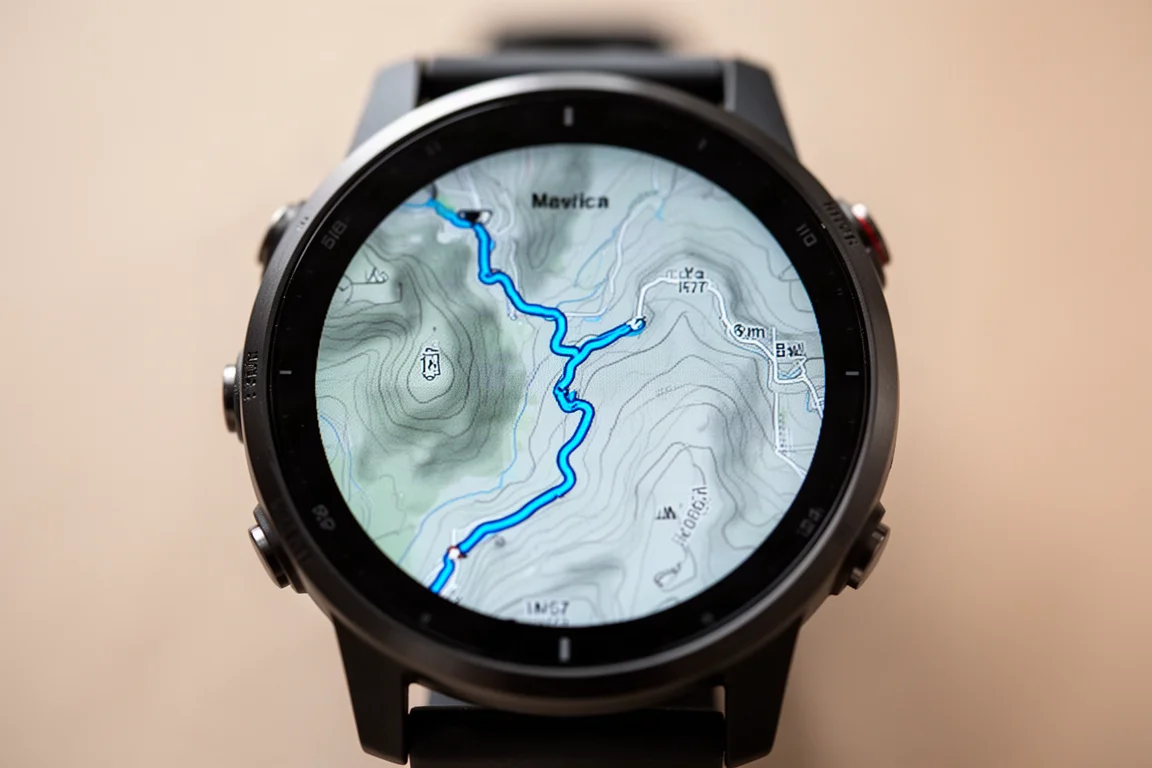
The Forerunner 965 comes with full maps preloaded and available out of the box. Navigation during runs and other activities is clear, maps are bright on the AMOLED screen, and loading routes, creating them on the watch, and backtracking all work natively. It is arguably the best mapping experience available on a running watch.
The Apple Watch Ultra relies on third-party apps such as WorkOutdoors or Footpath for rich mapping. Those apps deliver an impressive experience with features like backtracking, but you pay extra for them, and navigation is not fully linked into the sports tracking experience. Garmin wins on value and integration here.
Battery Life
The Forerunner 965 is impressive for an AMOLED Garmin. With the always-on display enabled and around 80 to 90 km of running per week, it lasted six to seven days per charge. Switch to gesture-based raise to wake and you can get a couple of weeks. The Apple Watch Ultra delivers about two days, which is reliable, even covering a marathon with battery to spare, and its low power mode can push things further.
On paper and in daily use, the 965 offers considerably more battery life in smartwatch mode and in GPS modes, including with the always-on display active. The Ultra is a massive improvement over previous Apple Watches, but if staying away from a charger matters, Garmin has the edge.
Smartwatch Experience
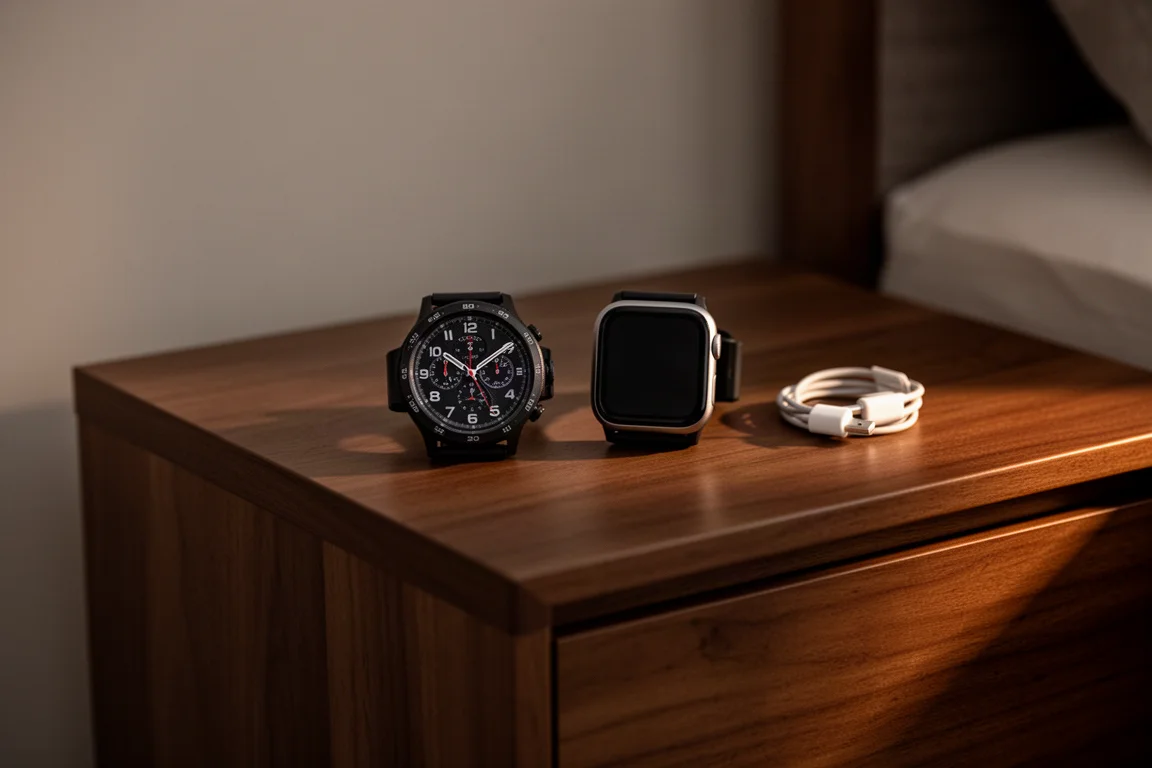
Here the Apple Watch Ultra is the winner. It delivers notifications, Apple Pay, music controls, and a rich App Store experience that is simply more polished than Garmin’s Connect IQ store, which offers data fields, widgets, apps, and watch faces. Siri is also available on the Ultra, while Garmin watches have no dedicated voice assistant.
The important catch: the Apple Watch Ultra only works with iPhone. The Forerunner 965 works with both Android and iOS. If you are an Android user, the decision is made for you. On iPhone, the Ultra’s integration of everyday features is noticeably smoother than what the 965 manages, even though Garmin covers the basics well.
Which One Should You Buy?
If your priority is sports tracking depth, training analysis, built-in maps, and battery life, the Garmin Forerunner 965 is the stronger all-round pick. It is also the cheaper of the two watches. If you want the best smartwatch experience, a bigger app ecosystem, and very capable run tracking in a rugged design, the Apple Watch Ultra is a massive step up from previous Apple Watches and a legitimate running companion.
Conclusion
Both watches are excellent and either can serve a runner well. But taken as a whole, the Forerunner 965 wins in more areas that matter to runners: better training analysis, native mapping, longer battery life, and a lighter, more comfortable design, all at a lower price. The Apple Watch Ultra remains the smarter watch and a big improvement for Apple, but for most runners focused on training, the 965 is the pick.
Product link
View more details for Garmin Forerunner 965
This product is mentioned in the review. Check the specifications, options, and compatibility before buying.
View more details for Garmin Forerunner 965Further reading
Related Reviews
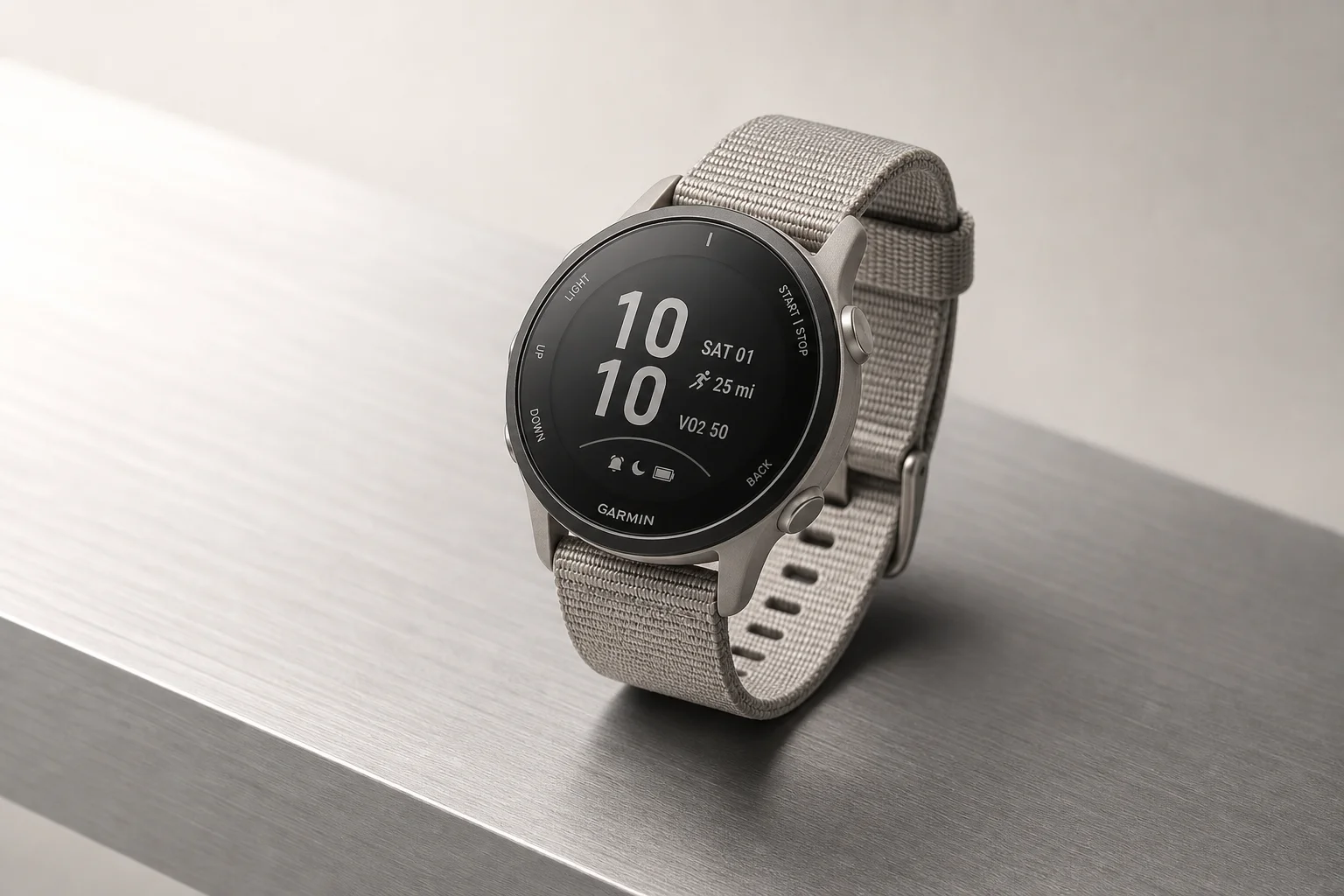
Running Watches
Coros Pace 3 Running Watch Review: Why Software Matters More Than Specs
The Coros Pace 3 prioritizes runner-focused design and intelligent software over expensive hardware. Here's why it outperforms watches that cost twice as much.
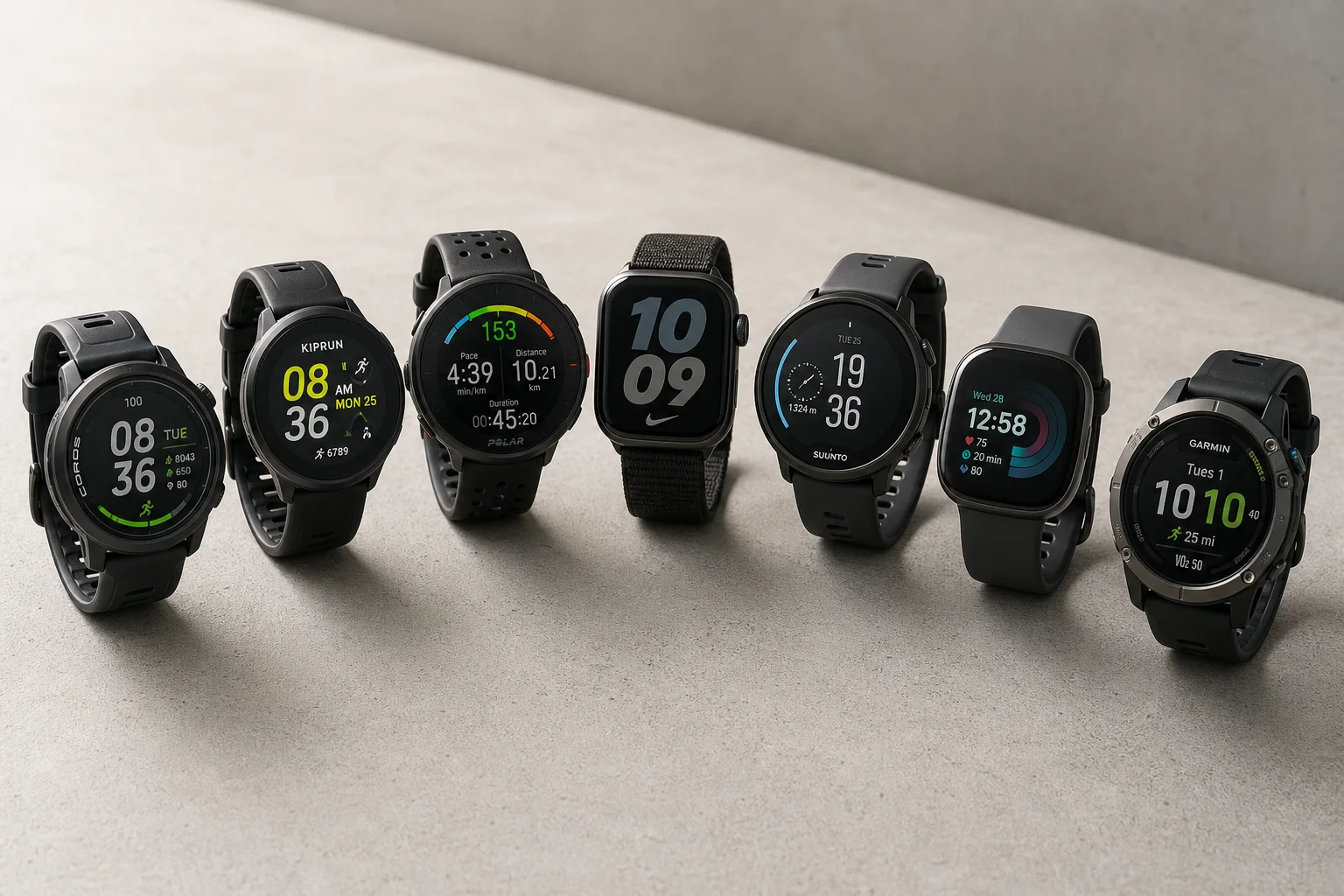
Running Watches
GPS Running Watch Accuracy Test: Seven Watches Compared Across Urban, Trail, and Race Conditions
We tested seven popular running watches from major brands in three different environments to find out which delivers the most accurate GPS tracking for distance and pace.
Running Watches
Garmin Forerunner 70 Review: Garmin's Cheapest Forerunner Is More Capable Than You'd Expect
The new entry-level Forerunner 70 brings an AMOLED screen, a fresh interface, and real training analysis for £219/$249, with a few trade-offs to weigh before buying.