Running Watches
Garmin Forerunner 945 LTE Review: Full-Color Maps for Runners Who Wander
A month of running with the Garmin Forerunner 945 LTE: daily comfort, training data, recovery analytics, and whether the full-color maps are worth the upgrade.
Introduction
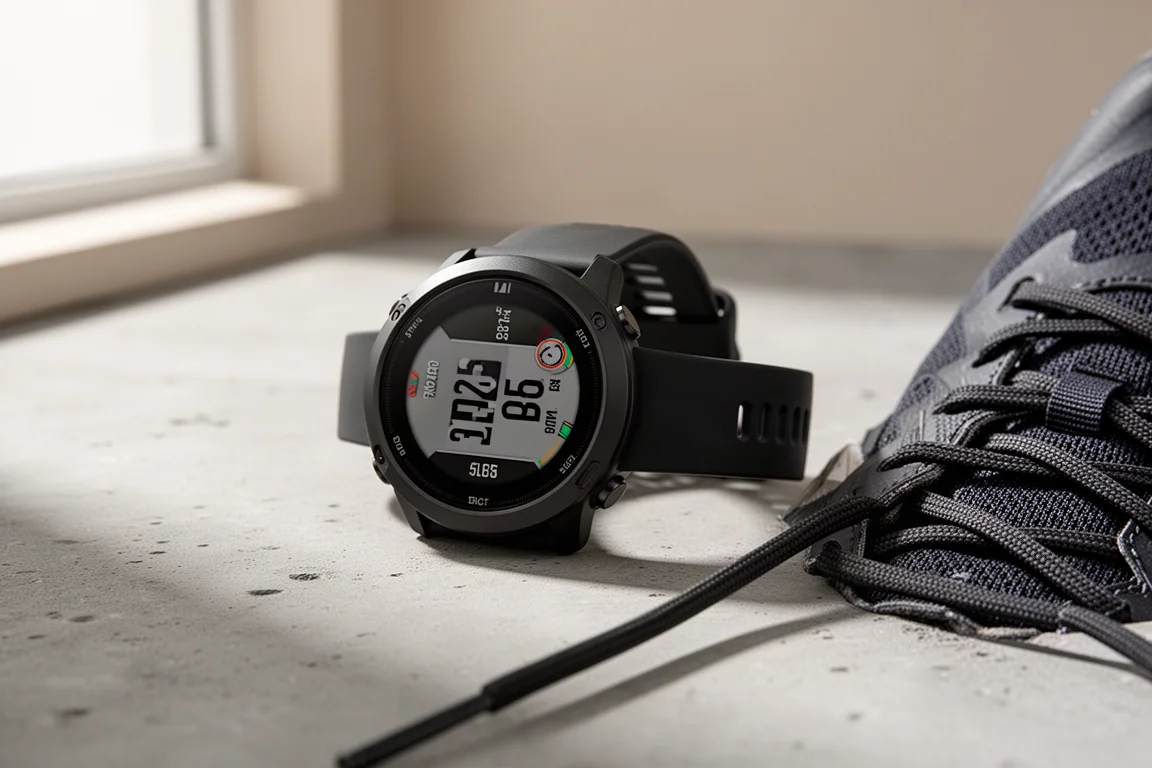
Some watches get bought for specs. The Garmin Forerunner 945 LTE gets bought for one headline feature: full-color onboard maps, something the Forerunner 745 in the same lineup does not offer. Garmin is known for its mapping and navigation technology, so the question is simple: can this watch keep a directionally challenged runner on course?
This review breaks down a month of real-world running with the watch across four angles: daily wearability, the metrics it collects during activities, the analytics available afterwards, and the mapping experience that is the main reason to consider it over the 745.
Daily Use: Comfort, Battery, and Display
Living with the Forerunner 945 LTE day to day is genuinely pleasant. The silicone band is flexible and soft against the skin, easily one of the more comfortable straps found on GPS running watches. The watch body itself weighs 49 g, so it stays unobtrusive even on long runs and all-day wear.
The display is a sunlight-visible transflective memory-in-pixel screen. Think of it like an e-ink reader when you are looking at numbers and text, with a bright, vivid presentation when color or maps are on screen. Battery life is okay rather than remarkable in real-world use: expect around 5 to 6 days between charges before topping up feels necessary.

Overall, the watch looks and feels great, and it slots seamlessly into everyday life alongside running, trail outings, occasional cycling, and swimming.
Metrics and Sensors: What You Can Collect
The sensor package is extensive: GPS, GLONASS, and Galileo satellite support, plus a barometric altimeter, heart rate sensor, Bluetooth, ANT+, Wi-Fi, and an LTE radio. In practice, GPS tracing is accurate enough to rely on for pace and distance, though tall buildings in dense urban areas can make tracking a little wonky.
Runners who need more accuracy, whether in city canyons or rural terrain with steep walls, can pair a foot pod such as the Stryd, which works with the 945 LTE for GPS-independent pace and distance plus power data. Pairing takes a few extra steps through a separate app from the Garmin Connect store, but it only needs to be done once.
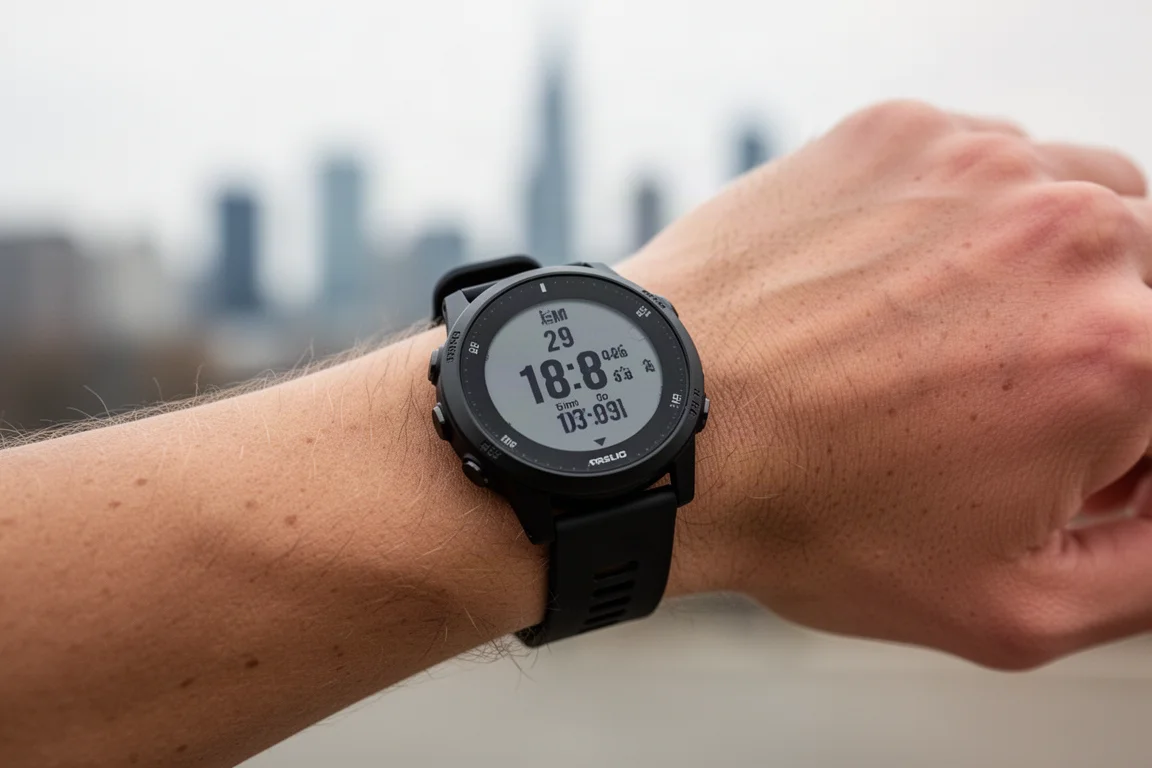
On heart rate, the wrist-based optical sensor did not hold up through full runs, spiking after the first 20 minutes or so. An external heart rate monitor from a different brand paired without any problem. The one recurring annoyance: it was not always obvious whether the foot pod or heart rate strap had actually synced before starting an activity, which occasionally left blanks in power data.
Note that the LTE radio is not an Apple Watch-style experience. You cannot send or receive texts or make calls, and while Spotify or Apple Music playlists can be downloaded to the watch, streaming does not run over LTE. Most LTE features are safety-oriented. Also keep in mind there is a regular Forerunner 945 and this 945 LTE variant.
One standout is the barometric altimeter. Instead of estimating elevation from GPS positions and lookup tables, the watch takes its own measurements, and elevation gain and loss felt noticeably more accurate than comparable watches from other brands.
Analytics: Training Load, Recovery, and Sleep
After the run, the data is laid out in a concise, readable way. Structured workouts work particularly well: the watch guides you through each segment, telling you when to push, how hard, and when to rest, and the post-workout breakdown makes it easy to judge performance at both a glance and in detail. Race analysis is similarly adequate, with splits, altitude changes, and power numbers all reviewable, including during the LA Marathon.
On recovery, the watch tracks sleep with deep, REM, and light sleep stages plus interruptions and total duration, all useful. What it does less well is translating that into a clear readiness signal. Body Battery offers a general summary, but there is no easy way to dig into heart rate variability, beat-to-beat interval, or respiration rate during sleep.

Performance Condition is another interesting-but-limited metric. It combines heart rate, pace, and other data and delivers a score roughly a couple thirds of a mile into a run: a negative number suggesting an easy day, a positive one suggesting you feel good. In practice it mostly validated what was already known rather than changing any training decisions.
Mapping: The Headline Feature
The full-color maps are why this watch exists above the 745. For any activity, you can add a data screen showing the map, and with GPS plus the onboard compass the watch knows exactly where you are and which direction you are headed, even without a preloaded route. It can surface nearby points of interest and guide you home with breadcrumbs if you are truly lost.
For planned trail runs, courses created in Strava or elsewhere can be loaded onto the watch. During navigation, the screen shows the course name, a directional arrow, remaining course distance, and how far off course you currently are. What it did not show during testing was your position on the surrounding full map, more of a breadcrumb-style view than an interactive atlas.
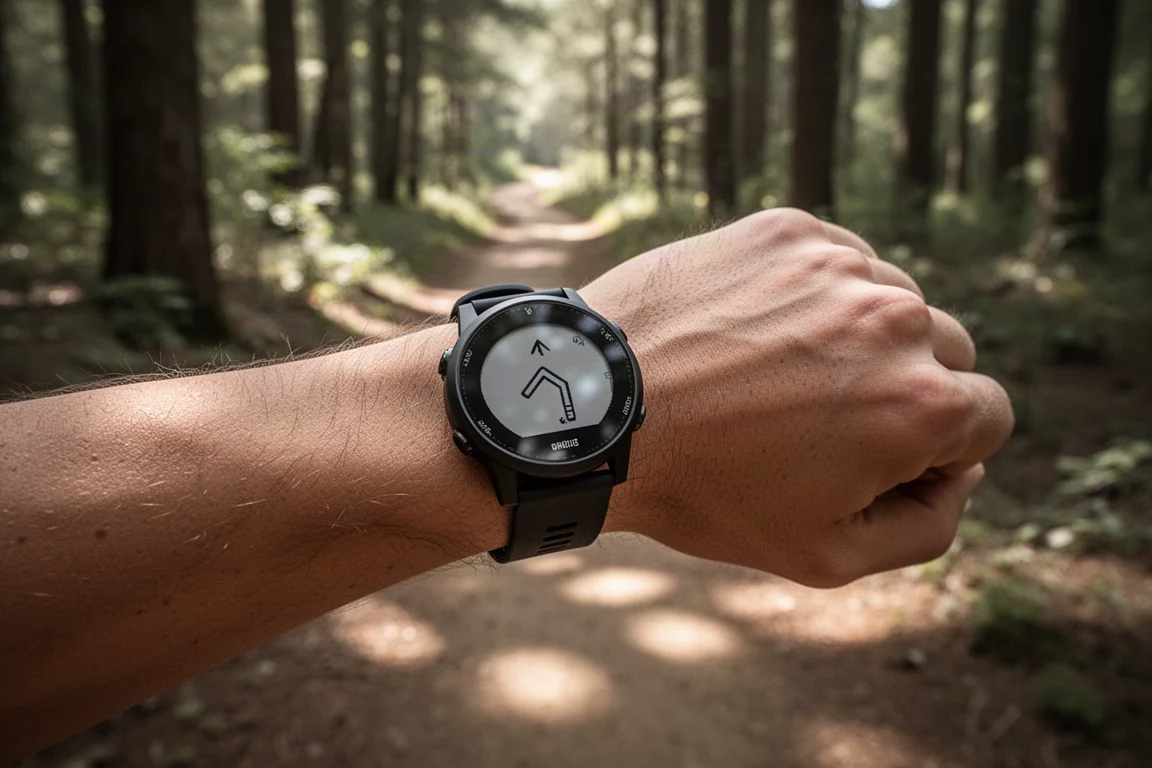
The good news: navigation worked. Across test runs in Washington D.C. before the Cherry Blossom 10 Mile and in Backbone State Park in Eastern Iowa, wrong turns were flagged quickly enough to backtrack and rejoin the course, with turn notifications arriving early enough to plan ahead. No other watch’s mapping software has done a better job of preventing getting lost. Mission accomplished.
The hesitation: digging through menus to pull up and zoom the full-color map is frustrating, especially mid-run on a trail. At that point, stopping to fumble with a small screen competes badly with simply pulling out a phone with a bigger map. For non-race runs where a pack is already on, there is always room for a phone.
Buying Advice
The honest takeaway: the Forerunner 745 will probably suffice for most runners considering the 945. The full-color maps are genuinely excellent at keeping you on a preloaded course, but the interactive map experience on the wrist is awkward enough that a phone may still end up in the pack anyway. If course-following navigation is your priority and you rarely want to stop, the 945 LTE delivers. If not, save the difference.
Conclusion
After a month of running and trying to get lost, the Garmin Forerunner 945 LTE is comfortable, lightweight, sensor-rich, and backed by strong training analytics. Its mapping genuinely prevented wrong turns better than any watch tested. But whether you need the LTE variant and its color maps over the standard 945 or the 745 depends entirely on how much you value on-wrist navigation during runs.
Product link
View more details for Garmin Forerunner 945 LTE
This product is mentioned in the review. Check the specifications, options, and compatibility before buying.
View more details for Garmin Forerunner 945 LTEFurther reading
Related Reviews
Running Watches
Coros Pace 3 Running Watch Review: Why Software Matters More Than Specs
The Coros Pace 3 prioritizes runner-focused design and intelligent software over expensive hardware. Here's why it outperforms watches that cost twice as much.
Running Watches
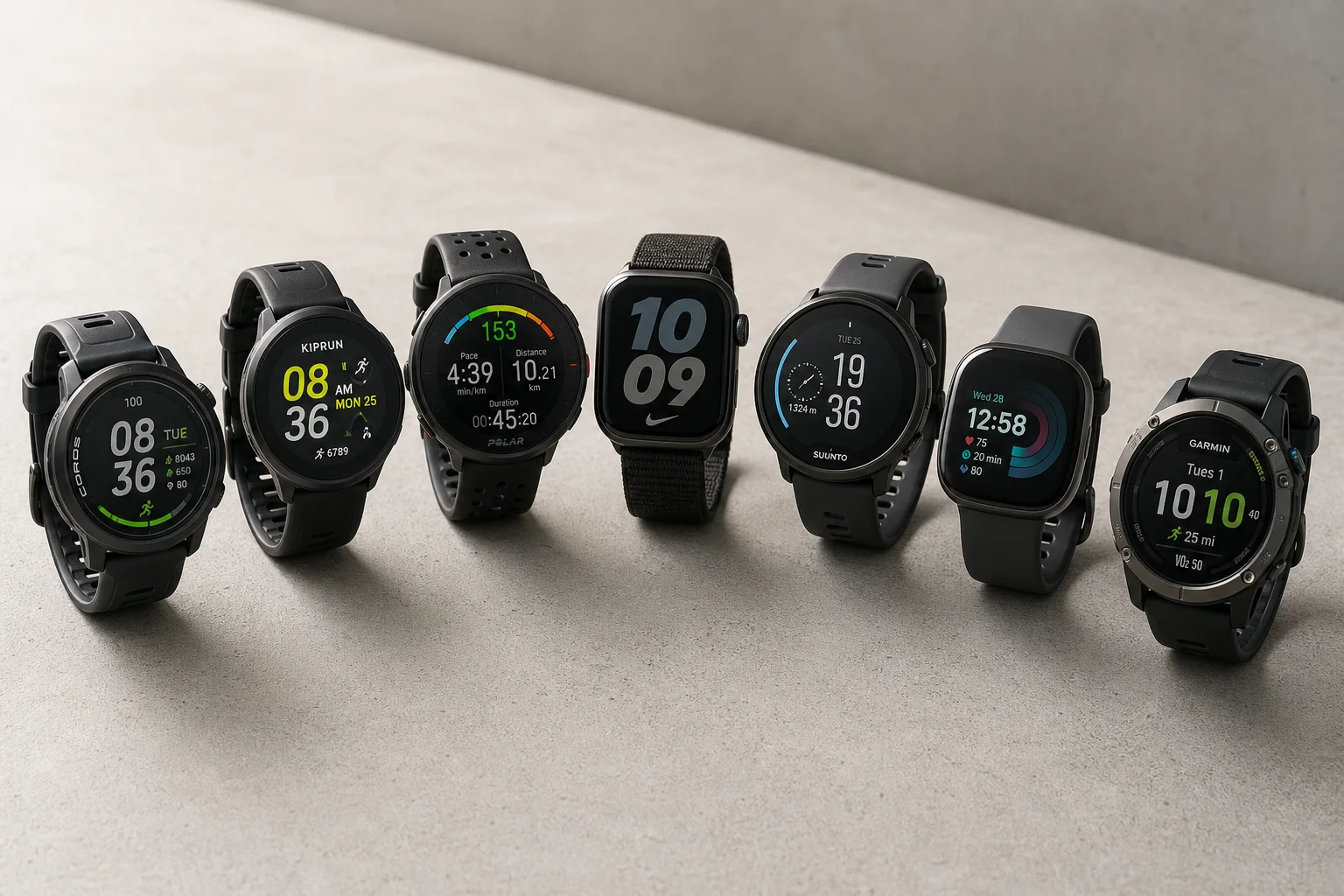
GPS Running Watch Accuracy Test: Seven Watches Compared Across Urban, Trail, and Race Conditions
We tested seven popular running watches from major brands in three different environments to find out which delivers the most accurate GPS tracking for distance and pace.
Running Watches
Garmin Forerunner 70 Review: Garmin's Cheapest Forerunner Is More Capable Than You'd Expect
The new entry-level Forerunner 70 brings an AMOLED screen, a fresh interface, and real training analysis for £219/$249, with a few trade-offs to weigh before buying.