Running Watches
Garmin Forerunner 265 Review: The Mid-Range Forerunner Finally Gets an AMOLED Screen
After a month of testing, the Forerunner 265 proves that a bright AMOLED display, training readiness and accurate GPS can live in one comfortable mid-range sports watch.
Introduction
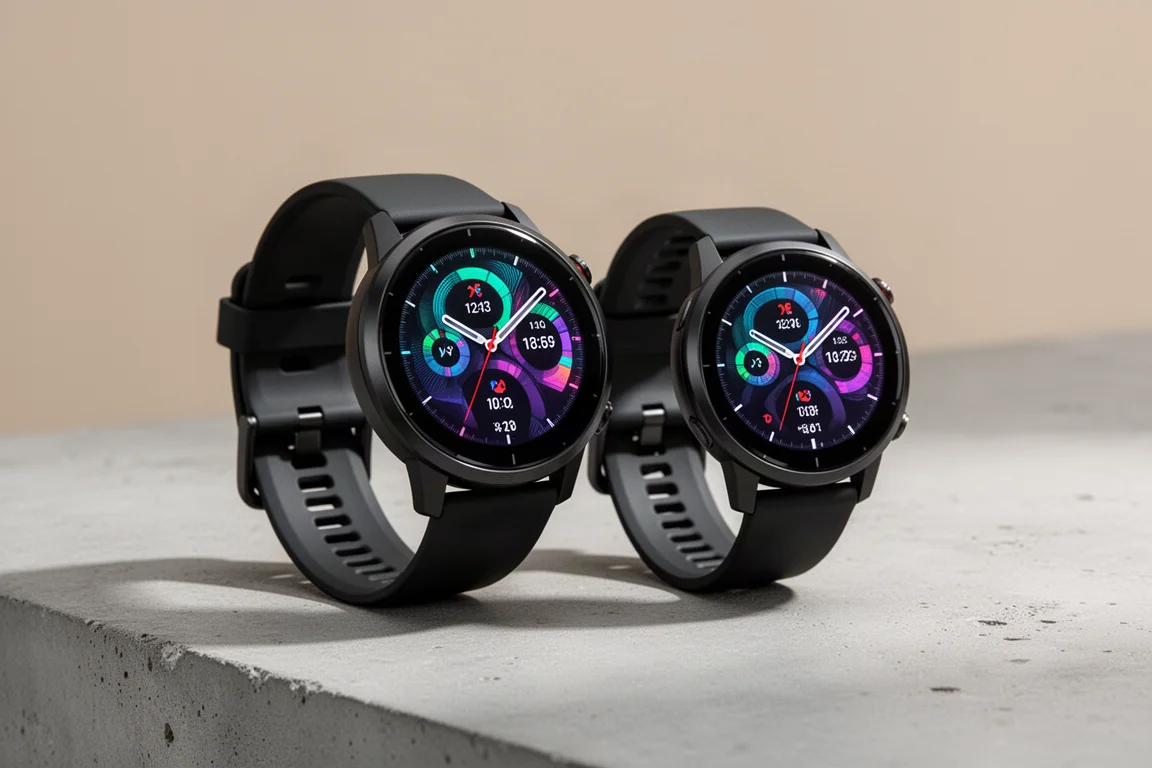
The Garmin Forerunner 265 is the successor to the Forerunner 255 and sits in the middle of Garmin’s Forerunner range. Once a pure running watch line, the Forerunner series has been a full triathlon-capable multi-sport watch since the 255, and the 265 continues that with two sizes: the standard 265 with a 1.3-inch AMOLED screen and the smaller 265s with a 1.1-inch panel. There is no cheaper non-music version anymore; both sizes have onboard music storage.
The price has climbed with this generation. It now sits at £429.99 in the UK or $449.99 in the US, a clear jump from the 255 and a much bigger one from the Forerunner 245. The question is whether the new screen and features justify it. After a month of testing both sizes as a daily watch, the short answer for most runners is yes.
Design and Display
The design is close to the Forerunner 255, with the same slim, lightweight feel and the classic five-button layout, now joined by a responsive touchscreen. The optical heart rate sensor, barometric altimeter and pulse oximeter all carry over, and Garmin has swapped to a USB-C charger at the wall end, while old Garmin charging cables still fit the watch itself.
The headline change is the bright AMOLED display, with similar brightness to what was introduced on the Epix 2. It is easier on the eye than the older transflective memory-in-pixel panel in everyday use, and the touchscreen makes scrolling through menus feel far more like a modern smartwatch. You can also turn the touchscreen off during runs and control everything with the buttons instead.
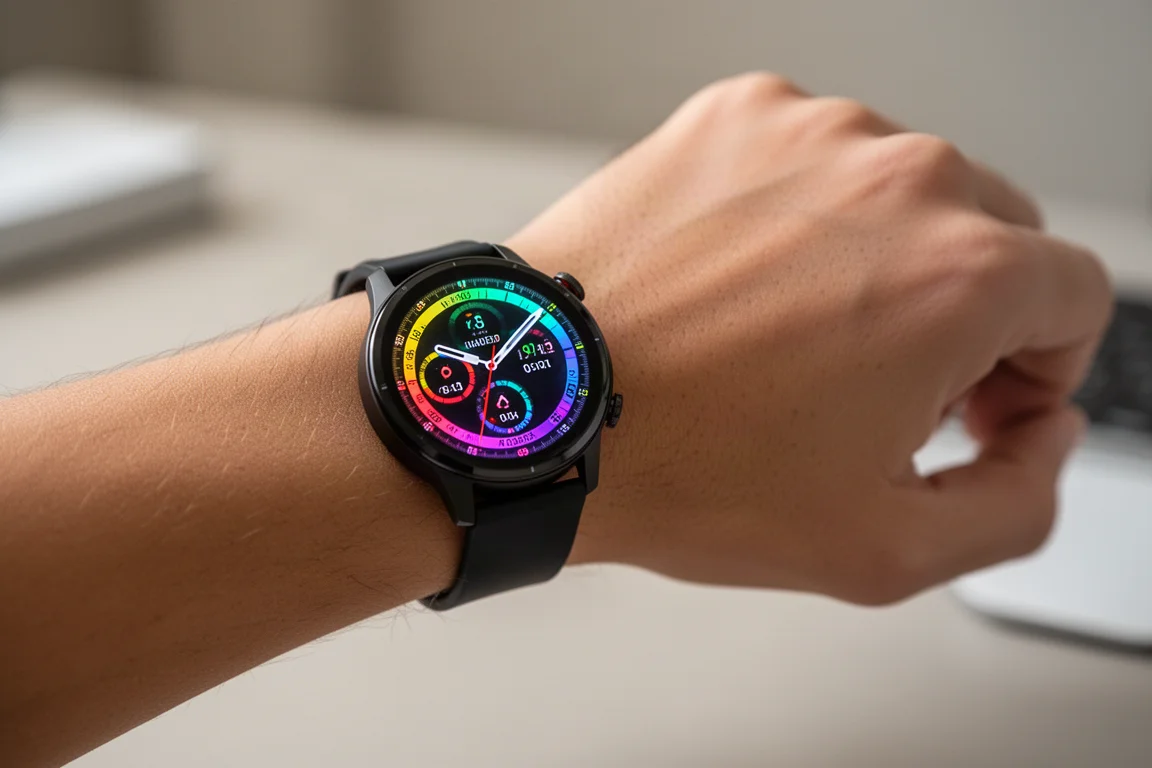
The screen really comes into its own outside of runs, when you are wearing the watch 24/7 as a smartwatch and want a bright, responsive display at a glance. On the run itself, it is bright and readable even in harsh sunlight, but it is not a dramatic upgrade over the older transflective display for in-run data. The larger run button is a genuinely clever touch, making it easy to find start and stop without thinking about which button does what. Straps swap easily with the newer pin system if you want something less sporty for daily wear.
GPS Accuracy
GPS tracking has been consistently accurate during testing, with the multiband mode enabled and the automatic SatIQ mode available if you would rather save some battery. Pacing and distance have stayed consistent on measured courses, and a track session came out clean, with only the occasional small GPS quirk you would find on any watch.
It connects to satellites slightly slower than a Fenix 7, but only by around a minute, and routes have matched a Fenix worn on the other wrist closely. For a watch at this price, the accuracy is exactly what you would expect from Garmin.
Heart Rate Tracking
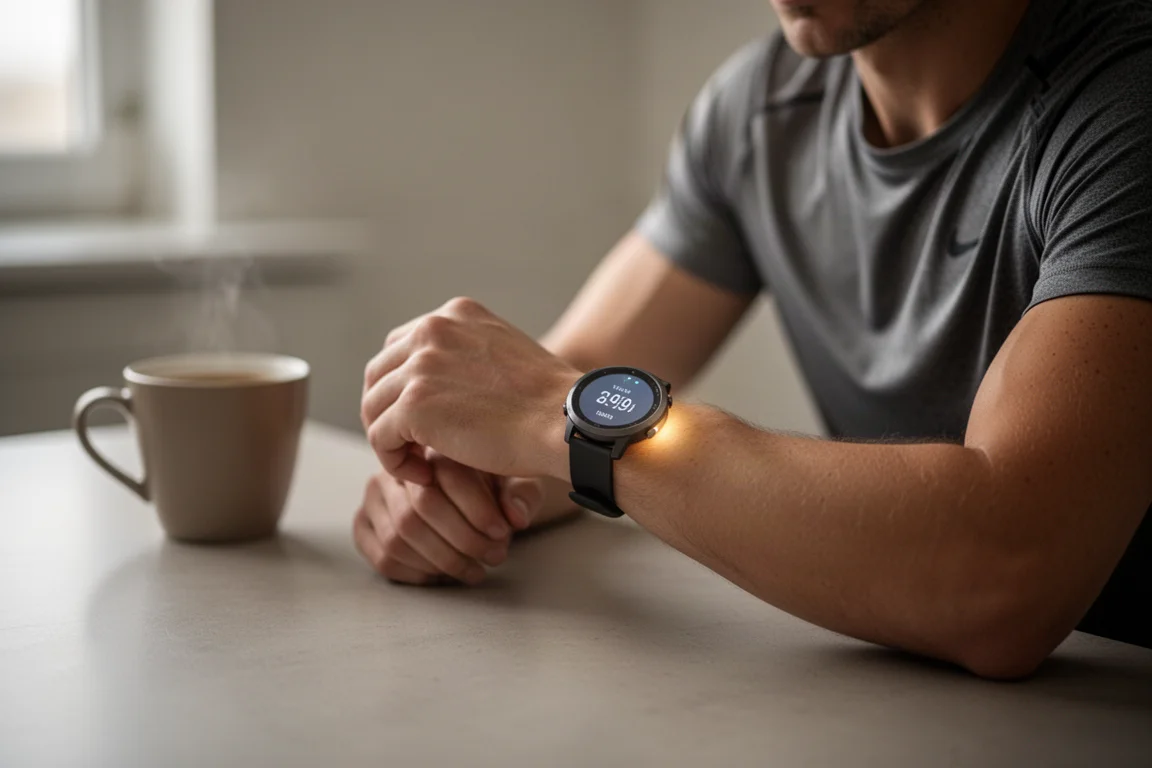
The optical heart rate sensor performs better than average for a wrist-based sensor, and it is good enough to guide heart rate-based training most of the time. Cross-checking against another watch on the opposite wrist showed readings within a beat or two, and the bright screen makes it easy to read your heart rate zone at a glance even in direct sun.
The caveat is that wrist optical sensors all have their quirks. Expect the occasional run where the reading drifts too high on an easy effort or locks onto cadence, which matters if you feed that data into the watch’s training analysis. Pairing a chest strap or armband strap is the safer route if you want the most reliable inputs, though for everyday running the onboard sensor holds up well.
Training Readiness
Training readiness is the standout feature here. It condenses sleep, recent training history, training load and heart rate variability status into one colour-coded number that tells you how ready you are to train. Introduced with the Fenix 7 last year, it skipped the 255 entirely, and it is arguably the biggest reason to step up to the 265.

In practice it tallies well with how you feel and how you actually perform, and when the rating looks low you can dig in and see why, whether it is poor sleep, elevated stress or a heavy training load. To get the best out of it you should wear the watch overnight, which is easy given how comfortable it is, and ideally run with a chest strap for cleaner heart rate data. Alongside readiness you get the usual training status and race predictions, making this a genuinely comprehensive training package for the price.
Battery Life
Garmin rates the 265s at 15 days in smartwatch mode and 24 hours of GPS without music, and the standard 265 sits slightly lower because of its larger screen. Real-world testing landed close to those figures: around a week of use with an hour or more of daily exercise, and four to five days with notifications, always-on display and multiband GPS running constantly, even with over 10K of running per day.
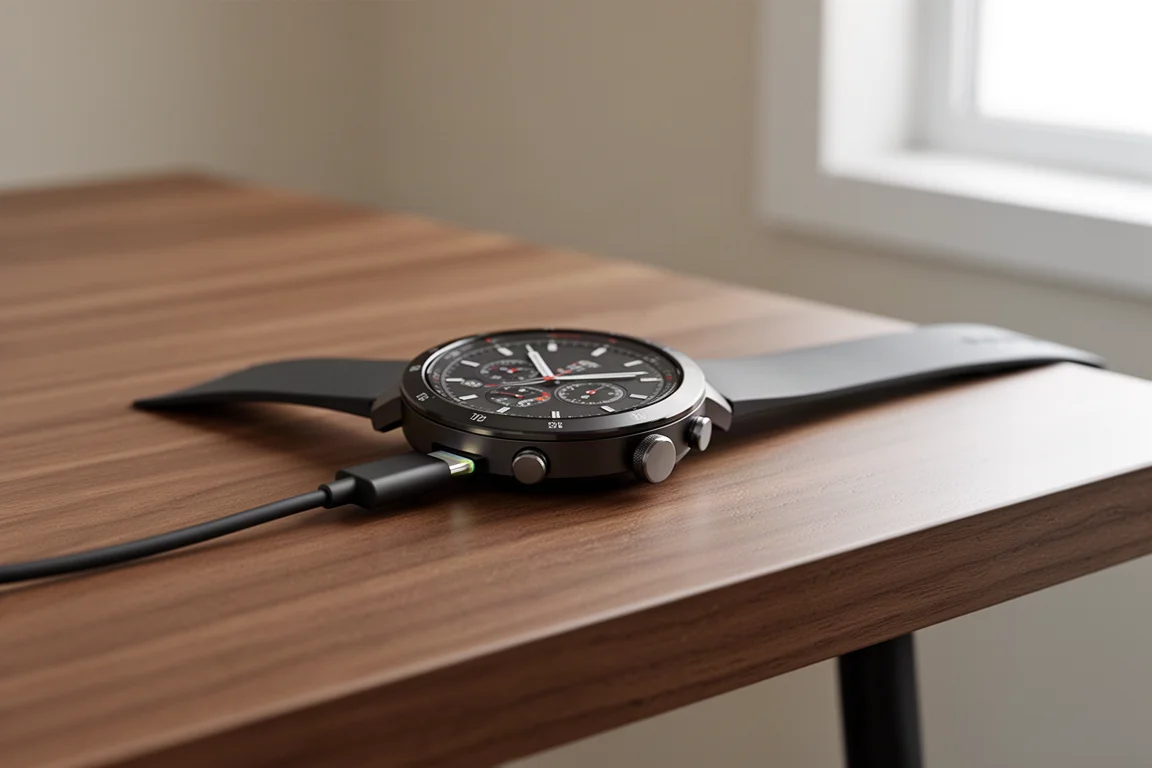
Music playback and constant blood oxygen monitoring will drain it faster, so expect the full picture to depend on how you use it. It is not in the same league as the weeks-long endurance of the Enduro 2 or Fenix 7, but it comfortably beats the one-to-two-day reality of most AMOLED smartwatches, and charging is quick. You can head away for a weekend without packing the charger.
Smart Features
This is not a full smartwatch, and Garmin does not pretend otherwise. You get the Connect IQ app store, notifications, music storage with Spotify support, weather and Garmin Pay for NFC payments, though Garmin Pay is less widely accepted than Google Pay or Apple Pay. Breadcrumb navigation is included, but full maps remain reserved for watches like the Forerunner 965 and above.
Compared with an Apple Watch, it falls short on responding to messages, phone calls and app depth. But that is not what this watch is for. As a training tool it is in a different class, with accurate native tracking and deep training analysis baked in, and it is now priced at a similar point to an Apple Watch, so it is really a question of which kind of device you want on your wrist.
Buying Advice
If you are buying a Garmin today, the 265 is the pick for anyone who wants a bright AMOLED display, training readiness and accurate multi-band GPS in a lightweight mid-range watch. It packs most of what the more expensive Forerunners and Fenix models offer into a smaller, more comfortable package.
If the AMOLED screen and readiness do not matter to you, the Forerunner 255 remains a strong multi-sport watch with multiband GPS, usually available for less, and the Forerunner 245 is an even cheaper pure running option, though it will not receive future software updates. On the other side, the Forerunner 955 gives you maps and better battery life for less than the 265, and the 965 adds maps on an AMOLED screen if navigation is a priority.
Conclusion
The Forerunner 265 is an excellent upgrade over the 255, and the bright AMOLED screen is the change that elevates it into something that feels genuinely premium. The price jump is real, but the combination of the display, training readiness, accurate tracking and all-day comfort makes it the Garmin to buy for most serious runners right now. Outside of Garmin, few sports watches at this price match the package, and the closest competition comes from smartwatches like the Apple Watch, which plays to different strengths. If you want a training watch you can happily wear 24/7, this hits nearly every box.
Product link
View more details for Garmin Forerunner 265
This product is mentioned in the review. Check the specifications, options, and compatibility before buying.
View more details for Garmin Forerunner 265Further reading
Related Reviews
Running Watches
Coros Pace 3 Running Watch Review: Why Software Matters More Than Specs
The Coros Pace 3 prioritizes runner-focused design and intelligent software over expensive hardware. Here's why it outperforms watches that cost twice as much.
Running Watches
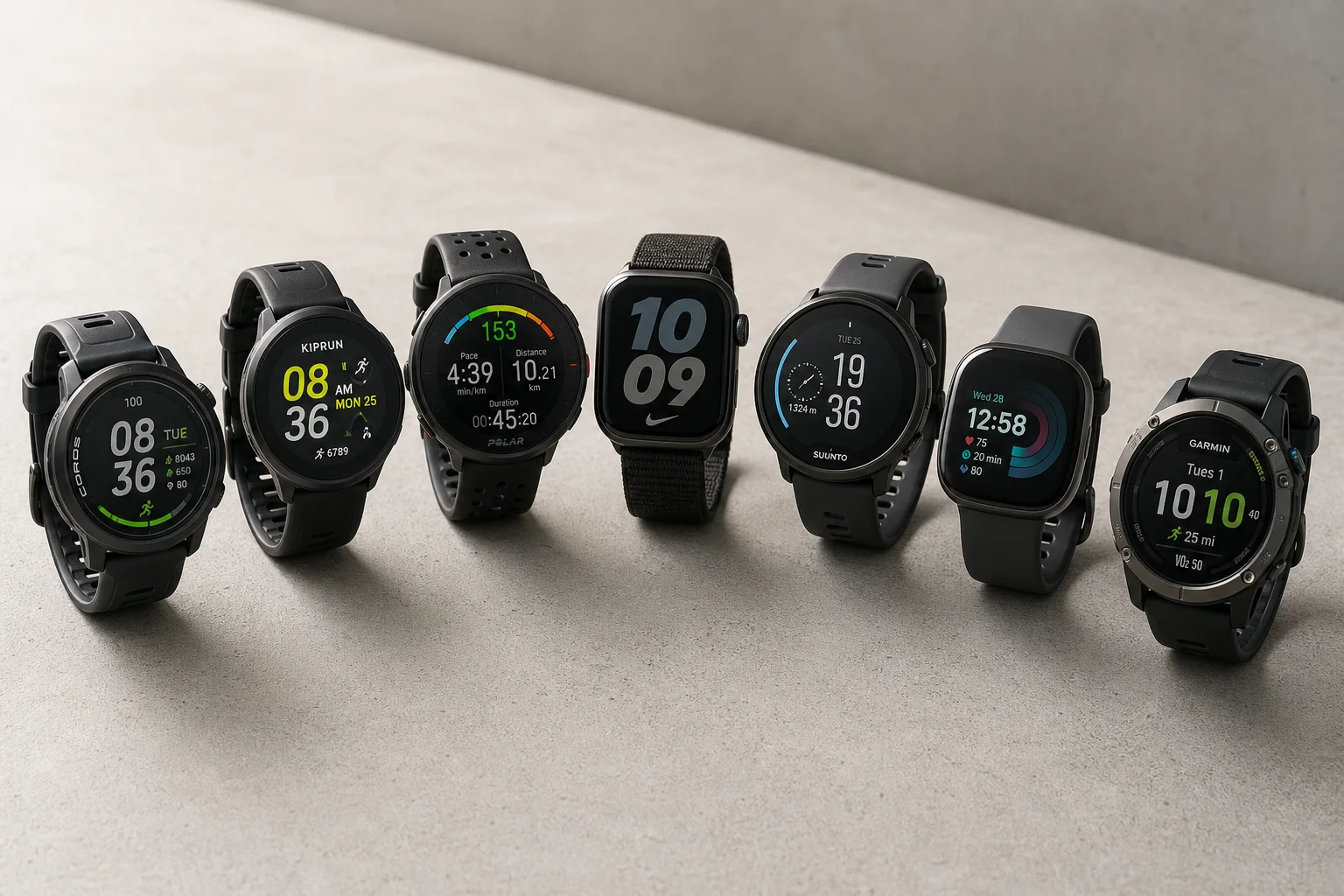
GPS Running Watch Accuracy Test: Seven Watches Compared Across Urban, Trail, and Race Conditions
We tested seven popular running watches from major brands in three different environments to find out which delivers the most accurate GPS tracking for distance and pace.
Running Watches
Garmin Forerunner 70 Review: Garmin's Cheapest Forerunner Is More Capable Than You'd Expect
The new entry-level Forerunner 70 brings an AMOLED screen, a fresh interface, and real training analysis for £219/$249, with a few trade-offs to weigh before buying.