Running Watches
Garmin Forerunner 265 vs 265S: Early Impressions of Garmin's AMOLED Running Watch
A closer look at the Forerunner 265 and smaller 265S, covering the new AMOLED display, Training Readiness, GPS and heart rate performance, and the battery trade-off.
Introduction
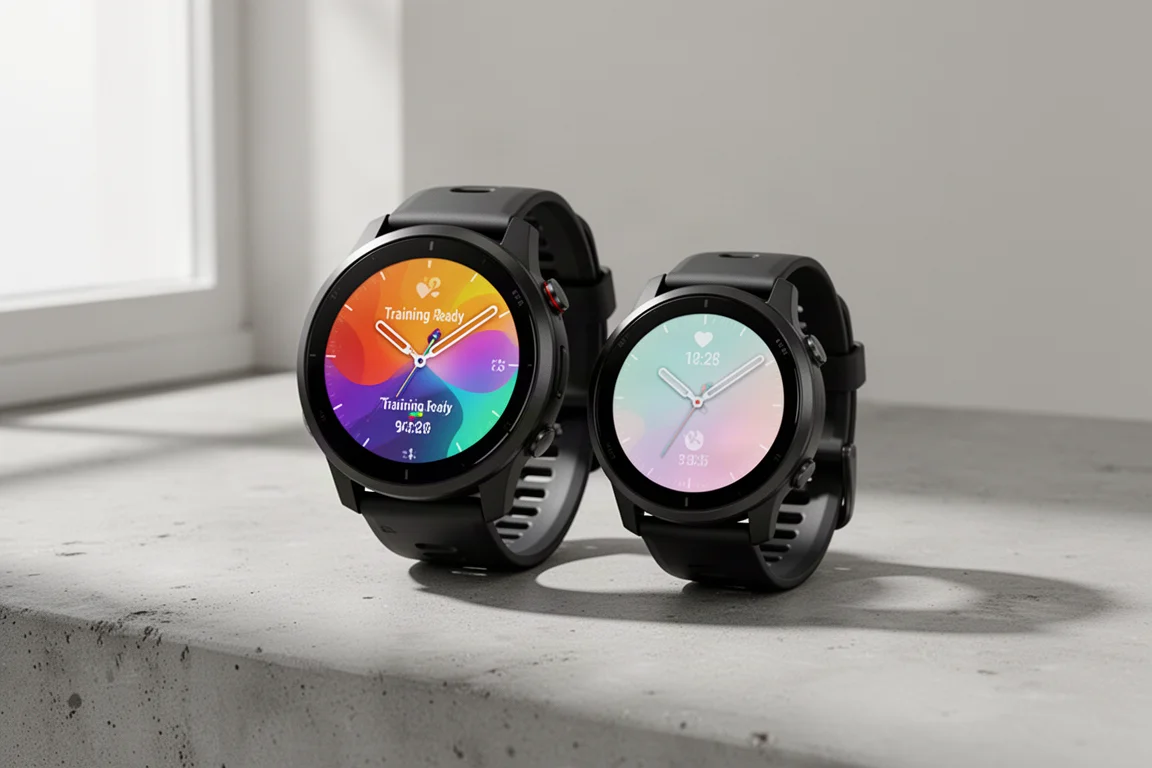
The Forerunner 265 and 265S replace the Forerunner 255 range, and they arrive with the two features that made the Epix stand out in Garmin’s lineup: a bright AMOLED display and the Training Readiness score. After a week of testing alongside everyday running, the picture is already fairly clear. This is essentially the well-liked Forerunner 255 experience with a much nicer screen and Garmin’s best training analysis tool, at a noticeably higher price.
That price is the biggest sticking point. The 265 now sits at $450 in the US and £430 in the UK, up from the 255 Music’s $400/£350, and it is no longer cheap next to Garmin’s top-end models.
Two Sizes, One Big Screen Upgrade
Like the 255 before it, the range comes in two sizes: the standard 265 and the smaller 265S, both costing the same. Both move to AMOLED panels, with resolutions of 416x416 on the 265 and 360x360 on the 265S, compared to 260x260 and 218x218 on the 255 and 255S. Side by side with the older watch, the difference is striking: the screen is far brighter, crisper and genuinely beautiful, even in direct sunlight on gloomy days.
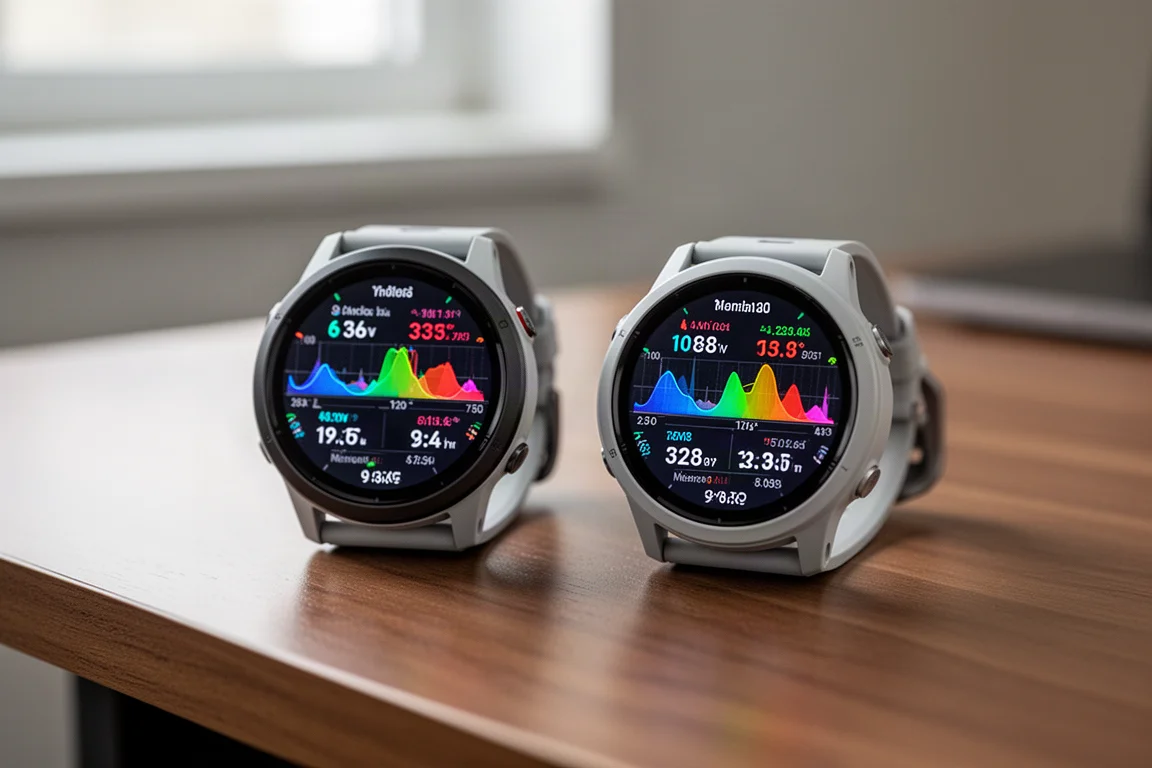
The second headline feature is Training Readiness, which arrived on the Forerunner 955 last year. It is a colour-coded, single-stat summary of how ready you are to train, built from recent sleep and training history, with quick advice on the surface and deeper detail if you want it. It is arguably the clearest implementation of training analysis on any sports watch, and it is now available on a watch that costs well under Garmin’s flagship models.
Design and Everyday Use
The design stays close to the 255: a lightweight plastic case with five buttons, now joined by a touchscreen for navigating the watch. The touchscreen is responsive and genuinely useful for smartwatch duties, while the buttons remain the better option mid-run. It also measures running power natively from the wrist, along with running dynamics such as ground contact time, cadence and stride length.
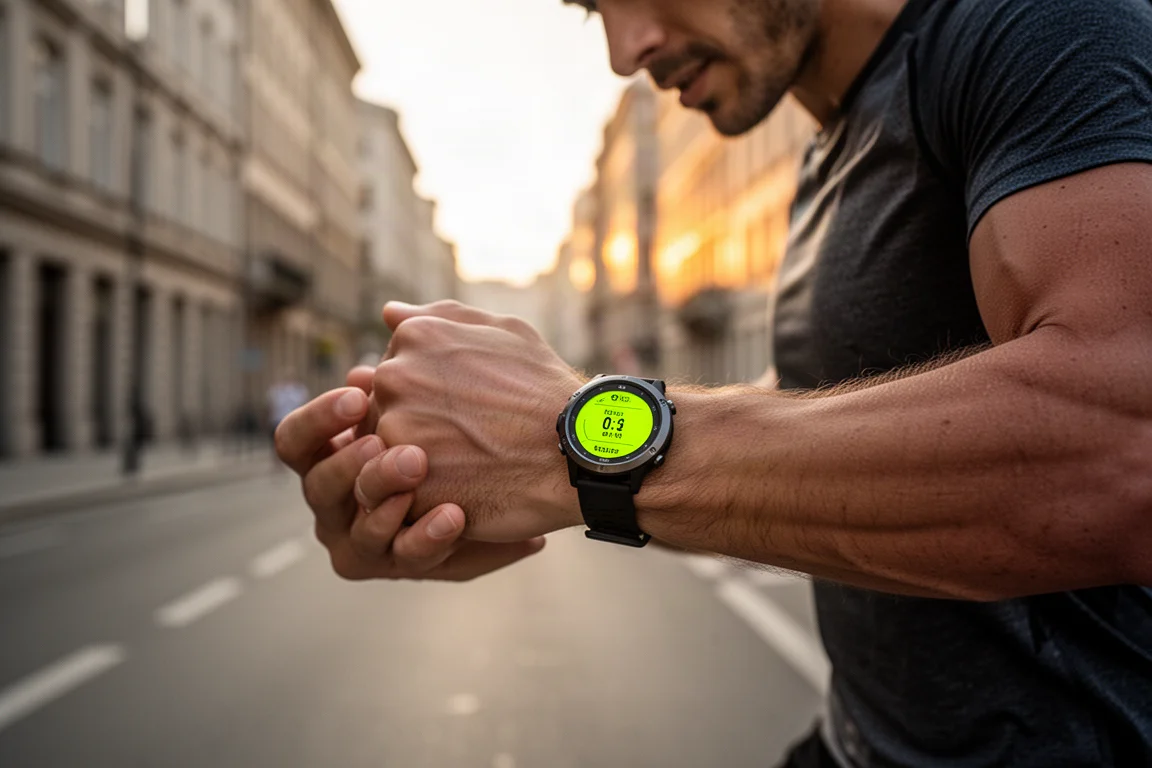
All the expected sensors are here, including a barometric altimeter, plus multiband GPS for the best available accuracy. Smart features carry over too: the Connect IQ app store, music storage, Garmin Pay, notifications, weather and breadcrumb navigation for following courses, though there are no full onboard maps like the 955 and 965.
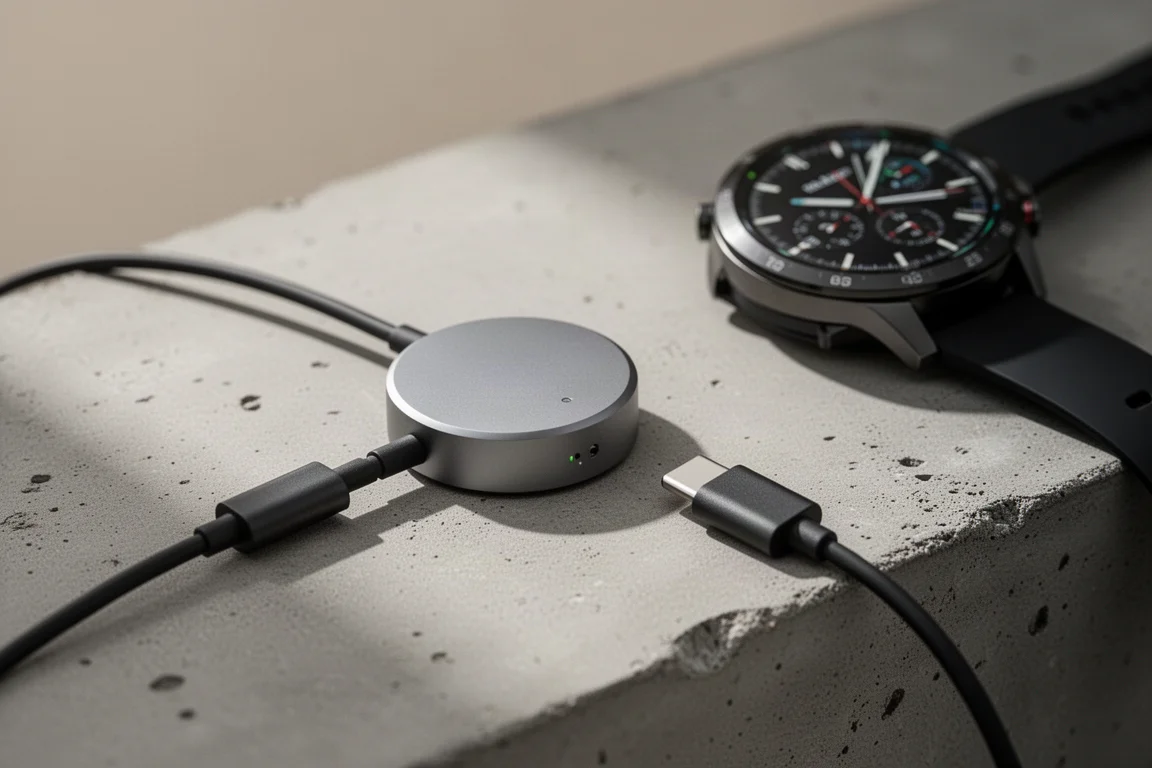
One small change out of the box: the charging cable keeps the familiar four-pin puck but now ends in USB-C rather than standard USB. That is mostly a non-issue, though it may mean hunting for a compatible plug if your USB-C bricks are not where you expect.
GPS and Heart Rate Performance
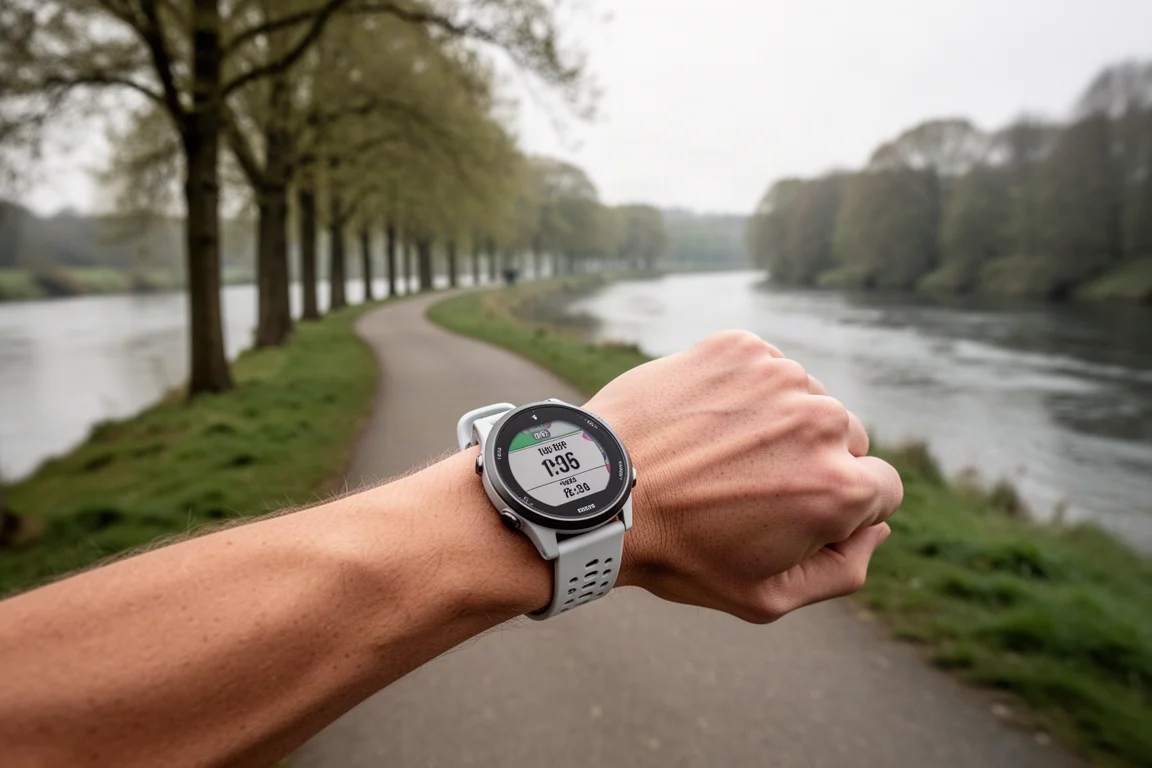
GPS accuracy has been very good on early runs. Tested against other multiband watches, the tracks are spot on: correct side of the road, clean lines through narrow turns, consistent pacing and pace data matching race markers almost exactly. One early quirk: satellite lock at the start of runs has been slow, taking several times longer than other multiband Garmin watches, which may be an early software issue.
Heart rate from the wrist is more mixed. It is broadly reliable and rarely bad for an entire run, but there have been periods where it jumped incorrectly, read high on an indoor run for a couple of minutes, and lagged behind a chest strap during a strength workout. If Training Readiness is a key reason for buying, pairing the watch with a chest or arm strap is a sensible habit, since one bad reading can skew the whole training picture.
Battery Life: What the AMOLED Screen Costs
Battery life takes a hit compared to the 255, and interestingly the smaller 265S lasts longer than the larger 265. In smartwatch mode you get up to 15 days from the 265S and 13 days from the 265; in GPS-only tracking, up to 24 hours on the 265S versus 20 hours on the 265. The always-on display drops that to around 5 days in watch mode. The 255, by comparison, offered up to 14 days in watch mode and 30 hours of GPS-only tracking, so the AMOLED panel costs you real endurance.
Real-world testing with the always-on display enabled and multiband tracking came in around five days with light use, and an expected three to four days once back to an hour of running daily with notifications active. That is still usable for most runners who train once a day, though triathletes logging long GPS rides will notice the difference more.
How It Fits in Garmin’s Range
The 265 now sits closer to the top of Garmin’s lineup than the 255 did. Next to the Epix, 965 or Fenix, what you are really paying extra for is maps and longer battery life. If neither matters much, the 265 delivers nearly everything else at a significantly lower price, with the 965 sitting around £600/$600.
The older Forerunner 255 also remains a compelling cheaper alternative. It has multiband GPS, lasts longer, and covers the essentials of run tracking almost as well, missing only Training Readiness and the AMOLED screen, neither of which will matter to everyone. Against a full smartwatch like the Apple Watch, the Garmin is stronger on sports tracking and training analysis, while the Apple Watch remains more convenient as an everyday smartwatch.
Buying Advice
The 265 and 265S make sense for runners who want a genuinely great sports watch with a premium everyday screen and Garmin’s best training analysis, without paying flagship prices. The 265S stands out for anyone who prefers a smaller watch, and it even edges the bigger model on battery life.
If you already own a 255 and the screen does not tempt you, there is no urgent need to upgrade. If you are on a much older watch, the jump to the 265 will feel dramatic. And if battery life or maps matter more than a bright display, the 255 and the 955/965 range remain worth a look.
Conclusion
The Forerunner 265 and 265S combine two of the best recent additions to Garmin’s sports watches, a vibrant AMOLED display and Training Readiness, in a lighter and cheaper package than the Epix. The price rise and the battery trade-off are the main caveats, but as a near-flagship running watch for a mid-flagship price, this is a very easy watch to recommend.
Product link
View more details for Garmin Forerunner 265
This product is mentioned in the review. Check the specifications, options, and compatibility before buying.
View more details for Garmin Forerunner 265Further reading
Related Reviews
Running Watches
Coros Pace 3 Running Watch Review: Why Software Matters More Than Specs
The Coros Pace 3 prioritizes runner-focused design and intelligent software over expensive hardware. Here's why it outperforms watches that cost twice as much.
Running Watches
GPS Running Watch Accuracy Test: Seven Watches Compared Across Urban, Trail, and Race Conditions
We tested seven popular running watches from major brands in three different environments to find out which delivers the most accurate GPS tracking for distance and pace.
Running Watches
Garmin Forerunner 70 Review: Garmin's Cheapest Forerunner Is More Capable Than You'd Expect
The new entry-level Forerunner 70 brings an AMOLED screen, a fresh interface, and real training analysis for £219/$249, with a few trade-offs to weigh before buying.