Running Watches
Garmin Forerunner 265 vs 265S vs 965: Which AMOLED Running Watch Should You Buy?
Garmin's latest Forerunners bring AMOLED displays to the lineup. We compare design, battery life, GPS accuracy, and running features across the 265, 265S, and 965 to help you pick the right one.
Introduction
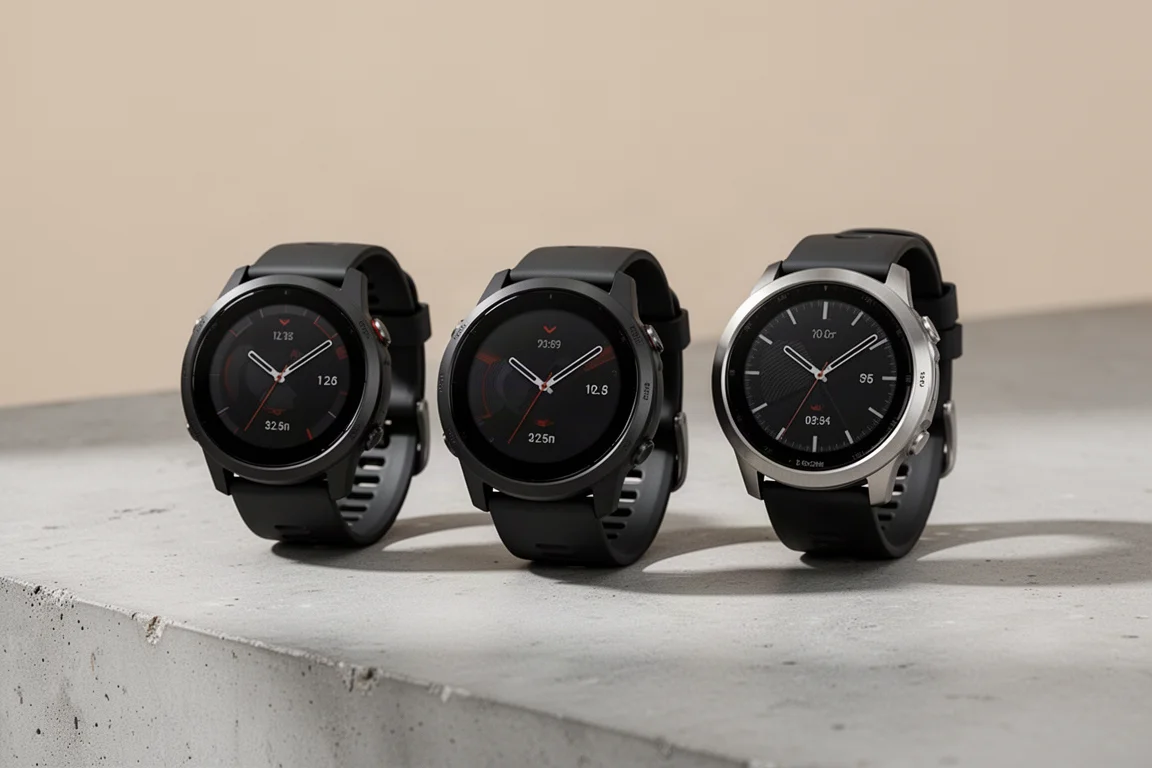
Garmin’s Forerunner 265, 265S, and 965 are among the brand’s biggest running watch launches of the year, and the headline change is easy to spot: they are the first Forerunner watches to feature AMOLED displays. That single upgrade changes how these watches look, feel, and perform as everyday smartwatches, but it also raises a practical question about battery life.
The differences between the three watches come down to a few key areas: design and hardware, running features, and battery endurance. We have been wearing these watches side by side for daily runs and training tracking to see how they hold up in real use, and the comparison is closer than you might expect.
Design and Hardware Differences
The Forerunner 265 is available in two case sizes, the 265 and the smaller 265S, while the 965 comes in a single, larger case size. The bezel material differs too: the 265 and 265S use a polymer bezel, whereas the 965 steps up to titanium for a more premium feel on the wrist.
All three watches use touchscreen AMOLED displays, but sizes and resolutions differ. The 965 offers a larger, higher-resolution screen, while the 265 and 265S sit slightly below it, with the standard 265 closer to the 965’s resolution than the smaller 265S. Storage is another meaningful split: the 965 offers substantially more memory for music, apps, and maps, which matters if you like to carry a lot on your wrist. Elsewhere the watches are very similar, with comparable straps, strap removal mechanisms, and the same waterproof rating for swimming.
Running Features and Navigation
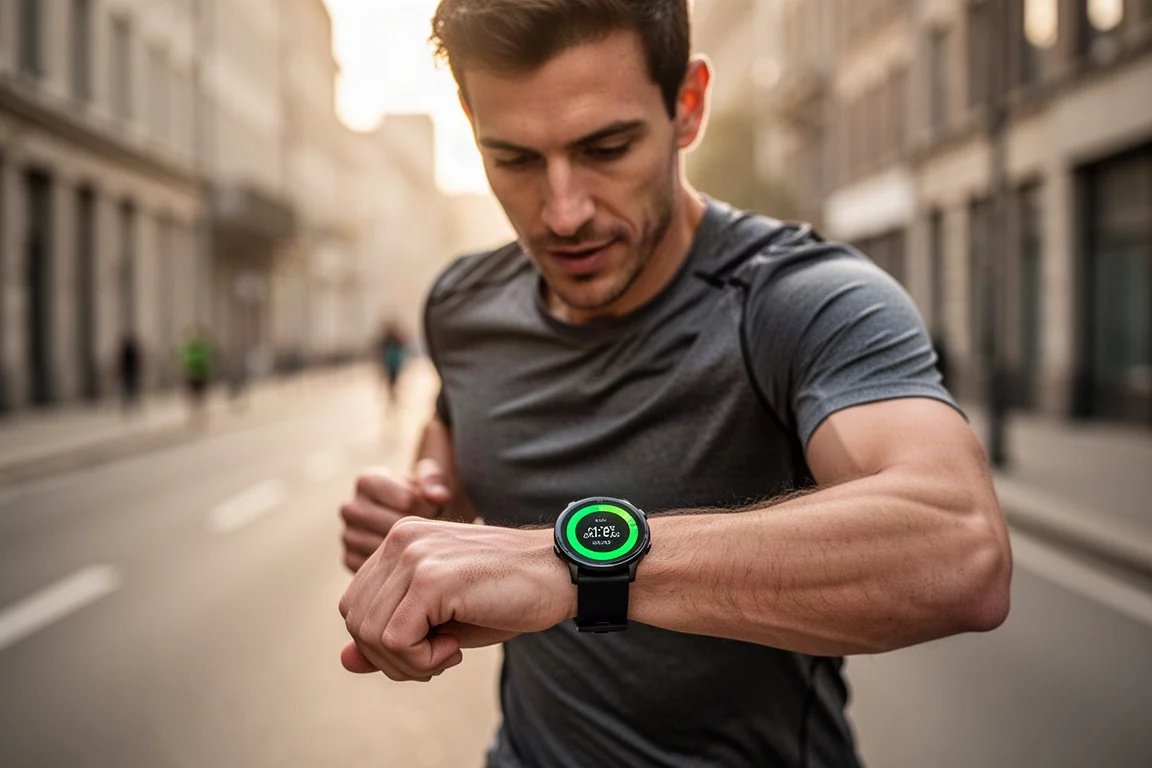
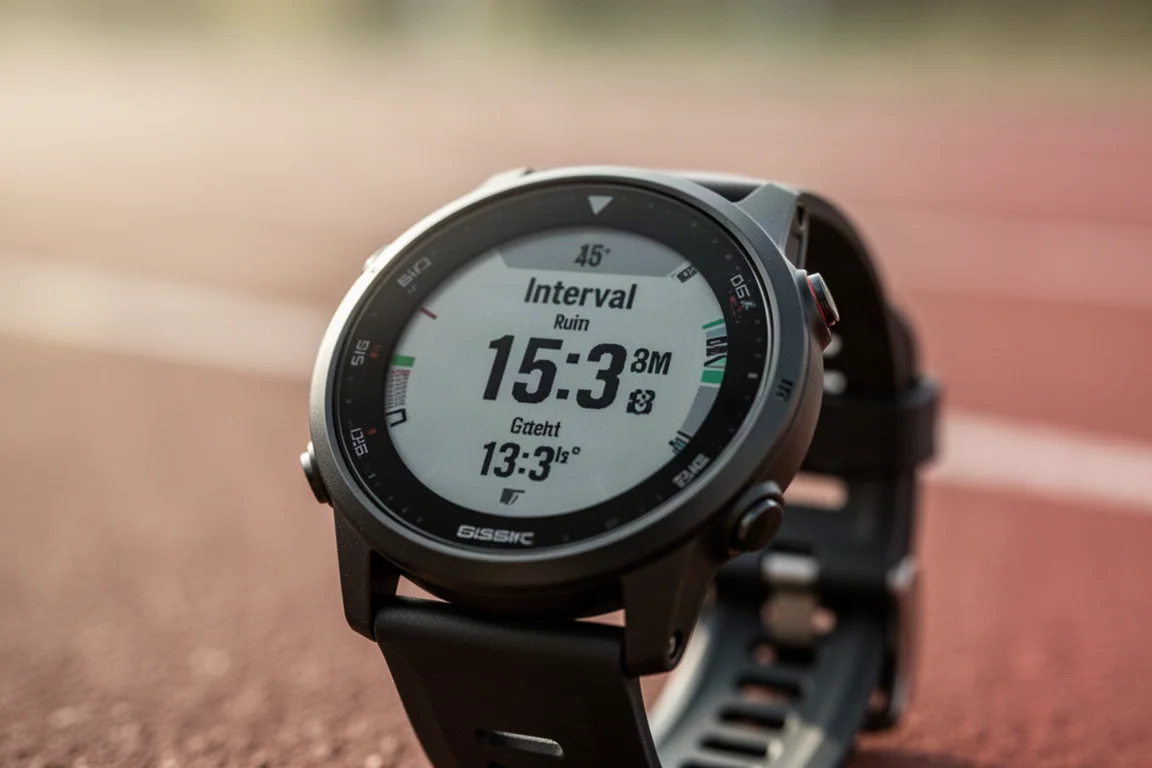
In terms of running features, these watches are remarkably close. All of them include the same running profiles, training analysis, training readiness, morning reports, an improved race predictor, improved interval modes, and access to Garmin Coach. If your focus is training guidance, the cheaper watches do not shortchange you.
The main running difference centers on navigation. Both the 265 and 965 support breadcrumb navigation, but the 965 adds preloaded topo maps with trail and road mapping, Garmin and Strava live segments, the Around Me feature, and ClimbPro ascent planning. That fuller mapping is also why the 965 carries the extra storage. If maps are not essential to you, breadcrumb navigation with turn-by-turn directions and course deviation alerts on the 265 will get you through most runs without trouble.
GPS Accuracy: Tested on the Road
GPS accuracy has not been a real differentiator between these watches. Wearing both simultaneously over a week and a half, including a full city marathon, the tracks consistently overlaid each other. Both made very few errors with corner cutting or drifting off-route, and both struggled equally in dense urban areas, logging similar overall distances.
That means upgrading to the more expensive watch is not necessary for GPS accuracy alone. Multiband accuracy on the 265 is comparable to anything on the more expensive watches. That said, one tester found the top multiband GPS mode on the 965 performed slightly better in chasing peak accuracy, so if optimal GPS precision is your priority, the 965 holds a small edge.
Heart rate accuracy is a similar story. Neither watch is quite good enough to justify skipping an external chest strap if you rely on wrist-based data for training readiness and heart rate analysis. The general rule holds that the smaller and lighter the watch, the better it sits against the wrist, and the 265 performed slightly better on high-intensity runs, with steady runs essentially a wash between them.

Battery Life and Charging
Battery life is where the AMOLED displays make themselves felt, and where the 965 clearly pulls ahead. With the always-on display enabled, multiband GPS, and notifications running, the 965 delivered around seven days of real-world use, compared to roughly four to five days for the 265 under similar conditions. Neither figure is disastrous for an AMOLED screen, but the 265 simply needs charging a little more often.
One counterintuitive detail: the smaller 265S actually posts slightly better battery figures than the standard 265, because its smaller case needs less power to run similar features. Multiband GPS mode hits the battery harder on all of these watches, and using full color mapping on the 965 alongside multiband mode produces a noticeably steeper drop than breadcrumb navigation on the 265.
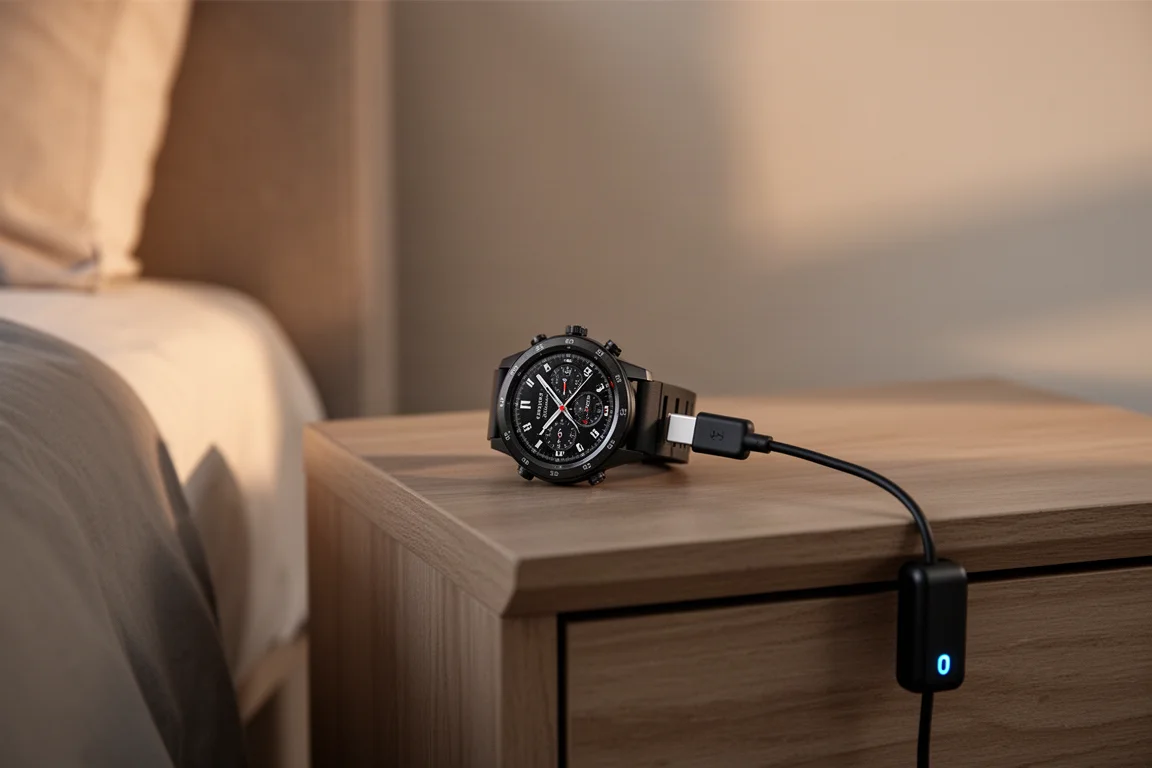
All three watches include Garmin’s power manager modes for more control over what drains the battery, though they are not as granular as the power profiles on the more rugged models in Garmin’s range. Charging is handled by a proprietary cable, and it is identical across all three watches. If you use a mix of always-on display and raise-to-wake, roughly a week between charges is realistic on either watch, and raise-to-wake works well on both if you prefer to save battery.
Which One Should You Buy?
If maps are the feature that excites you, the 965 is the clear choice. Full color topo maps, live segments, Around Me, and ClimbPro make it genuinely brilliant for adventurous running, and it also delivers better battery life, nicer materials, and more storage. For runners who want the best overall package and do not mind the extra cost, the 965 just about edges it.
If maps are not essential, the Forerunner 265 is a brilliant watch that matches up well on training analysis, GPS performance, and heart rate accuracy, and it costs considerably less. Its smaller size is pleasant to wear all day, and charging every four to five days is a manageable trade-off. The 265S is worth considering if you prefer a more compact fit, with the bonus of slightly better battery efficiency. For many runners, the 265 will be enough watch, and it will be very easy to live with.
Conclusion
The Forerunner 965 earns its premium with titanium, maps, storage, and stronger battery life, while the 265 and 265S deliver nearly the same running experience for less money. Decide whether full mapping matters to you, and the right choice becomes obvious.
Product link
View more details for Garmin Forerunner 265
This product is mentioned in the review. Check the specifications, options, and compatibility before buying.
View more details for Garmin Forerunner 265Further reading
Related Reviews
Running Watches
Coros Pace 3 Running Watch Review: Why Software Matters More Than Specs
The Coros Pace 3 prioritizes runner-focused design and intelligent software over expensive hardware. Here's why it outperforms watches that cost twice as much.
Running Watches
GPS Running Watch Accuracy Test: Seven Watches Compared Across Urban, Trail, and Race Conditions
We tested seven popular running watches from major brands in three different environments to find out which delivers the most accurate GPS tracking for distance and pace.
Running Watches
Garmin Forerunner 70 Review: Garmin's Cheapest Forerunner Is More Capable Than You'd Expect
The new entry-level Forerunner 70 brings an AMOLED screen, a fresh interface, and real training analysis for £219/$249, with a few trade-offs to weigh before buying.