Running Watches
Garmin Forerunner 245 vs 255: Which Mid-Range Running Watch Makes Sense?
Two of Garmin's most popular mid-range running watches compared across design, sports tracking, training insights and battery life, so you can decide whether the older 245 still cuts it.
Introduction
Garmin’s mid-range Forerunner line hits a sweet spot: advanced running features without the price of the flagship 955 or 745 series. Two models in particular stand out in sales events throughout the year, and the Garmin Forerunner 245 and its successor, the Garmin Forerunner 255, are both genuinely good running watches that have been thoroughly put through their paces.
There is roughly a four-year gap between the launches of these two watches, which naturally raises a question: is the newer 255 worth the upgrade, or can you save money by picking up the 245 on a deal? Below, we break down the key wins and losses between them from a running perspective, based on extensive testing.
Design and Everyday Wear
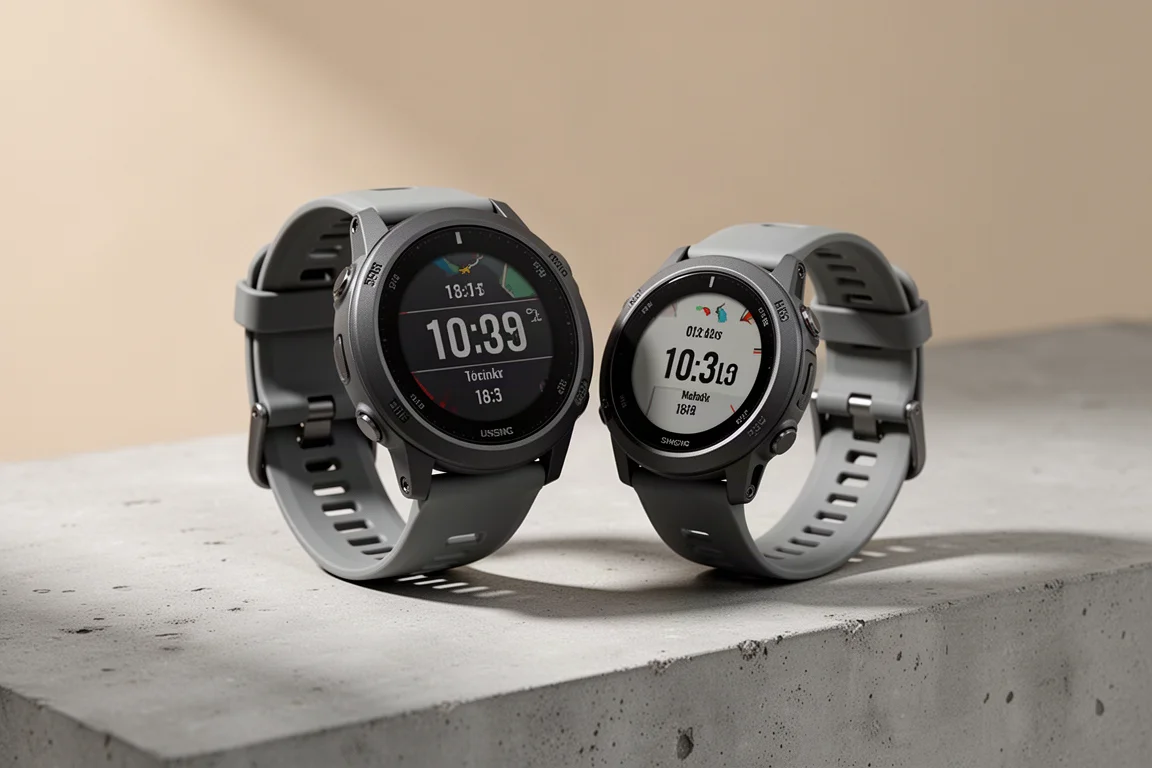
Living with these two watches feels very similar. Both are smallish, light and comfortable, with screens that offer good outdoor visibility when you need it most. The 245 comes in a single size with a transflective display, a polymer case and removable bands. The 255 offers two size options that sit either side of the 245’s footprint, also with a polymer case and removable straps, and the larger version gets a bigger screen.
Neither is dramatically different in case size, and both still feel like compact watches to live with day to day. The 255 also introduces a music edition with a built-in music player. If you stream or store music on the watch, keep in mind that it drains the battery faster; if you run with your phone anyway, the non-music version is the simpler choice.
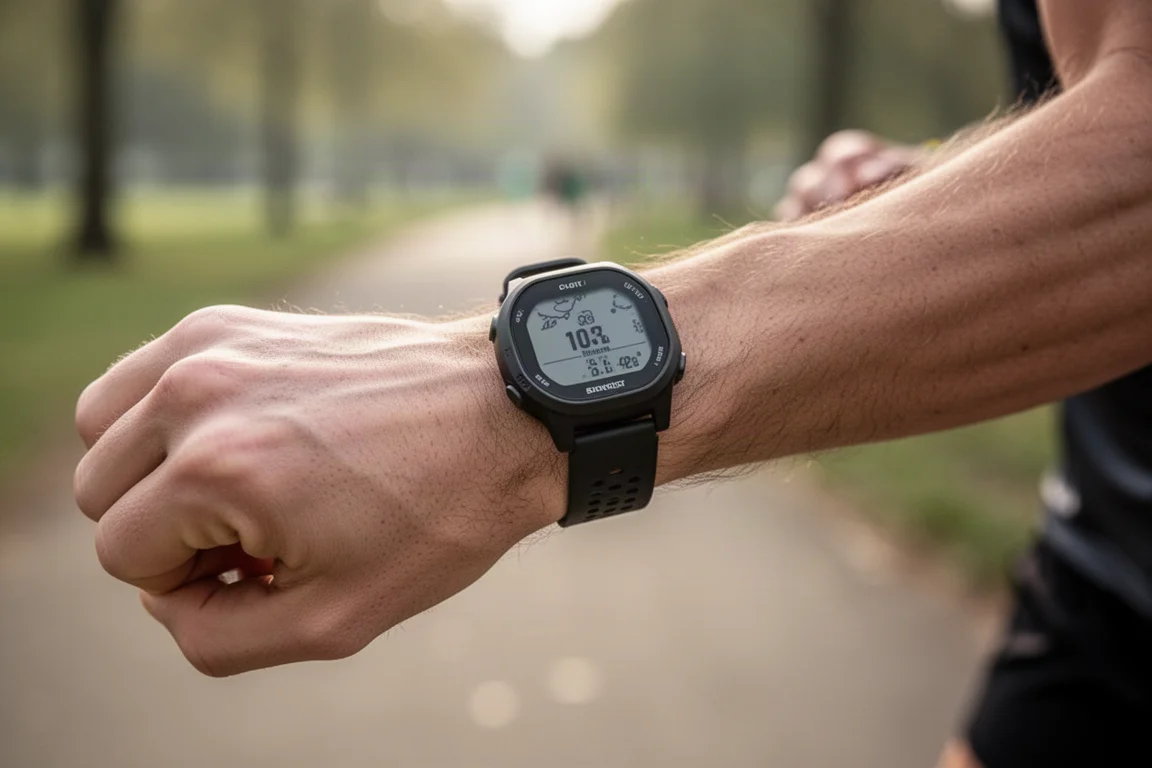
On design alone, this is a close call. If you want a light, comfortable watch with a good screen, both will serve you very well.
Sports Tracking and Running Features
For pure running modes, the two are very similar. Where the 255 pulls ahead is outside running: it adds open water swimming and triathlon modes. If you swim outdoors or race multi-discipline events, that alone can tip the decision toward the 255.
On the running side, the 255 brings more running profiles, including virtual racing and an ultra running mode, plus additional metrics like grade-adjusted pace and running power from the wrist. These are useful if you like gauging performance across different terrain. The biggest hardware difference is the multi-frequency positioning chipset in the 255, which aims to improve GPS accuracy around tall buildings and deep, wooded areas. Testing impressions have been mixed, but overall it reads as an improvement over the 245, and it is not something the 245 can gain through software. The trade-off: multi-band mode hits GPS battery life noticeably harder.

Navigation support is similar across both. You get breadcrumb navigation rather than full maps, and both handle PacePro pacing strategies and simple route following well. For core running performance, both are excellent watches.
Training Insights and Coaching
Both watches offer training load and training effect, work with Garmin Coach plans for 5K, 10K and half marathon distances, and support building, downloading and following workouts plus interval training on the watch.
The 255 adds a few meaningful extras: an improved, more flexible interval training mode, a training load focus insight that shows visually where your training is directed, and HRV status for a better read on recovery and stress. HRV status on its own feels okay to use, but it lacks the training readiness context found on the more expensive 955, so unless you are willing to interpret it yourself, it is not a major sway.

If you like building your own interval sessions or digging into training analysis, the 255 gives you a little more to work with. Across everything else, the training feature sets are very similar.
Smartwatch Features
As smartwatches, the two are nearly identical. Both work with Android phones and iPhones, access the Connect IQ store, and support payments, notifications and music (on the music edition). The 255 adds a mono listening mode for streaming music that helps preserve battery while tracking, plus a health snapshot feature that captures multiple metrics in one measurement, and a Morning Report that summarises your latest metrics like sleep when you wake up. The Morning Report is a nice touch, but it is unlikely to be a dealbreaker for most people.
Battery Life
On paper, the 255 doubles the smartwatch battery life and improves GPS battery life over the 245. In practice, if you train regularly and use GPS often, expect roughly a week from either watch, perhaps slightly longer on the 255. Using multi-band GPS on the 255 will accelerate the drop-off.
The practical takeaway: battery life is excellent on both, and the on-paper advantage of the 255 matters less in real weekly use than the numbers suggest.
Which One Should You Buy?
Despite the four-year age gap, the Forerunner 245 is still a good watch, and some software features introduced on the 255 have rolled back to it. The biggest reasons to pick the 255 are the extra sports profiles (open water swimming and triathlon), the multi-frequency positioning chipset for better GPS accuracy, and the additional training insights like training load focus and the enhanced interval mode. Wrist heart rate monitoring also performs a bit better on the 255, though both pair with external heart rate monitors.
If GPS accuracy in tricky environments, triathlon tracking or deeper training analysis matters to you, go for the 255. If you mostly run and the 245 is available at a good discount, it remains a very worthwhile buy.
Conclusion
Both watches deliver very similar running performance, training features and battery life. The 255’s clear wins are the extra sports profiles, multi-band GPS and richer training metrics, while the 245 still holds up as a strong value pick when discounted. Match the choice to the features you will actually use and you cannot go far wrong with either.
Product link
View more details for Garmin Forerunner 245
This product is mentioned in the review. Check the specifications, options, and compatibility before buying.
View more details for Garmin Forerunner 245Further reading
Related Reviews
Running Watches
Coros Pace 3 Running Watch Review: Why Software Matters More Than Specs
The Coros Pace 3 prioritizes runner-focused design and intelligent software over expensive hardware. Here's why it outperforms watches that cost twice as much.
Running Watches
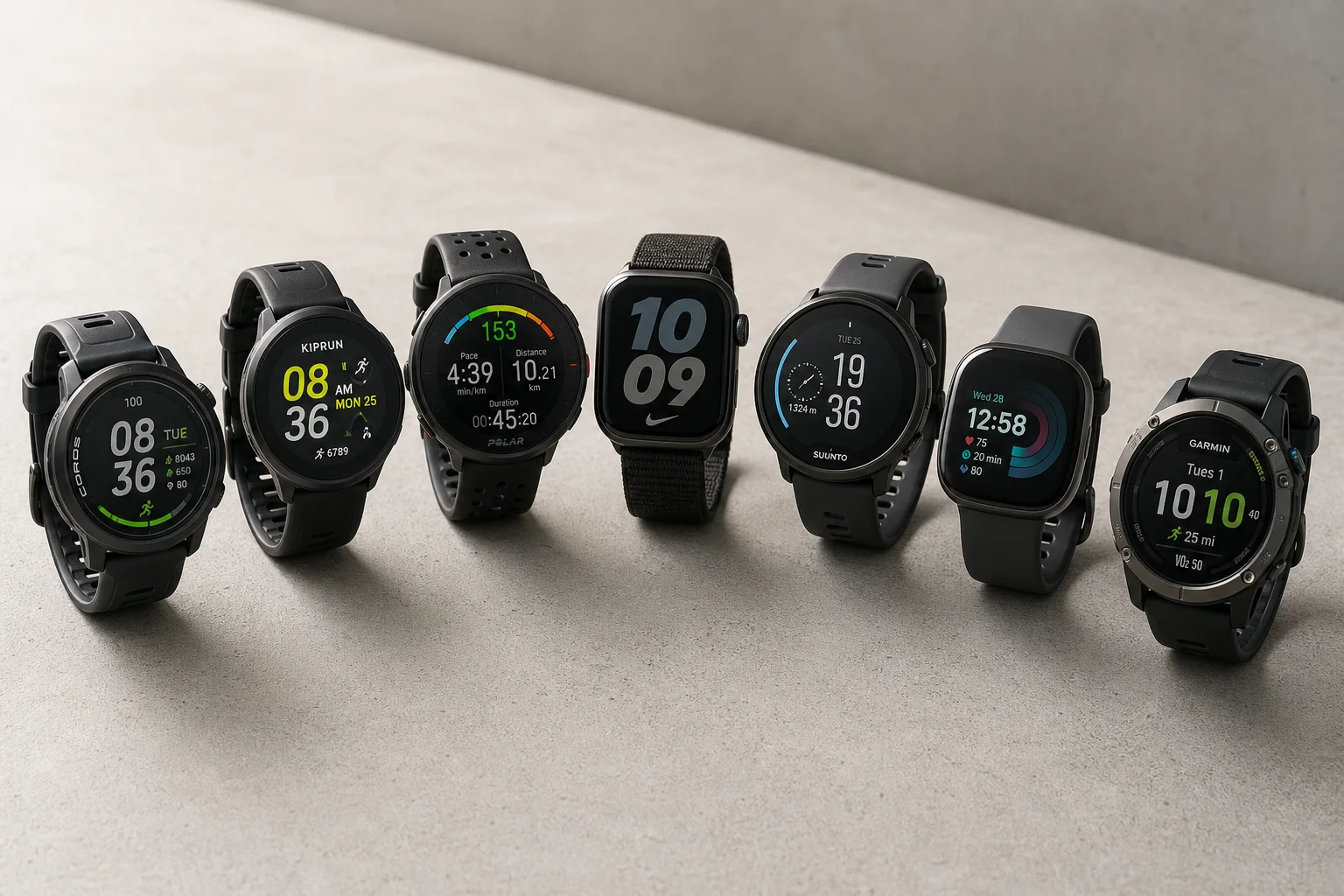
GPS Running Watch Accuracy Test: Seven Watches Compared Across Urban, Trail, and Race Conditions
We tested seven popular running watches from major brands in three different environments to find out which delivers the most accurate GPS tracking for distance and pace.
Running Watches
Garmin Forerunner 70 Review: Garmin's Cheapest Forerunner Is More Capable Than You'd Expect
The new entry-level Forerunner 70 brings an AMOLED screen, a fresh interface, and real training analysis for £219/$249, with a few trade-offs to weigh before buying.