Running Watches
Garmin Forerunner 170 vs Forerunner 570: Which Running Watch Makes More Sense?
Two Garmin running watches compared on design, GPS accuracy, heart rate, training tools, and battery life, with clear advice on which one suits which runner.
Introduction
The Garmin Forerunner 170 is the newer of the two watches, but the Forerunner 570, despite being around a little longer, carries more cutting-edge sensors inside its case. That raises an obvious question: does the newer hardware on the 570 actually make it the better watch? After living with both, side by side, through training blocks and races, the short answer is that the 570 is the more capable and better-looking watch, but the 170 Music offers the better balance of core running features for the money.
Both watches were used for extended spells, trained and raced with, and tested against each other on the same runs, with a chest strap used as a benchmark for heart rate accuracy.
Design and Display
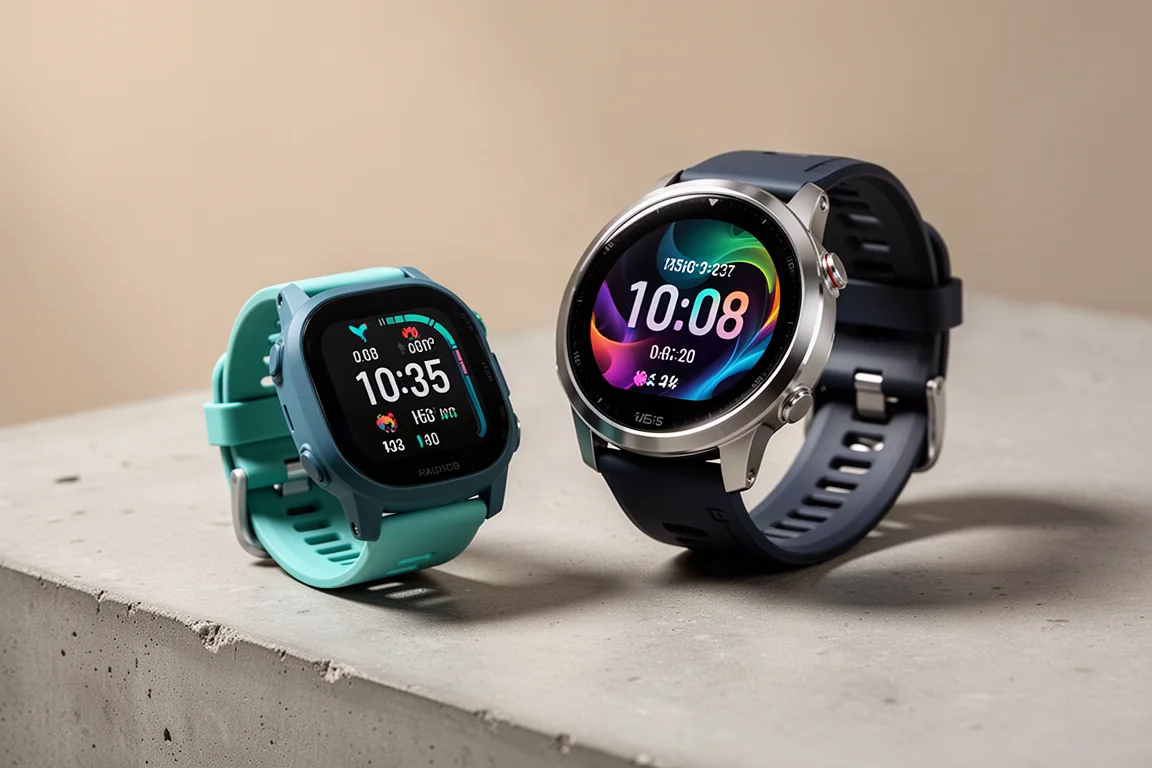
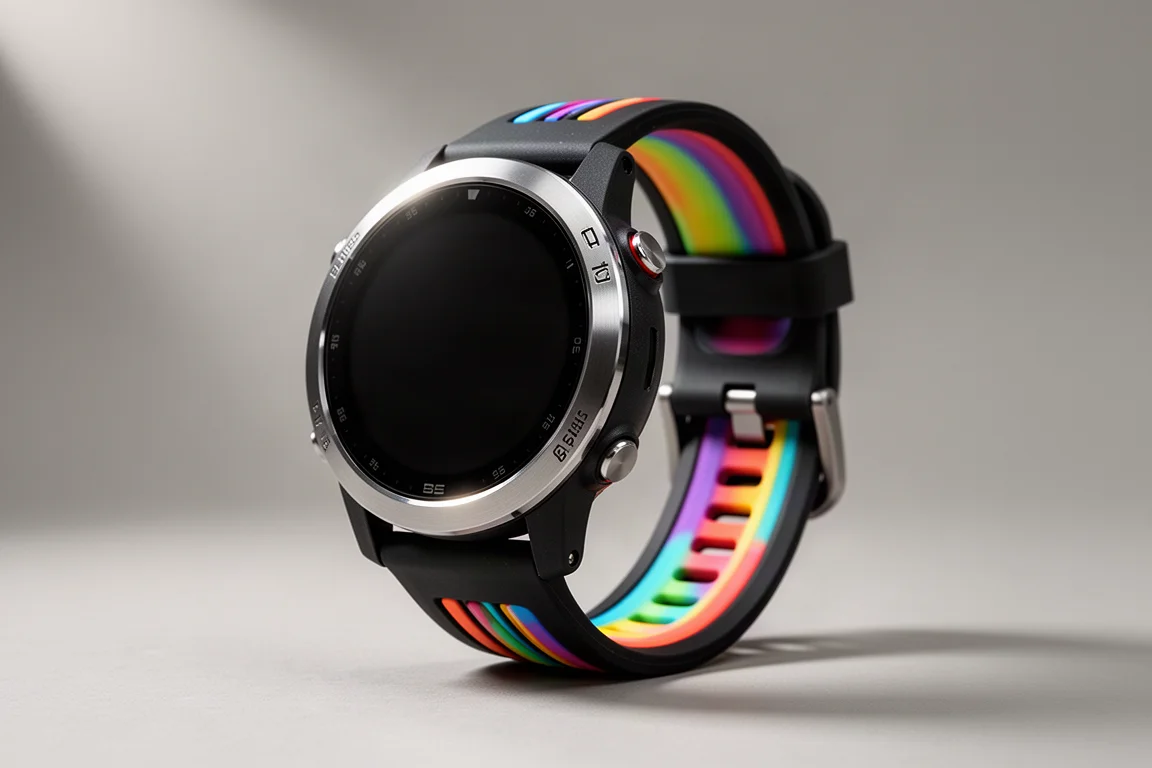
The 570 is the more expressive watch of the pair. It has an aluminum bezel that elevates the design over the more plastic 170, and it comes in more attractive color options. The plastic casing on the back of the 570 stops it from feeling fully premium for the price, but it does get a stronger Gorilla Glass display. The 170 has not shown any worrying scuffs either.
The larger 570 comes in around 10g heavier than the 170, with a larger, higher-resolution screen. That display is arguably the standout feature of the 570, making stats noticeably easier to read, especially in bright outdoor light. That said, both watches are bright and easy to read day to day, and even with five or six data fields on screen during runs, the 170 never felt hard to read.

The 570 is also noticeably bigger and thicker on the wrist, so it is marginally less comfortable. The compact, lightweight 170 suits smaller wrists better, is more discreet for sleep tracking, and is the pick if you like a minimal racing watch. Both use physical buttons around the case with AMOLED touchscreen displays, and both are good-looking, sporty watches.
GPS and Heart Rate Accuracy
On paper, the 570 is the more capable GPS option. It has multiband GPS for boosted accuracy in tricky environments, while the 170 tops out at the all-systems mode and lacks Garmin’s SatIQ, which automatically picks the best GPS setting based on the environment to save battery.
In practice, though, the gap is small. The 170 matched a multiband watch on a half marathon course, and in a side-by-side city run there was very little to choose between the multiband 570 and the all-systems 170, with total distances coming in very close. Both even shared the same struggle in the most built-up section near a busy bridge area. If you run a lot in city centers, the extra accuracy of multiband may be worth having, but the 170 is reliable enough even for very serious runners.

Heart rate tells a similar story. The 570 has the newer sensor, the 170 the older one, but neither had major issues against a chest strap benchmark. The 170 matched a chest strap almost beat for beat, and there was little to separate the two. If heart rate is central to your training, pairing a chest strap with either watch is a sensible move anyway.
Battery Life
Battery life is close between these two, and it is not really a strength for either. Expect roughly three to four days from each with the always-on display and daily runs.
Some numbers from real use: the 570 managed 4 days on a charge with always-on at full brightness and 2 hours of running in max-accuracy GPS, with around 3% average overnight burn and 8% for a 90-minute run in those settings. A 9-hour marathon burned 55%. The 170 delivered 3 to 4 days with 3 to 4 hours of GPS activity, 3% overnight burn, and 18% for a 3-hour marathon. In a side-by-side 75-minute run, the 170 burned 5% versus 4% for the 570.
The most important differences sit in specific modes: the 570 gives you about an hour and a half more run time in GPS-plus-music mode if you are streaming tunes, while the 170 gives you more GPS run time in its lower-accuracy GPS-only mode, 20 hours versus 18 on the 570. Those two hours could matter for ultras. Note that multiband GPS on the 570 drains the battery faster while tracking.
Training Features and Smartwatch Extras
The core training experience is largely the same. Training readiness, recovery, and training load told similar stories on both watches, and both are beginner-friendly with access to Garmin Coach. The 170 even has a quick workouts mode the 570 lacks, which feels like a feature that could feasibly arrive on the 570.
The 570 is the more complete watch, though. It adds virtual partner, lactate threshold, performance condition, projected time, race pace, suggested finish lines, auto lap by timing gate, and auto climbing for trail runners. Triathletes need the 570, because the 170 Music has no multi-sport mode or multi-sport workouts. The 170 also misses skin temperature.

On smartwatch features, the 570 has the edge with a microphone and speaker, so you can take Bluetooth calls with a paired phone, plus voice commands. It also has more storage for music, apps, and routes. Neither offers full offline color maps, but both accept GPX route uploads with breadcrumb navigation. The 170 Music also lacks the jet lag advisor, so frequent travelers should lean toward the 570.
It is worth noting what the 570 itself is missing. It does not have a flashlight, built-in maps, or some more advanced training stats found on pricier Garmin models, and that takes away some reasons to pay extra over the 170.
Which Watch Should You Buy?
There are really only a couple of things that justify choosing the 570: multi-sport mode for triathletes, the multiband GPS and SatIQ safety net for city running, and the more premium design with its bigger, brighter screen. If those matter to you, the 570 is the pick, and on pure performance and capability with a stretched budget, it is the more attractive choice.
But the key upgrades on the 570 are in design and sensors, not in accuracy or software. The 170 impressed just as much in tracking performance, battery life, and training analysis, and it does it for a substantially smaller outlay. For a runner who simply needs a capable running watch that tracks runs accurately and delivers solid training analysis, the 170 does the job just as well. If you are not bothered about music, NFC payments, calls on the move, or the more premium design, the 170 Music offers clearly better value, and it is the sensible choice until the 570 comes down in price.
Conclusion
The Forerunner 570 is the more capable, better-looking watch with a standout screen, newer sensors, and extras like Bluetooth calls, multi-sport mode, and SatIQ. It may even be a little under-specced for its price within the Garmin range. The Forerunner 170 Music skips a few of those features and has a less punchy screen, but it covers everything a general runner needs with a compact, comfortable design and a big saving. Choose the 570 for the design and the extra features; choose the 170 for the best value core running experience.
Further reading
Related Reviews
Running Watches
Coros Pace 3 Running Watch Review: Why Software Matters More Than Specs
The Coros Pace 3 prioritizes runner-focused design and intelligent software over expensive hardware. Here's why it outperforms watches that cost twice as much.
Running Watches
GPS Running Watch Accuracy Test: Seven Watches Compared Across Urban, Trail, and Race Conditions
We tested seven popular running watches from major brands in three different environments to find out which delivers the most accurate GPS tracking for distance and pace.
Running Watches
Garmin Forerunner 70 Review: Garmin's Cheapest Forerunner Is More Capable Than You'd Expect
The new entry-level Forerunner 70 brings an AMOLED screen, a fresh interface, and real training analysis for £219/$249, with a few trade-offs to weigh before buying.