Running Watches
Garmin Forerunner 170 Review: A Capable Entry-Level Running Watch With a Few Trade-Offs
Three weeks of testing the Garmin Forerunner 170 Music, covering GPS and heart rate accuracy, training insights, battery life, and how it compares to the Forerunner 70, 165, and Coros Pace 4.
Introduction
The Garmin Forerunner 170 is one of two new entry-level Forerunners to join Garmin’s range, sitting alongside the cheaper Forerunner 70. It replaces the Forerunner 165 and arrives in two versions: a standard model and a Music edition that adds music storage and Wi-Fi. Key rivals at this price include the Coros Pace 4, Polar Grit X, and Suunto Run.
The Music edition is the most expensive of the new range at £299 or $349, while the standard 170 costs £259 or $299 and the Forerunner 70 comes in at £219 or $249. The main question is whether the step up from the 70 is worth it, and whether the 170 earns its place over the still-capable Forerunner 165.
Who This Watch Is For
The 170 is aimed at runners who want Garmin’s core tracking experience with more training analysis than previous entry-level watches offered, without paying for a mid-range or premium model. It suits everyone from beginners who want guided workouts to regular racers who need dependable GPS pacing and heart rate data.
It also works well as an all-day watch. At 41g in a small plastic case with a 1.2-inch AMOLED display, it is light and compact enough to wear around the clock, including overnight for sleep tracking. If you have smaller wrists or find larger multisport watches cumbersome, this is one of Garmin’s easier watches to live with.
Design and Everyday Wearability
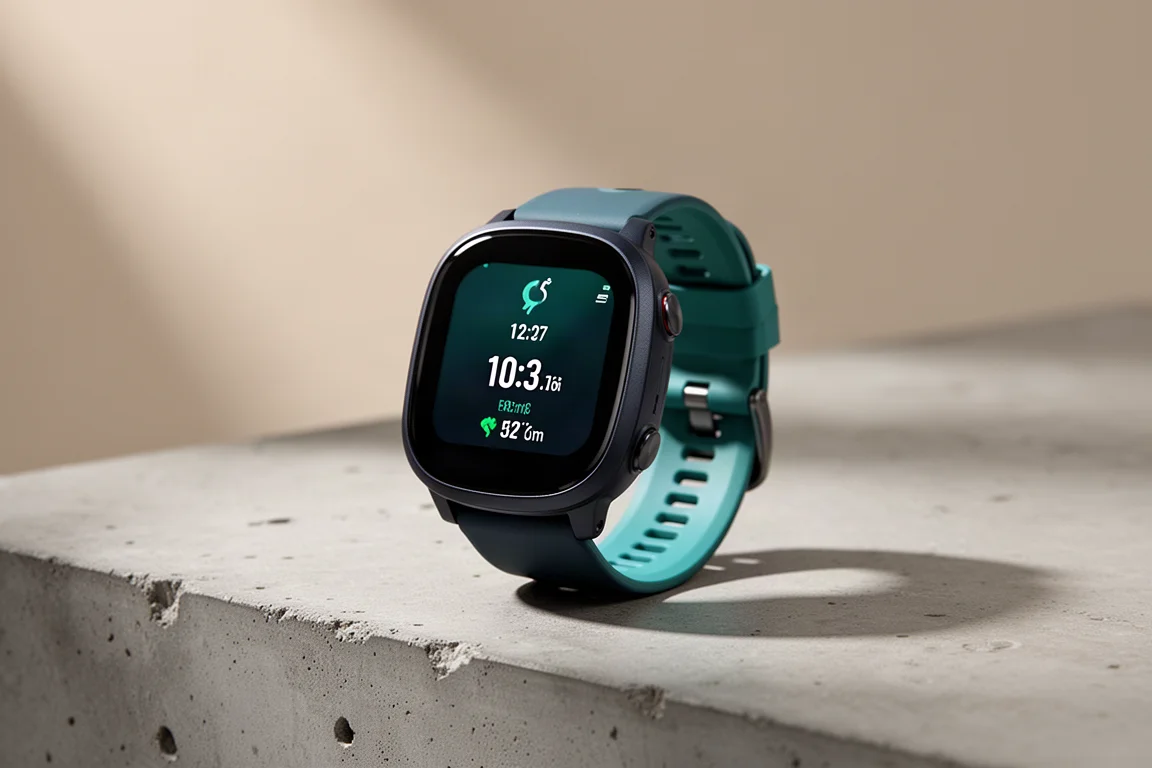
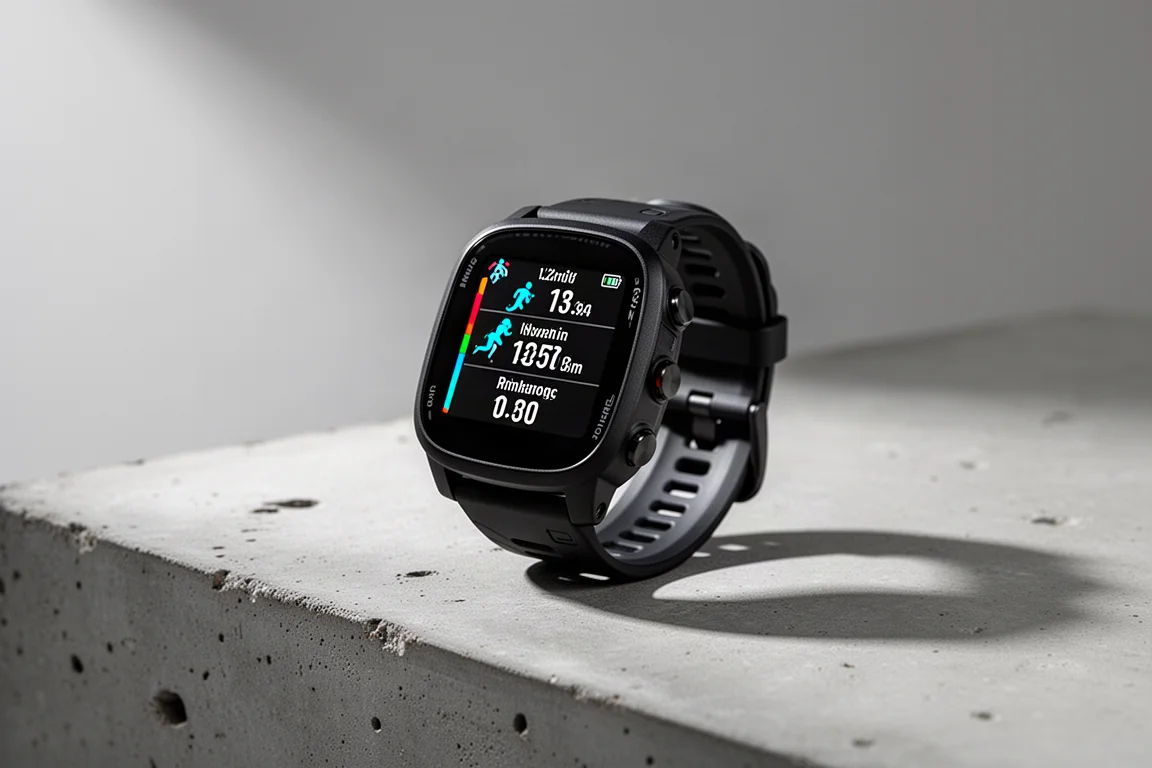
Not a great deal has changed visually compared with the Forerunner 165. It remains a small plastic watch with five buttons, which compares favourably to touch-only or digital-dial rivals at this price. The Music edition adds more expressive colour options and a colour-matched bezel, and the teal option in particular helps it stand apart from the Forerunner 70 and standard 170. The casing is still unmistakably plastic, but no more so than rival lower-end watches, and it never looks cheap.

The 1.2-inch screen is the same size as the Forerunner 70 and 570, so there is less room for stats than on larger models. In practice, if you limit mid-run data screens to three or four priority metrics, it works just fine. The display is slightly lower resolution than the excellent panel on Garmin’s higher-end watches, but it stays bright and readable in all conditions, and the touchscreen is nicely responsive. Five buttons make it easy to operate mid-run, including on the start line when you need to change a setting quickly.
Features: What You Get, and What You Do Not
Stepping up from the Forerunner 70, the 170 adds an altimeter, barometer, gyroscope, magnetic compass, and temperature sensor, which improve elevation tracking. You also get support for cycling sensors such as power meters, Garmin’s cycling performance score, and NFC payments through Garmin Pay. The Music edition adds music storage, Wi-Fi, and compatibility with streaming services like Spotify and Amazon Music, a genuine edge over Suunto and Coros at this price.
One trade-off of the cheaper Forerunner 70 is actually an advantage: it lasts longer on a charge. Otherwise, the designs are very similar across the two models.
What the 170 does not have matters too. There is no multi-band GPS, so the most accurate mode is Garmin’s all systems on. The heart rate sensor is the older Gen 4 rather than the newest Gen 5, which rules out features like ECG measurement and skin temperature readings found on some more expensive Garmins. There are no offline maps either, only breadcrumb navigation and route following. A built-in flashlight, which the Polar Grit X has brought to this price point, is also absent.
Training Insights Are the Big Upgrade
The headline improvement over the Forerunner 165 is the training analysis. The 170 gains training readiness, training status, and acute load, features that were previously reserved for mid-range and higher-priced Garmins. Training readiness in particular is a useful one-stop summary of your body’s state, drawing on recent workouts, sleep, and stress to guide when to push and when to rest.
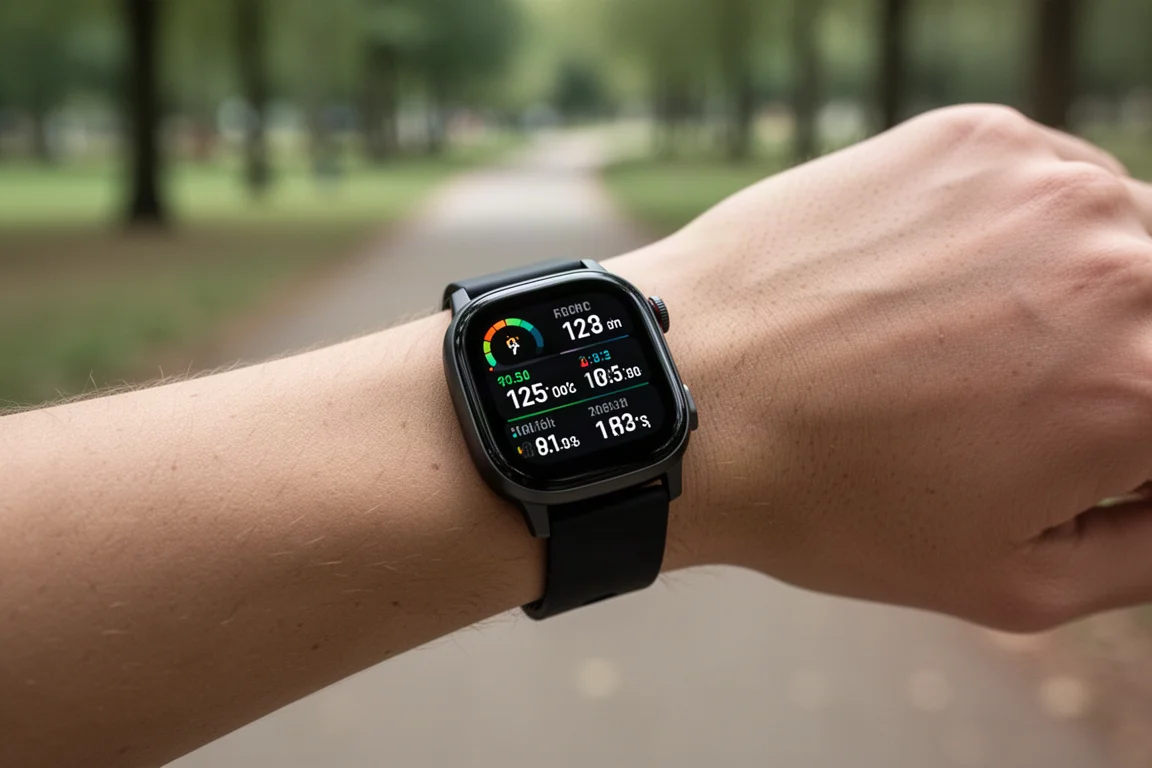
The new user interface, shared with the Forerunner 570 and 970, brings a suite of widgets including a battery widget and sports scores, and it makes changing settings faster and easier. Garmin also says the shared platform should mean faster bug fixes going forward, which is a real argument for choosing the 170 over the older 165.
There are new tools too. Improved intervals, custom alerts, a racing activity, and grade-adjusted pace all appear here. The quick workout creator is a standout for newer runners: you set how hard you want to work, from easy to very hard, and how long, from 15 to 60 minutes, and it generates a session. The suggested paces are fairly aggressive and assume ideal conditions on flat roads, so expect to scale them down, particularly for easy runs in heat or on trails. Used sensibly, mixing them through the week can build a nice range of running without a structured plan.
Health extras round out the package: sleep coach, lifestyle logging, health status, and evening reports to match the morning reports. Sleep tracking has improved noticeably compared with Garmin watches from several years ago, and the small, comfortable case makes overnight wear easy. Live tracking and other safety tools are included too, which every runner can use regardless of ability level.
GPS and Heart Rate Accuracy
Despite the older hardware, accuracy held up impressively in testing. Running alongside a multi-band watch at the Hackney Half, the 170 clocked 13.28 miles against 13.34 on the comparison watch. At the Cape Town Marathon, it registered 26.41 against 26.4. Both are reasonable over a marathon distance, and the tracks showed no major issues staying on the roads, even on built-up urban courses. Real-time pacing was fine, and course markers were hit with good reliability.

The heart rate sensor is the older Gen 4, but it matched a chest strap almost beat for beat on steady and easy runs. The only notable wobble was slight lag during one interval session, which is common for optical sensors. If you plan to rely on the training analysis, pairing a chest strap is a sensible way to get the best data into the watch. There was an occasional hint of corner shaving on tracks, but nothing conclusive and nothing that would be a problem in everyday use.
Battery Life Is the Biggest Drawback
Battery life is the watch’s clearest weakness. With the always-on display enabled, expect roughly 3 to 4 days per charge with 3 to 4 hours of GPS activity, broadly in line with Garmin’s estimates. Raising the wrist to wake the screen extends that, and official figures quote up to 10 days in watch mode and 14 hours of all systems on GPS with the always-on display.
The specifics from testing: a 1-hour run with the screen at full brightness burned around 6%, a 90-minute half marathon used 13%, and a 2-hour 58 marathon burned 16%. Overnight drain averaged around 6% while sleeping. That is thirstier than the Forerunner 165 and the Coros Pace 4, and the Forerunner 70 lasts more like 4.5 to 5 days. Dropping screen brightness helps, but if you use smart features heavily, charging every few days will feel frequent. The Music edition also carries the same storage capacity as before, so there is not much extra room for songs.
Buying Advice: How It Stacks Up
Against the Forerunner 165, the 170 is a clear step up thanks to the training analysis, refreshed UI, and newer software platform that should receive updates for longer. The core tracking hardware is largely unchanged though, so a discounted 165 remains a smart pick if you care mainly about run tracking and smart features rather than training insights.
Against the Forerunner 70, the choice is straightforward. The 70 proved just as accurate in testing, so if you do not need music, NFC payments, cycling sensor support, or the extra elevation sensors, saving the money is sensible.
Outside Garmin’s range, the Coros Pace 4 is the main rival: cheaper, with multi-band GPS and full triathlon support, though with weaker smart features and a less polished experience. The Garmin Forerunner 265, often discounted, adds multi-band GPS and triathlon features but uses the older interface and may see fewer future updates. The Suunto Run is cheaper still with very good performance, and the Apple Watch SE 3 or Series 11 make sense if you want a true smartwatch, accepting worse battery life and weaker built-in training analysis.
Conclusion
The Garmin Forerunner 170 is a very good running watch that would happily serve as a main training companion, even for a serious marathon runner. The design is light, comfortable, and better looking than its price suggests, GPS and heart rate accuracy were essentially faultless in testing, and the new training insights finally bring features that used to require a much pricier Garmin down to this level.
The trade-offs are real: battery life is underwhelming on the Music edition, multi-band GPS and the latest heart rate sensor are missing, and there are no maps. At full launch pricing, alternatives like the Coros Pace 4 or a discounted Forerunner 165 or 265 offer strong value. But if you want a modern, well-rounded Garmin running watch with the latest software, solid accuracy, and enough features to carry you from first 5K through marathon training, the 170 delivers.
Product link
View more details for Garmin Forerunner 170
This product is mentioned in the review. Check the specifications, options, and compatibility before buying.
View more details for Garmin Forerunner 170Further reading
Related Reviews
Running Watches
Coros Pace 3 Running Watch Review: Why Software Matters More Than Specs
The Coros Pace 3 prioritizes runner-focused design and intelligent software over expensive hardware. Here's why it outperforms watches that cost twice as much.
Running Watches
GPS Running Watch Accuracy Test: Seven Watches Compared Across Urban, Trail, and Race Conditions
We tested seven popular running watches from major brands in three different environments to find out which delivers the most accurate GPS tracking for distance and pace.
Running Watches
Garmin Forerunner 70 Review: Garmin's Cheapest Forerunner Is More Capable Than You'd Expect
The new entry-level Forerunner 70 brings an AMOLED screen, a fresh interface, and real training analysis for £219/$249, with a few trade-offs to weigh before buying.