Running Watches
Garmin Forerunner 170 Music vs Forerunner 70: Which Garmin Running Watch Is the Better Buy?
Two of Garmin's newest affordable Forerunners go head to head: near-identical hardware, but different sensors, smart features, battery life, and prices.
Introduction
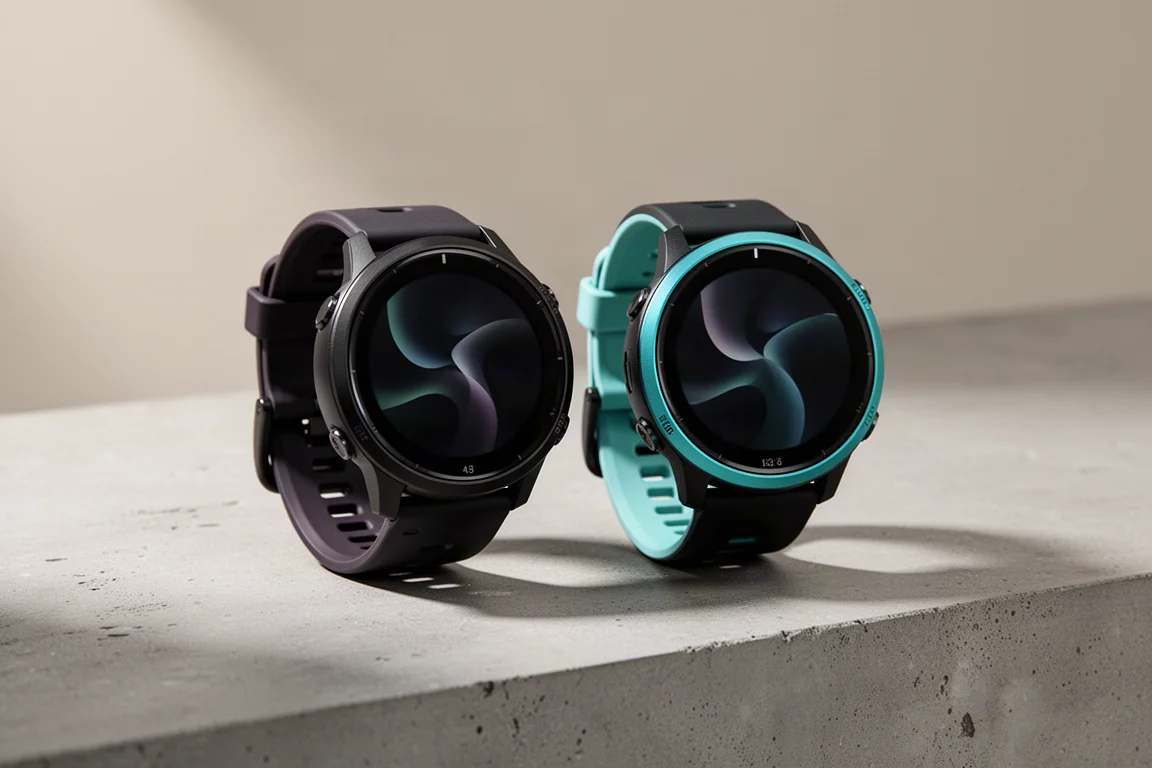
Garmin’s newer budget-friendly Forerunners are a tempting pair: the Forerunner 170 Music and the Forerunner 70 look and feel almost identical, yet they differ in ways that genuinely matter depending on how and where you run. After spending a couple of months training and racing with both watches side by side, the core picture is clear. The hardware, GPS accuracy, heart rate performance, and training tools are essentially the same. What separates them is a handful of extra sensors, smart features like music storage and NFC payments, and battery life that actually favors the cheaper 70.
If you want offline music, Garmin Pay, and extra outdoor sensors, the 170 Music is the upgrade. If you mostly care about run tracking and training analysis, the 70 delivers nearly everything in an identical-looking case for noticeably less.
Design and Hardware: Almost Identical
Put the two watches side by side and you would struggle to tell them apart. Both are 43mm cases with a 1.2-inch, 390 by 390 pixel AMOLED touchscreen, the same resolution as the 42mm Forerunner 570 but below the 970’s. Both use Garmin’s familiar five-button layout, both run the newer user interface, and both carry the previous-generation Elevate Gen 4 optical heart rate sensor. That means no ECG, but blood oxygen tracking is included.
They are light too, coming in around 40g each thanks to a more plastic build and casing, which is pretty standard for lower-end watches. Both are easy to wear around the clock, and there is nothing to choose between them on comfort. The straps are the same removable Forerunner-style bands.
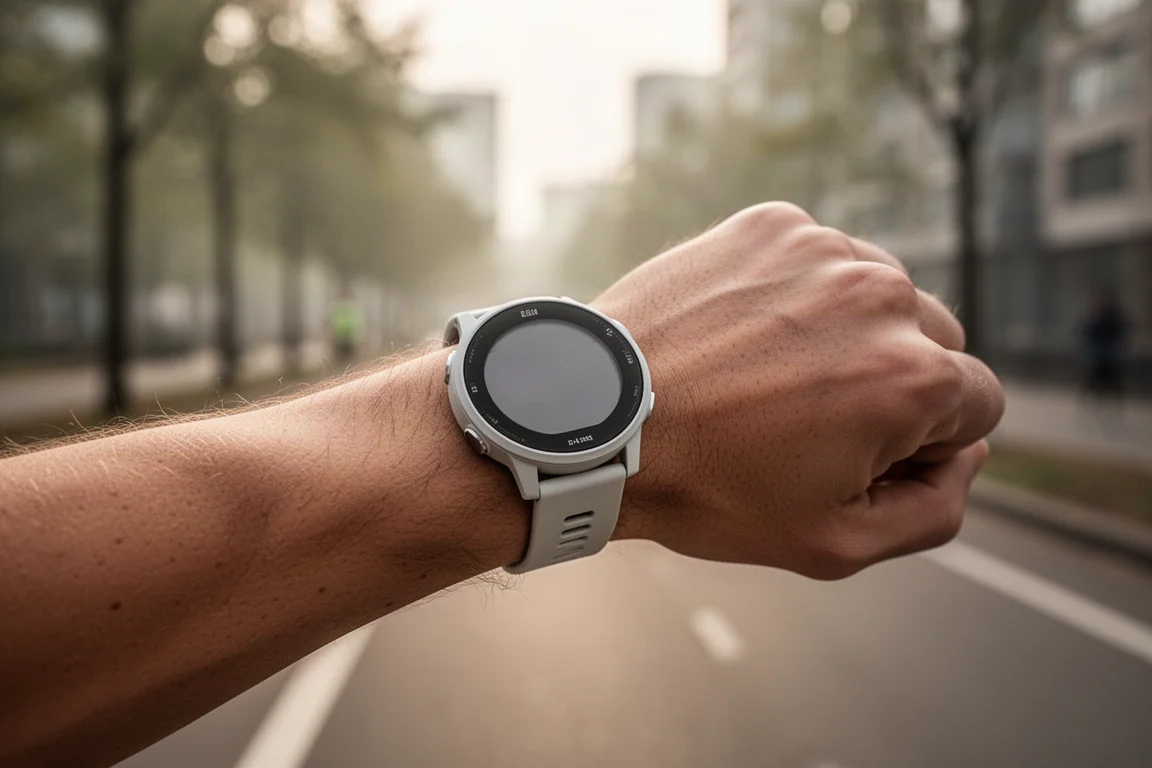
One small aesthetic difference: the Forerunner 170 Music gets a color-matched bezel, which looks a bit sharper, and Garmin has generally used nicer color options on the 170. That is not a performance factor, but it may influence which watch you actually enjoy wearing. It is a small shame that Garmin did not spread the same designs across both ranges.
Features and Training Tools
Both watches pack a remarkably comprehensive suite of Garmin’s run tracking, training, and performance tools for the price. That covers the full core set: recovery time recommendations, adaptive training plans, suggested workouts, VO2 Max, Pace Pro, race time predictions, training readiness, and HRV. You also get live track location sharing, handy for race tracking, ultras, and wilder adventures, plus a new quick workout feature that builds time and intensity-based workouts on the fly.
The health and wellness side is similarly complete: nap detection, sleep tracking, sleep coach, morning and evening reports, stress, body battery, and women’s health tracking. Both watches work with Garmin Coach adaptive training plans, which is a genuinely good feature if you are a newer runner who wants structure without paying extra for a third-party plan. Connect IQ store access is here too, which is a big plus over the older Forerunner 55.
The key differences: the 170 Music offers offline Spotify, Amazon Music, and Deezer playlists, headphone pairing for audio run stats updates and guided meditations, Garmin Pay NFC contactless payments, Wi-Fi syncing, and more memory and storage. The Forerunner 70 has none of the music functionality, so its storage is noticeably smaller, which limits how many apps and data you can keep on it. Neither watch has multi-band dual-frequency GPS or offline maps, and neither offers a triathlon mode, though the 170 does add open water tracking alongside pool swimming.
GPS and Heart Rate Accuracy
For most runners, GPS performance on both watches is very good. They share the same single-band GPS sensor setup, and in testing both produced accurate tracks, pace, and distance. During a marathon, the 70 registered 26.4 miles while the 170 Music clocked 26.41, an almost negligible difference on a route that handled city streets well and stuck to the road with no major issues.
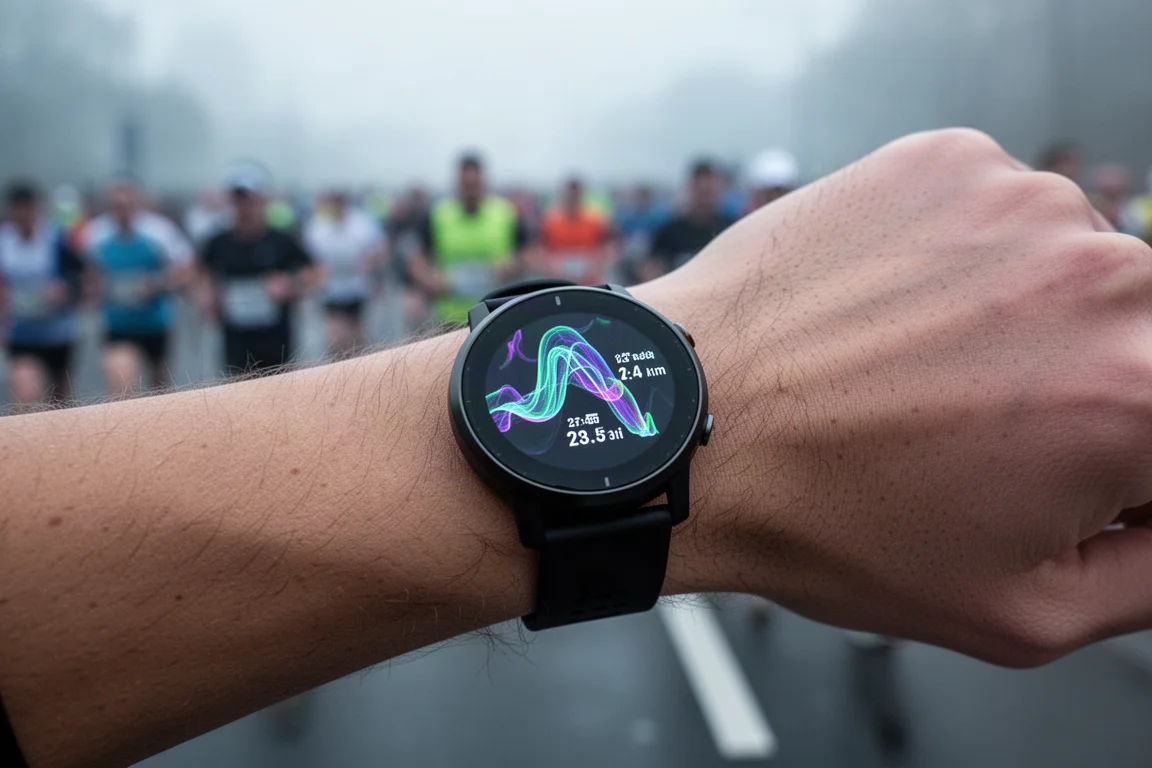
Single-band GPS is not the latest dual-band tech, but Garmin’s implementation performs better than plenty of other dual-band watches. If you regularly run in dense, built-up urban areas, you might miss dual frequency, and you would need to step up to the Forerunner 570 to get it.
Heart rate tracking uses the previous-generation optical sensor on both, and performance has been very good at steady paces and most everyday runs, including races in warm weather. It is at higher intensities where optical tracking can start to falter a little more, though that is common across the category. Both watches pair with external chest straps, and against a premium HRM chest strap there was little to separate the 70, the 170, and even the 970 with its newest sensor.
Sensors, Navigation, and Off-Road Use
This is where the 170 pulls ahead. It adds a barometer, altimeter, magnetic compass, gyroscope, and a temperature sensor that feeds extra information into sport profiles, including elevation data. Both watches support breadcrumb navigation, but without maps on either, the richer sensor package gives the 170 a more useful experience off-road.

In practice, the elevation difference was noticeable but not dramatic. During a race, the Forerunner 70, lacking an altimeter, produced a visibly incorrect elevation chart compared to the smoother barometric readings on the 170. On hilly trail runs, though, GPS-based elevation on the 70 held up fine. If you are frequently hitting big hills and mountains and want excellent elevation data, the altimeter is a real plus, and if you are that kind of runner you may already be looking at a watch with maps anyway.
Battery Life in Practice
On paper, the Forerunner 70 lasts longer: up to 13 days in smartwatch mode, 23 hours in GPS-only mode, and 16 hours with all systems. The 170 Music claims 10 days smartwatch, 20 hours GPS, and 14 hours all systems.
Real-world use matched that pattern. With the always-on display enabled and three to four hours of GPS activity per day, the 170 Music lasted three to four days per charge, largely matching Garmin’s official figures. The 70 stretched to around five days under the same demanding routine. Even with regular tracking and continuous monitoring, the 70 gets close to two weeks when you are not pushing it hard.
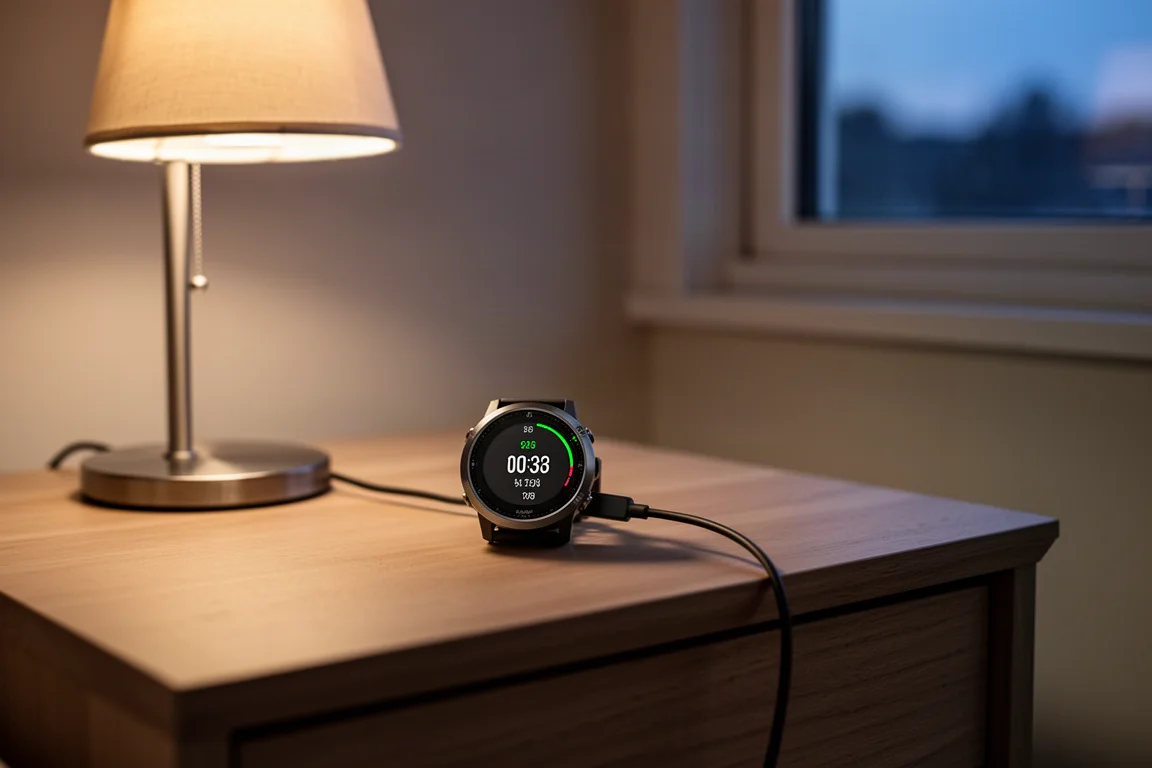
A race-morning check made the gap tangible: after wearing both overnight, the 70 was at 92% by 6:30 a.m. while the 170 Music sat at 89%. During the marathon itself, the 170 Music burned 16% and the 70 burned 18%. For very long ultras around the 100k distance, both could be a risk depending on your pace and finish time.
Which One Should You Buy?
The decision comes down to a few clear questions. If you want offline music, Garmin Pay, Wi-Fi syncing, and the extra sensors for elevation and navigation, the Forerunner 170 Music is the one. Its larger memory also makes more sense if you plan to load up apps and data, and those extra sensors genuinely enrich trail and ultra running.
If none of those features are compelling to you, the Forerunner 70 is the better value. You get the same accuracy, the same training analysis, the same interface, and an identical-looking watch, with a battery boost as the cherry on top. There is always the temptation to buy the more expensive watch to future-proof your habits, and the 170 does give you that security, but unless you know you will use those features, the saving is hard to argue with. The 70 is not as affordable as its predecessor, the Forerunner 55, which is a shame, but it sits near the top of the Garmin range for pure running value. It just does not come in teal.
Conclusion
Both the Forerunner 170 Music and Forerunner 70 are solid, dependable running watches that cater to everyone from beginners to regular racers, cramming in a feature set not far off pricier Forerunners in a lightweight, comfortable design. For most runners focused on tracking, training, and analysis, the Forerunner 70 hits the sweet spot of capability and cost, with slightly better battery life in the bargain. The 170 Music earns its extra cost only if music, payments, and the expanded sensor package genuinely fit your running life.
Product link
View more details for Garmin Forerunner 170 Music
This product is mentioned in the review. Check the specifications, options, and compatibility before buying.
View more details for Garmin Forerunner 170 MusicFurther reading
Related Reviews
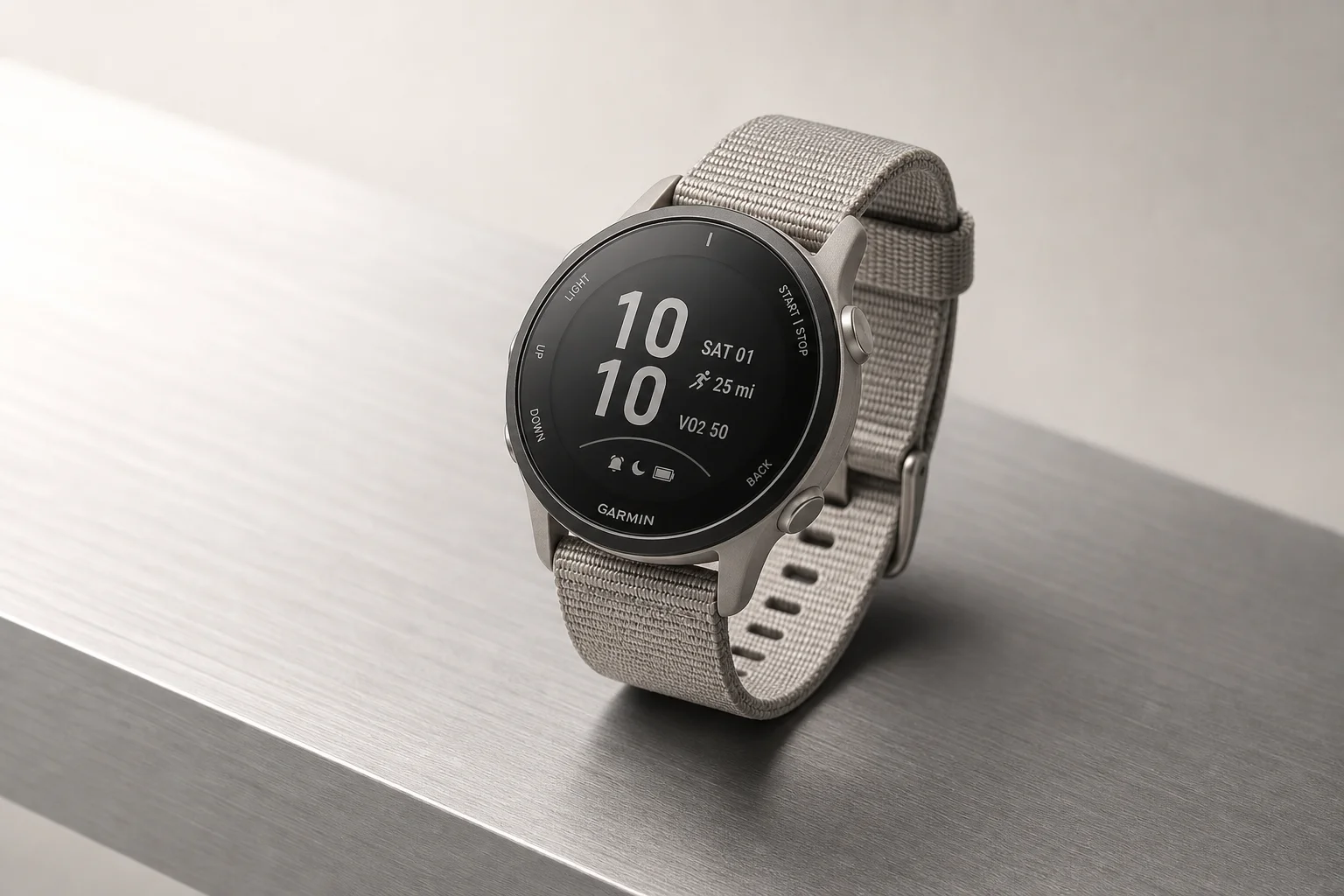
Running Watches
Coros Pace 3 Running Watch Review: Why Software Matters More Than Specs
The Coros Pace 3 prioritizes runner-focused design and intelligent software over expensive hardware. Here's why it outperforms watches that cost twice as much.
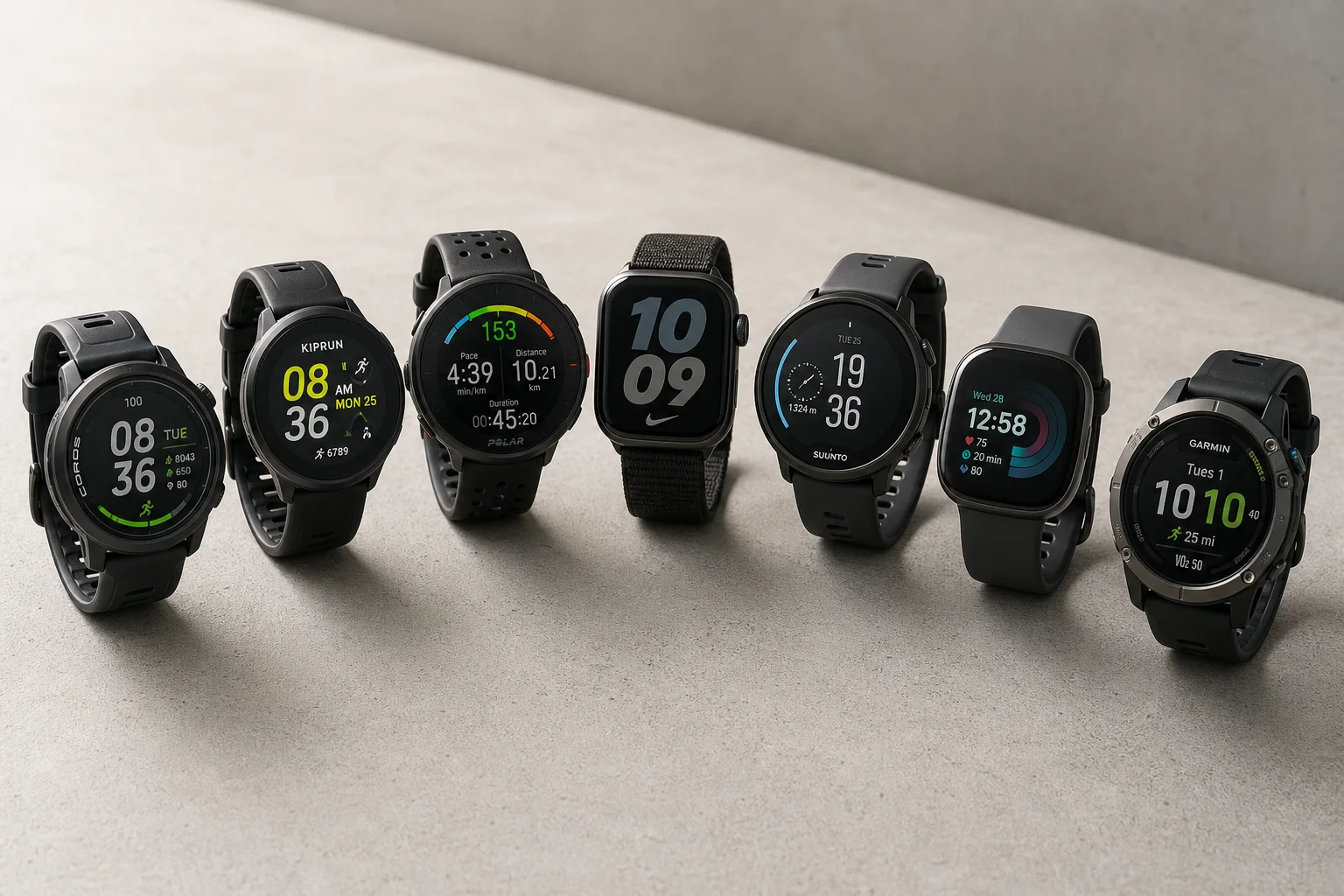
Running Watches
GPS Running Watch Accuracy Test: Seven Watches Compared Across Urban, Trail, and Race Conditions
We tested seven popular running watches from major brands in three different environments to find out which delivers the most accurate GPS tracking for distance and pace.
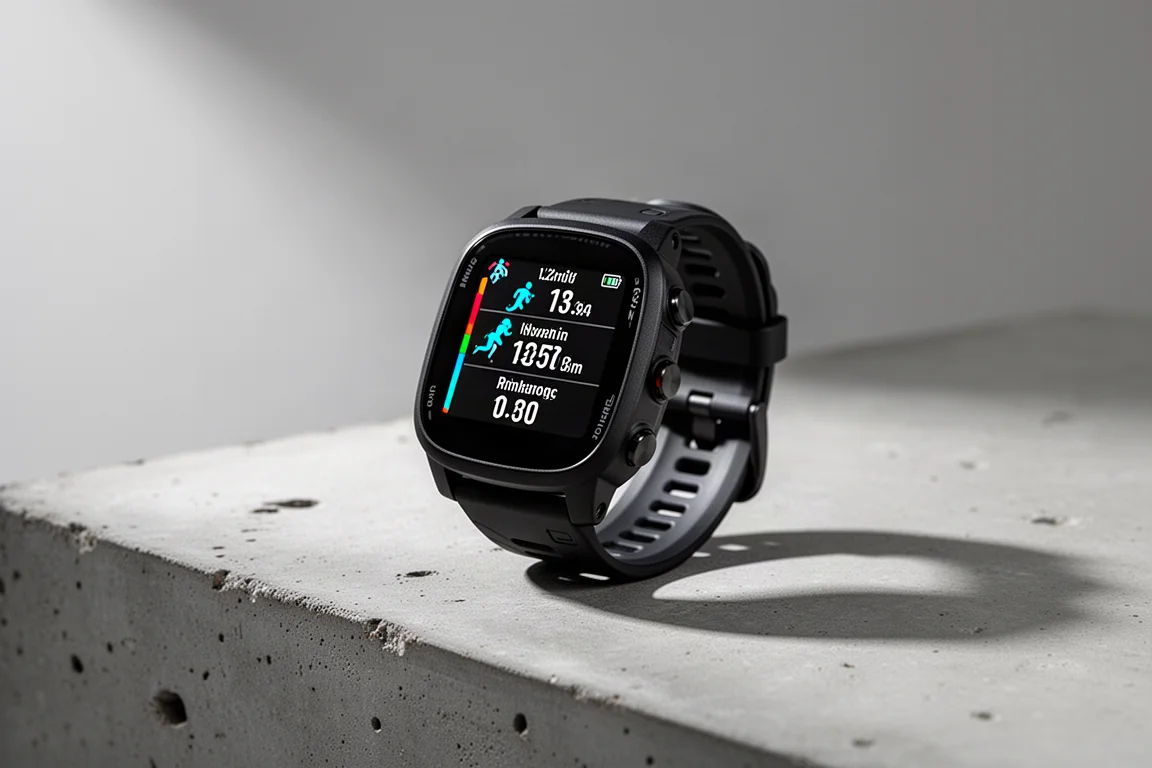
Running Watches
Garmin Forerunner 70 Review: Garmin's Cheapest Forerunner Is More Capable Than You'd Expect
The new entry-level Forerunner 70 brings an AMOLED screen, a fresh interface, and real training analysis for £219/$249, with a few trade-offs to weigh before buying.