Running Watches
Garmin Forerunner 170 vs 170 Music vs Forerunner 70: First Look at Garmin's New Affordable Running Watches
Garmin's three new affordable Forerunners bring a new operating system, richer training analysis, and competitive pricing to the entry end of the range.
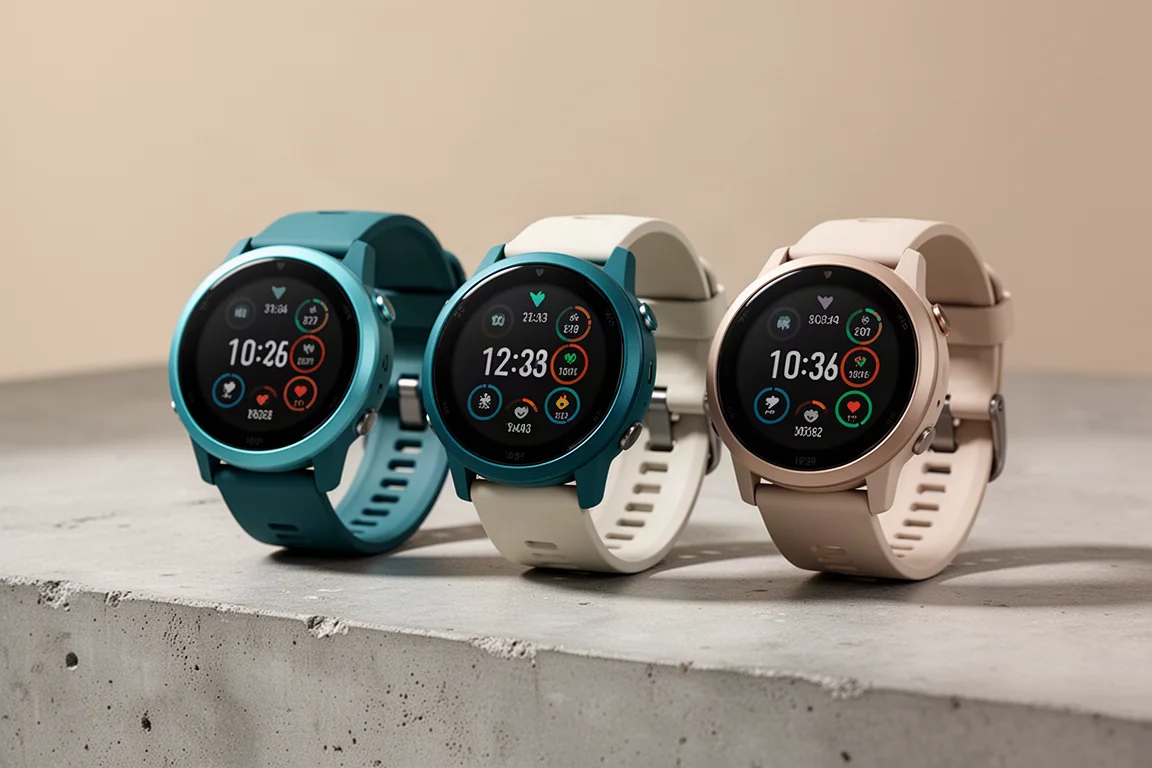
Introduction
Garmin has refreshed the affordable end of its Forerunner lineup with three new watches: the Forerunner 70, the Forerunner 170, and the Forerunner 170 Music. The Forerunner 70 replaces the Forerunner 55 as the cheapest model, while the Forerunner 170 is the direct successor to the popular Forerunner 165, available with or without music storage.
On paper these are entry-level watches, but in practice they now carry enough features to be better described as affordable running watches for runners of any level. They face strong competition from the Suunto Run, Coros Pace 4, Polar Street X, and the Apple Watch Series 11.
Prices and Model Differences
Pricing sits at £219 / $249 for the Forerunner 70, £259 / $299 for the Forerunner 170, and £299 / $349 for the Forerunner 170 Music. Compared with the Forerunner 165, UK buyers pay only £10 more at full price, while US buyers face a $50 jump.
The three watches share nearly identical designs, but the Forerunner 70 misses out on NFC payments, the barometer and altimeter, compass and gyroscope, and the temperature sensor. Those sensors and Garmin Pay come with both Forerunner 170 models. Stepping up to the 170 Music adds music storage, streaming service support, and Wi-Fi. The Forerunner 70 gets slightly better battery life as a result of carrying fewer power-hungry features.
What’s New Across the Range
The biggest change is the software. The Forerunner 70 and 170 run the newer operating system used on the Forerunner 570 and 970, bringing new sports modes, richer training analysis, new widgets, lifestyle logging, and health status tools. Being on the same platform as Garmin’s flagship watches should also mean new features and bug fixes arrive more easily going forward.
Hardware is more conservative. All three use the same Elevate Gen 4 heart rate sensor as the Forerunner 165, not the newer Gen 5 sensor found on Garmin’s top models. The Forerunner 170 lacks multi-band GPS but runs Garmin’s all systems on tracking, which has proved accurate in testing. There is no built-in flashlight, and no triathlon support, though the 170 can pair with cycling power meters for individual bike modes.
Garmin Forerunner 170: The New Training Benchmark
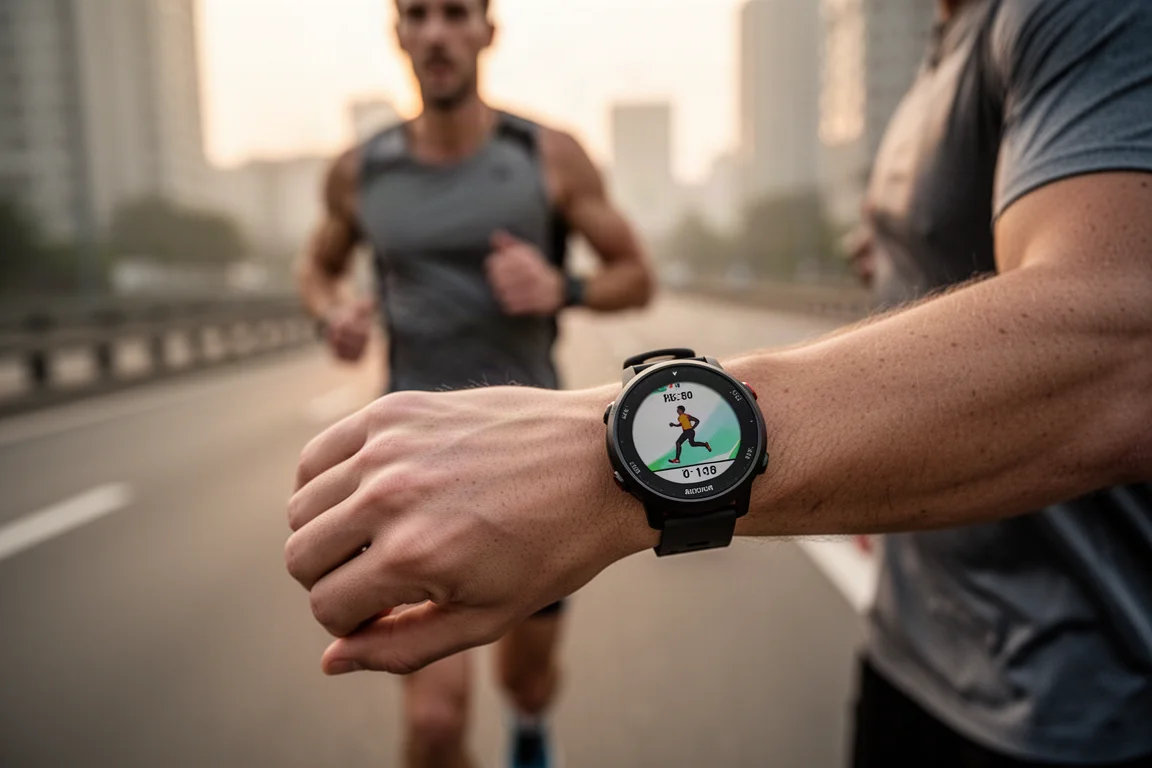
The Forerunner 170 keeps the compact, lightweight plastic design of the 165 with five buttons and a bright 1.2-inch AMOLED display, now with a color-matched bezel and more expressive color options that lift the look without feeling cheap. At 41g it is one of Garmin’s easier watches to wear around the clock, including for sleep tracking.
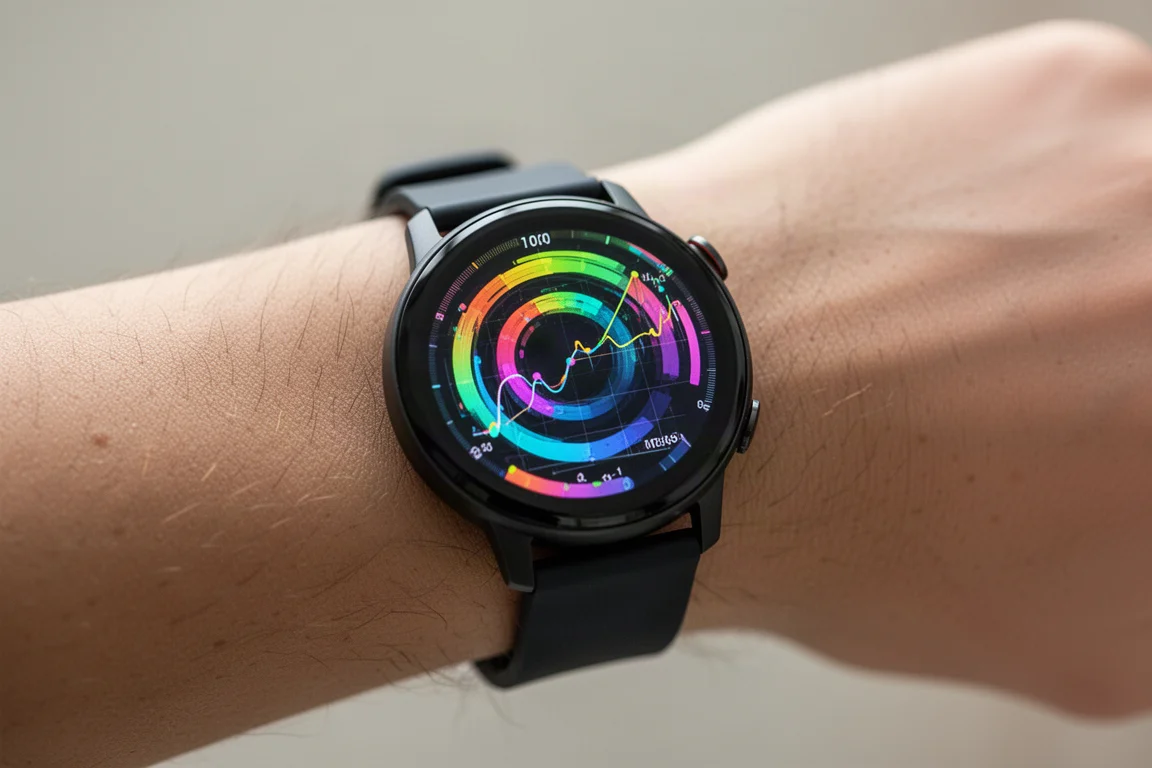
The real upgrade is in training analysis. You now get training readiness, training status, acute load, and training load focus, features that previously required spending more on higher models. Garmin Coach plans that factor in strength training, improved interval support, and a better recovery time advisor are also included. The new quick workout feature lets you pick an effort level from 1 to 4 and a duration from 15 to 60 minutes, creating an approachable run without a structured plan.
In early testing, GPS accuracy was strong. In a half marathon race the 170 clocked 13.28 miles against the 970’s 13.34, and matched a chest strap almost beat for beat on heart rate. On repeated loop workouts it tracked within about 10 meters of the Forerunner 970 and Apple Watch Ultra 3. Battery life is quoted at up to 10 days, around 4 days with the always-on display, and 20 hours of GPS tracking, though early testing showed some unusually fast drain that needs further verification.
Garmin Forerunner 170 Music: The All-Rounder
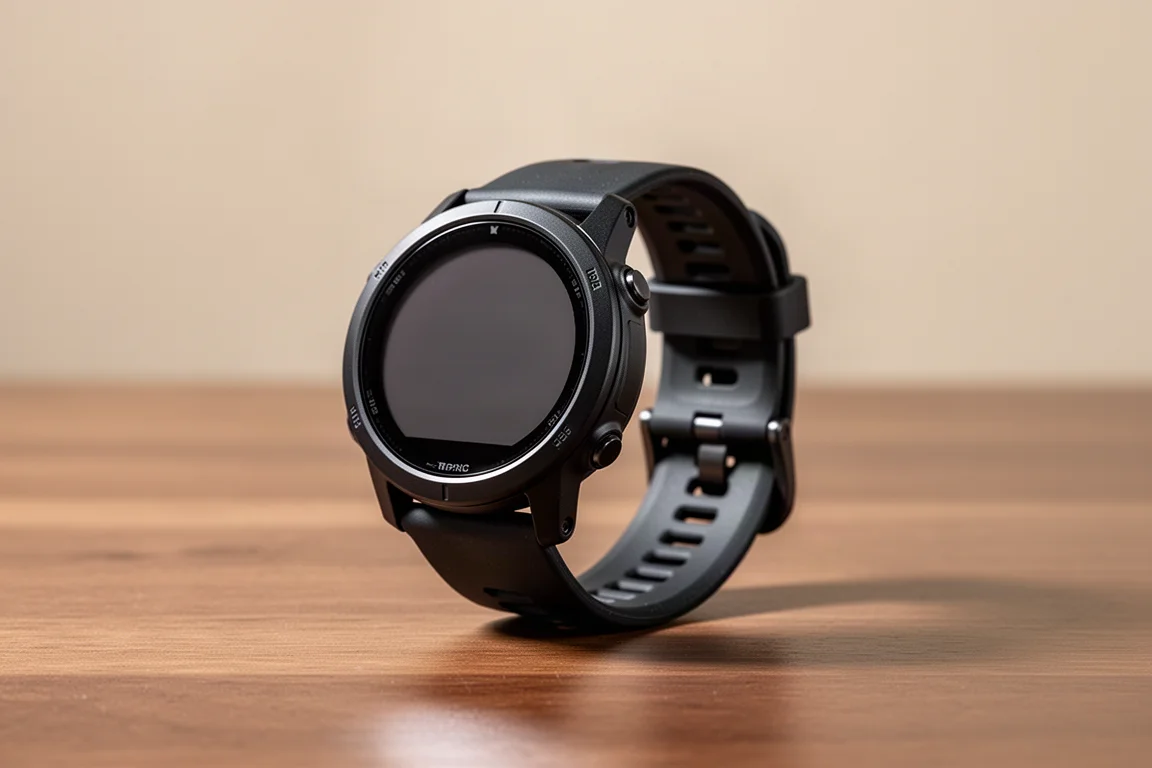
The Forerunner 170 Music is the priciest of the three and adds music storage, streaming service compatibility, and Wi-Fi on top of everything the standard 170 offers, including Garmin Pay, live tracking, and the full sensor suite with barometer, altimeter, compass, gyroscope, and temperature sensor.
The smaller 1.2-inch display is lower resolution than the Forerunner 970’s screen, but it proved bright and clear in use, and if you limit mid-run stats to two or three priorities the screen size is not a real limitation. On a 90-minute half marathon the Music model burned 13% of battery, slightly thirstier than the 165’s 11% for the same effort, and a 1-hour run used 6%.
No other sports watch brand competes with Garmin on watch-based music features, which is where this model earns its premium. It also sits on the same modern operating system platform, so future software improvements should arrive more readily than on the 165.

Garmin Forerunner 70: The Value Pick
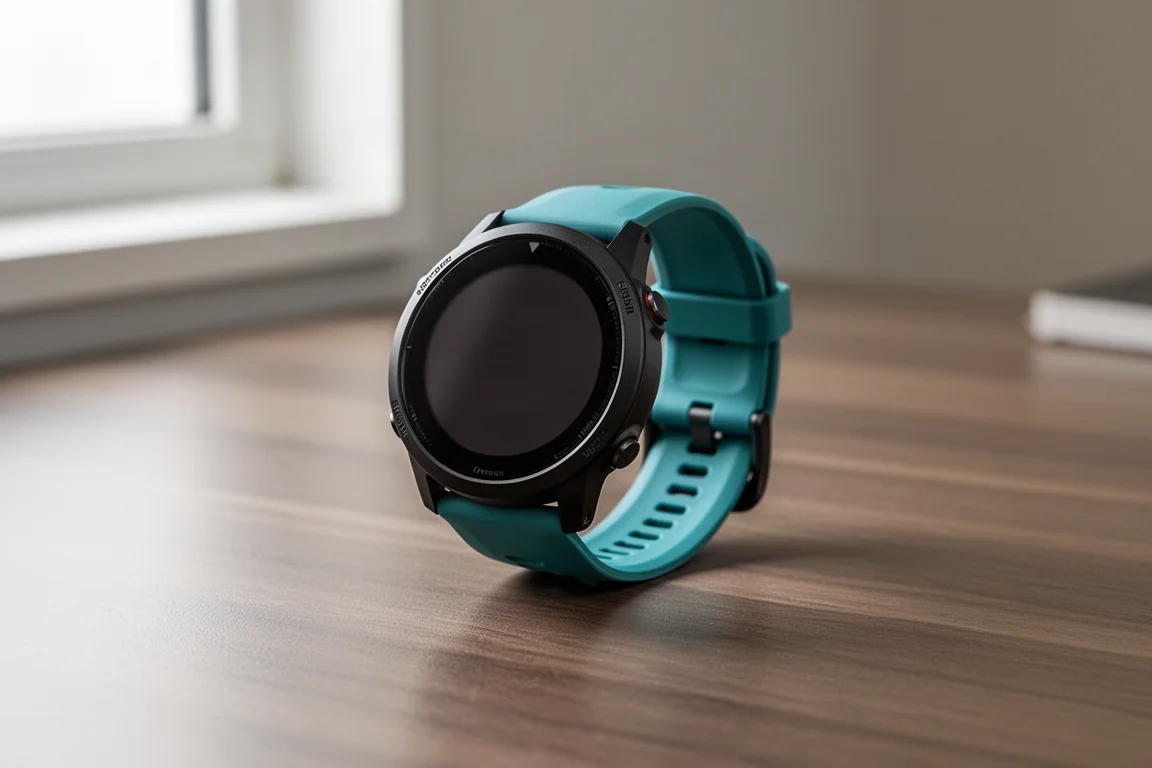
The Forerunner 70 looks to be the quiet star of this launch. It offers much the same design, the same new operating system, and similar core tracking capability as the 170, with slightly better battery life and a price that sits right in line with rival options from Coros, Suunto, and Amazfit.
The trade-offs are clear: no NFC payments, no barometer or altimeter, no compass, gyroscope, or temperature sensor, and no music storage. For runners who do not use those extras, the Forerunner 70 may well deliver the best balance of capability and cost in the new lineup.
Which One Should You Buy?
If you want the fullest Garmin experience at this price, including music, payments, and the extra sensors, the Forerunner 170 Music is the all-rounder. If you want the biggest step up in training tools without paying for music, the Forerunner 170 is the sweet spot. If you can live without the extras, the Forerunner 70 looks like the best value on paper, with an identical design and slightly longer battery life.
It is also worth noting that the Forerunner 165 remains an attractive cheaper alternative if you do not care about the new interface and richer training analysis, since the core tracking hardware is largely unchanged. Against the Coros Pace 4, Garmin’s counter is a more polished smart experience and stronger music features, while Coros counters with multi-band GPS and longer battery life.
Conclusion
This is a solid, sensible update rather than a dramatic overhaul. The hardware stays close to the Forerunner 165, but the new operating system transforms these watches into far more capable training tools at prices that compete directly with the best affordable watches from Coros, Suunto, and Amazfit. Early accuracy results are strong, battery figures match Garmin’s estimates when the always-on display is managed sensibly, and the range as a whole makes Garmin relevant again at the value end of the running watch market.
Further reading
Related Reviews
Running Watches
Coros Pace 3 Running Watch Review: Why Software Matters More Than Specs
The Coros Pace 3 prioritizes runner-focused design and intelligent software over expensive hardware. Here's why it outperforms watches that cost twice as much.
Running Watches
GPS Running Watch Accuracy Test: Seven Watches Compared Across Urban, Trail, and Race Conditions
We tested seven popular running watches from major brands in three different environments to find out which delivers the most accurate GPS tracking for distance and pace.
Running Watches
Garmin Forerunner 70 Review: Garmin's Cheapest Forerunner Is More Capable Than You'd Expect
The new entry-level Forerunner 70 brings an AMOLED screen, a fresh interface, and real training analysis for £219/$249, with a few trade-offs to weigh before buying.