Running Watches
Garmin Forerunner 165 vs 265: Which Running Watch Should You Buy?
A practical look at the Garmin Forerunner 165, Forerunner 265, Instinct 2, and Forerunner 255, and which features actually matter before you spend more.
Introduction
Garmin’s running watch lineup can feel confusing, especially when two watches look similar but behave very differently in training. The Forerunner 165 and Forerunner 265 are a good example: both are running-focused, but the feature gap between them is genuinely large, covering dozens of individual differences when you go menu by menu.
This guide condenses that gap into the differences that actually matter, then adds two cheaper alternatives worth knowing about: the Garmin Instinct 2 and the Forerunner 255. The goal is simple: help you decide whether the extra features are worth the extra money for the way you actually train.
Price and Sizing: Where the Two Watches Split
The Forerunner 165 starts at $249 for the basic edition, or $299 for the Music edition. The Forerunner 265 sits at $449. That price difference is the core of the entire comparison, because nearly every feature below maps onto it.
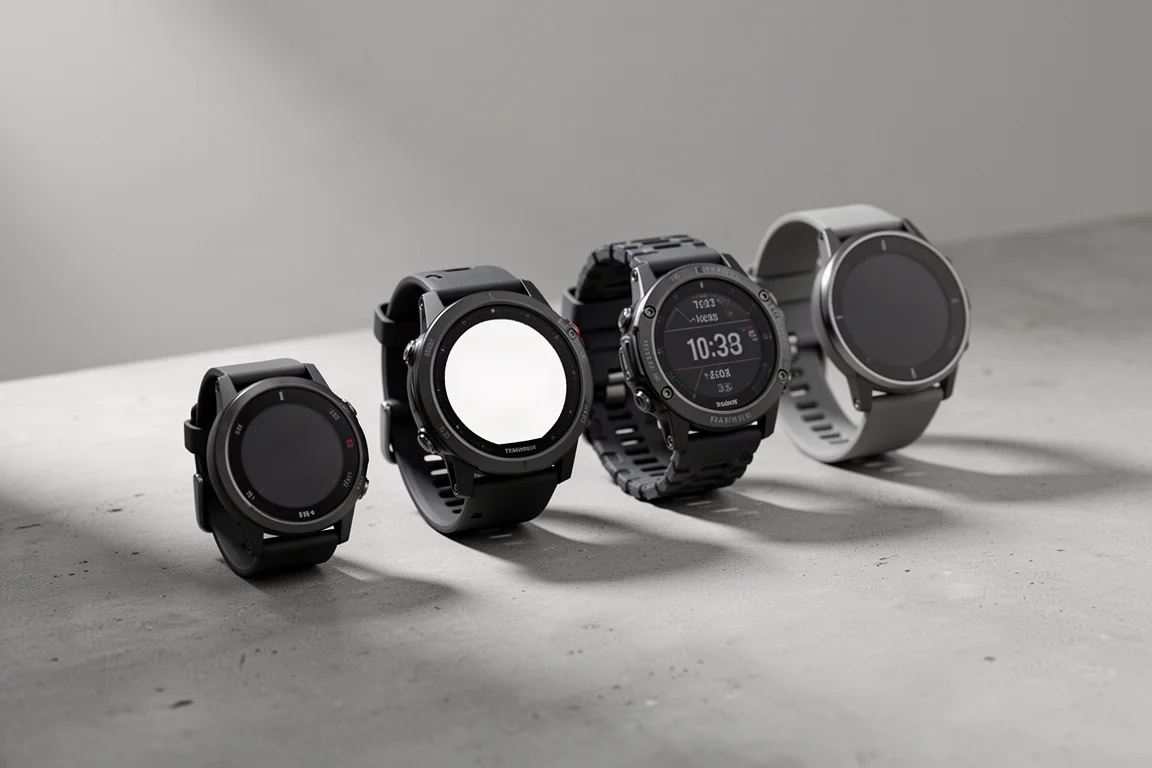
Size is the most visible difference. The Forerunner 165 has a 1.2-inch display in a roughly 43mm case body. The Forerunner 265 comes in two versions: the 265S with a 1.1-inch display in a 42mm case, and the standard 265 with a 1.3-inch display in a 46mm case. On smaller wrists, the 165 feels like a normal-sized watch, while the 265S can feel distinctly small. Picking the right size matters more than most people expect for a watch you wear all day.
Training Readiness and Training Status
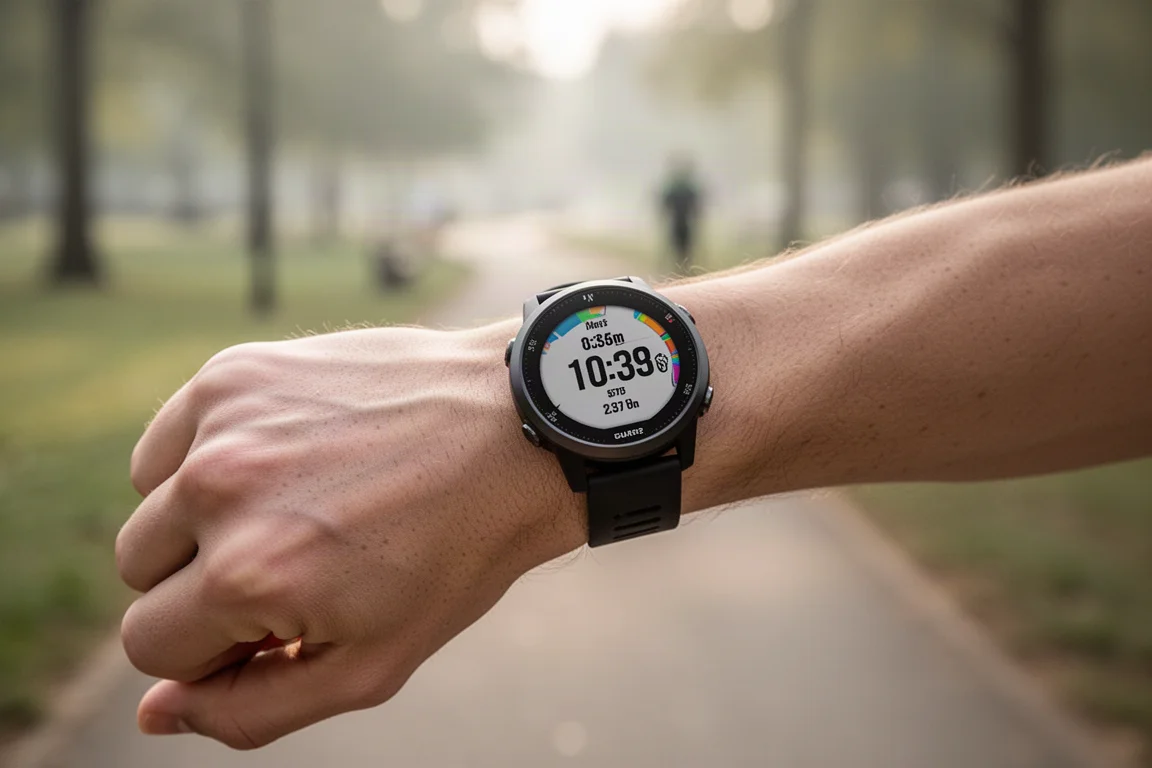
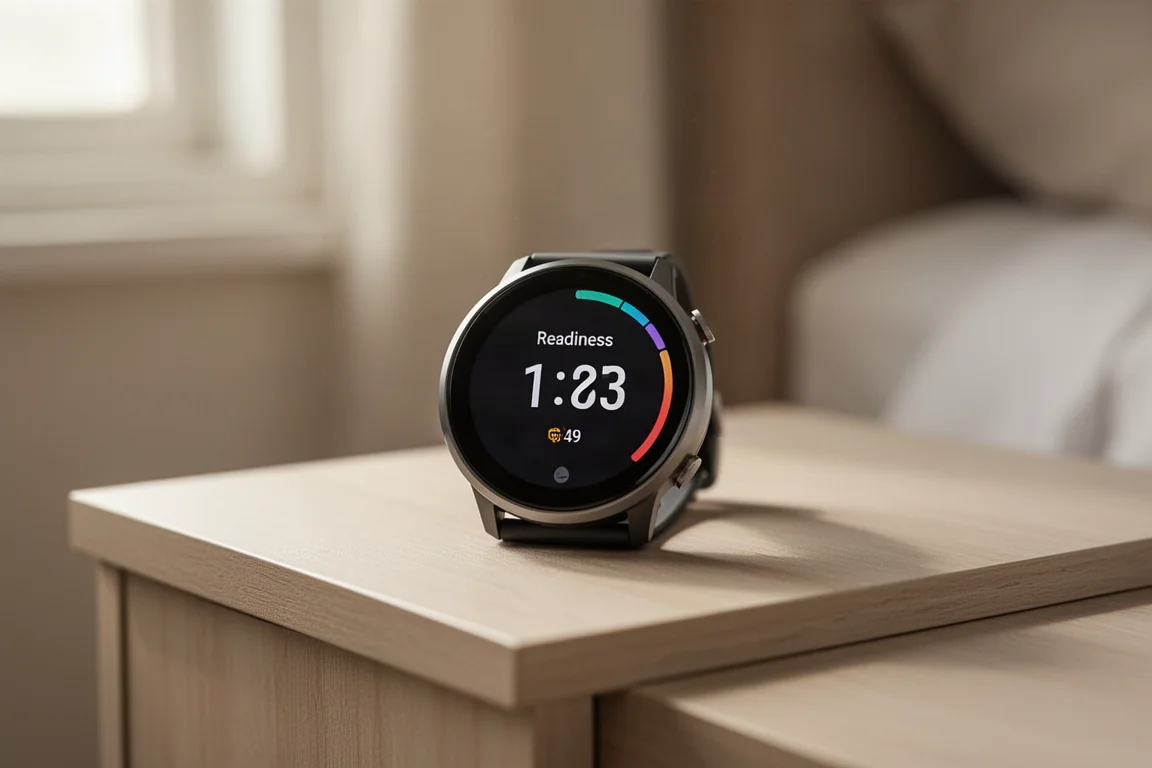
The biggest software difference between the two watches is Training Readiness. Available on the Forerunner 265 and also on the $300 Garmin Instinct 2 series, it delivers a morning score that changes throughout the day, reflecting how recovered you are. Sleep, stress, and your recent training load all feed into it. A quiet morning might see the score climb from the 40s toward the 60s by lunchtime, while a hard workout can push it back down. It works well as a daily gut check on whether to push or back off.
Training Status is the coaching-side counterpart, asking whether your mix of high-intensity and low-intensity workouts is sensible over time. It is on the Forerunner 265 but not the 165.
Training Load: The Deep Metrics
Training Load is where the 265 really separates itself. It breaks down into several layers: per-workout load based on heart rate intensity and duration, an acute load score over the last 7 days that weights recent workouts more heavily, a 28-day load view, load focus showing the balance between high and low intensity work, and a load ratio comparing your recent training to your historical average to flag if you are ramping up too fast.
None of these features are on the Forerunner 165, which only offers recovery time expressed in hours and training effect, which describes what kind of benefit a workout delivered. If those deeper load metrics matter to how you structure training, the 265 is the watch built around them.
Sport Profiles: Skiing, Multisport, and More
Two sport profile gaps stand out on the 165. First, there is no multisport or triathlon mode, something you do find on the Forerunner 255 and the Instinct 2 at comparable prices. Second, and unusually for a watch with a barometric altimeter, there are no skiing or snowboarding modes on the 165, even though other Garmin watches at the same price point include them.
Beyond those two, the 265 simply carries far more sport profiles overall, though Garmin adds new profiles regularly on a quarterly release cycle, and the 265 has gained a large number over the past year. The 165 is younger, so its profile list may still grow.

Sensor Support for Cyclists
If you ride with a cycling power meter, the Forerunner 165 will not connect to one, and it also skips smart trainer support. It does connect to heart rate sensors, cycling speed and cadence sensors, temperature sensors, cycling radar, and cycling lights. For pure runners this is a non-issue, but for anyone mixing in structured cycling it is one of the clearest reasons to step up to the 265.
GPS Accuracy: Does the Missing Multi-Band Matter?
The 165 lacks multi-band, also called dual-frequency, GPS, along with Garmin’s SatIQ feature that automatically switches between modes to save battery. Multi-band GPS primarily helps in very hard environments, such as steep cliff faces or dense downtown high-rise areas.
In practice, this matters less than the spec sheet suggests. Garmin’s standard GPS on the 165 performed extremely well, matching or beating multi-band offerings from competitors and even matching Garmin’s own multi-band watches in testing. Unless you run daily between 70 or 80-story buildings, the absence of multi-band is not a compelling reason to pay more.
Battery Life and the Small Stuff
Battery differences are minor but real. In always-on display mode, the 265 gives you roughly one extra day; without always-on, a couple more days. For GPS workouts, the 265 adds a couple of extra hours, and the 265S goes further still, because it carries the same battery as the larger 265 but with a smaller display that draws less power.
Beyond the headline features, there are dozens of smaller menu-level differences between the two watches, some trivial and some meaningful depending on your use case. One runner’s must-have is another runner’s never-used checkbox, so it is worth thinking about which specific features you would genuinely use every week before paying the difference.
The Cheaper Alternatives: Instinct 2 and Forerunner 255
If the deeper training metrics are what pull you toward the 265, two cheaper watches deliver much of the same capability. The Garmin Instinct 2 series, at around $300, includes Training Readiness along with multisport and triathlon modes, trading refined looks for rugged durability.
The Forerunner 255, also mid-priced, carries most of the same training-focused features as the 265 as well, including triathlon support, in a more traditional running watch form. Both are sensible picks if you want the coaching features without the 265’s price.
Buying Advice
If you are a pure runner who does not care about training load, training status, or training readiness numbers, the Forerunner 165 is a fantastic watch for the money and an easy recommendation. If those metrics matter to you, or if you are a triathlete or a runner who also cycles with power meters, the Forerunner 265 is the better fit. And if you want to save money and do not care much about styling, the Instinct 2 series or the Forerunner 255 deliver most of the 265’s training features at a lower price.
Conclusion
The Forerunner 165 wins on value for straightforward running, while the Forerunner 265 earns its premium with training readiness, deeper load analysis, broader sport profiles, and better sensor support. Knowing which of those you will actually use is the entire decision. Match the watch to your training style and you will not regret either choice.
Product link
View more details for Garmin Forerunner 165
This product is mentioned in the review. Check the specifications, options, and compatibility before buying.
View more details for Garmin Forerunner 165Further reading
Related Reviews
Running Watches
Coros Pace 3 Running Watch Review: Why Software Matters More Than Specs
The Coros Pace 3 prioritizes runner-focused design and intelligent software over expensive hardware. Here's why it outperforms watches that cost twice as much.
Running Watches
GPS Running Watch Accuracy Test: Seven Watches Compared Across Urban, Trail, and Race Conditions
We tested seven popular running watches from major brands in three different environments to find out which delivers the most accurate GPS tracking for distance and pace.
Running Watches
Garmin Forerunner 70 Review: Garmin's Cheapest Forerunner Is More Capable Than You'd Expect
The new entry-level Forerunner 70 brings an AMOLED screen, a fresh interface, and real training analysis for £219/$249, with a few trade-offs to weigh before buying.