GPS Watches
Garmin Fenix 9 Pro 51mm First Run: A Bigger Screen, Titanium Cases, and New Stamina Tools
A first run with the new Fenix 9 Pro 51mm AMOLED alongside the Fenix 8 Pro and Fenix 8, covering the display, battery, GPS, heart rate, and the new Epic, mapping, and stamina features.
Introduction
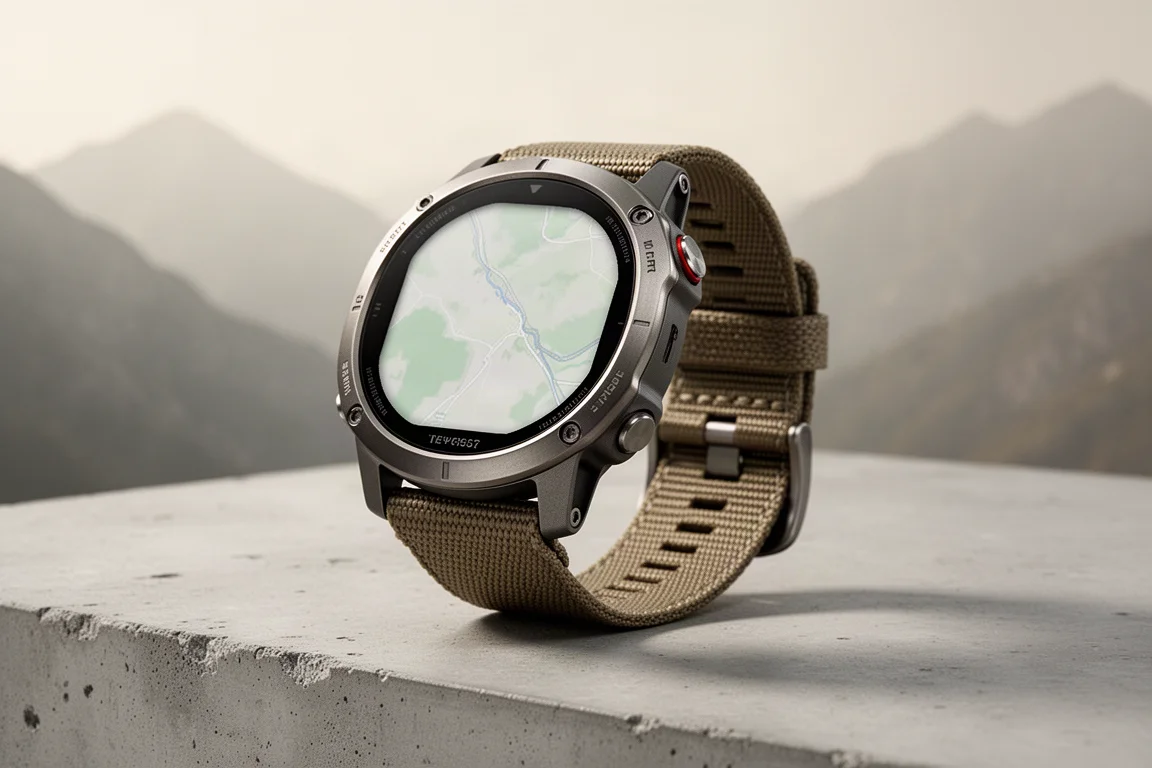
Garmin has refreshed its flagship adventure watch line with the Fenix 9 Pro and Fenix 9, a range the company describes as its most comprehensive Fenix update to date. The new models supersede the Fenix 8 Pro and Fenix 8, and there are roughly 21 variants across the lineup, spanning three case sizes and multiple screen types. To get a quick feel for the headline model, we headed out for a two-hour mountain run with the largest of the bunch, the Fenix 9 Pro 51mm AMOLED, and brought a Fenix 8 Pro and Fenix 8 along for comparison.
What’s New Across the Fenix 9 and 9 Pro
The biggest design shift is that every Fenix 9 Pro and Fenix 9 model now comes in a titanium case. There is no stainless steel option this time. Garmin says the new watches are thinner, stronger, and more durable, and the 47mm Pro is 16% thinner than the Fenix 8 Pro in the same size. The lineup comes in 43mm, 47mm, and 51mm sizes.
The flashlight gains a green light mode on the 9 Pro to help with night visibility, and the buttons are more prominent with a redesigned sensor guard to protect them. On the 51mm Pro you get the first 1.5-inch AMOLED on a Fenix, 15% bigger than the Fenix 8 Pro screen and the same brightness at 3,000 nits, with sapphire lenses across the range. There is no micro LED version like the one offered on the Fenix 8 Pro.

On specs, the 51mm Fenix 9 Pro weighs 99g, lighter than the 51mm stainless steel Fenix 8 Pro but a shade heavier than the 92g titanium 51mm Fenix 8 Pro. The 9 Pro adds built-in cellular LTE and memory up to 64GB, 50% more than the Fenix 8 models and enough for around 7,000 songs. Battery life on the 51mm Pro is now 31 days in smartwatch mode, up from 27 on the Fenix 8 Pro, with 45 hours listed in max accuracy GPS mode. The Pro also offers two solar models with 1.3 and 1.4-inch memory-in-pixel displays, while the standard Fenix 9 is AMOLED only with no solar option.
Pricing starts just shy of £950 for the cheapest Fenix 9 Pro, and jumps to just shy of £1,120 for models with inReach connectivity. That inReach layer brings SOS messaging, Garmin response, live track notifications through Garmin Messenger, a Garmin locate feature, and weather over satellite for your current destination and upcoming waypoints.
First Run: GPS, Heart Rate and Battery
The two-hour mountain run was a useful reality check. With both watches set to max brightness and max accuracy GPS, the Fenix 9 Pro burned 4% of its battery over the run, a performance that should scale to the 45-hour official figure. The Fenix 8 and 8 Pro each burned 5% on the same run.
On GPS, the 9 Pro and 8 Pro tracked identically, with the Fenix 8 slightly off, though that unit was strapped to a run belt. Heart rate data from the 9 Pro’s optical sensor was almost beat for beat with the 8 Pro through plenty of pace changes, so accuracy appears solid and on par with the previous Pro.
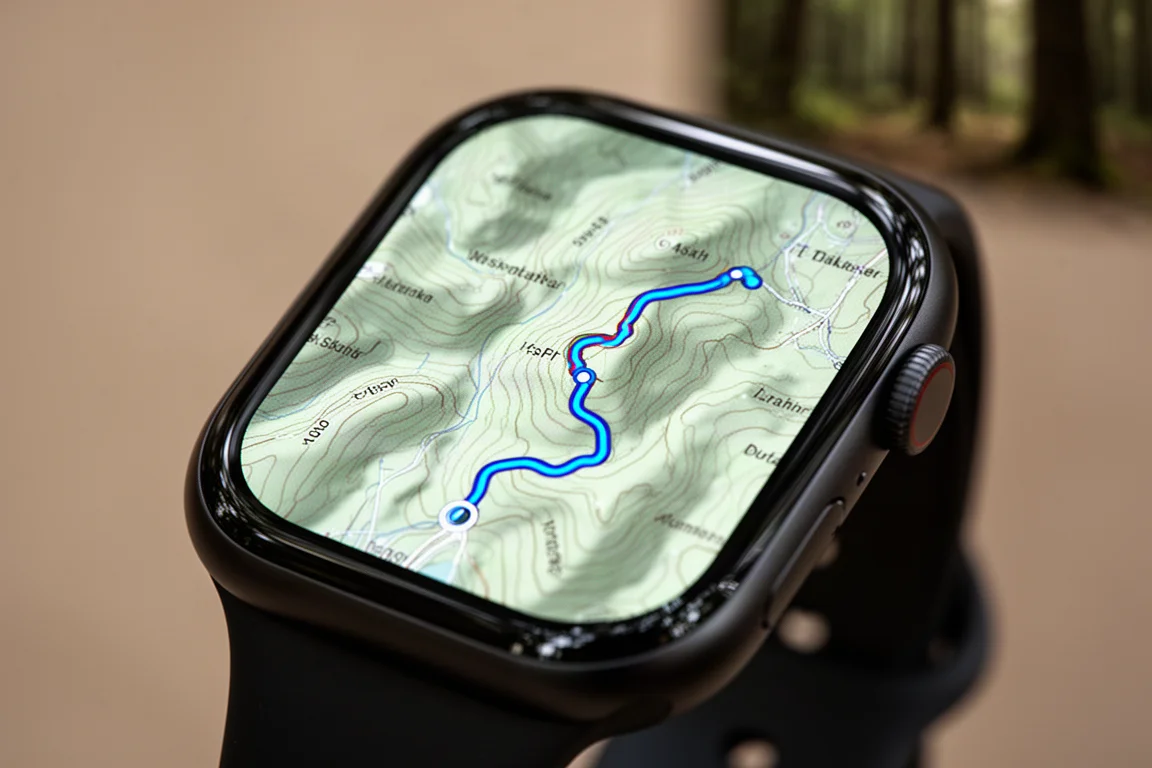
The 1.5-inch screen is a whopper. It means loads of real estate for maps and stats, and visibility was on par with the excellent Fenix 8 Pro AMOLED. There was occasional lag moving between screens, most likely down to this being a just-launched early model. The 51mm case is thinner and sits marginally more comfortably than the 8 Pro AMOLED, but it remains a big watch and will dwarf the 43mm, which suits smaller wrists far better. You need to genuinely like a large watch to get on with this size.
Maps and the Epic Feature
The improved map engine is designed to bring smoother, faster, phone-free routable maps, and Garmin claims 30% faster map panning, smoother zoom, and quicker heading adjustments. A new tilted perspective view adds visual depth to help you anticipate what’s coming next. In this brief test, maps felt quick and smooth, perhaps a touch snappier than the 8 Pro, and the perspective view does add something.
The Epic feature is arguably the standout new tool. Start an Epic and all activities logged over a 92-day period get grouped into a wider story covering metric trends, patterns, and insights, including sleep, recovery, HRV, and maps that stitch multiple activities into one, with photos and notes you can add. Epics can be created retrospectively for any 92-day window, which makes them appealing for multi-day adventures or marathon training blocks.
New Stamina Tools
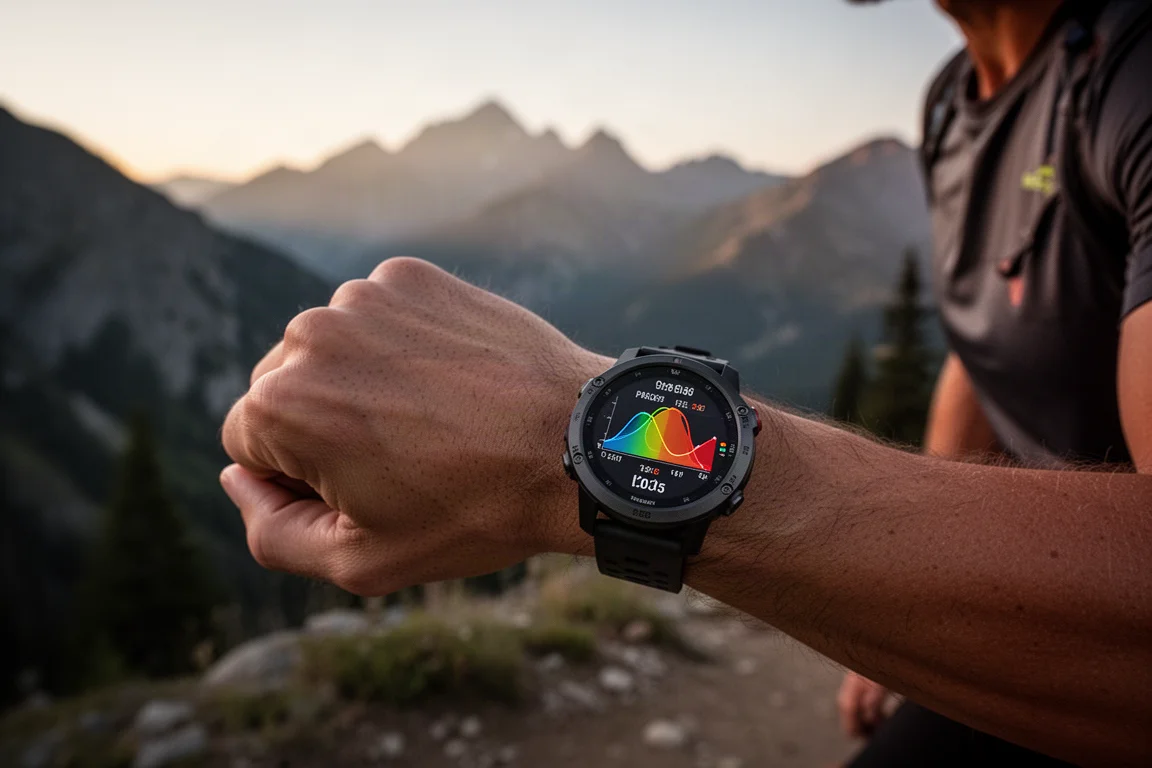
The Stamina tool picks up new metrics too. Stamina curves and zones are designed to show how endurance changes over time based on fitness gains and training history. Post-workout stats include a maximal tolerable distance tied to personalized stamina zones, and a stamina curve estimating how long you can sustain different effort levels, revealing what pace or power you can realistically hold for a given duration. Stamina zones provide intensity ranges across five zones from easy to maximal effort, with pace ranges adjusting as fitness evolves. More data and time are needed to judge these properly, but the principle of pacing runs by stamina rather than heart rate alone is intriguing.
Who Should Upgrade?
The titanium construction is a genuine step up over the stainless steel Fenix 8 models, and if you wanted an even bigger display, the 1.5-inch panel is as generous as it gets. The prominent buttons should also be more glove-friendly, though they may be easier to hit accidentally.
The honest question is whether this justifies an upgrade for existing owners. On first impressions, probably not if you are on a Fenix 8 Pro. If you are coming from a Fenix 7, it is a toss-up between the 9 Pro and the Fenix 8 Pro, which is likely to become the better value on deals while still offering enough firepower for most. Snappier maps and better wearability could tip the scales for some.
For buyers deciding now, the Fenix 9 Pro is the pick for those who want LTE, inReach tools, maximum storage, and the biggest screen. The Fenix 9 covers most of the new software features without cellular, and the Fenix 8 Pro remains a strong, cheaper alternative if you do not need the newest generation.
The Fenix 9 and the Fenix 8 Alternatives
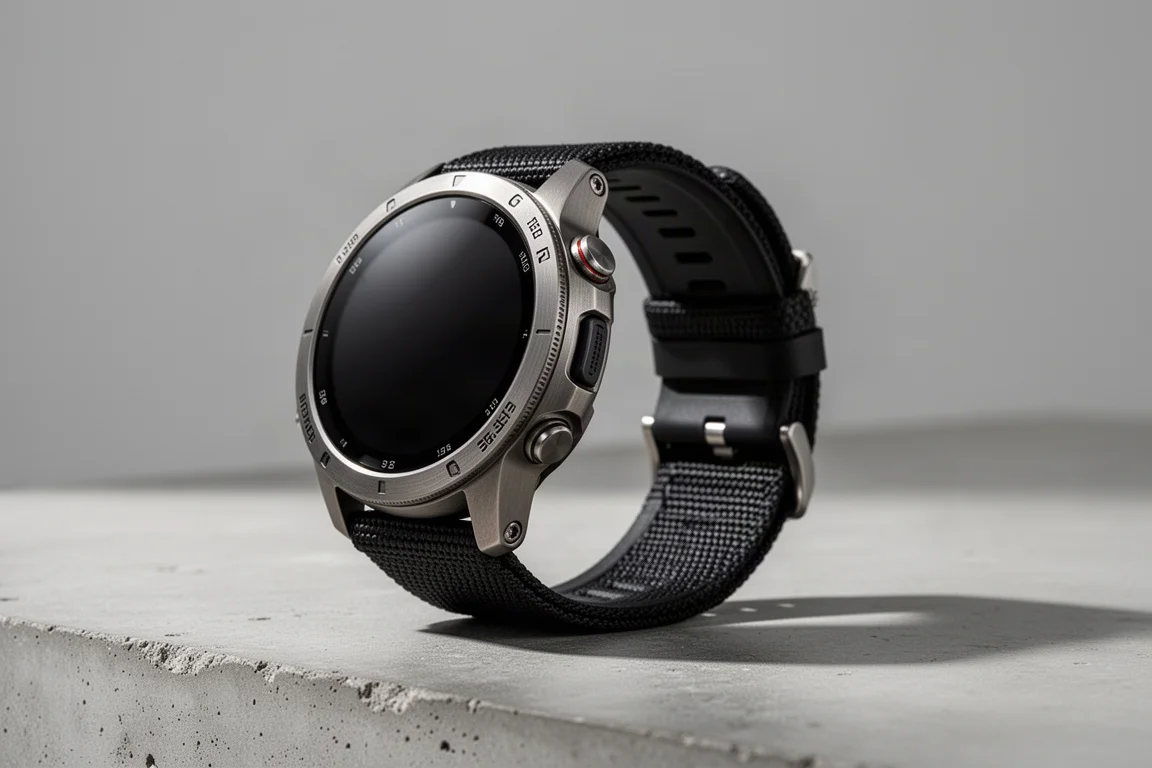
The standard Fenix 9 gets nearly all the same software features as the Pro, including the improved maps, Epic, and the new stamina tools, but drops cellular LTE and inReach and is AMOLED only with no solar option. For runners who do not need satellite connectivity, it keeps the experience largely intact at a lower entry point.
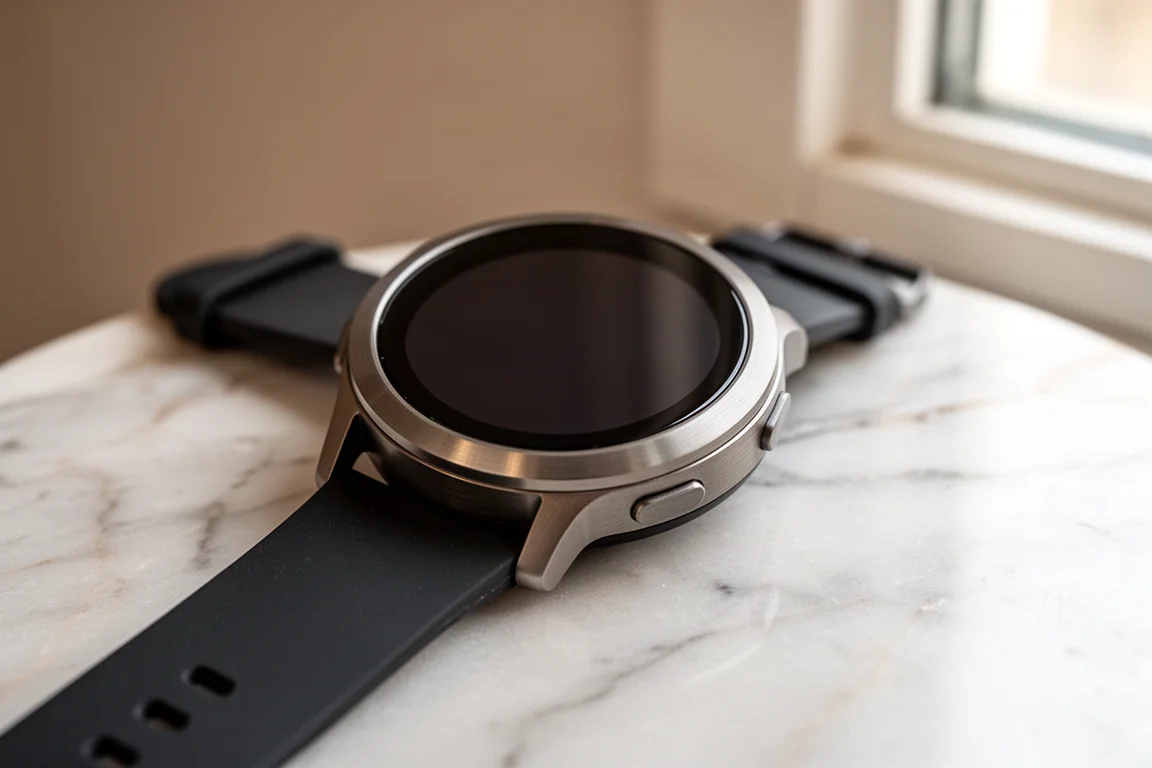
The Fenix 8 Pro is likely to become the better-value proposition once discounts appear, with a 27-day smartwatch battery on the 51mm, the micro LED option Garmin has dropped from the new generation, and tracking accuracy that matched the 9 Pro in this run.
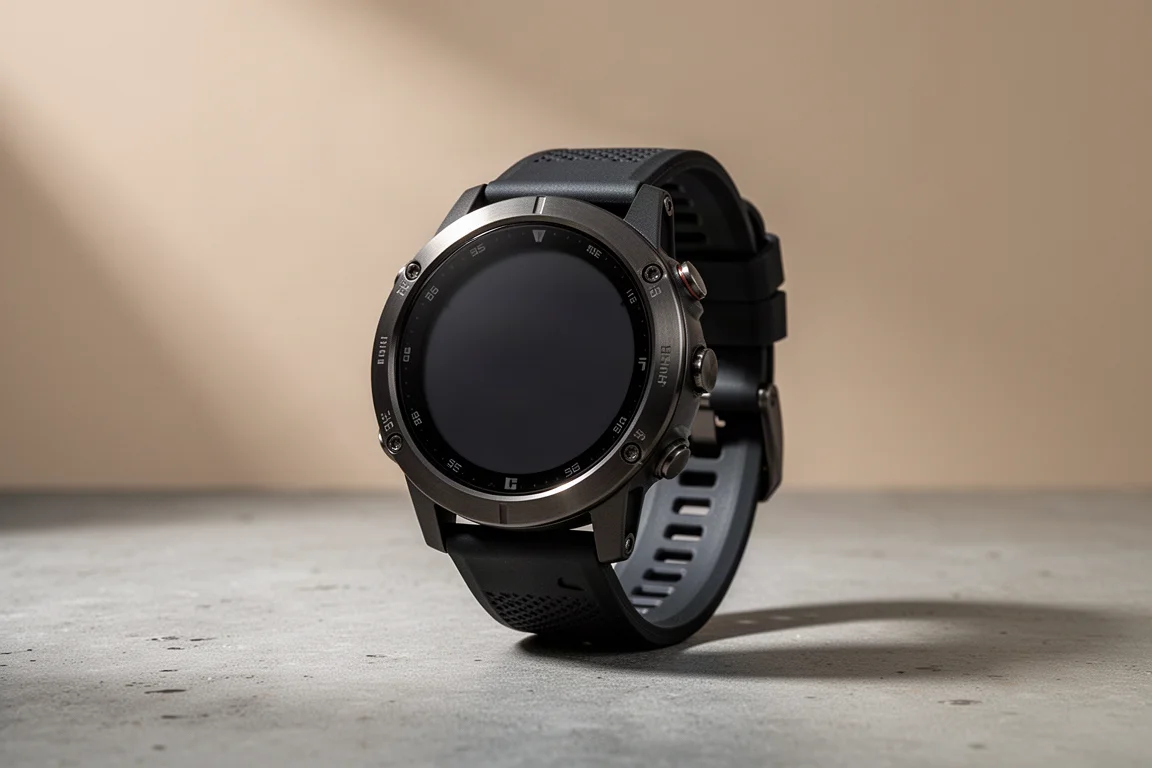
The Fenix 8, particularly in its titanium 51mm form at 92g, remains a capable and lighter-feeling option. It lagged slightly on GPS in this test, though that unit was worn on a run belt, and it burns a similar amount of battery per hour at max settings.
Conclusion
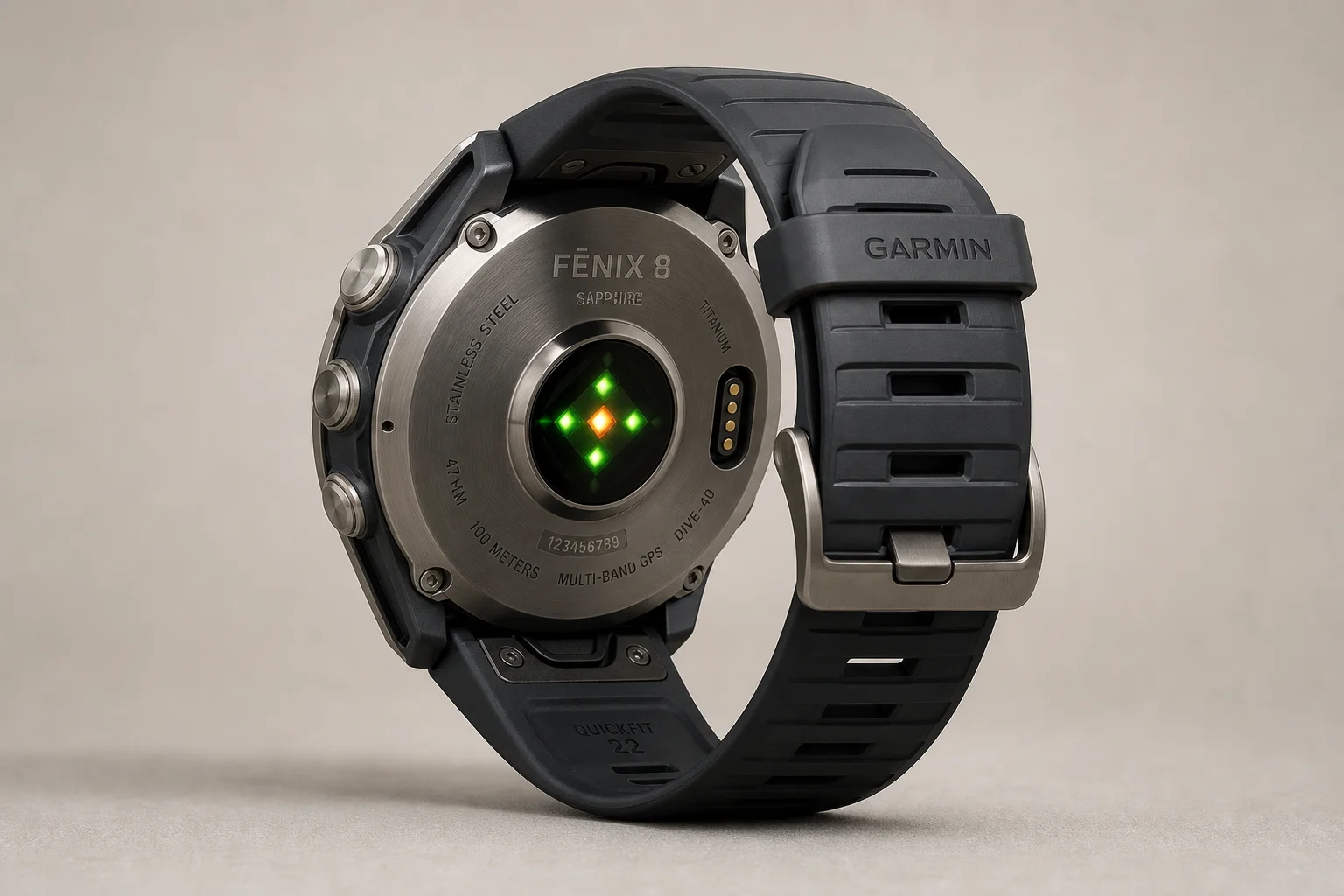
The Fenix 9 Pro 51mm is an impressive first impression: a huge, bright 1.5-inch AMOLED, lighter and thinner titanium construction, quicker maps, and genuinely interesting new training tools in Epic and Stamina. One run does not make a verdict, and features like the stamina tools will need time and data to judge properly. But as a package, the 9 Pro looks like a clear step forward for Garmin’s flagship line, with the key buying question being whether the Fenix 8 Pro on discount now makes more sense for your budget.
Further reading
Related Reviews
GPS Watches
Garmin Fenix 6S Pro Review: A Compact Multi-Sport GPS Watch
A long-term look at the 42mm Garmin Fenix 6S Pro, covering mapping, training metrics, battery life, and what to weigh before buying.
GPS Watches
Garmin Instinct 2 Solar Review: Weeks of Battery for Runners, Riders, and Hikers
A practical look at the Garmin Instinct 2 Solar, covering solar charging, multi-week battery life, training metrics, and GPS performance across running, cycling, and hiking.
GPS Watches
Suunto 9 Peak Pro Review: A Light, Long-Lasting GPS Watch After 12 Months
A compact multisport GPS watch with exceptional battery life, accurate breadcrumb navigation, and a deliberately simple interface. Here is where it shines and where it falls short.