GPS Watches
Garmin Fenix 9 Buying Guide: Which Model Is Right for You?
A practical breakdown of every Fenix 9 option, from size and display choice to Pro and inReach tiers, plus upgrade advice for existing owners.
Introduction
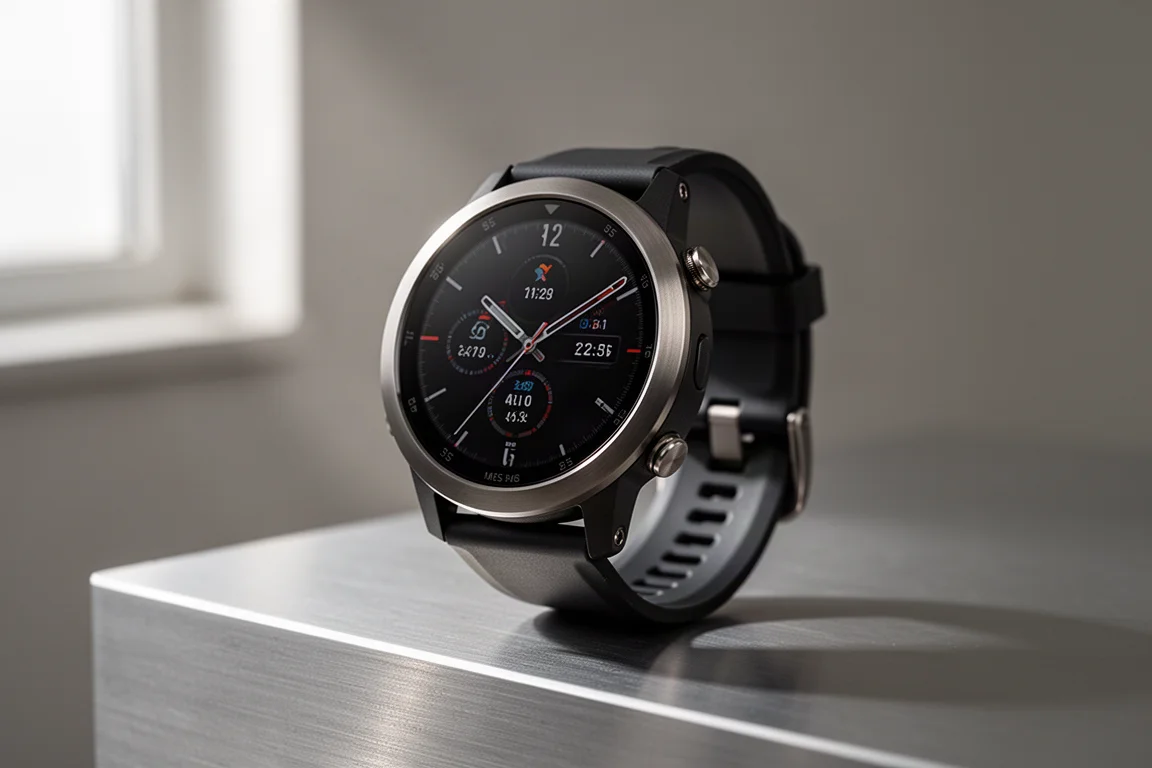
The Garmin Fenix 9 lineup looks overwhelming at first: three sizes, Pro and non-Pro tiers, satellite connectivity, and two display types. In practice, the decision breaks down into three simple choices made in order of importance: size, feature level, and display type. This guide walks through each option so you can figure out which model fits your wrist, your activities, and your budget.
What’s New Across the Fenix 9 Lineup
Every Fenix 9 now comes in titanium only; the stainless steel options from the Fenix 8 are gone. All models also get brighter displays than the original Fenix 8, sapphire lenses across the board, and 64 GB of storage instead of 32 GB. The big software story is a rewritten map rendering engine with faster redraws and a new perspective view, exclusive to the Fenix 9 and not coming back to older watches.
The design stays largely familiar on the base Fenix 9, with slightly more pronounced buttons and a refreshed sensor guard. Pricing has stayed roughly flat compared to what the Fenix 8 and Fenix 8 Pro launched at, with one exception: the DLC coated versions carry a $50 bump due to the new machining process for the titanium cases.
Choosing a Size
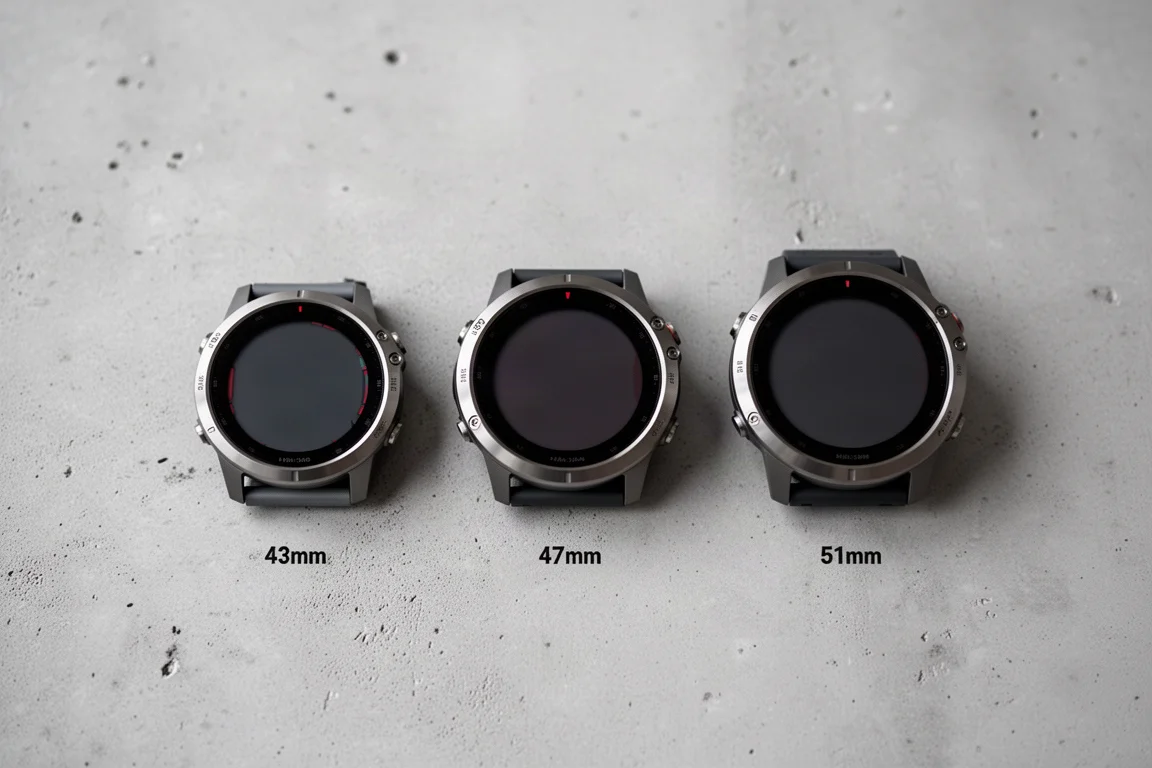
There are three sizes: 43 mm, 47 mm, and 51 mm. For reference, on an average 180 mm wrist, the 47 mm tends to be the sweet spot, while the 51 mm suits larger wrists or those already used to big watches. Battery life increases as you go up in size, so size affects more than just fit.
Note that the memory pixel solar display is only offered in the 47 mm and 51 mm sizes, likely because the display, touchscreen, and solar panel stack is much taller and would make a 43 mm watch impractically thick.
AMOLED vs Memory Pixel Solar Displays
The AMOLED options work like your smartphone screen: bright, colorful, and vibrant. The base Fenix 9 has a 1.3-inch display in the 43 mm size and 1.4-inch displays in the 47 mm and 51 mm sizes. The 51 mm Pro models step up to a new 1.5-inch display, which is a genuinely noticeable jump with a smaller bezel-to-screen ratio. The base Fenix 9 is claimed to be twice as bright as the Fenix 8, and the Fenix 9 Pro reaches up to 3,000 nits peak brightness, which matters most outdoors in very sunny conditions.
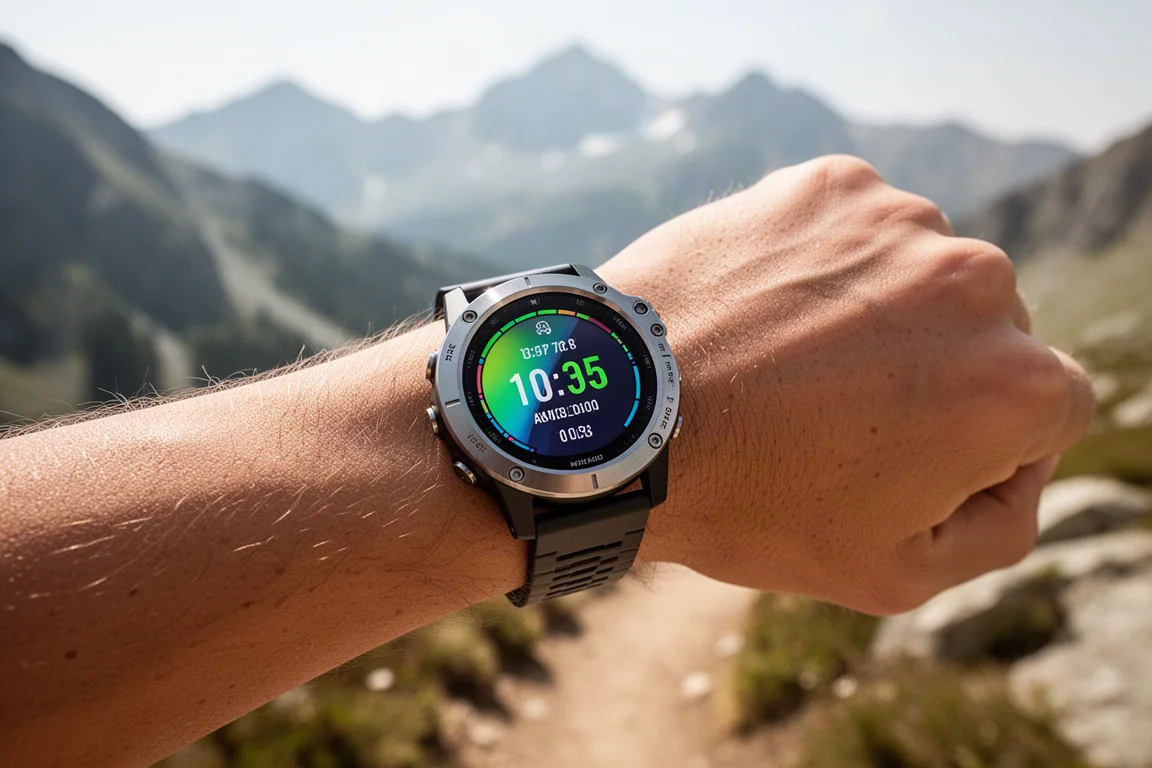
The memory pixel solar display uses less power, gets more visible with more light, and offers the longest battery life, though it has lower resolution, less pop, and a smaller active area due to the solar charging ring. In practice, AMOLED works better across a wider range of scenarios, and current AMOLED battery life is quite respectable. Memory pixel solar makes most sense for multi-day or epic week-long adventures; for everyone else, AMOLED is usually the more practical pick.
One battery tip for AMOLED: the always-on display mode roughly halves smartwatch battery life. On a previous 47 mm Fenix 8 Pro, that meant about a week with always-on versus about 15 days without. Solar charging on memory pixel models is less about fully charging the watch and more about extending battery life between charges.
Base vs Pro: Case Construction and Flashlight
The base Fenix 9 uses a polymer main case with a titanium bezel and back plate, similar to previous generations. The Fenix 9 Pro gets a full titanium main case with metal lugs, a more premium look, especially in natural titanium, and a case that is thinner than the Fenix 8 Pro by around 2 mm in the 47 mm size, which is significant for wrist height. Memory pixel solar models run about 2 mm thicker than their AMOLED counterparts in the 47 mm size.
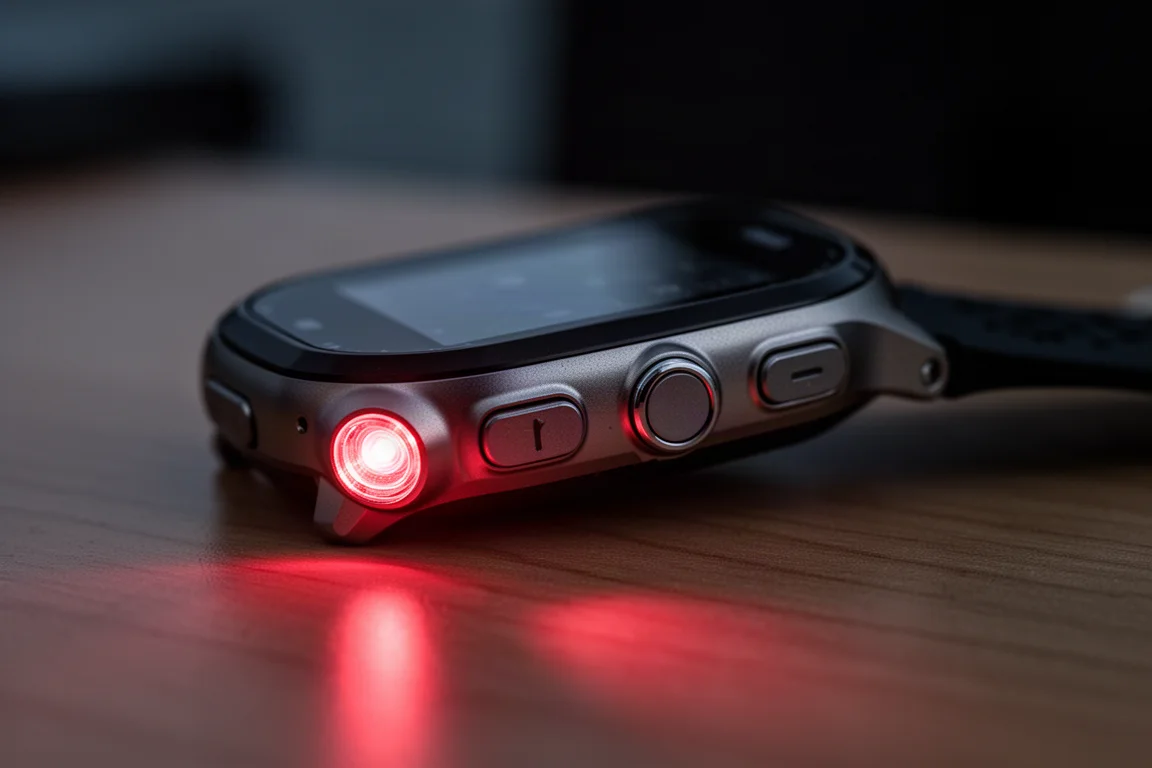
Both tiers have a flashlight with four brightness levels and a red LED for night use; the Pro models add a green LED as well. The Pro models also carry a slightly faster processor, though Garmin itself says the map rendering engine matters more, and the Pro did feel a hair more responsive in use.
Maps and Performance
The rewritten map rendering engine makes panning and zooming noticeably smoother than the previous generation, with map data cached around you for faster redraws, though very fast movement can still produce occasional delays. What sets Garmin apart is not raw speed but functionality: fully routable maps with rich points of interest that can recalculate routes entirely on the watch, offline. Many competitors only offer static map images, leaving rerouting to you and your phone.
The inReach Tier: LTE and Satellite
The Fenix 9 Pro inReach is the highest tier, adding LTE and satellite connectivity so you can stay connected without your phone. The LTE connection is lower power than a typical cellular smartwatch and works through Garmin systems including Garmin Messenger, so texts come from a Garmin number rather than your own. You can also share a live track link so others can follow your activity in real time. Satellite connectivity handles off-grid messaging and SOS.
These services require a subscription, though Garmin has changed policy so SOS messages still work if you suspend an existing plan. Two things are new for the Fenix 9 generation: the inReach option is now available in the 43 mm size, and solar versions are offered in the larger 47 mm and 51 mm sizes.
Should You Upgrade?
Coming from a Fenix 8 Pro, upgrading is hard to justify unless you simply want the newest and best: the thinner titanium case, more premium look, extra storage, and map improvements. The 1.5-inch display is a genuine highlight if you prefer the 51 mm size.
From an original Fenix 8, moving to a base Fenix 9 is a modest step, mainly storage and faster maps. Jumping to a Fenix 9 Pro or Pro inReach makes more sense if you want the Pro-exclusive features. Owners of a Fenix 7 Pro or Epix Pro get a bigger feature leap, especially with connectivity, while anyone on a Fenix 7, Fenix 6, or older gets a substantial upgrade. Also worth noting: the Fenix 9 launch has pushed the Fenix 8 onto sale, which makes it a compelling value alternative.
Conclusion
The Fenix 9 lineup is best understood as a set of very nice refinements over the Fenix 8 and 8 Pro at essentially the same launch prices. Pick your size first, then decide whether the Pro titanium case and faster processor matter to you, then choose AMOLED for everyday practicality or memory pixel solar for maximum battery life. Add inReach only if LTE and satellite connectivity fit how you actually train and travel.
Product link
View more details for Garmin Fenix 9
This product is mentioned in the review. Check the specifications, options, and compatibility before buying.
View more details for Garmin Fenix 9Further reading
Related Reviews
GPS Watches
Garmin Fenix 6S Pro Review: A Compact Multi-Sport GPS Watch
A long-term look at the 42mm Garmin Fenix 6S Pro, covering mapping, training metrics, battery life, and what to weigh before buying.
GPS Watches
Garmin Instinct 2 Solar Review: Weeks of Battery for Runners, Riders, and Hikers
A practical look at the Garmin Instinct 2 Solar, covering solar charging, multi-week battery life, training metrics, and GPS performance across running, cycling, and hiking.
GPS Watches
Suunto 9 Peak Pro Review: A Light, Long-Lasting GPS Watch After 12 Months
A compact multisport GPS watch with exceptional battery life, accurate breadcrumb navigation, and a deliberately simple interface. Here is where it shines and where it falls short.