Running Watches
Garmin Fenix 8 vs Garmin Instinct 3: Which Running Watch Deserves Your Money?
Two very different Garmin multisport watches go head to head for running: premium ruggedness and full mapping against a lighter, cheaper, G-Shock-styled alternative.
Introduction
The Garmin Fenix 8 and Garmin Instinct 3 sit at very different ends of Garmin’s multisport lineup, and the gap shows immediately in price. The Instinct 3 starts at £349 or $399, while the Fenix 8 starts at £949, so even the cheapest Fenix model costs well over double the most expensive Instinct 3 version. Both are highly capable running watches, but the value of that price gap depends entirely on which features you actually use.
We ran with both watches over several weeks of steady runs, intervals and long outings, wearing them side by side to compare design, GPS and heart rate accuracy, battery life and everyday usability. Here is how they stack up.
Design, Build and Screens
Both ranges come in a wide choice of sizes and styles, with AMOLED and solar Memory-in-Pixel options across each lineup. The solar variants add panels around the screen to extend battery life further, and both families also have more affordable “E” versions, though we generally think hunting down sales on older standard models is a better bet than buying those.
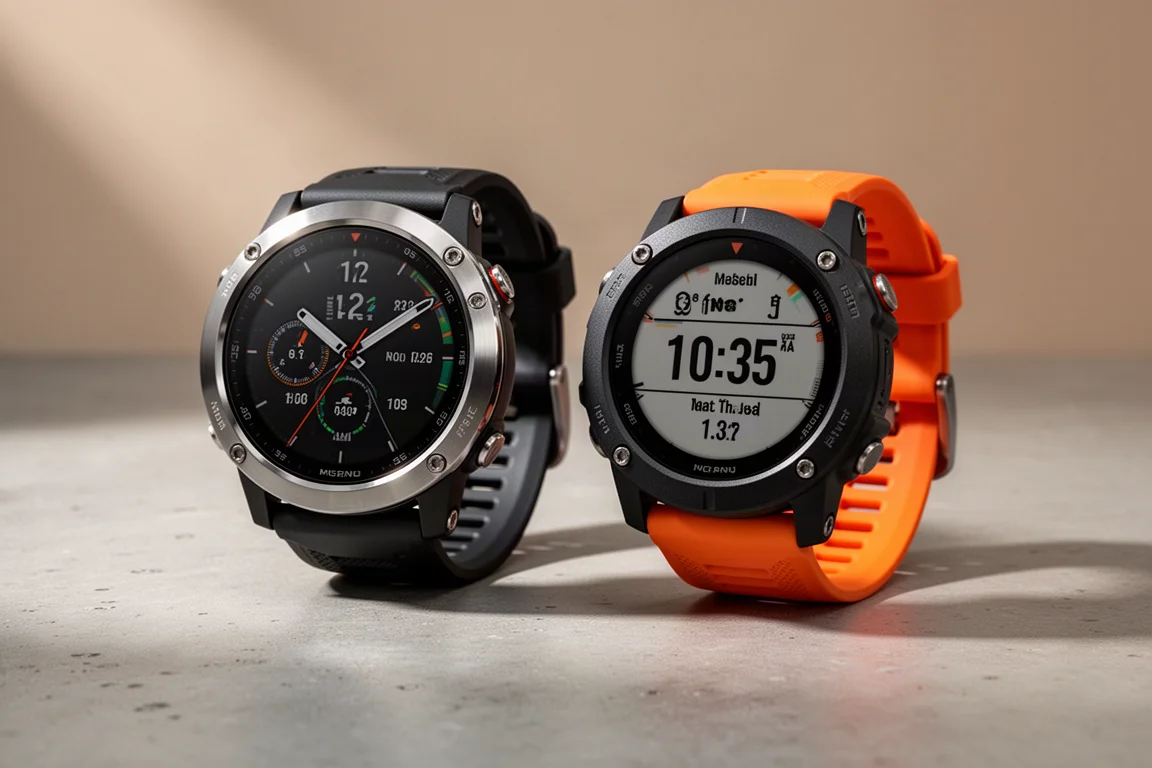
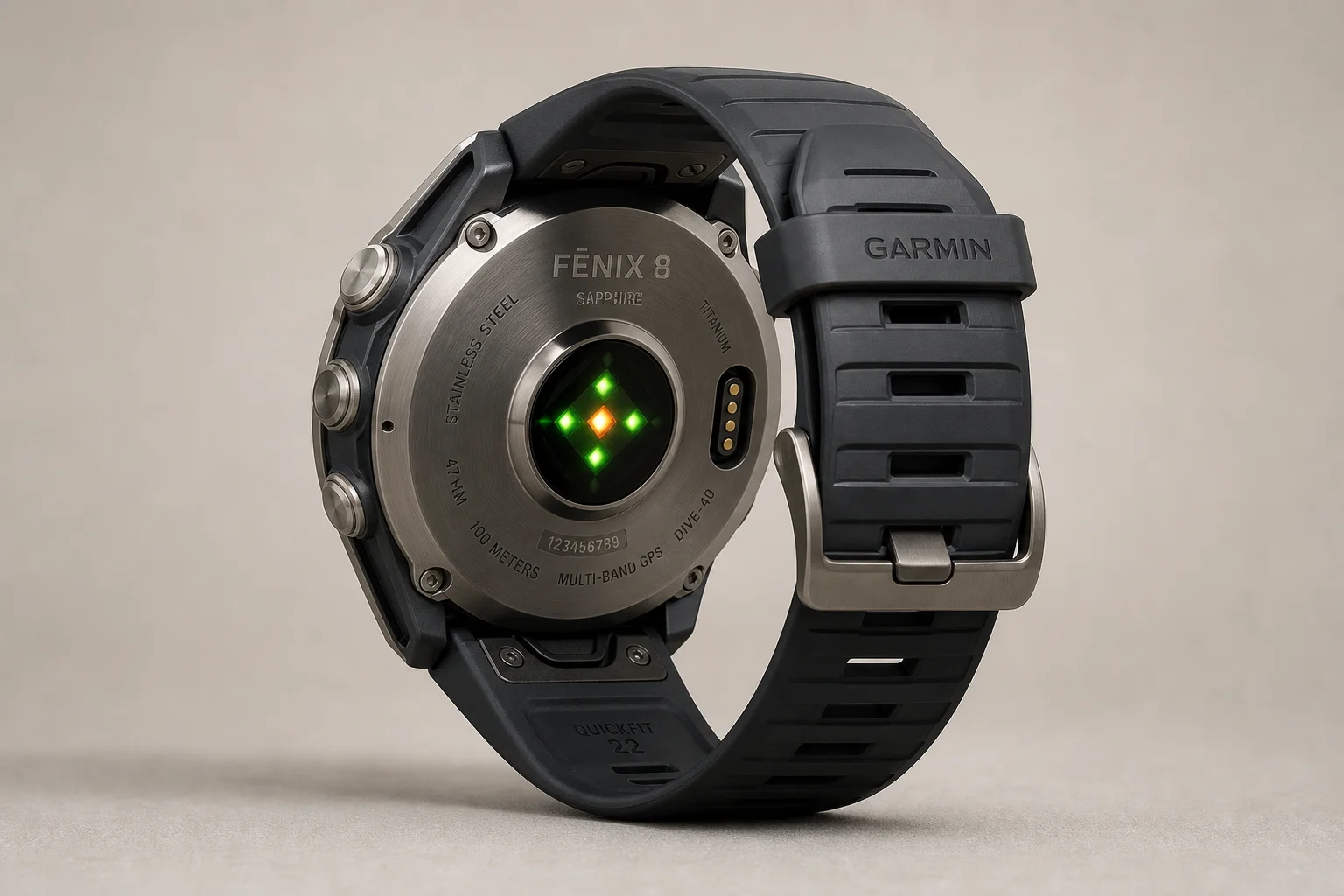
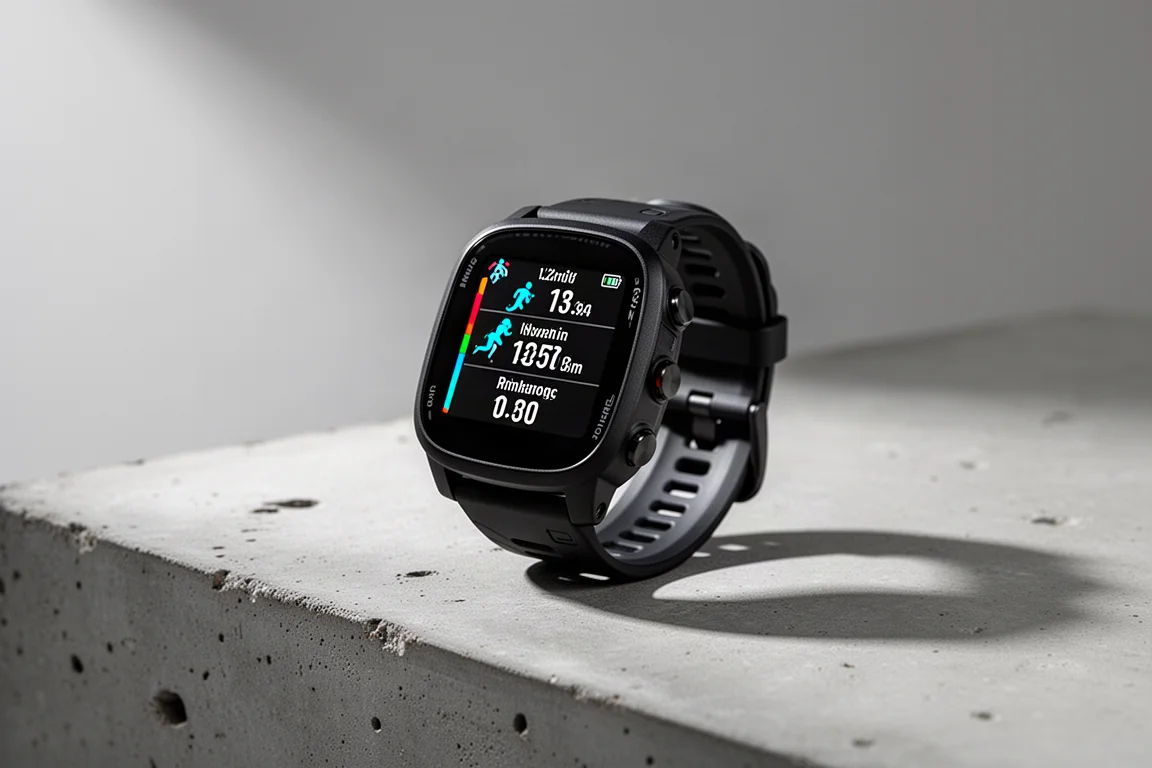
The Fenix 8 is the more premium watch. It offers steel or titanium bezels, an optional sapphire crystal screen, leak-proof dive-rated buttons, a mic and speaker, and a dive-proof design rated to 40 metres. The Instinct 3 sticks to its classic bold, colorful look with a mainly plastic case and an aluminium ring, which makes it the lighter watch on the wrist. It is a styling choice many people love, with a G-Shock-inspired character that stands apart from the rest of Garmin’s range.

Screen size also favours the Fenix 8, with 1.3-inch or 1.4-inch displays against 1.2-inch or 1.3-inch on the Instinct 3, plus a generally larger and higher-resolution panel. Crucially, the Fenix 8 adds a touchscreen; the Instinct 3 does not, which makes interacting with smartwatch features and navigation noticeably nicer on the Fenix. Case sizes run 43mm, 47mm and 51mm for the Fenix 8 against 45mm and 50mm for the Instinct 3. Both include built-in flashlights, a barometer, an altimeter, dual-band GPS and 10 ATM (100 metre) water resistance.
GPS and Heart Rate Accuracy
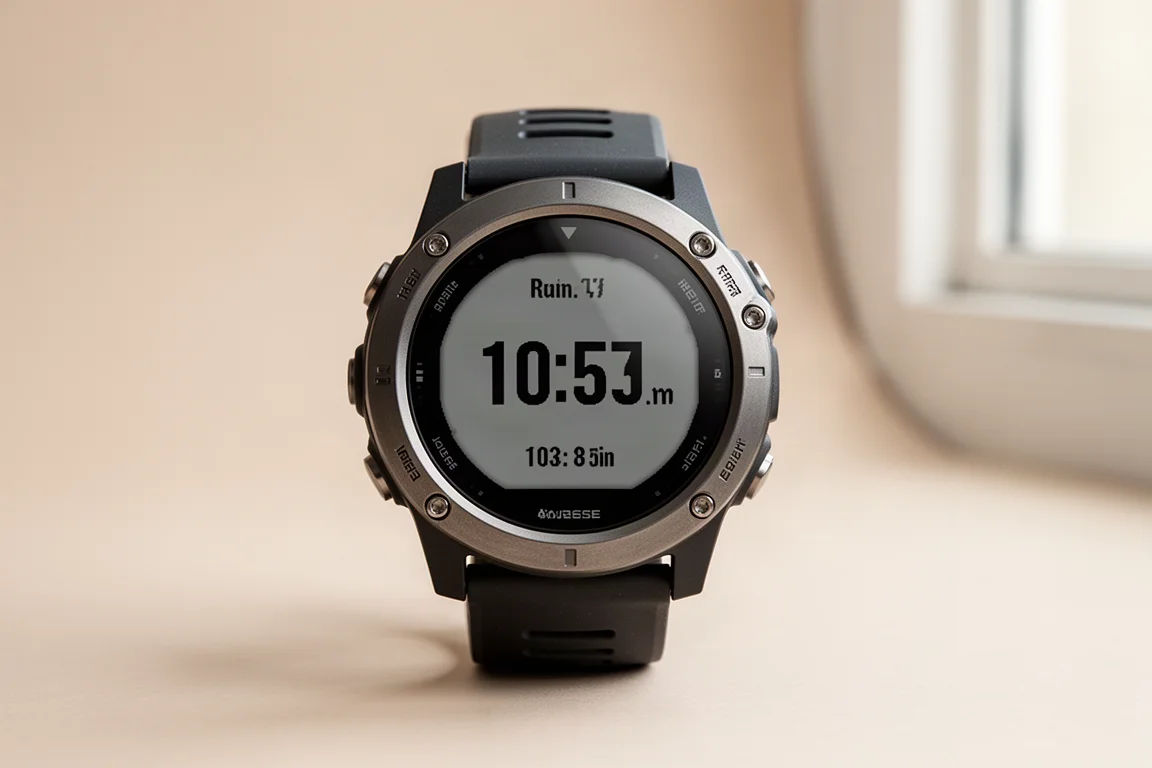
GPS performance was very good across both watches in dual-band mode, and over more than a dozen paired runs the two typically came within a 10% margin of error of each other. One 22-mile run showed a difference of less than 100 metres between the two tracks. Both struggled in the places you would expect, such as underpasses, but for the vast majority of miles the gap is not a meaningful differentiator. That said, the Fenix 8X track did feel slightly more reliable, with the Instinct 3’s route occasionally wobbling in spots.
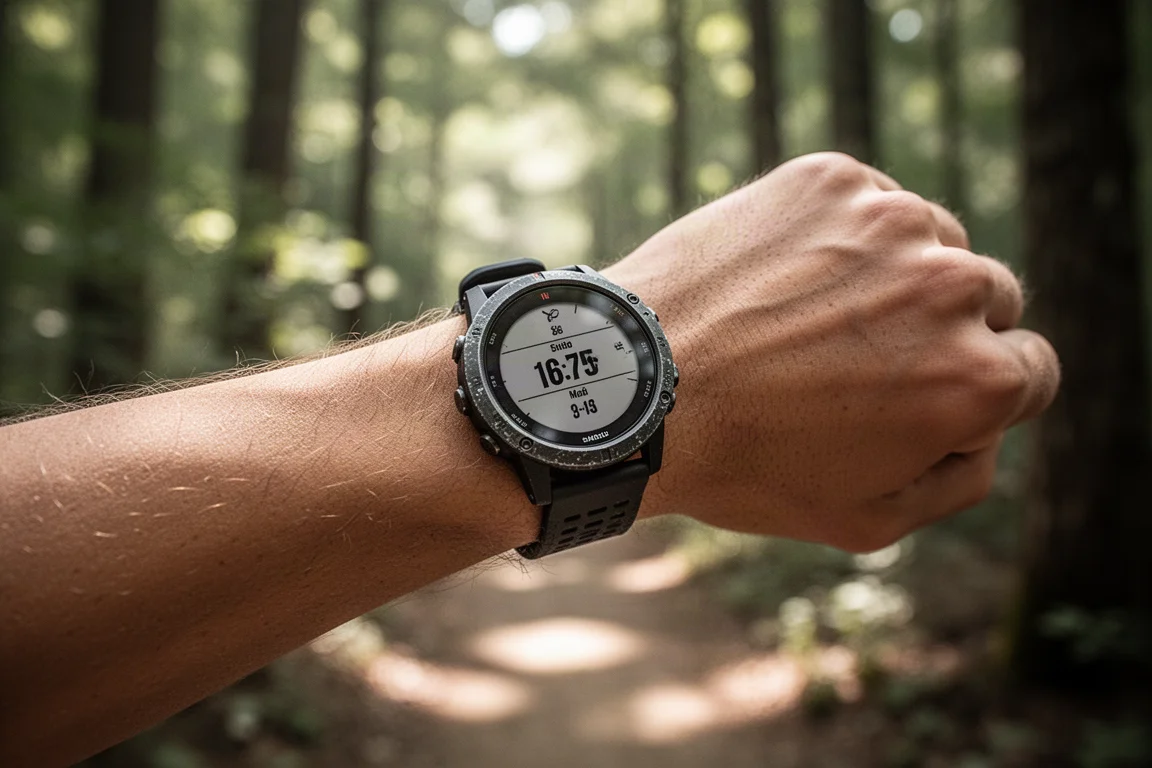
Heart rate is a clearer win for the Fenix 8, which carries Garmin’s latest Elevate Gen 5 optical sensor, while the Instinct 3 makes do with the previous Elevate V4. In testing, the Fenix 8 held up well even in cold conditions and even on the large 51mm case, while the Instinct 3 occasionally read high compared to a chest strap during cold-weather runs. For steady-pace runs both were generally fine, but if you train hard by heart rate, pairing a chest strap to the Instinct 3 is the obvious workaround, especially given the money you save.
Maps, Features and Smartwatch Extras
This is where the price difference is easiest to justify. The Fenix 8 offers full onboard maps, offline music storage and streaming service support, more storage, Wi-Fi syncing, extra sport modes including ultra running, Hill Score and Endurance Score, the newer Garmin user interface, and voice features via its mic and speaker. Climbing Pro, in particular, proved genuinely useful for hilly races, showing exactly where you are on the course and how much climbing or descent remains.
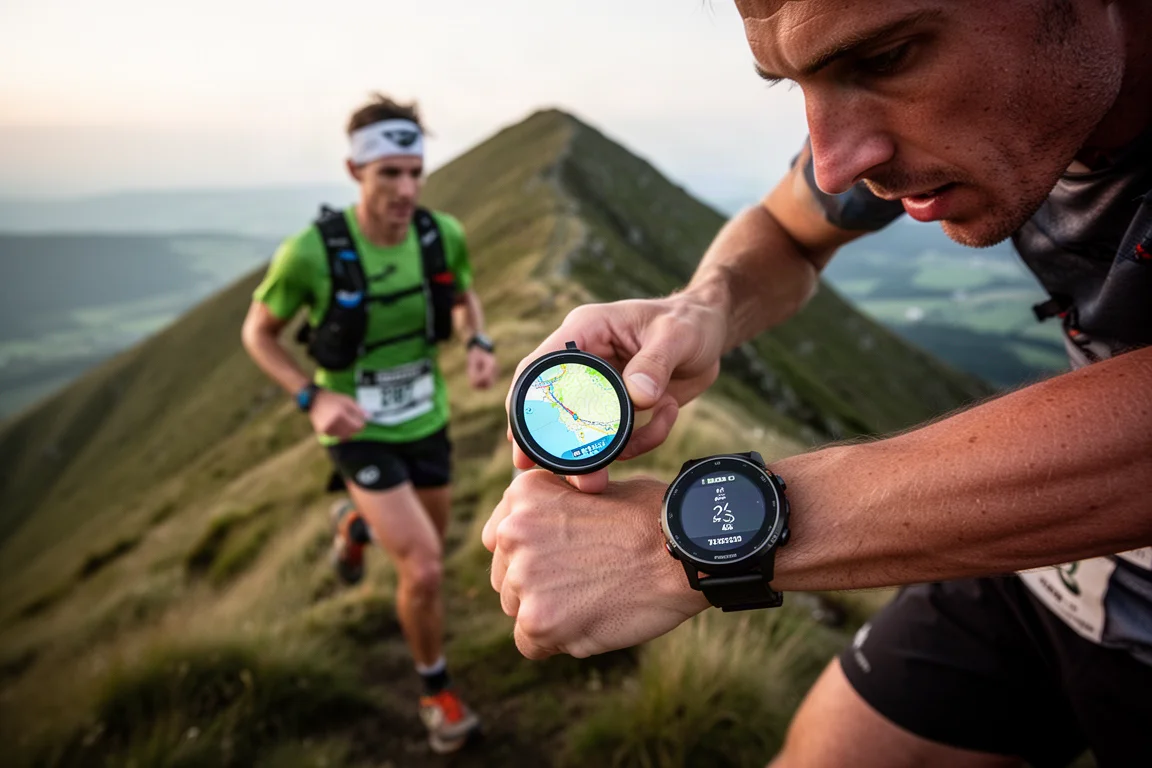
The Instinct 3 misses all of the above: no full mapping, no music storage, no Hill or Endurance Score, and no ECG or skin temperature readings that come with the newer sensor. It still delivers a solid set of training, health and recovery insights, and for daily training use the day-to-day difference is smaller than the spec sheet suggests. If maps and music rarely leave your wrist as priorities, the Instinct 3 covers the essentials well.
Battery Life
Battery life is strong across both ranges, especially for AMOLED watches. In testing with always-on displays, multiband GPS and daily running, the 51mm Fenix 8 AMOLED lasted an outstanding 12 days per charge, while the smaller Instinct 3 45mm AMOLED managed around seven days, slightly outlasting the 47mm Fenix 8’s six to seven days.
Solar models change the picture entirely, with the Instinct 3 solar variants able to last indefinitely in sunny conditions. Across the ranges, the Instinct 3 arguably holds a slight edge per pound spent, but the Fenix 8’s bigger battery and better always-on display endurance give it the advantage at the top end.
Which One Should You Buy?
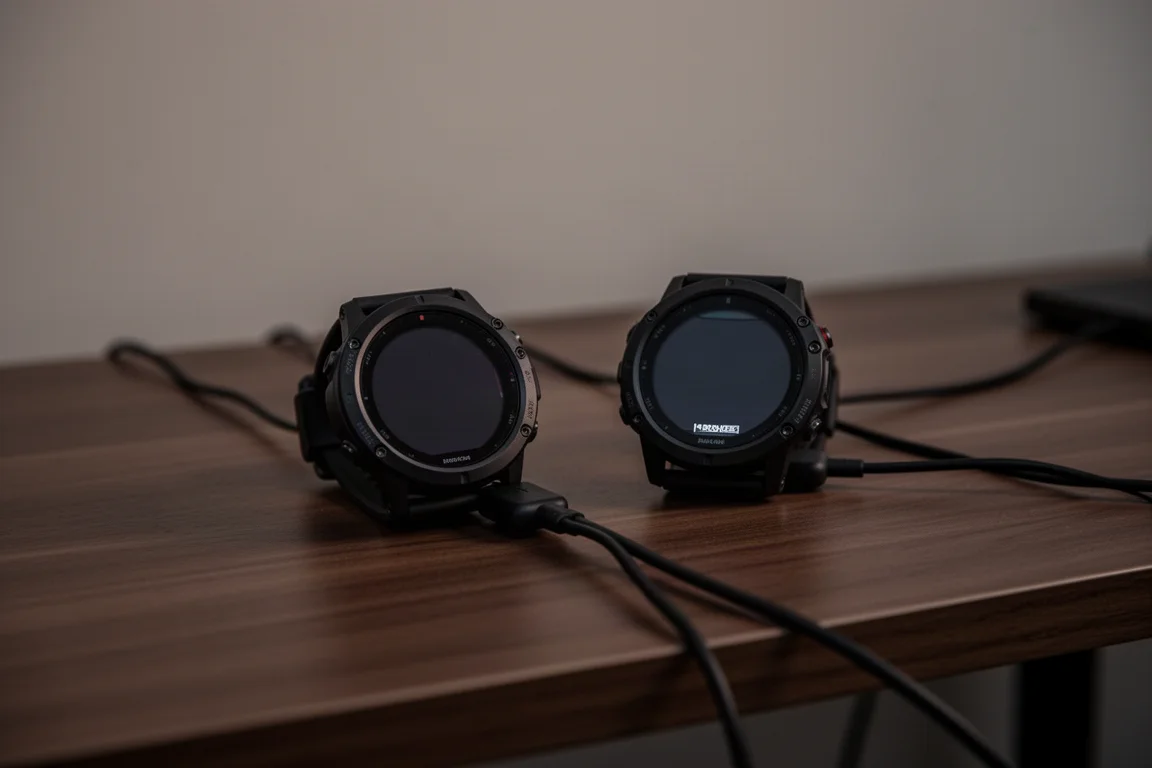
If budget and wrist size are no obstacle, the Fenix 8 is the better watch without much doubt. It is more rugged, more capable, runs newer hardware and software, and delivers a nicer overall experience, particularly for maps on that AMOLED touchscreen. Note that older Garmin models like the Fenix 7 Pro, Epix Pro and Epix Gen 2 are worth a look too, offering more features than the Instinct 3, including maps, at prices closer to it.
But the Instinct 3 is far from a compromise you will regret. It tracks runs well, delivers very good GPS and battery life, and feels lighter and more comfortable overnight. If you add a chest strap, its biggest accuracy gap largely disappears, and you will still have several hundred pounds left over. For many runners it will simply be enough watch.
Conclusion
The Fenix 8 is the more complete, more premium multisport watch and the easy pick if maps, music, a touchscreen and the latest heart rate sensor matter to you. The Instinct 3 is the smarter spend for runners who want excellent core tracking, great battery life and a lighter, bolder design without paying over double. Choose based on how much you care about the Fenix’s extras, and how much you value a smaller, lighter watch.
Further reading
Related Reviews
Running Watches
Coros Pace 3 Running Watch Review: Why Software Matters More Than Specs
The Coros Pace 3 prioritizes runner-focused design and intelligent software over expensive hardware. Here's why it outperforms watches that cost twice as much.
Running Watches
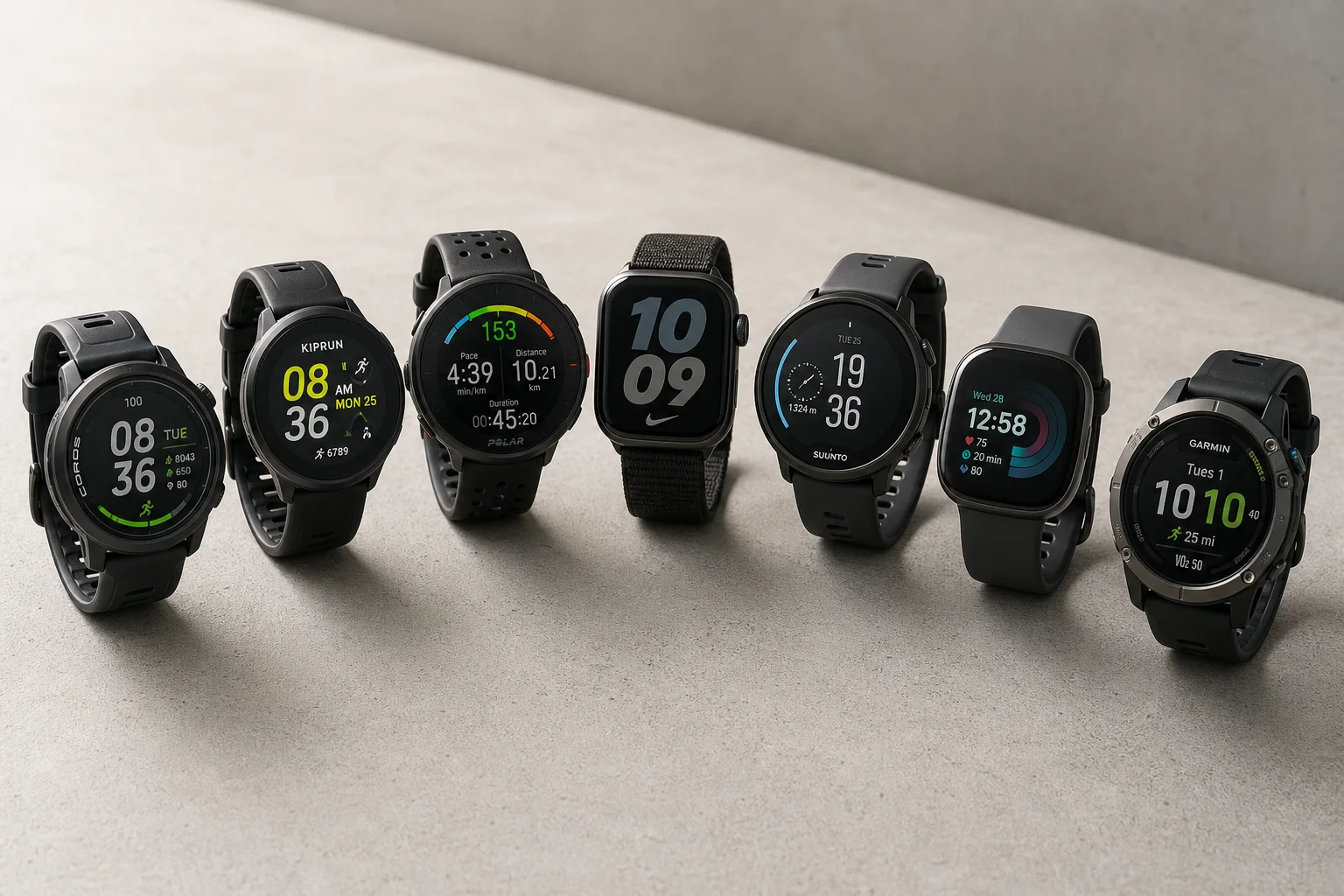
GPS Running Watch Accuracy Test: Seven Watches Compared Across Urban, Trail, and Race Conditions
We tested seven popular running watches from major brands in three different environments to find out which delivers the most accurate GPS tracking for distance and pace.
Running Watches
Garmin Forerunner 70 Review: Garmin's Cheapest Forerunner Is More Capable Than You'd Expect
The new entry-level Forerunner 70 brings an AMOLED screen, a fresh interface, and real training analysis for £219/$249, with a few trade-offs to weigh before buying.