Tech
Garmin Fenix 8 Series Guide: Which Model Makes Sense for You
A full walkthrough of the Garmin Fenix 8 lineup, from display types and sizes to training features, navigation, and why the Enduro 3 might be the smarter solar pick.
Introduction
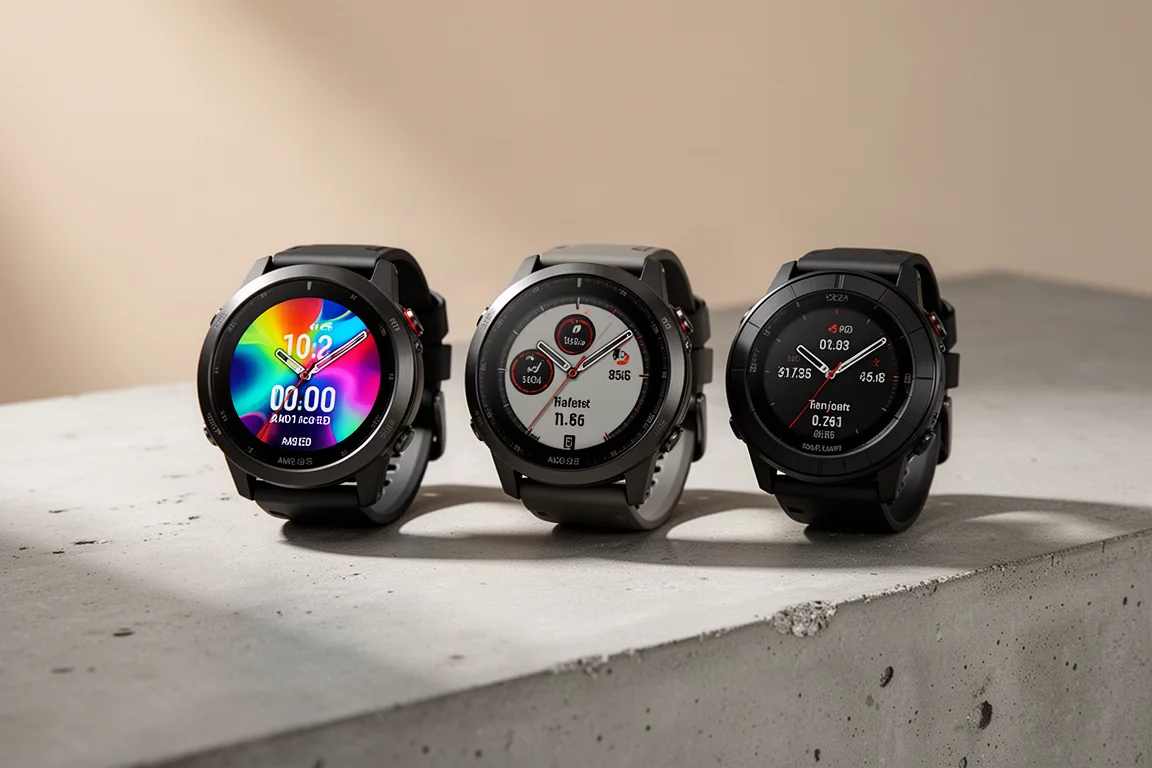
The Garmin Fenix 8 series consolidates two long-running product lines into one family. The former Epix line, known for its vivid AMOLED displays, and the classic Fenix line, known for its battery-friendly transflective display, have been folded into two brandings: Fenix 8 AMOLED and Fenix 8 Solar. The software, menus and features are identical across both display types, so the real decision comes down to screen brilliance versus battery life, plus which case size fits your wrist.
This guide walks through the entire Fenix 8 experience: hardware, daily activity and sleep tracking, voice features, sport modes, training metrics, navigation, diving, and music, along with one important alternative worth knowing about.
Choosing a Model: AMOLED vs Solar
The AMOLED screens are brilliant and colorful, while the transflective (MIP) display is dimmer in darker conditions without a backlight. In bright outdoor sun, both are easy to read, and the difference mostly shows up in shaded or dim environments.
The counterbalance is battery life. MIP displays last significantly longer, especially in GPS mode. But AMOLED battery life is far better than most phone-style smartwatches: the 47mm AMOLED in an always-on configuration, with one to two hours of GPS activity per day, delivers around six days per charge. Gesture-based display settings extend that two to three times further.
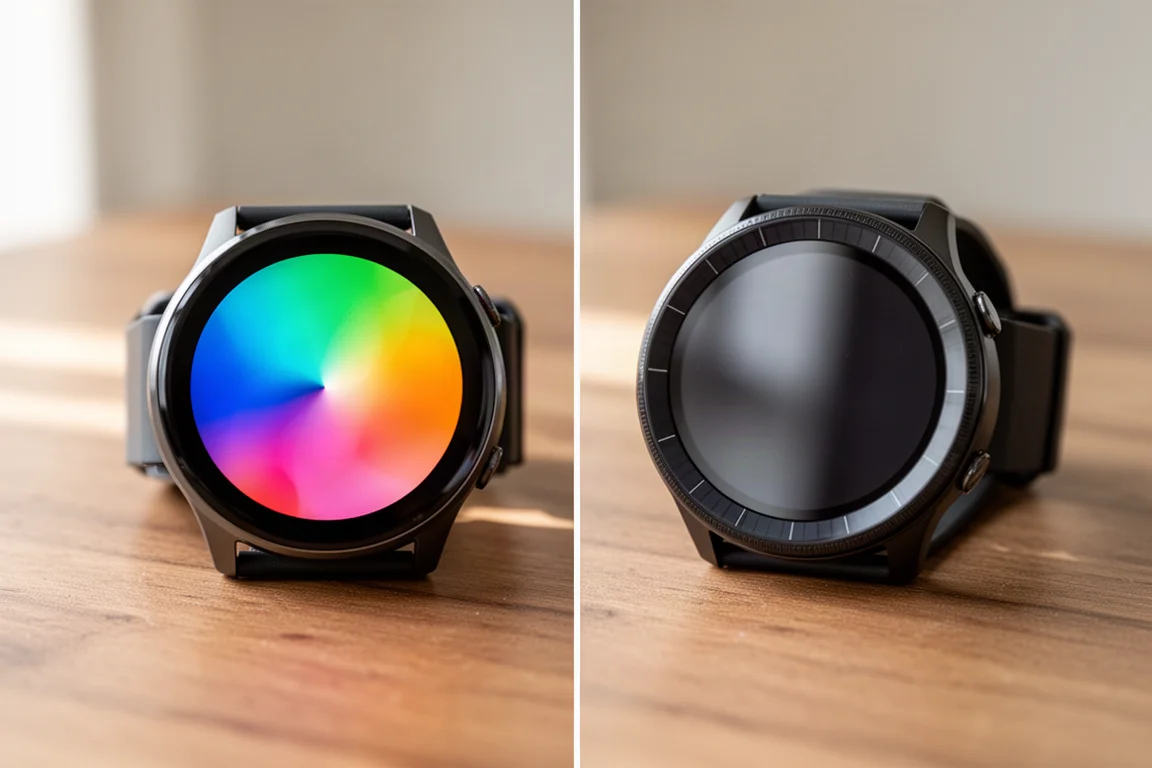
Three sizes are offered: 43mm, 47mm and 51mm. One catch: the small 43mm size is AMOLED only, as the smaller MIP option has been dropped from the lineup.
Garmin Fenix 8
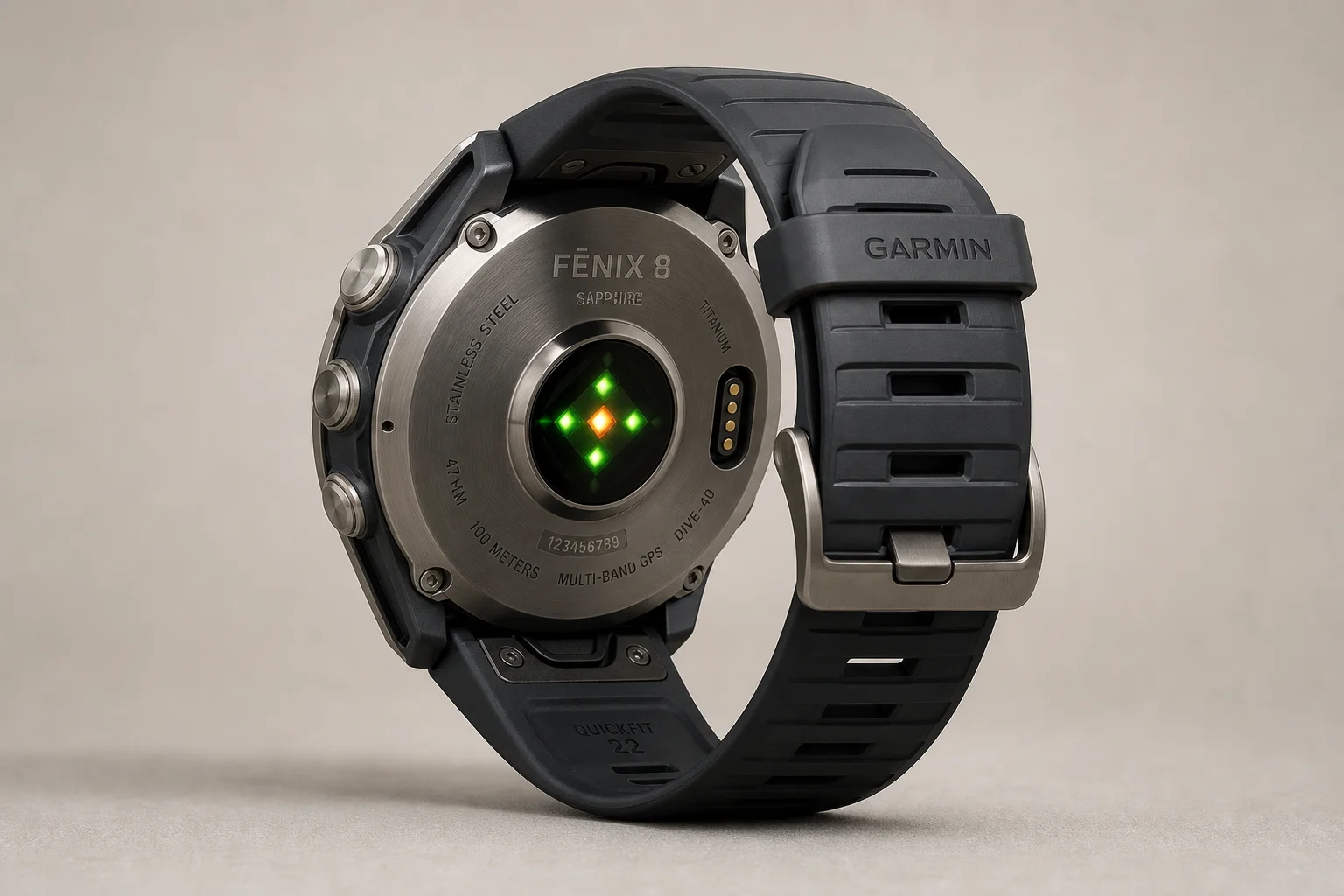
The Fenix 8 is the foundation of the lineup. The hardware features five buttons, two on the right and three on the left, plus a touchscreen. A new guard sits between the right-side buttons, protecting the microphone and the barometer. On the back sits a fifth-generation optical heart rate sensor that adds ECG where certified (currently the United States) along with skin temperature tracking, and generally more accurate optical readings than the previous generation.
There is no cellular or LTE connectivity; all smart features depend on your phone, synced over Bluetooth, Wi-Fi or USB. Battery estimates on the chart vary by display setting and GPS mode, so set expectations accordingly: this is a watch measured in days and weeks, not hours.
Garmin Fenix 8 AMOLED
The Fenix 8 AMOLED brings the vivid display experience to the Fenix name. In always-on mode on the 47mm version, expect roughly six days of battery including daily GPS time; switching to gesture-based display extends that considerably. The always-on display never fully turns off except during sleep mode, and the backlight comes on automatically when you raise your wrist.
AMOLED-only extras include a new text size option (also offered at initial setup, useful if your eyes are not what they used to be) and red shift mode, which tints the screen red, amber or green, best used after sunset.
Garmin Fenix 8 Solar
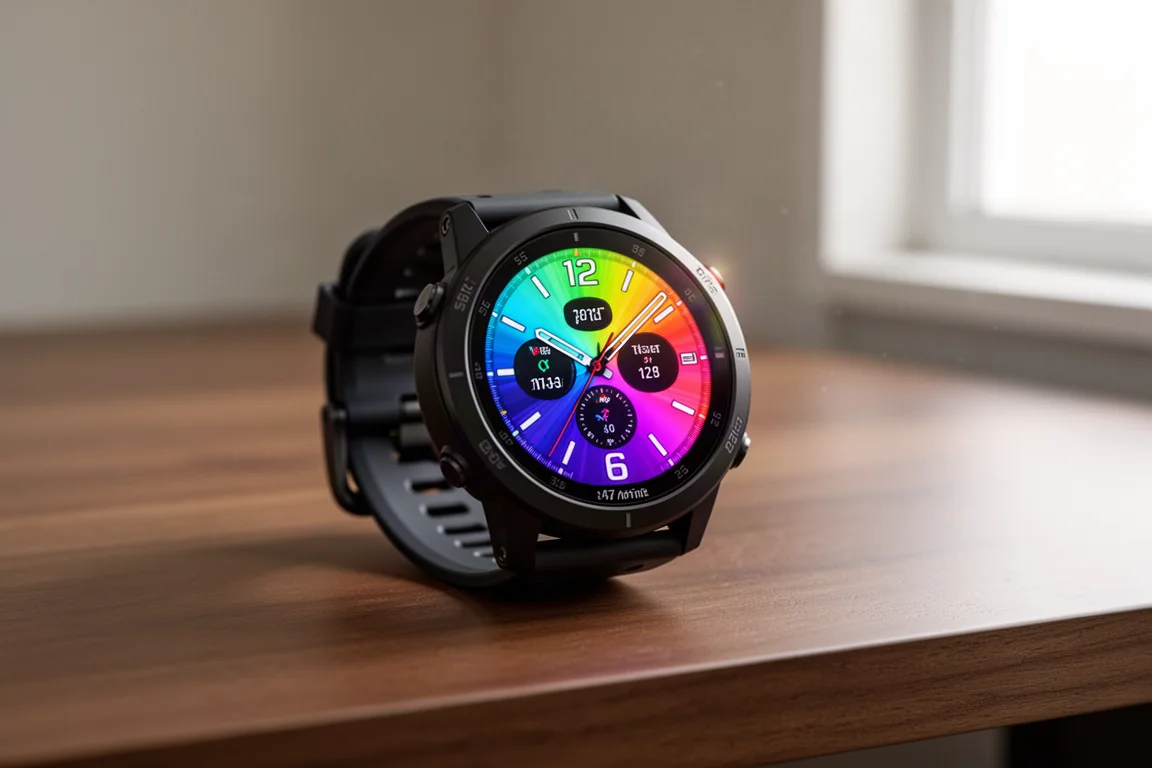
The Fenix 8 Solar pairs the MIP display with a solar ring. The design changes here are notable: the solar ring is now completely black and reads as part of the bezel, and the previous solar layer across the entire display is gone, which improves clarity.
The solar widget shows current solar intensity and historical solar gain over recent days, with Garmin’s estimates based on 50,000 lux-hour conditions, roughly a normal sunny day. Beyond the solar power piece, this is the same watch: same software, same menus, same features, with solar only affecting battery life.
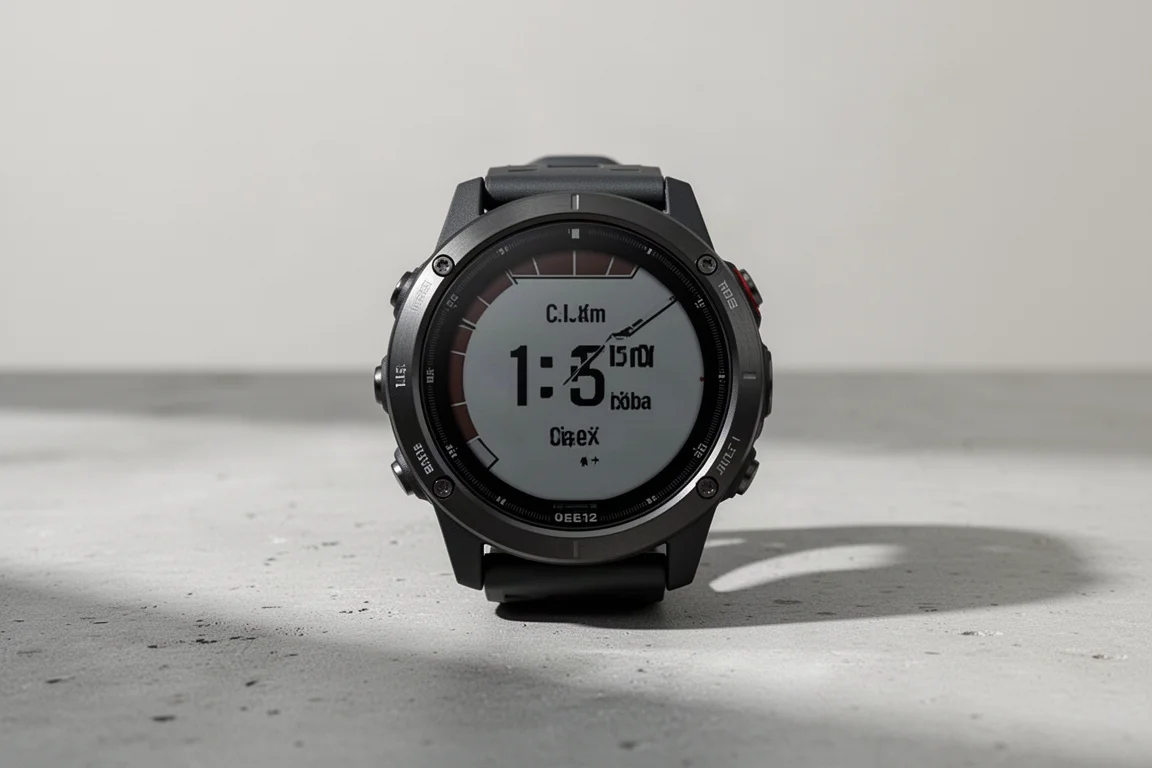
Garmin Enduro 3
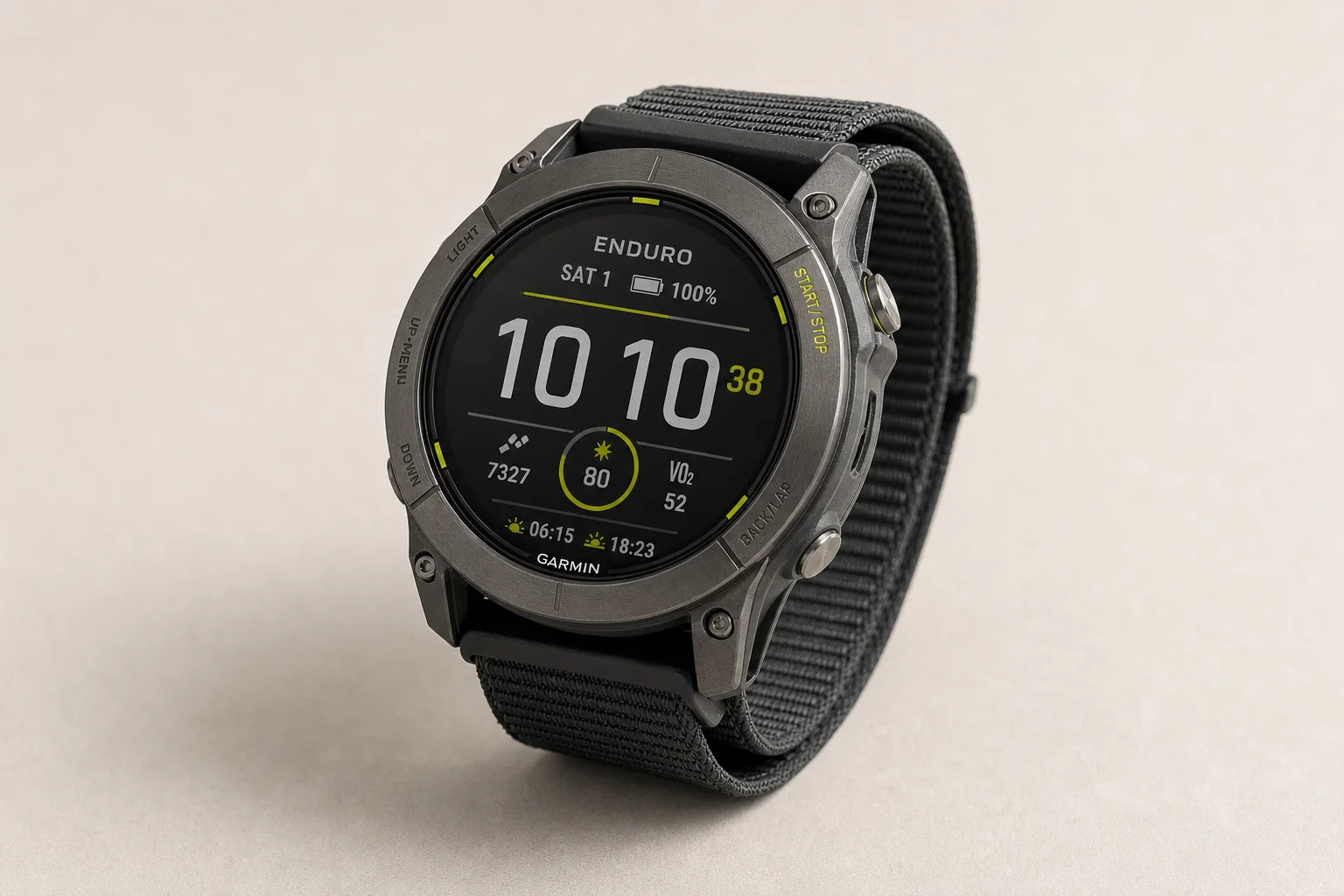
The Enduro 3 deserves serious attention. Launched the same day as the Fenix 8, it has the exact same software features, uses the same 51mm-sized case, and has a solar MIP display with even more solar surface. It costs $200 to $300 less than the Fenix 8 Solar editions depending on the model.
The trade-offs: no diving features, and no speaker or microphone. If you do not care about either, the Enduro 3 is arguably the better value in the solar MIP category.
Daily Features: Sleep, Reports and Notifications
Sleep tracking covers sleep score, stages and phases, and it supports naps, though nap detection is unreliable when dozing upright in a chair, on a plane or on a train. Sleep onset and wake times are tracked very well on recent Garmin watches.
The morning report is a fan favorite: weather, sleep stats, HRV, calendar items, daily workouts and more, all customizable. A new countdown feature lets you track time to an upcoming event. There is also a daily summary and a jet lag advisor, which lets you plan trips in the Garmin Connect app and get practical pre-trip, during-trip and post-trip advice.
HRV status builds a personal baseline over 19 nights of sleep data and shows how last night compared. It is useful for spotting fatigue, but remember it shows results, not causes: hard workouts, alcohol, travel and illness all move it. Smartphone notifications are now grouped by app in a new notification center, and Android users can reply to texts and view photos on the watch; iPhone users cannot, because Apple blocks that for third parties. A new Focus Modes feature currently only covers sleep and activity, with custom modes promised for the future.
Training Tools: Readiness, Status and Endurance
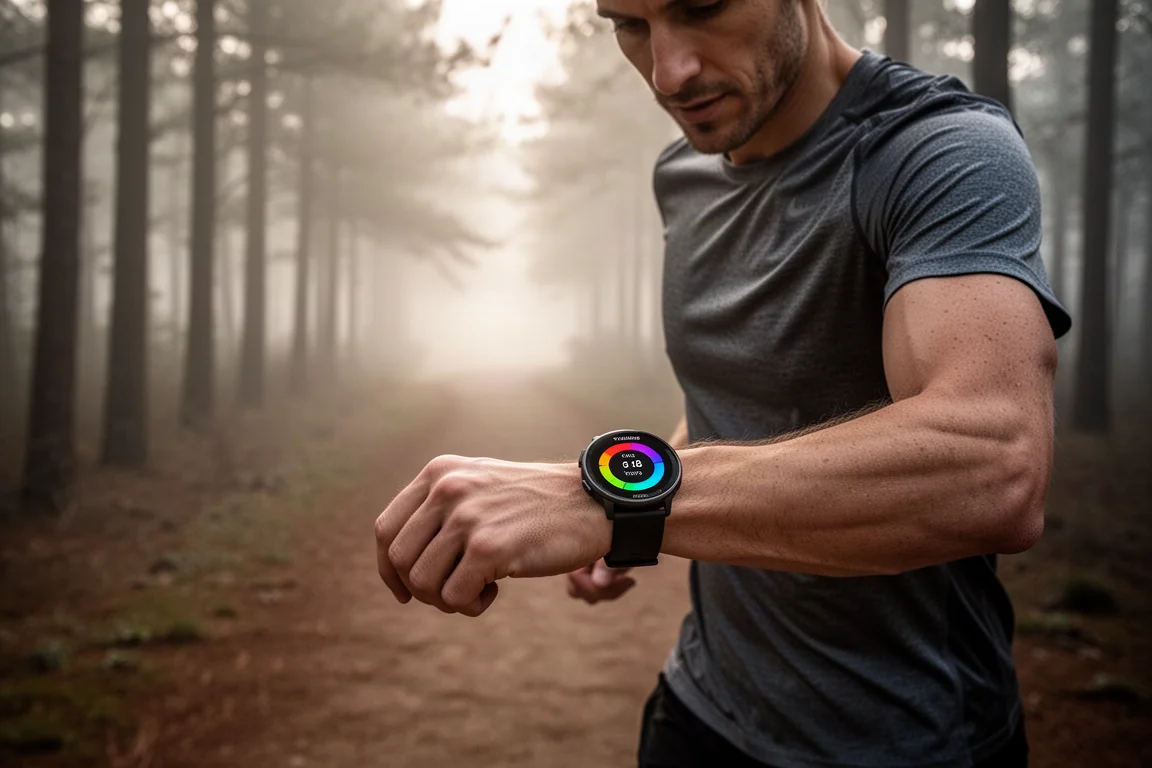
Training readiness is one of Garmin’s most useful features. It is dynamic, updating throughout the day based on sleep, recovery time, HRV status, acute load, sleep history and stress history. Recovery time counts down until your next hard workout, not just any workout. After a marathon or a poor night’s sleep, your readiness score drops accordingly.
Training status is the coaching layer: it tells you whether you are training productively, maintaining, or unproductive. Recent Garmin devices have made the infamous unproductive message much harder to trigger unless you have genuinely earned it. Acute load is essentially your 7-day training load, with a load ratio comparing the last 7 days against your 28-day norm.
Endurance score rewards consistent long-term effort over roughly 90 days, while hill score measures how well trained you are for running uphill, using only pedestrian activities. Daily suggested workouts provide a run and a bike suggestion each day, dynamically adjusting if you had a stressful day. Structured workouts and free training plans, including weightlifting, come through Garmin Connect.
Sport Modes and Activity Features
The sport menu organizes around 90 sport modes, most with genuinely unique per-sport data rather than just calories. Skiing tracks each run automatically, surfing tracks waves, water sports track stroke rate. The 43mm supports fewer data fields per custom page than the 51mm, but nearly every data field you could want is available, and more can be added through Connect IQ, including third-party sensor integrations like core body temperature.
During an activity, the interface uses three swipe lanes: data pages in the middle, music controls on the right, and quick settings on the left. Touch works for almost everything except starting, ending and lapping activities. Accidental laps can be undone with a new undo option. Incident detection can alert friends and family with your location if you crash.
Satellite settings include GPS only for maximum battery life, all systems, all systems plus multiband, and Auto Select (SatIQ), which dynamically picks the best configuration for current conditions and is arguably one of Garmin’s best recent engineering accomplishments. Broadcast heart rate sends your heart rate to third-party apps and devices like Peloton or Zwift over Bluetooth and ANT+ with negligible battery impact.
Mapping and Navigation
The watch comes preloaded with maps for your region, and 32GB of storage means you can load additional regions like TopoActive maps, which are free for the entire world. Premium Outdoor Maps+ subscriptions add satellite imagery and nautical maps. A new option lets you change map layers and activity themes, toggling contour lines, activity lines, shaded relief, ski areas and more.
Wi-Fi map downloads are slow, sometimes hours; using Garmin Express over USB cable is dramatically faster. Courses created in Garmin Connect transfer over cleanly, waypoints show up in an up-ahead screen, and off-course alerts trigger after about 50 meters.
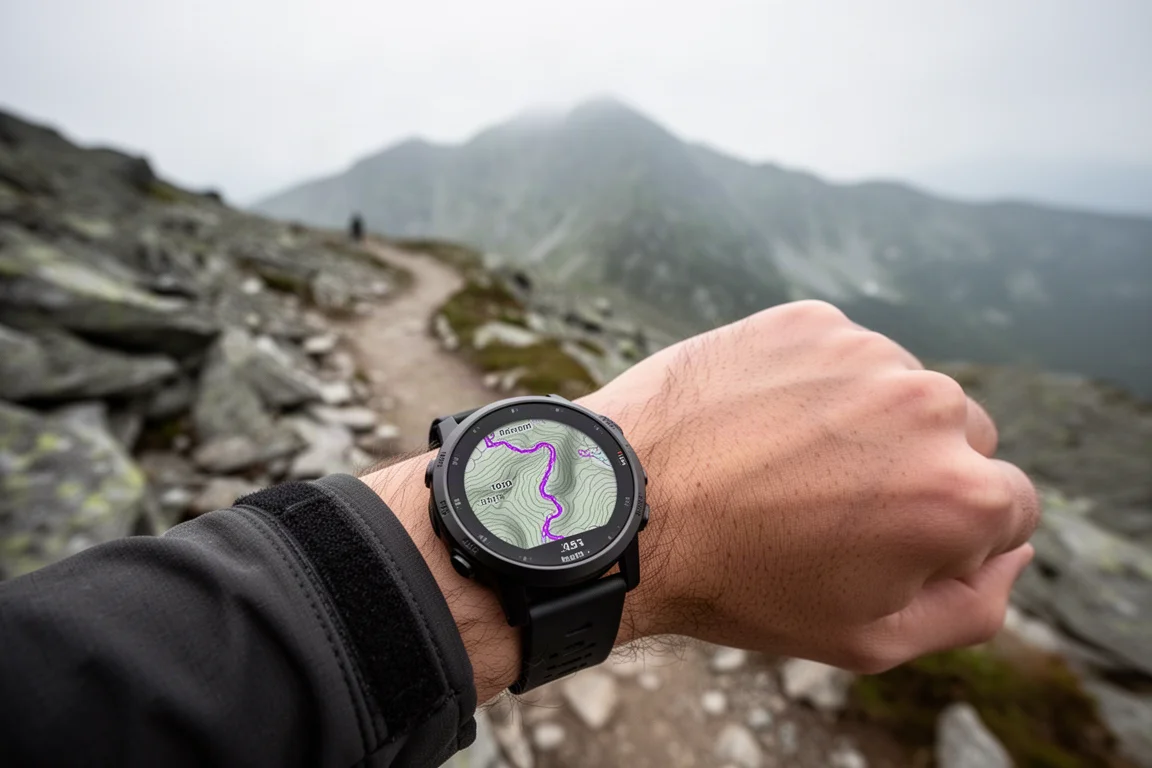
One tip: ClimbPro, which shows exactly how much climbing remains on each ascent, is not enabled by default. Turn it on in activity settings, along with descents. It is a standout feature for hiking, since the descent hurts more than the climb.
Diving, Flashlight and Music
The Fenix 8 adds scuba and freediving with a depth gauge limited to 40 meters, with automatic dive start once you reach about 1.6 meters. As you approach the limit, warnings escalate, and past 45 meters the watch instructs you to ascend. Safety stops count down automatically, the dive saves itself after surfacing, and GPS points are logged at the start and end. For the vast majority of recreational dives, the 40-meter limit is not a real constraint. Freediving (apnea) works similarly with its own disciplines and alerts.
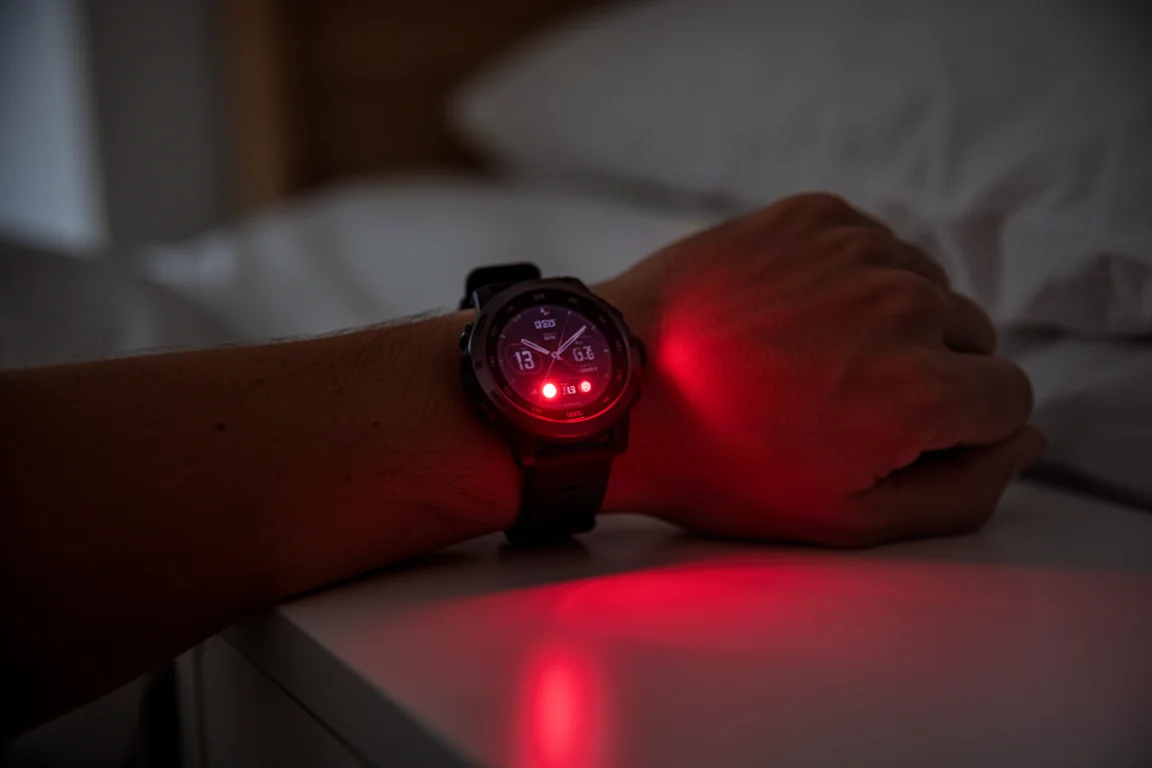
The built-in LED flashlight, activated by double-tapping the top-left button, offers a dim red light plus escalating white light levels roughly as bright as a phone. It has become a must-have feature for parents and anyone navigating dark spaces.
Music support covers MP3s, Spotify, Amazon Music and newly YouTube Music, with playlist-based syncing and headphone pairing through the sensor menu. Voice features include a fully offline voice command assistant (button-activated, with a learnable but limited command set), a phone assistant passthrough to Siri, Google or Bixby, voice notes with geotagging, and calls through the watch speaker and microphone. Call audio works in a pinch, though quality is not great. The speaker is not loud, but it is handy in private settings when you forgot your headphones.
Buying Advice
Pick AMOLED if you want the brightest, prettiest display and can live with charging about weekly. Pick the Solar (MIP) version if battery life in GPS mode is your priority and you do not mind a dimmer screen in the dark, keeping in mind only AMOLED comes in the 43mm size. If you want the solar MIP experience and can skip diving and the speaker and mic, the Enduro 3 saves $200 to $300. And whatever you buy, add your Wi-Fi networks during setup: updates, activity syncing and music transfers all move faster.
Conclusion
The Fenix 8 series is a genuinely versatile lineup, with the same deep feature set across every variant. Decide based on display preference, wrist size and whether you will actually use diving or voice features. For many solar-leaning buyers, the Enduro 3 makes the value case strongly, but any of these watches delivers one of the most complete multisport experiences available today.
Further reading
Related Reviews
Tech
Apple MacBook Neo Review: A Surprisingly Capable Budget Laptop
The MacBook Neo brings M1-equivalent performance to a $599 entry-level laptop. We tested it across real workflows to see if it's worth considering over pricier alternatives.

Tech
ASUS ZenBook 16 With Snapdragon and RTX 4060: Can an ARM Laptop Game With an External GPU?
An early look at pairing an Nvidia RTX 4060 with a Snapdragon-powered laptop using a Thunderbolt 5 eGPU dock, including real gaming results.

Tech
GPD G2 eGPU Dock Review: A Sturdy, Future-Ready Boost for Your Handheld or Mini PC
The GPD G2 eGPU dock brings new connectivity standards, a robust build, and desktop-class graphics to laptops, handhelds, and mini PCs.