GPS Watches
Garmin Fenix 8 Pro MicroLED vs AMOLED: Is the Brightest Watch Display Worth It?
The Fenix 8 Pro brings a cutting-edge microLED display option alongside an upgraded AMOLED version. Here is how they actually differ in real use.
Introduction
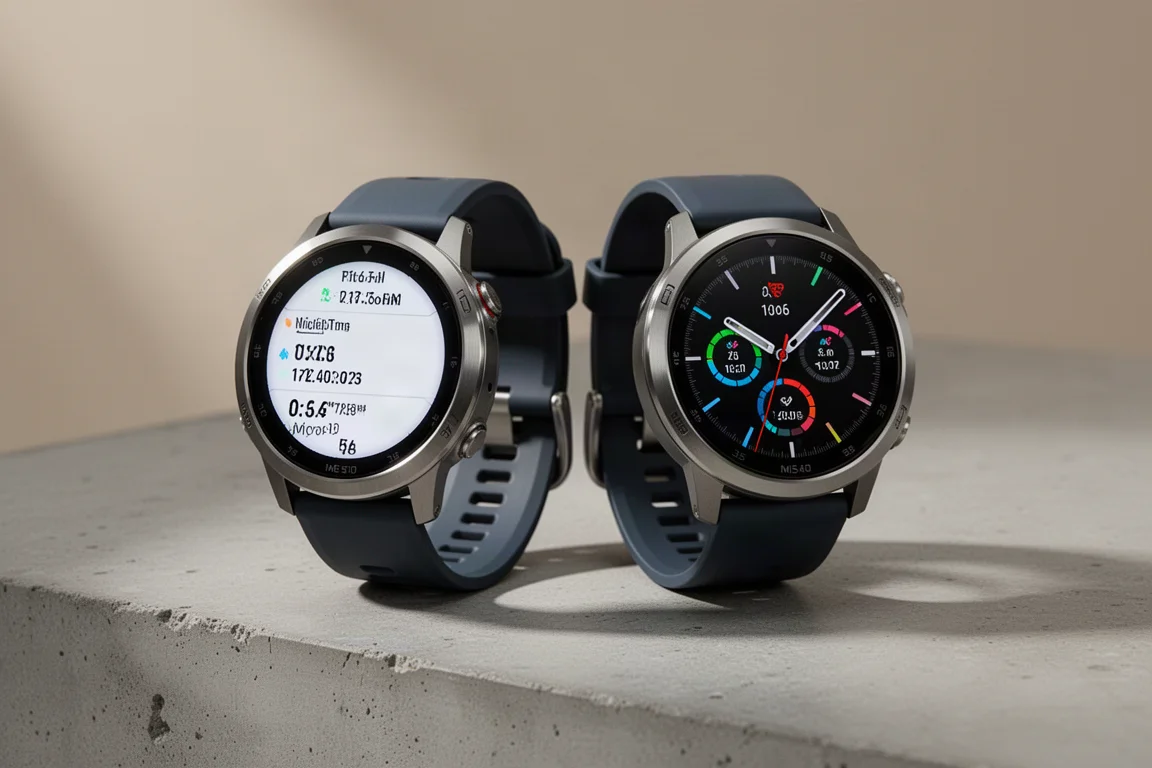
The new Fenix 8 Pro lineup brings two major changes over the original Fenix 8: new connected features with both LTE and satellite communications, and a brand-new microLED display option. Alongside it sits the more familiar AMOLED version, which itself received a slight upgrade, matching the peak brightness of Garmin’s current AMOLED panels found in models like the Forerunner 970, 570, and Venu X1.
The microLED panel is the bigger news on the display side, though, and it raises a simple question: is a dramatically brighter watch screen worth a large price premium? This comparison breaks down the real-world differences so you can decide.
Two Displays, Two Very Different Stories
Indoors, the difference between the two panels is genuinely hard to spot. Across the three brightness levels on each model, the two screens look mostly the same. You only start to notice a gap at the highest brightness settings, and even then it is subtle.
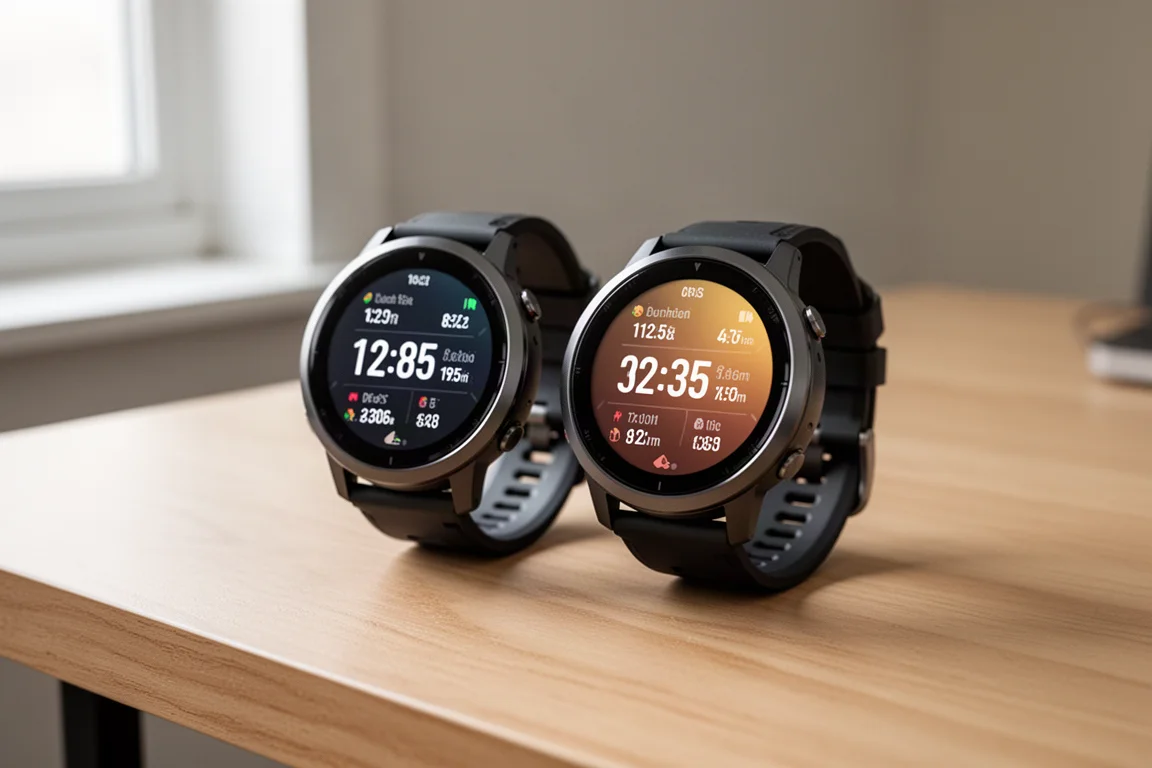
In terms of color saturation and overall contrast, the two technologies also appear fairly similar, though the microLED panel seems to show slightly more contrast. That may simply come down to its much brighter whites rather than an inherent panel advantage.
Outdoor Readability Is Where MicroLED Wins
Outside, especially in sunny conditions, the story changes completely. At every brightness level, the microLED display shows a stark advantage over the AMOLED version. The panels also adapt to ambient light, pumping brightness up automatically when they need to overcome the sun.

One caveat: the microLED panel does not fire every pixel up to its full 4,500 nits at peak. The advantage is most noticeable on data pages, where white pixels become dramatically brighter, producing more contrast and easier readability. At 4,500 nits peak, this is far brighter than any other watch on the market.
Off-Angle Visibility
Another meaningful difference shows up away from straight-on viewing. The microLED display remains remarkably readable at off angles, and glancing at the watch from an awkward position revealed a surprisingly large gap compared with the AMOLED model.
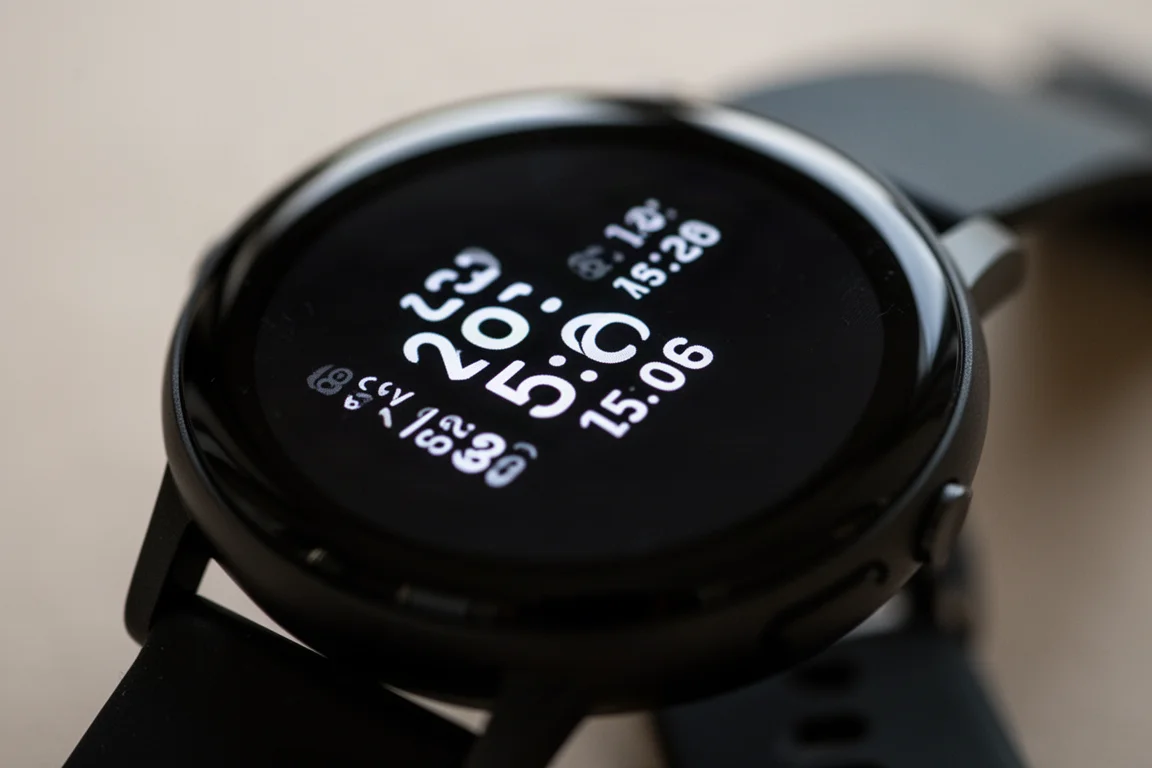
If you often check your watch mid-activity without rotating your wrist fully toward you, this is a practical, everyday benefit rather than a spec-sheet curiosity.
Battery Life: The MicroLED Trade-Off
MicroLED can be more efficient than AMOLED in some applications, but not here. With how Garmin implements it in the Fenix 8 Pro, the microLED panel actually draws more power than the AMOLED counterpart, and that translates into a noticeable battery life difference between the two watches.
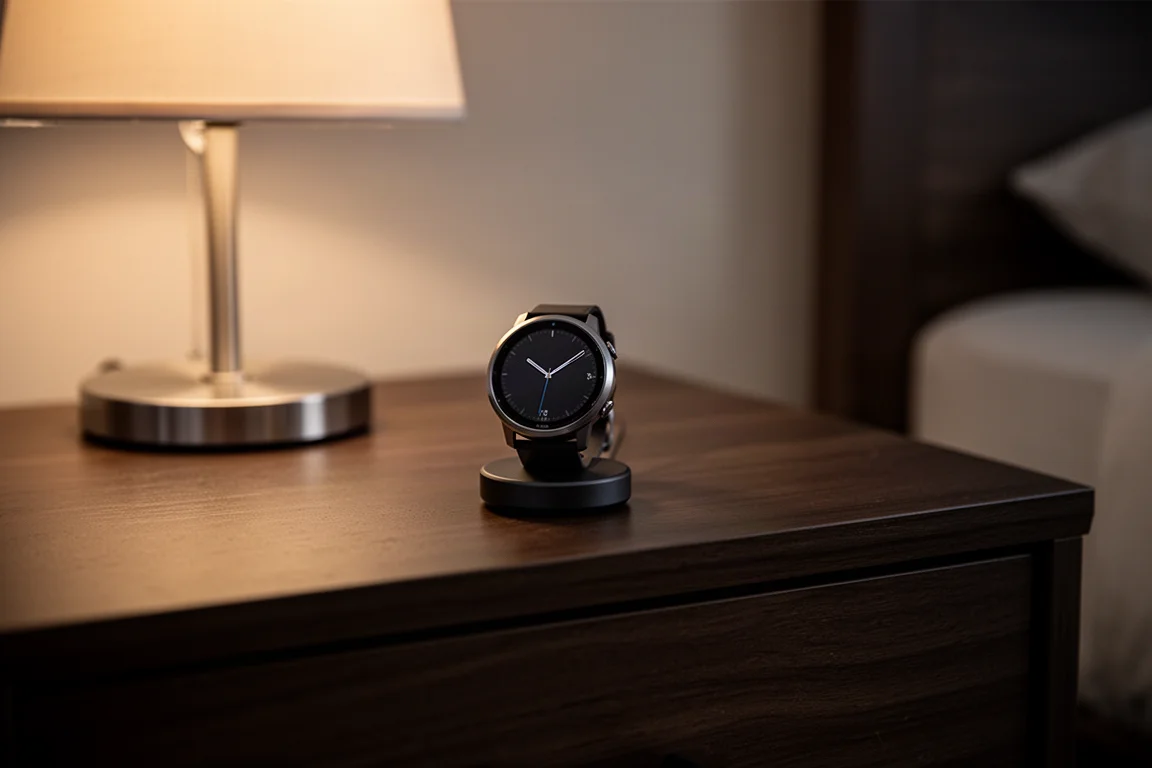
There is a construction trade-off as well. On the microLED model, the capacitive touchscreen is a separate layer from the display itself, while on AMOLED the touchscreen and display are a single piece. That is one reason the microLED Fenix 8 Pro is thicker than the AMOLED version.
Durability and Availability
MicroLED does promise one long-term advantage: the inorganic materials used in these panels degrade far more slowly than the organic materials in AMOLED displays, so the screen should last longer.
Availability, however, is limited. MicroLED is extremely challenging to produce, and Garmin simply cannot manufacture these panels in the same quantities as AMOLED. The technology is currently only offered in the 51mm size, it is not available in the 47mm model, and there is no 42mm Fenix 8 Pro at all.
Which One Should You Buy?
The AMOLED Fenix 8 Pro is already plenty bright and offers all the same functionality as the microLED version. The microLED model costs $700 more than the equivalent AMOLED variant, and that is a lot of money for a technology whose main benefit only really shows in harsh sun.
This is bleeding-edge tech with bleeding-edge pricing, and it suits a narrow audience: someone who wants the absolute brightest display possible and the techiest watch you can buy. For everyone else, the AMOLED version delivers essentially the same experience at a significantly lower price.
Conclusion
The microLED Fenix 8 Pro is an impressive showcase of emerging display technology, with unmatched peak brightness and excellent off-angle visibility. But its higher power draw, thicker build, limited size availability, and substantial price premium make the AMOLED Fenix 8 Pro the more sensible choice for most buyers. Choose microLED only if ultimate sunlight readability is worth the extra cost to you.
Product link
View more details for Garmin Fenix 8 Pro MicroLED
This product is mentioned in the review. Check the specifications, options, and compatibility before buying.
View more details for Garmin Fenix 8 Pro MicroLEDFurther reading
Related Reviews
GPS Watches
Garmin Fenix 6S Pro Review: A Compact Multi-Sport GPS Watch
A long-term look at the 42mm Garmin Fenix 6S Pro, covering mapping, training metrics, battery life, and what to weigh before buying.
GPS Watches
Garmin Instinct 2 Solar Review: Weeks of Battery for Runners, Riders, and Hikers
A practical look at the Garmin Instinct 2 Solar, covering solar charging, multi-week battery life, training metrics, and GPS performance across running, cycling, and hiking.
GPS Watches
Suunto 9 Peak Pro Review: A Light, Long-Lasting GPS Watch After 12 Months
A compact multisport GPS watch with exceptional battery life, accurate breadcrumb navigation, and a deliberately simple interface. Here is where it shines and where it falls short.