Running Watches
Garmin Fenix 8 Pro AMOLED Review: Satellite Connectivity Comes to the Fenix Line
A closer look at Garmin's Fenix 8 Pro AMOLED: brighter screen, LTE and satellite messaging, and the trade-offs in size, price, and battery life that come with them.
Introduction
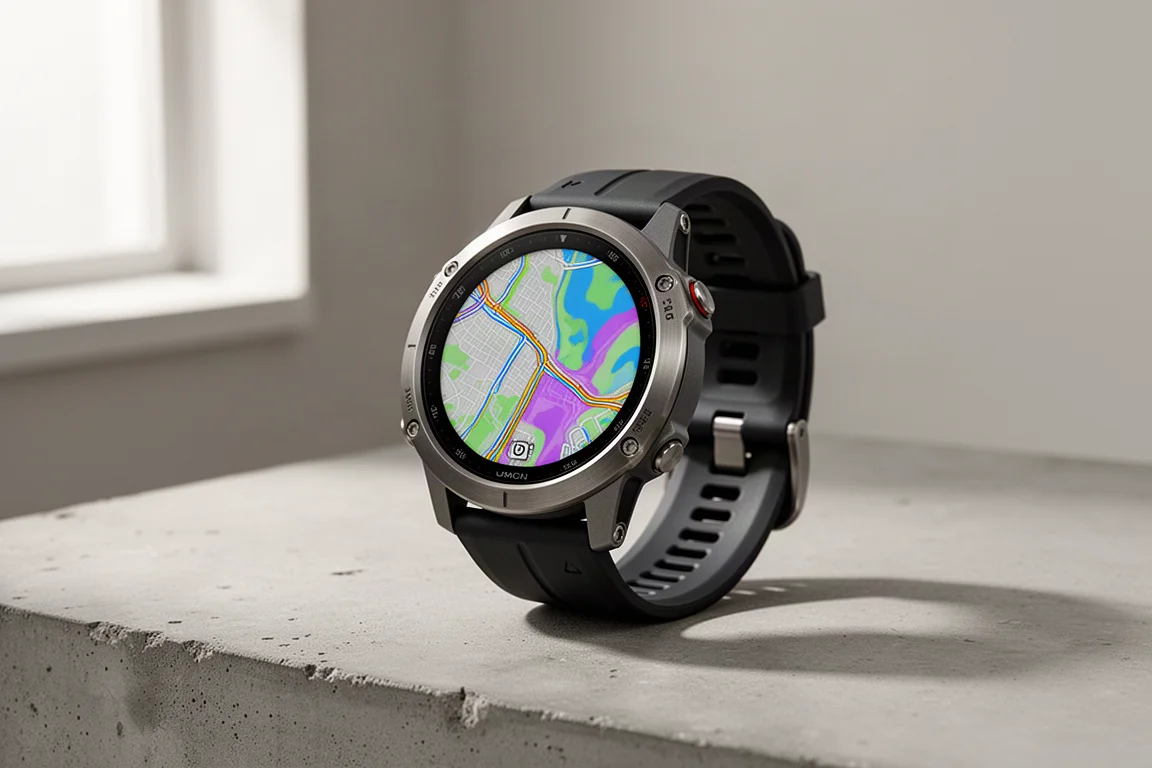
The Garmin Fenix 8 Pro AMOLED is a fairly significant update over the Fenix 8, and the headline change is one runners have been asking about for a long time: LTE and satellite connectivity, enabling phone-free calls, voice and text messages, weather, live tracking, and emergency SOS when you are off grid. Alongside that, Garmin has fitted a brighter AMOLED screen, made the case slightly chunkier, and adjusted the battery equation in both directions.
We spent close to a month testing the 51mm AMOLED model, racing a marathon on it, and comparing GPS, heart rate, and battery life against a chest strap and rival watches. Here is how it all adds up.
Who this product is for

This is a watch for people who regularly head somewhere without phone coverage. If your runs take you into the mountains, across remote trails, or off grid for long stretches, the Fenix 8 Pro finally brings satellite connectivity to the Fenix line. It also suits runners who want Garmin’s most complete tracking, training analysis, and navigation package in one rugged body.
One important note on sizing: the Pro comes in AMOLED and Microled versions, with the AMOLED offered in 47mm and 51mm sizes and the new Microled only in 51mm. There is no smaller 43mm option and no Memory-in-Pixel model in this range, so anyone with smaller wrists is limited to the two larger cases.
Main strengths
The satellite and LTE tools are the clear headline. Once set up, you can make calls, send voice and text messages from canned or custom stock replies, check weather, share automatic live tracking, and send emergency SOS messages without your phone. Live tracking shares your current split pace and heart rate, and during a marathon test it let a family member follow race progress in real time. It is worth noting these features sit behind a subscription add-on with a 30-day free trial, and calls and messages currently require both parties to use Garmin’s messenger app. Setup involves a few apps and some hoops, but you only have to do it once.
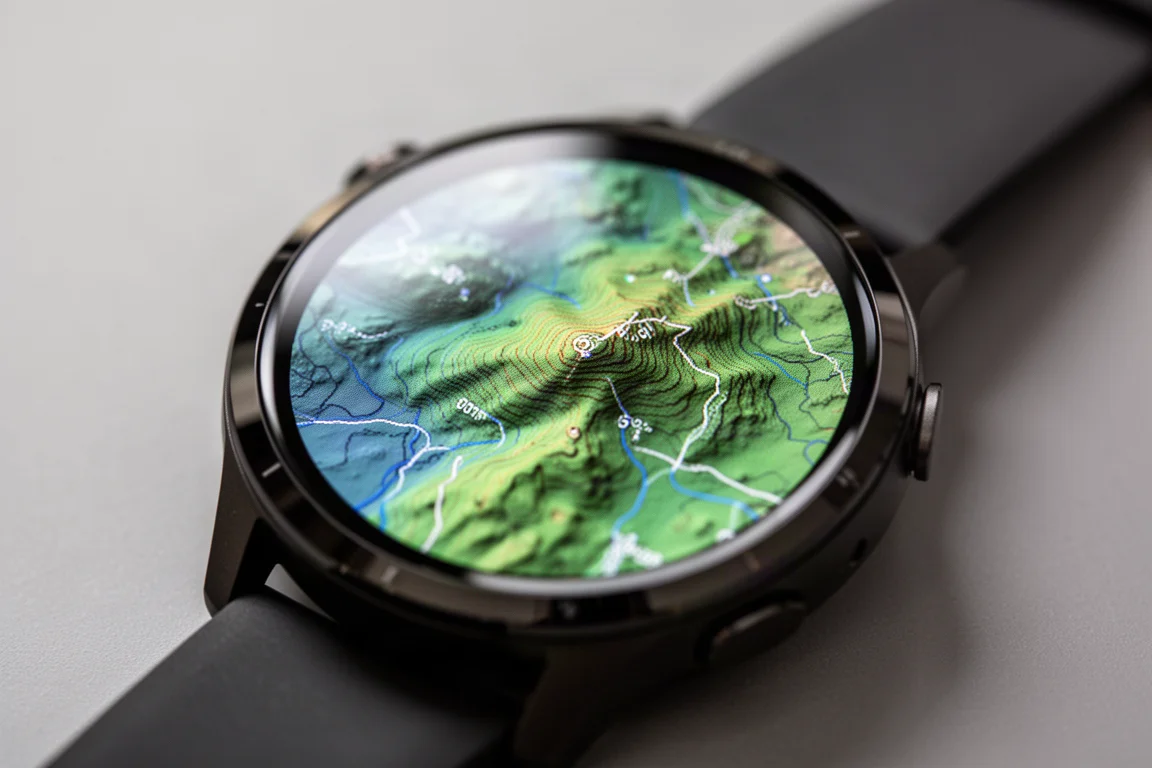
The screen is the other visible upgrade. It is notably brighter than the Fenix 8’s display, vibrant, sharp, and colorful, with ample room for stats and excellent map rendering. The buttons also feel quicker and easier to use than on the Fenix 8, and the watch moves between screens faster.
Tracking quality remains class-leading. Dual-band GPS produced distances nearly identical to the Fenix 8 and another premium rival in max accuracy mode, and even GPS-only mode stayed within an acceptable margin. During a marathon with settings maxed, the watch hit mile markers almost spot on every time, delivered reliable real-time pacing, and logged 26.26 miles overall. Optical heart rate, based on Garmin’s Elevate V5 sensor, was solid across easy runs, intervals, and stop-start city runs, hitting chest strap averages closely with fewer wobbles than the Fenix 8 in the same tests. On top of that you get Garmin’s full suite: running economy estimates, running tolerance, training progress, and the best-in-class routable maps with on-the-fly route creation and rerouting mid activity.
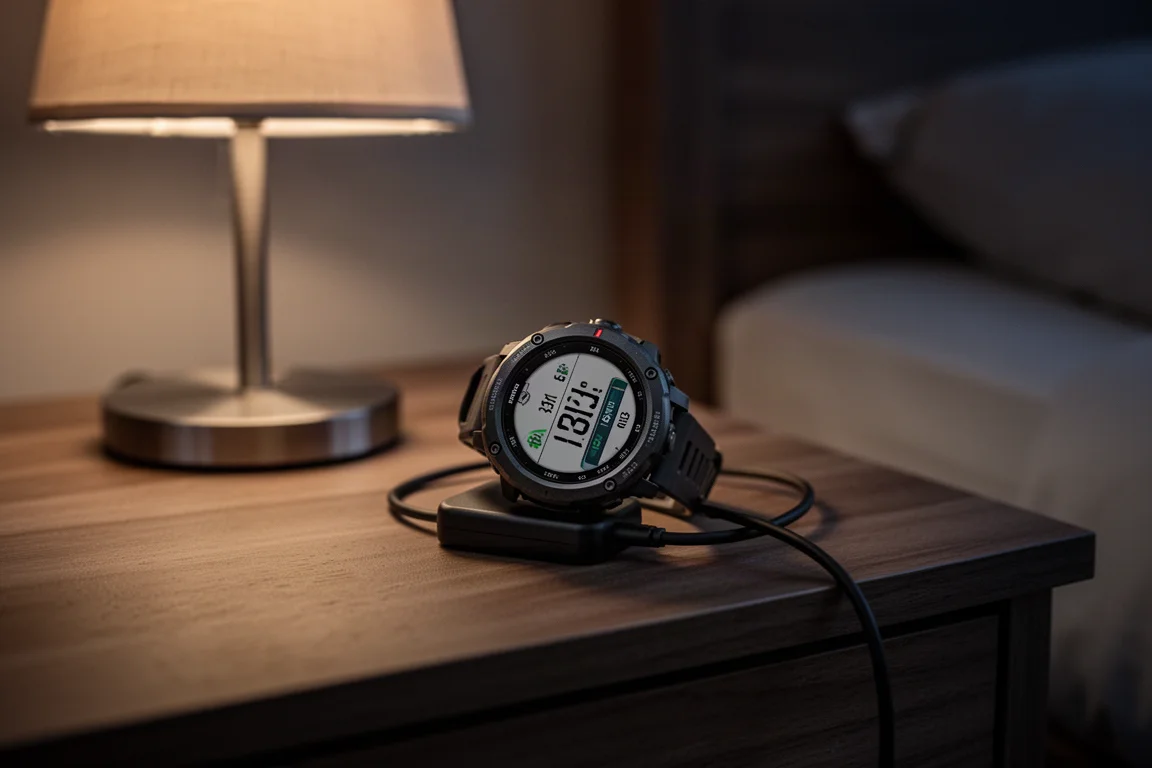
Battery life still holds up well despite the brighter screen. With always-on display and live tracking enabled on every run, the watch lasted around four to five days per charge. In a head-to-head test with identical settings, the Fenix 8 Pro lasted 9 days with about 8.5 hours of GPS workouts, while the Fenix 8 was still at 14% when the Pro died. A one-hour max accuracy run burned 2% versus 1% on the Fenix 8, a GPS-only hour burned just over 1%, and a maxed-settings marathon used only 8%. Overnight drain matched the Fenix 8 at around 2%.
Things to consider before buying
The case has grown. The Fenix 8 Pro is thicker, up from 14.7mm to 16.5mm, and although it is a couple of grams lighter than the titanium Fenix 8 at 90g, it feels bulkier on the wrist. We often had to tighten and loosen the strap around workouts to keep the big case in place for good heart rate readings, and forgetting to loosen it afterward led to some wrist discomfort. A nylon quick-release strap helps.
Price is the bigger hurdle. The Fenix 8 Pro costs more than the already expensive Fenix 8, and the new features sit behind a subscription on top. Notably, emergency SOS is part of the paid package, whereas some rivals with satellite connectivity offer SOS for free. The Microled option is also missing from this range, and there is no smaller case size for those who want the satellite features without the heft.
Buying advice
For most runners after one of Garmin’s top-tier watches, the standard Fenix 8 is still the easier recommendation, especially if battery life matters most. It offers a near-identical experience with a slightly less bright screen, a thinner case, and a lower price.
If battery life above all else is the goal, the Fenix 8 Solar or the Garmin Enduro 3 make more sense, and the Enduro 3 is the best big adventure watch with a Memory-in-Pixel display. The Garmin Forerunner 970 deserves a serious look too: it packs much of the same sports tracking and navigation firepower, a sapphire display, titanium bezel, and built-in flashlight, in a lighter, more comfortable body.
For satellite features specifically, the Apple Watch Ultra 3 is a considerably cheaper route, though with clear trade-offs in battery life and training and navigation depth. And if you can live without satellite tools, the Polar Grit X2 Pro, Coros Vertex 2, and Suunto Vertical 2 all deliver impressive rugged sports trackers with maps at substantially lower prices, even if their navigation, training analysis, and interfaces do not quite match Garmin’s.
Conclusion
The Garmin Fenix 8 Pro AMOLED is a small but potentially crucial update. It is well built, rugged, fully featured across training, racing, recovery, and daily health, with a brighter screen and genuinely useful satellite connectivity for those who need a safety net off grid. The cost is a chunkier case, some battery life in max accuracy GPS mode, a higher price, and a subscription for the satellite tools. If those features match a real need in your running, the Fenix 8 Pro is now the Fenix to buy. If they do not, the standard Fenix 8 remains the smarter spend.
Product link
View more details for Garmin Fenix 8 Pro AMOLED
This product is mentioned in the review. Check the specifications, options, and compatibility before buying.
View more details for Garmin Fenix 8 Pro AMOLEDFurther reading
Related Reviews
Running Watches
Coros Pace 3 Running Watch Review: Why Software Matters More Than Specs
The Coros Pace 3 prioritizes runner-focused design and intelligent software over expensive hardware. Here's why it outperforms watches that cost twice as much.
Running Watches
GPS Running Watch Accuracy Test: Seven Watches Compared Across Urban, Trail, and Race Conditions
We tested seven popular running watches from major brands in three different environments to find out which delivers the most accurate GPS tracking for distance and pace.
Running Watches
Garmin Forerunner 70 Review: Garmin's Cheapest Forerunner Is More Capable Than You'd Expect
The new entry-level Forerunner 70 brings an AMOLED screen, a fresh interface, and real training analysis for £219/$249, with a few trade-offs to weigh before buying.