Running Watches
Garmin Epix Pro: Early Impressions of Garmin's New AMOLED Flagship
A first look at the Garmin Epix Pro range: three sizes, a built-in flashlight, a new heart rate sensor, and impressive battery claims for an AMOLED watch.
Introduction
The Garmin Epix Pro sits at the top of Garmin’s high-end watch range, superseding the Epix 2 with new sizes, a built-in flashlight, and a new heart rate sensor. It launches alongside a similar update to the Fenix line, and both families share a lot of what makes them interesting: sharper mapping, two new performance metrics, and multi-band GPS across the board.
This is an early look rather than a full review. Pre-launch testing units could not be linked to Garmin Connect, which locked out some headline features, most notably Hill Score and Endurance Score. Even so, there has been enough real running with the watch to form solid early opinions on GPS accuracy, heart rate tracking, battery life, and everyday comfort.
What Is the Garmin Epix Pro?
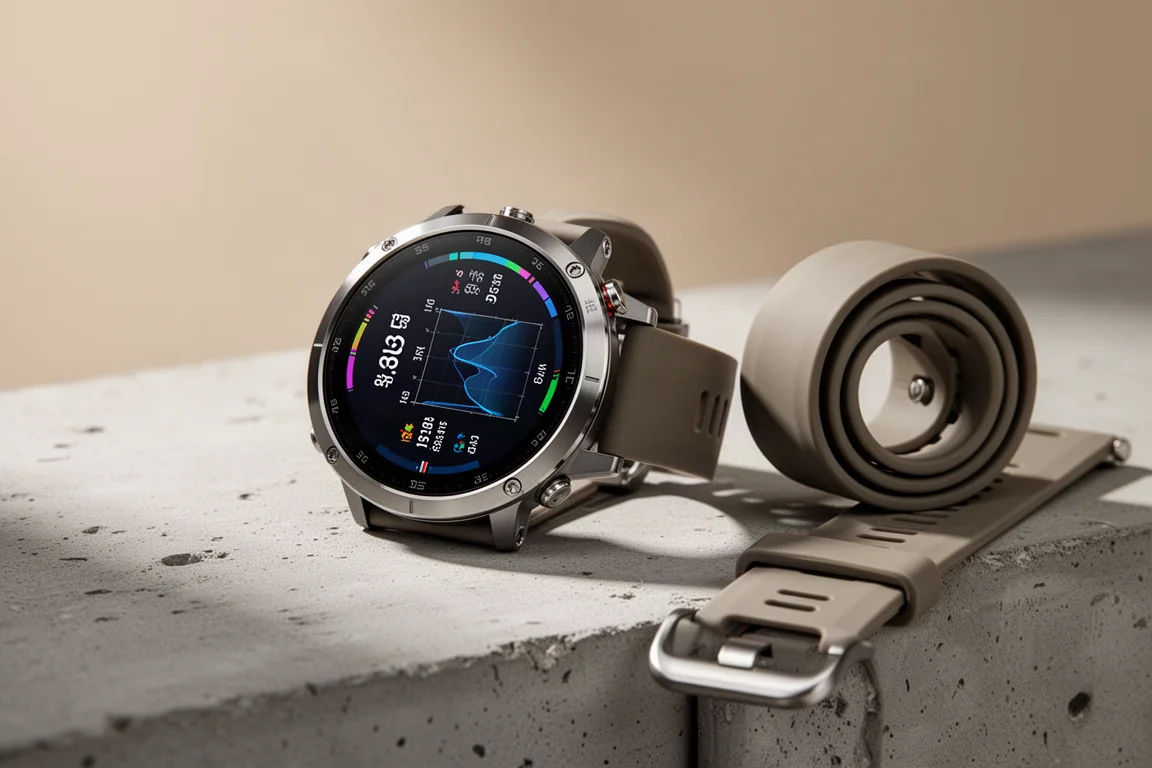
The Epix Pro comes in three sizes: 42mm, 47mm (the same size as the Epix 2), and a larger 51mm model. The defining feature versus the Fenix range is the bright AMOLED touchscreen, in contrast to the transflective memory-in-pixel displays used on the Fenix and Enduro 2. Screen sizes run from 1.2 inches on the smallest watch up to 1.4 inches on the largest, with differences in pixel density to match.
Standard models use a steel bezel, steel case back, and Corning Gorilla Glass screen. Sapphire models step up to titanium bezels and case backs with sapphire crystal screens. All sizes ship with silicone bands, and the 42mm version in particular has been praised for fit: with the QuickFit 20 band, it sits comfortably even on smaller wrists, which is a welcome change for anyone who found previous Garmins too large.
Built-In Flashlight and New Heart Rate Sensor
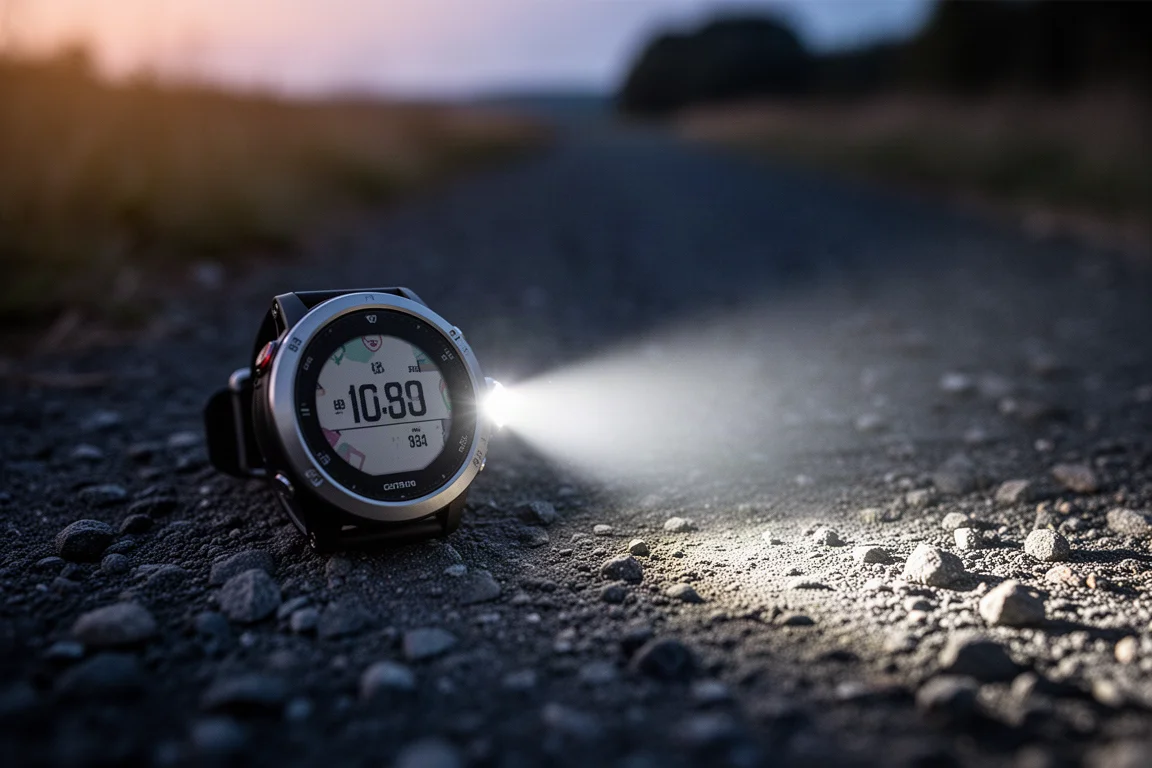
Two changes stand out across the whole range. The first is the built-in flashlight, available on every size. A double tap on the backlight activates it, with four brightness levels for white light plus a red light mode, and an SOS flash can be configured. For anyone running alone at night, it adds both visibility to traffic and a genuine sense of security.
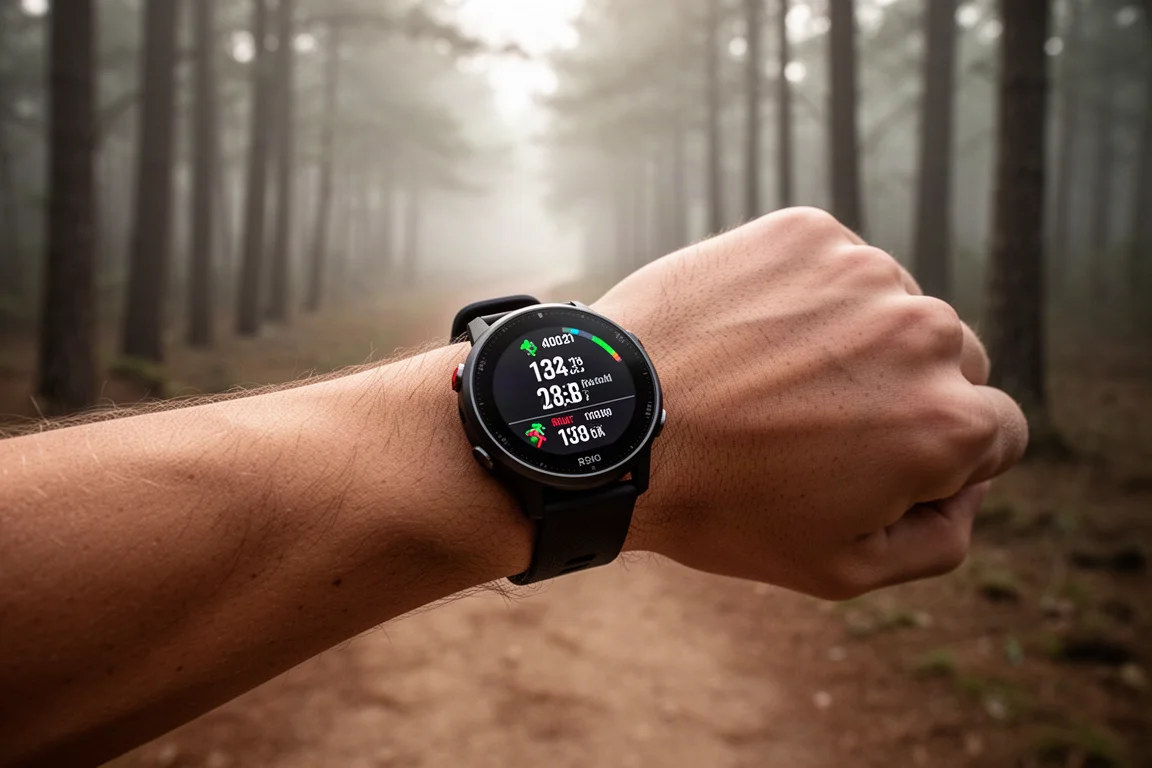
The second is the new optical heart rate sensor, which Garmin says should improve heart rate tracking accuracy. Early testing has been encouraging. Across eight runs in warm conditions, wrist-based readings tracked very closely to a chest strap, with only brief wobbles at the start of runs and very slight lag on hard surges. It is too early to say whether a chest strap can be retired, but the early signs are promising.
Hill Score and Endurance Score
Two new performance metrics arrive with the Pro watches. Hill Score is a color-coded graph showing how well you perform on uphill running, while Endurance Score measures your ability to sustain long efforts across sports. These scores need about two weeks of wrist time to generate on the watch, but they appear immediately when the watch is linked to Garmin Connect and backed by your training history.
The real value is likely in the trend over time, particularly for anyone training for hillier or longer events such as an ultra marathon. Worth knowing: Garmin has confirmed that Hill Score and Endurance Score will roll out to the existing Fenix 7 series and the Epix 2 via software updates, so these metrics alone are not a reason to upgrade.
Maps, GPS, and Sports Features
Multiband GPS is standard on all Epix Pro models, whereas the Epix 2 only offered it on sapphire versions. In early testing, GPS locked on well and tracked runs accurately, matching a Forerunner 965 on distance and pace, though locking on at the start of runs occasionally took a little longer pre-launch.

Maps get several refinements: a weather forecast can be overlaid on the map while following a route, upcoming checkpoints such as aid stations appear on the map itself, and new shading should make maps clearer to read. There is also a redshift mode that shifts screen colors to shades of red later in the day. New sports modes include basketball and football, and the usual sensor suite is present: compass, altimeter, pulse oximeter, and Bluetooth and ANT+ connectivity for external sensors.
Battery Life and Early Verdict
Battery life has lived up to the claims so far. The 47mm model managed six to seven days with the always-on display enabled and multiband GPS runs mixed in, and a 90-minute multiband GPS run cost roughly nine to ten percent of the battery, in line with Garmin’s estimates.
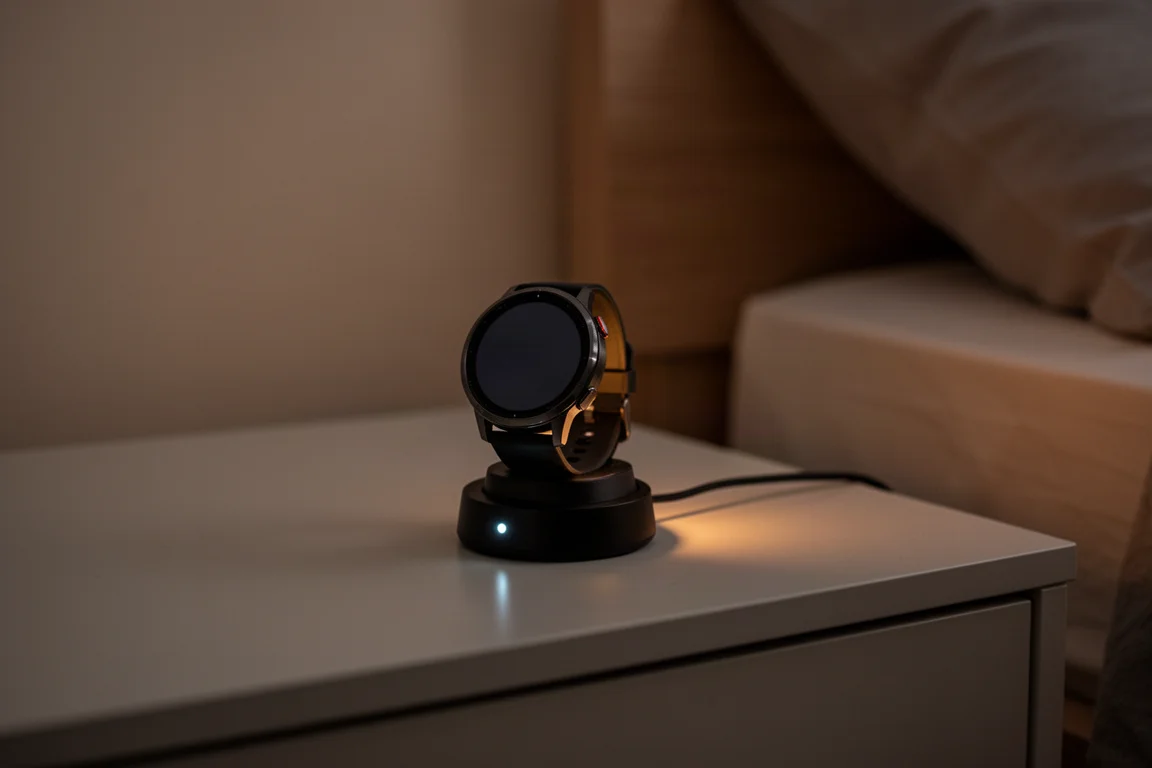
The 51mm model is the more interesting story for endurance: around 11 days with the screen always on and up to roughly 82 hours of GPS in the lowest-power mode, which is a big number for an AMOLED watch. If you want a long-lasting AMOLED sports watch, the largest size looks like the one to watch. At the same time, it is fair to ask whether the upgrade is necessary. If you already own an Epix 2, use a chest strap, and are happy with the size and battery, the flashlight alone is not compelling. For anyone coming from an older Forerunner who wants a premium watch with a bright AMOLED screen, excellent tracking, and a strong feature set, the Epix Pro is a very good option, even at its premium price.
Conclusion
The Garmin Epix Pro is another very polished watch from Garmin, with the new heart rate sensor, flashlight, and expanded size range as the genuine differentiators. Full testing of Hill Score and Endurance Score still awaits, but on accuracy, comfort, and battery life, the early evidence is firmly positive.
Product link
View more details for Garmin Epix Pro
This product is mentioned in the review. Check the specifications, options, and compatibility before buying.
View more details for Garmin Epix ProFurther reading
Related Reviews
Running Watches
Coros Pace 3 Running Watch Review: Why Software Matters More Than Specs
The Coros Pace 3 prioritizes runner-focused design and intelligent software over expensive hardware. Here's why it outperforms watches that cost twice as much.
Running Watches
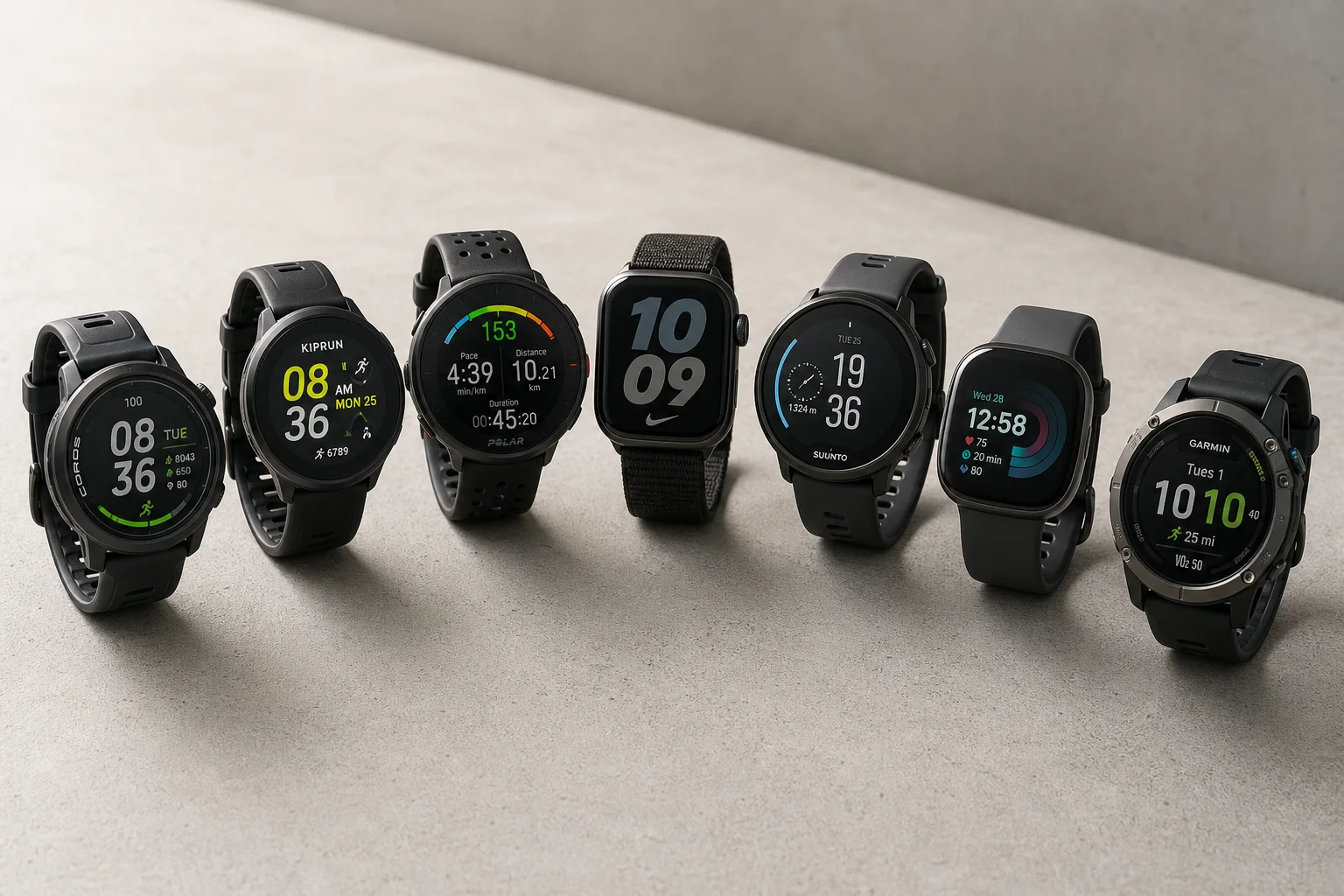
GPS Running Watch Accuracy Test: Seven Watches Compared Across Urban, Trail, and Race Conditions
We tested seven popular running watches from major brands in three different environments to find out which delivers the most accurate GPS tracking for distance and pace.
Running Watches
Garmin Forerunner 70 Review: Garmin's Cheapest Forerunner Is More Capable Than You'd Expect
The new entry-level Forerunner 70 brings an AMOLED screen, a fresh interface, and real training analysis for £219/$249, with a few trade-offs to weigh before buying.