Running Watches
Garmin Enduro 3 vs Fenix 8: Marathon Head-to-Head, Plus a Trail Race Shoe Pick
Three Garmin watches and one race-ready trail shoe put through a mixed-terrain marathon, with GPS accuracy, heart rate and battery results compared.
Introduction
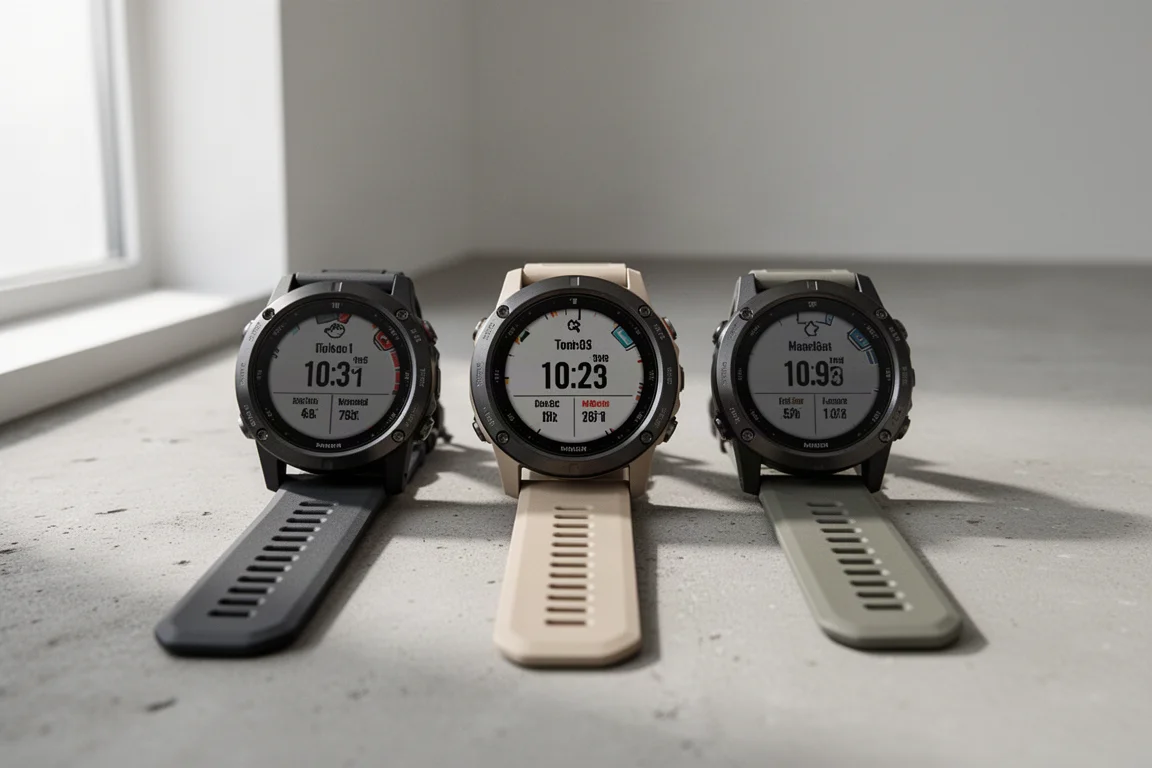
The New Forest Marathon in England is a rare kind of test bed: a mixed-terrain course through a 220 square mile national park, weaving over compact gravel, road, forest floor trails, grass and mud, with just enough hills to ask questions. That makes it an ideal place to compare three Garmin watches side by side: the Enduro 3, the Fenix 8 and the older Enduro 2, all worn simultaneously for a full marathon.
The comparison focused on three things: battery life, GPS accuracy in a heavily forested area, and optical heart rate performance against a Garmin H10 chest strap worn alongside. The Fenix 8 tested was the 51mm AMOLED version. All three watches ran in Max accuracy mode with all systems, dual frequency and automatic SatIQ switching, and always-on displays.
The Head-to-Head Test
The race itself is worth a word. The New Forest course is famous for wild horses roaming and grazing on open ground, frequent aid stations offering water and energy drinks, and a quiet, solitary atmosphere that feels very different from an urban city marathon. There are 5K, 10K, half and marathon options on the same day, with 2025 marathon entry priced at £65. It is roughly an hour and a half from London by train, and the start and finish are fast and stress-free, though the one-way car park exit means a bus or a drop-off is the smarter choice.

GPS Accuracy on a Forested Course
All three watches tracked under the official marathon distance, and mile markers were passed before the watches buzzed for them. A large number of other runners using a variety of watch brands reported the same shortfall afterward, so this is clearly not a watch-specific issue. The recorded distances were close together: the Enduro 3 registered 25.93 miles, the Fenix 8 25.87 miles, and the Enduro 2, strapped to a belt where satellite reception is naturally worse, 25.62 miles.
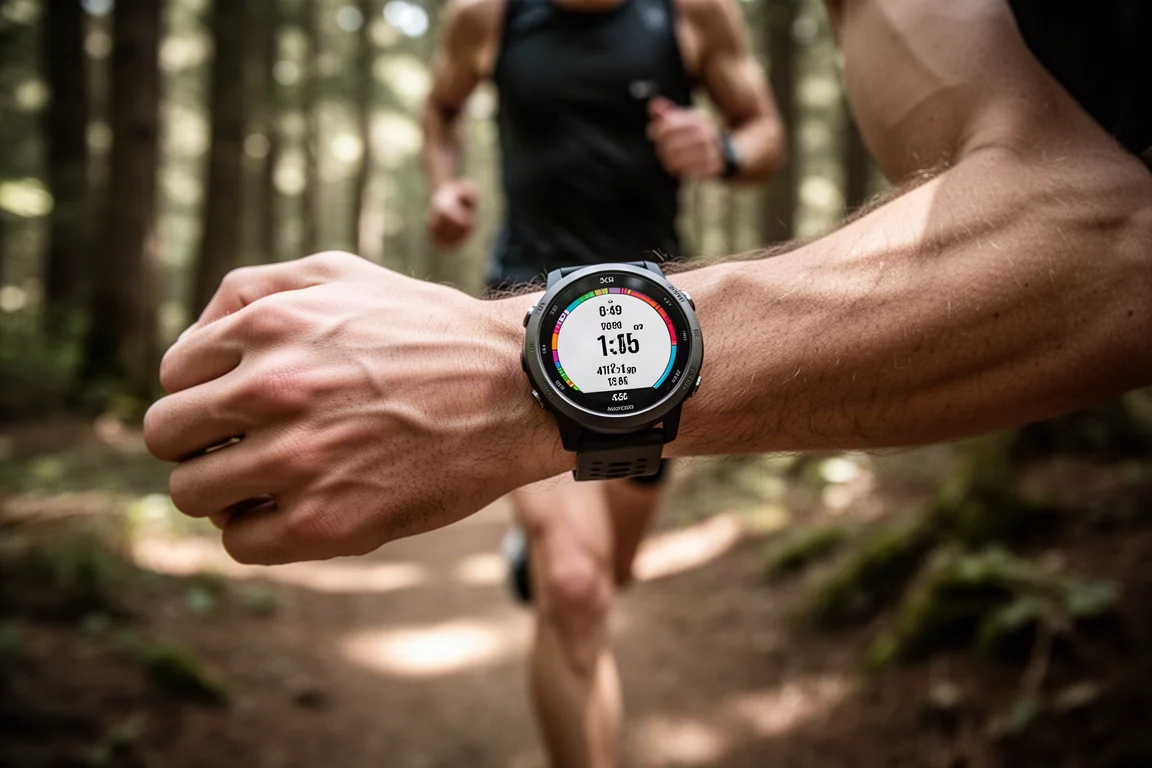
Digging into the traces, all three had moments off track, but the Fenix 8 hugged the actual trails, roads and track slightly better than the Enduro 3. Even so, with heavy forest cover, both performed generally well, and the Enduro 2 held its own despite the inferior belt position. The takeaway: in Max accuracy mode there is no meaningful GPS reason to choose one of these watches over the others.
Heart Rate Against a Chest Strap
Both the Enduro 3 and the Fenix 8 tracked optical heart rate relatively well against the H10 chest strap. The Fenix 8 was the closer match across the full marathon, while the Enduro 3 showed one moment where the reading dropped and lurched before settling back. Overall, it was a solid performance from both watches, and neither gives up much on a long run like this.
Battery Life: The Big Differentiator
On paper the two newer watches differ sharply. The Enduro 3 is rated for 80 hours of run time using all systems, rising to 144 hours in the right solar conditions, while the Fenix 8 AMOLED with the always-on screen is rated for 54 hours. The Enduro 2 sits at up to 78 hours, rising to 96 with solar.
Real-world numbers told a narrower story. All three came off charge at 100% on race morning, dropping 1 to 2% before the start. The marathon was run in 3 hours 8 minutes with always-on screens on all three, and the burn was tight: 5% for the Enduro 3, 6% for the Fenix 8 and 6% for the Enduro 2.
The gap may widen over longer efforts, but in comparable running power settings the Enduro 3 has not come across as a dramatically longer-lasting watch, and no test run exceeded three hours. Outside of runs, though, the difference is real: with the always-on display left active, the Fenix 8 drops charge noticeably faster. For marathon runners worried the AMOLED screen might seriously hurt battery life over race distance, this test suggests there is no need to worry much.
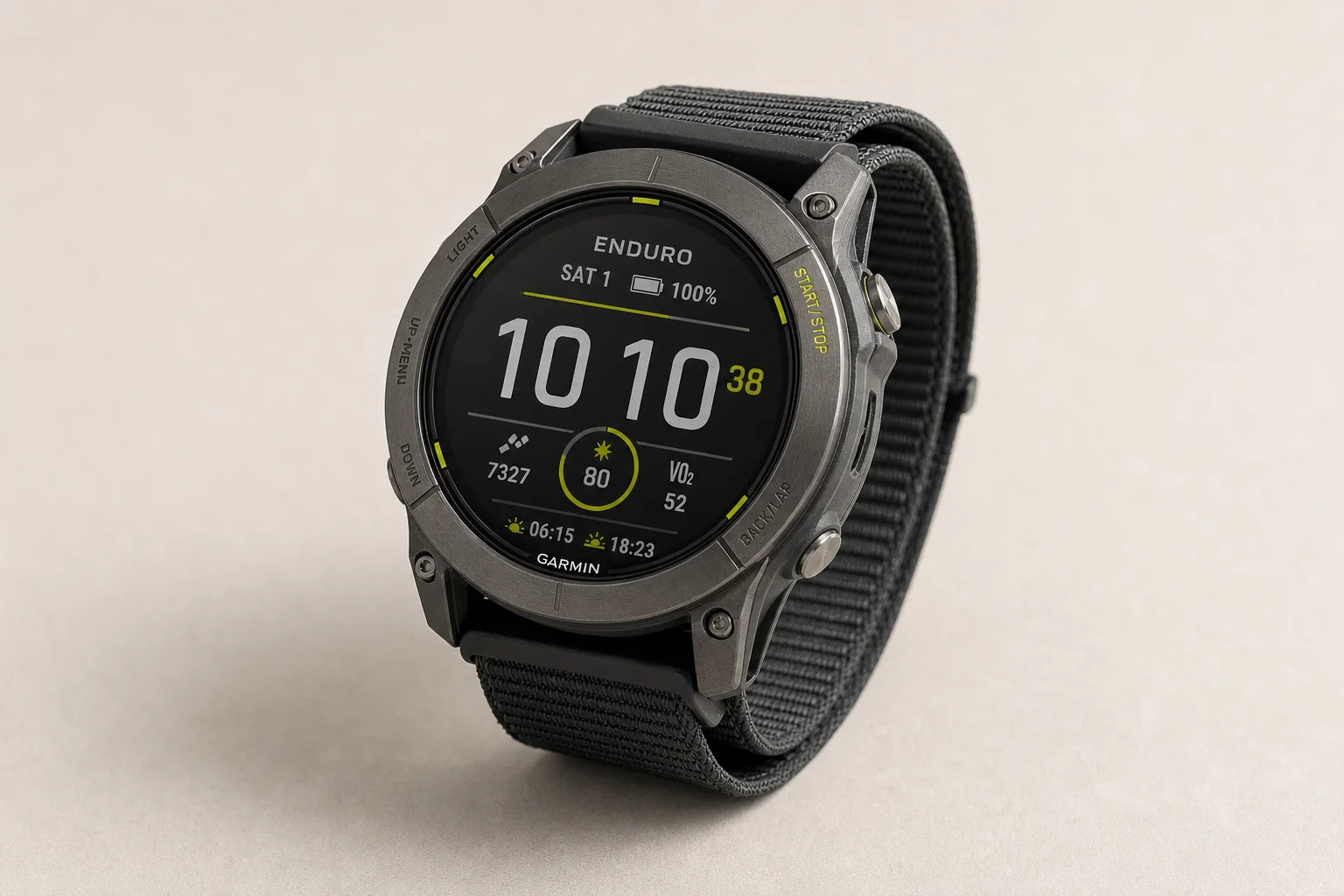
Garmin Enduro 3: Solar Stamina
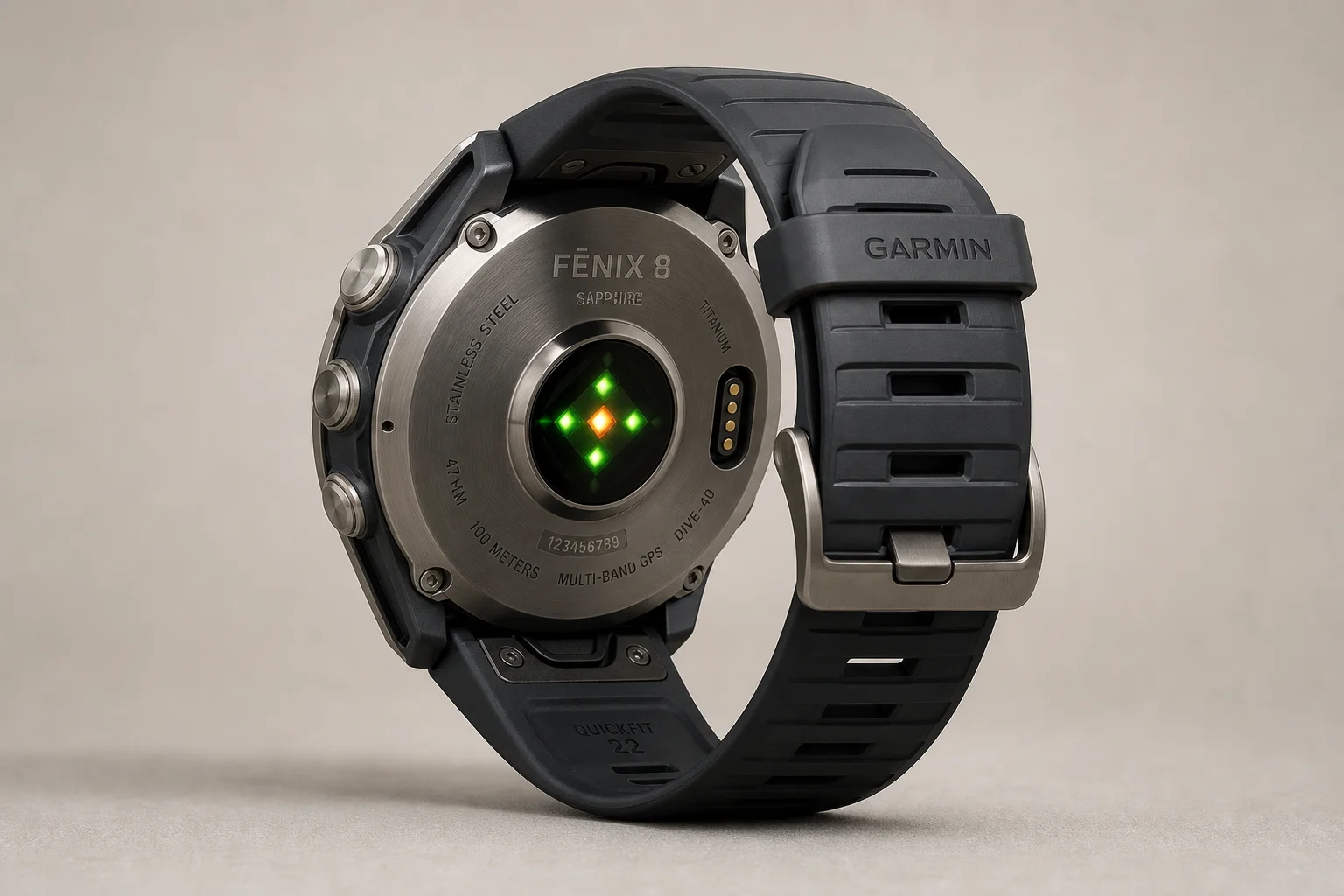
The Enduro 3 delivered the lowest burn of the three in the race test, and its claimed 144-hour ceiling with solar gives it the strongest long-endurance credentials of the group. Its optical heart rate tracked well overall, with only one brief drop-and-lurch moment against the chest strap, and its GPS traces held up nicely under heavy forest cover.
Garmin Enduro 2: Still Holding Its Own
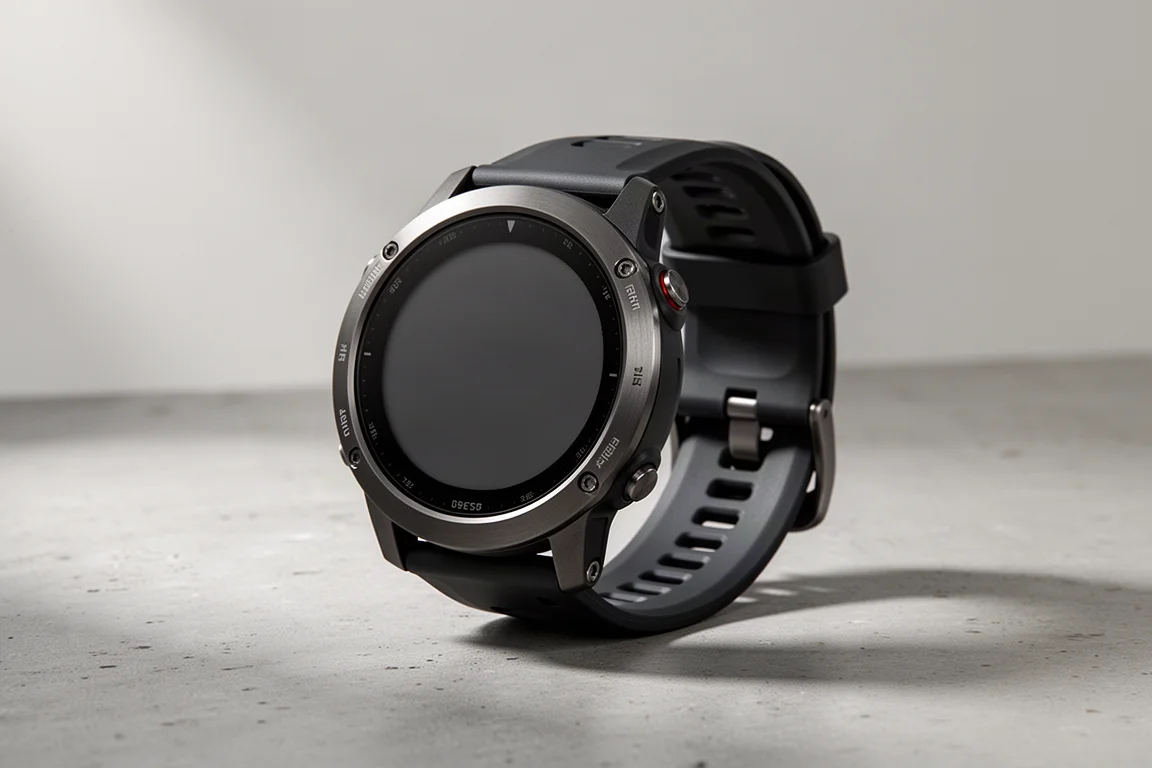
The older Enduro 2 was worn on a belt for this test, a worse position for satellite reception, and it still recorded a competitive 25.62 miles and burned the same 6% as the Fenix 8 over the race. Its claimed battery figures remain close to the Enduro 3 at 78 hours, rising to 96 with solar. For a previous-generation endurance watch, it stayed in the conversation throughout.
Adidas Agravic Speed Ultra: Built for Mixed Terrain
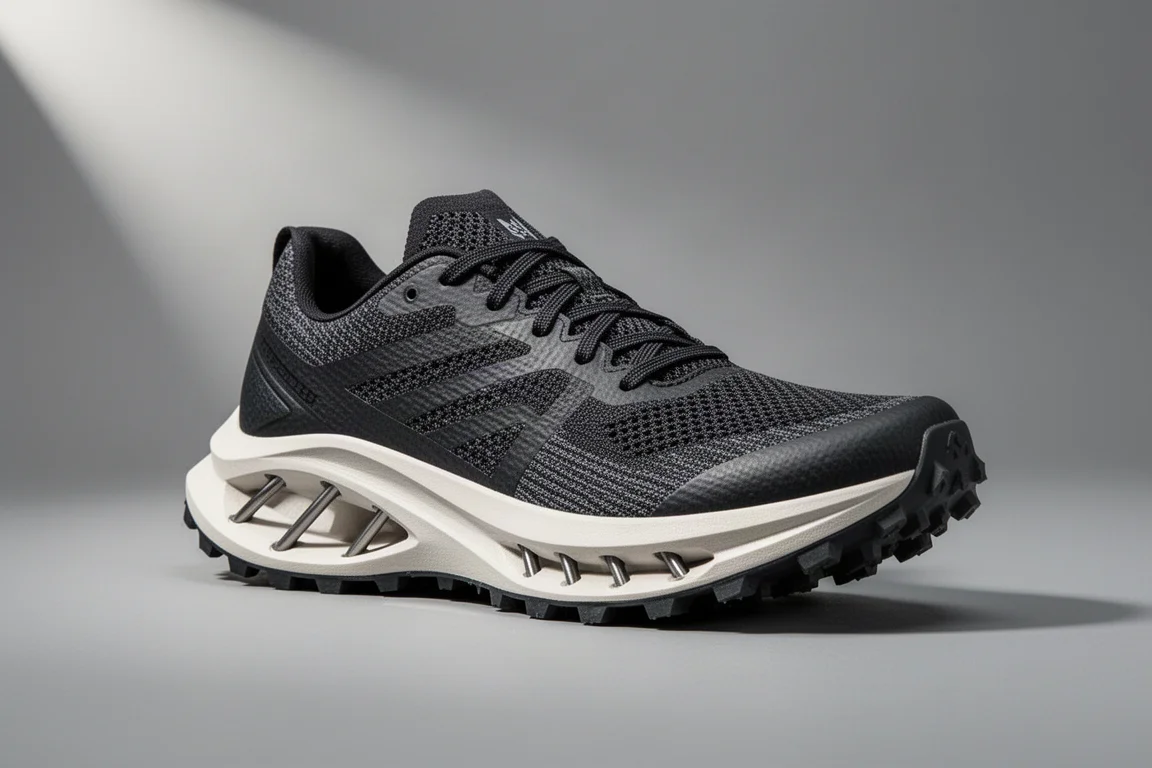
With three days of rain before the race, a road shoe was too risky, and the Adidas Agravic Speed Ultra earned its spot with a big stack of lively midsole foam, a full-length carbon plate, lightweight uppers and 4.5mm lugs. On runnable trails and tarmac it delivered a lightweight, bouncy, energetic ride, and compared to traditional trail shoes the difference is night and day. The trade-off is ground contact: where firmer trail shoes feel connected, the big stack feels springier but slightly less stable over lumps, and it is not a shoe for steep, technical descents.
There are practical wins, too. The roomy toe box suits marathon distance, the lightweight uppers shed water quickly rather than soaking it up, and there was zero foot fatigue over three hours at around 7:15 per mile pace. Grip was excellent even in soggy mud and on wet grass in a straight line, though the shallower lugs are not made for twisting, turning terrain. On road the shoe never felt dragged down. For a runnable marathon on mixed trails and tarmac, it absolutely delivered.

Buying Advice
If battery life over marathon distance is your main worry when choosing between the Enduro 3 and the Fenix 8, this test shows the gap is small in a race. Pick the Fenix 8 if you value the brighter AMOLED screen and slightly sharper GPS traces and heart rate tracking; pick the Enduro 3 if long-endurance credentials and the lowest race-day burn appeal; the Enduro 2 remains a capable option if you find it at a lower price. And if your target race is mixed but runnable terrain, a plated trail race shoe like the Agravic Speed Ultra is a genuinely rewarding choice.
Conclusion
Three watches, one muddy, beautiful marathon. GPS accuracy was effectively a tie, optical heart rate favored the Fenix 8 slightly, and battery burn was close over the race despite very different claims. Add a versatile trail race shoe that handled wet grass, mud and road with equal confidence, and this New Forest test shows that for most marathon runners, the practical differences between these watches are smaller than the spec sheets suggest.
Further reading
Related Reviews
Running Watches
Coros Pace 3 Running Watch Review: Why Software Matters More Than Specs
The Coros Pace 3 prioritizes runner-focused design and intelligent software over expensive hardware. Here's why it outperforms watches that cost twice as much.
Running Watches
GPS Running Watch Accuracy Test: Seven Watches Compared Across Urban, Trail, and Race Conditions
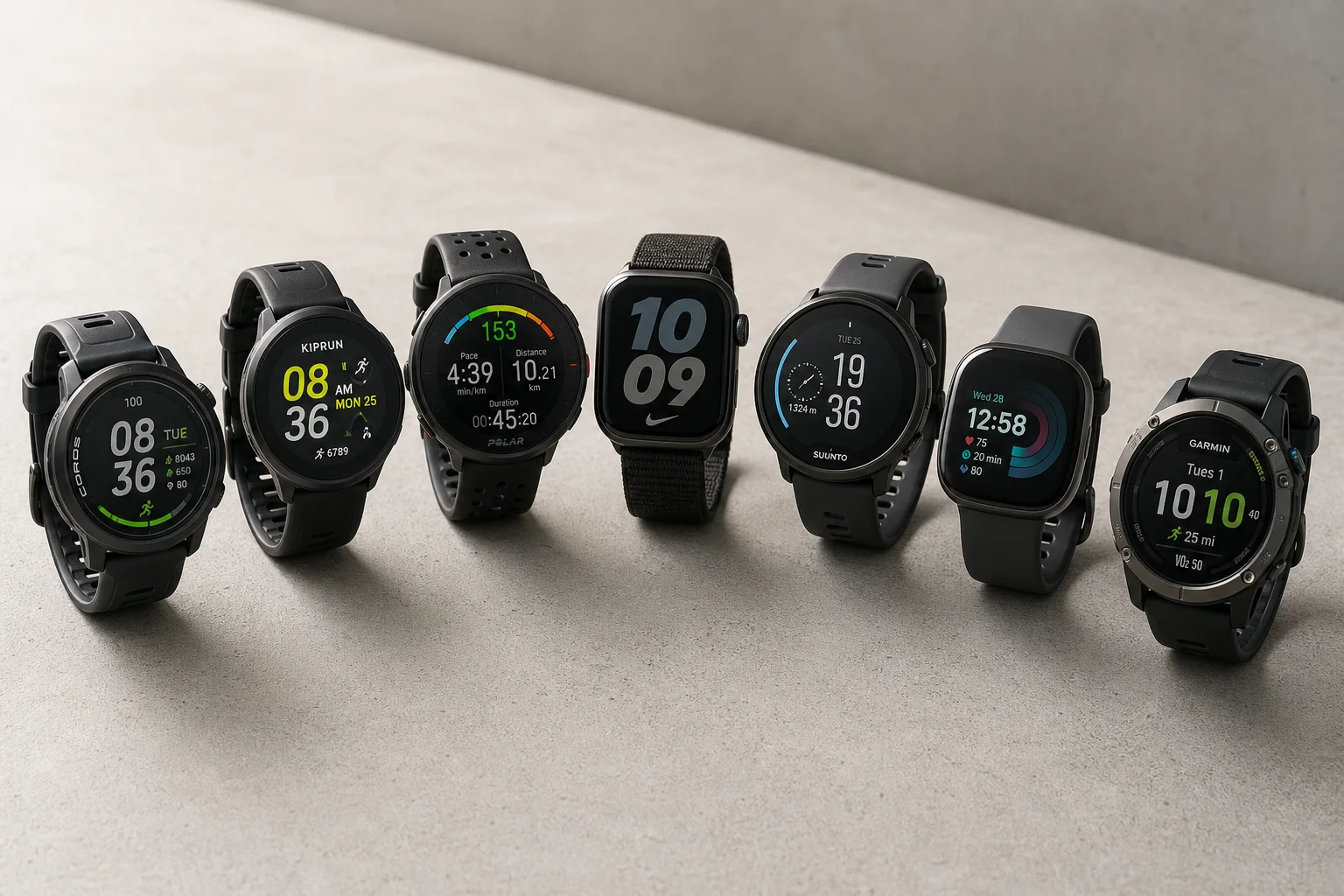
We tested seven popular running watches from major brands in three different environments to find out which delivers the most accurate GPS tracking for distance and pace.
Running Watches
Garmin Forerunner 70 Review: Garmin's Cheapest Forerunner Is More Capable Than You'd Expect
The new entry-level Forerunner 70 brings an AMOLED screen, a fresh interface, and real training analysis for £219/$249, with a few trade-offs to weigh before buying.