Running Watches
Garmin Enduro 3 Review: The Battery Powerhouse That Undercuts the Fenix 8
After six weeks of testing, the Garmin Enduro 3 proves to be a lighter, cheaper, longer-lasting alternative to the Fenix 8, with the Coros Vertix 2S as its closest rival.
Introduction
The Garmin Enduro 3 has spent the last six weeks on our wrists alongside the newer Fenix 8, and it has turned out to be one of the more interesting releases in Garmin’s top-end range. Priced at £769 or $899, it is unexpectedly a little cheaper than the Enduro 2 and a fair bit cheaper than the Fenix 8, which makes it stand out more within Garmin’s lineup than before, when it was essentially a slightly more expensive, longer-lasting Fenix.
If your priority is long battery life, there is not really a watch to rival the Enduro 3’s staying power. There is more to this good-looking, adventure-ready running watch than endurance alone, though, and in this review we break down where it wins, where it falls short, and how it compares to the Fenix 8 and the Coros Vertix 2S.

Design, Screen and Build
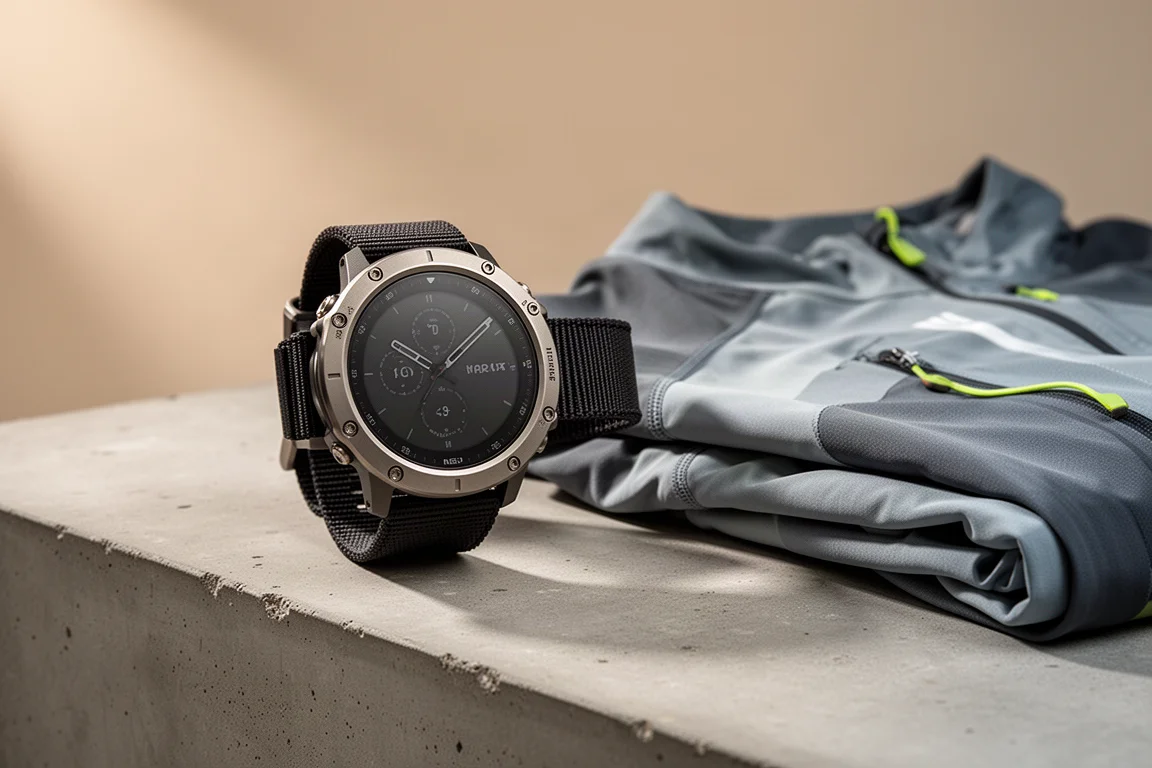
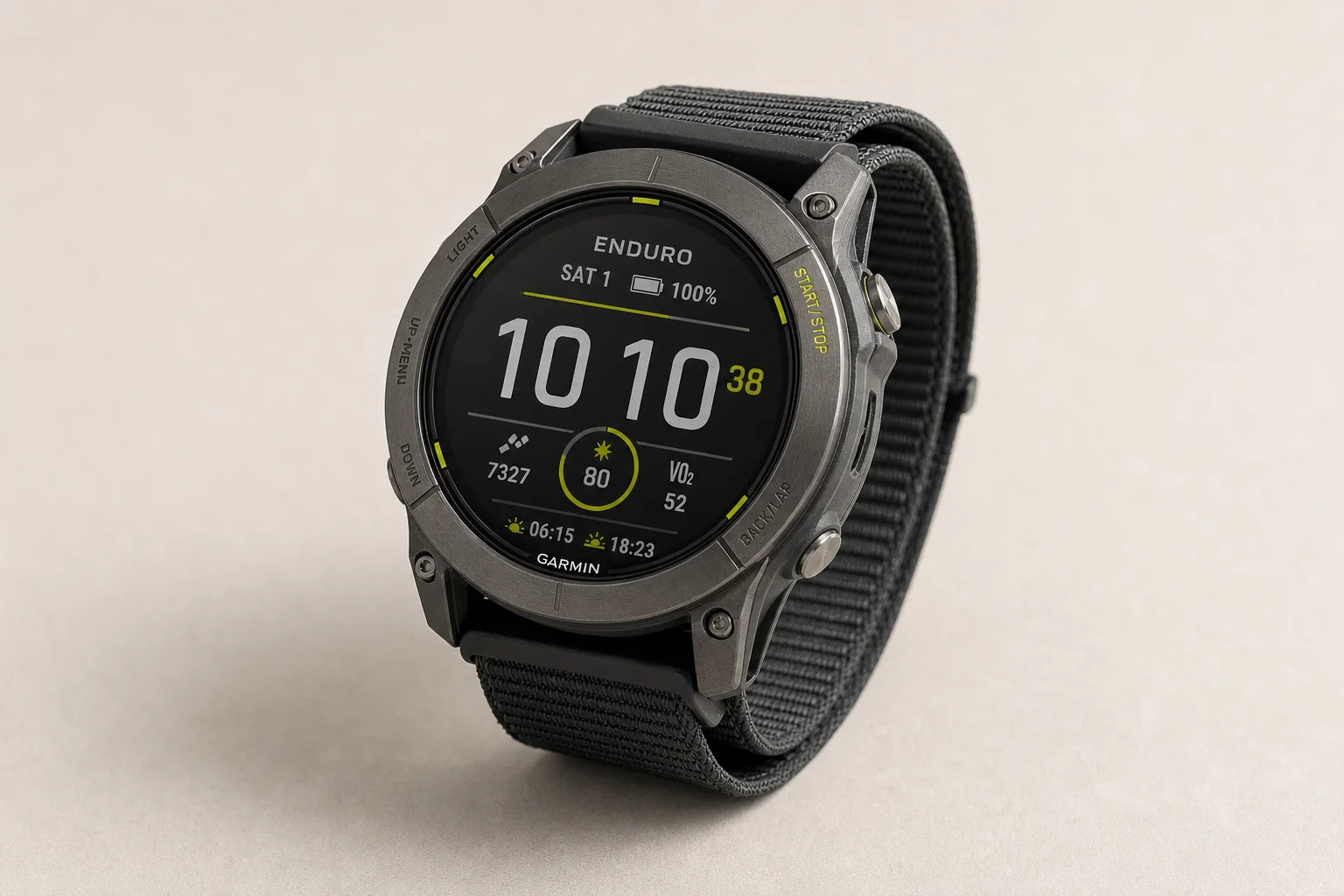
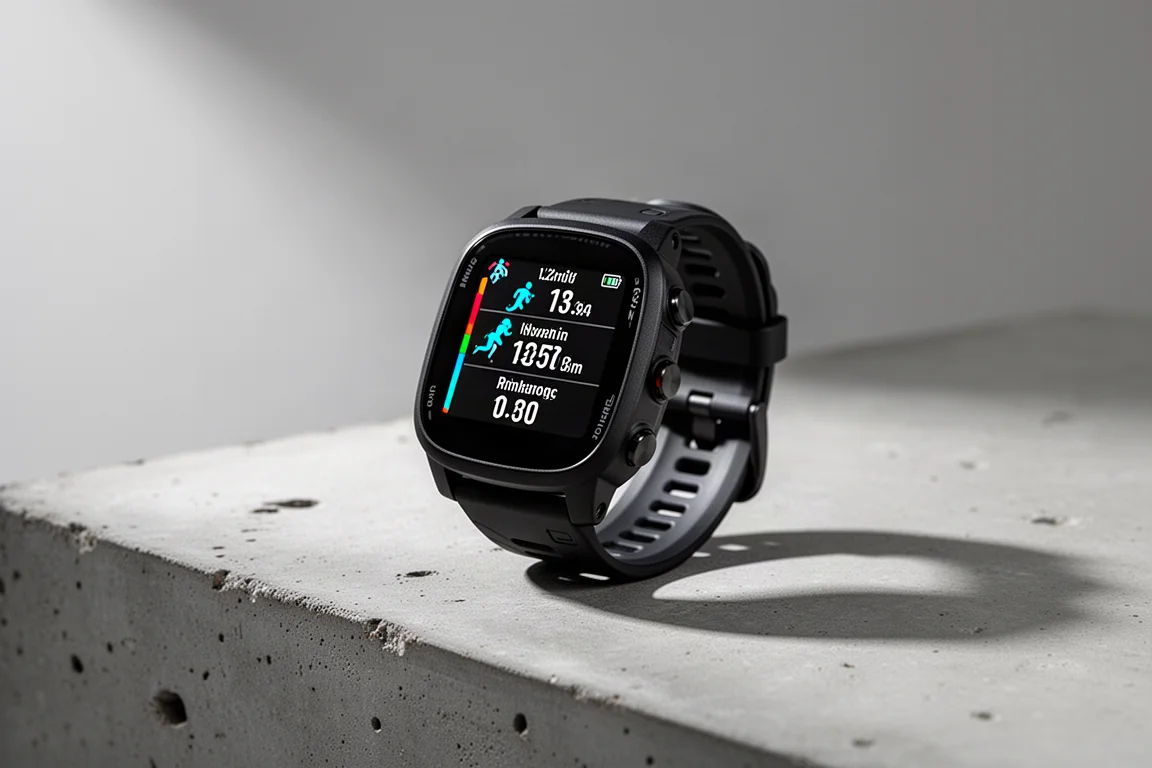
The Enduro 3 comes in a 51mm case, matching the largest Fenix 8, though it is thicker at 15.7mm. Despite that, it is a lightweight watch: 57g, or 63g with the nylon strap, which is slightly lighter than the Fenix 8. Garmin’s stated focus was to make this a lightweight, adventure-proof watch, and the weight saving is genuine. At 62g it shaves roughly 10% off the weight of the Enduro 2, making it easier to wear around the clock than the 95g Fenix 8 Solar 51mm. The lighter build plus the standard nylon band reduces wobble on the wrist and helps keep the optical sensor in place, which should help accuracy and comfort over long runs.
Construction is a titanium bezel and back with plastic in between, plus a sapphire crystal screen. It is not dive-proof like the Fenix 8, but it is still water rated to 100m. You also miss out on the Fenix 8’s mic and speaker.
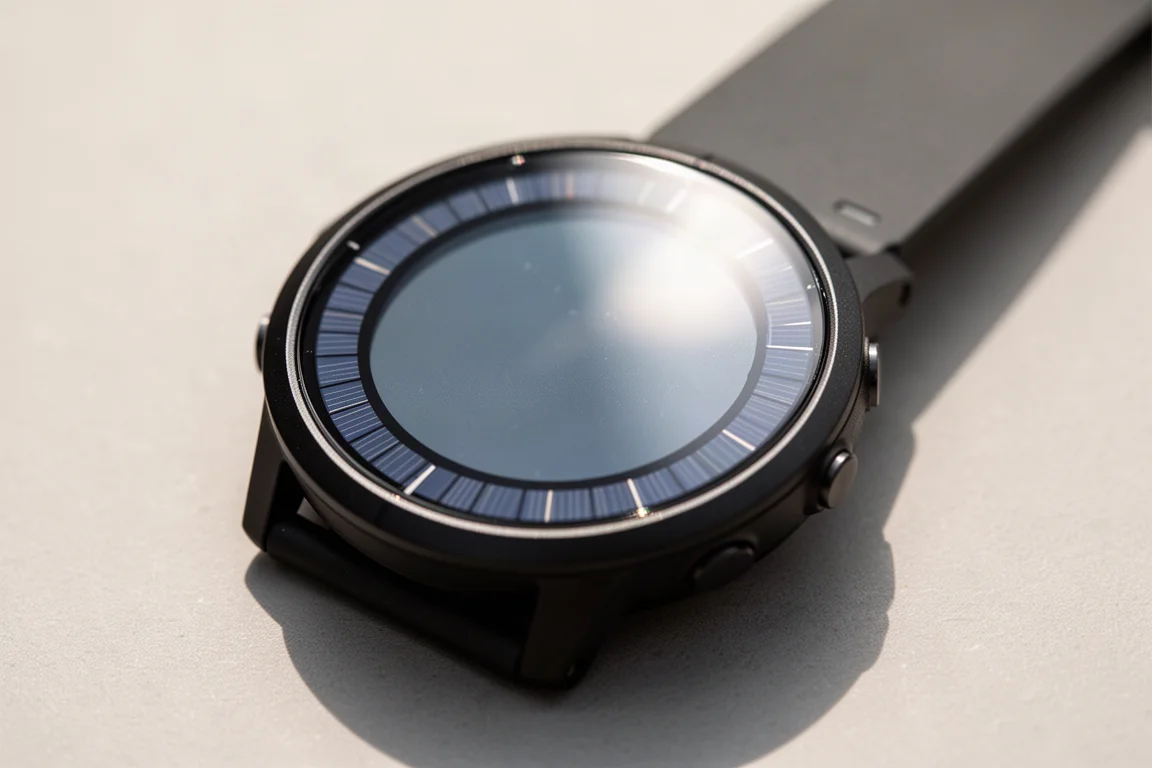
The display is a memory-in-pixel panel like the Fenix 8 Solar, with solar panels running around the outside of the screen. These have been improved since the Enduro 2 to harvest more energy, and because they no longer cover the whole screen, visibility is better. The old red tint of the Enduro 2’s Power Glass is gone, and the screen is brighter and easier to read in most conditions. That said, we sometimes had to fire up the backlight to fully boost visibility, and side by side with the Fenix 8’s AMOLED it is nowhere near as crisp or colorful. Without that comparison on your wrist, you will be happy with how this screen performs.
Navigation and Running Experience
The Enduro 3 is a highly competent navigator. The mapping upgrades add terrain contours on TopoActive maps, dynamic round-trip routing, and route guidance that can update mid-run to hit a specified distance if you go off course. Creating routes on the fly is easy, and you can load courses from Strava and third parties for races. During testing, we plugged a 50-mile ultra race route into the watch, and the off-course alerts saved a couple of wrong turns on race day. ClimbPro is another highlight: knowing how many climbs remain during an ultra, and how far it is to each summit, is genuinely handy.
There is a new user interface, shared with the Fenix 8, with tweaks to how you start runs, change settings, and access things like morning reports. Quick access to settings right before launching an activity is a real convenience. Some of the reorganisation of apps into the connectivity screen feels like a change for change’s sake, but overall the new interface is easier and faster to use.
Run tracking is very consistent with what the Enduro 2 offered. GPS accuracy has been spot on, with dual-band performance at the forefront of the category. Whether in Auto Select mode, which used around 1% per hour in good conditions and up to 2% per hour in trickier conditions, or in multiband mode, which costs more battery, the results were excellent. Training analysis and guidance feel very similar to the Enduro 2’s experience.

Heart Rate Accuracy
The Enduro 3 carries Garmin’s latest Gen 5 optical heart rate sensor, the same one first seen on the Fenix 7 Pro and Epix Pro. In general use and track sessions, it has been very reliable, good enough that we did not need to connect a chest strap throughout most of testing.
There were wobbles, though. During sharp interval sessions with 30-second efforts and short recoveries, it sometimes shot higher than a chest strap. On a longer lakes ultra, it also struggled with effort changes on climbs and descents and at aid station stops, and there was a two-hour stretch near the end of that race where it consistently read much higher than the strap. In contrast, during a New Forest Marathon it captured steadily increasing intensity more reliably. Steady-intensity runs were much better than sharp changes in effort. As with most optical sensors, expect a few more errors in colder months, and consider a chest strap for demanding sessions.
Battery Life in Practice
Battery life is the standout feature, especially in sunny conditions where the improved solar panels add real time. Garmin claims up to 36 days in watch mode, and with all satellite systems on, GPS lasts around 80 hours, extending to 144 hours with solar charging.
Real-world testing lived up to the billing. Without workouts, overnight burn was just 1% over 24 hours. A 90-minute run in normal mode used 3%, a three-hour marathon in multiband max-accuracy mode used 5%, and an eight-hour 50-mile ultra in normal power mode with SatIQ used 14%. In general use, the watch lasted close to 20 days before needing a charge, with around eight hours of GPS runtime often at the highest settings and notifications on. Another tester saw 17 to 19 days per charge during heavy daily marathon training. Out in sun, the solar charging was visible in action: half an hour to an hour outdoors was enough to see 1% to 2% creep back in. If you spend lots of time outdoors hiking or racing in hot conditions, the battery gains jump considerably. In greyer climates with around 30k lux-hours a day, the solar panels do far less.
Enduro 3 vs Fenix 8
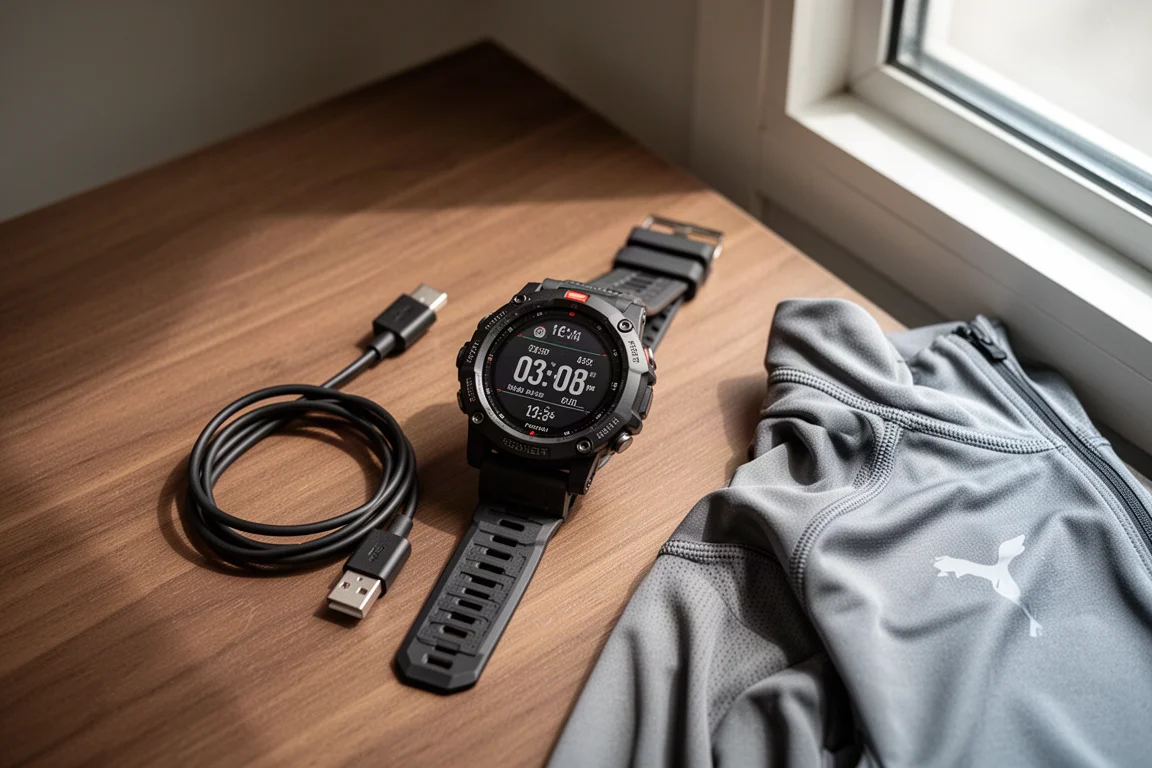
Choosing between the two comes down to what you are willing to give up. The Fenix 8 offers more smartwatch features, an AMOLED display option, a mic and speaker, and a more durable build for recreational diving. Those are the reasons to pay more.
The Enduro 3 gives up the dive rating and the mic and speaker but keeps all the key Garmin features, comes in lighter, and costs less. If you want a memory-in-pixel screen for the extra battery life, the Enduro 3’s display is genuinely good, and the lack of AMOLED is not really a stick to beat it with; it is simply a different type of watch that does its job very well. For most runners who do not need diving or voice tools, it is better value than the Fenix 8 Solar editions and more comfortable to wear 24/7.
Enduro 3 vs Coros Vertix 2S
The Coros Vertix 2S is the big external rival. It will likely outlast the Enduro 3 slightly, with over 20 days of use being typical, and it is very accurate on GPS and usually a bit cheaper. What tips the balance toward Garmin is the overall package: much better maps, music features, NFC payments, more insightful training analysis, and a built-in flashlight. If battery life alone is your priority and there is a big price gap, the Vertix 2S is a very good watch. Otherwise, the Enduro 3’s design and feature set justify paying more.
Should You Upgrade From the Enduro 2?
If you already own an Enduro 2, upgrading is not an obvious win. The core run tracking experience is very similar, and the Enduro 2 still delivers strong battery performance. The main reasons to switch are the latest software platform and revamped UI that will not roll back to the Enduro 2, the better-integrated Power Glass solar display that looks nicer and harvests energy more effectively, and some battery improvements in certain scenarios. Those improvements are largely in the solar charging numbers, so if you rarely ride in optimal sun, the gains may not mean much. The Enduro 3 is only about £40 cheaper than the Enduro 2 in the UK, and that gap will likely widen as sales roll in. If you can find a knockdown deal on an Enduro 2, that remains a tempting alternative.
Buying Advice
Before buying the Enduro 3 new at full price, check older Garmin models in sales. The Fenix 7 Pro, which shares the same Gen 5 heart rate sensor, can often be found for hundreds less and delivers a very similar core experience, though with shorter battery life and a slightly older interface. Garmin’s top watches are expensive fresh out the door, and several generations of excellent models make second-hand or sale pricing very appealing.
If you are set on a brand-new rugged, long-life watch and are weighing the Fenix 8 against the Enduro 3, look very closely at the Enduro 3. It is the better value pick unless you specifically need the AMOLED screen, diving, or the mic and speaker. Garmin has made a watch that strips out features many people will find superfluous, drops the price, and focuses on what the Enduro line does best: long-term tracking, rugged build, light design, maps, and astonishing battery life. Some might even argue it could drop music too in the name of further weight savings or battery gains. As a package, Garmin offers something more comprehensive and slicker than rivals like the Coros Vertix 2S or the Suunto Vertical, and the Enduro 3 is the best of the memory-in-pixel side of its range.
Conclusion
The Enduro 3 is a battery powerhouse that finally makes sense as an alternative to the Fenix rather than an expensive version of it. It is lighter, cheaper, and longer-lasting, with accurate GPS, reliable everyday heart rate tracking, strong mapping, and a refreshed interface. The trade-offs are the absence of a few Fenix 8 features, a single 51mm size, occasional optical heart rate wobbles during sharp intervals, and a slightly sluggish stats-loading screen. For runners and ultra athletes who prioritize endurance above all, it is one of the best choices you can make.
For those who want the full smartwatch experience with an AMOLED option and dive-level durability, the Fenix 8 remains the premium pick.
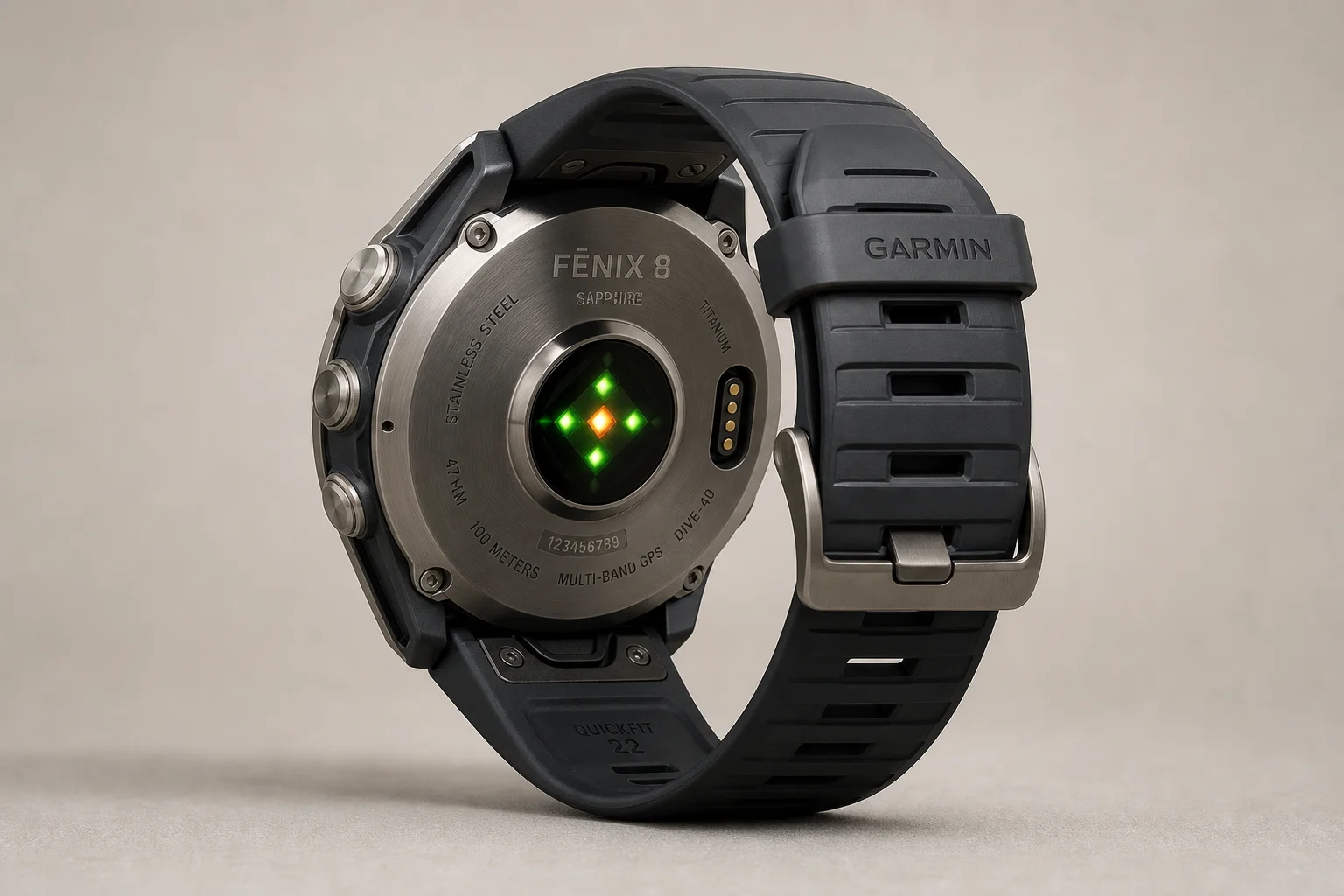
And if maximum battery life at a lower price is the only thing that matters, the Coros Vertix 2S deserves a spot on your shortlist.
Further reading
Related Reviews
Running Watches
Coros Pace 3 Running Watch Review: Why Software Matters More Than Specs
The Coros Pace 3 prioritizes runner-focused design and intelligent software over expensive hardware. Here's why it outperforms watches that cost twice as much.
Running Watches
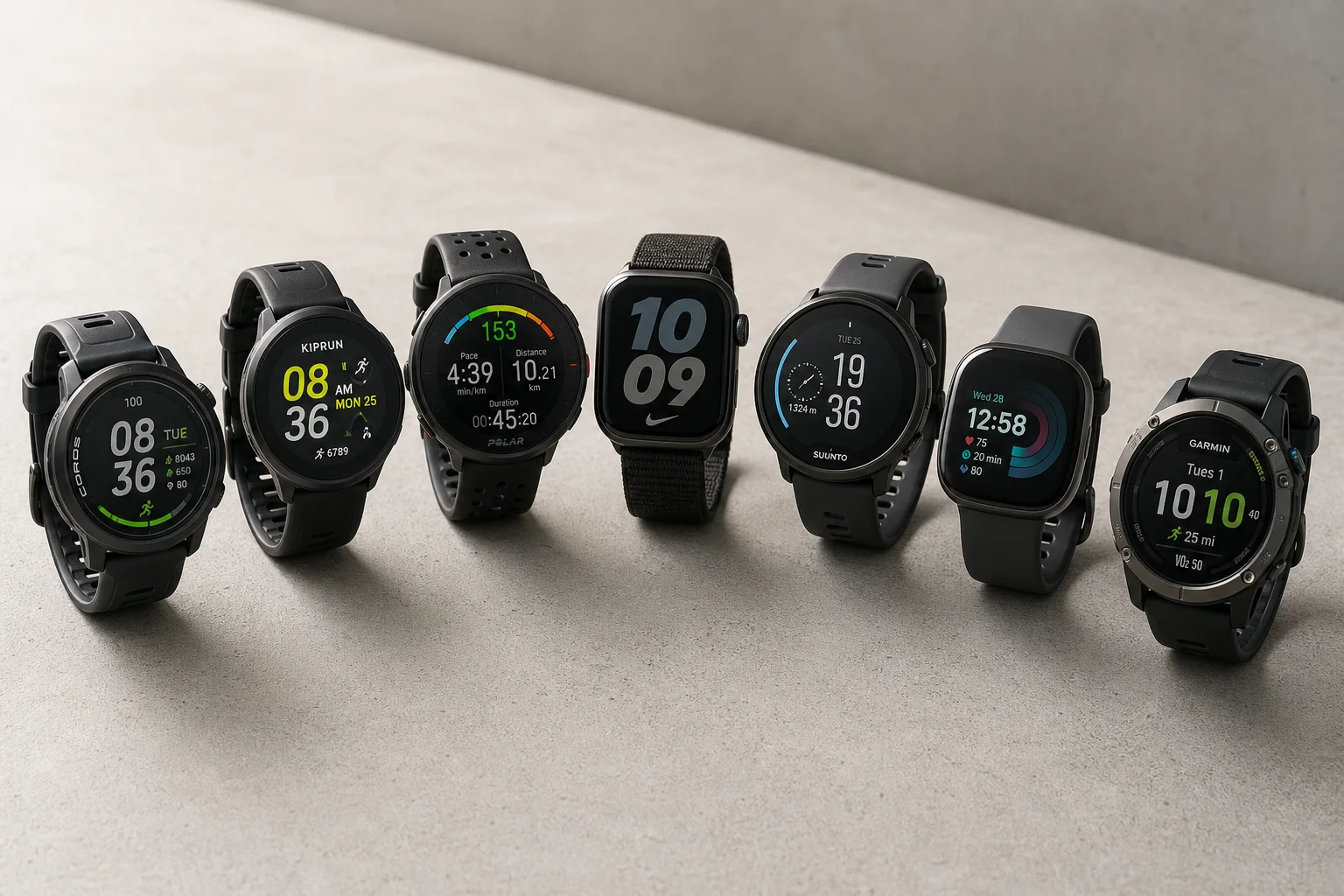
GPS Running Watch Accuracy Test: Seven Watches Compared Across Urban, Trail, and Race Conditions
We tested seven popular running watches from major brands in three different environments to find out which delivers the most accurate GPS tracking for distance and pace.
Running Watches
Garmin Forerunner 70 Review: Garmin's Cheapest Forerunner Is More Capable Than You'd Expect
The new entry-level Forerunner 70 brings an AMOLED screen, a fresh interface, and real training analysis for £219/$249, with a few trade-offs to weigh before buying.