Running Shoes
Future Running Shoes Yay or Nay: Four Releases on the Horizon
Puma Voyage Nitro 3, New Balance 1080 v14, Adidas Adizero Evo SL and Adios Pro 4: what each one offers, who it suits, and whether it earns a spot on your rotation.
Introduction
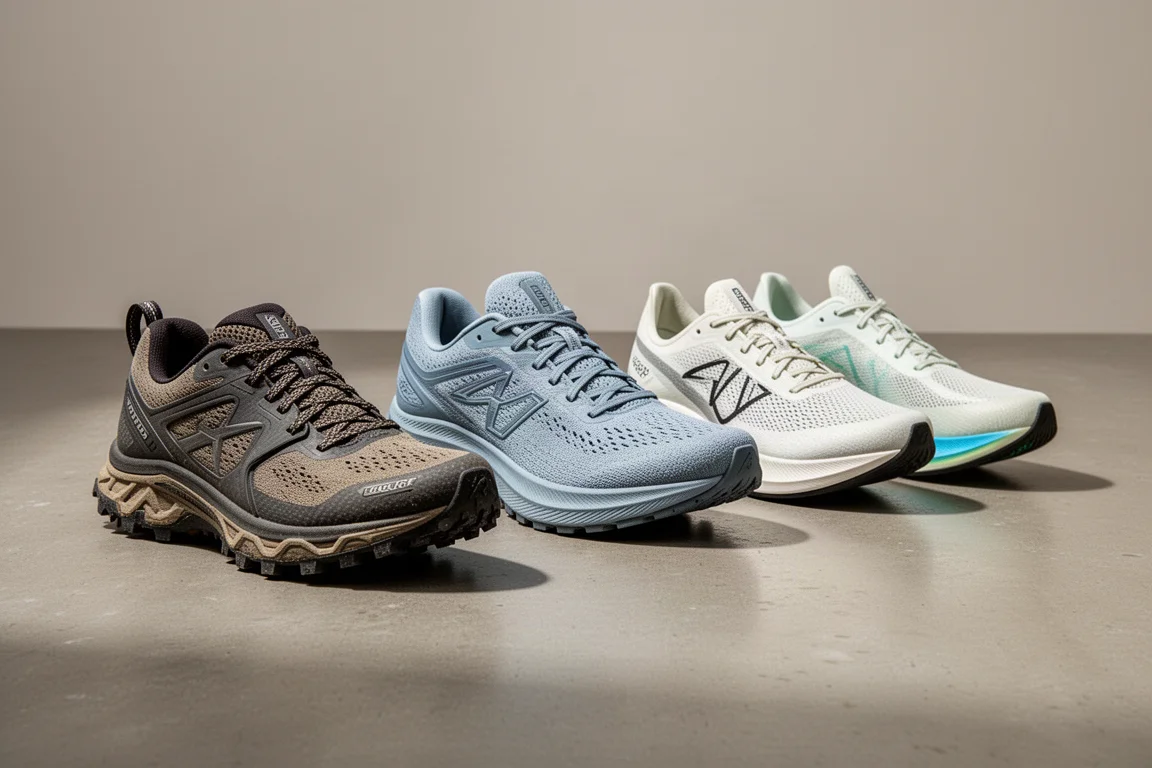
Four upcoming releases are worth a close look before you spend your money: a burly trail shoe from Puma, the latest New Balance 1080, and two Adidas racers timed around the Berlin marathon. Here is how each one stacks up, and who each one is actually for.
Puma Voyage Nitro 3
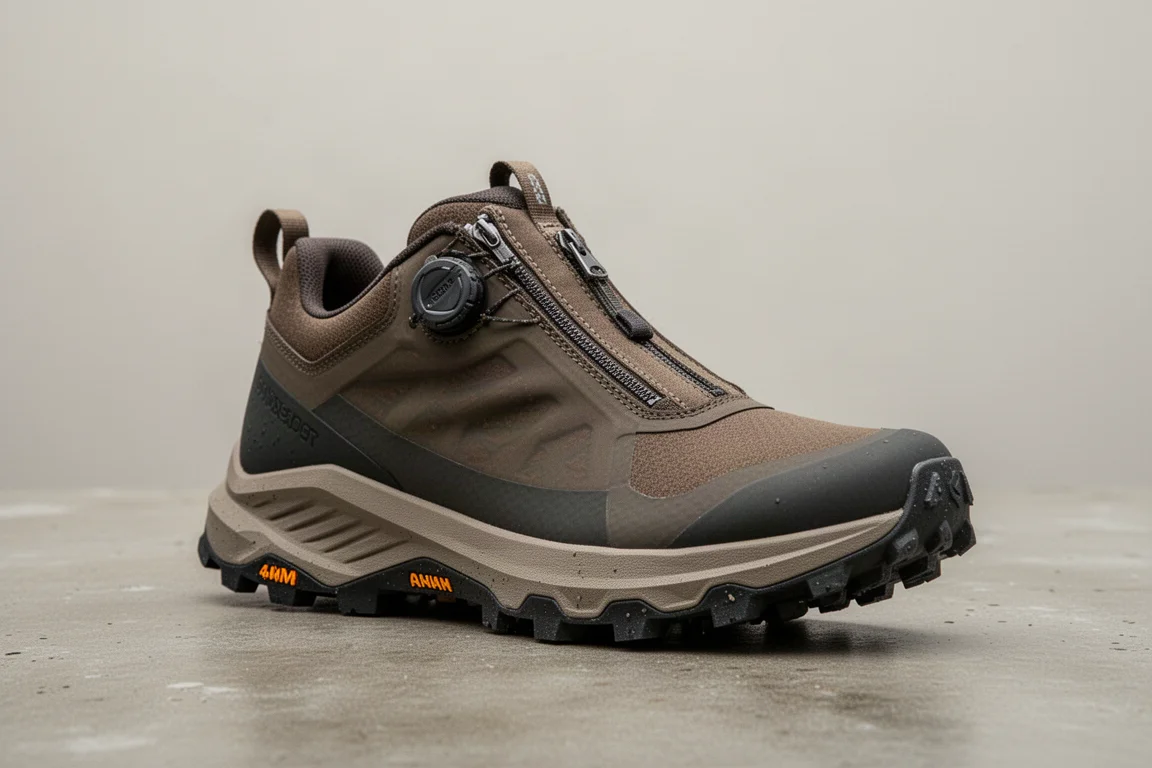
The Voyage Nitro 3 is part of Puma’s Seasons collection and leans hard into winter nostalgia with its disc lacing system, a throwback to Puma’s early-1990s disc shoes. The lacing means you can tighten or loosen the shoe without removing your gloves, which matters when the weather turns foul.
This is a trail monster built for wet, icy and flooding conditions. It uses 4mm Puma grip lugs and a shroud-like upper complete with a debris shield and a zip, designed to keep out the worst of the weather. The stack is a substantial 35mm in the heel and 27mm at the forefoot, which is tall for a trail shoe where many runners prefer something lower to the ground.
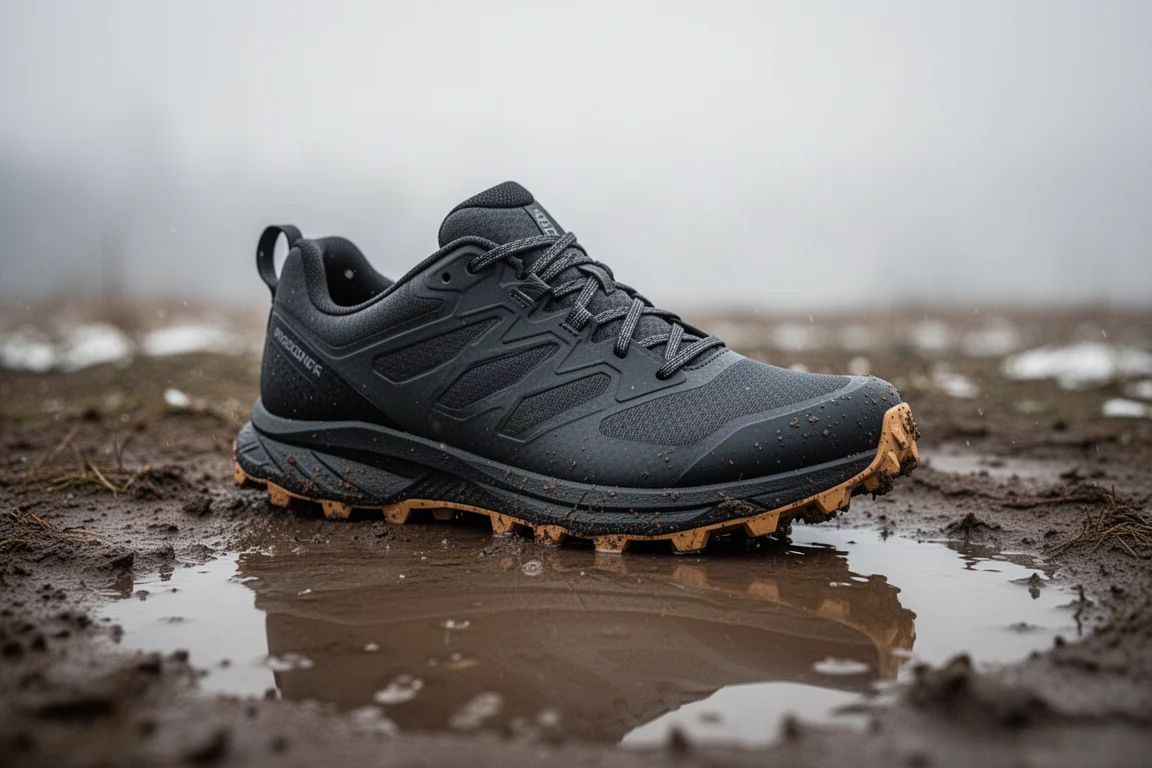
The vibe recalls the Pegasus Turbo Shield from 2019. It will appeal to a specific type of trail runner or someone running in very cold conditions, particularly in British-style conditions where trails are either bone dry or a flooded mess. For runners who rarely leave the road, it is total overkill, even if the bonkers design is easy to love.
New Balance 1080 v14
The 1080 v14 lands in mid-October as the fourteenth iteration of New Balance’s Fresh Foam X flagship. Its identity has become harder to pin down: it was always the upper max-cushion shoe, but the market is now saturated with models sitting at 38 to 40mm in the heel, and this one measures 38mm in the heel with 32mm at the forefoot.
The sample size comes in just under 300g, which makes it a weighty offering in a crowded category. The Fresh Foam X midsole promises more responsiveness, but the character is classic max cushion: lots of compression, not a lot of return energy.
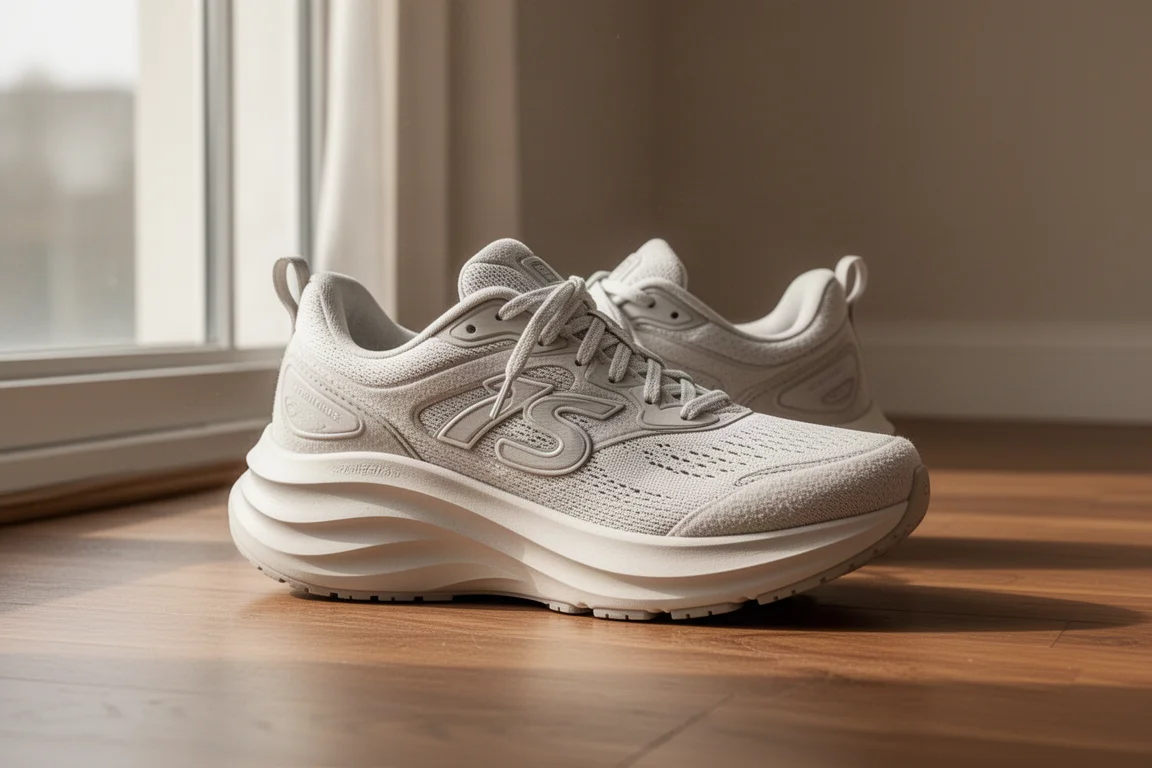
If you have never been a fan of this line, there is little here to suggest this version changes the formula, and there are ample-cushion alternatives for less cash. Where it could genuinely earn its place is with heavier-framed or bigger-built runners who need consistent cushioning across the footstrike.
Adidas Adizero Evo SL
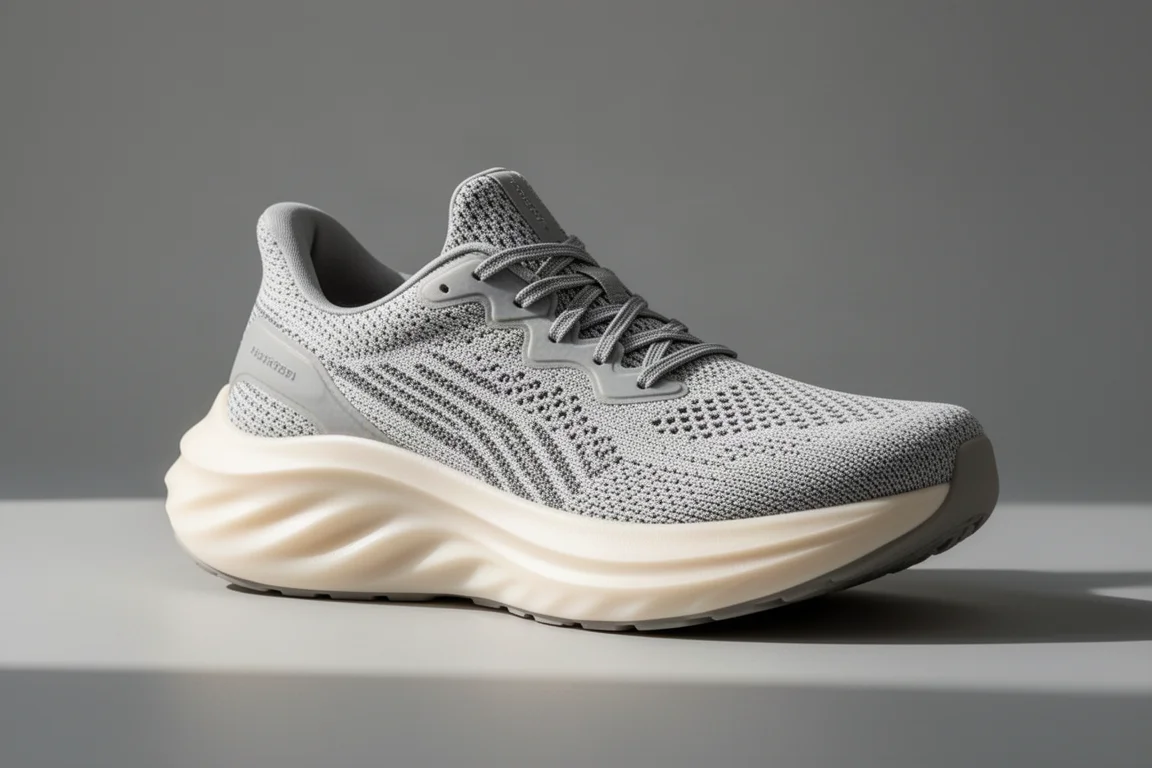
The Adizero Evo SL arrives at £130 in the UK, with a limited release in October and wider availability in 2025. It uses a full Lightstrike Pro midsole with 39mm of stack in the heel and 32mm in the forefoot, though the stated 6.5mm drop appears to be rounded, as the measurements look like approximations.
At 224g for a UK 8.5 sample size, it is only marginally lighter than the existing SL2, which weighs 238g in the same size, and with a stated tolerance of plus or minus 9g, the real-world difference may be negligible. Think of it as an updated SL2 with the looks of the Pro Evo 1: a full Lightstrike Pro midsole, Continental rubber up front, more standard rubber at the heel, and a more daily-oriented upper. There is no plate or rod inside, which is worth remembering if you are weighing it against the Adios Pro 3 at the same £220 price point.
It sits close to alternatives like the Takumi Sen in feel, and with the Sen 9 available for less right now, the value case needs scrutiny. If you want the Pro Evo 1 aesthetic with Lightstrike Pro foam at a friendlier price, it makes sense.
Adidas Adios Pro 4
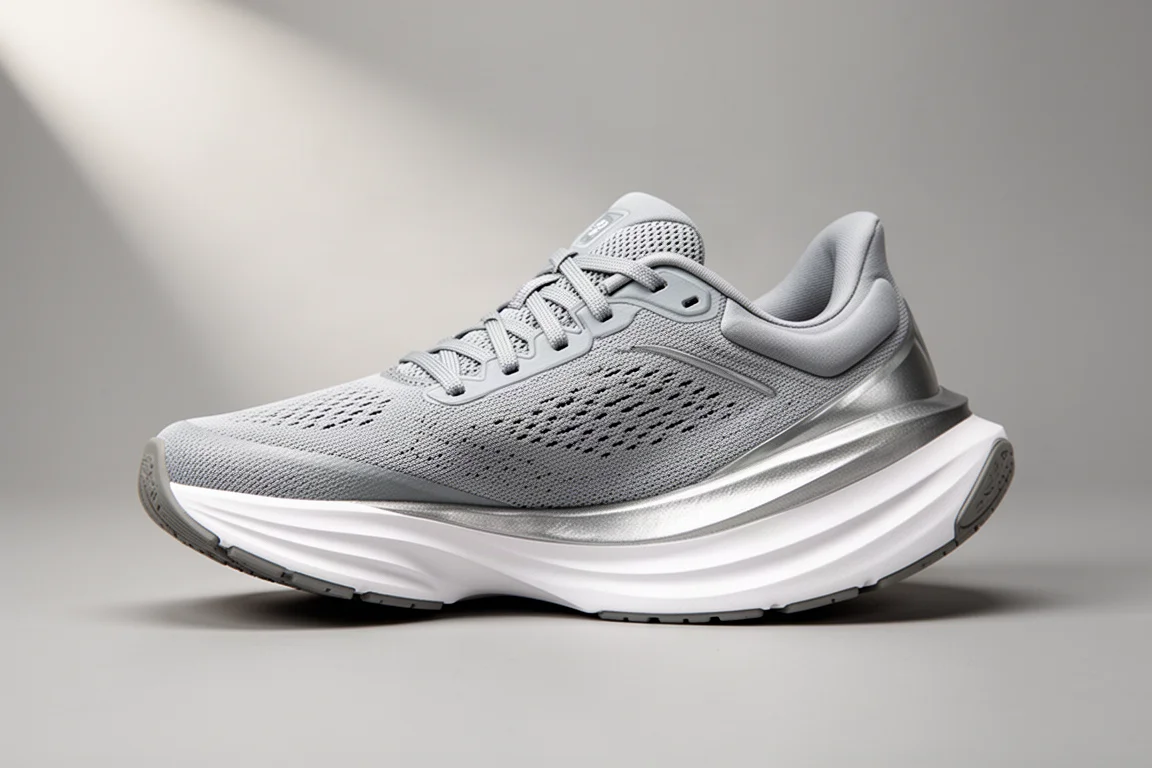
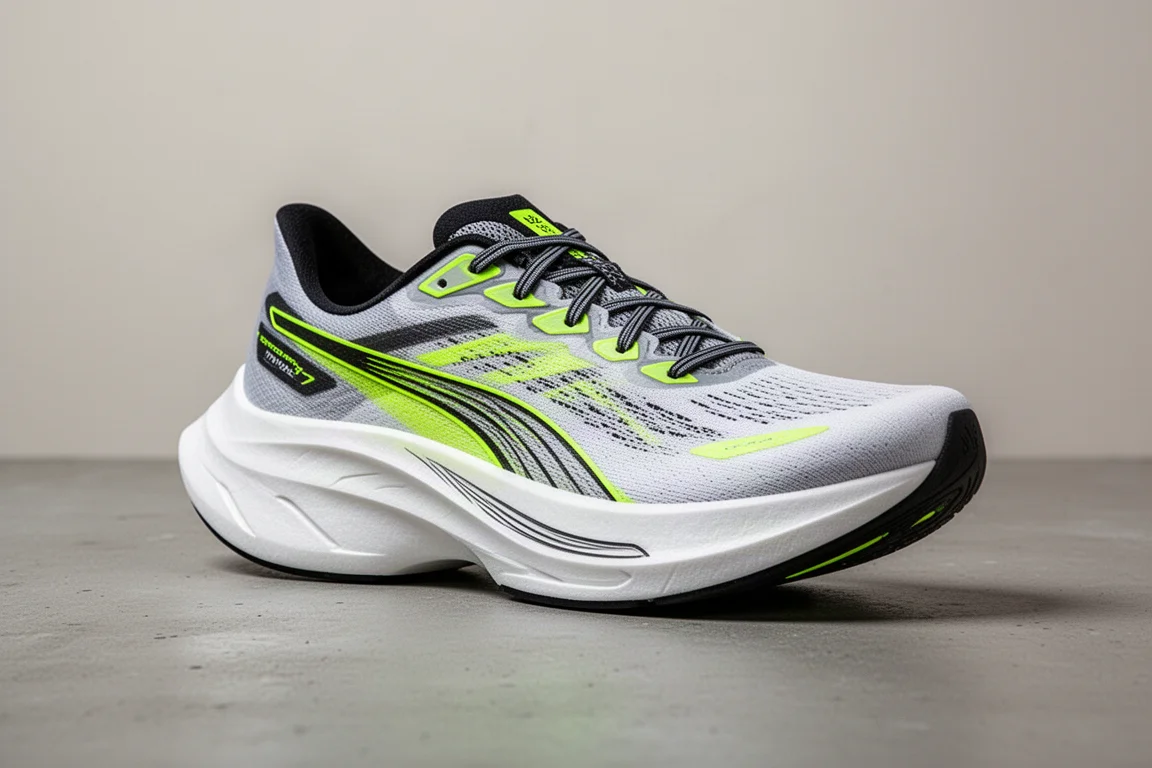
The Adios Pro 4 gets its full release on 2nd January 2025, priced at £220, the same as the outgoing Pro 3. It weighs 200g, about 20g lighter than the Evo SL and lighter than the Pro 3, with 39mm of heel stack and 33mm in the forefoot, roughly the same drop as before.
It keeps the same energy rods as the Pro 3, with Continental rubber up front and Light Traction rubber elsewhere on the outsole, suggesting the weight saving comes mainly from the upper. The heel retains the Sling feature and adds Lightlock, a reinforced material stretching into the heel to improve fit, and the forefoot rocker looks slightly more curved.
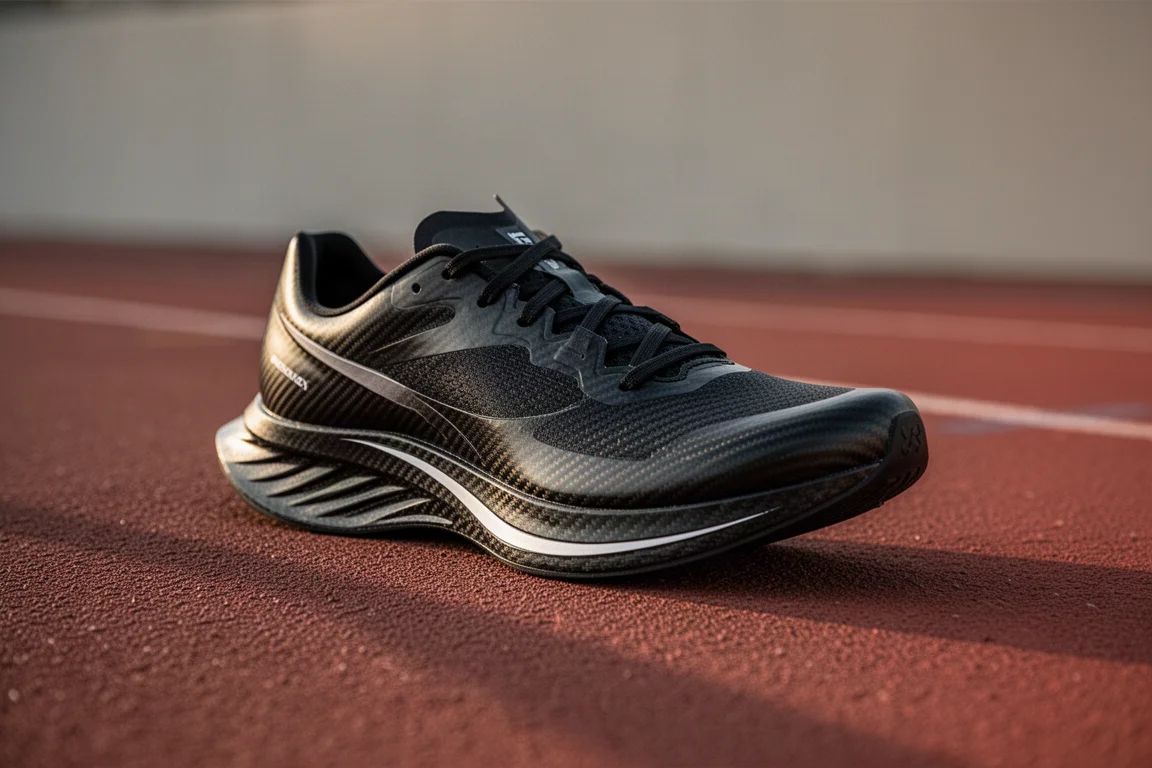
Here is the honest verdict: it is not all that different from the Adios Pro 3. There is a boatload of Pro 3 colorways already on the market, some floating around outlets at around a third of the price, and strong alternatives with Lightstrike Pro midsoles such as the Sen 9 or 10 available at a discount. Unless you specifically want the newest model on race day, the deals on the previous generation make more sense right now.
Overall Buying Advice
If you run trails in genuinely grim winter conditions, the Voyage Nitro 3 is the most distinctive pick of the four. Big runners who want maximum consistent cushioning should look at the 1080 v14. The Evo SL makes sense as a stylish Lightstrike Pro trainer if you want the Pro Evo look without the plate. And for racers, the Adios Pro 4 is a fine shoe, but heavily discounted Adios Pro 3 stock is the smarter buy unless the update specifically appeals to you.
Conclusion
None of these four is a bad shoe, but not all of them justify their price over what already exists. Match the shoe to the conditions and your own rotation, and do not pay full price when excellent previous-generation options are sitting in outlet bins.
Further reading
Related Reviews

Running Shoes
Best Road-to-Trail Running Shoes: Three Versatile Options for Mixed Terrain
A practical guide to three road-to-trail running shoes that handle both pavement and mild trails, with clear strengths and trade-offs for different runner types.

Running Shoes
Best Running Shoes for Achilles Tendonitis: Three Options Explained
Three running shoes with different heel drops and support features designed to help reduce Achilles tendon pain during walking and running.

Running Shoes
Best Running Shoes for Women: Five Top Choices Ranked
A ranked guide to five women's running shoes, from versatile daily trainers to high-performance racing options, with real strengths and trade-offs for each.