Automotive Accessories
Fuel Saver Gadgets Tested: Which Ones Actually Improve Gas Mileage
We tested nine fuel-saving gadgets and performance upgrades to find out which ones deliver real gas mileage improvements and which ones are a waste of money.
Introduction
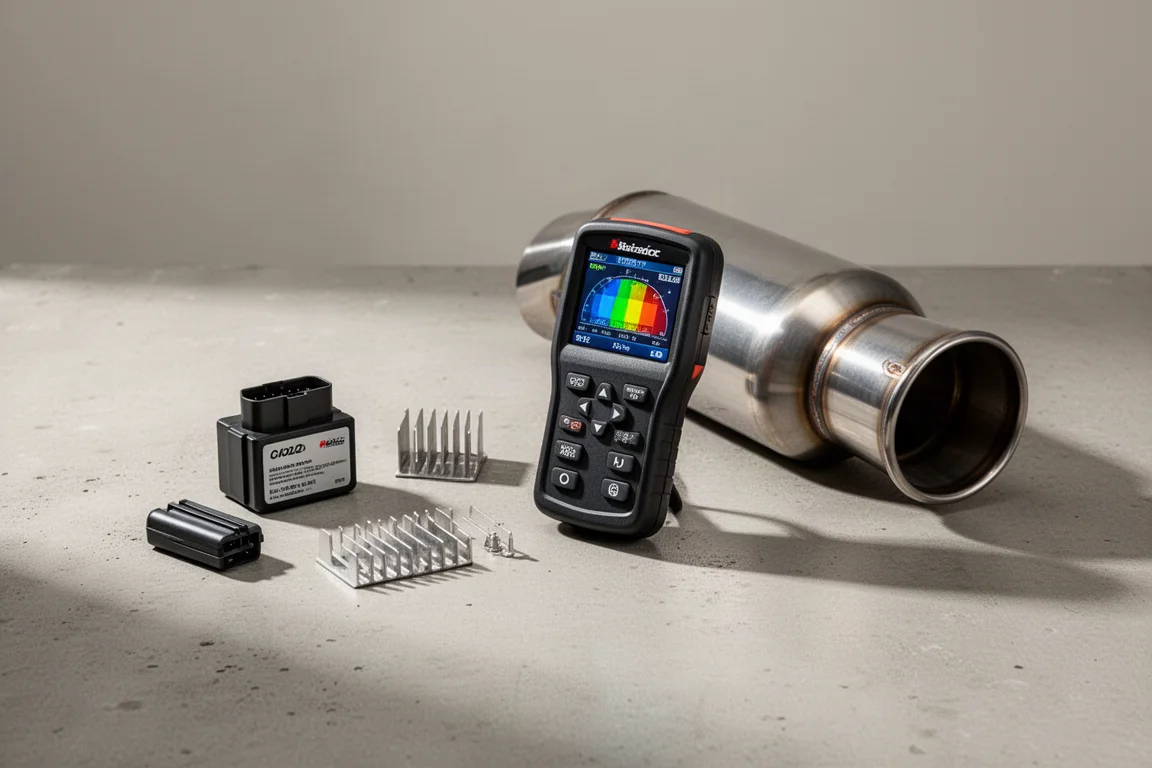
With gasoline prices climbing, many drivers are looking for ways to stretch every gallon. A range of products on the market claim to deliver up to 20% fuel savings, from small plug-in devices to performance tuners. We tested nine of these products on real vehicles over multiple 77-mile highway loops to see which ones actually deliver measurable improvements in fuel economy and performance.
How We Tested
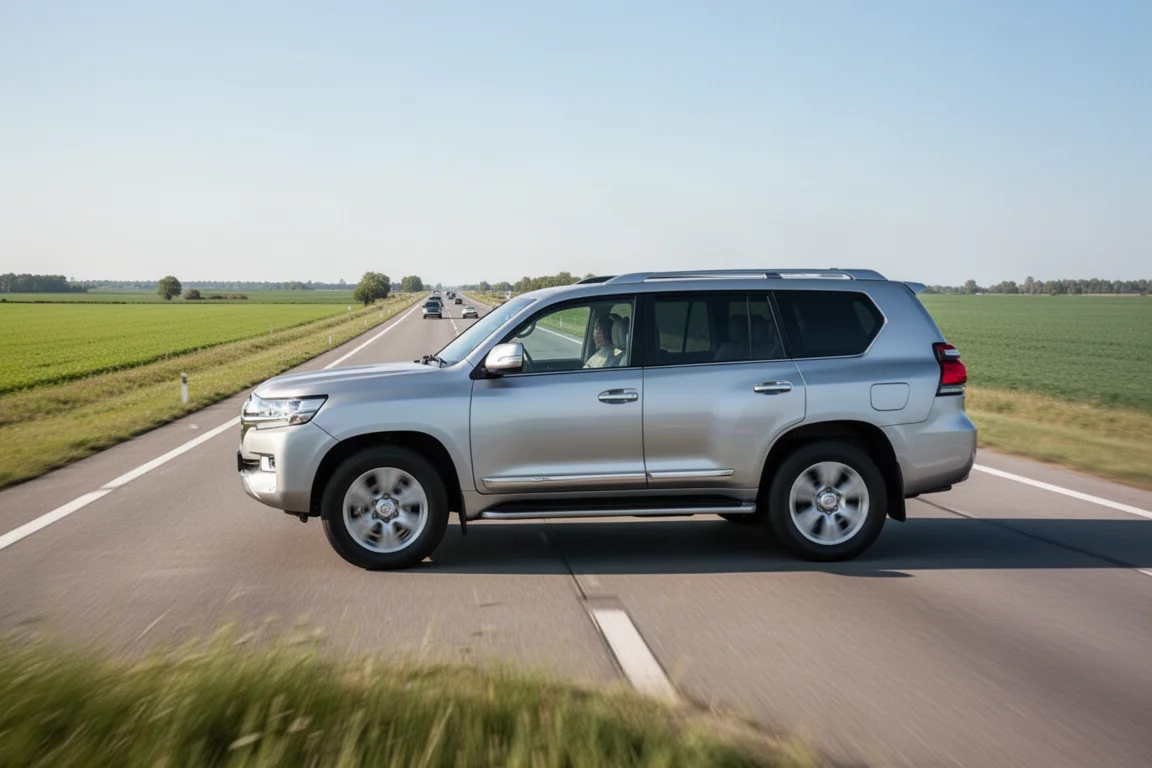
Our testing used two vehicles: an older SUV with over 319,000 miles on the original engine and transmission, and a newer 2020 Chevrolet Suburban with a 5.3L engine. Each test followed the same 77-mile round trip on a highway with cruise control set at 70 mph. We used the same gas station, the same fuel pump, and the same refueling procedure every time, including a 15-second settle period before topping off the tank.
We monitored engine load, fuel flow, timing advance, and mass air flow at three checkpoints on each trip. We also performed 0 to 60 mph acceleration runs to measure any horsepower or torque changes. The baseline for the older vehicle was just over 17 miles per gallon with no devices installed.
The Plug-In OBD2 Devices
Three of the products we tested were small devices that plug directly into the OBD2 port. The first was the OBD2 Cats at $31, which claims to increase both horsepower and fuel economy. The second was the Nitro OBD2 at $20, which claims 35% more power and 25% more torque. The third was the Eco OBD2 at around $10, which claims up to 15% fuel savings.
In testing, the OBD2 Cats delivered 16.7 miles per gallon, slightly worse than the 17 mpg baseline. The Nitro OBD2 managed 16.45 mpg, and its 0 to 60 time actually got slower at 8.5 seconds compared to the 8.32-second baseline. Neither device showed any measurable improvement in fuel economy or performance.
The Eco OBD2 was tested on the newer Suburban and required a setup process involving a reset button and about 150 miles of driving for the device to learn driving habits. After the setup, it delivered 22.38 miles per gallon on the 77-mile test. While that figure was respectable for a large SUV, the difference compared to driving without any device was minimal.
The 2G Fuel Saver
The 2G Fuel Saver is a nine-piece kit with 18 fins that attaches to the rear of the vehicle. At $20, it claims an 8% fuel economy improvement in SUVs based on five years of testing. The instructions were not very specific about placement.
In our testing, the 2G fins actually performed worse than the previous two gadgets. Fuel economy came in at 16.39 miles per gallon, and the 0 to 60 time was the slowest yet at 8.76 seconds. The fins seemed to act more like a windbreak than a fuel savings device. This product gets a thumbs down.
MBRP High-Flow Exhaust System
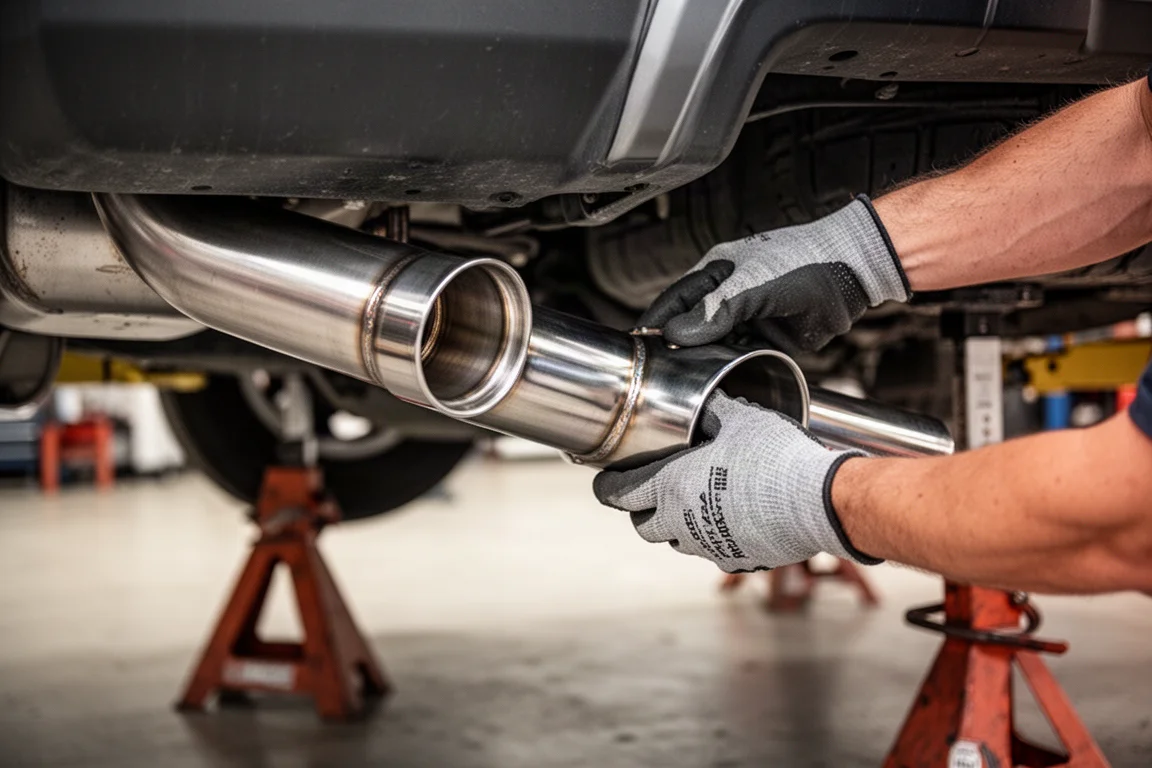
At $448, the MBRP high-flow exhaust system is designed to reduce back pressure and allow the engine to perform better. The system comes in four pieces with three clamps, two bolts, and a polished exhaust tip. Installation is a straightforward job that most DIYers can handle with basic tools.
Before installation, we tested airflow efficiency using a blower rated for 750 CFM. The new exhaust system measured 101 CFM compared to 74 CFM for the stock system, a significant improvement in flow. The new system also has fewer bends in the pipe and slightly larger diameter in several areas.
After installing the exhaust along with a cold air intake, the engine showed a 3 to 5% drop in engine load and the best fuel flow readings yet. The 0 to 60 time improved to 8.13 seconds from the 8.32-second baseline. Fuel economy improved to 17.74 miles per gallon, about three-quarters of a mile per gallon better than the factory setup. This product gets a thumbs up.
Super Chips Performance Tuner
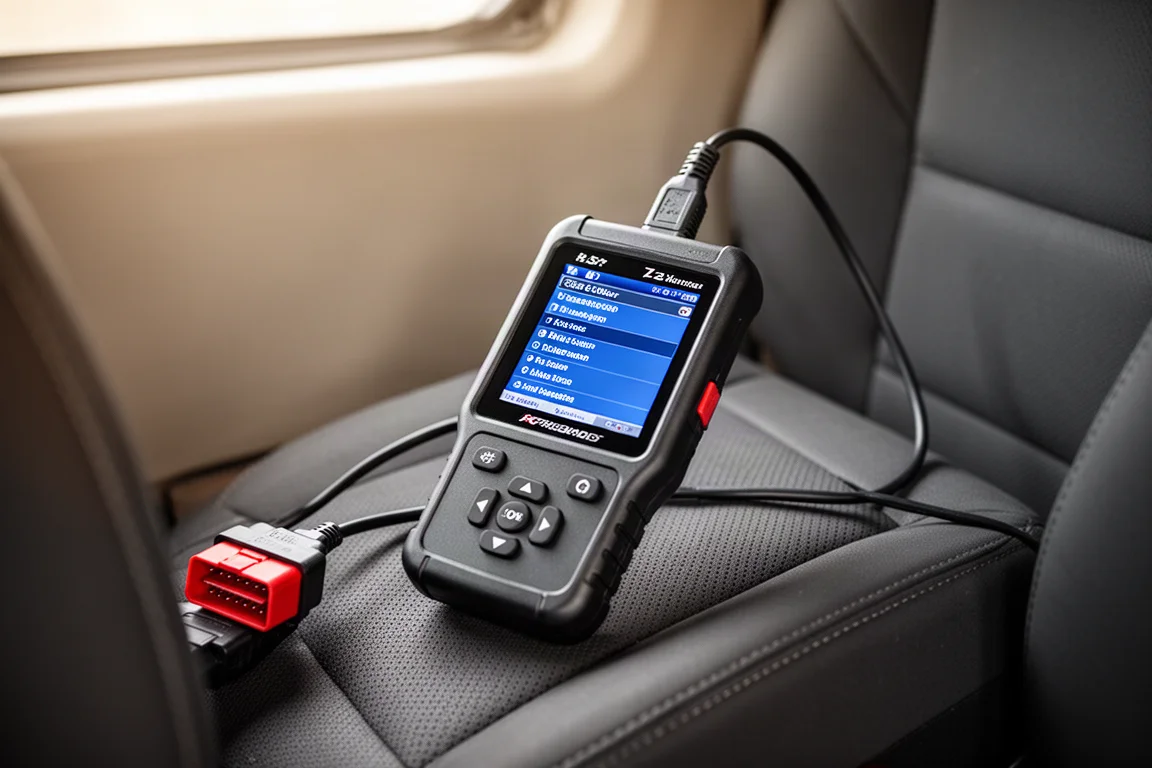
The Super Chips performance tuner at $461 claims performance tuning for economy, towing, daily driving, and extreme tuning. It comes with a high-resolution 2.8-inch color screen and claims an increase of 15 horsepower or 40 pound-feet of torque.
The tuning process involves connecting the device to the OBD2 port and following the on-screen prompts. The tuner saves the factory tune before installing the new one. We selected the mileage save option, which is designed for 87 octane fuel.
With the mileage save tune installed, fuel economy improved to 18.78 miles per gallon, almost two miles per gallon better than the factory setup. The fuel flow rate was the best yet at 3.17 gallons per hour. This product definitely gets a thumbs up.
Fer Tablets and Turbonator
The Fer tablets cost $35 for 10 tablets, or $3.50 each. They claim to improve engine performance, combustion efficiency, extend oil life, and remove engine deposits. We tested them on a fuel-injected generator running three 500-watt halogen lights.
The generator ran for 22 minutes and 48 seconds on straight gasoline. With a quarter tablet dissolved in the fuel, it ran for 22 minutes and 16 seconds, about 30 seconds less. Inspection of the spark plug and combustion chamber showed no meaningful difference in carbon deposits. This product gets a thumbs down.
The Turbonator at $16 claims a dual propeller mechanism that boosts horsepower and improves fuel mileage. In testing, the generator ran out of fuel in about 22 minutes, performing about the same as the Fer tablets. The Turbonator did not spin effectively on its own and needed help from an air duster. This product also gets a thumbs down.
Neo Socket Fuel Shark
The Neo Socket Fuel Shark at around $20 plugs into the cigarette lighter socket and claims up to 30% fuel savings, cleaner emissions, more horsepower, and longer battery life. Setup is simple: plug it in, confirm the LED light turns on, and start driving.
On the 77-mile test, the Fuel Shark delivered 23.36 miles per gallon, less than one mile per gallon better than the Eco OBD2. When we removed the device and repeated the test, fuel economy dropped to 21.9 miles per gallon. The difference was small and could be attributed to normal variation.
The Simple Strategy That Worked Best
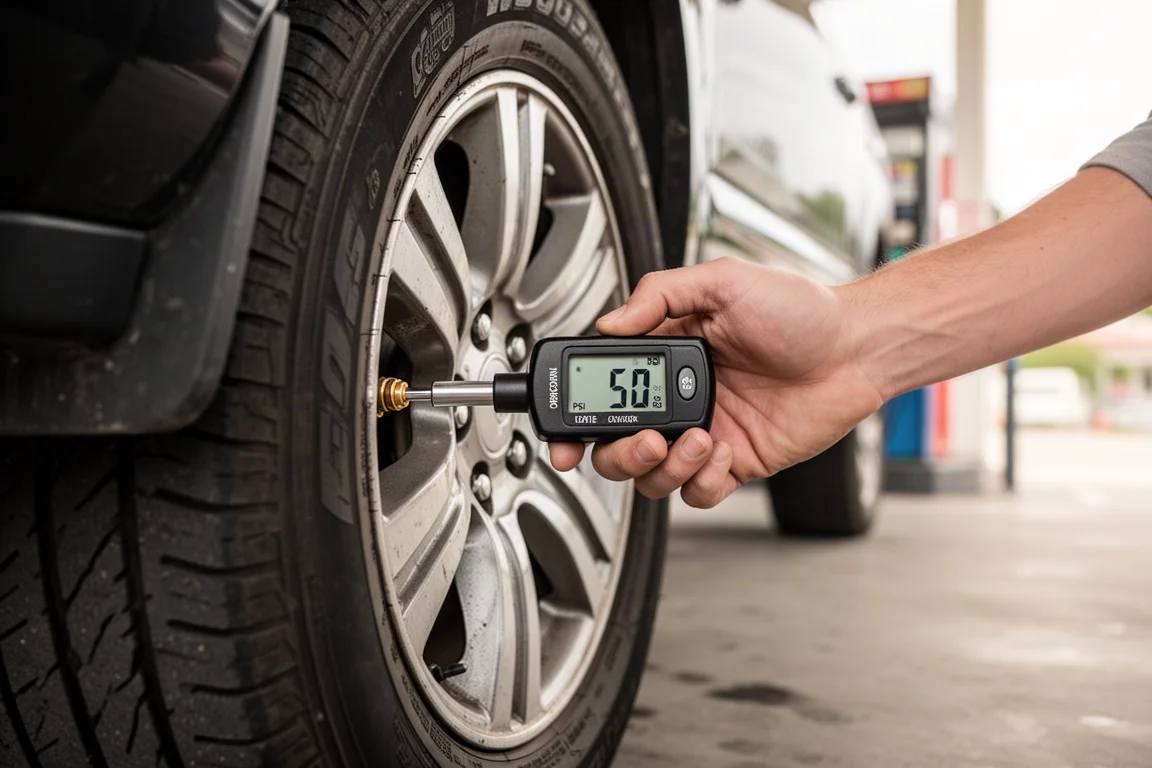
The most effective fuel-saving strategy we tested required no gadgets at all. By increasing tire pressure from 35 to 50 PSI, which is the maximum for the tires, and slowing down from 70 mph to 63 mph, we achieved 26.23 miles per gallon on the newer Suburban. That is a 12.5% improvement over any previous attempt with that vehicle.
On the older vehicle, combining the cold air intake, high-flow exhaust, and performance tune with the same tire pressure and speed adjustments delivered 20.39 miles per gallon. That represents a 22.39% fuel efficiency improvement over the baseline.
Overall Buying Advice
Based on our testing, the small plug-in OBD2 devices, fuel tablets, and propeller-based gadgets did not deliver any measurable improvement in fuel economy or performance. The products that actually worked were the cold air intake, the high-flow exhaust system, and the performance tuner. These modifications improved both fuel economy and acceleration, but they come with a significant price tag.
The most cost-effective strategy is also the simplest: slow down and check your tire pressure. Reducing highway speed by 7 mph and inflating tires to their maximum rated pressure saved more fuel than any of the budget gadgets we tested.
Conclusion
After nine products and hundreds of miles of testing, the results are clear. The inexpensive plug-in devices and fuel additives we tested did nothing to improve fuel economy. The high-flow exhaust system and performance tuner delivered real, measurable gains, but at a cost of over $900 combined. For most drivers, the best fuel savings come from adjusting driving habits and maintaining proper tire pressure, not from plugging in a gadget.
Product link
View more details for MBRP High-Flow Exhaust System
This product is mentioned in the review. Check the specifications, options, and compatibility before buying.
View more details for MBRP High-Flow Exhaust SystemFurther reading
Related Reviews
Automotive Accessories
70mai Dash Cam Comparison: A200 vs A510 vs A810
Three dash cameras from 70mai across different price points reveal how resolution and sensor quality impact real-world footage clarity, especially for number plate visibility and low-light performance.

Automotive Accessories
Best Dash Cams 2026: Three High-Quality Options for Evidence and Peace of Mind
Three dash cams from VIOFO that deliver reliable video evidence in good and challenging lighting conditions, with clear trade-offs between price and performance.
Automotive Accessories
Best Rooftop Cargo Boxes 2026: Thule and Yakima Options for Every Trip
Four practical rooftop cargo boxes from Thule and Yakima, each designed for different vehicle types and packing needs. Compare sizes, mounting systems, and features to find the right fit for your next road trip.