Outdoor Gear
Frogg Toggs Rain Jacket Review: Ultralight, Cheap, and Worth the Risk?
A $20 ultralight shell that keeps rain out better than many premium jackets, but tears easily and can fail far from help.
Introduction
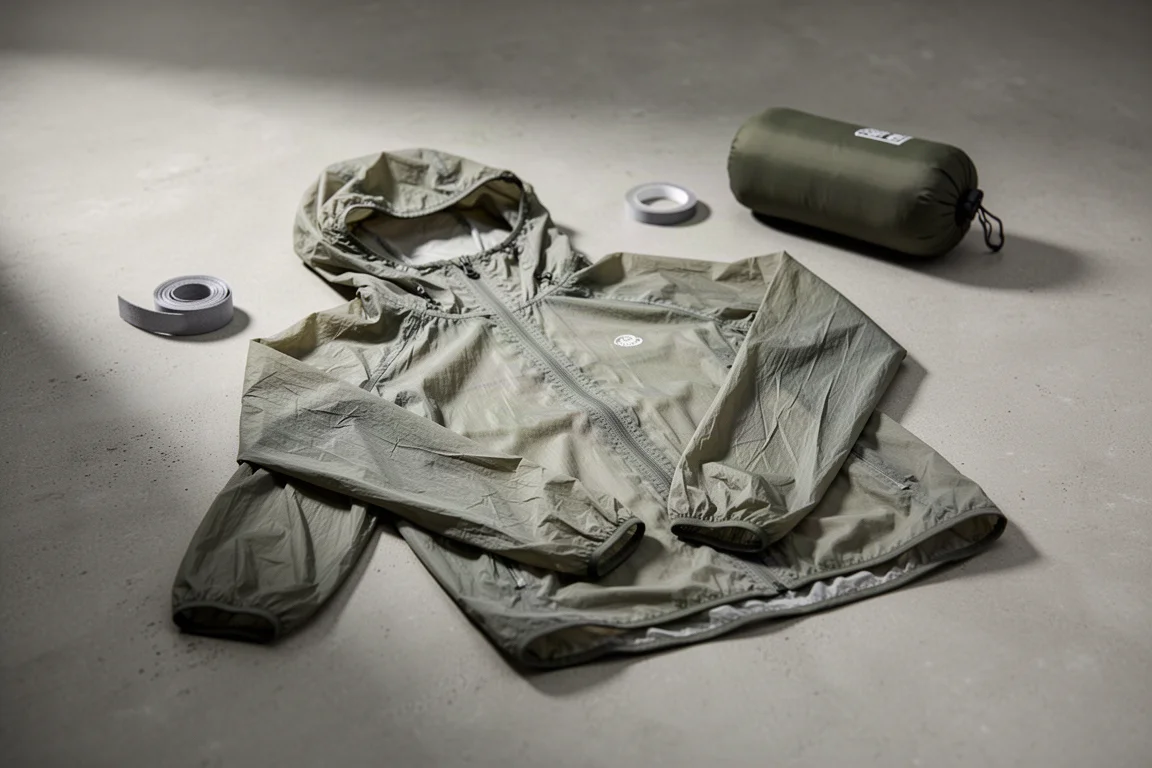
The Frogg Toggs rain jacket is one of the least expensive and lightest shells you can put in a backpack, and it has covered roughly 5,000 miles of hiking. It has also failed at genuinely bad moments, in weather where a rain jacket is the only thing standing between a hiker and a very cold night. Both things are true, and that tension is the whole story of this jacket.
This review covers what the jacket does well, where it gives up, and who should realistically consider carrying one.
Who This Jacket Is For
The case for this jacket is simple: it is extremely light and extremely cheap. It weighs less than many premium rain shells, so it takes up almost no space and adds no meaningful weight to a pack. It also sells for around $20 and is stocked widely, including at Walmart, Amazon, and a long list of online retailers, which means replacing one is never a logistical problem.
That combination suits a few specific kinds of trips. Overnighters and short weekend hikes are the obvious fit, because you are rarely far from a road, a town, or help if the weather turns. Budget-conscious hikers who want a dry layer without spending much get a lot of value here, and weight-focused hikers counting ounces will find it hard to beat on paper.
It is a much harder sell for anyone heading out for a week, a month, or an entire season between towns.
Main Strengths
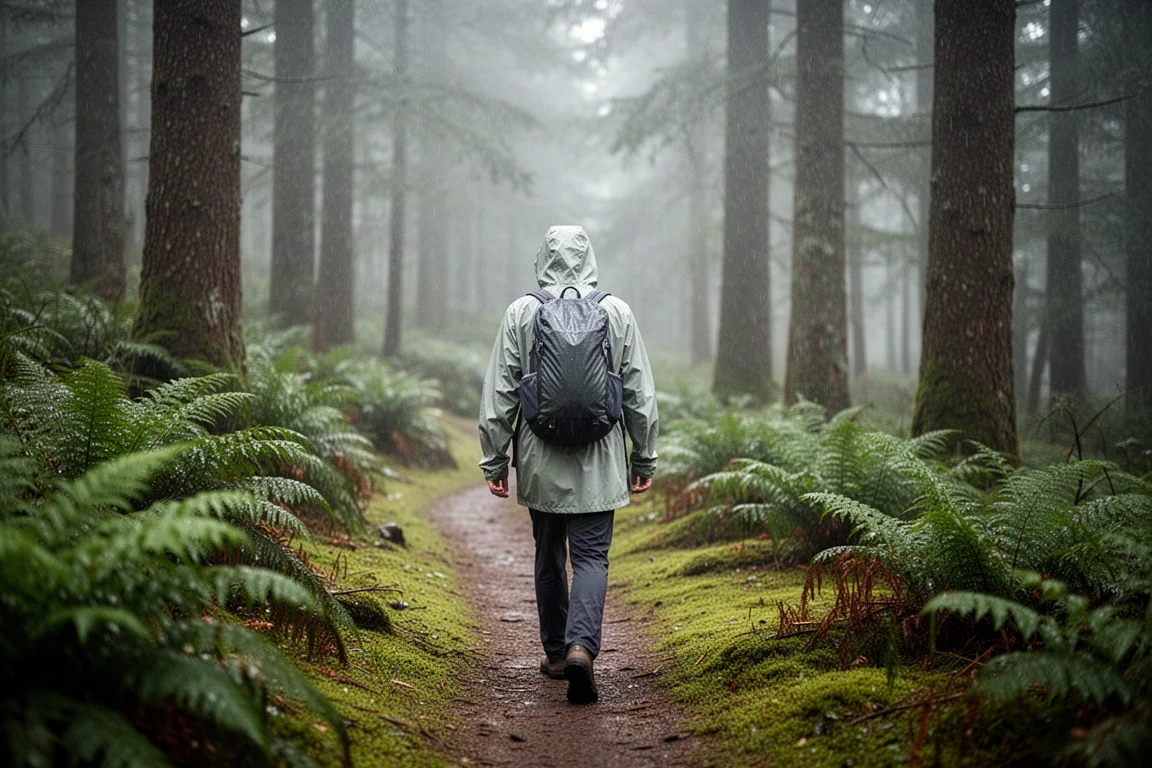
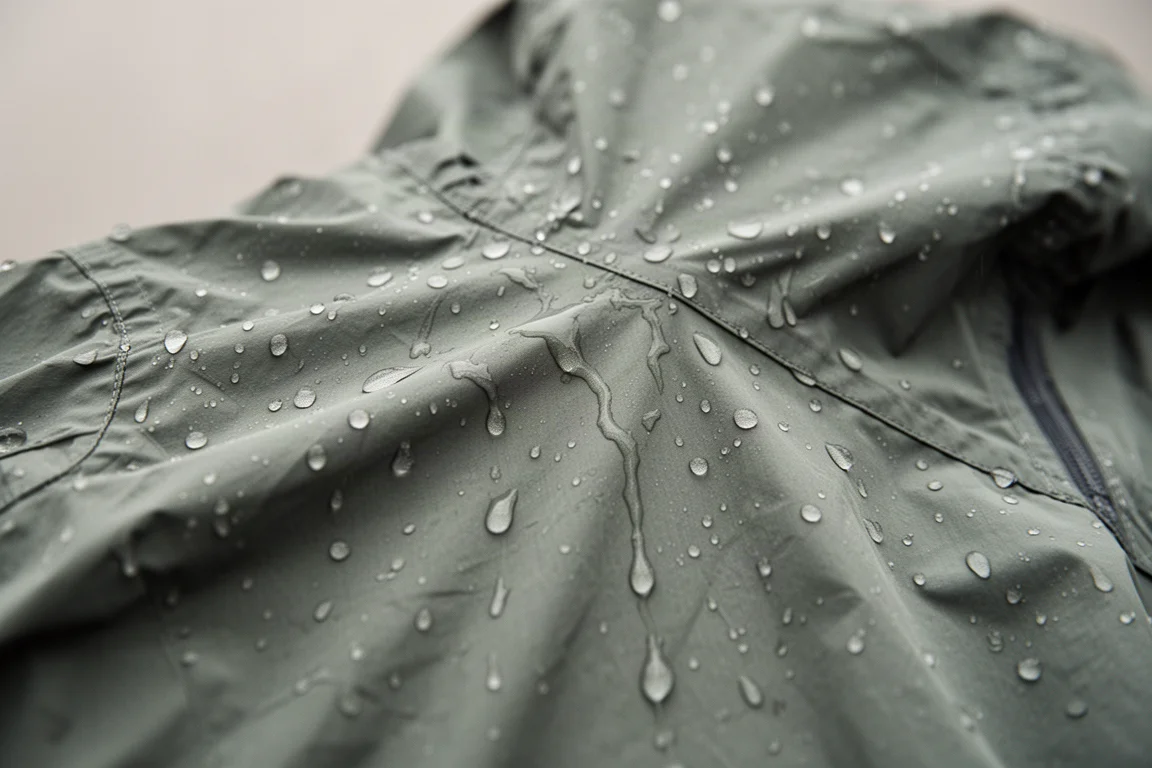
It keeps water out. This is the part that surprises people. In sustained rain, the jacket kept the wearer dry where more expensive, thicker shells eventually wet out and left them damp underneath. A rain jacket that costs around $20 and genuinely blocks water is a rare thing.
It keeps warmth in. The fabric works as a solid wind block, so even when conditions are miserable the jacket holds body heat.
It is light enough to forget about. It beats many of the top rain jackets on weight, and it packs down small enough to disappear into a pack until it is needed.
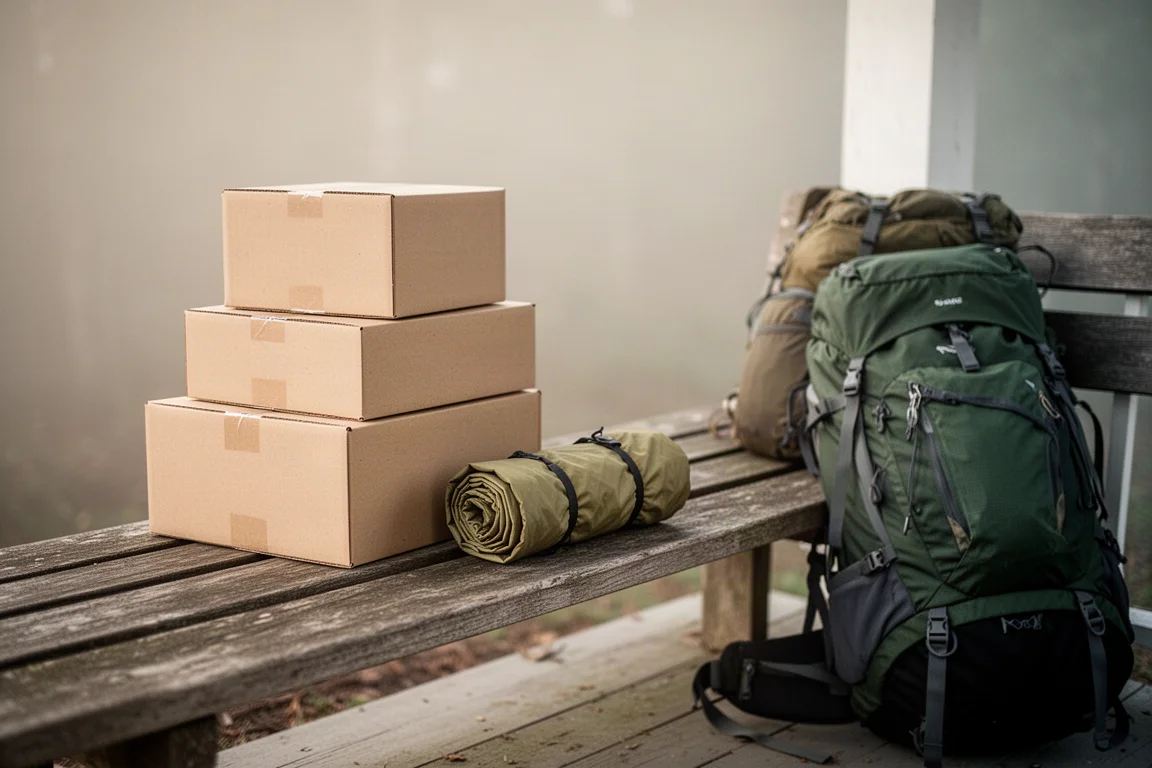
It is replaceable anywhere. Ordering a new one online takes minutes, and on longer trips a fresh jacket can be mailed ahead to a resupply point before the current one wears out.
How It Performs in Sustained Rain
Water stays out, but air does not move through it well. Breathability is limited, and the jacket does not vent the way more expensive shells do, so a long climb in the rain will feel clammy. For a short stretch of bad weather that is an acceptable trade. For hours of hard effort, it is a real comfort penalty.
It is worth noting that paying more does not automatically solve the problem. Some lighter, more expensive shells have wet out repeatedly in prolonged rain on past trips, leaving the wearer damp but warm. The Frogg Toggs takes the opposite approach: it keeps the rain off and leaves you to deal with the condensation.
Things to Consider Before Buying
Durability is the weak point, and it is not a small one.
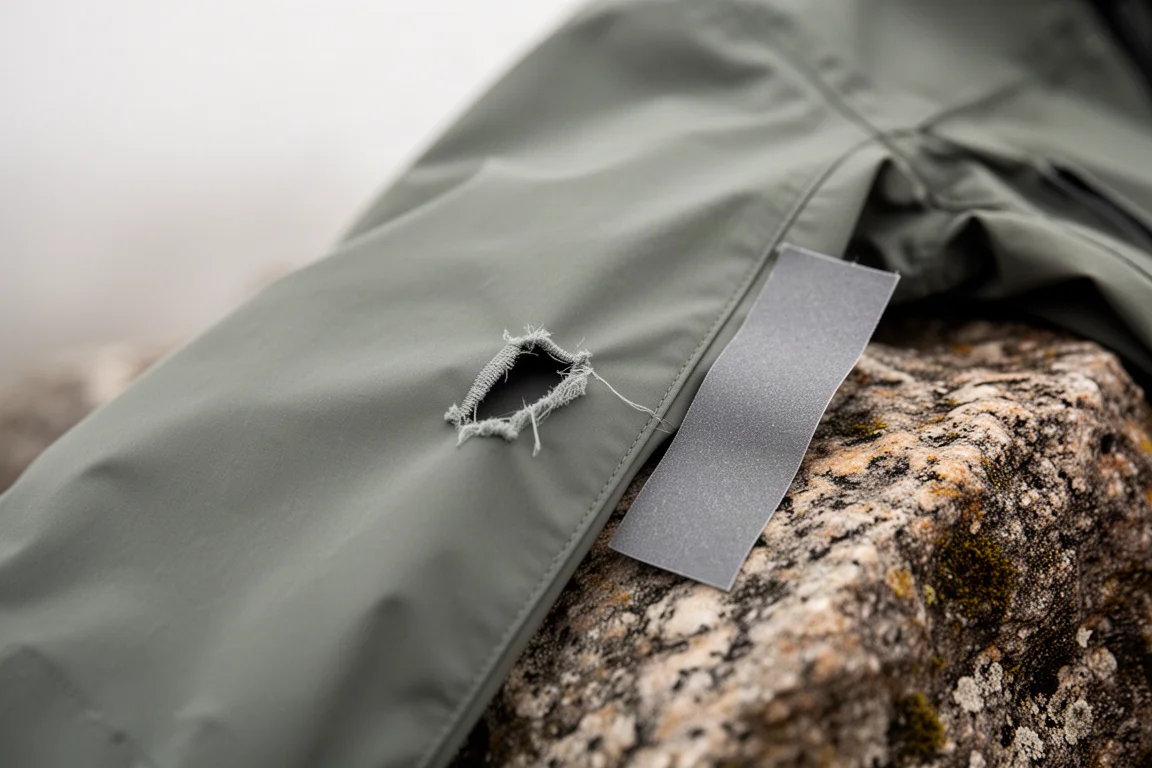
The fabric is thin enough that almost anything can tear it. A moderately sharp twig, a stumble onto the ground, or even the abrasion of a backpack rubbing against the back can open a hole. In practice, a jacket would last roughly 2,000 miles of hiking on well-groomed trails before it was no longer safe to rely on, and sometimes closer to 1,000. Holes tend to appear around the hood first, then spread, and a small tear can quickly grow into a large one.
The fit does not help. The jacket is very baggy, so it catches on brush and branches rather than sliding past them.
It is also a bare-bones design. There are no pit zips, no pockets, and no features beyond the basics.
The real concern is what a failure means in context. On the Uinta High Line, the jacket tore straight up the back with holes in both sleeves, and the weather turned from rain to hail to snow. Soaked and cold, with days of walking between resupply points, the situation went from uncomfortable to genuinely dangerous. Field repairs with tape can buy time, but a taped-up shell is a temporary fix, not a plan.
Buying Advice
For an overnight trip or a short hike close to home, this jacket is a reasonable and inexpensive choice. The downside is limited because you can always turn around, and you are unlikely to be far from help.
For long-distance hiking, weigh the risk honestly. The jacket is cheap enough that carrying a spare or shipping a replacement to a resupply box is easy, and that is the most practical way to use it on a long route: treat it as a consumable rather than as a piece of gear you can trust for months at a time.
If your trip depends on staying dry and warm far from town, a more durable shell with a more considered fit is the safer call. If your trips are short and your budget is tight, the Frogg Toggs still delivers more than its price suggests.
Conclusion
The Frogg Toggs rain jacket is genuinely good at the two things it promises: it is very light, very cheap, and it keeps rain off better than plenty of pricier shells. What it cannot do is survive the wear and tear of a long trail, and on a long trail that limitation matters more than the weight saving.
Buy it for short trips, backups, and tight budgets. Look elsewhere if your plan involves months of walking and a jacket you can depend on from one town to the next.
Product link
View more details for Frogg Toggs Rain Jacket
This product is mentioned in the review. Check the specifications, options, and compatibility before buying.
View more details for Frogg Toggs Rain JacketFurther reading
Related Reviews
Outdoor Gear
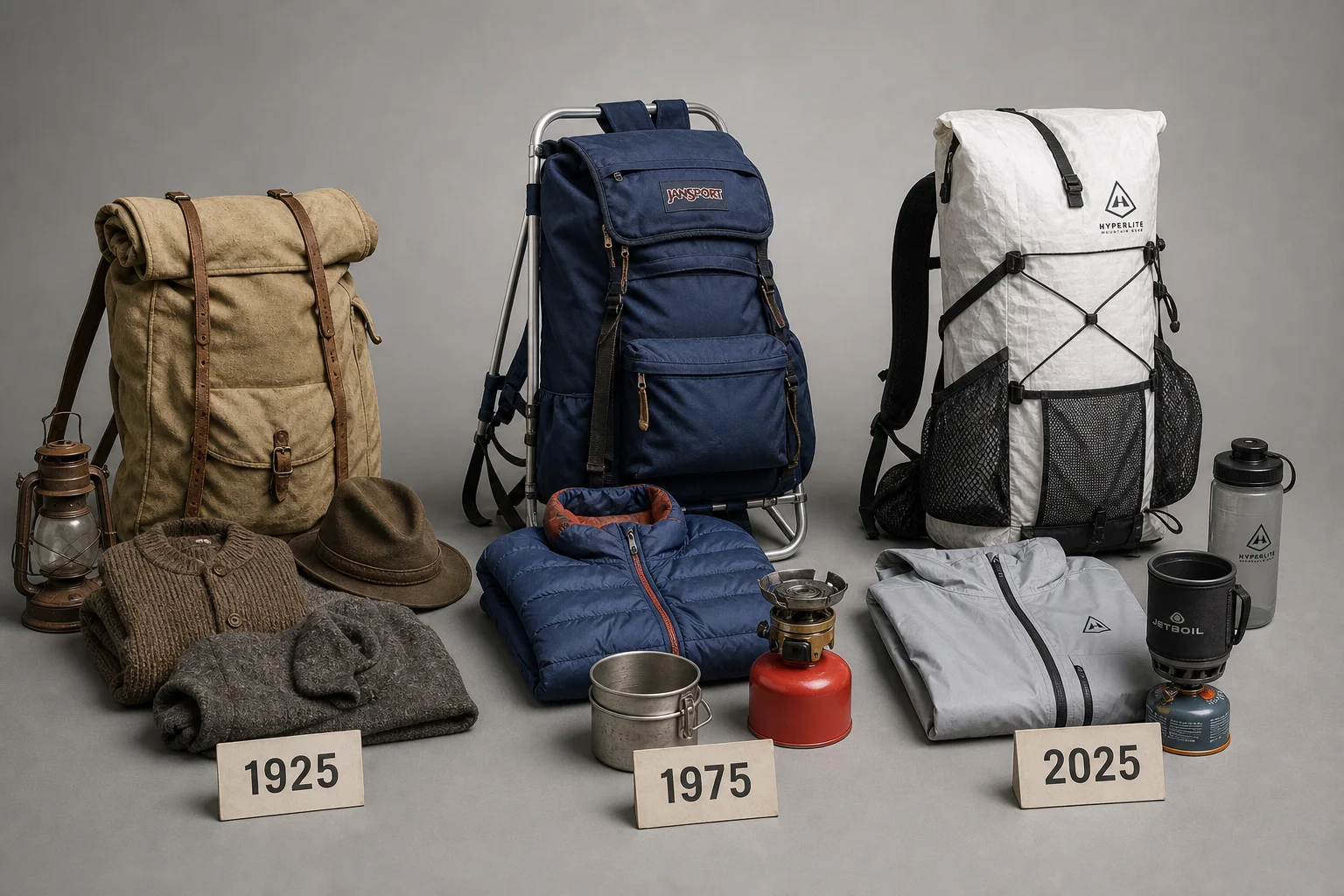
Backpacking Gear Evolution: 100 Years of Technology Compared
We tested backpacking gear from 1925, 1975, and 2025 across a three-day hike in Yosemite. Here's how technology has transformed comfort, weight, and the outdoor experience.
Outdoor Gear
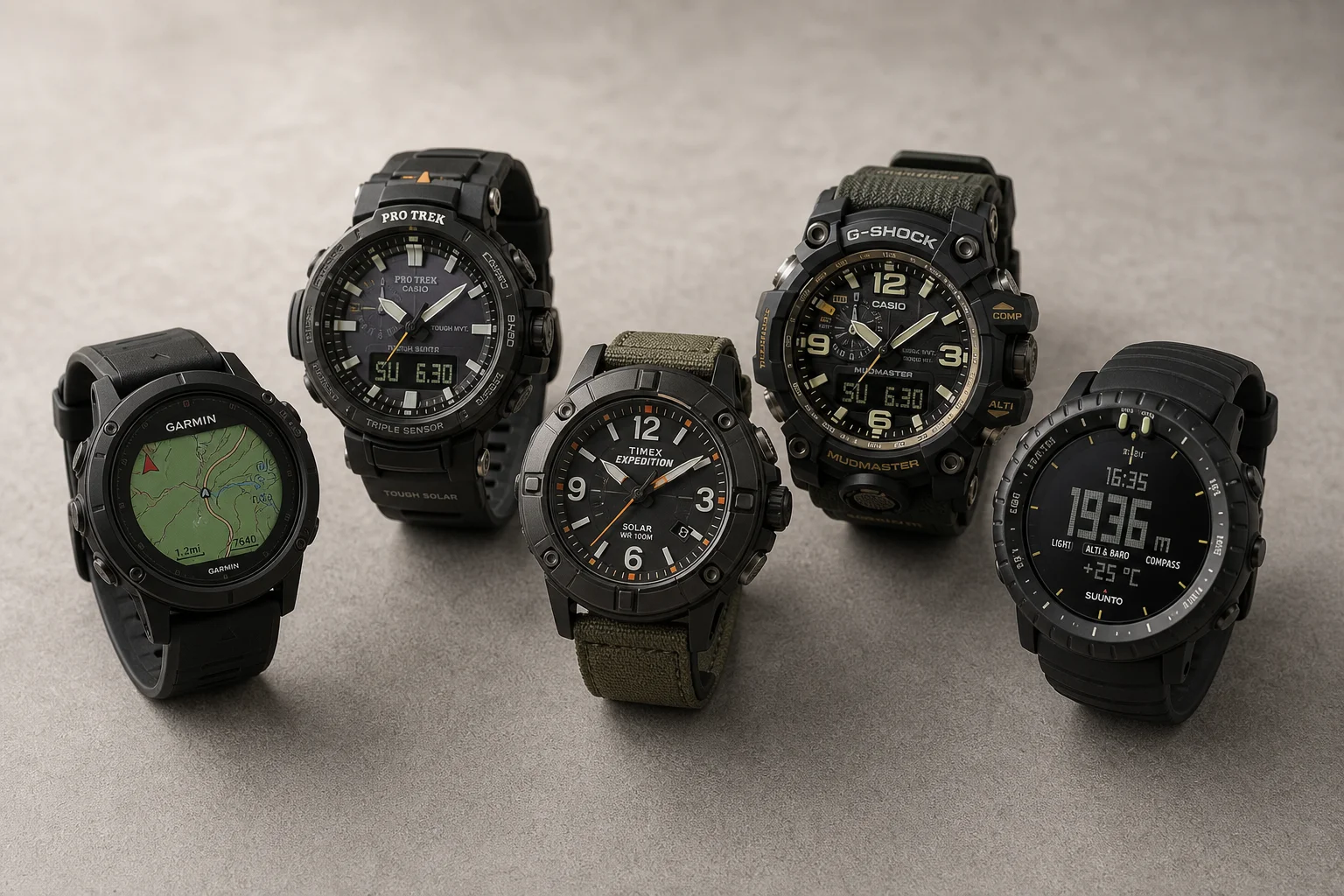
Best Affordable Hiking Watches: Five Rugged Options for Outdoor Adventures
Five durable hiking watches that balance ruggedness, functionality, and value for outdoor enthusiasts who need reliable GPS tracking and weather resistance.
Outdoor Gear
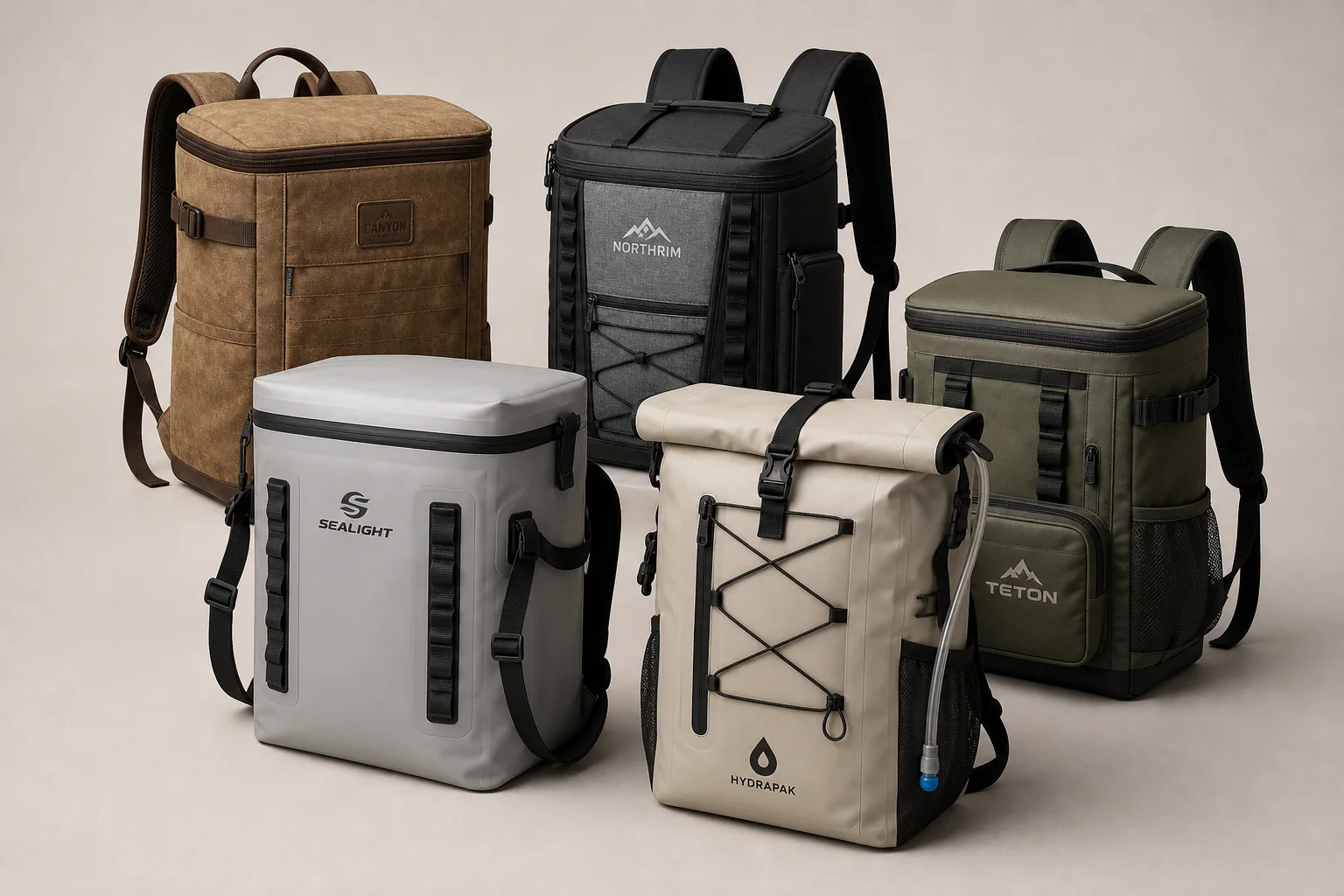
Best Backpack Coolers 2026: Five Practical Options for Outdoor Adventures
Five backpack coolers with distinct cooling capabilities, storage features, and design trade-offs to help you choose the right one for your outdoor needs.