Rooftop Tents
Free Spirit Recreation Rooftop Tent Review: Is Sleeping Off the Ground Worth the Cost?
A practical look at the Free Spirit Recreation rooftop tent, covering its blackout fabric, two-minute setup, fuel penalty, and $3,295 price.
Introduction
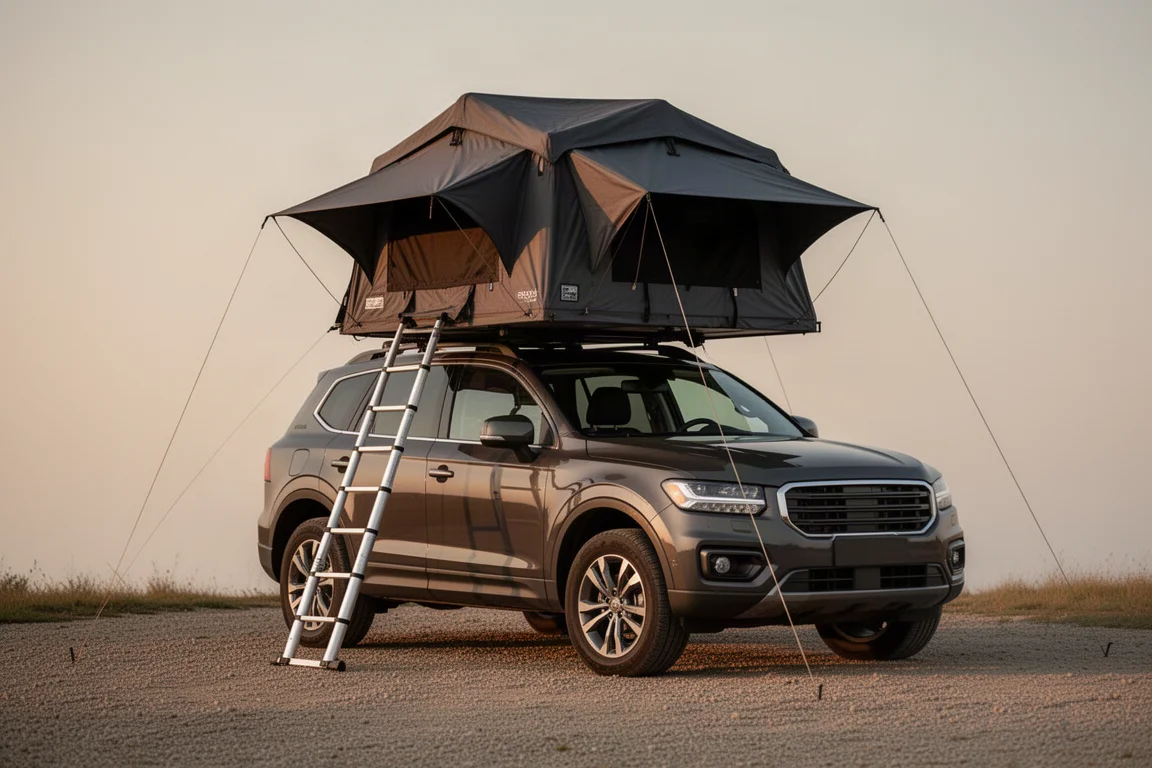
Rooftop tents have become one of the most conspicuous pieces of camping gear on the road. They are heavy, bulky, and expensive, and they keep appearing on top of vehicles at trailheads and campgrounds. That visibility invites an obvious question: does the format actually justify what it costs?
This review focuses on the Free Spirit Recreation rooftop tent, a well-equipped model purchased with a partial discount from the brand. It includes several features that make it genuinely comfortable, and it sets up in about two minutes. The case for and against the category is more nuanced than either side tends to admit.
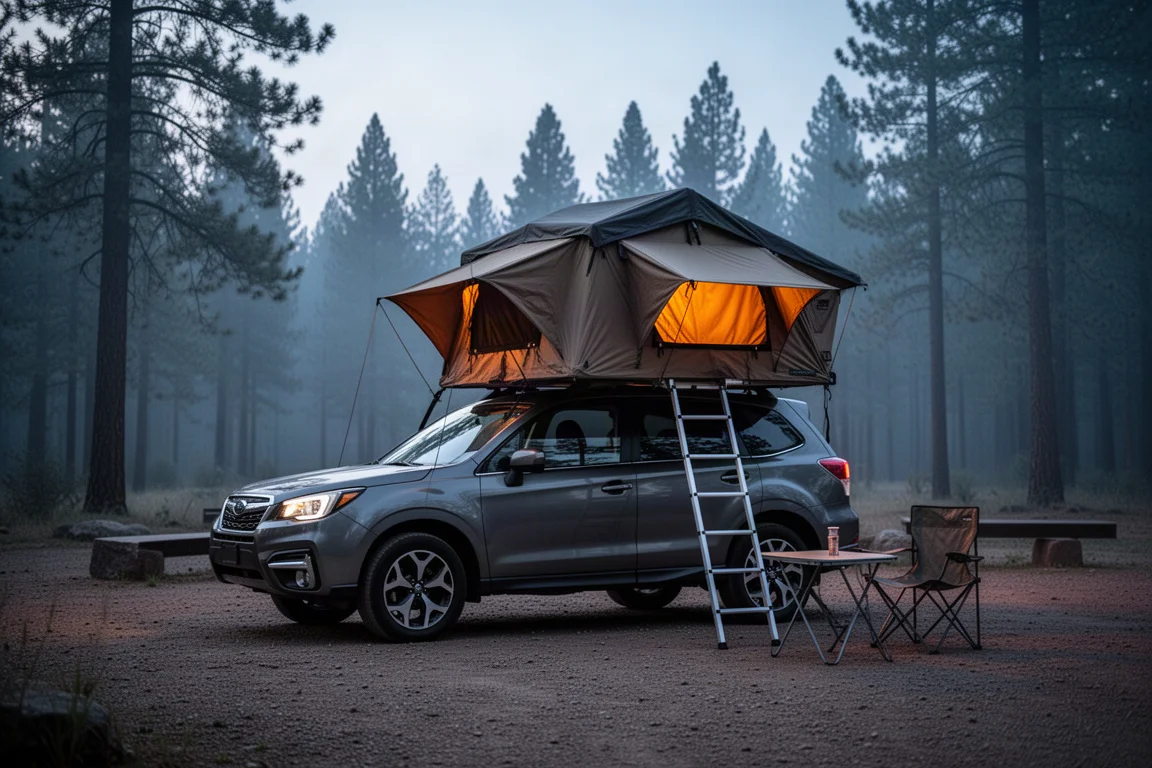
The goal here is not to dismiss rooftop tents outright. It is to separate the benefits that are unique to the format from the ones you could get from a traditional tent for a fraction of the money.
Who This Rooftop Tent Is For
The strongest argument for a rooftop tent is sleeping off the ground. A campsite floor is where bugs, dirt, and animal traffic live, and raising your sleeping platform reduces the odds of a determined animal trying to get into your tent. It does not eliminate the risk, but it makes access harder, and for some campers that margin is worth paying for.
There is a more practical benefit as well. Pitching a traditional tent means finding a patch of ground free of rocks, sticks, and roots. A rooftop tent sidesteps that problem entirely, because the sleeping surface is the vehicle.
This tent suits one or two people on vehicle-based trips where the car stays parked at camp. It will not fit a whole family, and it cannot replace the storage a larger group needs.
Main Strengths: Blackout Fabric, Insulation, and Heater Support
The Free Spirit Recreation tent is a genuinely nice piece of kit. Blackout material keeps early morning sun from waking you, and the walls are lightly insulated to hold back the cold. There is a vent for a diesel heater, string lights inside the tent, and more comfort features on top of that.
None of those features are unique to rooftop tents. Blackout fabric, insulation, heater vents, and interior lighting are all available on traditional tents. What the rooftop format does offer is that weight matters much less, since the tent rides on the vehicle rather than on your back, so heavier comfort features can be included without much penalty.
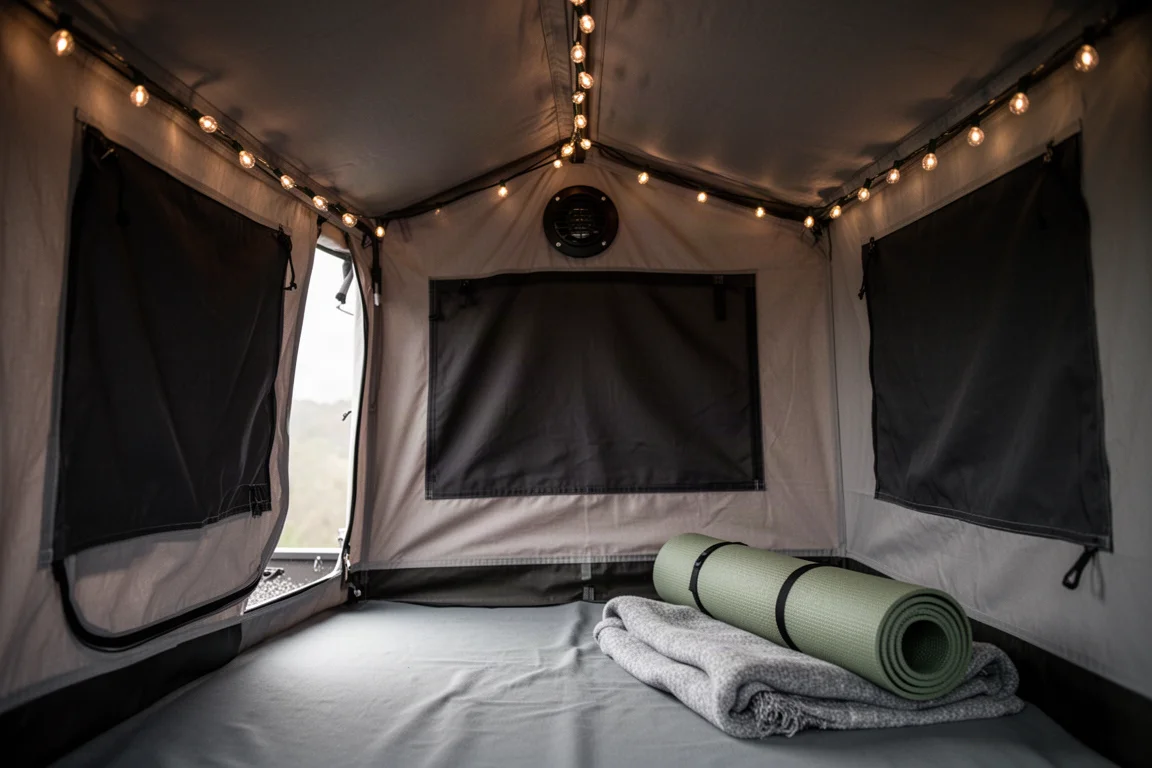
That distinction matters when you compare tents on paper. A rooftop tent can carry more material and more hardware without making setup harder, which is part of why these tents tend to feel more furnished than a comparable ground tent.
Setup Speed and the Off-the-Ground Advantage
Setup is quick. A large six-person traditional tent took about ten minutes to pitch, while the rooftop tent took roughly two minutes. That is a real convenience at the end of a long drive.
It is also not unique. Plenty of traditional tents set up just as fast. Once you strip away blackout fabric, insulation, heater vents, lighting, and fast pitching, the only benefit genuinely specific to rooftop tents is sleeping off the ground, and a hammock tent can achieve that for a fraction of the price.
One small point in the format’s favour: an air mattress does not need to be deflated when camp is packed up. Vehicle levelling is also possible in a way that tent levelling is not, which can mean a flatter night’s sleep on uneven ground.
Real-World Trade-Offs: Fuel Economy, Storage, and Levelling
Fuel economy is the first cost that shows up. On the same route, a vehicle returned 16.6 miles per gallon with the rooftop tent mounted and 18.6 miles per gallon with it removed. That is close to two miles per gallon lost to the tent alone.
Removing and reinstalling the tent is a two-person job that takes roughly thirty minutes to an hour, and the tent then needs somewhere to live. It is big and bulky to store, which makes a spontaneous weekend trip less appealing.
At camp, the format imposes its own routine. Driving to a trailhead means breaking the tent down completely, and leaving camp usually requires something to hold the site. Once you return, the vehicle has to be levelled again using rocks or levelling blocks. Where a car can park is also far more limited than where a tent can be pitched, and developed campgrounds sometimes require parking several dozen feet from the campsite itself.
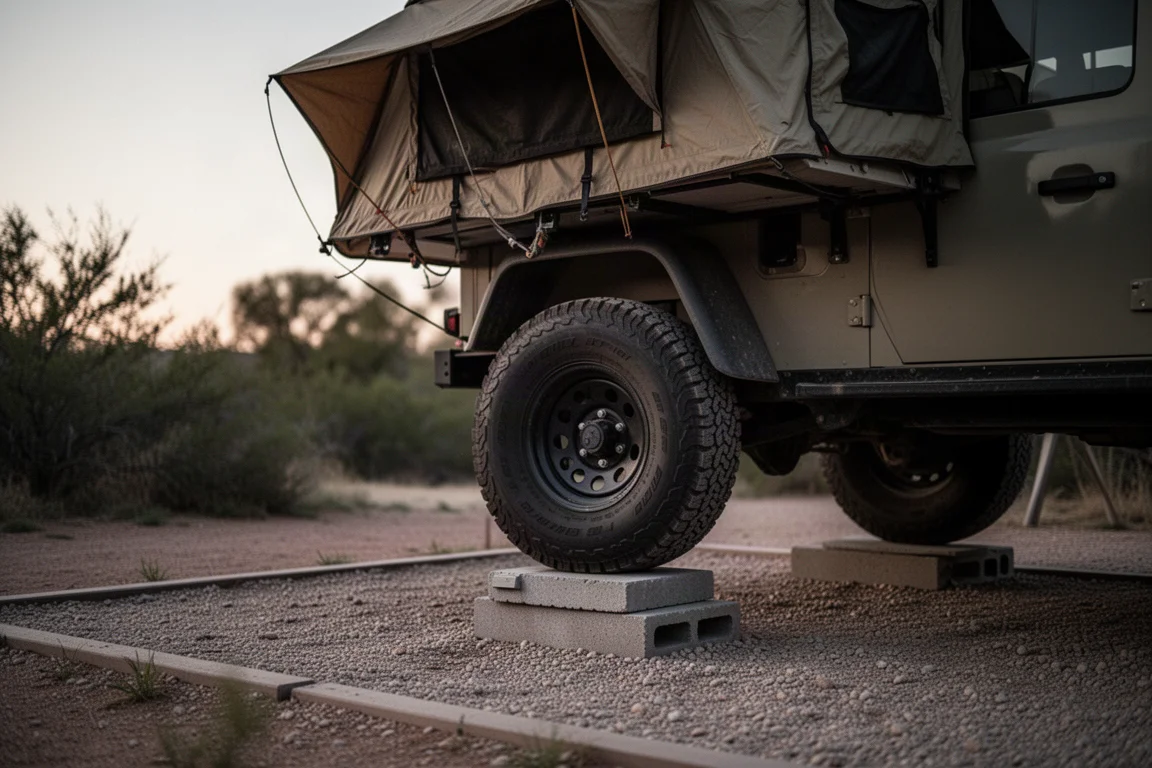
Climbing in and out is another daily reality. Every entry and exit means using the ladder, including in the dark in the middle of the night. The optional roof rack on top of the tent adds a further catch: everything has to come out before the tent can be set up, and once the tent is popped up, that rooftop storage is effectively unusable.
Buying Advice: Matching the Tent to How You Camp
A rooftop tent makes sense for a narrow but real set of circumstances. If sleeping off the ground is genuinely important to you, if your vehicle stays parked at camp, and if you camp as one or two people, the convenience and comfort can justify the format.
It makes much less sense if you move camp often, if you camp with a family that needs more sleeping space, or if you are working to a tight budget. In those cases, a traditional tent or a hammock tent delivers the off-the-ground benefit at a fraction of the cost.
What the Free Spirit Recreation Rooftop Tent Costs
This tent costs $3,295 brand new, which appears typical for rooftop tents. Cheaper rooftop tents exist around $800, but even that sits at the top end of what most traditional tents cost. The price is only part of the picture, since fuel economy and storage add ongoing costs that are easy to overlook at purchase.
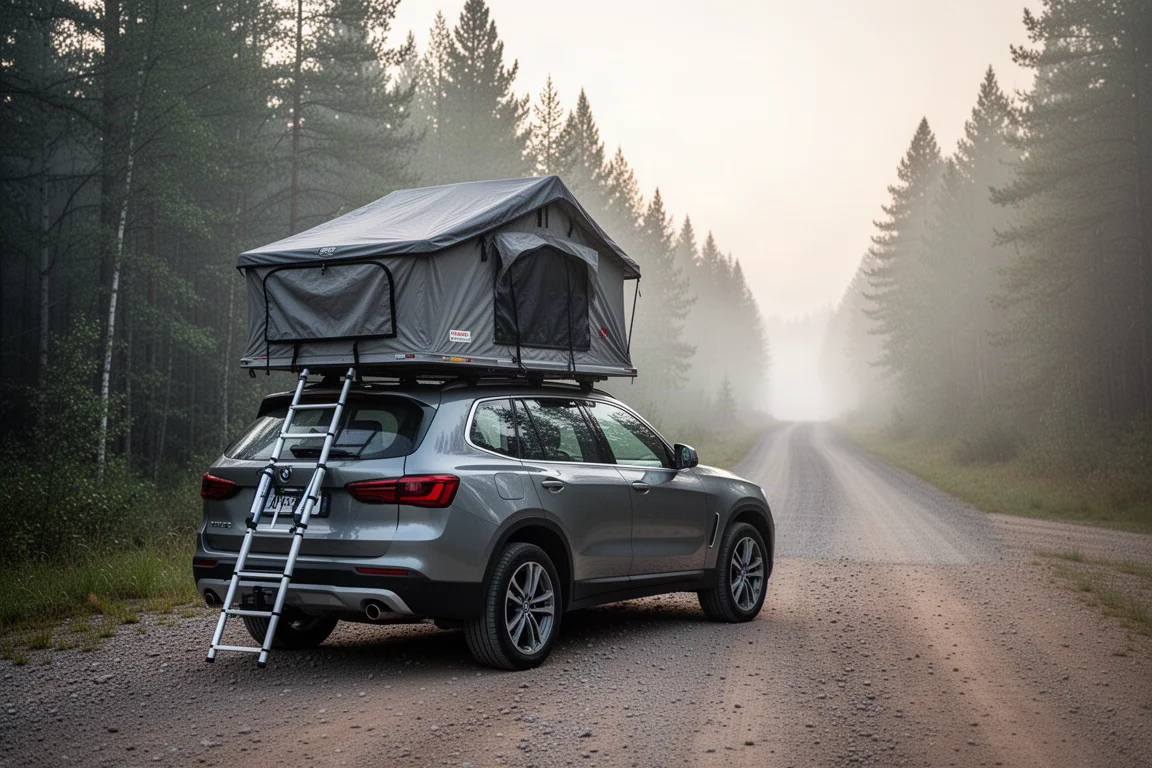
It is worth weighing those numbers against how often you camp. A tent that stays on the roof year round costs fuel on every drive, while one that comes off between trips costs two people and up to an hour of work each time.
Conclusion
The Free Spirit Recreation rooftop tent is well made and genuinely comfortable, and its two-minute setup is a pleasure at the end of a long day. The catch is that most of what makes it nice is available elsewhere, and the one benefit that is unique to the format, sleeping off the ground, can be had for far less. If that specific benefit matters to you and your vehicle stays put at camp, this is a capable choice. If not, a traditional tent remains the smarter buy.
Product link
View more details for Free Spirit Recreation Rooftop Tent
This product is mentioned in the review. Check the specifications, options, and compatibility before buying.
View more details for Free Spirit Recreation Rooftop TentFurther reading
Related Reviews
Backpacking Tents
3F UL Lanchan Pro 1 Review: A 1 lb 8 oz Single-Wall Trekking Pole Tent
A practical look at the 3F UL Lanchan Pro 1, a single-wall trekking pole shelter with a 1 lb 8 oz weight, 20D silnylon fabrics, and a roomy 90 x 31 x 49 inch interior.
Backpacking Tents
3F UL Taiji 2-Person Tent: A Convertible Backpacking Shelter Worth a Closer Look
A practical look at the 3F UL Taiji two-person tent, covering its materials, true two-person interior, fly-first pitching, and the seasonal inner swap that lets one shelter cover more of the year.
Backpacking Tents
3FUL Lanshan Twoerson Pro Review: A Light Trekking Pole Shelter That Struggled in Rain
A two-person trekking pole shelter with a 2026 redesign, pitched with sticks and put through a night of steady rain. Here is what worked, what did not, and what to check before buying.