Reef Tank Pest Control
Frank's F-Aiptasia Review: An Encapsulating Treatment for Pest Anemones
A hands-on look at Frank's F-Aiptasia, a white paste treatment that blankets pest anemones instead of injecting them, plus what to know before you buy.
Introduction
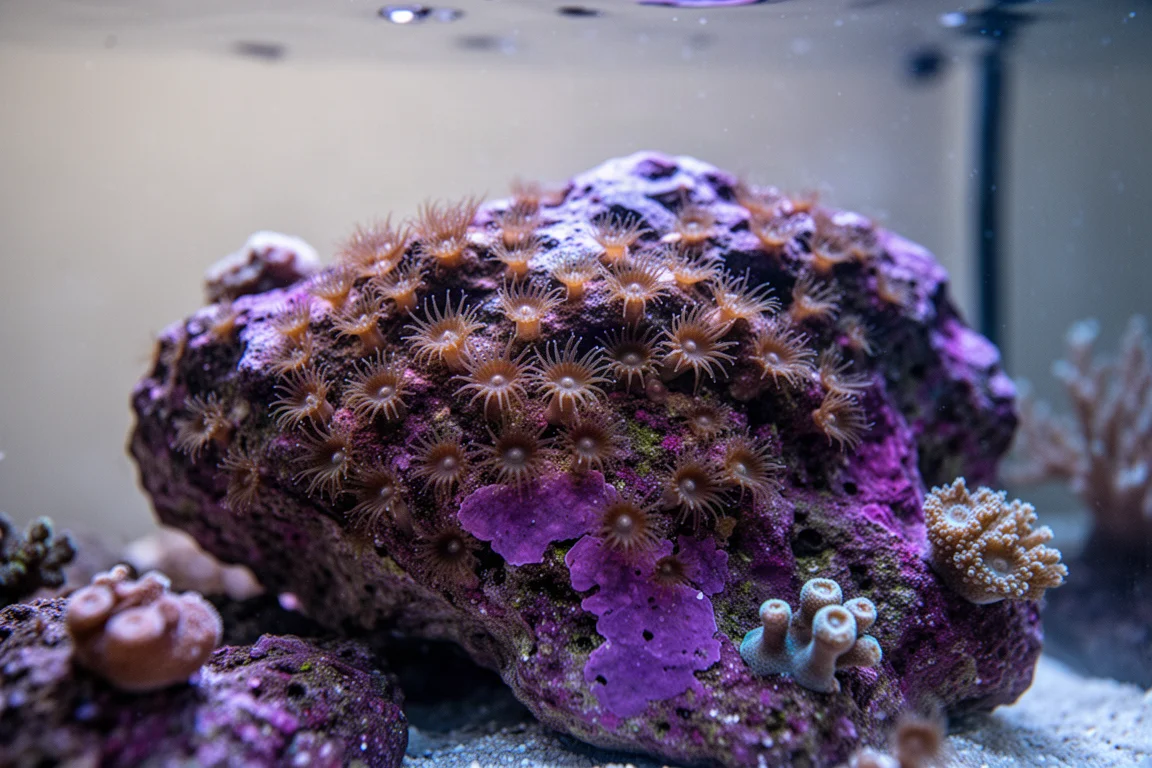
Pest anemones earn their reputation less through outright damage and more through persistence. Common control methods often fail, and some of them seem to encourage the anemones to spread instead of slowing them down. Aiptasia, Majano and similar invasive anemones can also arrive quietly on a new coral frag and take hold before anyone notices.
Frank’s F-Aiptasia approaches the problem from a different angle. Rather than injecting a treatment into the anemone’s oral disk, this thick white paste is applied over the anemone until it is completely blanketed. The idea is straightforward: eliminate the anemone and, at the same time, prevent it from releasing offspring that would otherwise settle elsewhere in the tank.
Who This Product Is For
F-Aiptasia makes the most sense for reef keepers dealing with a manageable problem rather than a tank-wide infestation. It is particularly well suited to anemones that have appeared on newly added coral frags, where a fast, targeted response keeps a small issue from becoming a structural one.
It is also a sensible option for anyone who has cycled through several remedies without success. The single-step, single-product approach is the main appeal here, since pest anemone control traditionally involves layering several methods together before results stick.
Main Strengths
The encapsulation approach is what separates this product from the crowd. Covering the anemone completely shuts down its ability to broadcast offspring, which addresses the reproduction problem that makes these pests so difficult to outlast. That combination of removal and containment is the core of the product’s value.
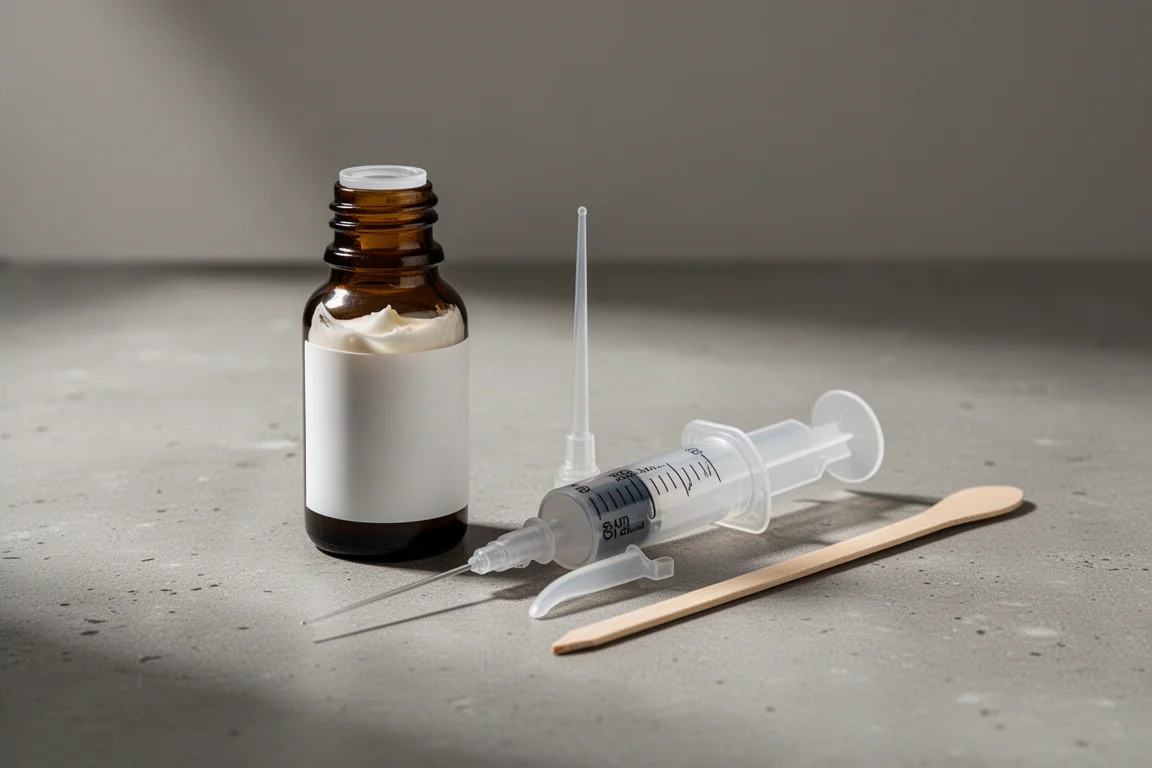
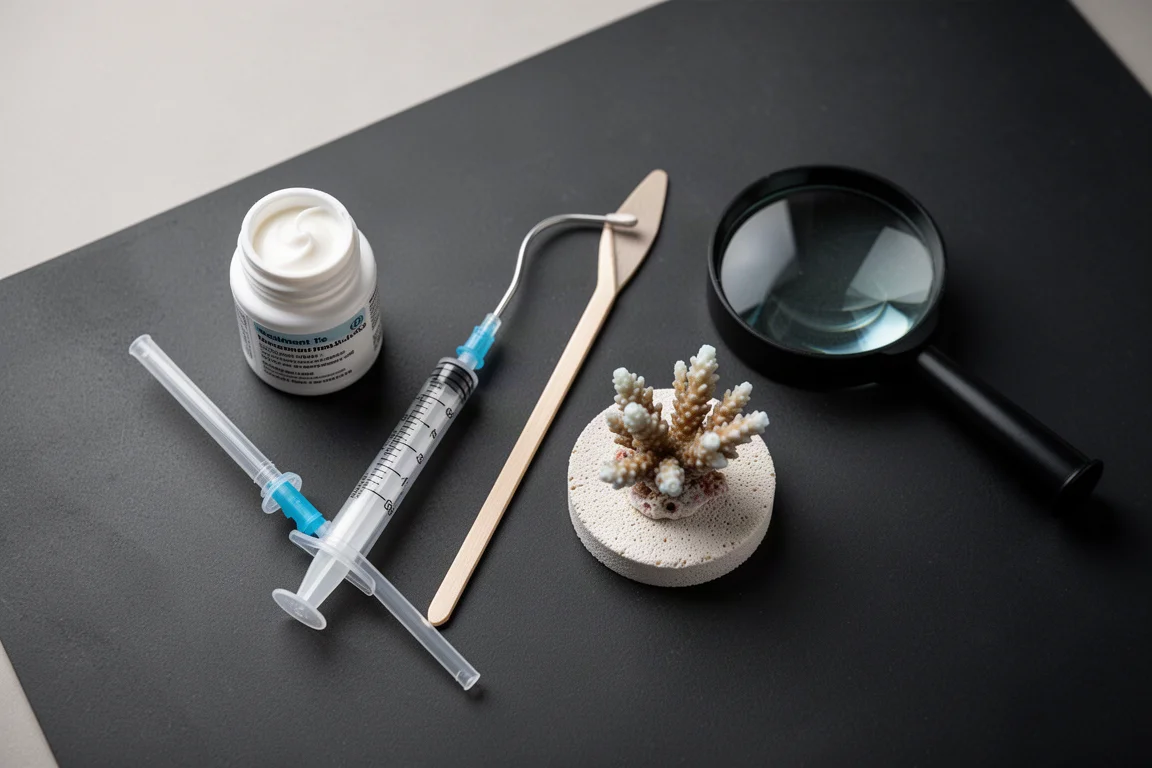
Application is also genuinely simple once the tank is prepared. The kit ships with a syringe, a long applicator, a curved applicator, and a stir stick, so there is a tip suited to different spots in the aquascape. In practice, the paste is thick enough to stay where it is placed, which matters when working near delicate coral tissue.
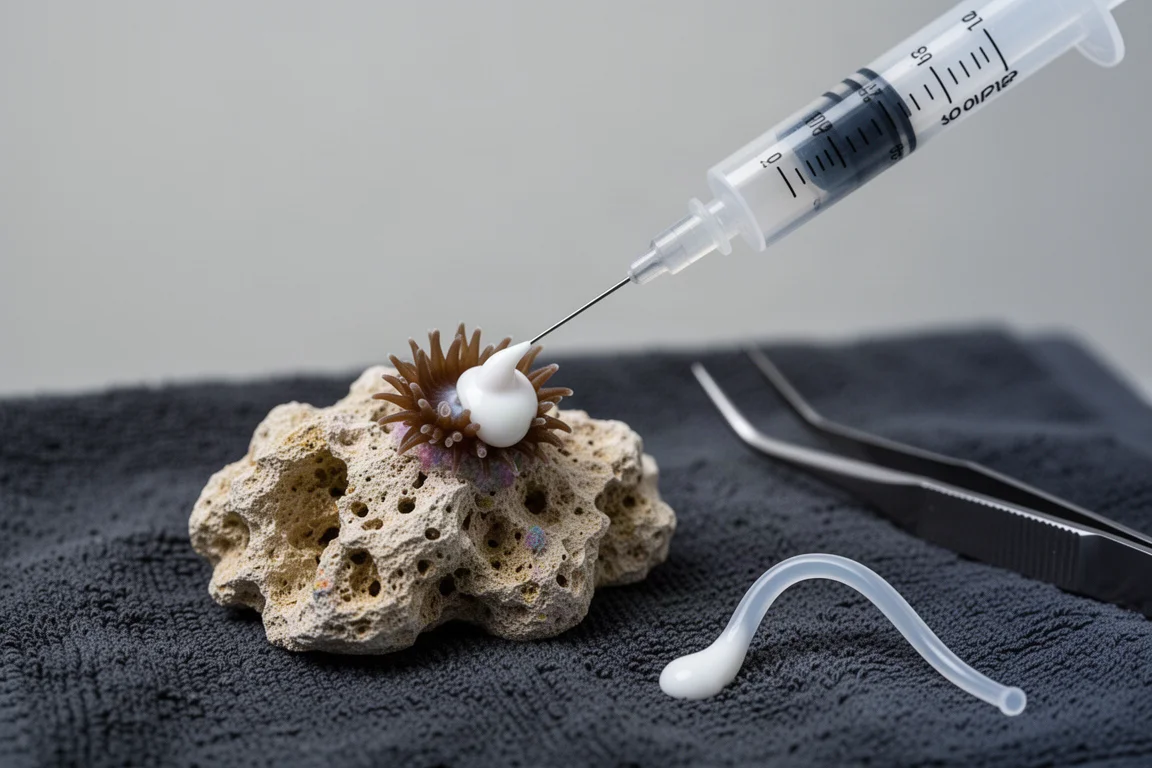
Results show up without much drama. The coating hardens in roughly 30 to 60 minutes, after which flow pumps can be switched back on. A week later, the hardened patch can optionally be chipped away to reveal the empty space where the anemone used to sit.
How to Apply It Correctly
Preparation is a short list of steps, but skipping any of them can compromise the outcome. The paste is thick and separates during shipping, so stirring it with the included stick and then shaking the capped bottle thoroughly is essential before anything else.
Flow pumps should be switched off before application begins. This is not just a convenience: the formula is designed to kill pest anemones, which makes it caustic to coral tissue as well, and loose paste drifting through the tank can land on corals it was never meant to touch. With the pumps off, fill the syringe, choose the applicator tip that fits the area you are working in, and bring the tip close to the anemone.
Coverage starts at the oral disk and works outward until the anemone is fully blanketed. Work through the remaining anemones one at a time, then leave the coating undisturbed for 30 to 60 minutes before restoring flow.
Things to Consider Before Buying
Anyone with a large outbreak should plan for time. Applying the paste is a hands-on, one-anemone-at-a-time process, and a substantial population will take a while to work through. The product suits targeted intervention better than a single sweep across a heavily infested tank.
Coral safety is the other consideration. Since the paste is caustic to corals, careful placement and pump shutdown are not optional steps, and any accidental contact should be treated as a risk rather than a minor issue.
There is also a scope note worth acknowledging. The formula was used against Aiptasia, and while its mechanism suggests it could also be applied to Majano anemones, star polyps, Blue Anthelia, Xenia and other corals that can become pests, those uses were not put through the same firsthand testing. Treat broader pest control as plausible rather than proven.
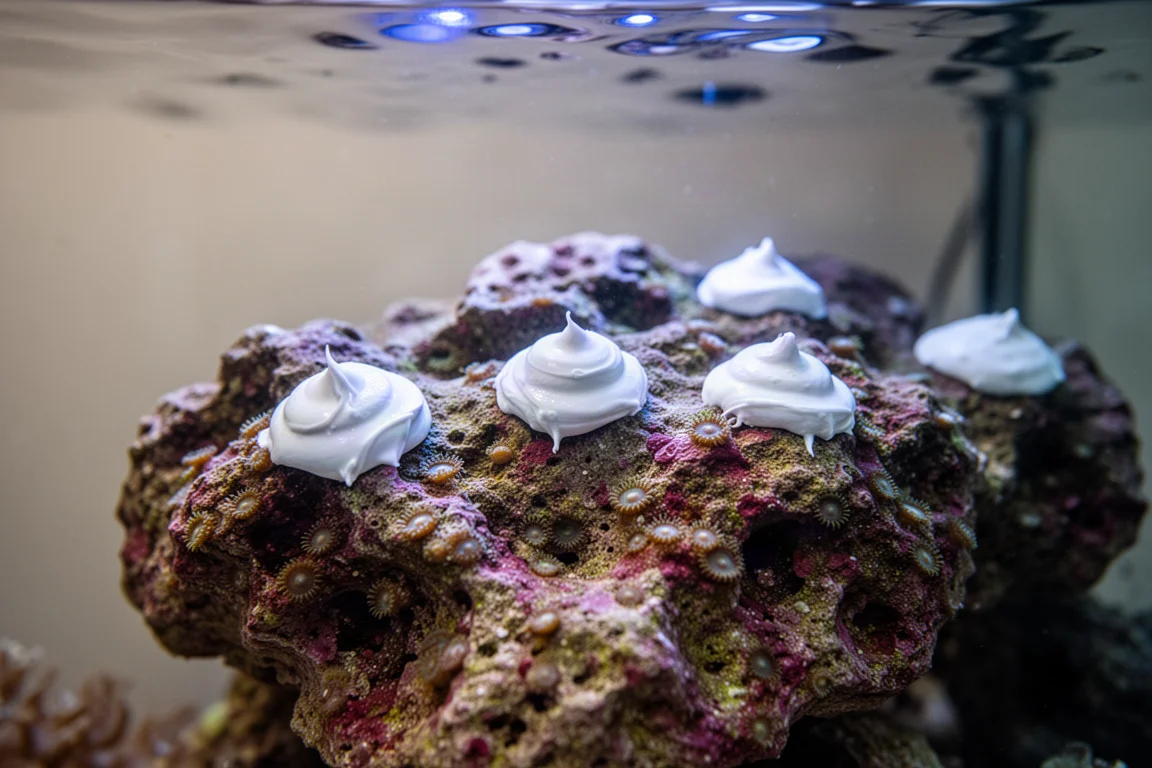
Once the coating has fully hardened, it can be left in place. It continues to cure, develops biofilm and coralline algae over time, and blends into the rockwork as part of the aquascape. If it is chipped away instead, the dust and fragments that come off are no longer caustic and pose no harm to corals.
Buying Advice
The strongest case for F-Aiptasia is early intervention. Catching anemones on a new coral addition or during a small outbreak, when there are only a handful to cover, plays directly to the product’s strengths and keeps the job quick.
For larger outbreaks, the decision is less about whether the product works and more about whether you are prepared to spend the time applying it properly. Anyone who is, and who respects the coral-safe handling steps, has a reasonable single-product path here instead of juggling several treatments at once.
Prevention remains the better option when it is available, and it always will be. Where pest anemones are already present, the goal is to make sure the effort spent removing them actually pays off rather than leaving the problem unchanged or worse.
Conclusion
Frank’s F-Aiptasia stands out for its method as much as its results. Encapsulating a pest anemone rather than injecting it tackles both the anemone and its offspring, and the process is simple enough to repeat whenever a new one appears.
It is not a set-and-forget solution for a heavily infested tank, and it demands care around coral tissue. For targeted, small-scale control on new frags and early outbreaks, it is a practical addition to a reef keeper’s toolkit.
Product link
View more details for Frank's F-Aiptasia
This product is mentioned in the review. Check the specifications, options, and compatibility before buying.
View more details for Frank's F-AiptasiaFurther reading
Related Reviews
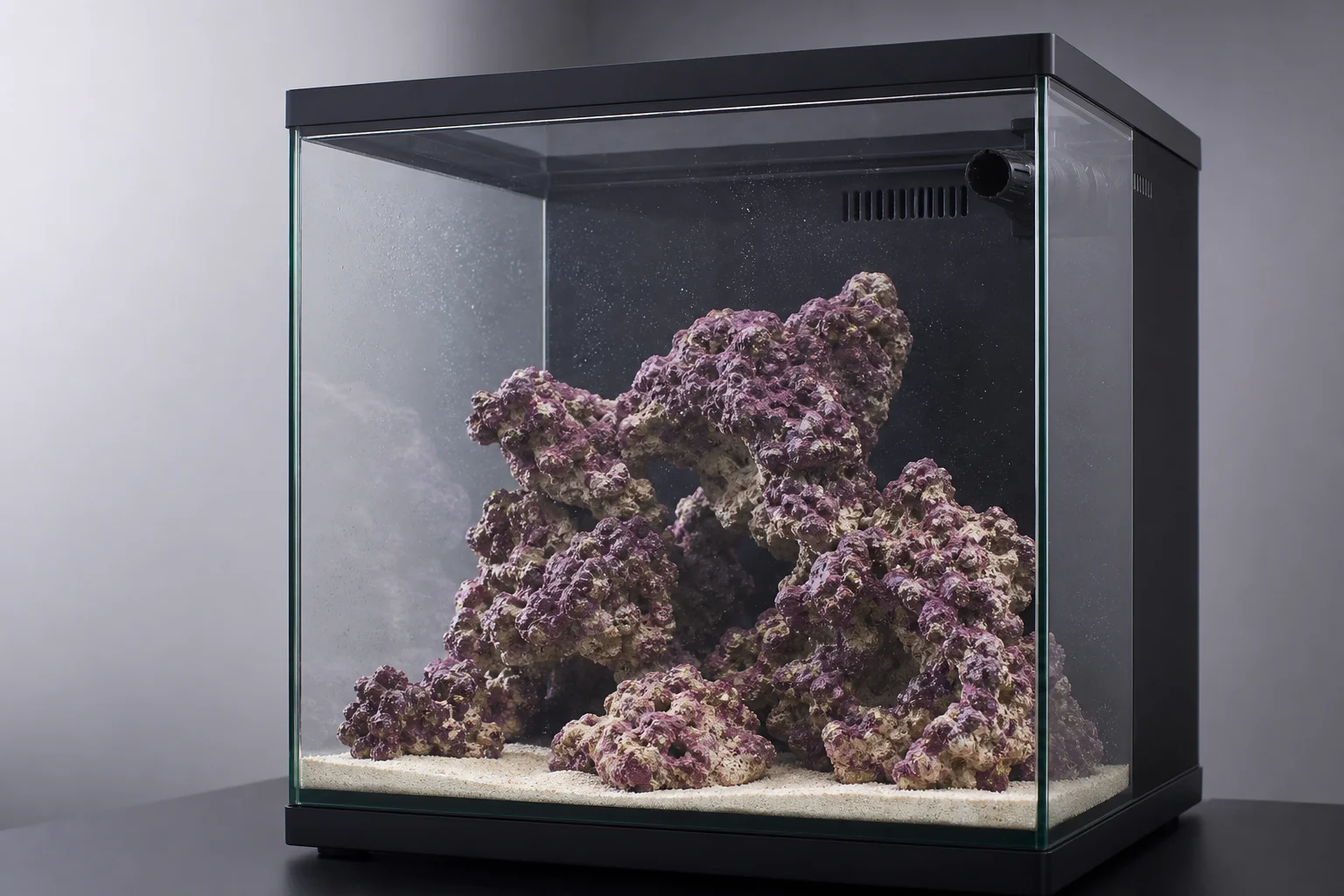
Saltwater Aquarium Setup
10 Questions About Cycling a Saltwater Aquarium: What You Need to Know
Essential questions and answers for cycling a reef tank or saltwater aquarium, from biome building to light management and bacterial supplements.

Aquarium Equipment
Adaptive Reef Hybrid Algae Reactor Review: One Reactor, Three Ways to Grow Algae
A close look at the Adaptive Reef Hybrid Algae Reactor, which runs as an algae turf scrubber, a macro algae reactor, or a refugium, and pairs with the AI Blade Refugium LED.
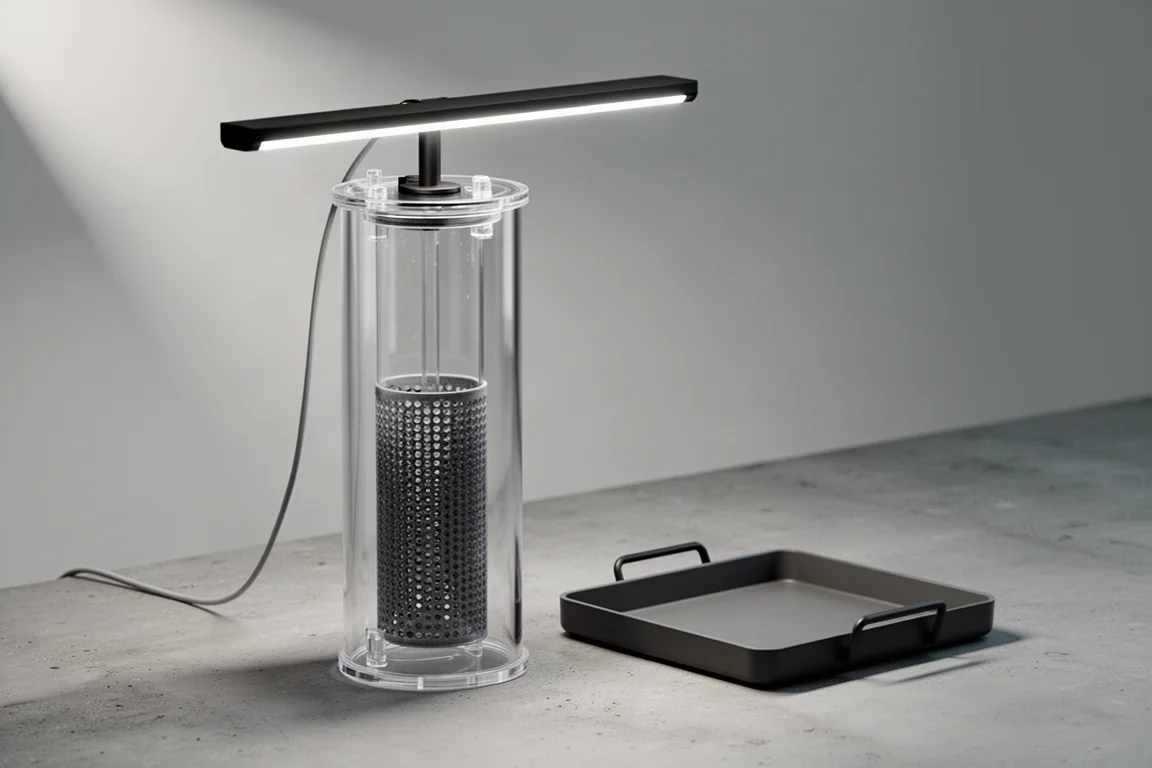
Aquarium Filtration
Adaptive Reef Refugium Reactor Review: A Simple Way to Grow Nuisance Algae Outside Your Display
A vessel designed to grow nuisance algae in a controlled space so it stops taking over the display tank, with an adjustable stand, a removable basket, and a single LED light on top.