Camping Gear
Four Unusual Camping and Backpacking Products Worth Knowing About
A practical look at four odd pieces of camping and backpacking gear, from a wearable sleeping bag to a backpack trailer, with the real trade-offs behind each one.
Introduction
Most camping and backpacking gear is designed to disappear into the background. A stove that lights, a pack that carries, a shelter that keeps the rain out. Then there is the other category: products that take a genuinely different approach to a familiar problem, or that exist mainly because somebody thought the idea was funny.
The four items below sit across that whole range. Each one solves something, and each one comes with a catch worth understanding before any money changes hands. Some make sense for a specific style of trip. Others are better treated as a joke with a price tag attached.
That mix is the point of this roundup. The goal is not to talk anyone out of unusual gear, but to be clear about which of these products earn a place in a pack and which ones are best enjoyed as a curiosity.
How These Products Were Evaluated
Each product here was judged on four things: whether it solves a real problem, how it behaves in the conditions it was built for, what it costs in money or weight relative to the benefit, and how much hassle it adds to a trip. A product that is clever but awkward on the trail is described as such, and a product with a narrow use case is described as narrow rather than rounded up.
Suck Bag: A Sleeping Bag Suit You Can Walk In
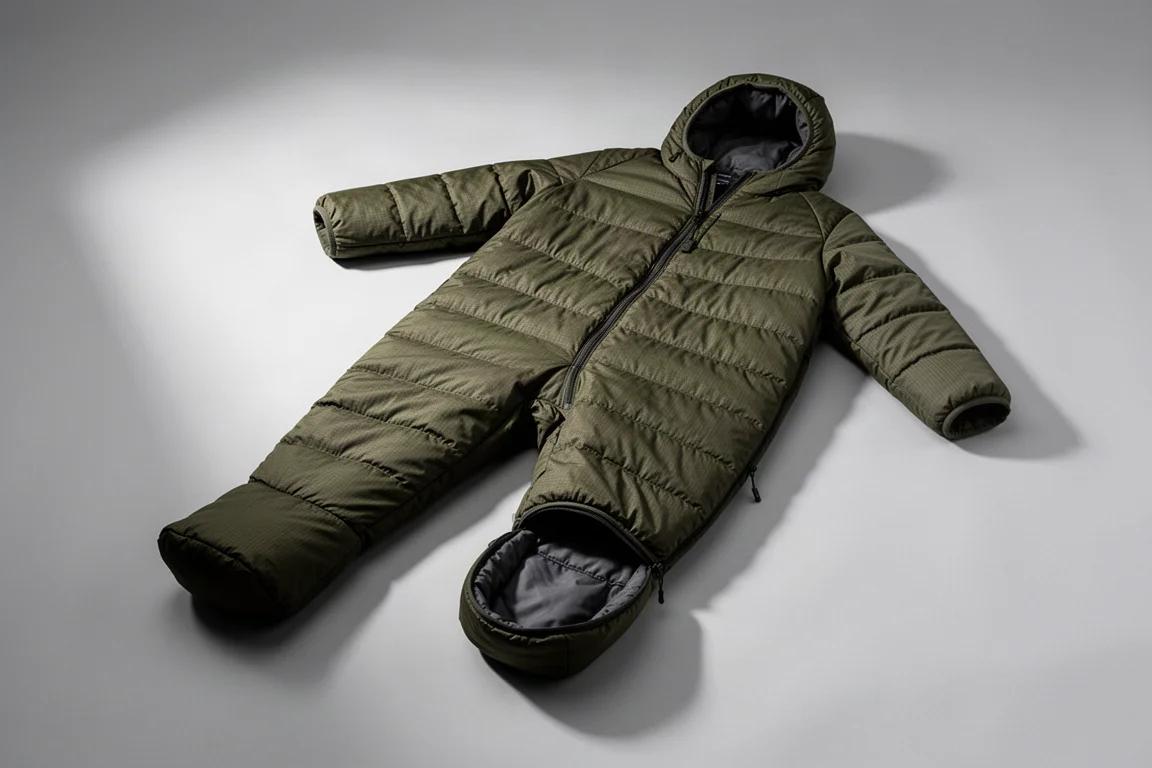
Suck Bag turns the sleeping bag into something you wear. It is a quilted suit with a hood and legs, so you climb into it and stay in it while you sleep, sit by the fire, or move around camp. The feet zip off, which means you can wear regular shoes with the suit still on, or close the openings up to stay warm through the night.

The comfort rating is the first thing to check. Suck Bag is rated down to 44°F, which puts it in mild-weather territory rather than deep winter, and it weighs over 4 lb. That combination rules it out for long backpacking trips where every ounce is counted.
Where it does make sense is car camping. The appeal is not having to choose between the campfire and warmth. Instead of leaving the group to crawl into a sleeping bag, you pull the suit on and stay out. It is a simple idea, and it removes one of the small annoyances of cold-weather camping.
Oro Oro Heated Vest: Battery Warmth With Clear Limits
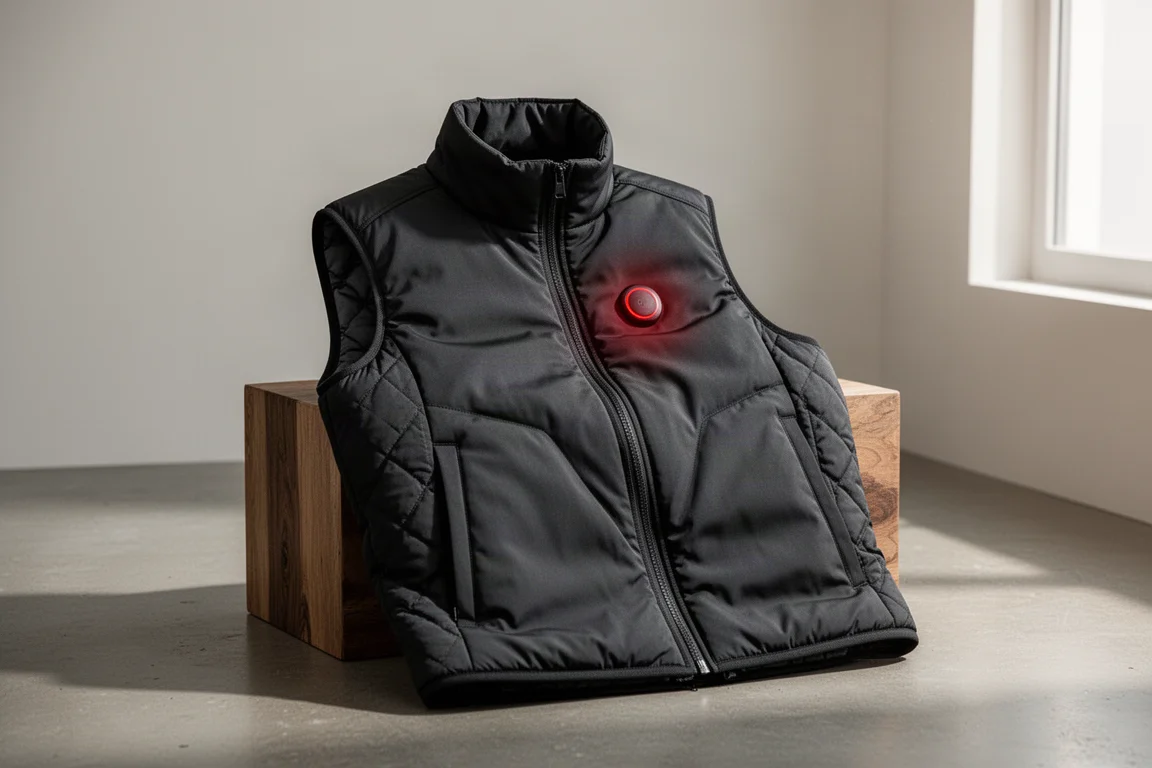
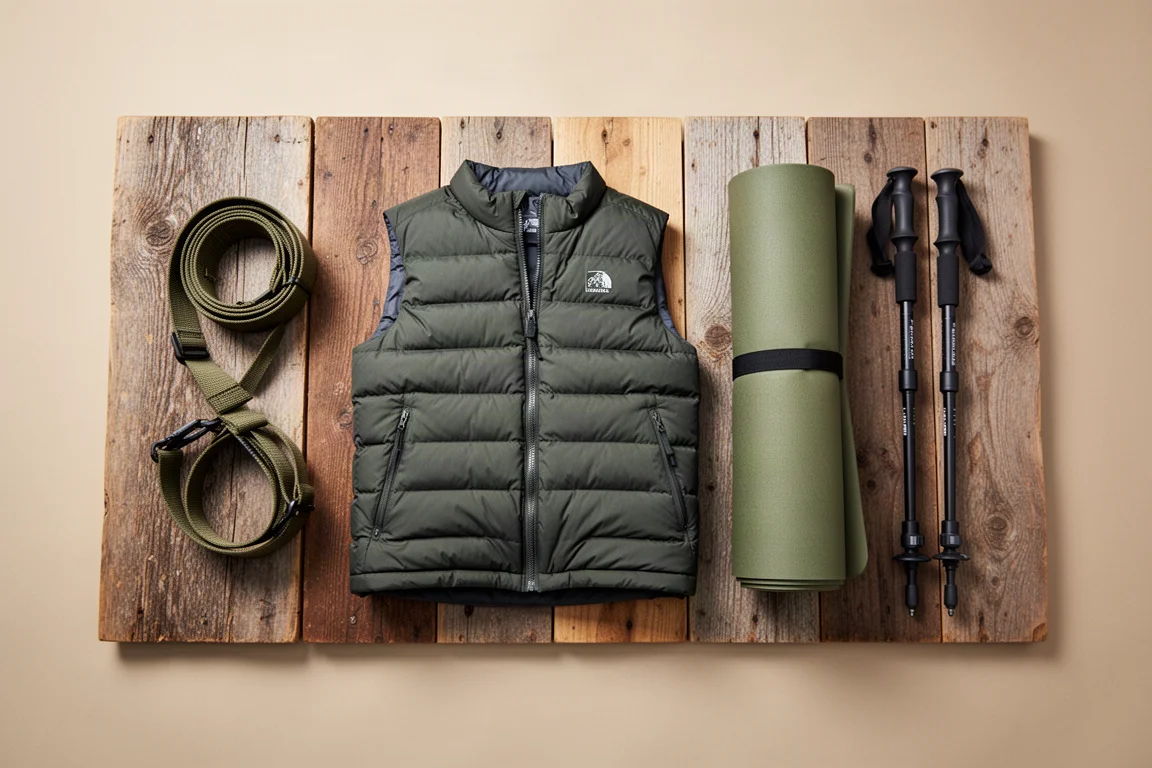
Oro Oro builds heated clothing, and this vest uses batteries to power heating elements built into the garment. The idea is appealing: a slim layer that generates its own warmth instead of relying entirely on bulk.
The trade-off is the same one that applies to any battery-powered product. The charge only lasts so long. For short bursts in the cold, a heated vest can genuinely reduce how much insulation you need to wear. On a longer outing, once the battery is spent, all that remains is the synthetic insulation inside the vest.
That is worth weighing carefully. Insulation works by holding on to the heat your body already produces, and it keeps working for as long as you are wearing it. A heated vest adds heat on top of that, but only while there is power in the cell. The glowing logo on the chest is a nice detail, and the vest remains a reasonable option for people who spend short periods outdoors in cold weather.
Crap Strap: A Gag Gift That Doubles as Leg Day
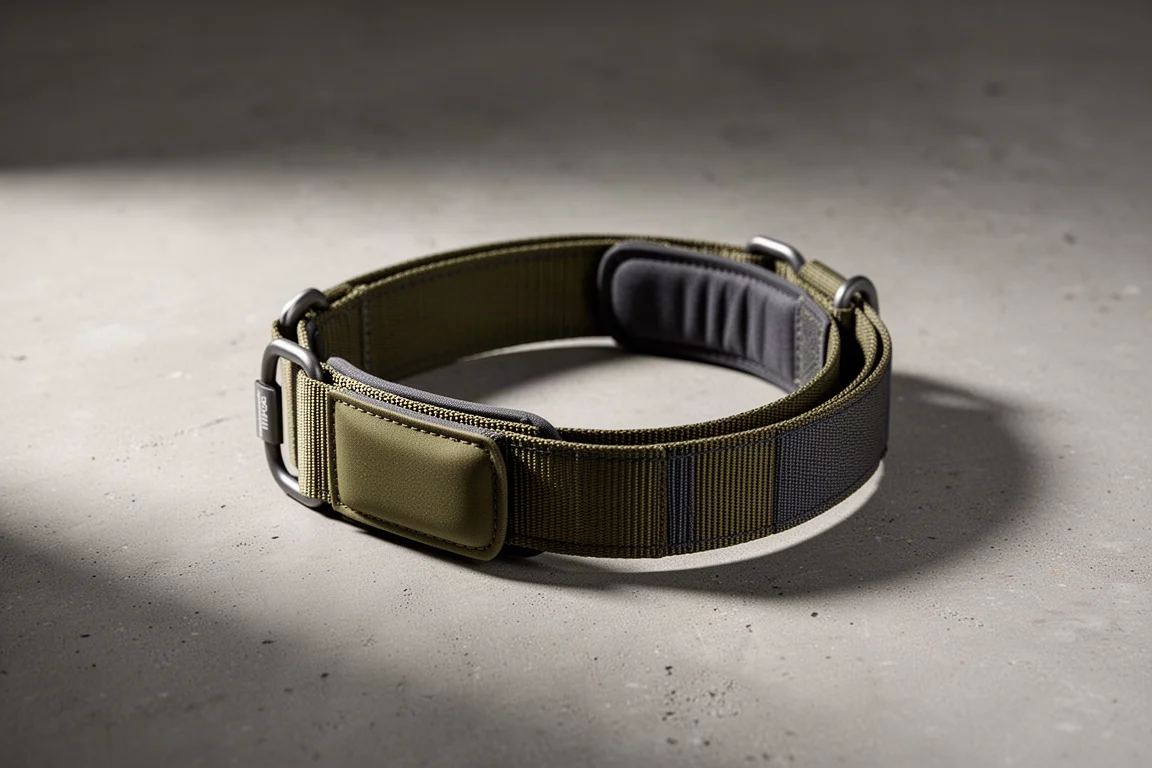
Crap Strap is a backcountry squat support, sold with the line that it is the number one necessity for going number two outdoors. The pitch is memorable, and the product itself is a small strap that helps you hold a stable position when there is no toilet around.
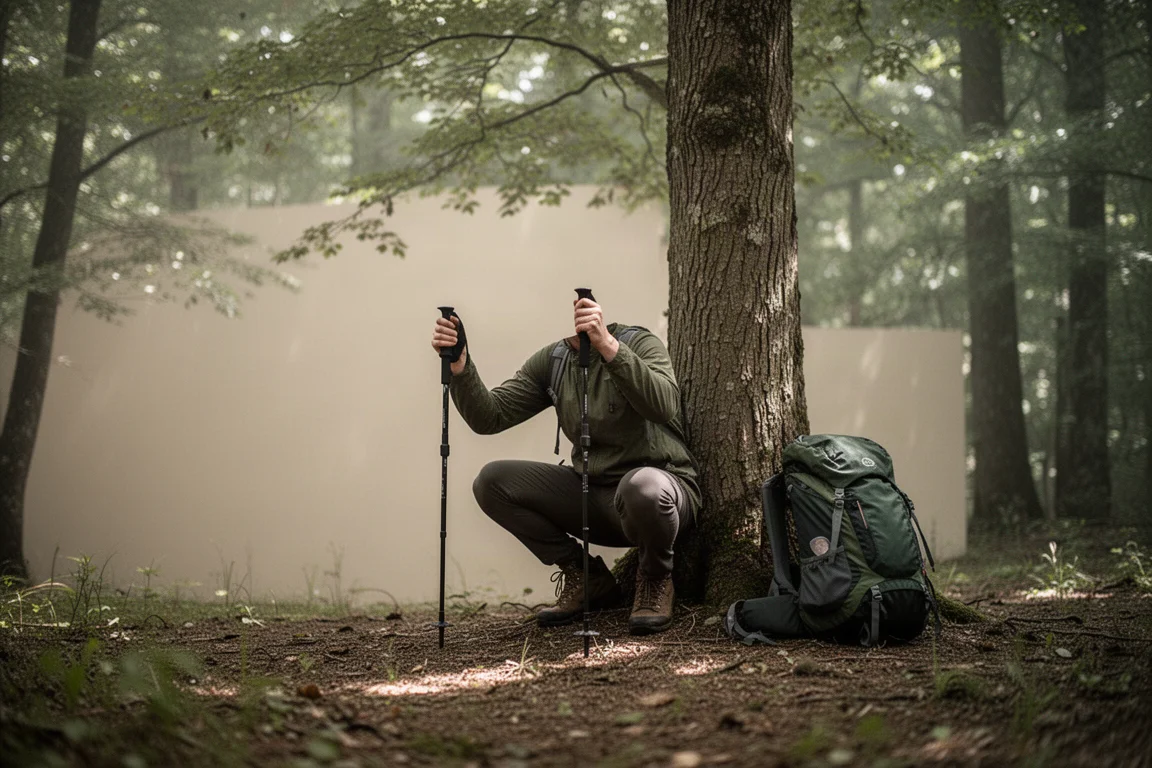
The catch is the position itself. Using the strap means holding a deep squat, and that is a serious workout for the legs. Over repeated use the strain becomes noticeable, and holding the squat is far harder than the more relaxed backcountry position most hikers adopt. Straightening the legs makes the stance much more comfortable, but it also makes the strap considerably less useful for its intended purpose.
At around $50, the value here is mostly in the joke. Crap Strap reads as a novelty gift, the kind a friend buys for a hiking or hunting buddy for a laugh. If that is what you want, it delivers. As a piece of serious outdoor equipment, the money is better spent elsewhere.
Trekkers Friend Hiking Trailer: Clever on Paper, Awkward on the Trail
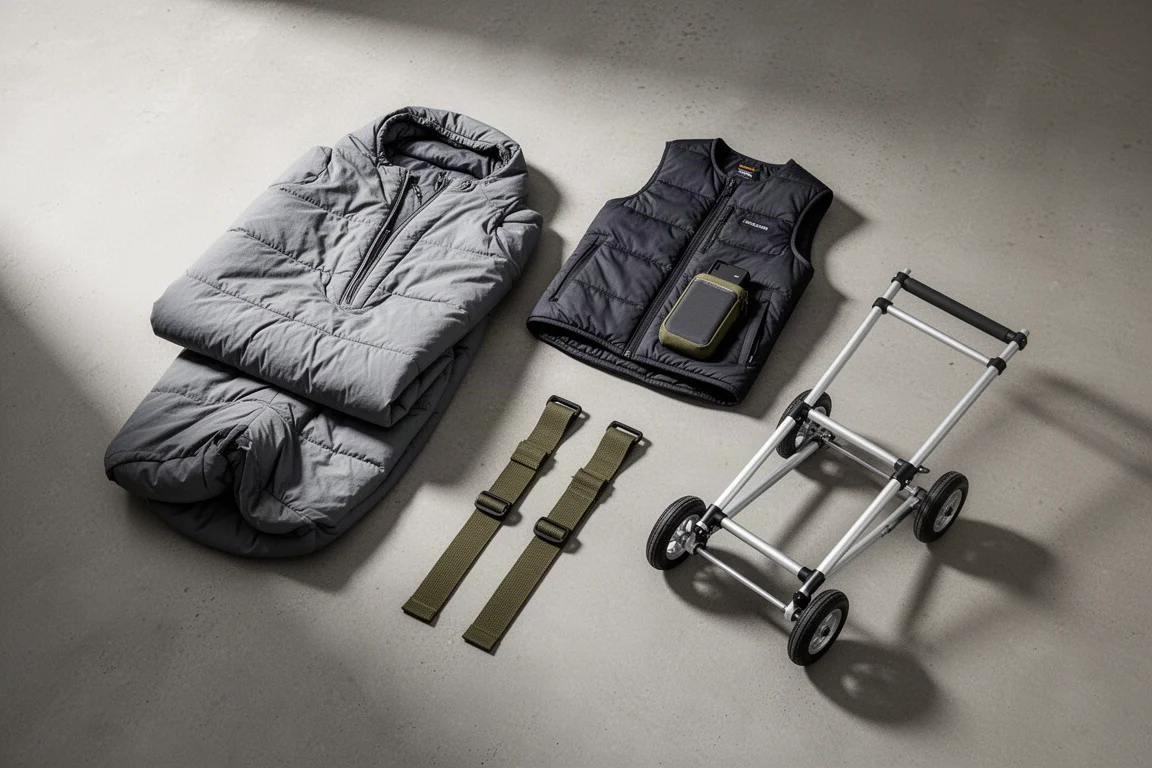
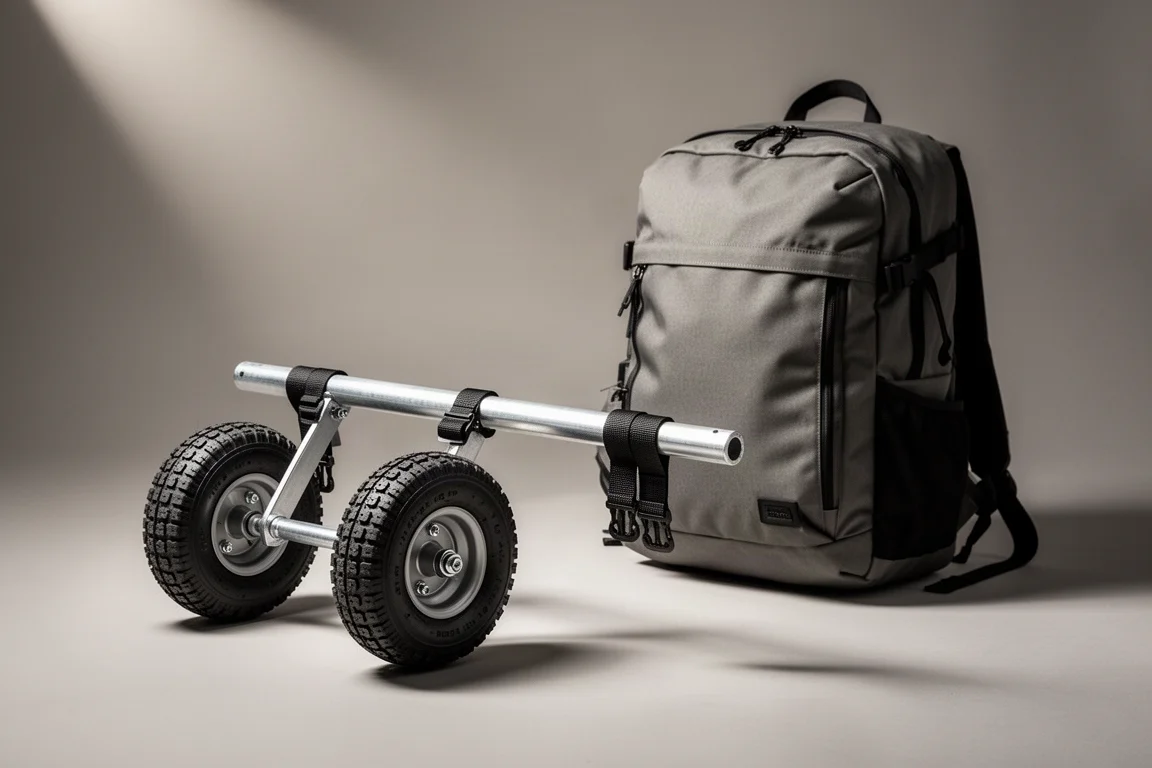
The Trekkers Friend Hiking Trailer is the most interesting idea in this group. It is not a trailer you buy as a complete unit. Instead, it is a set of wheels and an upper frame that attaches to a backpack you already own, with your trekking poles acting as the tongue of the trailer. The same pack can then be carried normally, wheels and all.
On the move it performs better than its odd appearance suggests. It rolled up and over rocks and tree roots, and it handled uphill and downhill sections without much trouble, with only occasional tip-overs on rougher ground. The load transfer is the real selling point: with a pack loaded close to 40 lb, under 8 lb of that weight was riding on the back, with the rest carried by the hips. Going back to carrying the same pack on the shoulders makes the difference obvious.
The problems show up in the details. The rigging is a couple of metal bars held in place with multiple straps, and converting a pack takes several minutes. Once converted, getting in and out of the pack is awkward, turning around on the trail is difficult, and side pockets can rub against the wheels, which are designed to wear through anything that touches them. Wheels are also not permitted in wilderness areas, which rules the trailer out for a large share of hiking terrain. At around $200, it is a fun piece of engineering rather than a practical answer for most backpackers.
Buying Advice: Matching Unusual Gear to Real Trips
Unusual gear is worth buying when the odd feature matches something you actually do. A wearable sleeping bag is a good purchase if your camping happens close to the car. A heated vest is a good purchase if your cold-weather time outdoors comes in short blocks. A squat support is a good purchase if you find the position comfortable and you want a compact aid in the pack. The trailer is the clearest example of a product that needs the right terrain and the right trail rules before it makes sense.
The practical way to decide is to start with the trip, not the product. Ask what the gear replaces, how often you would use it, and what it costs in weight, money, or setup time. Every product in this roundup has a genuine use case. The question is whether that use case describes your trips or somebody else’s.
If a product’s main appeal is that it is funny or strange, treat it as a gift rather than a loadout item, and you are unlikely to be disappointed.
Conclusion
These four products show how wide the camping and backpacking market has become. A wearable sleeping bag, a battery-heated vest, a squat strap, and a backpack trailer each approach outdoor comfort from a different angle, and each comes with a trade-off that matters more than the novelty. Buy the one whose trade-off you can live with, and the strange design becomes a feature rather than a problem.
Further reading
Related Reviews
Camping Gear
3FUL Ultralight Ground Sheet Review: A Two-Person Footprint Worth Packing
A 6.7 oz two-person ground sheet in ripstop silnylon, priced around $30. Here is what it protects, what it does not do, and who should pack it.
Camping Gear
Backcountry Light Dual-Function Tarp and Floor Review: A Footprint First
A dual-purpose tent floor and tarp that keeps falling rain off you, but cannot block wind. Here is where it works and where it does not.
Camping Gear
Best 2-Person Camping Mattresses for Couples: 10 Options Compared
A practical comparison of ten two-person camping mattresses, covering self-inflating pads, air pads and air mattresses for couples.