Running Shoes
Four Running Shoes to Watch: Yay or Nay on Adidas, Mizuno and Saucony
Four new and soon-to-be-released running shoes assessed for what they offer, who they suit, and whether they deserve a spot in your rotation.
Introduction
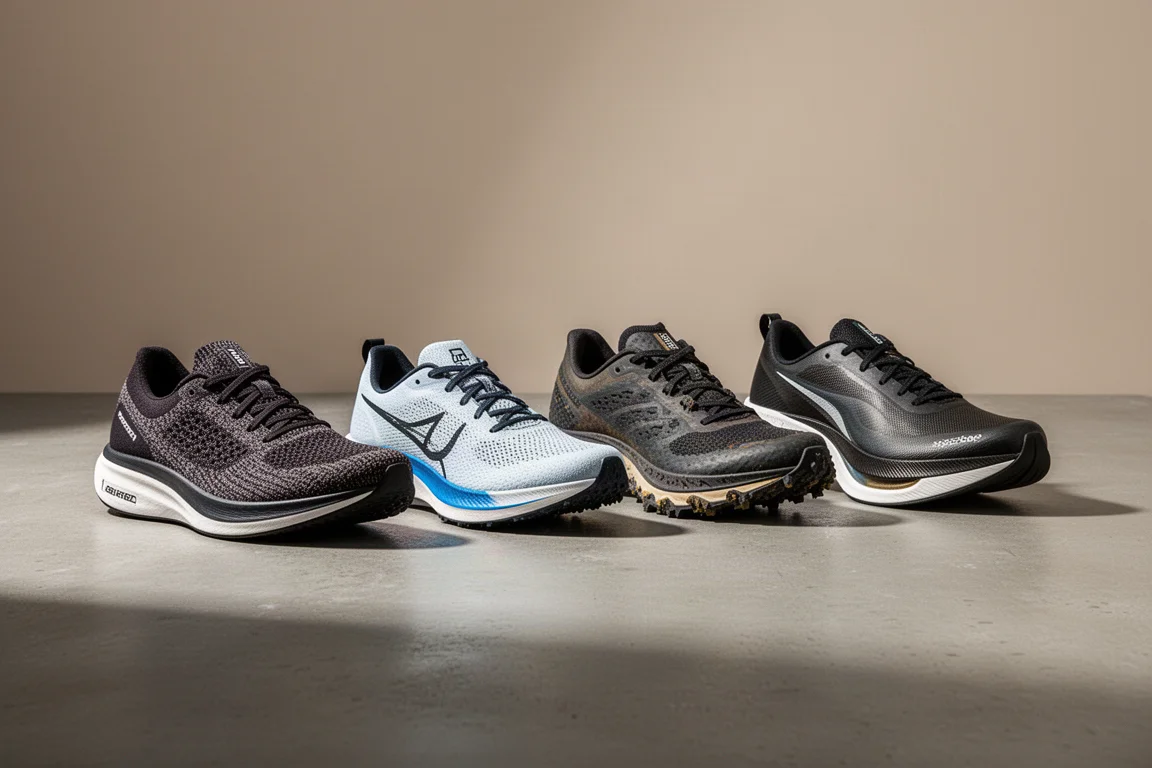
With a fresh wave of new and recently released running shoes arriving, it is time to look closely at four models and decide whether each one earns a yay or a nay. That verdict is not about calling a shoe good or trash. A shoe can only really be judged once it is in hand and on foot, and it may well suit another runner far better than us. Sometimes a model simply does not fit the current marathon rotation. What follows is a practical breakdown of what each shoe brings, who it is actually for, and whether it is worth picking up.
Adidas Ultra Boost 23
The Ultra Boost 23 from Adidas is set to launch in February, and it carries a certain nostalgia. For many runners, an earlier Ultra Boost was the shoe that pulled them back into running after a long break. The last couple of versions, however, have been pretty heavy slabs of foam, losing some of the appeal of earlier editions.
This time things look different, with Adidas opting for a new midsole foam combination called Light Boost. Quite what that means exactly remains to be seen, but the anticipation is that it could bring a lighter feel to a very popular shoe. The Linear Energy Push (LEP) plate remains in the midsole and outsole section, along with the Primeknit Plus upper that has done a good job keeping the foot firmly planted on the midsole. A large portion of the foam cups around the heel, so do not expect a ridiculous stack height, but it creates an extremely stable landing platform, albeit a weighty one.
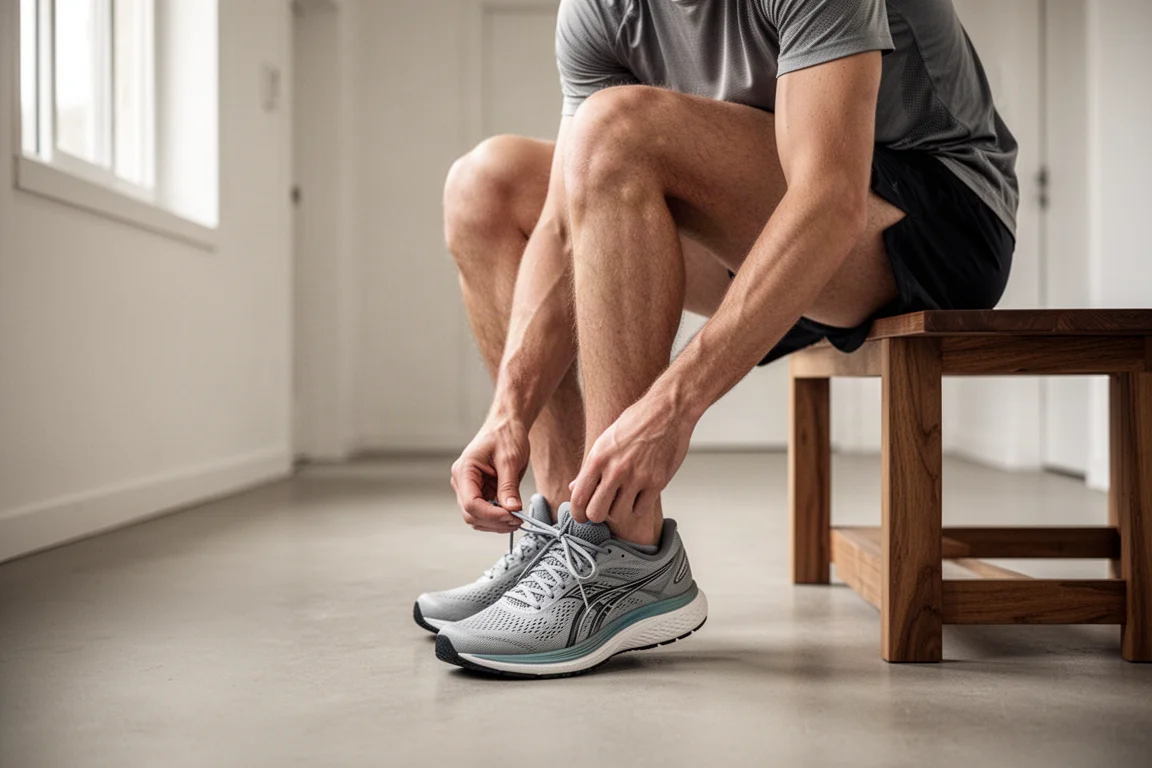
Boost as a material is starting to feel niche as most brands move to lighter, more cushioned foams. The Ultra Boost still rides a fine line between casual use and a genuine running shoe, and the mystery around Light Boost is simply too much to pass on. Verdict: yay.
Mizuno Wave Duel Pro QTR
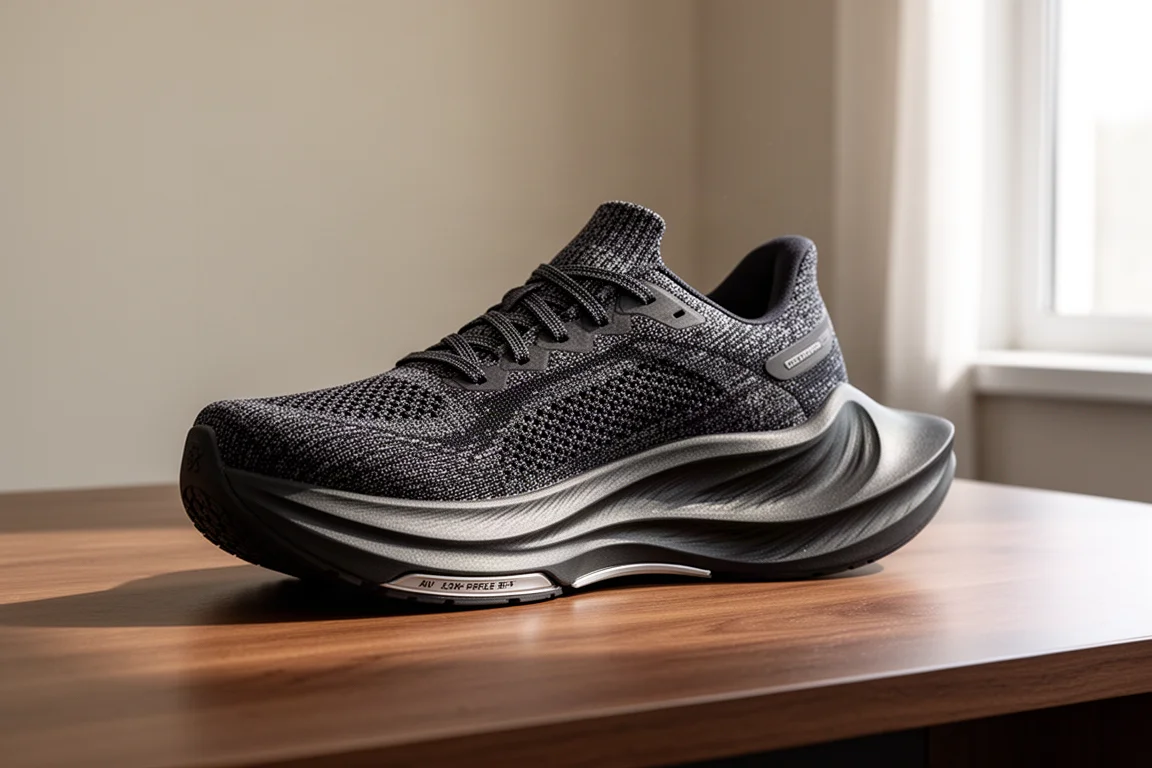
This is one bizarre shoe. Mizuno has been somewhat hit or miss in recent years, sometimes weighty and occasionally a bit confused in design, but the Wave Duel Pro QTR takes the biscuit. It has a very large midfoot stack with a wide base and next to no cushioning in the heel, like a cross between the front end of a Vaporfly and the back end of a pair of running spikes.
The strangest part is that it actually qualifies for track use at events over 800 meters due to the heel stack, and it could technically be used on road and cross country as well, though it is hard to imagine anyone doing that. The foam is Mizuno’s p-back space formula, used to minimize weight and deliver the now industry-standard midsole feel. Reported weight is around 190 grams or 6.7 ounces for a US men’s size nine, which is very reasonable given how little midsole there is to account for.

The outsole grip pattern suggests this is a track-based shoe, perhaps an attempt to maximize foam in the mid to forefoot while staying within heel stack guidelines. It demands a lot of discipline, and only very specific, mid to forefoot runners will get anything from it. Verdict: nay, simply because access to the track is too limited to do it justice.
Saucony Peregrine 13
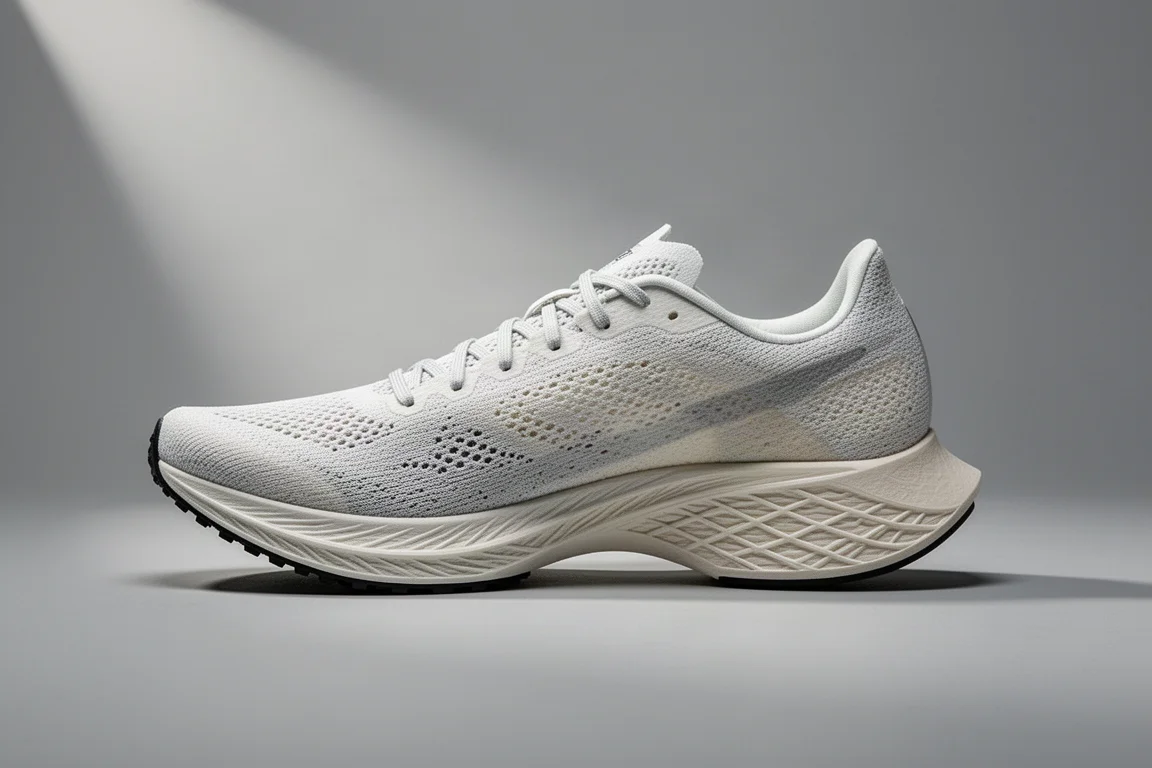
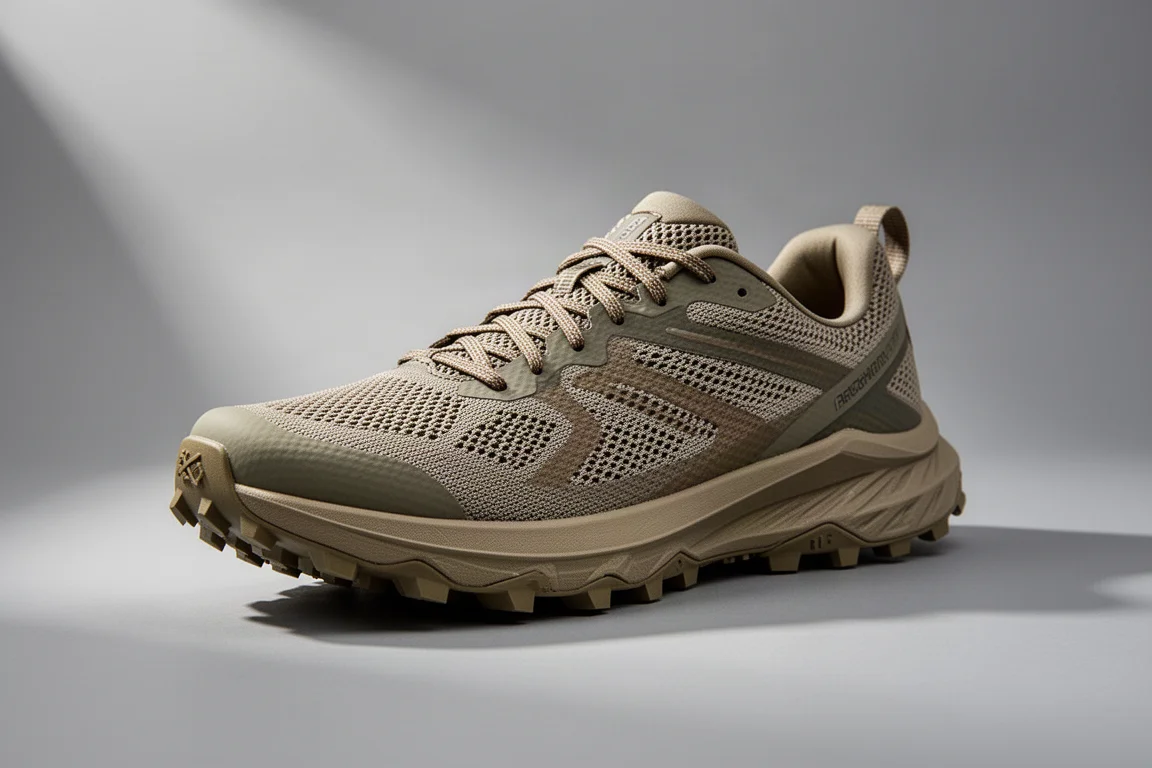
The peregrine falcon can reach almost 200 miles per hour in a dive, which is a fitting namesake for a trail shoe built for speed. The Saucony Peregrine 13, set to launch in February, features a PWRRUN midsole and a trail-based design for the most inhospitable terrain, with a wild PwrTrac outsole offering talon-like grip.

This one looks set to give serious competition to lower-weight trail offerings like the Zoot Kaiju-style fast trail category, combining speed and a nimble feel with the right balance of cushion and protection. A PWRRUN Plus insole is included in the package, and a Gore-Tex GTX version is available for the extremely wet and muddy days when trails are saturated and flooded, which is exactly the kind of weather many runners are facing right now. The serious lugs look a match for local forests and uneven plains.
For anyone burned by an unstable trail shoe in the past, the Peregrine 13 looks like a confident way to get back out there underfoot, and the timing is perfect for harsh winter conditions. The GTX version is probably the better bet for wet climates. Verdict: yay, and probably the GTX version.
Saucony Endorphin Elite
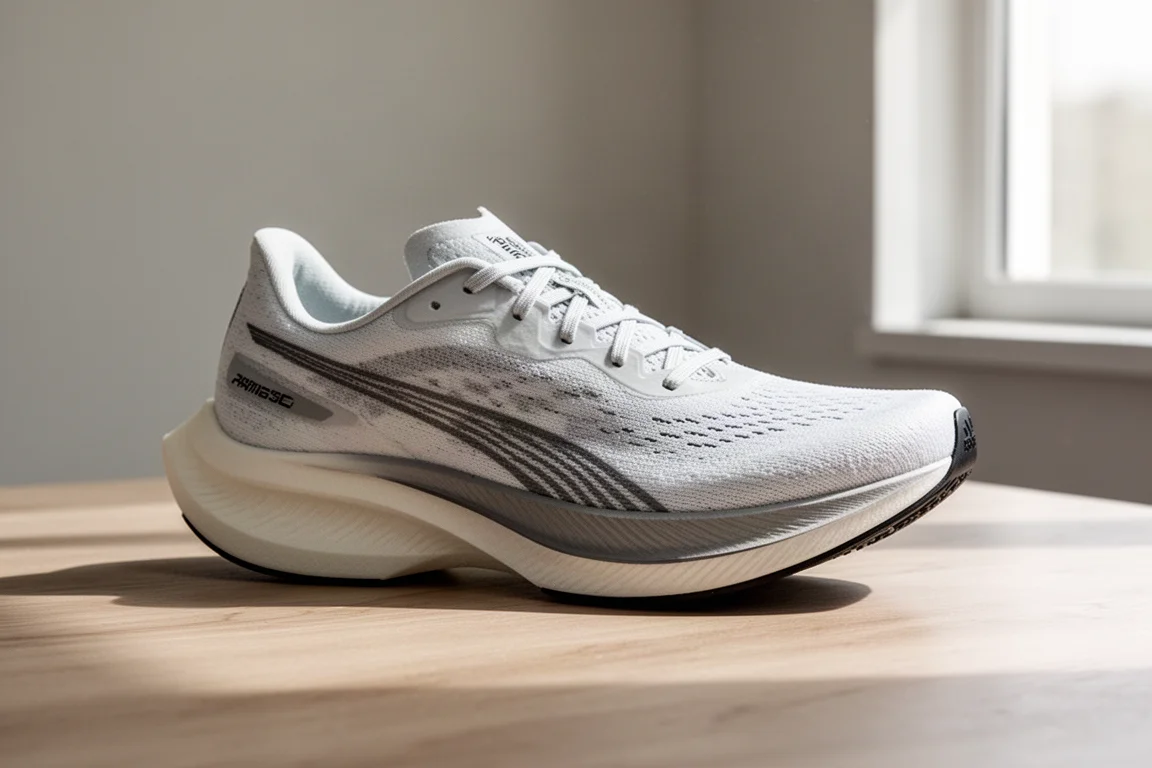
The Endorphin Elite finally has official information, and it dispels a few myths. Saucony states a 40 mm heel stack, 32 mm in the forefoot for roughly an 8 mm drop, and just 204 grams in the men’s sample size, making it a race-legal shoe. That does raise a question, though: where does it leave the Endorphin Pro 3, previously Saucony’s supreme marathon shoe? With a super light upper, this could almost be a replacement.
The shoe uses a 4K-style carbon plate that is split in the forefoot into two big sections, sandwiching PWRRUN HG foam. That foam apparently offers more rebound, and there is a PWRRUN PB insole included as well. Underfoot, it looks closer to ZoomX than anything Saucony has made before, so expect something similar to Nike’s feel.

The price, however, is the sticking point. The Endorphin Pro 3 currently retails at a standard price of £210, while the Endorphin Elite is listed as coming soon for £280, a £70 hike. That puts it above the Alphafly Next% 2 in cost, and at a time when budgets are tight, it is probably only elite runners who will consider it. Three or four other shoes could be had for the price of this one, which makes plenty of other models seem almost sensible. Verdict: a definite maybe, keen only if a test opportunity arises.
Buying Advice
These four shoes serve wildly different purposes. The Ultra Boost 23 is the lifestyle-friendly daily trainer with a new foam story worth watching. The Mizuno Wave Duel Pro QTR is a niche track weapon for mid to forefoot specialists only. The Peregrine 13, especially the GTX version, is the sensible pick for wet winter trail running. And the Endorphin Elite is a race-day super shoe for those with elite ambitions and an elite budget.
Conclusion
Three yays and a nay, with one maybe lurking among them. The right tool matters for the right runner, and no shoe is a one-size-fits-all solution. If any of these match your actual running needs rather than the hype, they are worth a closer look.
Further reading
Related Reviews

Running Shoes
Best Road-to-Trail Running Shoes: Three Versatile Options for Mixed Terrain
A practical guide to three road-to-trail running shoes that handle both pavement and mild trails, with clear strengths and trade-offs for different runner types.

Running Shoes
Best Running Shoes for Achilles Tendonitis: Three Options Explained
Three running shoes with different heel drops and support features designed to help reduce Achilles tendon pain during walking and running.

Running Shoes
Best Running Shoes for Women: Five Top Choices Ranked
A ranked guide to five women's running shoes, from versatile daily trainers to high-performance racing options, with real strengths and trade-offs for each.