Running Shoes
Four New Running Shoes Worth Watching: Yays and Nays From a Shoe Enthusiast
A first-look take on the Saucony Sinister, Nike Spark Flyknit, Nike Pegasus 39 FlyEase, and Hoka Tecton X, with honest verdicts on which ones deserve a spot in your rotation.
Introduction
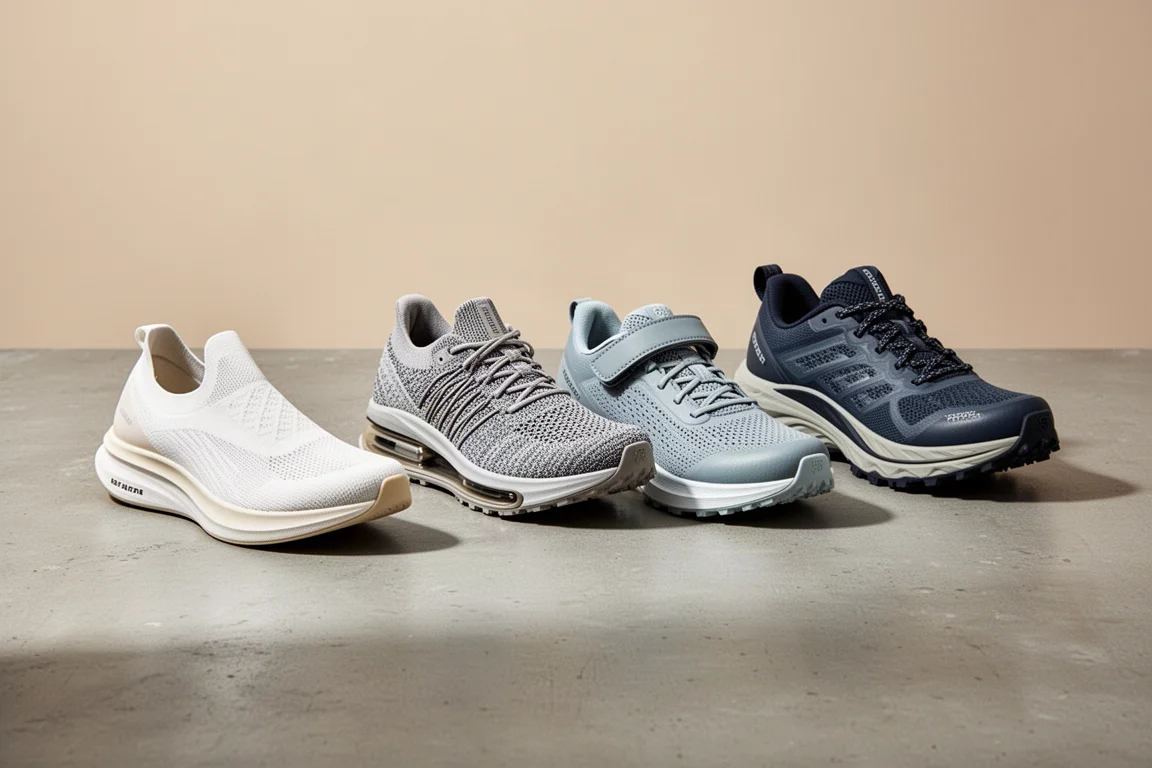
There is always a fresh batch of running shoes circling the rumor mill, and this time four models stood out enough to deserve a closer look. The lineup covers the short and fast with the Saucony Sinister, the experimental with the Nike Spark Flyknit, the accessible with the Nike Pegasus 39 FlyEase, and the trail-focused Hoka Tecton X. These are early impressions based on what can be seen so far, not full on-foot verdicts, but each shoe earns either a yes or a no in terms of whether it is worth picking up when it lands.
Saucony Sinister
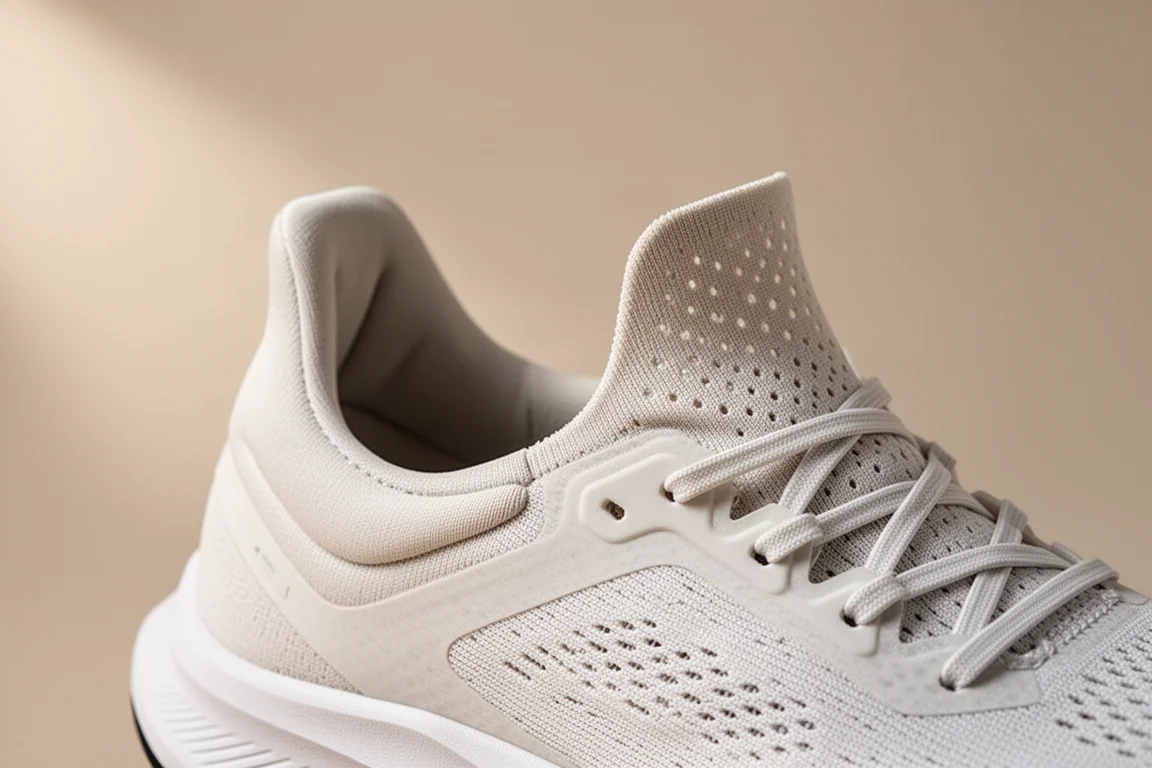
The Saucony Sinister appears to be an attempt to refresh the 5K to 10K entry point for the brand. It borrows heavily from the New Balance FuelCell Rebel v1 playbook, with what looks like a super floppy, jellyfish-like heel area and a very minimal wrap of material over the top of the foot. The stretchy tongue is generously perforated, and the overall look screams local fast 5K racer.
Based on the visible foam, the shoe appears to use Saucony’s PWRRUN PB midsole with a simple, stripped-back outsole. The big question is whether it can trouble the Endorphin Speed 8, a shoe that keeps improving with each generation. That will take some doing, and with very little concrete information available beyond a few pictures, this one remains a future trial rather than an immediate purchase. Still, it earns a yes in principle, purely on the promise of what it could be.
Nike Spark Flyknit
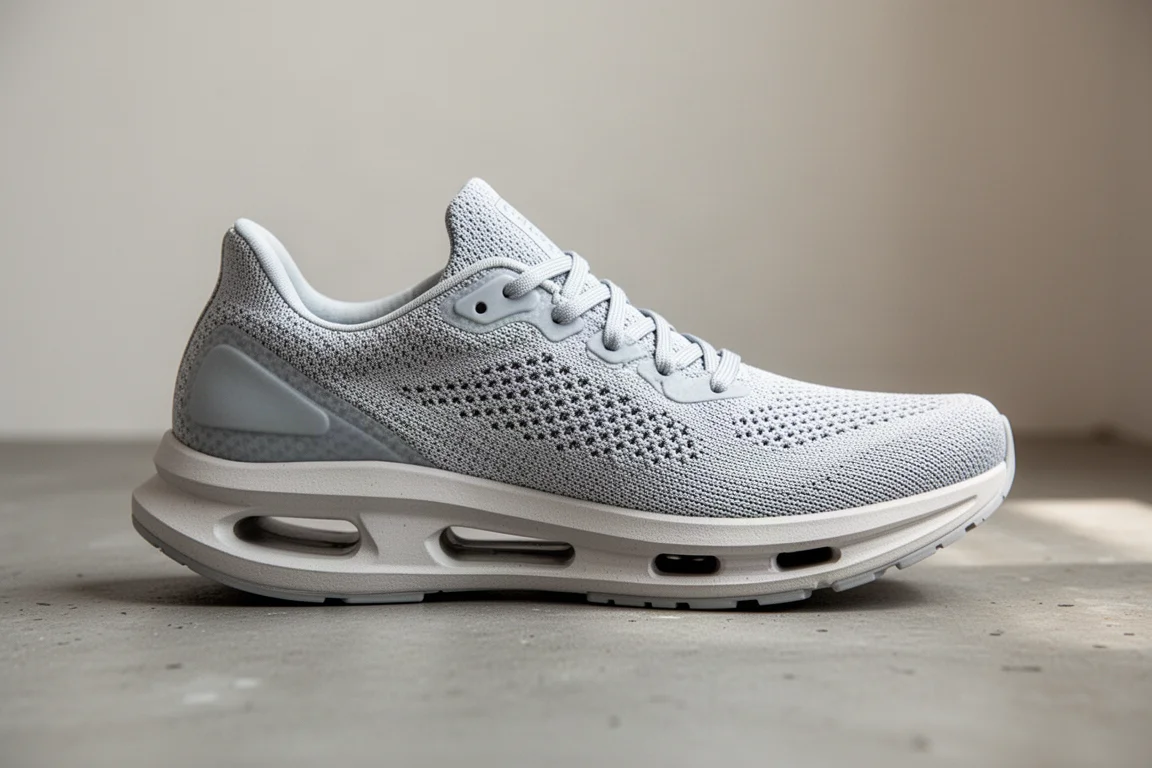
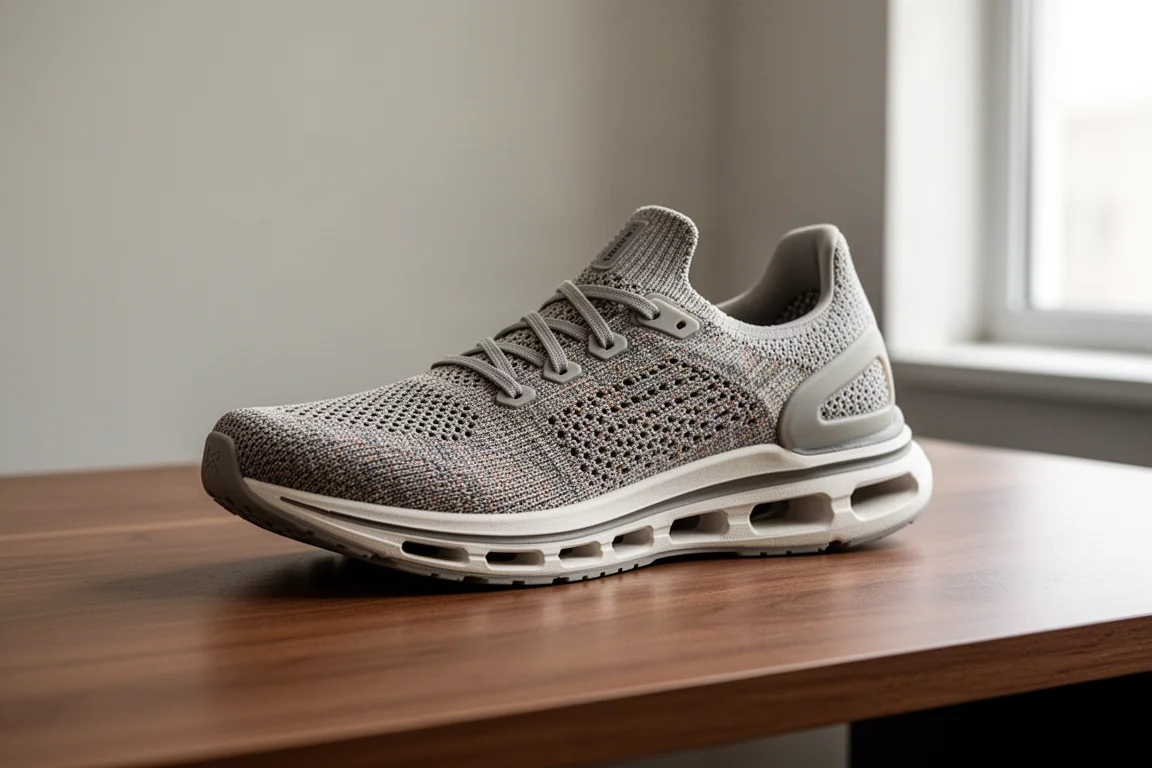
The Nike Spark Flyknit is an interesting one, and it teases design ideas that look set to carry over to the Zoom Fly 5. There appear to be two very separate midsole sections, one on top and one as a bottom layer, with an added plate, likely a PEBAX plate, providing rigidity, stability, and torsional support. The Flyknit upper will excite plenty of shoe enthusiasts, though the exposed plate and a nearly Presto-like heel may put some runners off.
It is hard to tell which foams are in play just from pictures. The midsole cutouts along the front section look very similar to early images of the Zoom Fly 5, and the materials appear different from what Nike uses in its current daily lineup. Hopefully the midsole is something livelier rather than another round of React, which would not seem like a great partner for this construction. The Spark Flyknit looks set to drop later in the year, and the final call needs more information about the midsole materials. That makes this one a tentative yes, with reservations.
Nike Pegasus 39 FlyEase
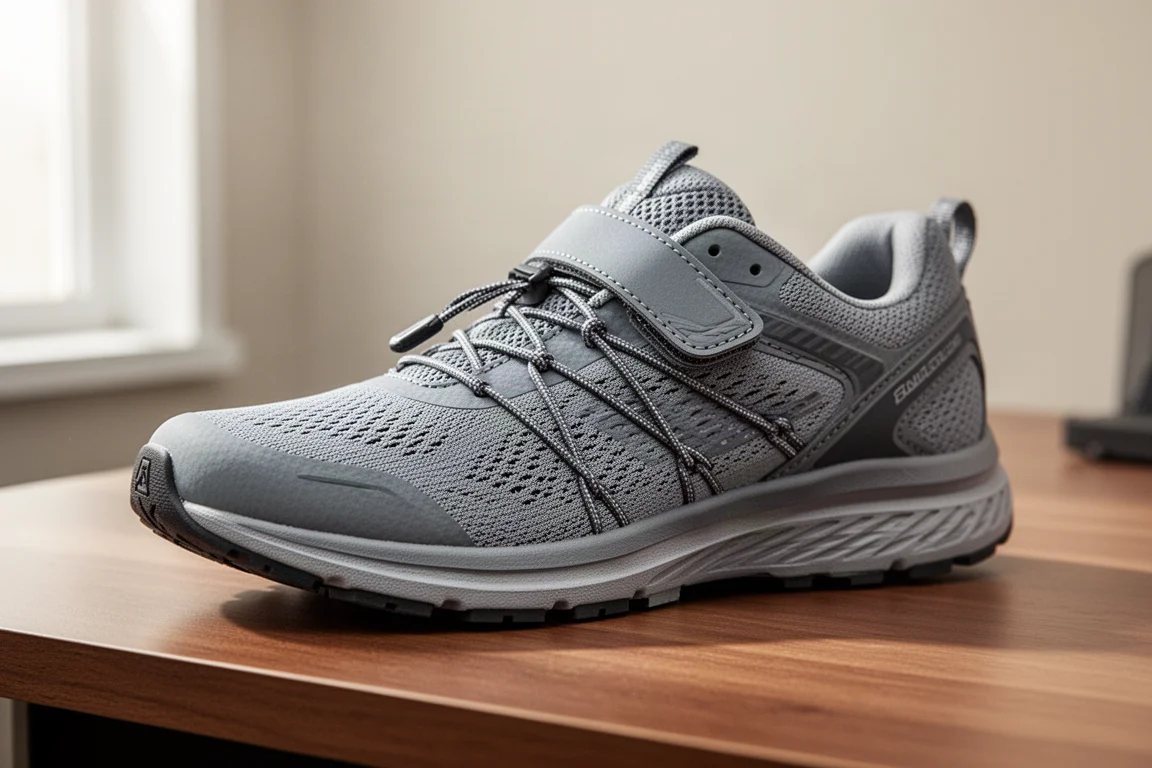
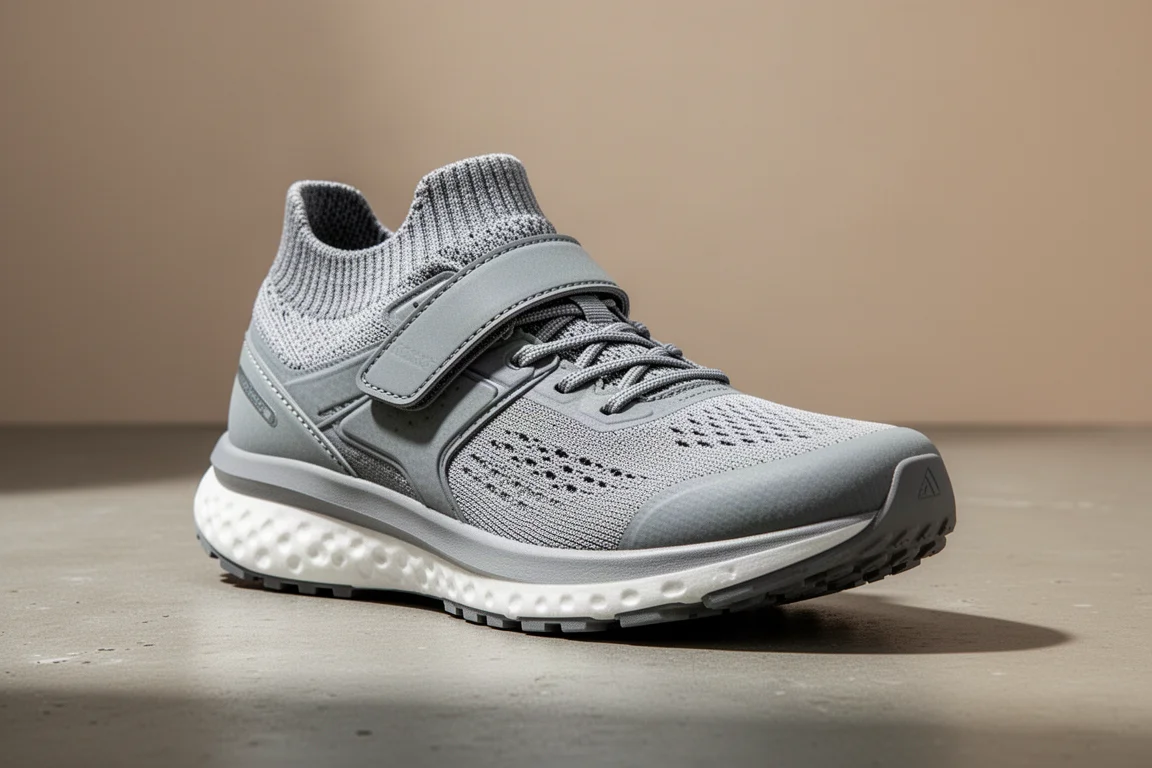
It is good to see Nike release a FlyEase version of the Pegasus 39 right away rather than years down the line. This version brings a more sock-like fit in the upper, where the tongue links with the sides of the upper and brings them together, leaving the FlyEase tab as a simple single fastening with no zips needed this time. Flywire lacing cables provide grip and lockdown, paired with a lateral velcro strap.
Otherwise, the midsole and outsole appear to be exactly as per the standard Pegasus 39. Nike has repositioned the logo so it runs straight across the toe box, which arguably looks a little better than the standard version. For anyone who does not specifically need the step-in accessibility, the standard Pegasus 39 remains the more sensible pick. But as a quick implementation of an accessible model that will help loads of runners get out and log miles, this one deserves a big yes.
Hoka Tecton X
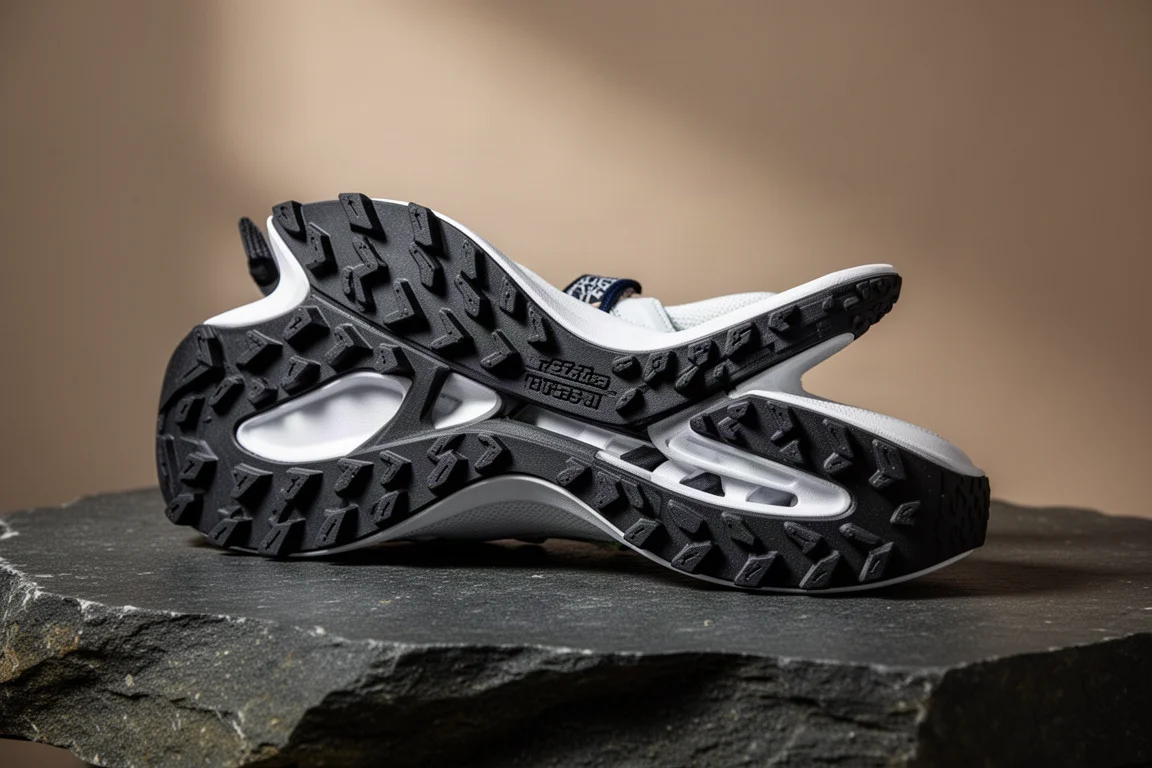
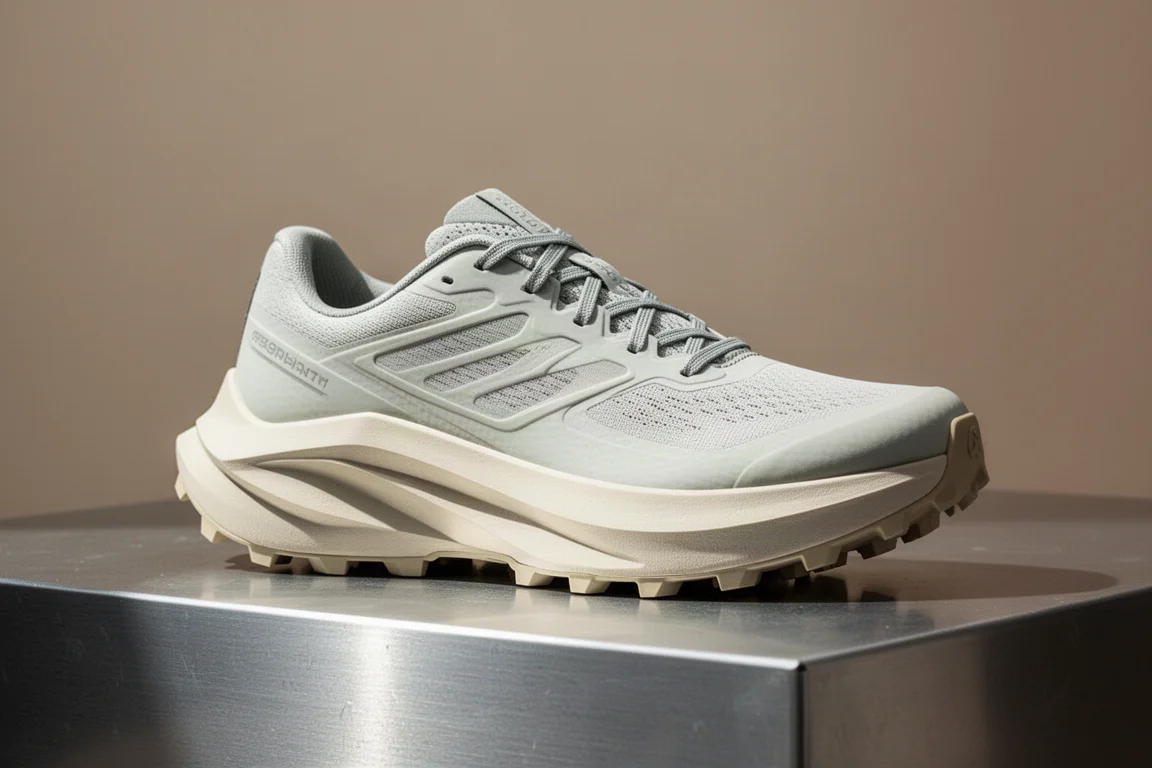
The Hoka Tecton X is a trail offering that is lighter than the brand’s classic Speedgoat, and the headline feature is not one but two plates within the midsole. Double plate setups have been rare, previously seen only in shoes like the Adidas Boston 10 with its heel plate and energy rods. Hoka pairs the plates with a sandwich of foams: a softer PROFLY X layer under the foot and a firmer base layer lower down. There is also an updated upper design that could help with the odd bunching issues that some runners have experienced with recent Hoka uppers.
The trouble is the value equation. Plenty of early commentary questions whether double plates are really needed in a trail shoe, and this is a long-distance, expensive proposition. Unless you are tackling ultras, it is a niche interest shoe and a big gamble. That makes it a no for most runners, though it should be dropping soon, so keep an eye on it if ultra distances are your thing.

Overall Buying Advice
If you are after a fast short-distance racer, the Saucony Sinister is the one to watch, with the caveat that more details should emerge before it launches. The Nike Spark Flyknit is the wildcard: intriguing design, but the midsole materials remain unconfirmed, so waiting for more information is the sensible move. Runners who benefit from easier entry will find a real reason to buy in the Pegasus 39 FlyEase, which adds accessibility without changing the trusted Pegasus formula. The Hoka Tecton X only makes sense for serious trail runners covering long distances and willing to pay for a premium platform.
Conclusion
Three of these four earn a yes in some form: the Sinister on potential, the Spark Flyknit with reservations, and the Pegasus 39 FlyEase on the strength of its accessibility design. The Tecton X gets a no for most runners, simply because its price and niche positioning ask too much unless ultra trail running is your regular reality. Whichever way you lean, all four show the category still pushing forward.
Further reading
Related Reviews

Running Shoes
Best Road-to-Trail Running Shoes: Three Versatile Options for Mixed Terrain
A practical guide to three road-to-trail running shoes that handle both pavement and mild trails, with clear strengths and trade-offs for different runner types.

Running Shoes
Best Running Shoes for Achilles Tendonitis: Three Options Explained
Three running shoes with different heel drops and support features designed to help reduce Achilles tendon pain during walking and running.

Running Shoes
Best Running Shoes for Women: Five Top Choices Ranked
A ranked guide to five women's running shoes, from versatile daily trainers to high-performance racing options, with real strengths and trade-offs for each.