Running Shoes
Four New Running Shoes Under the Microscope: SC Elite v5, Mach X3, More v6 and Hyperion 3
A close look at four recently released running shoes, with honest notes on where each one impresses and where rivals offer more for less.
Introduction
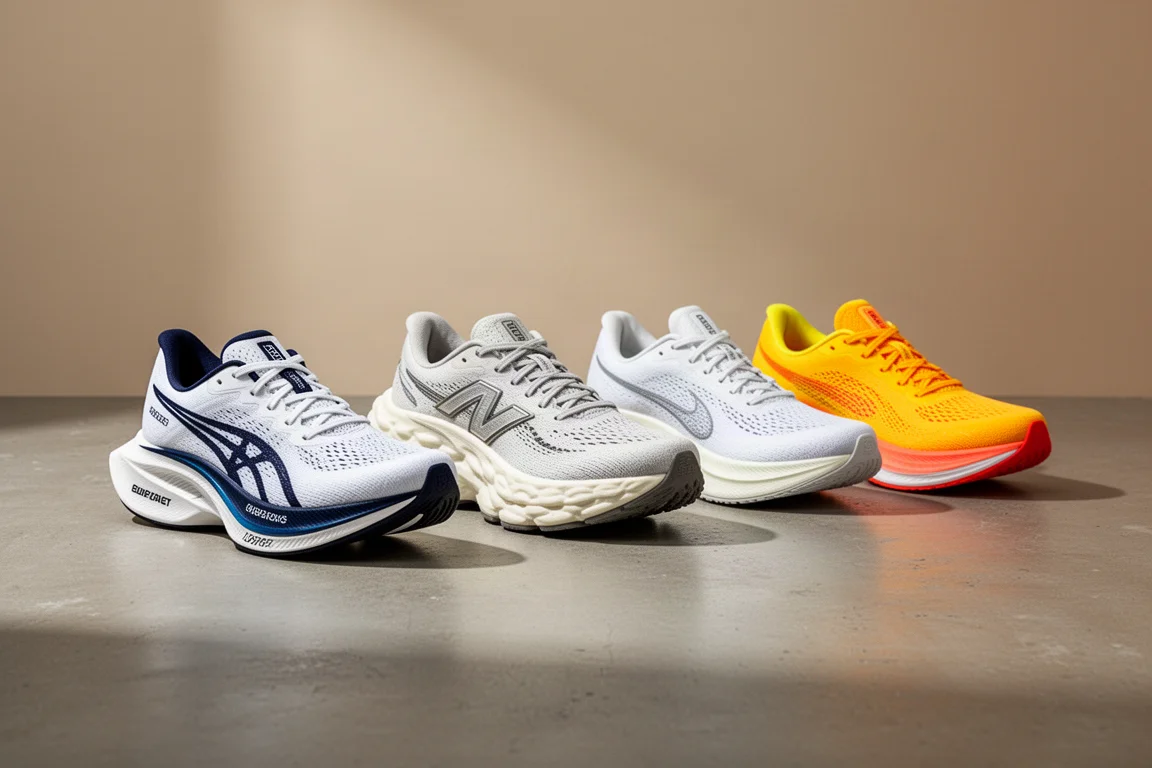
Four recent releases, four shoes that sparked the same question: do they earn a place in the rotation? This roundup looks at the New Balance FuelCell SC Elite v5, the Hoka Mach X3, the New Balance Fresh Foam X More v6 and the Brooks Hyperion 3, judging each one on what it changes over its predecessor, how it stacks up against the competition, and whether the asking price makes sense.
The short answer for all four this time around is a cautious pass, but every one of them is interesting in its own way, and some will still suit specific runners well. Here is the full breakdown.
New Balance FuelCell SC Elite v5
The SC Elite v5 carries a 40mm stack with a classic racing 8mm drop, a carbon plate, and nitrogen-infused PEBA foam in the midsole. By now, that is essentially the expected recipe for a super shoe, so the real question is what New Balance has actually changed.
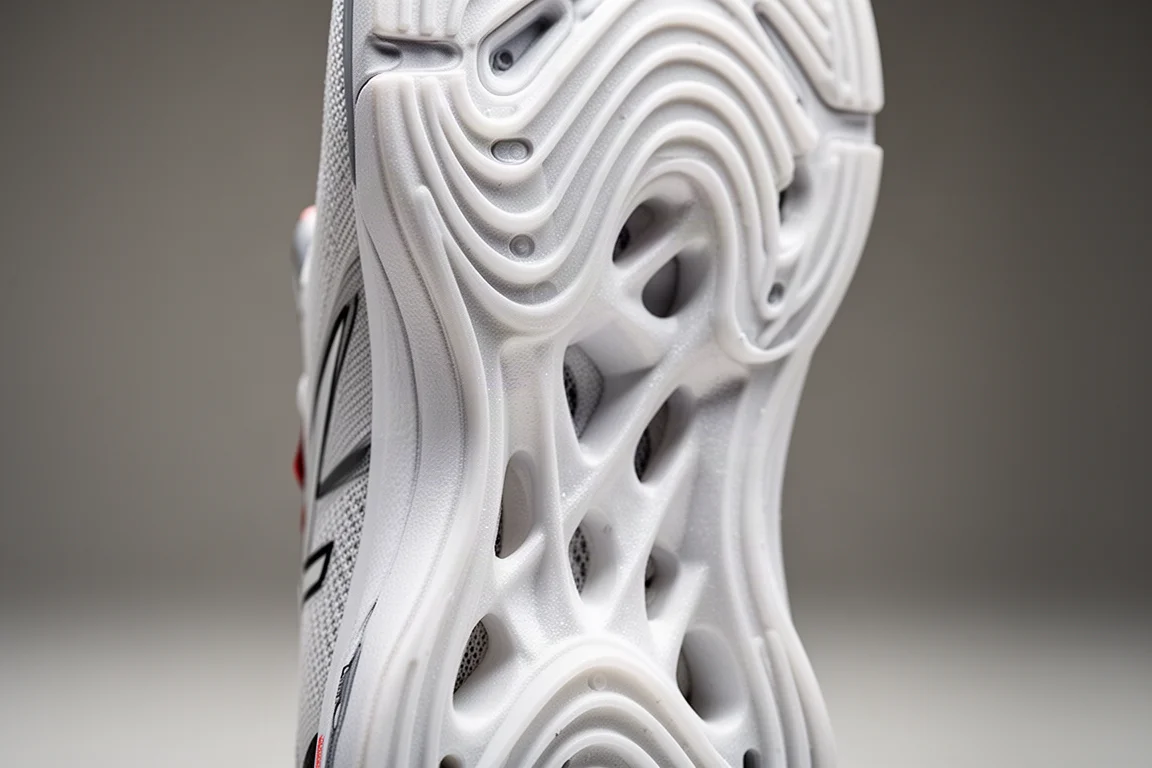
The improvements are real. The outsole lug depth has been refined to a very specific 1.7mm, and the midsole void technology carries over from earlier versions, where sections of foam are cut away from the underside to create a lower-weight, trampoline-like sensation. You ride suspended on that top layer of foam, and the hollow space underneath adds a distinctly bouncy feel. This version is also lighter: 215g for the sample size, down from roughly 230g on the v4.
The problem is price. At £260, this shoe costs more than the ASICS Meta Speed Sky Tokyo and Edge Tokyo, and far more than the Adidas Adizero Adios Pro 4, which can now often be found at discounts approaching £80 below this price. It sits at the same level as the Puma Fast-R3, currently the benchmark in this category, while offering less obvious value than alternatives like the Puma Deviate Nitro Elite 3, which comes in under £200. Unless you are specifically drawn to the midsole void feel, plenty of 40mm racers with similar weight cost considerably less.
Hoka Mach X3
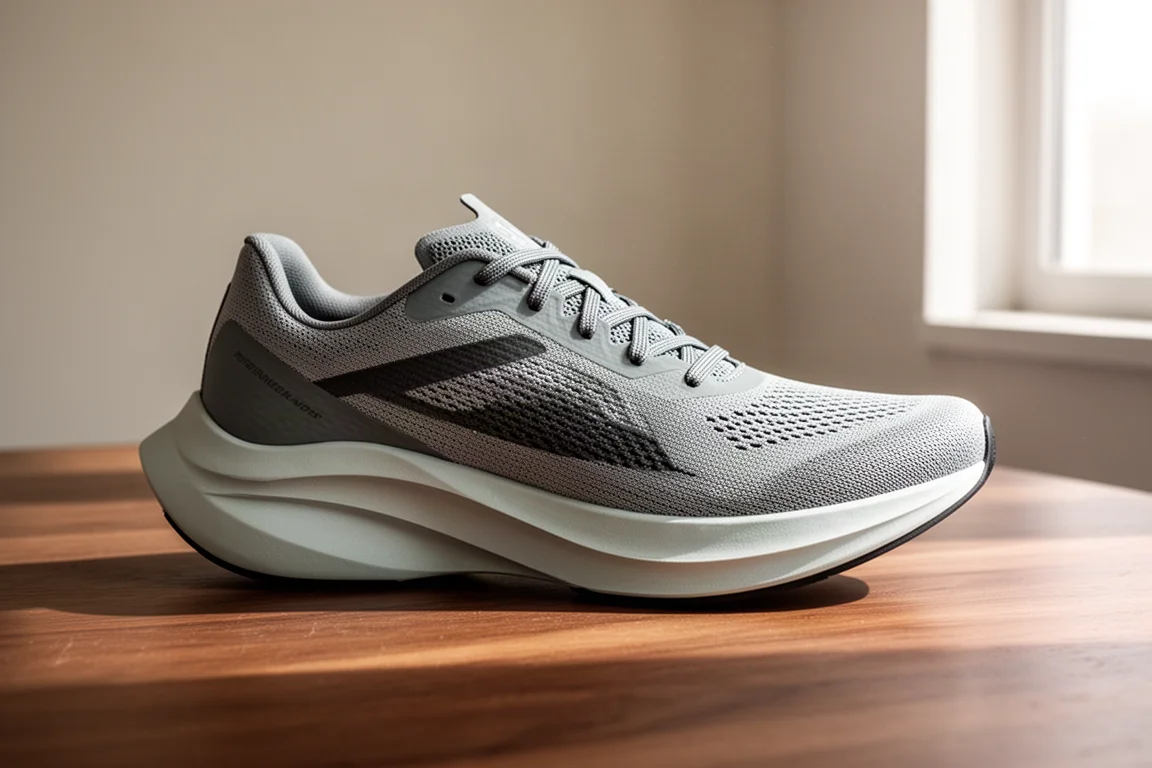
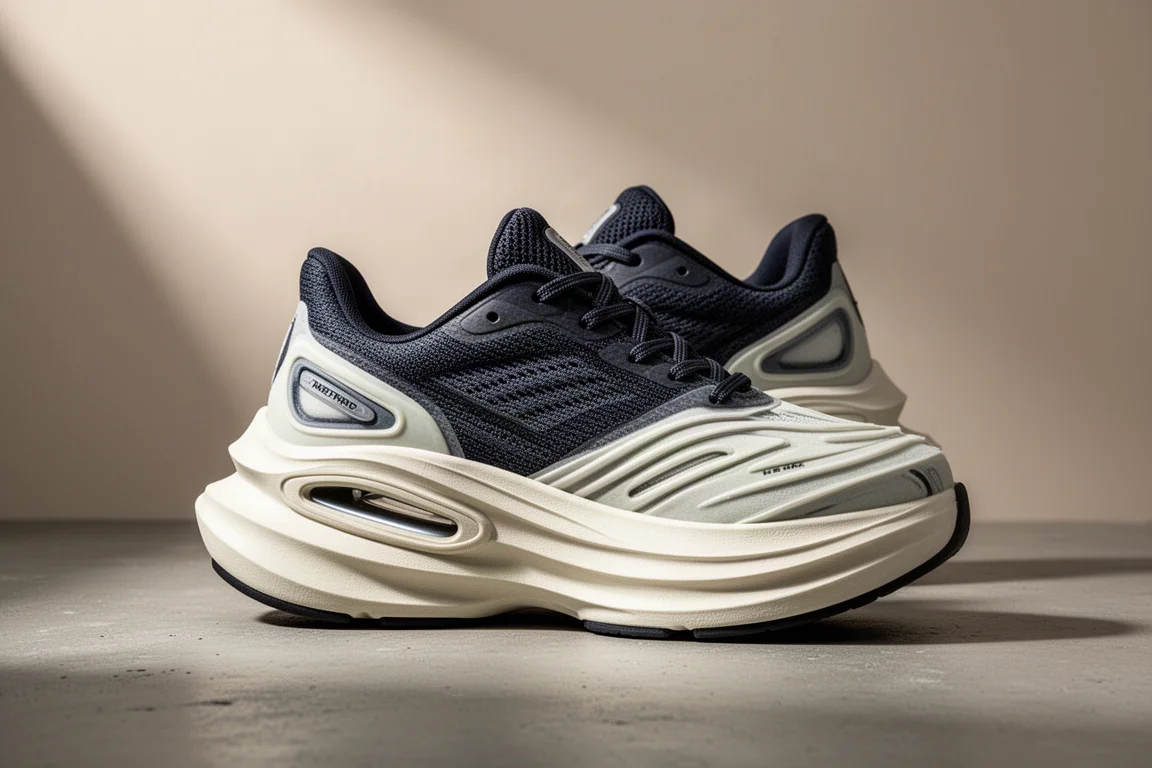
The Mach X3 is Hoka’s new take on the speedy, nimble plated tempo trainer, priced at $170. At that level, it has to be better than the Saucony Endorphin Speed 5, which has been one of the standout tempo shoes of the year, and that is a high bar.
The outsole and midsole look very similar to the v2: a top layer of PEBA foam over a more durable EVA bottom layer. The plate is also a PEBA blend, a material that can be engineered into more rigid, plastic-like structures, bringing inherent durability and stiffness to the design. The upper and heel section have changed, with a slightly plusher feel than before.
Here is where the momentum stalls. The heel stack is 44mm, likely with a 5mm drop as per the last version, and the considerable heel rocker has always made stack measurements for this shoe a little confusing. More importantly, the weight has moved in the wrong direction: the v2 was around 260g, and this one is 288g. For a shoe designed for faster running, an ounce of extra weight without a clear corresponding benefit is hard to justify. If you loved the v2, it is worth trying, but this does not feel like a generational step forward.
New Balance Fresh Foam X More v6
The Fresh Foam X More v6 is the shoe many readers keep asking to see tested, and New Balance’s own positioning words are soft, stable, and reliable: a shoe built to absorb the miles without any unstable sensations in the heel. That is a clear and honest brief.
The hesitation comes from experience with Fresh Foam shoes over the years. The foam is cushioned but on the dense side, and it has rarely been the most fun to run in. New Balance uppers have also been hit-or-miss, although the Rebel v5’s much improved upper this year offers a glimmer of hope for the brand’s direction.
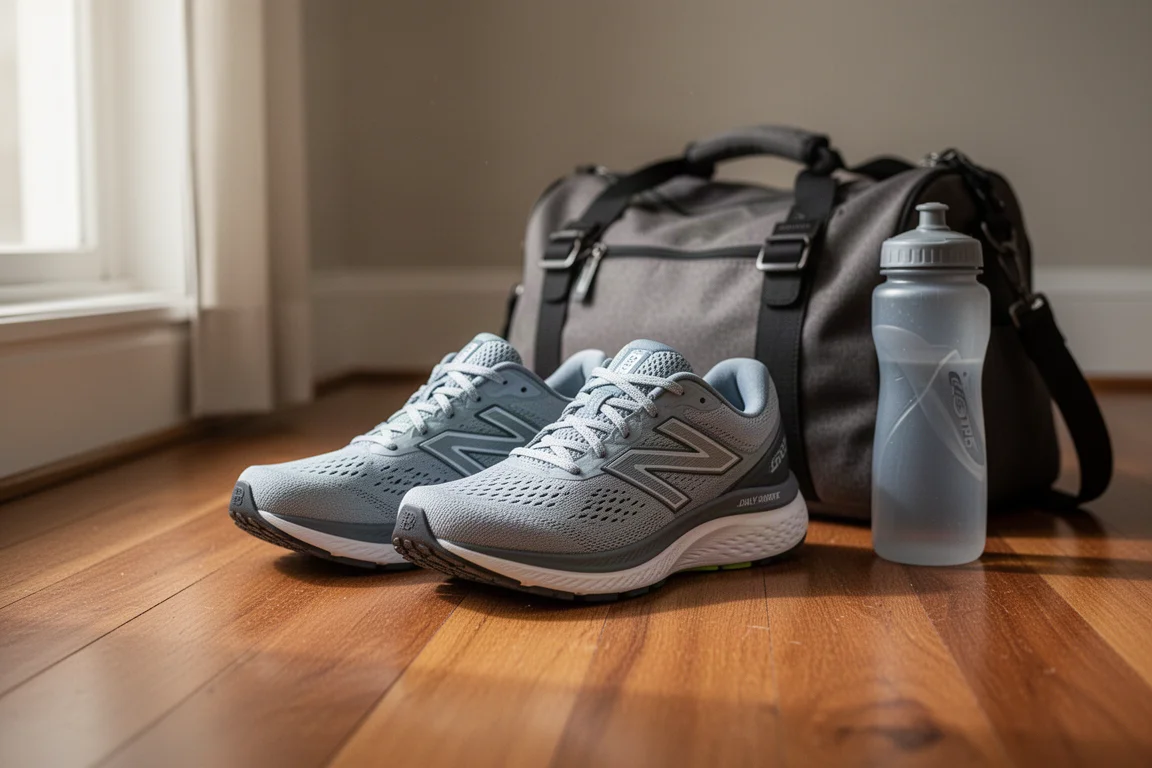
The v6 has also picked up a small amount of weight, from 303g to 308g. That is almost inconsequential in isolation, but combined with only subtle changes over recent versions, it does not give a strong reason to jump in immediately. There are many lighter models in this space, and waiting for more in-depth comparisons between the v5 and v6 is a reasonable strategy. If you want maximum cushion and stability and are not chasing weight, it remains a sensible option.
Brooks Hyperion 3
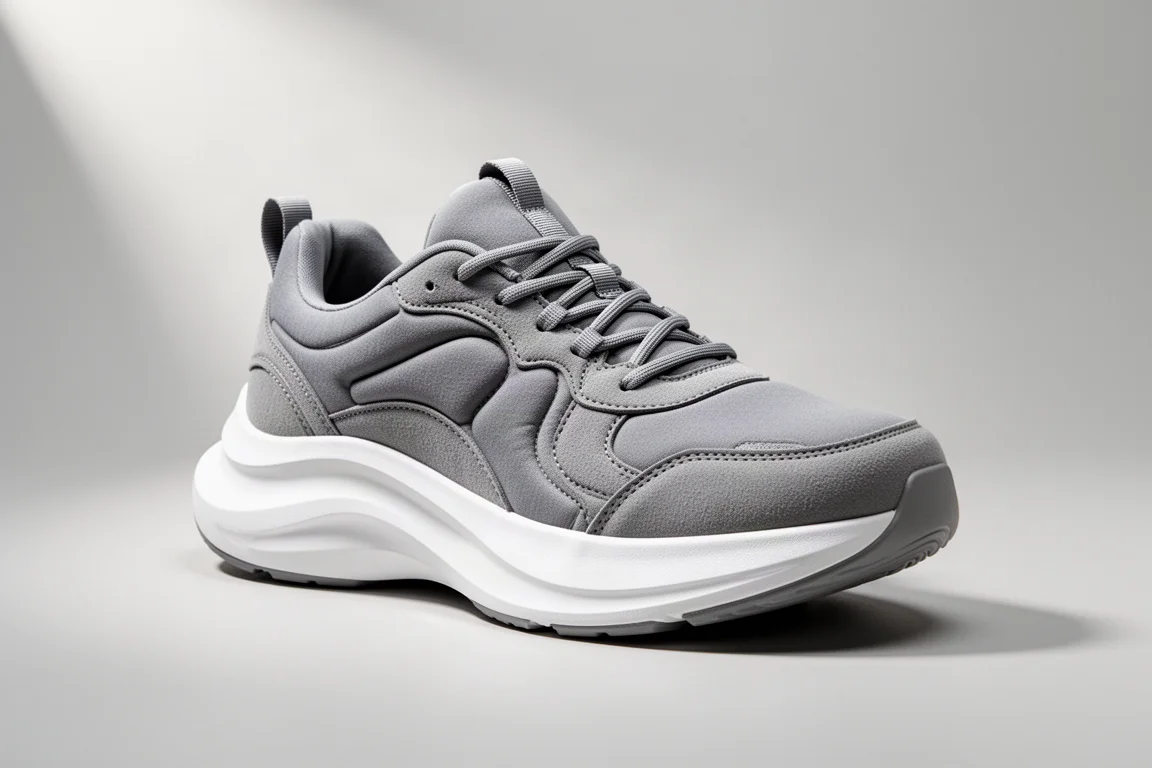
The Hyperion 3 is Brooks’ lower-stack, more responsive shoe aimed at speedier sessions and lighter-built runners, with a sample size weight of 229g. The midsole uses DNA Flash 2, a slightly bouncier version of the original nitrogen-infused material, with a couple of millimetres of extra midsole added, including in the heel.
There are trade-offs to weigh. The previous version was much lighter at 198g, and much of the weight increase comes from deeper outsole lug depth, up by a couple of millimetres. That extra grip is either genuinely useful for your routes or unnecessary, given that the outsole on the last two versions proved perfectly durable even on challenging debris and terrain.

The pricing context is what holds this one back. The Adidas Adizero Adios 9 and the Adizero Evo SL both feature similar or slightly taller stacks and come in at a lower price than the Hyperion 3. If you are shopping specifically in the lightweight speed trainer category, those alternatives currently make a stronger case. If you are loyal to Brooks’ fit and ride, though, the Hyperion 3 remains a capable, responsive option.
Overall Buying Advice
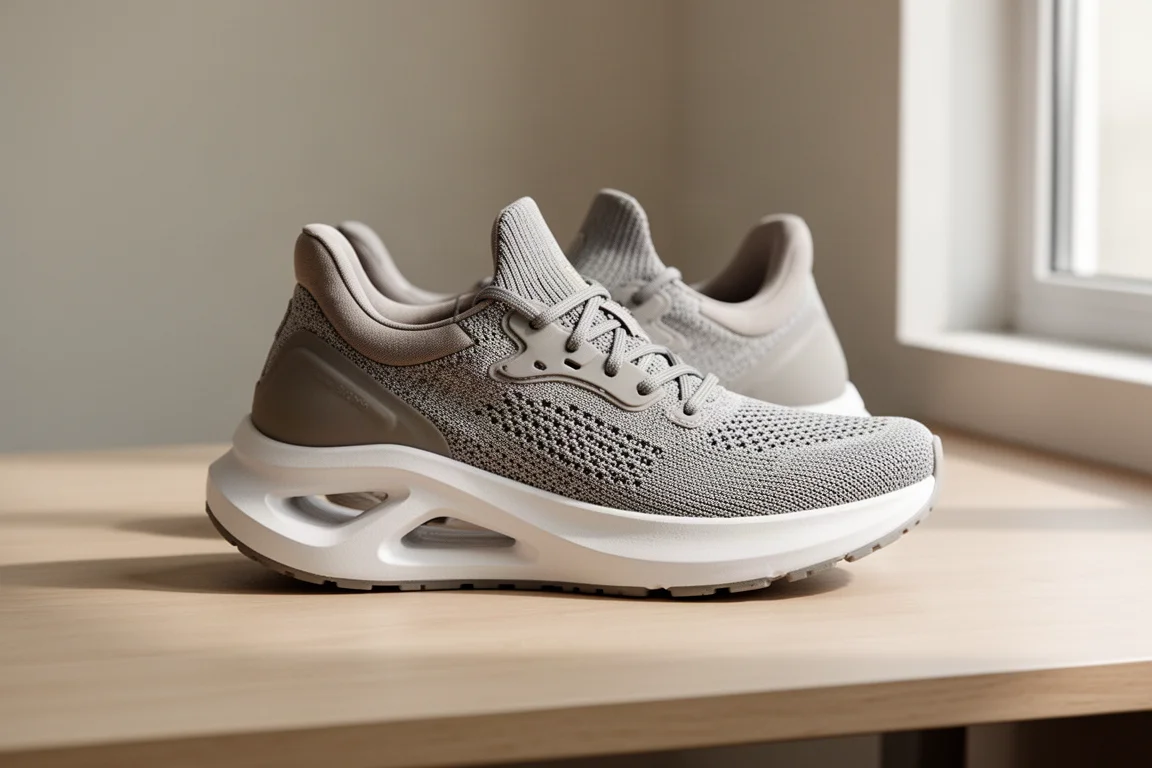
The common thread across all four shoes is that each one is decent on its own terms but faces tough competition on price and weight. The SC Elite v5 is the strongest performance package of the group but costs a premium over equally capable rivals. The Mach X3 gained weight where a tempo shoe should not. The More v6 is a safe cushioned daily trainer with only minor updates. The Hyperion 3 is responsive and well-made but undercuts exist elsewhere.
If any of these match a specific need, such as the trampoline-like midsole void feel of the SC Elite v5, or maximum cushion and stability from the More v6, they can still be worthwhile. For most buyers, waiting for discounts or choosing a rival at a lower price is the smarter move right now.
Conclusion
Four new releases, four shoes that did not quite make the cut this round. That is not to say they are bad shoes; each one has genuine strengths, from the SC Elite v5’s refined lightweight build to the Hyperion 3’s responsive DNA Flash 2 midsole. But when rivals offer similar or better performance for less money, the value case has to be overwhelming. For now, the best advice is patience: watch for price drops, read deeper comparisons, and pick the shoe that fits your running rather than the one with the newest version number.
Further reading
Related Reviews

Running Shoes
Best Road-to-Trail Running Shoes: Three Versatile Options for Mixed Terrain
A practical guide to three road-to-trail running shoes that handle both pavement and mild trails, with clear strengths and trade-offs for different runner types.

Running Shoes
Best Running Shoes for Achilles Tendonitis: Three Options Explained
Three running shoes with different heel drops and support features designed to help reduce Achilles tendon pain during walking and running.

Running Shoes
Best Running Shoes for Women: Five Top Choices Ranked
A ranked guide to five women's running shoes, from versatile daily trainers to high-performance racing options, with real strengths and trade-offs for each.