Fountain Pens
Four Fountain Pens Worth Inking This Season
From a piston-filling demonstrator to an almost 80-year-old vintage classic, four pens and four inks that made the month's rotation genuinely enjoyable.
Introduction
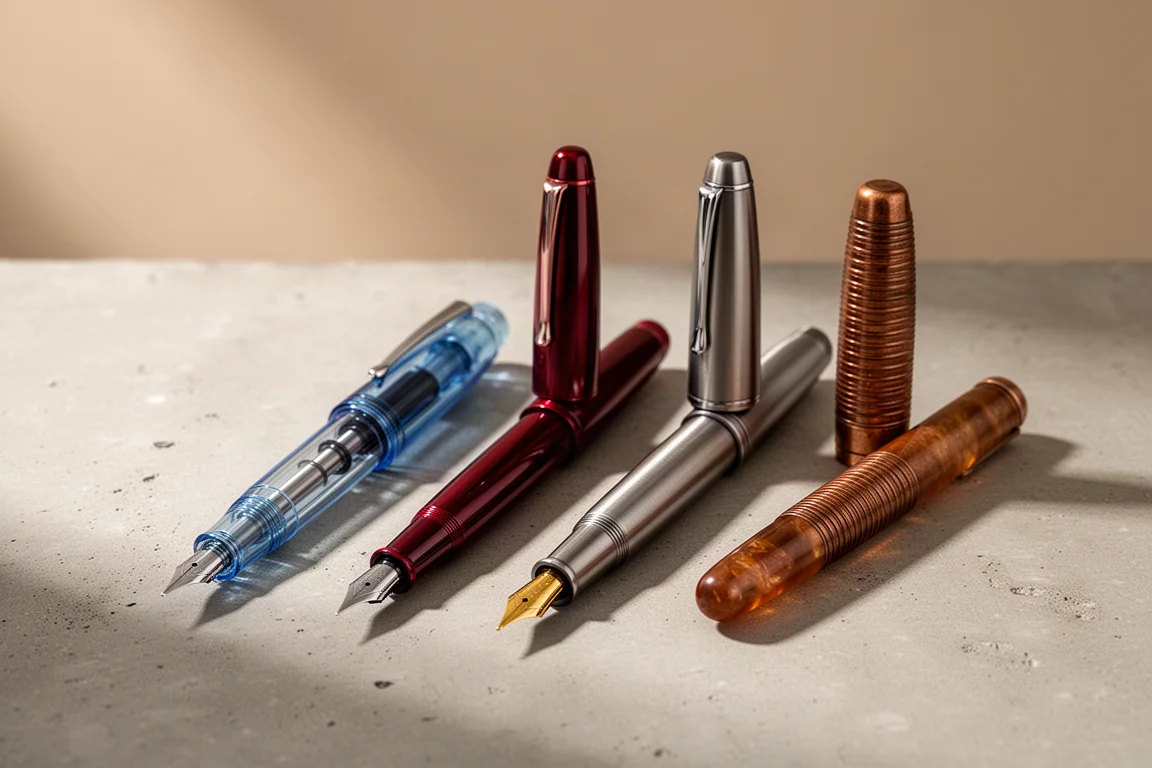
This month’s rotation covered an unusually wide spread: a piston-filling demonstrator, a retractable daily driver, a well-built metal-bodied cartridge converter pen, and a late-1940s vintage pen that still writes beautifully after almost 80 years. Each one was paired with a deliberately chosen ink, from a holiday-friendly red and green to a dramatic shading gray and a reliable everyday royal blue. Here is how each combination performed in real writing, including letters, journaling, and quick notes.
Pilot Custom Heritage 92: The Piston-Filling All-Rounder
The Custom Heritage 92 was picked up in the blue demonstrator version while it was still available, since the blue and black colorways were being phased out in favor of clear only. It turned out to be an excellent decision. The fine 14 karat gold nib is super smooth with a subtle cushioned bounce to it, no flex, but a comfortable feel that suits both long-form journaling and quick note-taking.
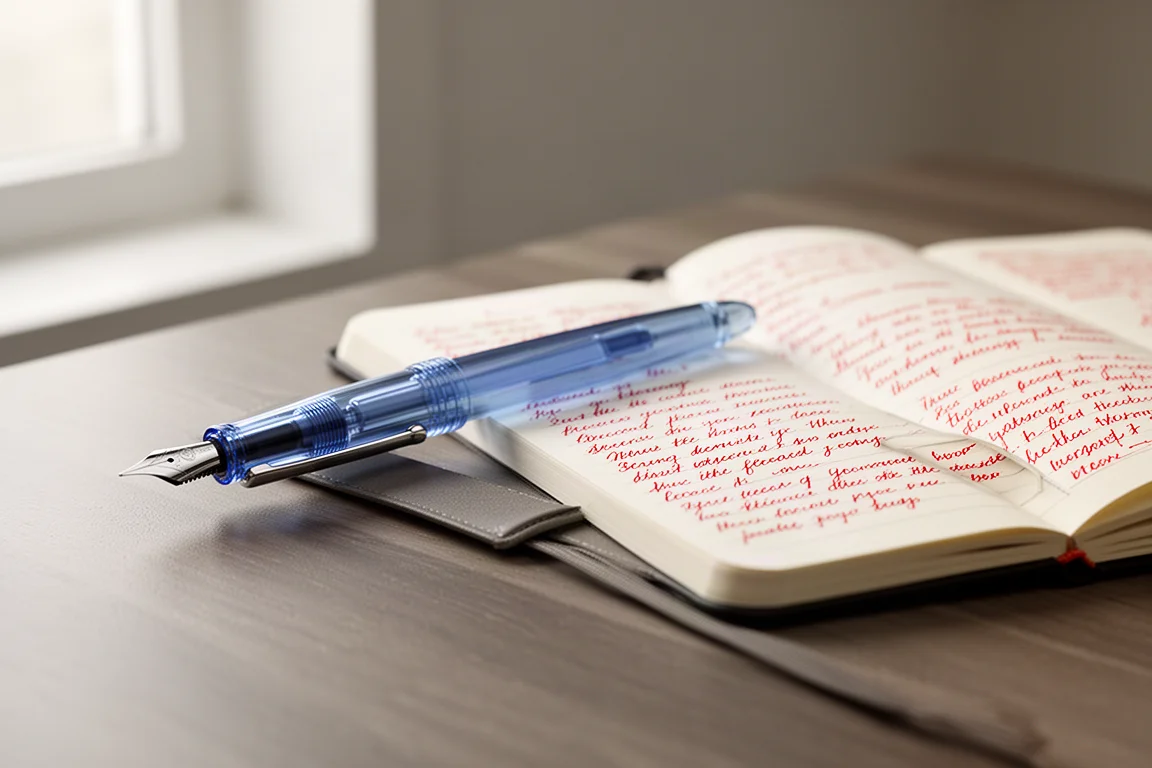
The standout feature is the piston filler: the plunger travels all the way down to the feed, so the barrel fills completely and you genuinely feel the full ink capacity as you write through it. Paired with Faber-Castell India Red, a down-the-middle, slightly dry-leaning red that stays readable and easy on the eyes, this was one of the most satisfying combinations of the month.
Pilot Vanishing Point Decimo: The One-Click Daily Driver
The Decimo served as the workhorse daily driver, and the shape is a big part of why. Compared to the full-size Vanishing Point, the Decimo offers noticeably more control thanks to the clip, and handwriting simply comes out more accurate and more consistent. The sparkly red finish looks and feels fantastic, and the extra fine nib delivers exactly the needlepoint precision the full-size pen’s fine nib never quite provided. It writes super wet with a touch of pleasant feedback, smooth despite that needle-like character.
There is one quirk worth knowing about: after clicking the nib in and out a few times in quick succession, a small splotch of ink can work its way out at the feed. The likely culprit is the trap door mechanism pressing on the nib and feed. It only happens with repeated clicking, not the first extension, so casual use is unaffected. The manufacturer’s service option exists, but the quoted turnaround was around eight weeks, which is a long time to part with a favorite pen.
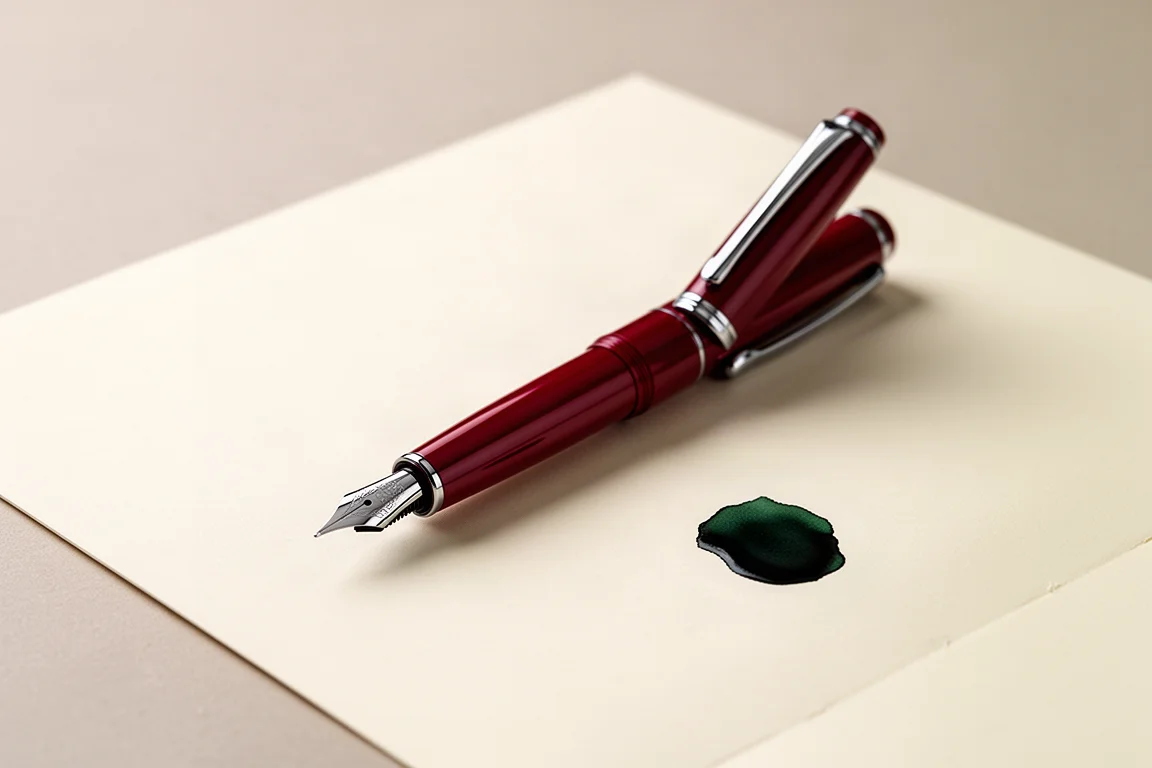
Paired with Taccia Midori, a straight green ink that leans neither blue, teal, nor yellow, this combination delivers serious holiday energy. The ink writes extremely wet even through the extra fine tip, with a touch of shading, and it is a far better office green than any ballpoint green ever produced.
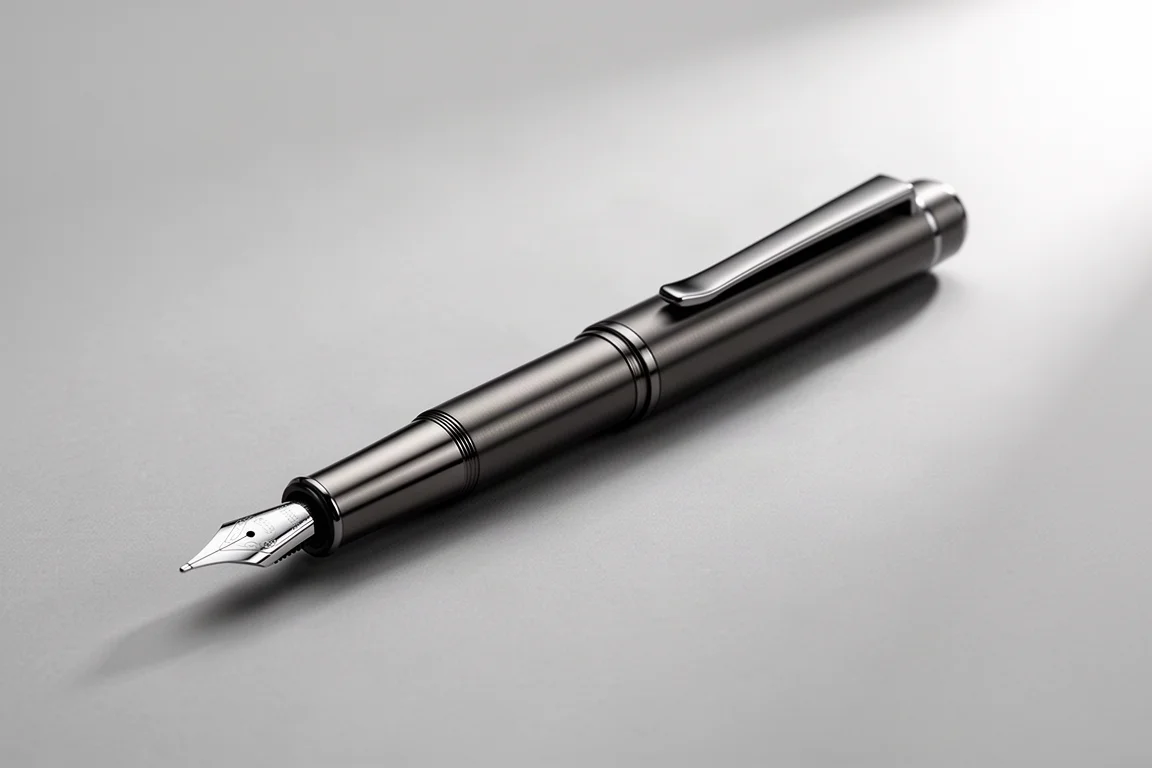
Lamy Studio: Wet, Juicy, and Better Than Expected
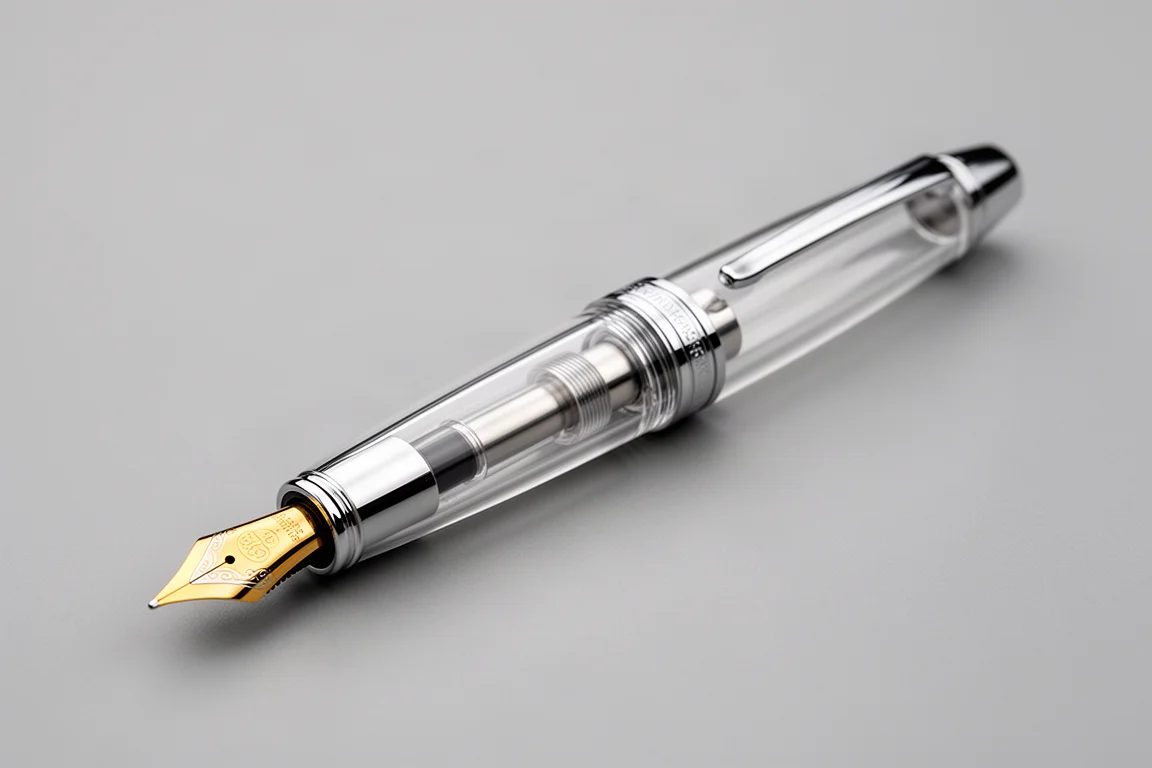
The Lamy Studio in the Palladium finish with a 14 karat gold extra fine nib is another new addition that immediately impressed. One important note: this “extra fine” writes more like a medium, super wet and broad and juicy, almost like writing with a felt-tip marker. If you genuinely need a fine line, this may not be the nib for you, but the writing experience is nonetheless a joy.
The build quality is a highlight. The pen is well balanced, comfortable for long sessions, and the matte sand-blasted grip section removes any concerns about slipping, while the smooth uncap action feels excellent. This is arguably the favorite combination of the entire rotation.
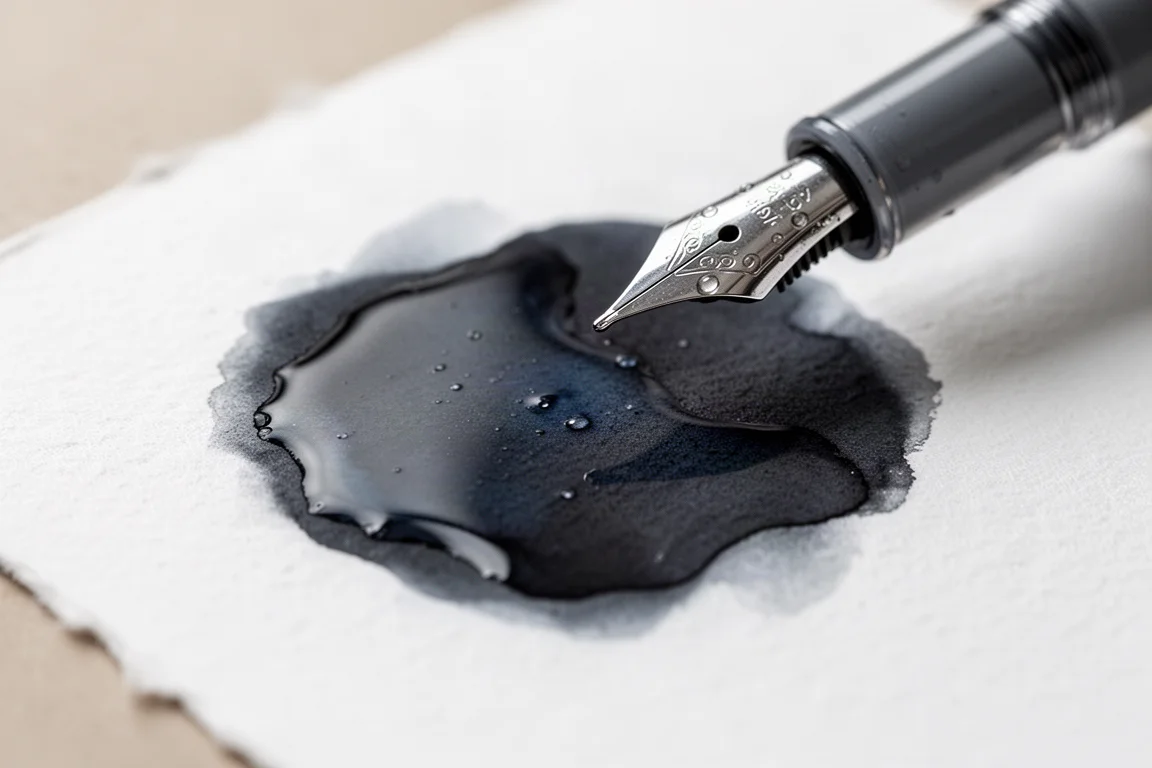
That is largely thanks to Scribo Grigio, the brand’s signature gray, which goes down extraordinarily wet in this nib and produces outrageous shading, with a dark halo edge and a blue-teal lean that could almost pass for a blue-black. It stays dark and highly readable. Scribo inks come in huge 90 ml glass jam-jar bottles that are stackable, and while the sticker price looks high, the per-milliliter cost is actually competitive with many mainstream inks. It is an underrated brand worth taking seriously.
Esterbrook SJ: The Vintage Pen You Can Actually Maintain
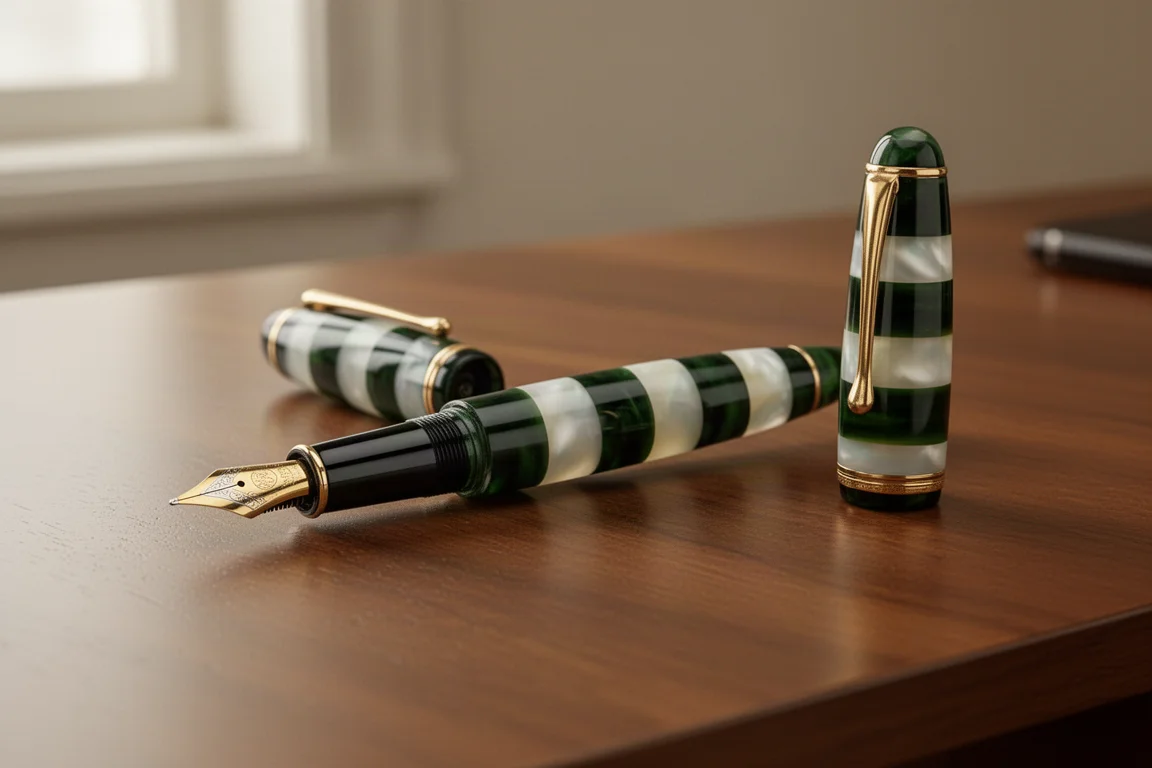
The final pen is the vintage Esterbrook SJ from the late 1940s, fully restored and finished in the rarer copper or “root beer” color. Nearly 80 years old, it still performs beautifully, writing very wet with what is believed to be an Ebonite feed, even through a fine extra-fine style nib.
The key reason to recommend Esterbrook J-series pens to vintage newcomers is the screw-in nib system. Nib units unscrew and screw back in as a single piece, they are abundant and inexpensive, and a new old stock unit arrived in its original factory box for around $13. The catalog includes posting, Waverly, italic, shorthand, bookkeeping, and stub options, with premium iridium-tipped 9000 series nibs running roughly $20 to $30. It makes swapping nibs on the fly genuinely trivial, which matters when an original nib gets accidentally damaged by a well-meaning owner’s adjustment attempts.
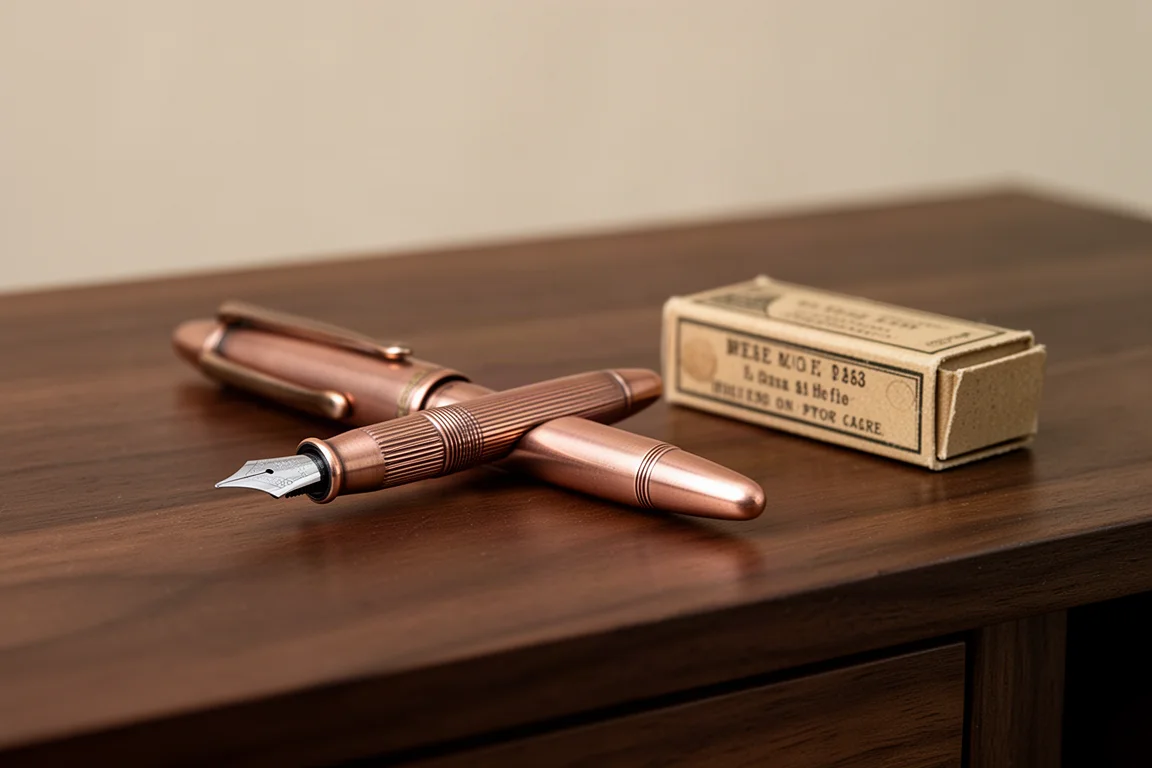
After a little tuning out of the box, where the nib initially ran too dry, it now rides perfectly. Paired with Pelikan 4001 Royal Blue, an everyday dry-viscosity ink that still flows well and shows a subtle sheen when applied heavily, this combination proves that a fully restored vintage pen can handle modern inks without worry.
Buying Advice
Each pen here solves a different problem. If you want maximum ink capacity and a satisfying filling ritual, the Custom Heritage 92 and its full-capacity piston are hard to beat. If one-handed convenience matters most, the Decimo clicks into action instantly, just be aware of the occasional splotch with rapid clicking. The Lamy Studio suits writers who prioritize build quality and enjoy a wet, expressive line, as long as a true extra fine line is not a requirement. And for anyone curious about vintage pens, the Esterbrook SJ is arguably the safest entry point thanks to its indestructible design and cheap, plentiful screw-in nibs.
On the ink side, the same logic applies: India Red and Midori cover holiday letter-writing duties, Scribo Grigio rewards a wet nib with spectacular shading, and Pelikan 4001 Royal Blue remains a no-fuss everyday choice.
Conclusion
All four pens earned their place in the rotation, with the Lamy Studio and Scribo Grigio pairing taking the all-star combo of the month. The only lingering concern is the Decimo’s occasional ink splotch, which may eventually warrant a factory check-up despite the long turnaround. Otherwise, this spread delivered exactly what a good rotation should: variety, reliability, and ink combinations that made writing something to look forward to every day.
Further reading
Related Reviews
Fountain Pens
Best Budget Fountain Pens Tested: 9 Pens, One Clear Winner
A hands-on comparison of nine affordable fountain pens for everyday writing, calligraphy, and sketching, with a clear standout for flexible nib fans.
Fountain Pens
Aurora Optima Review: An Italian Piston Filler That Punches Above Its Price
A 14k gold nib, ebonite feed, and a beautifully deep oraloid body make the Aurora Optima one of the most rewarding piston fillers around.
Fountain Pens
Cross Bailey Light Review: The Entry-Level Fountain Pen Worth Keeping at the Office
A plastic-bodied Cross with a metal clip, snap cap, and famously smooth extra fine steel nib. Around $15, available almost everywhere, and easy to recommend.