Backpacking Tents
Four Backpacking Tents Compared: Nemo, Gossamer Gear, Sea to Summit and Durston
A practical comparison of four backpacking tents covering interior space, pack weight, weather protection, setup and storage, plus guidance on which style of shelter suits which kind of trip.
Introduction
Choosing a backpacking tent usually comes down to a set of trade-offs: interior space against pack weight, weather protection against ventilation, and setup simplicity against the flexibility to pitch the shelter in different ways. The four tents here each solve that puzzle differently, and each one makes sense for a particular kind of trip.
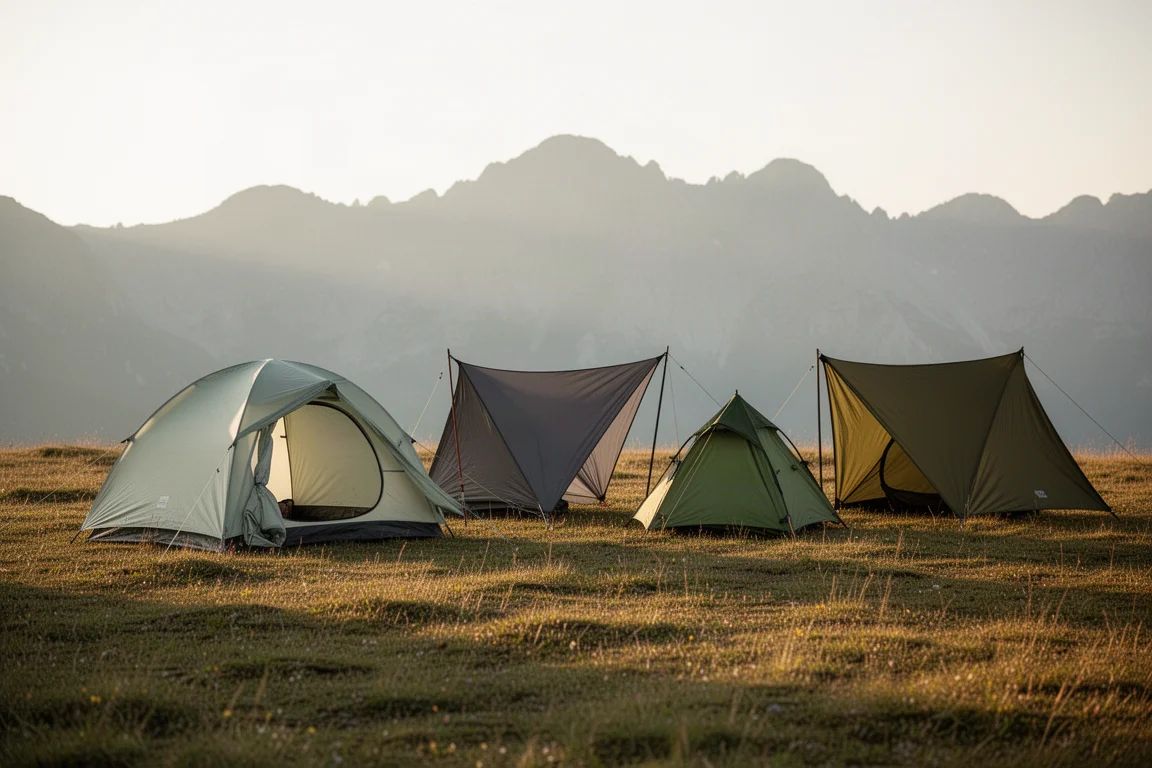
The range spans a feature-rich double-wall dome, a single-wall trekking-pole shelter weighing around 1.5 lb, a compact semi-freestanding design built for exposed weather, and a four-stake fly-first shelter with an unusual parallelogram floor. What follows is how they compare on space, storage, setup, weather resistance and weight, along with notes on who each one suits.
What to Look For in a Backpacking Tent
The first decision is single-wall versus double-wall construction. A double-wall tent pairs an inner body with a separate rainfly, which means the fly can be left off entirely on clear nights and the inner body stays drier when condensation forms. A single-wall shelter is lighter and faster to pitch, but moisture collects on the inside surface, and any contact with that fabric transfers dampness to a sleeping bag or a pack.
The next consideration is how the shelter stands up. Freestanding and semi-freestanding designs rely on poles and need only a few stake-out points, while trekking-pole shelters depend on guylines and a careful pitch to reach full interior volume. Pole-supported tents are generally easier for newcomers, while trekking-pole shelters reward a little practice with meaningful weight savings.
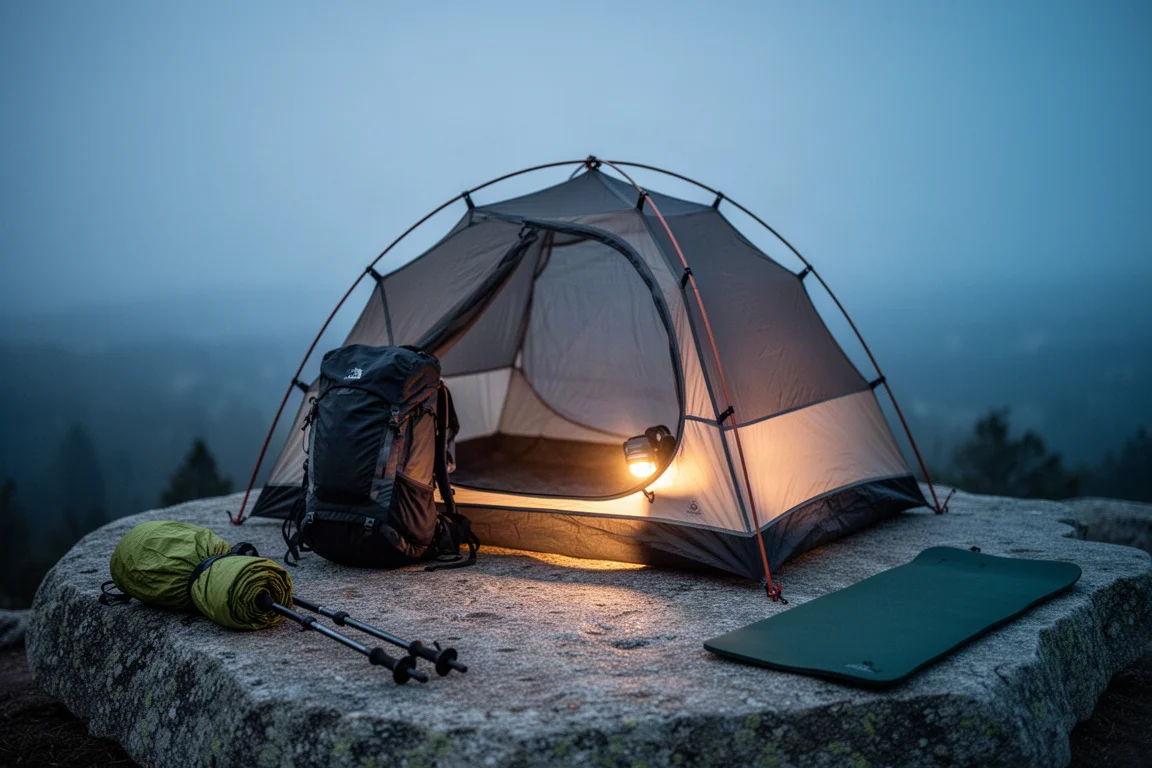
Interior volume deserves more attention than headline capacity. A tent sold as a two-person shelter can be comfortable for one and tight for two, and usable floor area matters as much as peak height. Storage pockets, gear lofts and vestibule volume determine whether packs and boots end up inside the sleeping area or neatly outside it. Finally, weigh the setup footprint: a shelter with long side guylines needs a wide, flat pitch, and that is not always available on tent platforms or in dense backcountry sites.
Nemo Dragonfly 2-Person Tent: Storage, Durability and Comfort
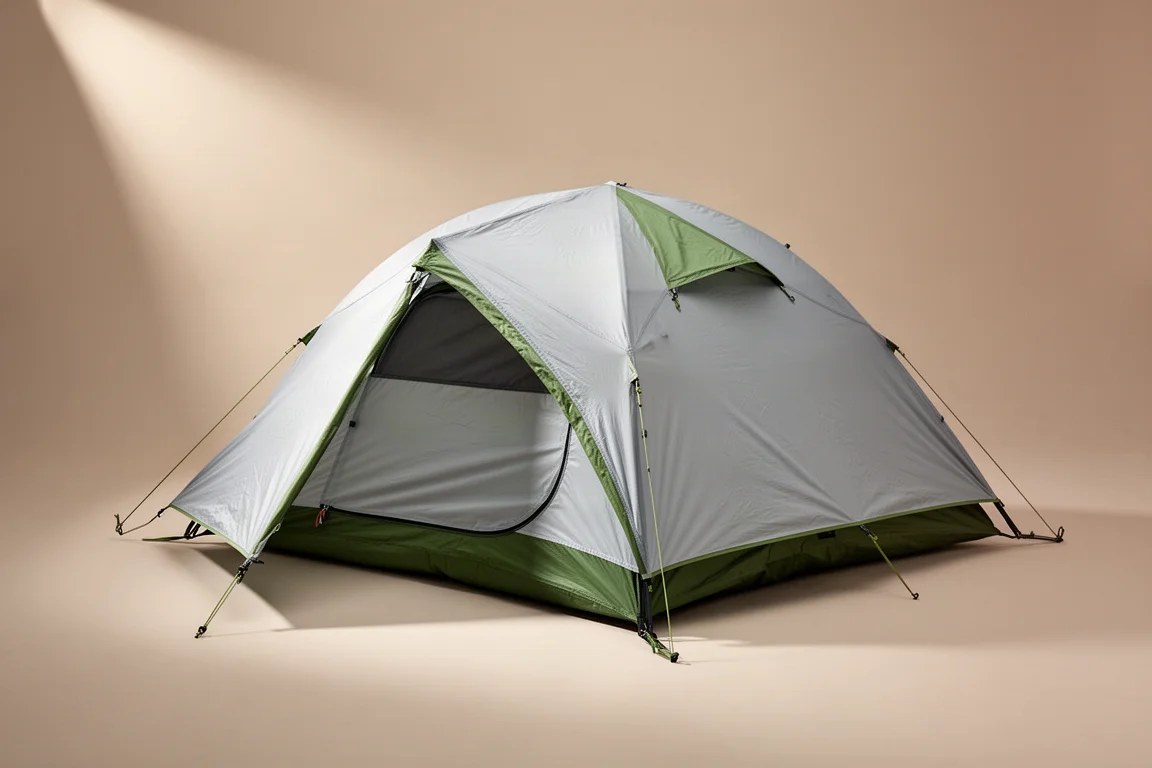
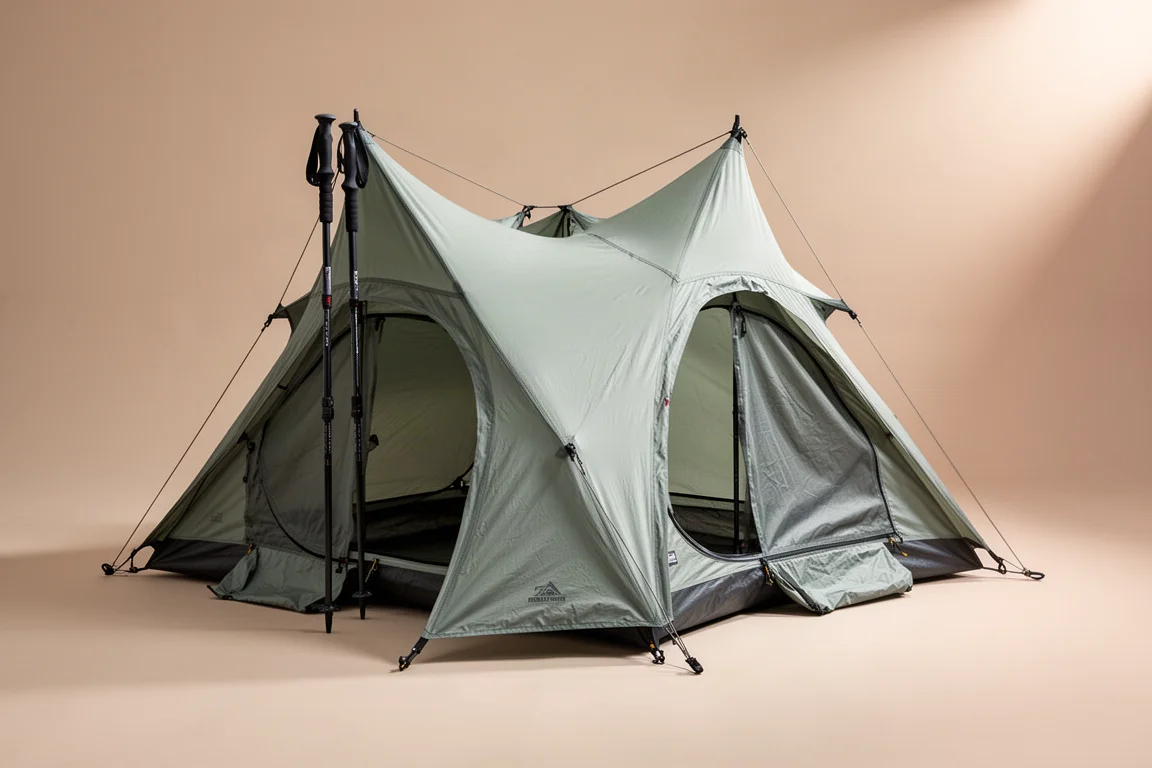
The Nemo Dragonfly 2-Person Tent is the most feature-dense option of the four. Storage is where it stands out: a small pocket sits on either side near the head of the tent for a phone or lip balm, additional pockets above the head hold a headlamp and turn it into a soft, diffused glow, and a large mesh stuff pocket at the back lifts gear off the floor. A second oversized pocket near the top adds even more room for clothing and small items.
Interior height is generous, and because the side walls angle inward only slightly, the tent feels more spacious than its footprint suggests. Solo backpackers get plenty of room for a sleeping setup and gear, but two occupants will find it snug and should be comfortable with close quarters. Taller sleepers may notice feet brushing the back wall or a head near the ceiling, which is common in tents of this class.
The Dragonfly is a double-wall design, so the rainfly attaches separately and the inner body can be pitched on its own for clear, warm nights. The fly connection has been updated with a small clip that hooks onto the pole junction and tightens down. The tent ships with notably sturdy stakes, and the vestibules are enormous, with the rear one staked out at two points and able to roll back partially or fully while the fly stays on. A simple toggle holds the door open without fuss.
This is the heaviest tent in this comparison and the second most expensive, but the extra weight buys a long list of practical features, and the brand backs its gear with a lifetime warranty.
Gossamer Gear The Two: Ultralight Space With a Few Trade-Offs
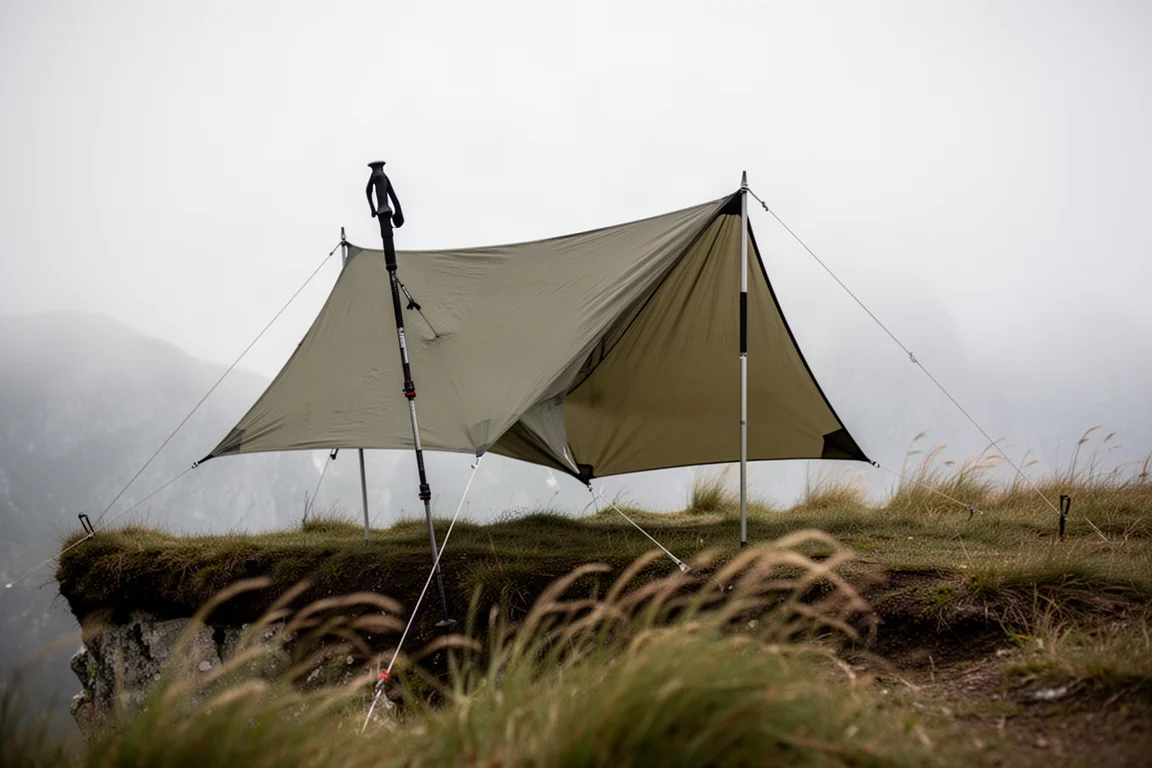
Gossamer Gear names its shelters by capacity, and The Two is the two-person version of a single-wall design that weighs around 1.5 lb. It is the lightest and simplest shelter here, and it pitches quickly: stake out the rectangular floor, insert a trekking pole at the side, tension the guyline, and the shelter is standing.
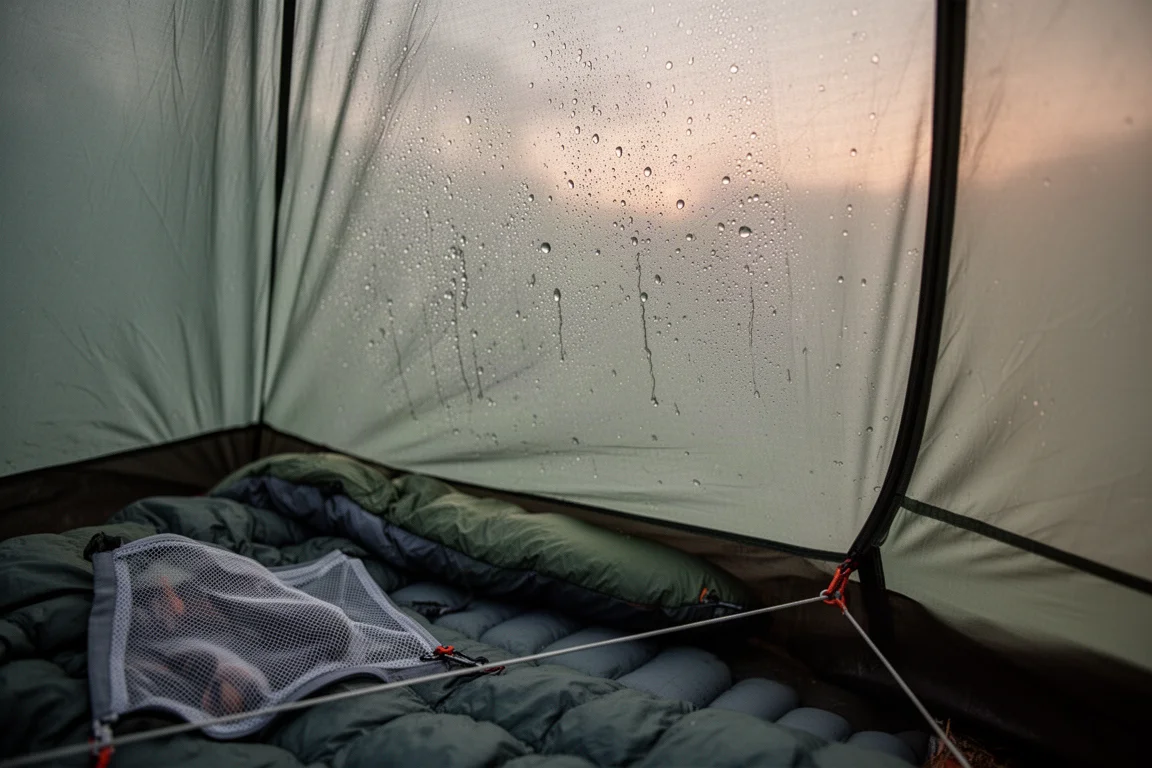
The payoff is interior space. Peak height is tall and the floor is genuinely large, big enough that a solo occupant has room to spread out gear and move around. The catch is the single-wall construction. Condensation and moisture collect on the inside surface, so sitting up close to the front or back wall can mean a damp head, and any pack or sleeping bag pressed against the fabric risks transferring water inward. The shelter also relies on a long side guyline that becomes a trip hazard when the vestibule is rolled back and the line is left slack at ankle height.
Storage is minimal out of the box, with one mesh pocket on each side. An optional mesh shelf accessory that runs along the ridgeline adds organized pockets, though the vast floor area means gear can simply sit on the ground without crowding. The floor itself is a bathtub design that does not need to be staked; the fly extends slightly beyond it and takes the stake-out points, with an extra mid-wall attachment for adding volume and rain coverage. The vestibule zips shut and buckles to the guyline, and one side can be rolled back for airflow.
The main practical drawback is size on the ground. The shelter needs a wide, flat pitch to accommodate its footprint and side guylines, and many tent platforms or dispersed sites will not offer enough room. Set against that, it has held up well in heavy rain, strong wind and hot conditions, and the pitch is forgiving enough for first-time ultralight users to get right on the first attempt.
Sea to Summit Alto TR2: Semi-Freestanding and Weather-Ready
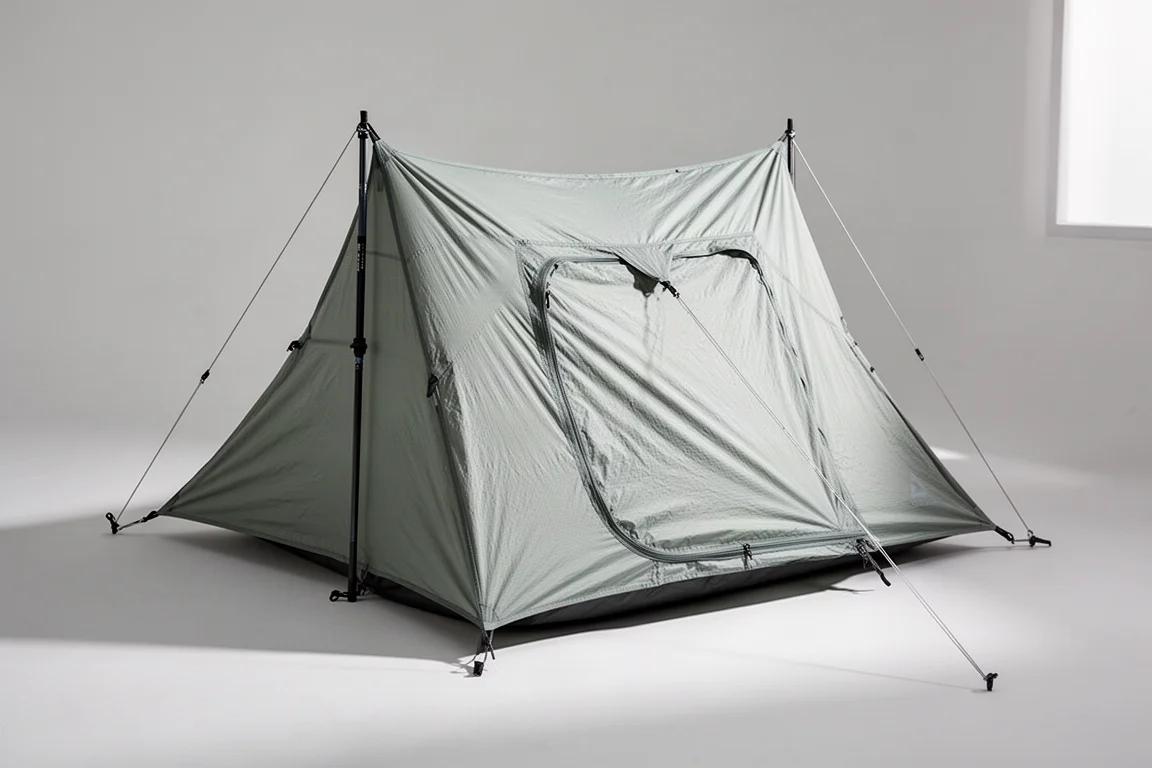
The Sea to Summit Alto TR2 is a semi-freestanding shelter. Its pole structure runs to the two rear corners and then to the centreline at the front, so the tent stands on its own but needs the two front corners staked out to reach full interior volume. Release those stakes and the front of the shelter folds inward.
Storage is handled differently here. The tent body has no built-in pockets, but the stuff sacks double as snap-in pockets: each sack folds open and snaps into an interior corner, and the pole bag is made from a light-diffusing material so a headlamp placed inside it becomes a soft tube of light along the ridgeline. Two additional pockets are sewn into the interior.
Interior space is the smallest of the four. This is a two-person tent by specification, but sharing it with another person would be uncomfortable, and it makes most sense as a solo shelter. The vestibule is small as well, adequate for a pack and boots rather than a full camp setup.
Where the Alto TR2 stands out is weather resistance. The ridgeline geometry and the staked-out vestibules make it exceptionally stable in wind and rain. The trade-off is positioning: it is not light enough to compete with ultralight shelters, and it does not carry enough features to justify the extra weight, which makes it the most expensive tent in this group without a clear category advantage. The rainfly attaches to the body with clips, and standard toggles roll back the vestibule doors, with small stays in the fly helping with venting and airflow.
Durston X-Mid 2: A Four-Stake, Fly-First Design
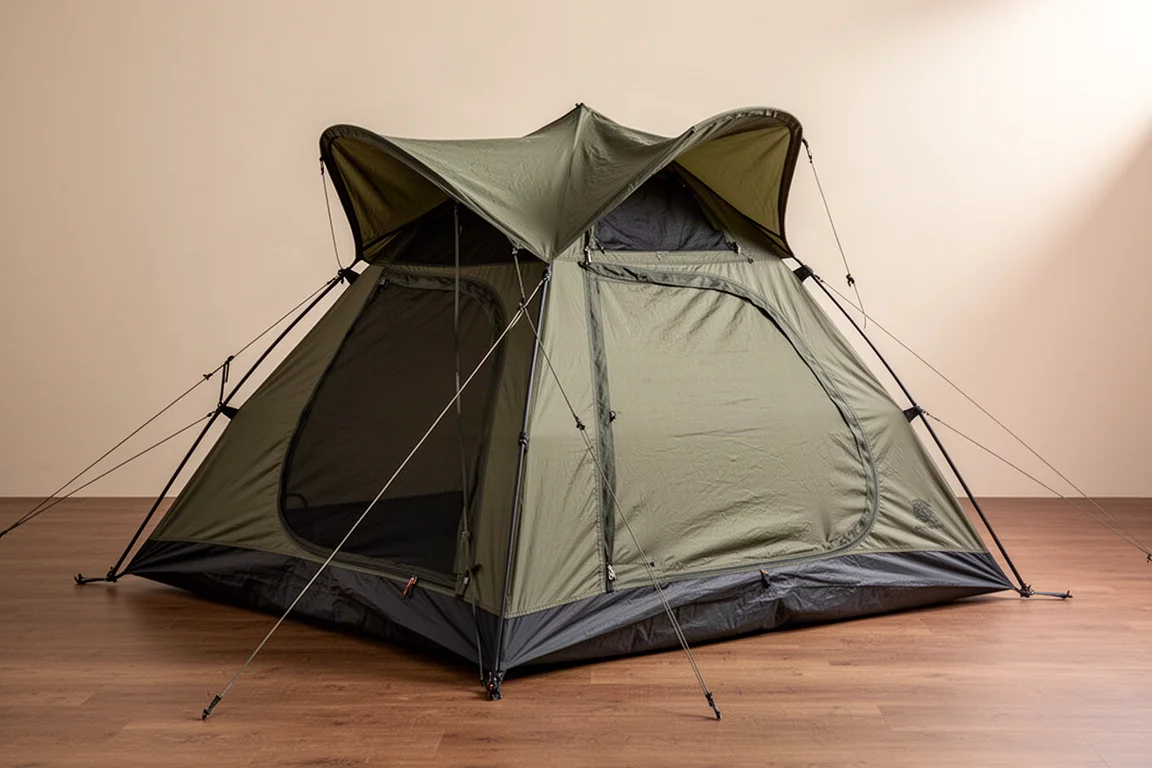
The Durston X-Mid 2 is built around two unusual ideas. The first is geometry: a rectangular rainfly combined with a parallelogram-shaped inner body means the shelter needs only four stakes, one at each corner of the fly, which is rare among ultralight non-freestanding tents. The second is that it is designed to be pitched fly first, so the rainfly goes up before the inner body is attached underneath, keeping the sleeping area dry during setup in wet conditions.
Inside, the parallelogram floor changes how two people sleep. Rather than lying side by side in a rectangle, occupants offset diagonally, which creates usable gear space at the head of one side and at the feet of the other. Peak height is tall and positioned over the door, so the tent feels spacious and is easy to move around in when seated.
There are four interior pockets in total, two on the sides and two higher up, and they blend in closely with the mesh. A few details divide opinion. The doors roll back with a piece of elastic that has to be tied, so closing up takes two hands and there is no toggle. The peak attaches to the fly with a buckle, which is quick to release. The exterior vestibules are large, with a magnetic closure holding back one side. Setup is more involved than the other tents here and takes practice on a first attempt, and the included stakes are not up to the standard of the rest of the package, so replacements are worth budgeting for.
Buying Advice: Matching the Tent to Your Trips
Start with how you actually sleep and travel. For a first backpacking tent, the Nemo Dragonfly 2-Person Tent is the safest choice: it is durable, stable and packed with features, and using it reveals which features you genuinely need before you spend money on a lighter shelter. The extra weight is a reasonable trade for comfort and versatility.
If you already know you want an ultralight setup and you mostly travel alone, the Gossamer Gear The Two is the standout. It weighs around 1.5 lb, pitches in minutes, and offers more interior room than anything else here, provided you can live with single-wall condensation and a large pitch footprint.
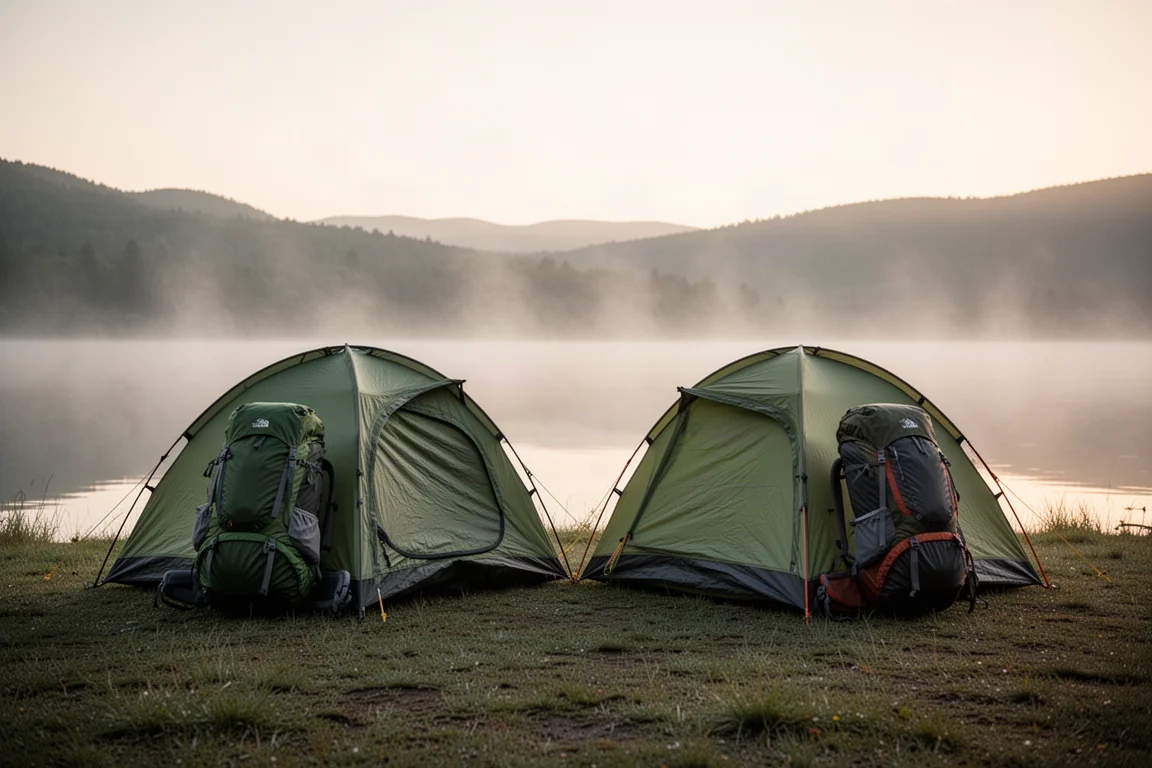
For trips that regularly run into strong wind and rain, the Sea to Summit Alto TR2 is the most weather-resistant option of the four, with the caveat that it is best treated as a solo shelter and it costs the most.
The Durston X-Mid 2 suits backpackers who want an ultralight shelter with a flexible, fly-first pitch and are willing to learn its setup. Buy better stakes, practise pitching it before a trip, and the four-stake geometry becomes a real advantage.
Whatever you choose, decide early whether the tent needs to sleep two people. Two of these shelters are genuinely comfortable for one and workable for two; the others are best treated as solo tents that happen to be rated for two.
Conclusion
Each of these four tents is a capable shelter, and the right pick depends on the balance you want between weight, space and weather protection. The Gossamer Gear The Two is the most impressive ultralight option here for solo trips, while the Nemo Dragonfly 2-Person Tent is the best all-rounder and the most sensible first backpacking tent. The Sea to Summit Alto TR2 earns its place when wind and rain are the main concern, and the Durston X-Mid 2 rewards anyone who wants a lightweight four-stake design and does not mind a learning curve.
Further reading
Related Reviews
Backpacking Tents
3F UL Lanchan Pro 1 Review: A 1 lb 8 oz Single-Wall Trekking Pole Tent
A practical look at the 3F UL Lanchan Pro 1, a single-wall trekking pole shelter with a 1 lb 8 oz weight, 20D silnylon fabrics, and a roomy 90 x 31 x 49 inch interior.
Backpacking Tents
3F UL Taiji 2-Person Tent: A Convertible Backpacking Shelter Worth a Closer Look
A practical look at the 3F UL Taiji two-person tent, covering its materials, true two-person interior, fly-first pitching, and the seasonal inner swap that lets one shelter cover more of the year.
Backpacking Tents
3FUL Lanshan Twoerson Pro Review: A Light Trekking Pole Shelter That Struggled in Rain
A two-person trekking pole shelter with a 2026 redesign, pitched with sticks and put through a night of steady rain. Here is what worked, what did not, and what to check before buying.