Fountain Pens
10 Great Fountain Pens You Can No Longer Buy New
A look at discontinued and sold-out fountain pens worth hunting on the secondary market, plus the trade-offs to know before you chase one.
Introduction
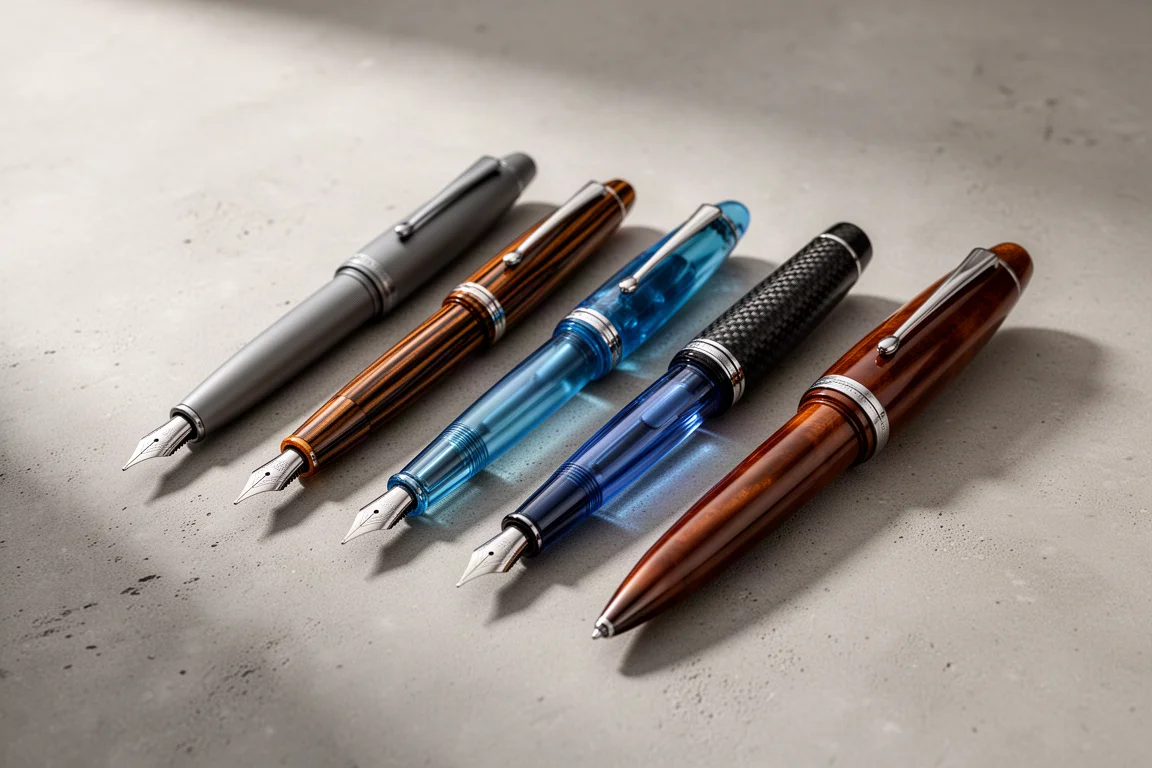
Most fountain pen recommendations focus on what you can order today. This one takes a different angle: pens that were readily available once, sold out or got discontinued, and now live almost entirely on the secondary market. A few of them are attainable with patience, and one or two have become genuinely rare grail material.
The common thread here is regret. Almost every collector has a story about a pen they skipped when it was in stock at a normal price, only to watch it disappear. The pens below are the ones worth knowing about, whether you are hunting them or just want to know what to grab quickly next time a similar release appears.
Honorable Mentions
Before the main list, a few categories deserve a nod. Leonardo has released a steady stream of limited editions through various retailers that sold out quickly, including space-themed materials like Andromeda and Galactica universe, a frosted Pura, and several Momento Zero and Momento Zero Grande colorways that are now long gone. If a Leonardo limited edition speaks to you, waiting rarely pays off.
Lamy also deserves mention for its annual limited editions, particularly the Petrol Safari and the Copper Orange AL-Star. These yearly releases are a classic case of jumping on a design you love, because once the production run ends, they are gone. Custom project pens with small production runs behave the same way: when the resin runs out, so does the pen.
Faber-Castell Loom
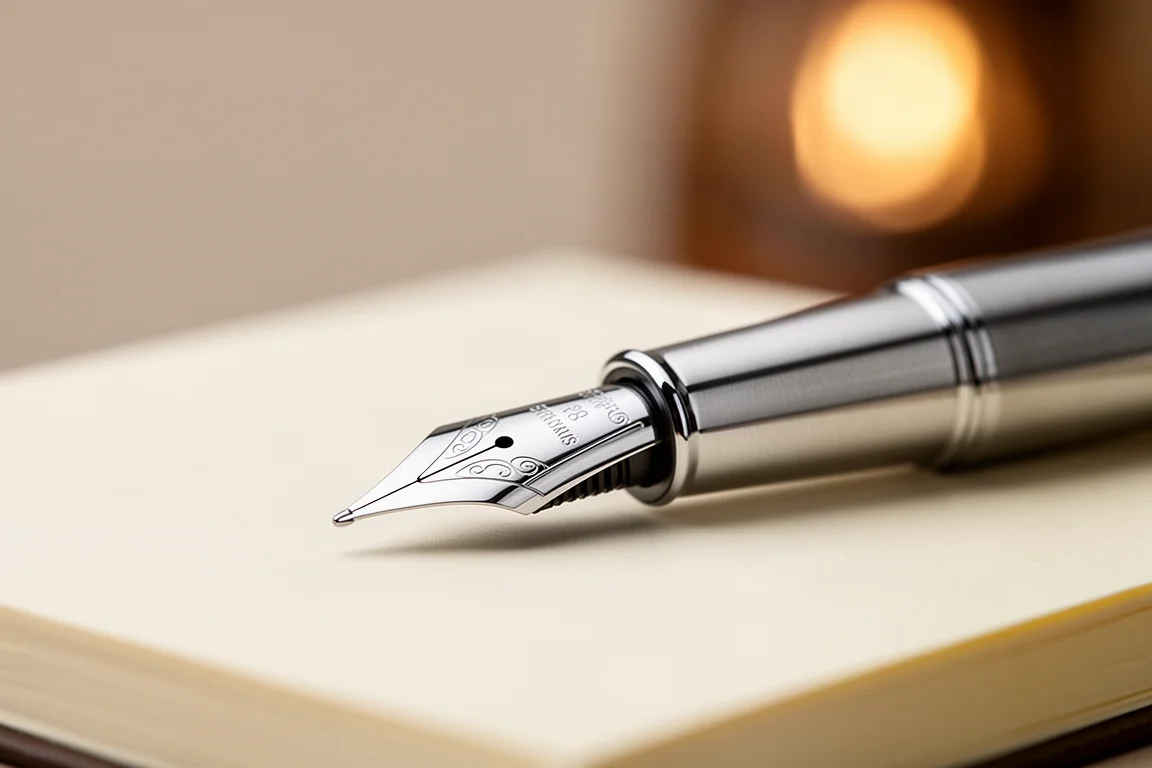
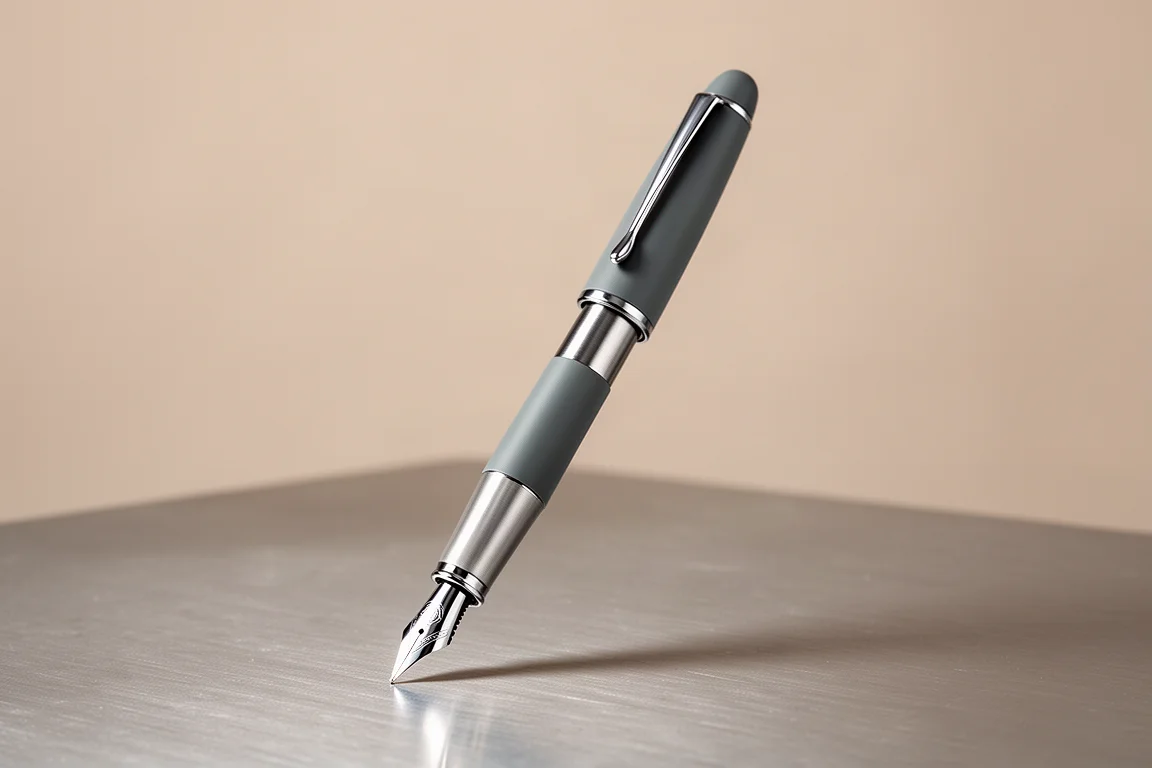
One of the more approachable pens on this list, the Faber-Castell Loom was a sub-$100 workhorse that has quietly disappeared from regular retail. The matte cap and matte barrel version is the standout, and it has become genuinely hard to find outside of eBay listings.
What made it special was the stainless steel nib. It has a distinctive, pleasant feedback that is instantly recognizable, and it punches well above its price class. With an original retail of roughly $60 to $70, it performed like a much more expensive pen. If one crosses your path at a sane price, it is an easy recommendation.
Esterbrook Arushi Puma
The Arushi Puma is the most recent release here, and it sold out almost immediately. Esterbrook offered a genuine Arushi finish, a material usually reserved for far more expensive pens, with a 14k gold nib for under $400.
That combination of material and nib at that price was remarkable, and the market responded. It is also simply a nice size for a full-size pen. Anyone who hesitates on releases like this learns the same lesson: unique material pens at aggressive prices do not stay available.
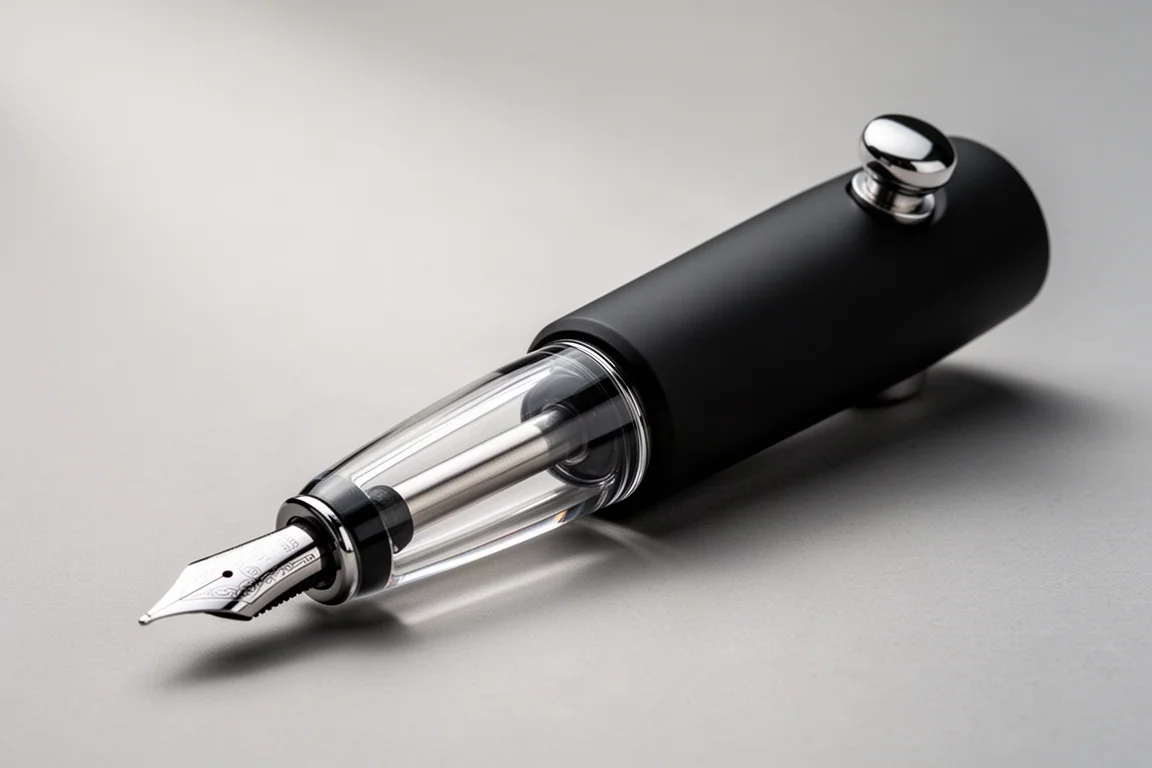
Conid Bulkfiller Kingsize
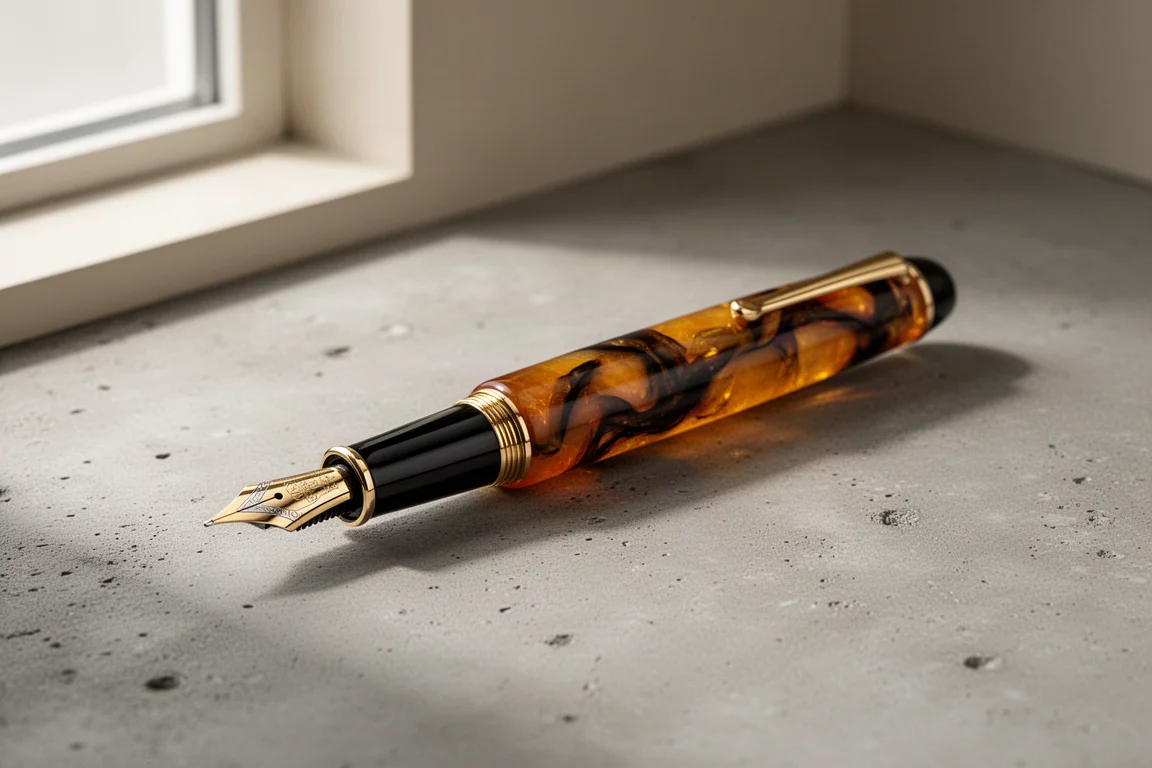
Conid is a bit of a question mark. Over the last five years there have been ongoing questions about production and availability, and as of now this model is not available and may not be again. That is a shame, because the Kingsize is a beautifully engineered pen with precise manufacturing and a unique bulk filler mechanism: you pull the piston back, screw it into place to draw ink, then lock and seal the chamber so ink is released only when you want it.
It is a large, comfortable pen with thoughtful details, including the option to engrave the underside of the clip where only you can see it. It ranks very high among well-engineered pens, and many owners hope Conid returns to full production.
Omas Milord Arco
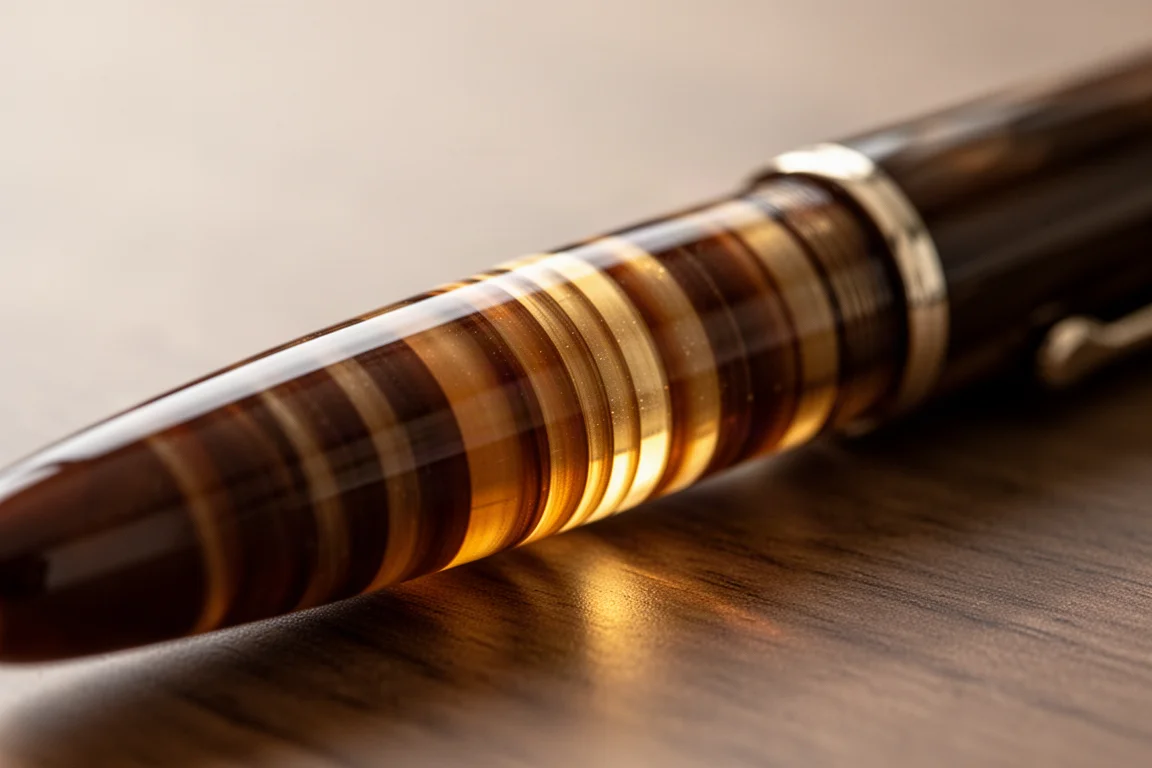
Omas has come and gone and come back in new iterations, and the Milord Arco remains a favorite. The Arco celluloid, with its warm layered striations, is one of the most beloved materials in fountain pens, and for a long time this model was a grail pen for many collectors.
It is a large pen with a lovely ebonite feed and glorious original Omas nibs. One caution from experience: older Omas piston fillers can suffer from deteriorated mechanisms, and finding a qualified repairer is part of the ownership equation. Even so, for lovers of classic celluloid, this is one of the best pens you can no longer walk into a store and buy.
Monteverde Highwater
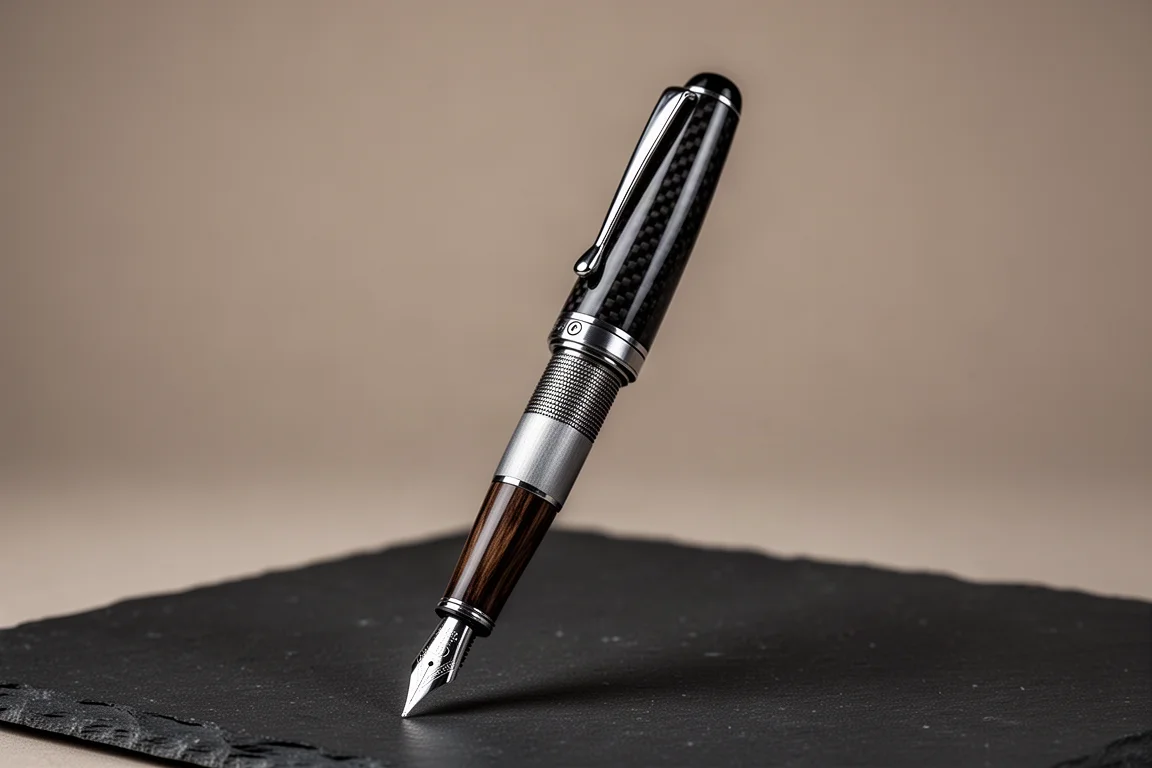
Monteverde pen production has been spotty in recent years, and this model has not been produced for quite some time. The brand has a jewelry-making background, and it shows: the handmade parts are crisp, clean, and extremely well finished.
The design is genuinely unusual. The carbon fiber cap is hand spun, the barrel is glossy Micarta, and the turned metal section is buffed with jewelry tooling so it is no longer slick, with a distinctive look to match. The brand also makes excellent stack nibs. If you can ever get your hands on one of these pens, they are worth it.
Dien Blue Phantom
Dien, a short-lived manufacturer based in Moldova, closed its doors shortly after this pen hit the market. The Blue Phantom is a big fan favorite for lovers of larger pens: an oversize resin body with a #6 Bock nib that recalls the look, feel, and scale of a Japanese King of Pen, but at far more reasonable pricing when it was available.
The company produced several models, but the Phantom line is the one worth seeking out. If a Dien pen ever surfaces for sale, especially a Phantom, it is well worth a look.
Omas 360
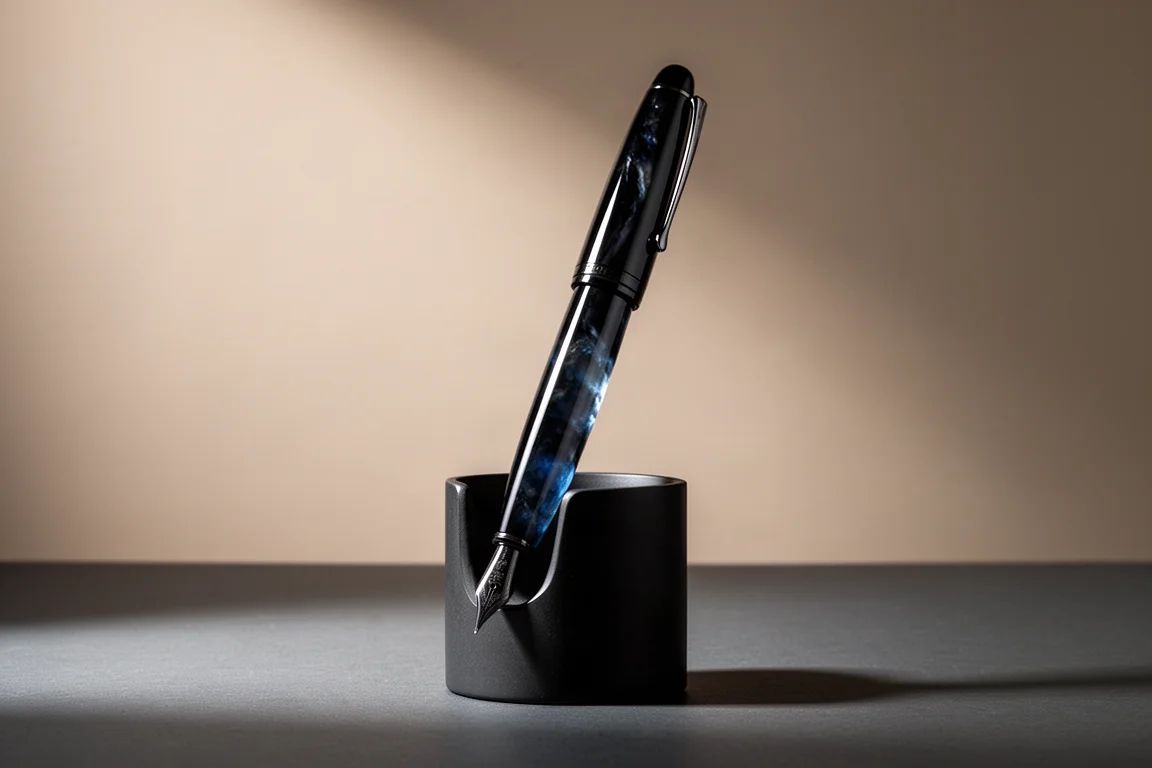
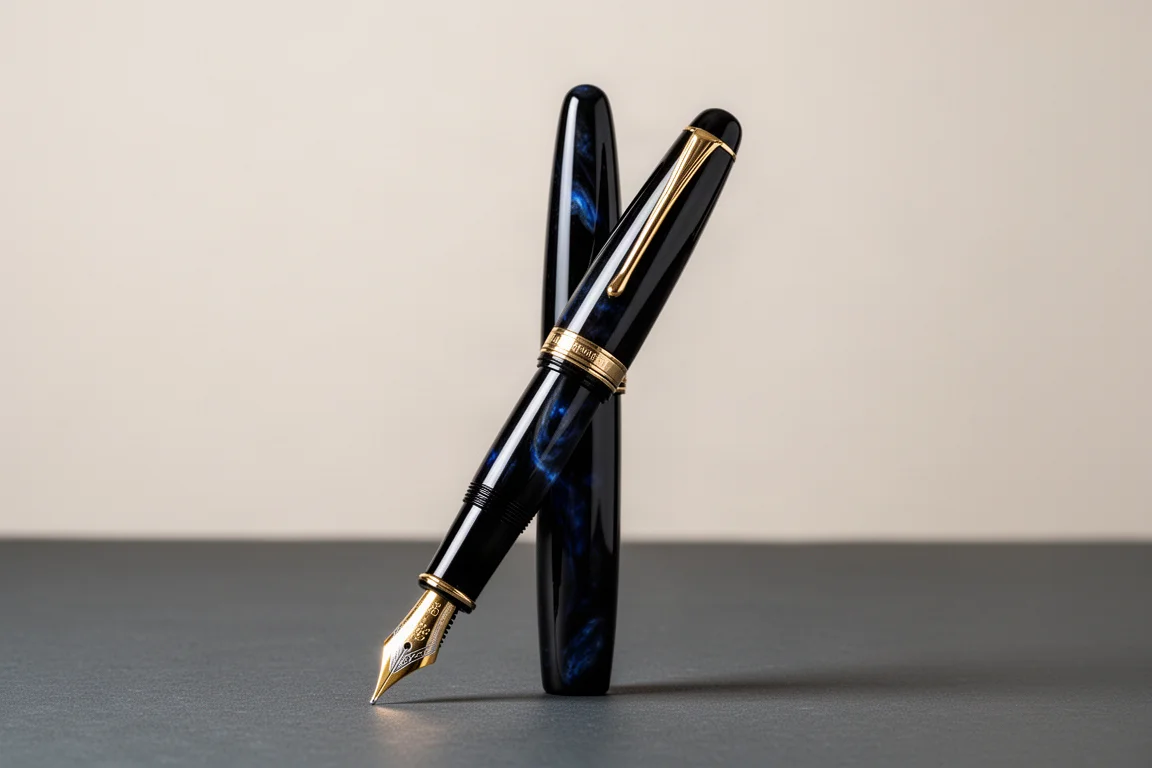
The Omas 360 is a pen with a truly unique material, size, and shape, and the somewhat translucent versions let you see what is happening inside. The triangular section takes some getting used to, but it suits fans of larger pens with thicker grips, and the older Omas nibs are fantastic.
One honest caveat: even brand-new old stock can show its age. A brand-new-in-box example developed cracking around the inner cap within a year, likely due to the pen’s age rather than abuse. Replacement inner caps exist, but factor vintage-condition issues into any purchase. New old stock examples are very difficult to find.
Sailor King of Pen Pro Gear Sky
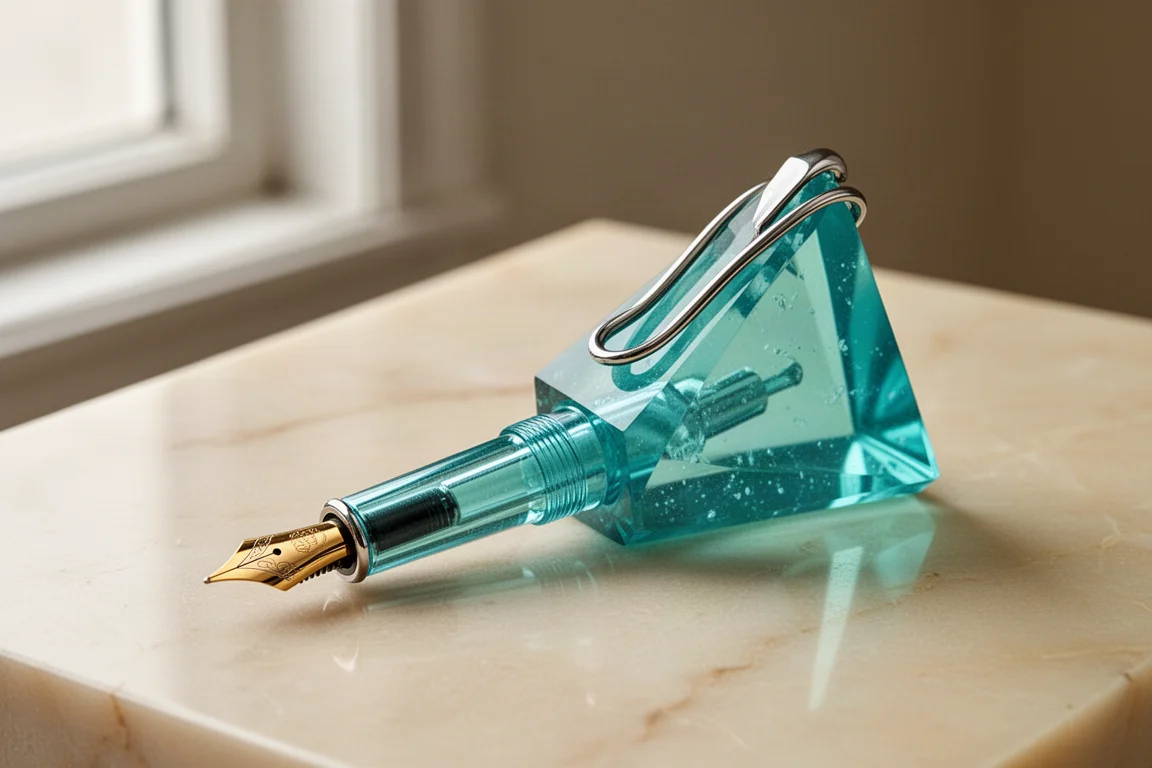
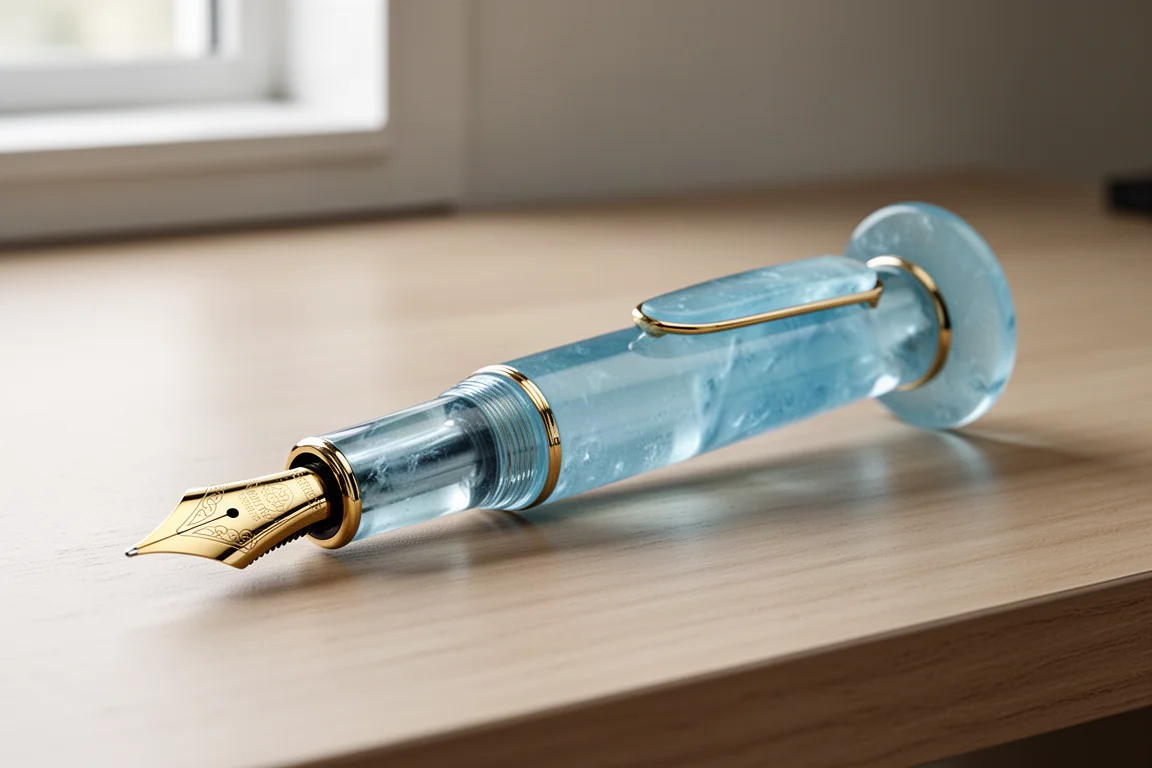
Ask for a favorite pen and this one comes up constantly. The King of Pen Pro Gear Sky was a limited edition available roughly six or seven years ago, and the translucent blue material is gorgeous, especially paired with a warm orange-brown ink that seems made for it.
It found its owner by pure luck: after dragging feet and watching it sell out nearly everywhere, one last medium nib appeared in a New York retailer’s display case. The thick section, the outstanding King of Pen nib, and the translucent barrel showing the internals all hit the right marks. It is a pen that will never be sold, and if you can ever find one, it comes highly recommended.
Montblanc Alfred Hitchcock
The Montblanc Alfred Hitchcock was a long-time grail pen. As a limited edition it left retailers long ago, and secondary market pricing climbed into the $3,000 to $5,000 range. For film lovers, though, it earns its place: the barrel and cap reference the Vertigo opening title sequence, the Psycho knife appears in the design, and the nib carries Hitchcock’s famous profile.
Finding one required patience and a lucky connection, with an old-stock example surfacing from a legitimate retailer at a much better price than the typical secondary market. Beyond the theme, it performs nicely, which matters. Themed pens that connect to personal interests become far more than the sum of their parts.
Classic Pens LB5 Koscki and Tsusui
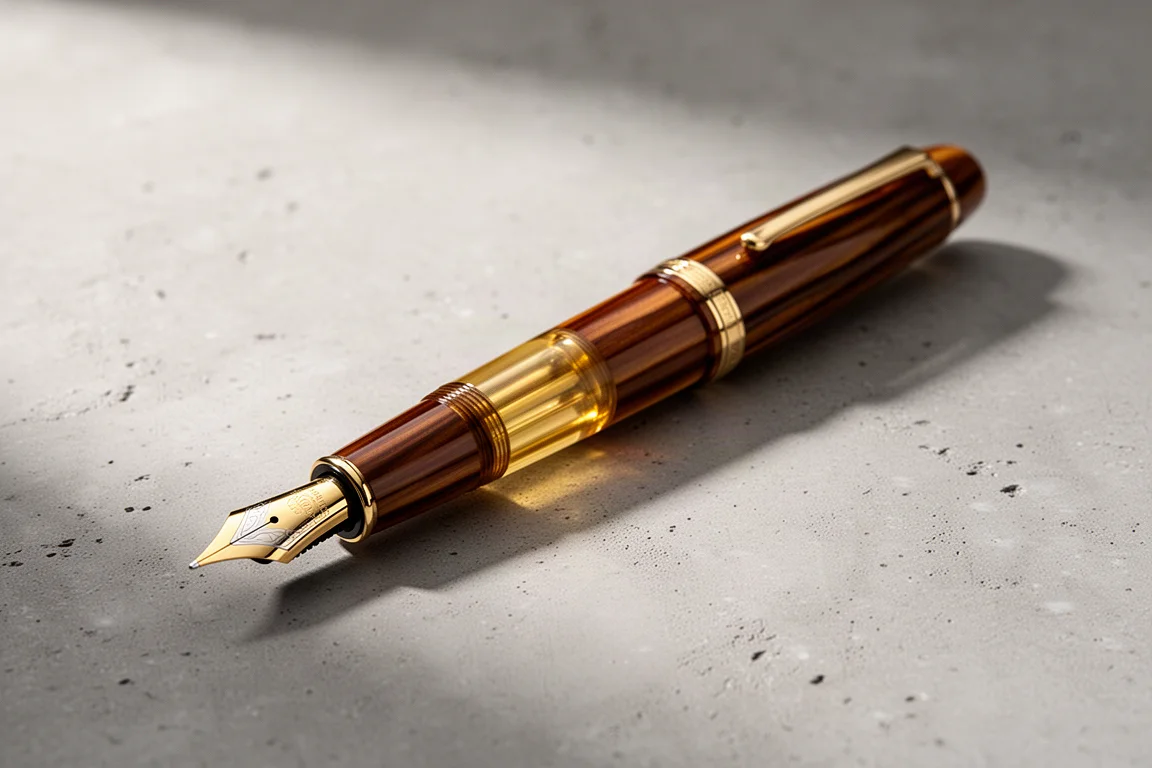
Topping the list is the Classic Pens LB5, a collaboration between Classic Pens and Sailor based on the King of Pen platform but slightly larger. The distinguishing feature is the resin, bonded at a molecular level so the barrel displays a cross-section of the material rather than lengthwise patterning. It is a striking, layered look.
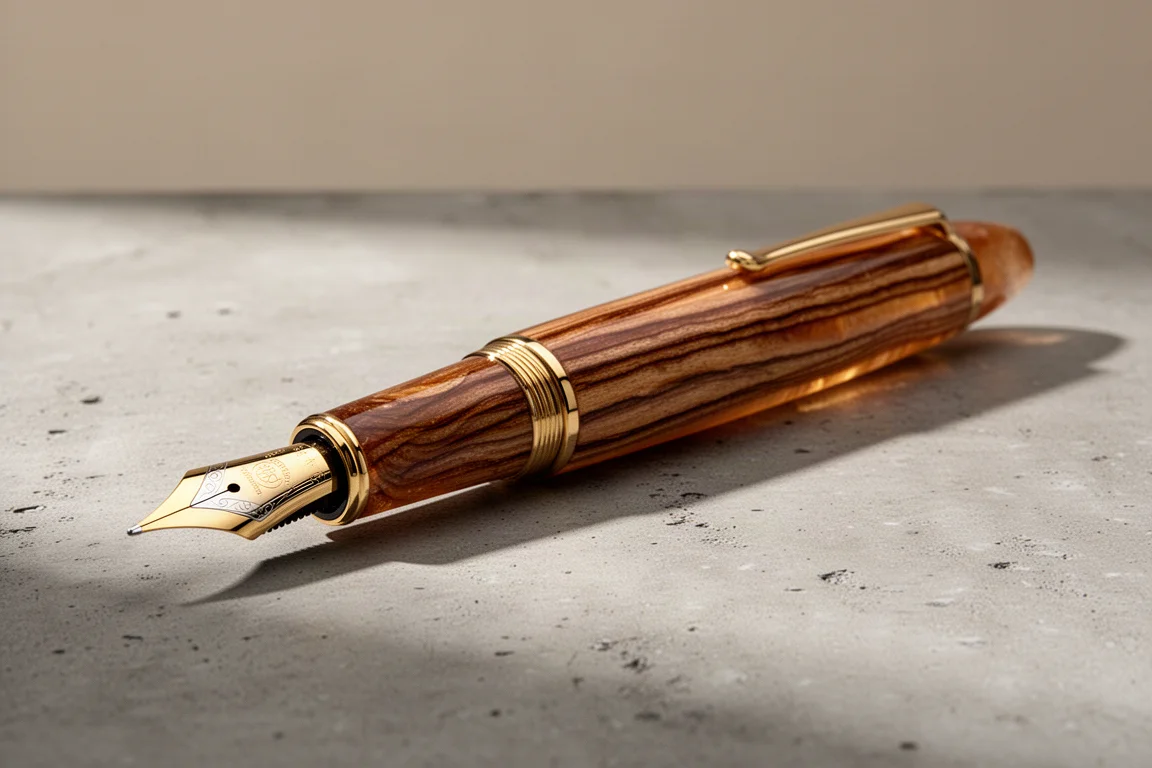
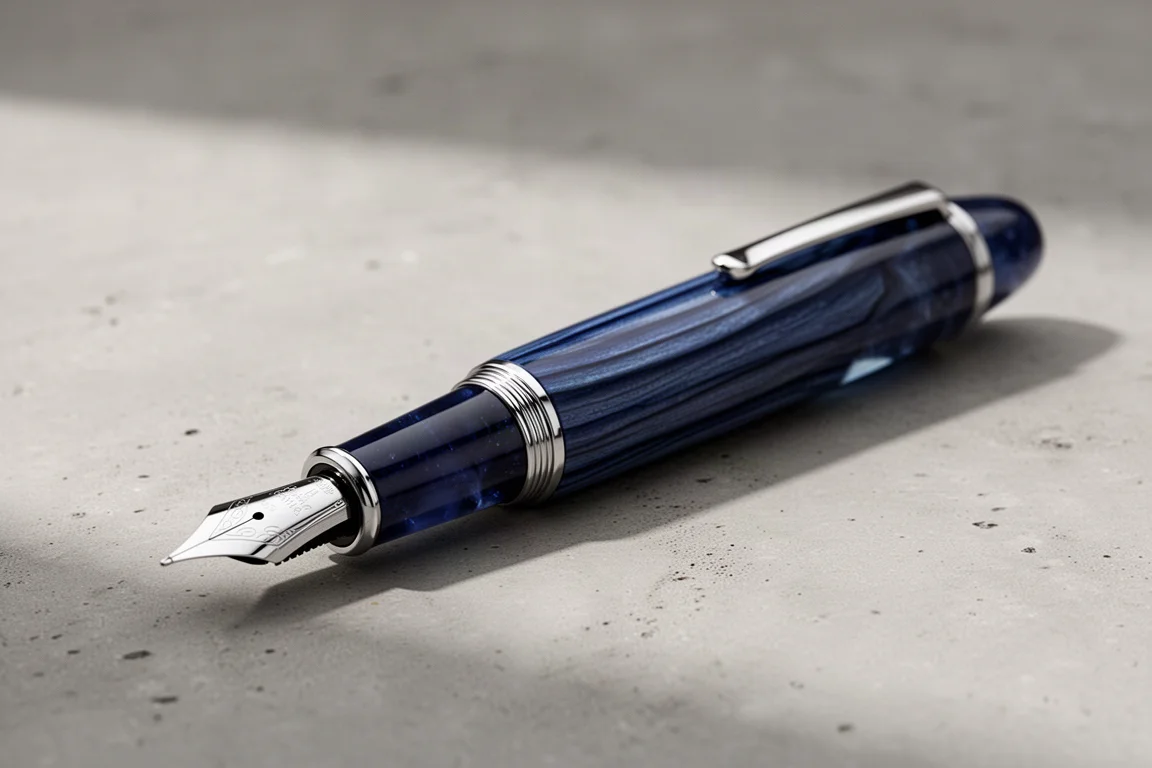
Only around 50 of each color were made, in six or seven colorways. The Koscki in brown carries gold trim and a gold nib, while the Tsusui in blue carries silver trim and a silver nib. Both have a Sailor King of Pen nib, recognizable Sailor housing, and a thick, chunky section that suits larger-pen fans.
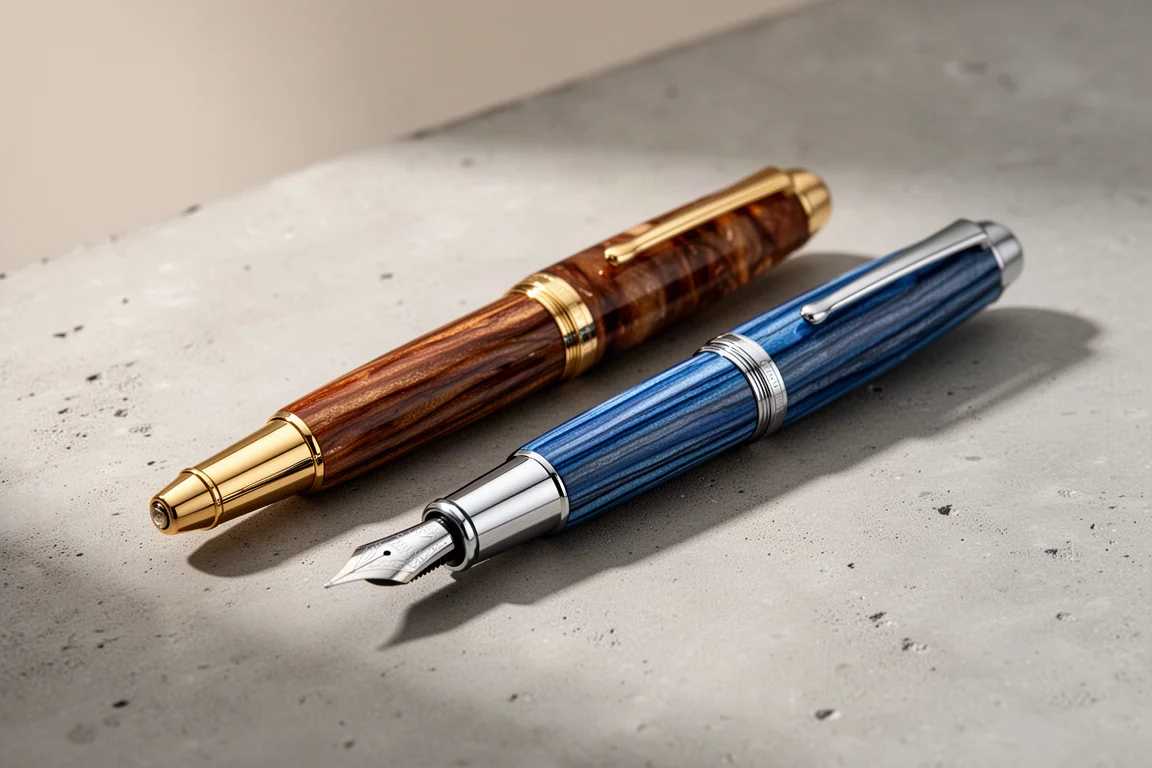
The Koscki is the warm brown version, and the layering effect is at its most distinctive in this colorway. They originally retailed around the $1,500 range, and scarcity has pushed asking prices dramatically higher; one recent listing asked $12,000, which ultimately sold for considerably less. For anyone chasing a grail, a reasonable price is the number to watch.
The Tsusui is the blue sibling, with a quieter but equally interesting layered material. Between the rarity, the material, the Sailor King of Pen nib, and the oversized feel, these are cherished pens that would be among the last to go in any collection.
Buying Advice
Hunting discontinued pens is a different game from buying new. A few principles help. First, verify actual selling prices rather than asking prices; secondary market listings are frequently optimistic, and filtering for sold items tells the real story. Second, inspect old stock carefully, because even unused pens can develop age-related issues like cap cracking or deteriorated piston seals.
Third, when a limited edition or unusual material pen appears at an attractive price while still in production, that is the moment to decide. Most of the pens on this list were skipped once at retail prices that look like bargains today. Finally, buy themes that mean something to you. The pens collectors keep forever are usually the ones connected to a personal interest, not just the ones with the highest resale value.
Conclusion
Discontinued does not mean unobtainable, but it does mean patience, research, and a willingness to pay closer to what the pen is actually worth. The Faber-Castell Loom proves great pens can be affordable, while pieces like the Classic Pens LB5 and the Montblanc Alfred Hitchcock show why the grail hunt is part of the hobby’s appeal. Whichever end of that spectrum you chase, the satisfaction of finally holding a pen you thought was gone is hard to beat.
Further reading
Related Reviews
Fountain Pens
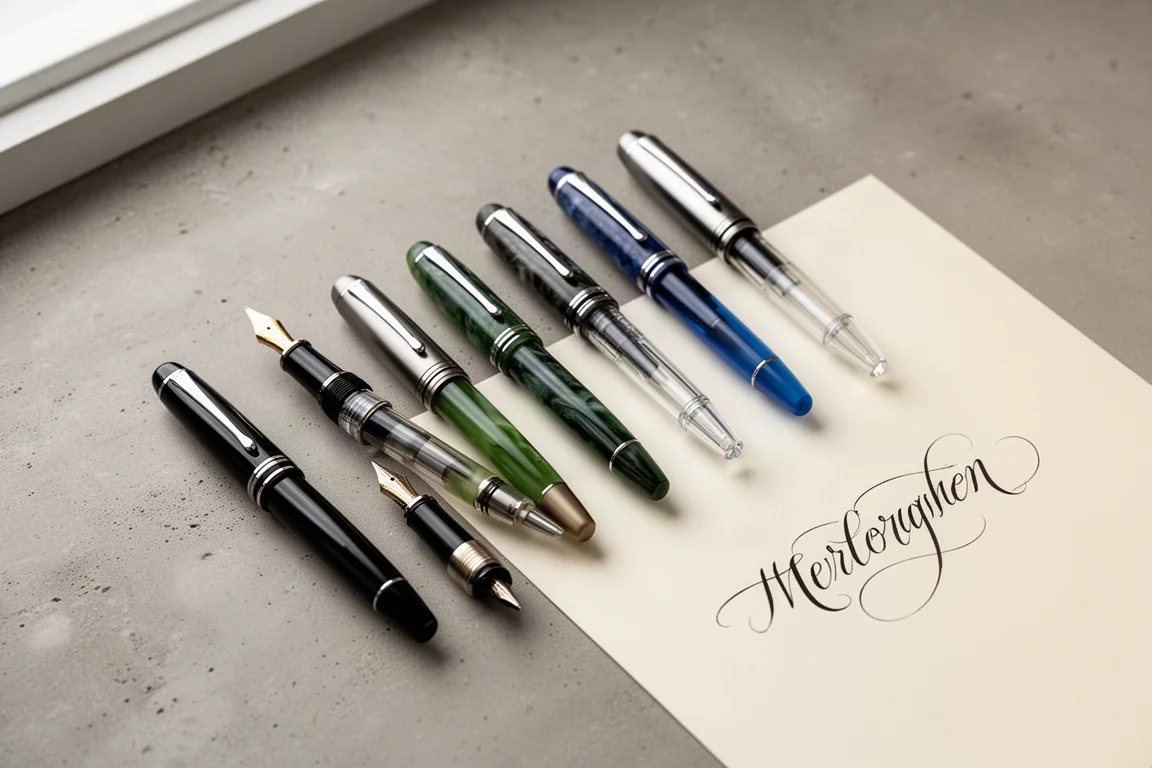
Best Budget Fountain Pens Tested: 9 Pens, One Clear Winner
A hands-on comparison of nine affordable fountain pens for everyday writing, calligraphy, and sketching, with a clear standout for flexible nib fans.
Fountain Pens
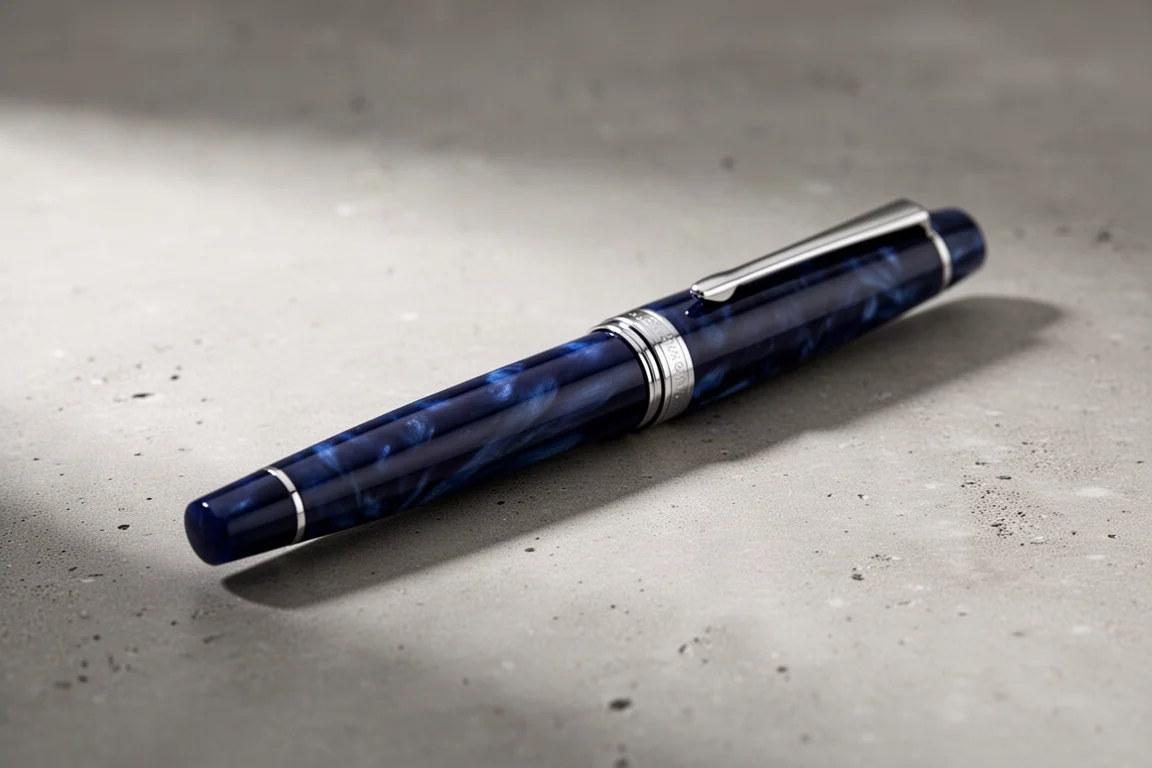
Aurora Optima Review: An Italian Piston Filler That Punches Above Its Price
A 14k gold nib, ebonite feed, and a beautifully deep oraloid body make the Aurora Optima one of the most rewarding piston fillers around.
Fountain Pens
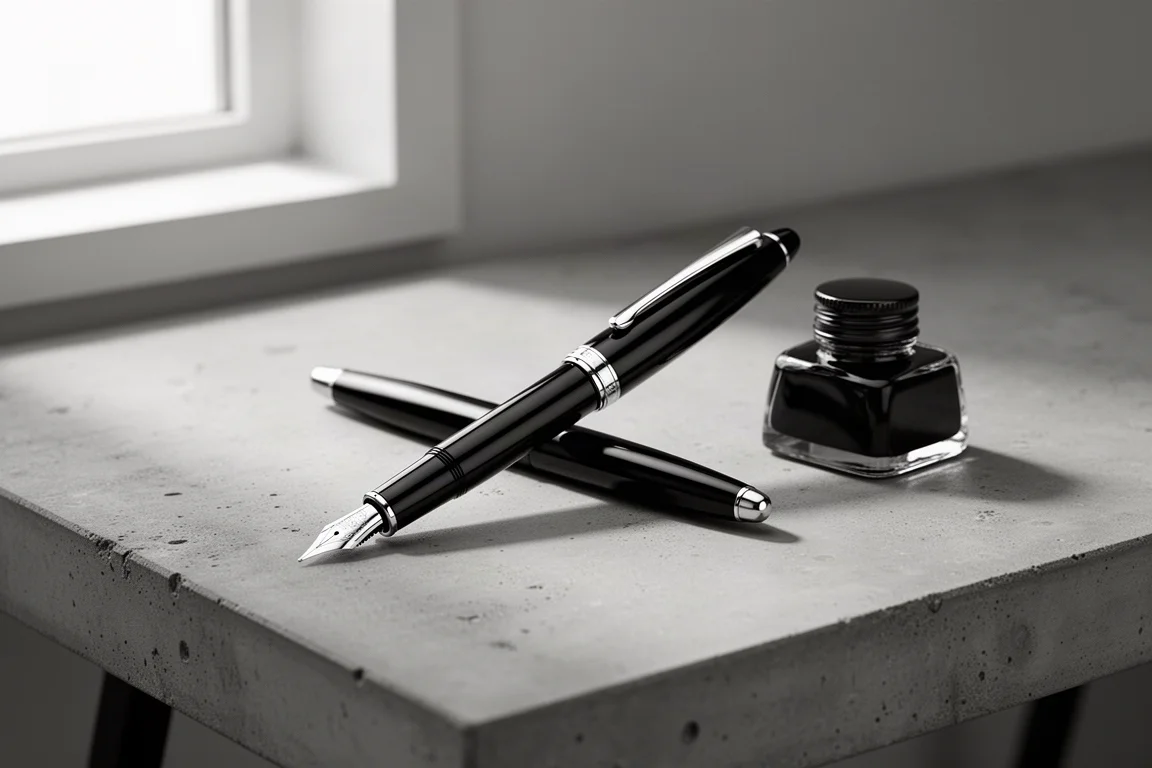
Cross Bailey Light Review: The Entry-Level Fountain Pen Worth Keeping at the Office
A plastic-bodied Cross with a metal clip, snap cap, and famously smooth extra fine steel nib. Around $15, available almost everywhere, and easy to recommend.