Fountain Pens
5 Fountain Pens You Buy Once and Keep Forever
Five fountain pens that earn a permanent spot on the desk, from a $36 workhorse to an iconic classic.
Introduction
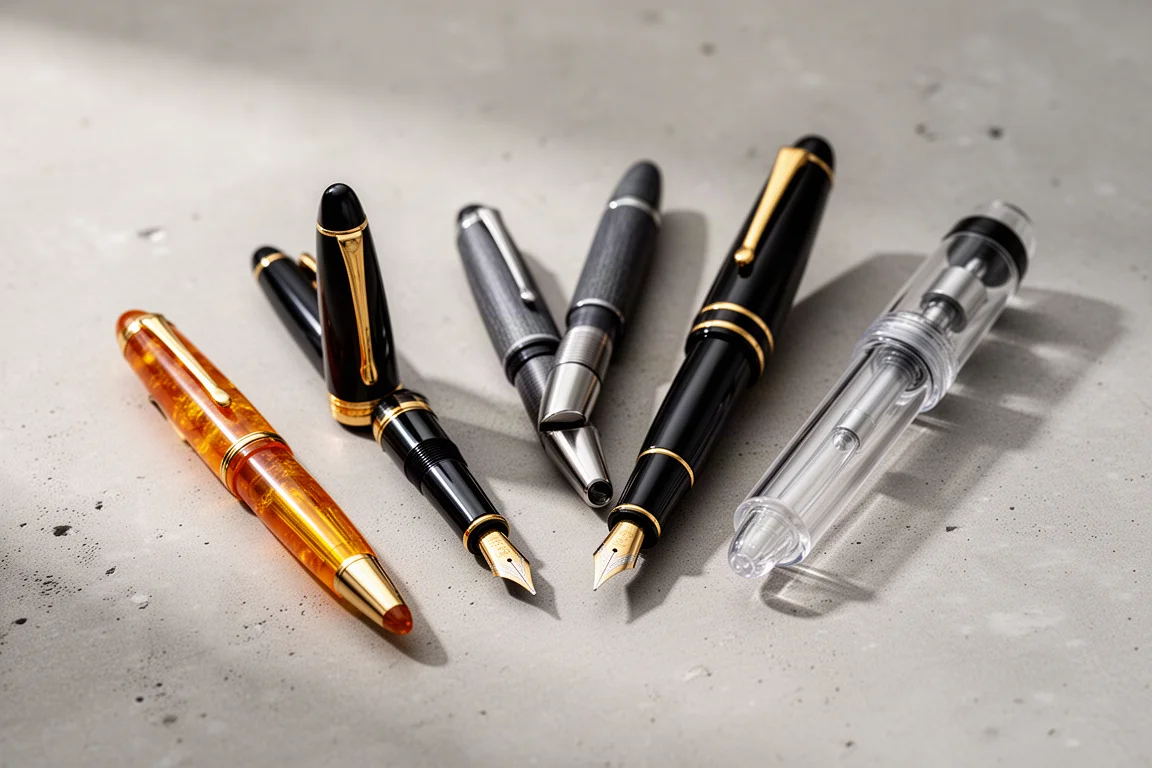
Some fountain pens are impulse buys that sit in a drawer after a week. Others become the pen you reach for every single day, year after year. The five pens below all belong to that second group: well-established designs, consistently good quality, and writing experiences that make it genuinely hard to justify letting them go. One rule was applied throughout: only one pen per brand, and nothing rare or difficult to find. Every pen here is one you can actually buy today.
Pilot Custom 823: The All-Rounder
Pilot has been making pens since 1918 and is remarkably consistent across its entire range, from entry-level models up to its urushi lacquer flagships. Distilling that lineup down to one pen is not easy, but the Custom 823 is the one that keeps calling people back. It even marked its 25th anniversary in 2025, and many owners are already planning a second one in a different finish or nib.
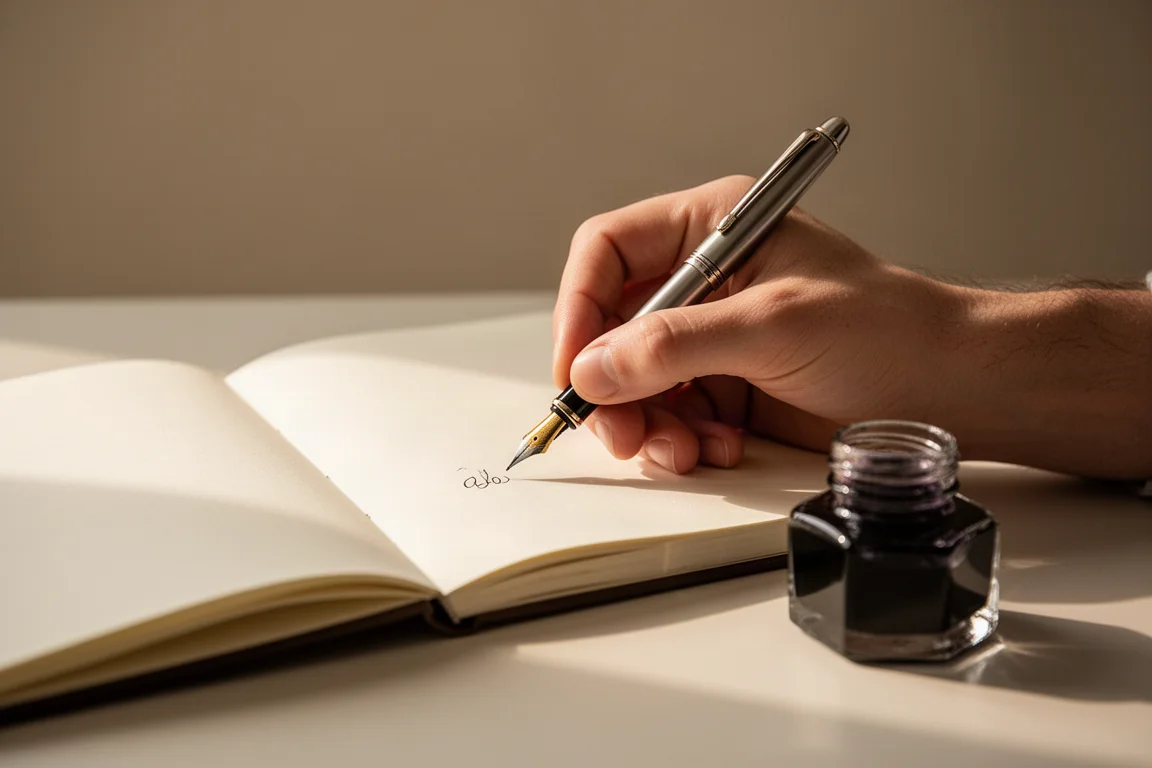
What sets the 823 apart is its vacuum filling system, which holds over 2 ml of ink without making the pen thick and heavy in the middle the way most vac fillers do. Filling it is genuinely satisfying, with a noticeable whoosh as the reservoir draws ink in. The translucent amber body lets you watch the ink level, and small details reward a closer look: the bluish-grey feed, the brown-tinted grip and piston end, and the gold-trimmed cap with its distinctive globe clip.
The number 15 size nib is the real star. It balances smoothness with just enough feedback to connect you to the paper, writes with a generous and reliable flow, and has never skipped in long-term use. At a common price around $400, often found closer to $350, it is not cheap, but it is the kind of pen you could build an entire collection philosophy around and never feel you are missing anything.
Waterman Carène: Design and Value
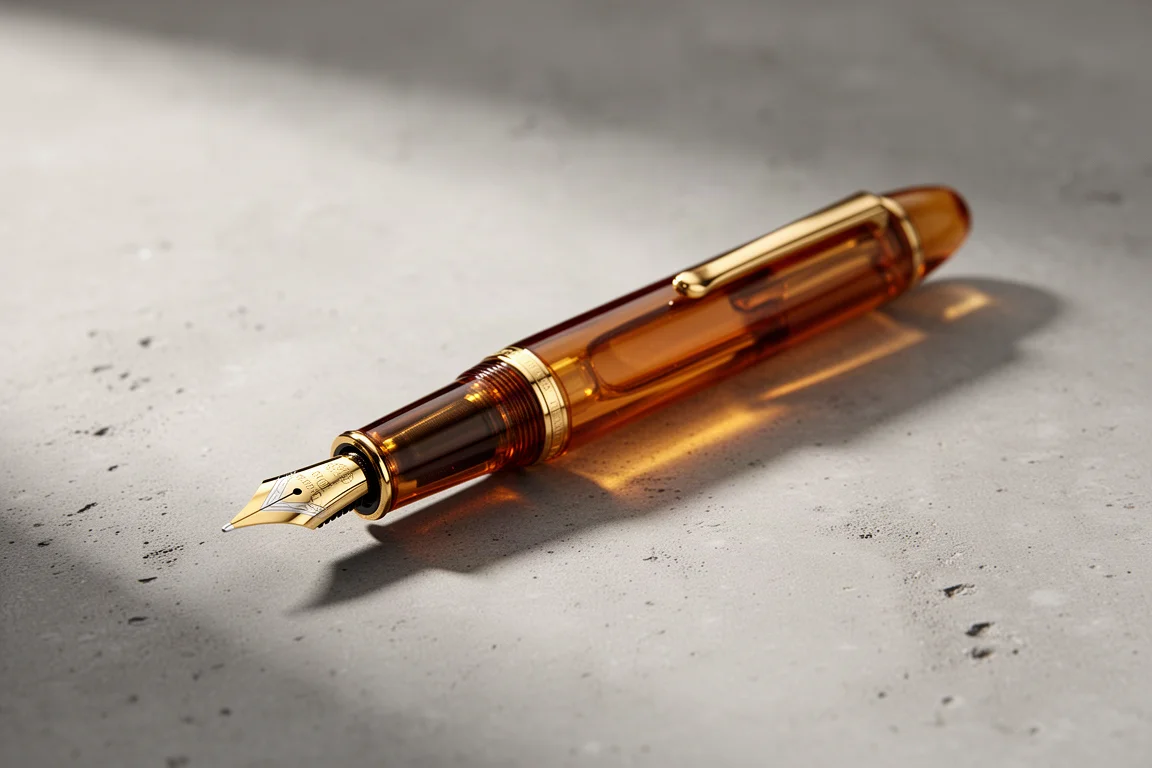
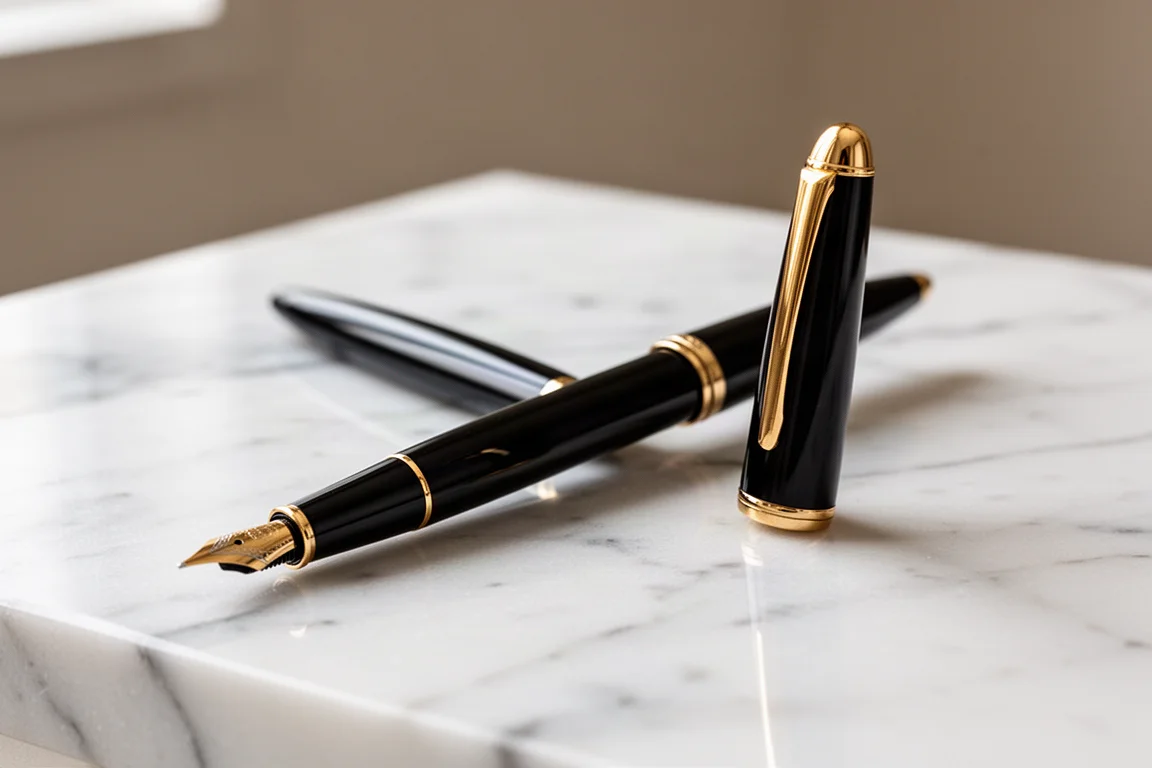
Waterman was founded in 1884 and still makes its pens in France, and the Carène is one of the most original designs in modern production pens. Inspired by a mid-century speedboat, the body tapers toward the rear like a hull cutting through water, and the inlaid nib wraps elegantly into the form. The gold plated cap and spring-loaded clip finish it off beautifully. Surprisingly, no individual designer is ever credited for it.
The Opera Edition shown here is one of several finishes, and the base model sits around $300. For that money you get an 18-karat gold nib that writes smoothly enough to compete with pens costing $1,000 or more. It is a cartridge or converter filler, which is less romantic than a piston, but a swappable converter is also a practical longevity feature. Long-term durability is well documented: one owner’s amber Carène has lasted over 20 years and still compares favorably with brand-new examples, and Waterman repaired a damaged nib without fuss. It is a pen that punches far above its price.
Lamy 2000: Form Follows Function
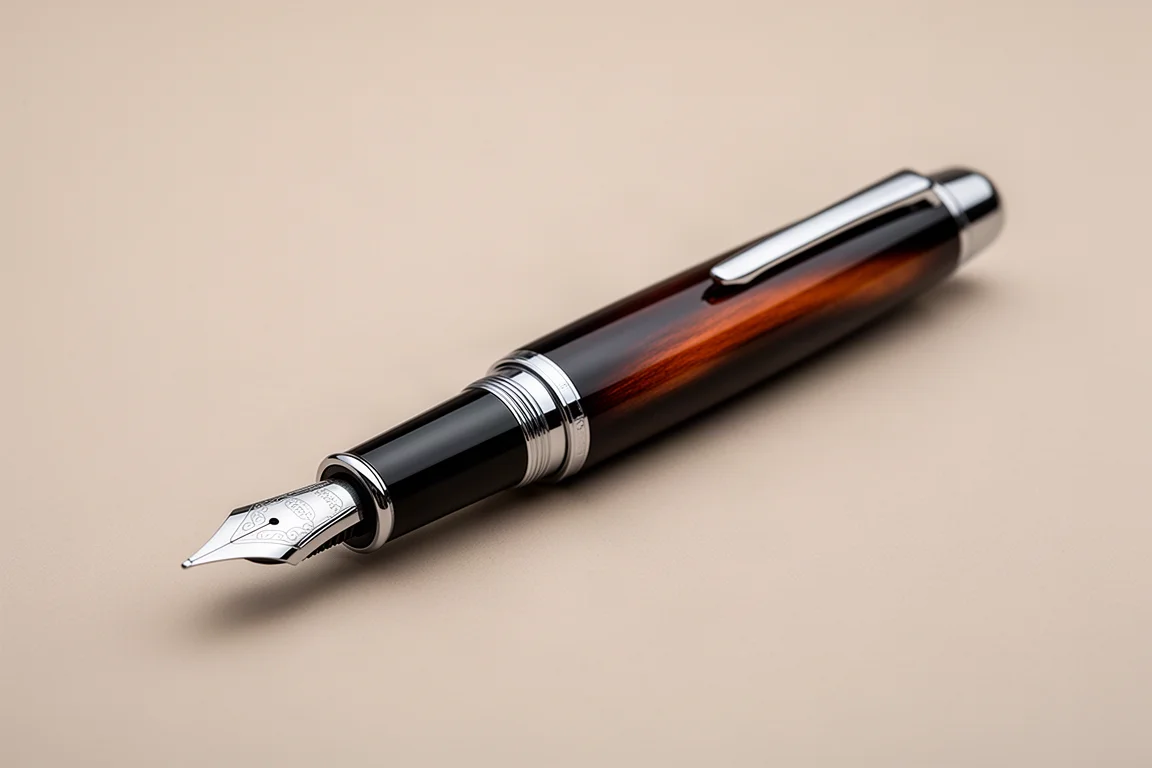
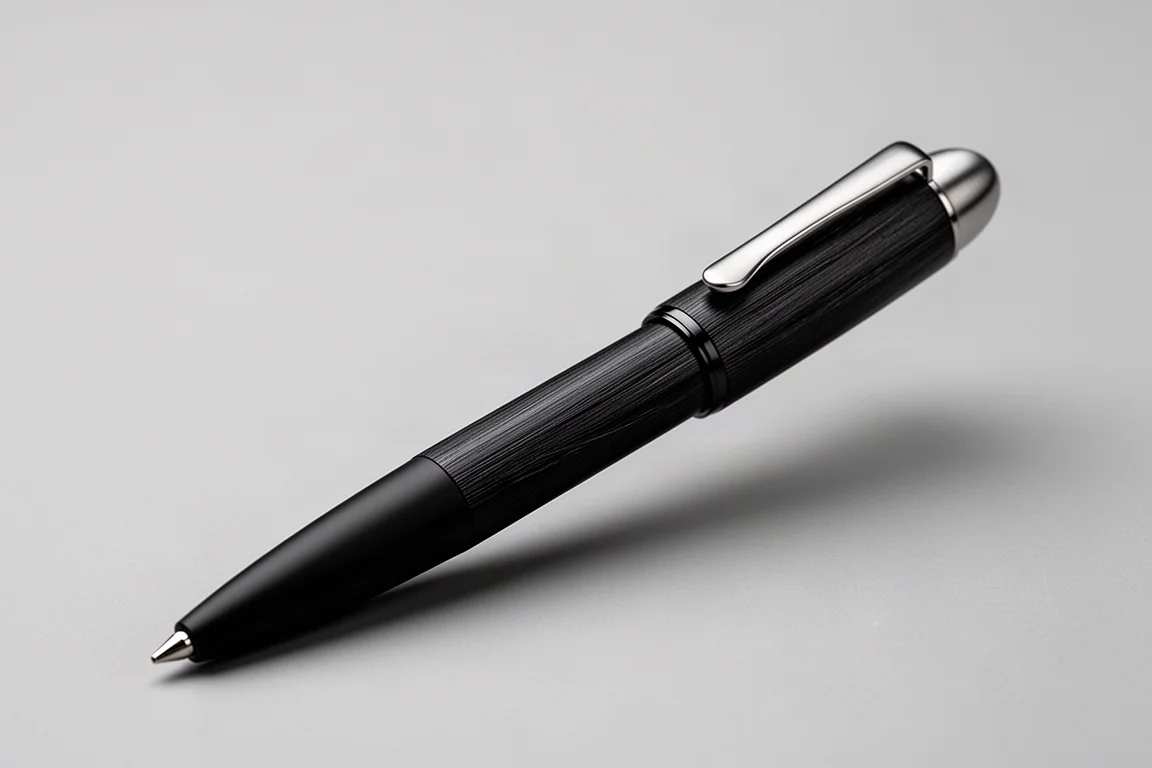
Released in 1966, the Lamy 2000 is a masterclass in reduction. Designed by Gerd Müller, it strips the fountain pen down to its essentials and executes every detail with unusual precision. The Makrolon body has an almost invisible seam between the barrel and the piston knob, the stainless steel grip is brushed and tactile, and the ink view window before the grip is machined cleanly into the body.
The 14-karat gold nib has a pleasant softness and writes smoothly and precisely, and the piston filler holds enough ink to keep you journaling for a week or more. At around 25 g the pen is light and easy to use for long sessions. It is not flawless: the two wire catches for the cap are polarizing, and the cap makes a slightly grating sound. But those quirks give it personality, and at roughly $225 to $300 for a piston-filler with a gold nib and this level of design, it remains a remarkable deal. Sixty years on, the design still looks fresh.
Montblanc 149: The Iconic Benchmark
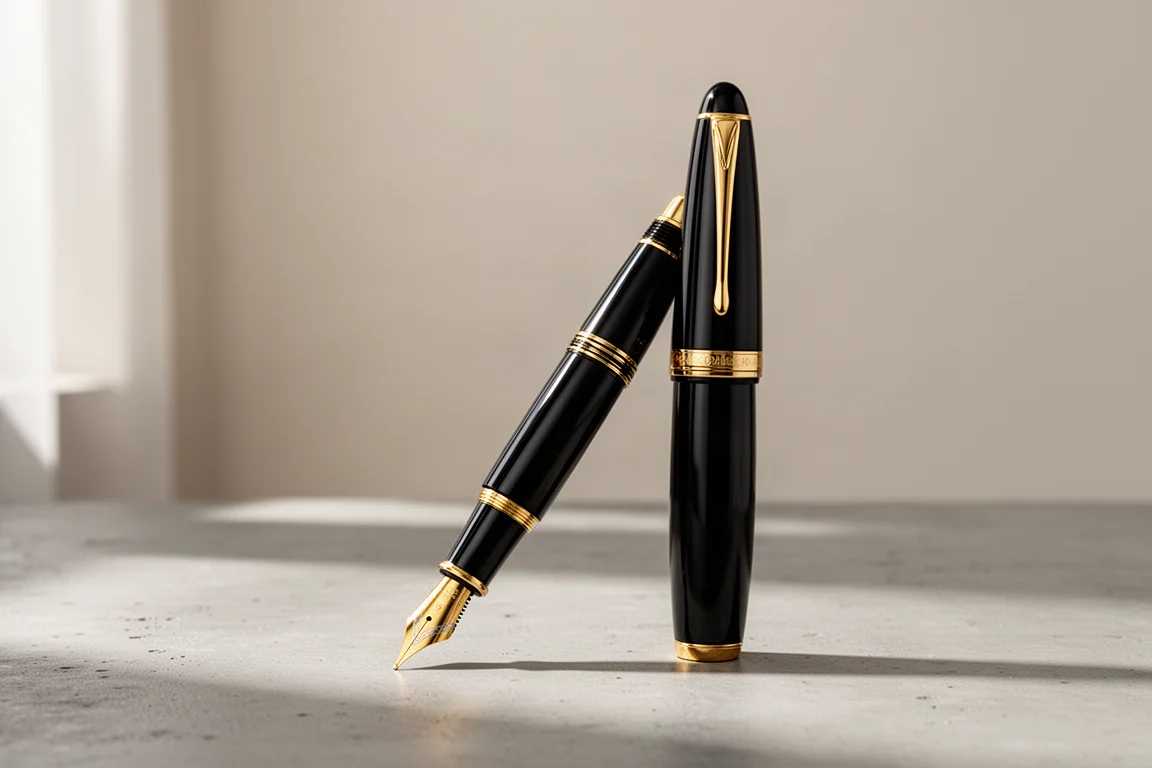
The Montblanc 149 traces its lineage back to 1952, and for many people it is simply what “fountain pen” looks like in the mind’s eye. It is the yardstick other pens get measured against, and it is probably the only fountain pen casual non-collectors recognize by sight. Its proportions are close to perfect in the hand, though it may feel large for smaller hands, and the classic silhouette has a timeless, heirloom quality.
It is also expensive. Around $500 to $600 second-hand is where it starts to make sense; paying much beyond that is hard to rationalize. The 18-karat two-tone nib is tuned for smoothness and delivers a cushioned, luxurious writing experience when you get a good one, though quality control on the nib can be inconsistent. The piston filler is beautifully integrated but slower to flush clean than some rivals, and the exposed resin on the cap beyond the gold ring needs careful handling. Those caveats aside, if you want a pen to use for decades and eventually pass down, this is the archetypal choice.
TWSBI Eco: The Affordable Workhorse
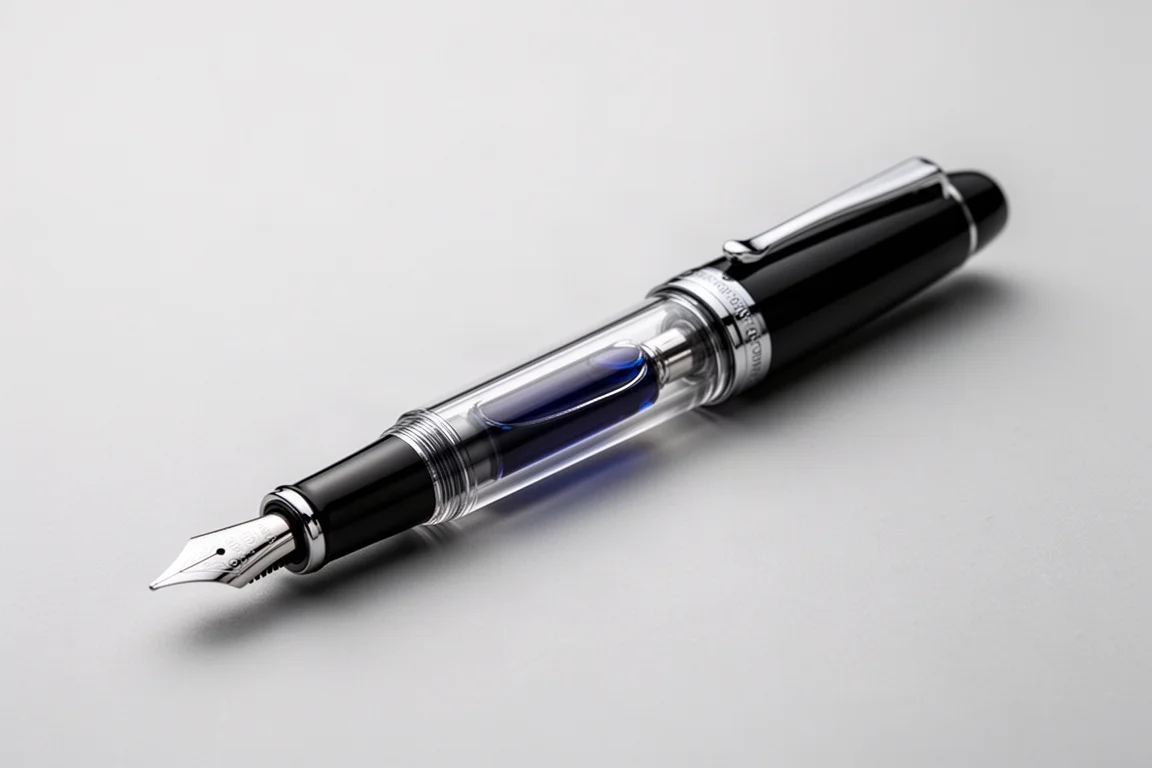
Dropping from the stratosphere down to earth, the TWSBI Eco costs roughly $35 to $55 depending on the edition, and it delivers nearly everything fountain pen writing has to offer. Introduced to bring piston filling to the broad market, it holds about 1.5 ml of ink in a reliable, serviceable mechanism, and TWSBI even includes a small wrench and silicone grease so you can service it yourself.
The faceted cap keeps the pen anchored on your desk, the nibs are consistently smooth and well-flowing, and the simple demonstrator design means nothing about the pen is too precious to use daily. It handles shimmering and sheening inks happily and cleans up without complaint. Stories of cracked pens exist, but TWSBI has a strong reputation for sending replacements when problems occur. It is a quintessential, almost democratic fountain pen: affordable, well executed, easy to live with, and genuinely good enough to be your only pen.
Overall Buying Advice
If budget matters most, the TWSBI Eco proves you can experience piston filling and a great nib for under $60. If you want maximum writing performance per dollar, the Waterman Carène and Lamy 2000 both deliver gold nibs and outstanding design in the $225 to $300 range. The Pilot Custom 823 sits at the sweet spot of the premium tier, and the Montblanc 149 is the heirloom play for those who want history and status along with the writing. Consider a second-hand purchase for any of the pricier options; a pen with a few honest scratches often becomes the one you actually use without worry.
Conclusion
The best pen to buy forever is the one that fits your hand, your budget, and your habits. But if forced to choose one, the Pilot Custom 823 balances everything, feedback, smoothness, precision, and ink capacity, better than any of the others. Buy it, use it, and you may find you no longer need to keep climbing the escalator to the next pen.
Further reading
Related Reviews
Fountain Pens
Best Budget Fountain Pens Tested: 9 Pens, One Clear Winner
A hands-on comparison of nine affordable fountain pens for everyday writing, calligraphy, and sketching, with a clear standout for flexible nib fans.
Fountain Pens
Aurora Optima Review: An Italian Piston Filler That Punches Above Its Price
A 14k gold nib, ebonite feed, and a beautifully deep oraloid body make the Aurora Optima one of the most rewarding piston fillers around.
Fountain Pens
Cross Bailey Light Review: The Entry-Level Fountain Pen Worth Keeping at the Office
A plastic-bodied Cross with a metal clip, snap cap, and famously smooth extra fine steel nib. Around $15, available almost everywhere, and easy to recommend.