Fountain Pens
Six Fountain Pens Worth Being Thankful For This Autumn
From a rich red urushi masterpiece to a robust everyday workhorse, these six fountain pens earned a permanent spot in the pen case this year.
Introduction
Autumn always brings a natural moment of reflection. The days get shorter, the pace slows, and it feels right to take stock of the things that made the year special. For anyone who writes by hand, that usually means thinking back over the fountain pens that earned their place on the desk.
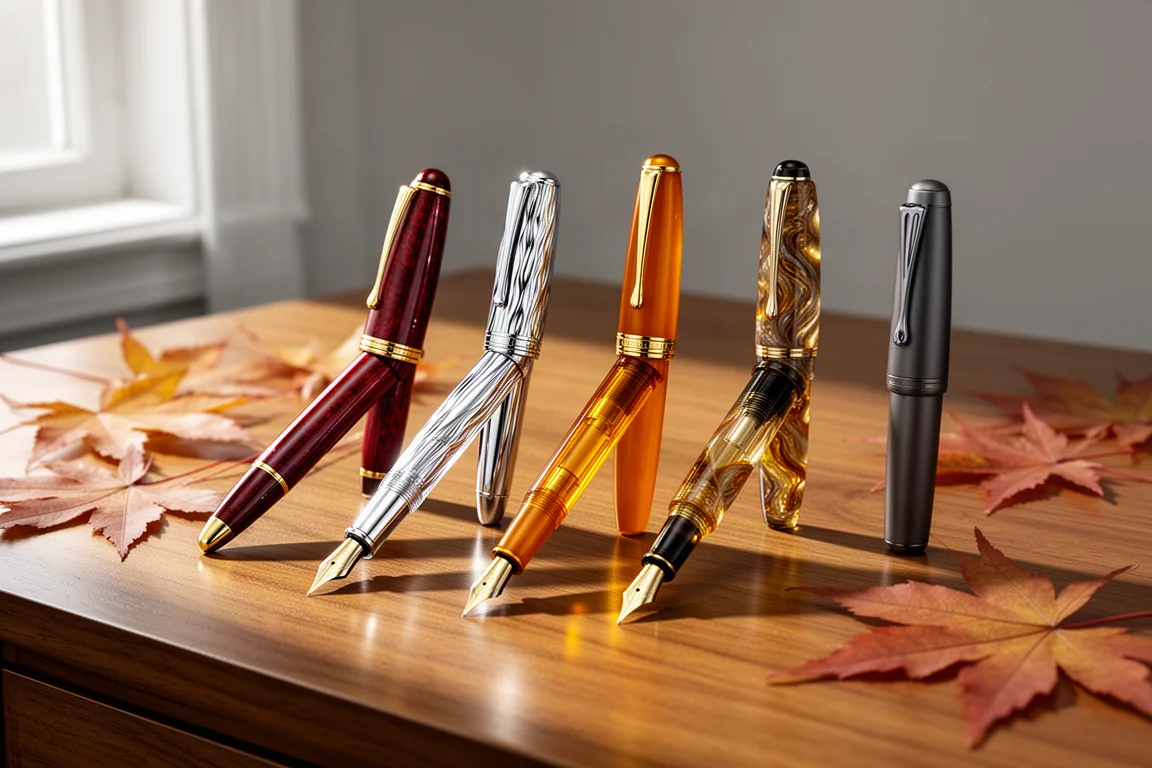
This year’s list is a mix of grail-level luxury pieces, an underrated classic, a modern marvel of capacity, and a trusty workhorse. Each one earned its spot for a different reason, and each suits a different kind of writer. Here are six fountain pens worth being thankful for this season.
Pilot Custom Urushi: The One That Stays in Your Head
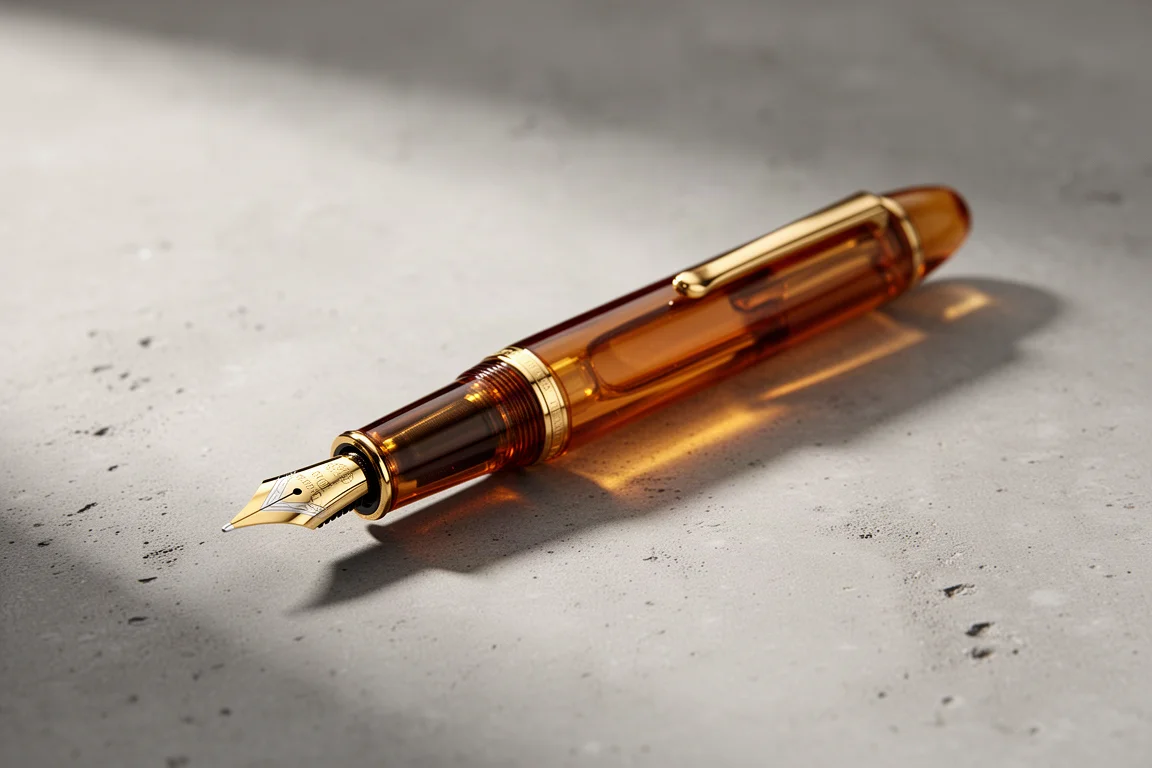
Some pens you forget. Others you keep thinking about when they are not in the room. The Pilot Custom Urushi, related to the Custom 845 in its perfectly proportioned body, is firmly in the second category. At roughly 140 mm capped, it fills larger hands beautifully, and the number 30 Pilot nib is the star: soft, expressive, and gliding rather than demanding. If you apply a touch of pressure you can even coax out a hint of line variation.
The rich red urushi finish carries a luminous quality that draws on a long heritage of Japanese decorative art, while the black and gold accents rein it in just enough to keep a businesslike desk presence. It is a glorious pen for signing your name.
A few practical notes before you plunge. At around $1,600 this is a serious investment, and if you have smaller hands it is worth trying first. The pen is best used unposted, as posting makes it noticeably backheavy. The Con-70 converter also feels a little modest for a pen at this price; a more elaborate filling system would have been welcome. None of that takes away from the writing experience, the blue feed, or the sheer presence of the thing.
Waterman Carène Reflections of Paris: Beauty With a Story
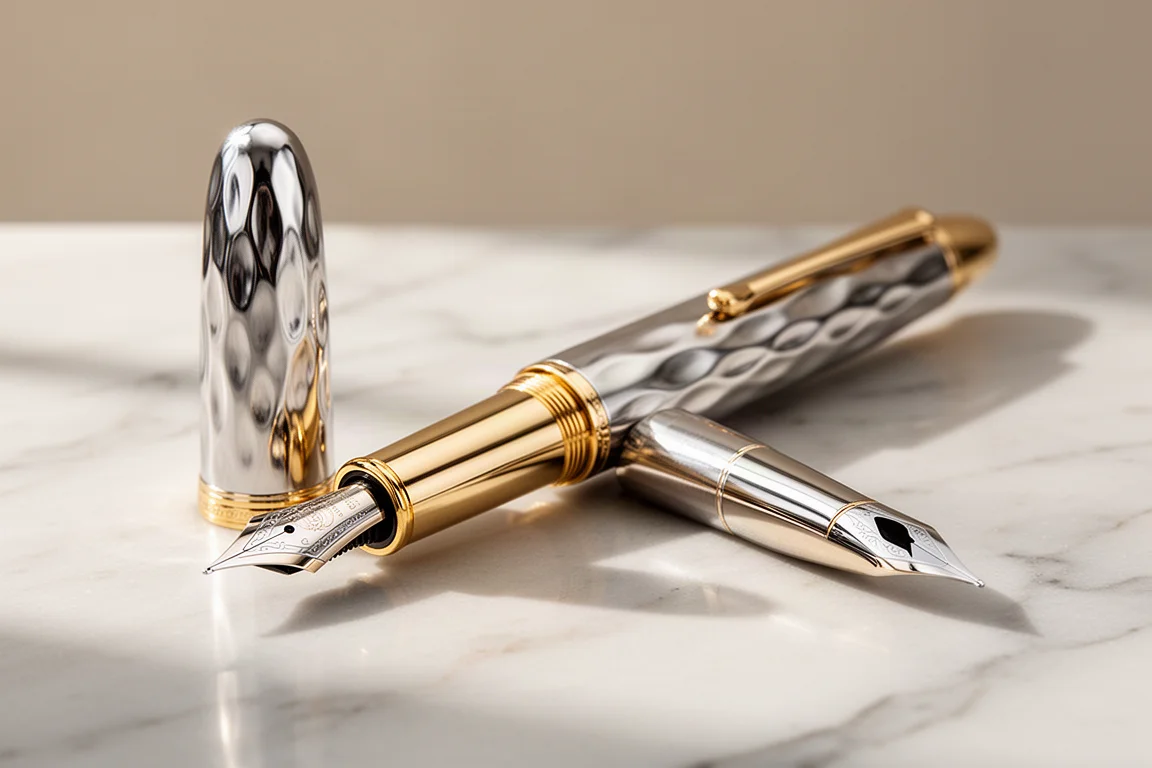
Waterman may be the most underappreciated fountain pen brand out there, and the Carène shows why. The Reflections of Paris edition pairs a palladium cap of rippling, highly reflective texture with silver and gold accents that somehow look harmonious rather than clashing. The inlaid nib resembles the bow of a boat, and the balance in the hand is lovely.
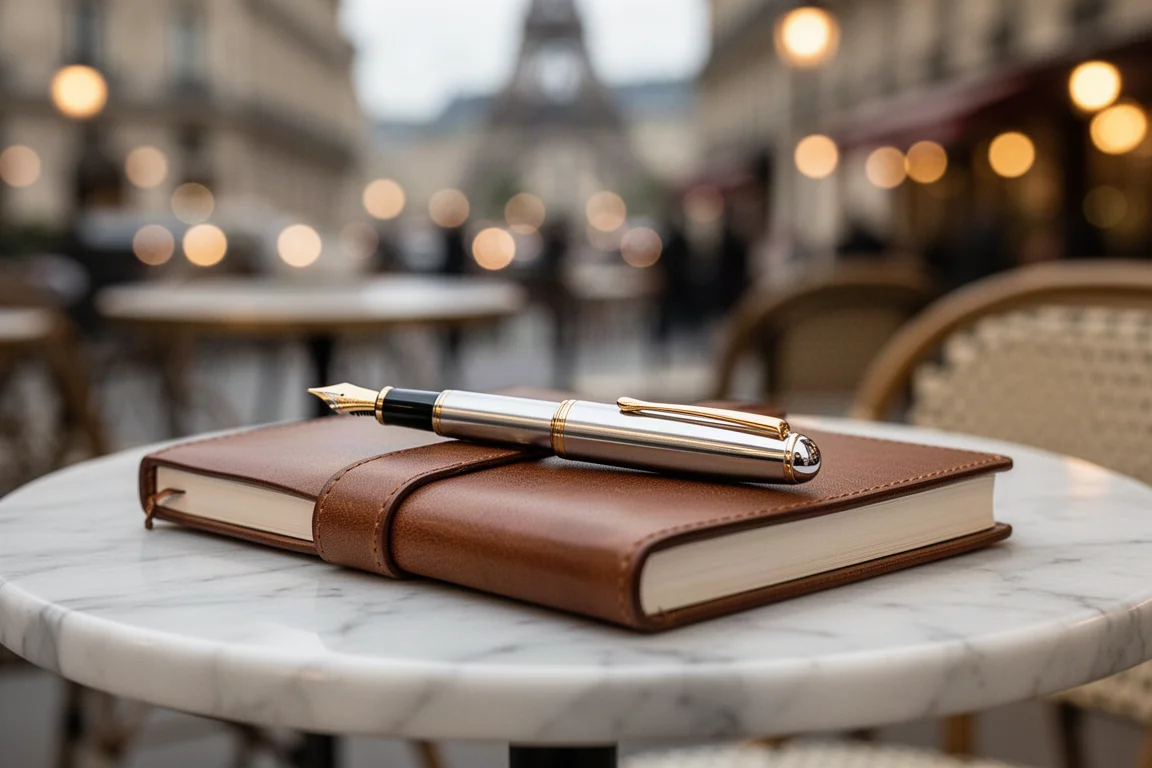
This edition is tied to a family trip to Paris, where the pen was brought back to the city it was meant to represent. Writing with it in a cafe there, with the evening light reflecting off the Seine, is exactly the experience the design evokes.
One honest buying note: the standard Carène in basic black runs about $220 and writes as well as pens three or four times the price. The Reflections of Paris sits around $400, which is a lot more money for a decorative cap. Unless the aesthetics genuinely speak to you, the basic version is the smarter pick. Either way, Waterman occupies a sweet spot: aspirational but not obnoxiously expensive, smooth, expressive, and genuinely unique in design.
Yard-O-Led Viceroy Grand Barleycorn: A Relic From a More Elegant Age
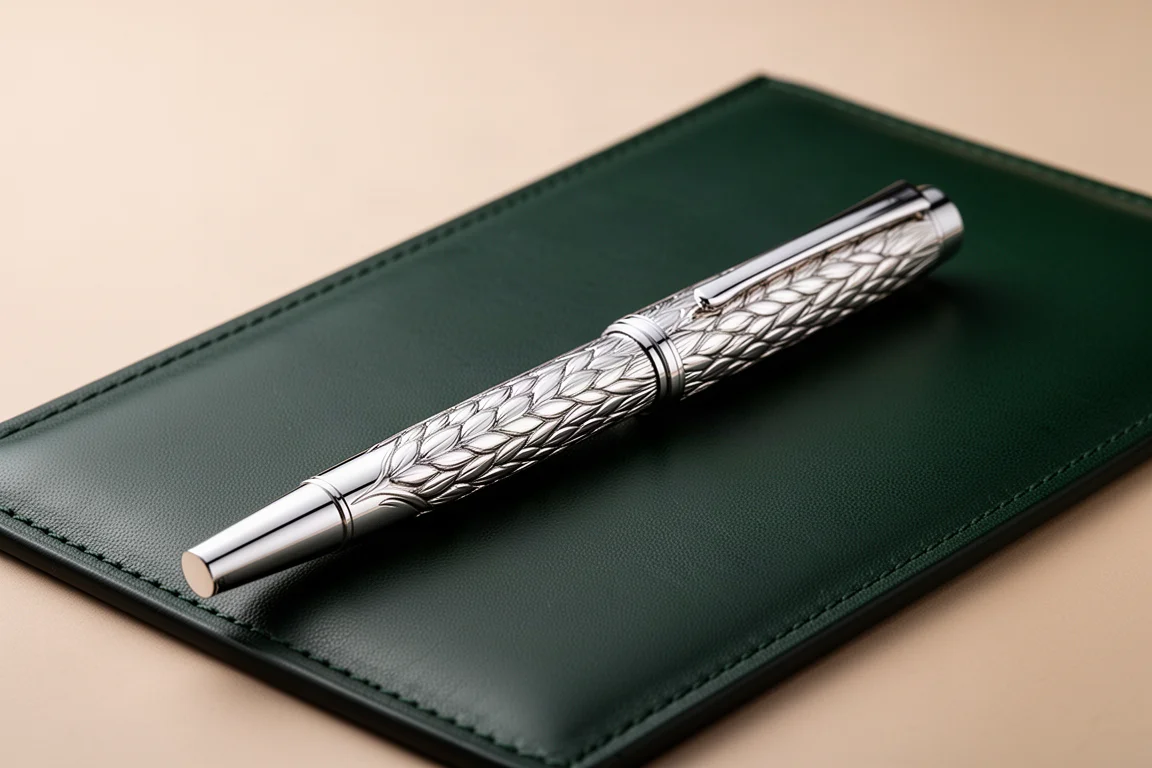
Every so often a pen reminds you why you fell in love with the hobby in the first place. The Yard-O-Led Viceroy Grand Barleycorn is that pen: a stunner in solid sterling silver with a barleycorn texture, flat top, and proportions that look like a relic from a hundred years ago. It is quintessentially English, hand-finished by skilled craftspeople using the same machines and methods as always, which is genuinely inspiring to see from a modern maker.
It is so bright and reflective that it is almost difficult to photograph, and it looks best sitting proudly on a desk.
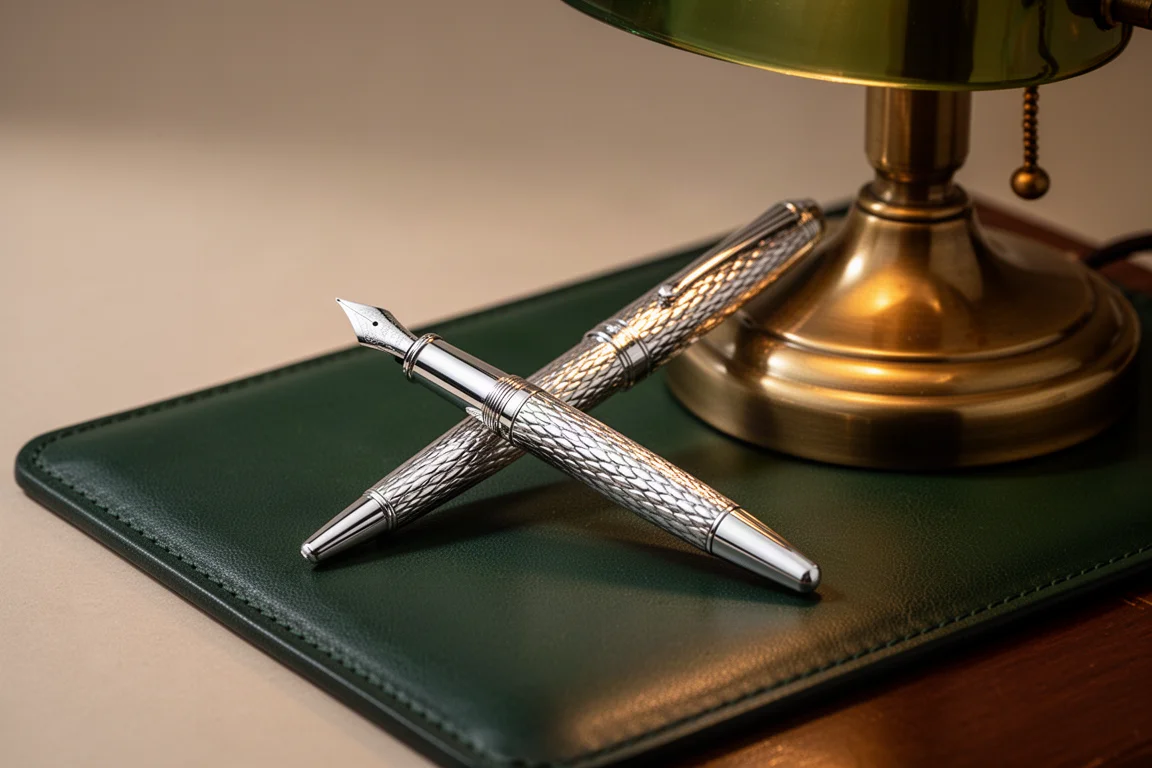
Two caveats are worth knowing. Yard-O-Led does not make its own nibs, which is a shame for a brand at this level. And the cap is a little difficult to get on and off, which makes carrying it daily feel risky for the polished finish. As a desk pen and a statement piece, though, it is hard to beat, and journaling with it feels a bit like living in another, more elegant era.
Pilot Custom 823: Still the Benchmark
It would be easy to call the Pilot Custom 823 the perfect fountain pen and leave it there. The vacuum fill system is genuinely fun to use and holds a serious amount of ink, Pilot’s quality control is consistent at every level, and the nib strikes what may be the ideal balance between smoothness and feedback. It is a writing experience that stands on its own and compares comfortably with pens at any price.
This year the 823 marked its 25th anniversary, which is a good excuse to revisit it. It is a shame Pilot did not mark the milestone with a special edition, because the pen deserves the celebration.
The price has crept upward to roughly $380, and it was easier to love at $330. Even so, with a writing experience on par with pens around $1,000, it remains one of the best value propositions in the hobby and a pen you return to again and again.
Gravitas The Monster: Capacity Without Compromise
The Gravitas The Monster is an absolute beast of a fountain pen, with an enormous 7 ml ink capacity that makes running out of ink almost impossible. Filling it is genuinely fun, and for sheer productivity and longevity between refills, nothing else on this list comes close. It proved its worth as a dependable backup when another pen ran dry mid-postcard.
The nibs are made to custom specifications and perform flawlessly, and the pen itself looks like a lava lamp, with swirling materials that make it a joy to behold. The one wish: a clip. It does not have one, and it would be better with one.
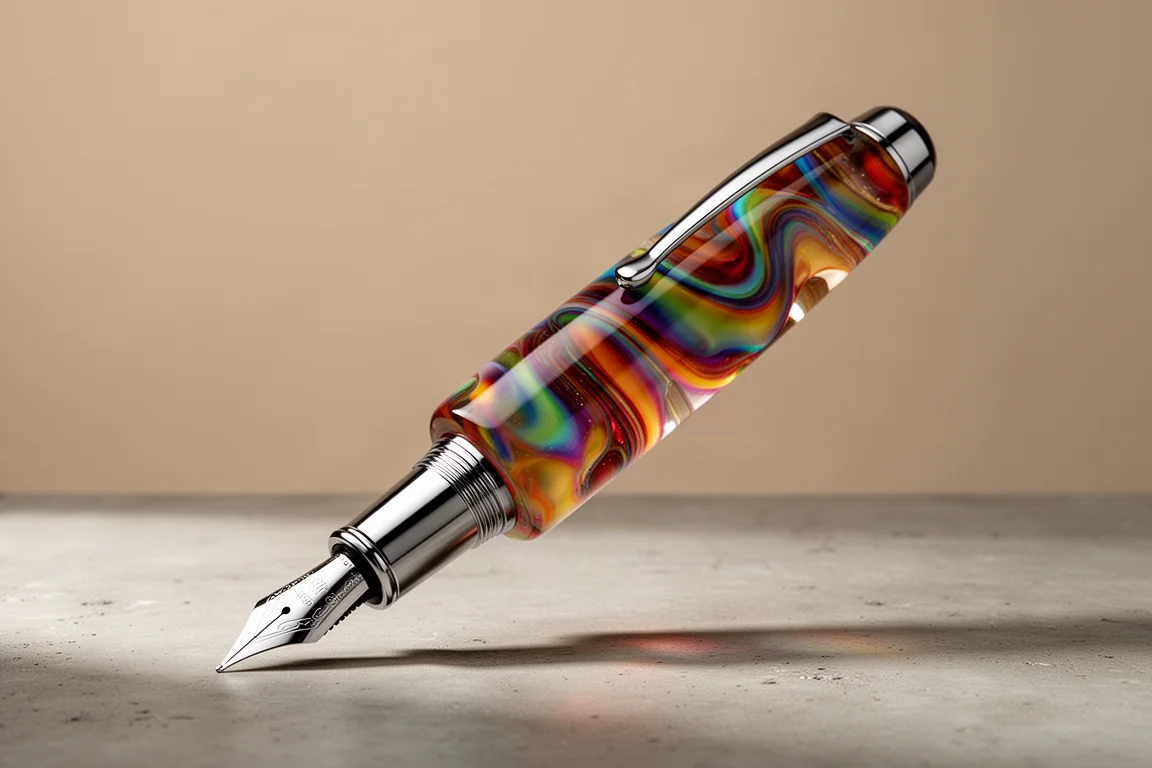
The brand has had some fulfillment and customer service bumps in the past, but the founder has since partnered, reworked his systems, and continues to push the edges of materials and design, working with medical grade acrylics, brushed aluminum, and carbon fiber in creative ways without losing the heart and soul of a pen. It is an exciting company to watch.
Lamy Safari Terracotta and Savannah: The Everyday Companion
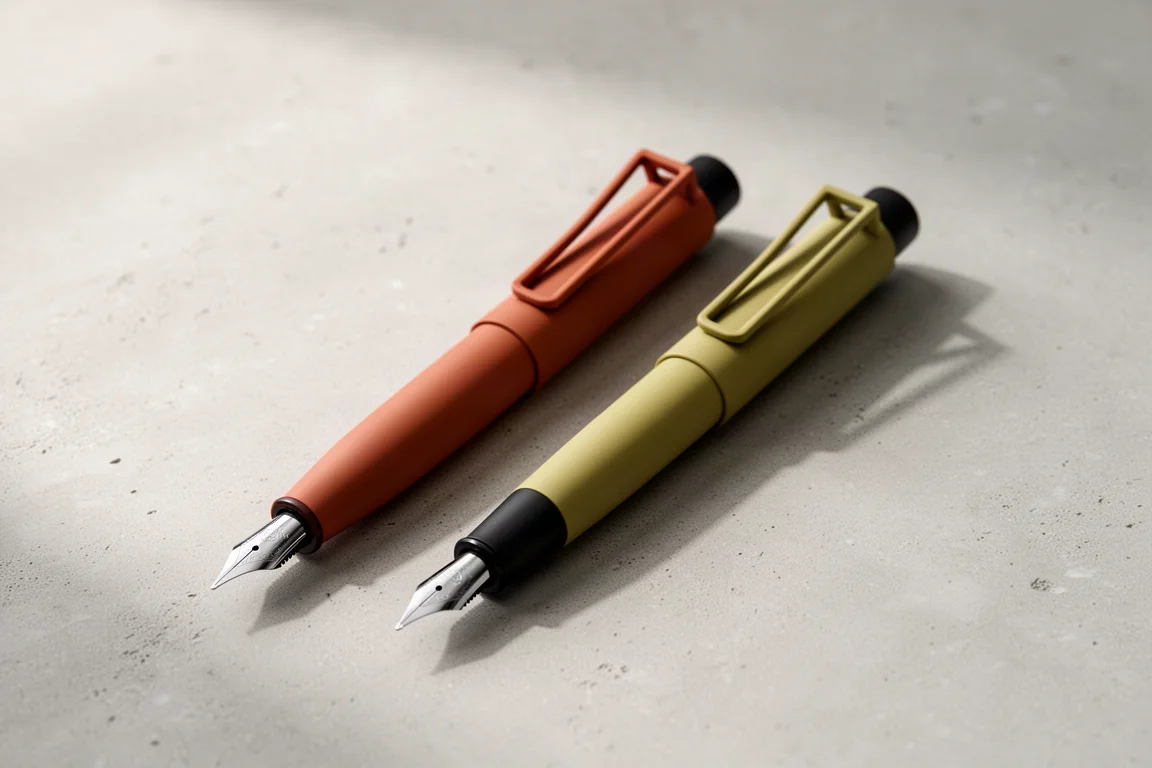
Rounding out the list is the dependable one. The Lamy Safari in the two revived original colors, Terracotta and Savannah, captures everything glorious about the model, with a late-1970s and early-1980s color scheme that ties it back to its roots. It is a pen you never have to worry about: robust enough for a bag, a pocket, a museum visit, or a field trip, and always ready.
The nib selection is where the Safari really earns its keep. While many affordable pens offer only fine or medium, the Safari comes in a wide range, including the excellent 1.1 stub, also marketed as a calligraphy nib, which produces lovely line variation. Earlier special nibs like the cursive nib with the kanji symbol were brilliant too, though availability has become spotty.
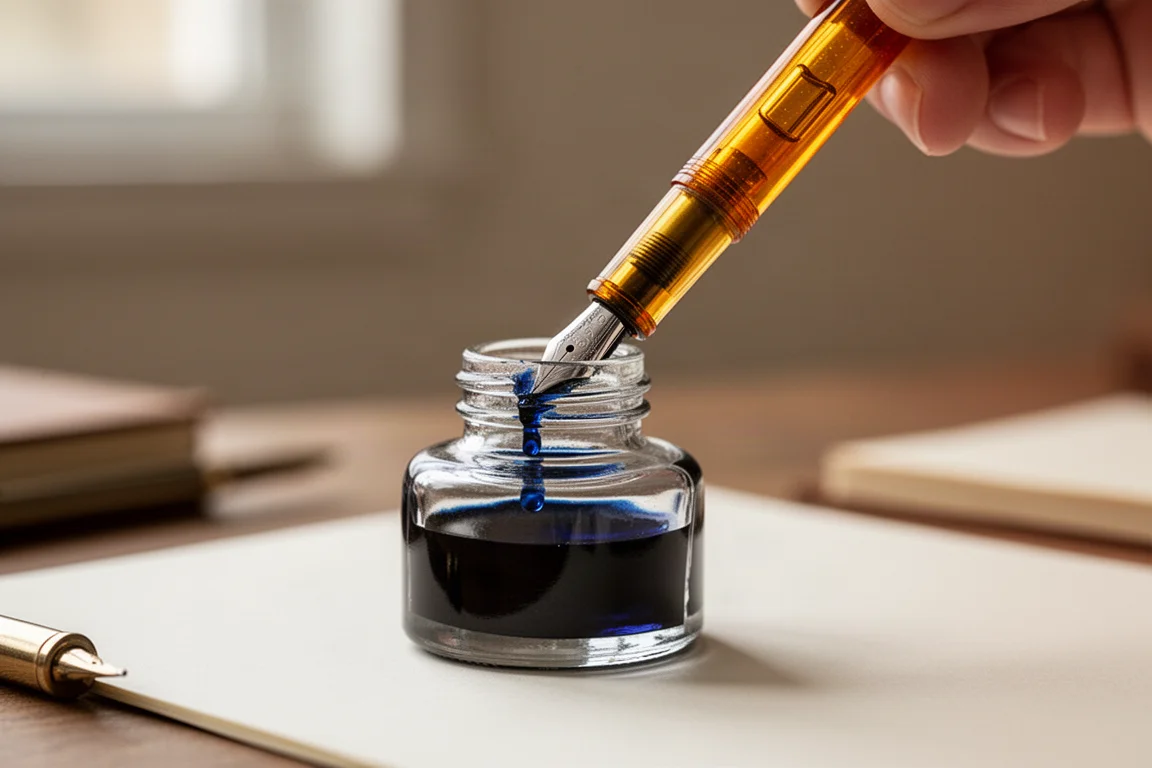
If you want one pen to throw into the everyday bag without a second thought, this is still the answer, and the original colors are a particularly charming way to own it.
Which One Should You Buy?
If budget is no object and you want a signature-grade luxury experience, the Pilot Custom Urushi is the dream pick, provided the size suits your hand. For luxury on a smarter budget, the standard Waterman Carène delivers writing quality far above its price. The Yard-O-Led Viceroy Grand Barleycorn is for collectors who value heritage craftsmanship above all else.
For pure writing value, the Pilot Custom 823 remains hard to beat, and the Gravitas The Monster wins on ink capacity and modern material experimentation. And for an everyday, no-worries writer, the Lamy Safari in Terracotta or Savannah is the sensible, joyful choice.
Conclusion
The best fountain pen is the one that fits how you actually write: where you write, how hard you press, how much ink you go through, and what makes you smile when you uncap it. This year’s picks cover the whole spectrum, from urushi lacquer to industrial acrylic. Whichever direction you lean, there is something here worth being thankful for.
Further reading
Related Reviews
Fountain Pens
Best Budget Fountain Pens Tested: 9 Pens, One Clear Winner
A hands-on comparison of nine affordable fountain pens for everyday writing, calligraphy, and sketching, with a clear standout for flexible nib fans.
Fountain Pens
Aurora Optima Review: An Italian Piston Filler That Punches Above Its Price
A 14k gold nib, ebonite feed, and a beautifully deep oraloid body make the Aurora Optima one of the most rewarding piston fillers around.
Fountain Pens
Cross Bailey Light Review: The Entry-Level Fountain Pen Worth Keeping at the Office
A plastic-bodied Cross with a metal clip, snap cap, and famously smooth extra fine steel nib. Around $15, available almost everywhere, and easy to recommend.